
The honest answer is that river cruising can be greener than ocean cruising in some important ways, but it is not automatically green. A river cruise still uses fuel, produces waste, consumes water, serves meals, heats and cools rooms, runs generators and moves through sensitive landscapes. Ocean cruising, meanwhile, has a much larger visible footprint, but the newest ships are also where some of the biggest investments in shore power, wastewater treatment, cleaner fuels and efficiency are happening.
So the better question is not simply “is river cruising greener than ocean cruising?” It is: which cruise, on which ship, using which fuel, sailing which route, from which port, with passengers arriving how?
River cruise vs ocean cruise: the simple answer
If you want the short version, river cruising is often likely to have a lower environmental impact than a large ocean cruise, particularly when it takes place closer to home, sails shorter distances, carries fewer passengers, docks in central locations and uses shore power while in port.
But there are caveats, and they are doing a lot of work.
River ships are smaller, simpler and usually have fewer energy-hungry facilities. That can mean lower fuel use and less onboard energy demand, especially on ships with efficient engines, hybrid systems, solar panels, battery power or the ability to plug into electricity while moored. It can also mean less pressure from long-distance flying if you can reach your departure port by train, coach or a short regional journey.
However, rivers are sensitive environments. They pass through cities, small communities, protected habitats and narrow waterways. A spill, poor wastewater handling, noisy generator use or badly managed waste can feel very immediate when the ship is moored beside a historic town rather than somewhere out at sea.
Ocean cruising has a bigger footprint partly because ocean ships are bigger, travel further and carry more of the holiday with them. The ship is often the hotel, theatre, spa, shopping street, pool complex and small self-contained municipality. That requires energy. Quite a lot of it. But ocean cruise lines are also under heavy pressure from regulators, ports and passengers to clean up, which is why you now see serious discussion around shore power, advanced wastewater systems, alternative fuels, fuel-flexible engines and net-zero targets.
The result is nuanced. River cruising may be the greener choice, but only if the operator is doing the right things. Ocean cruising may be higher impact, but not all ocean cruises are equal.
A small, efficient ship reached by train may be a relatively thoughtful holiday. A fly-cruise to join an older vessel on a fuel-heavy itinerary is harder to defend, even if the brochure has used a picture of a turtle.
River cruise emissions: why smaller can help
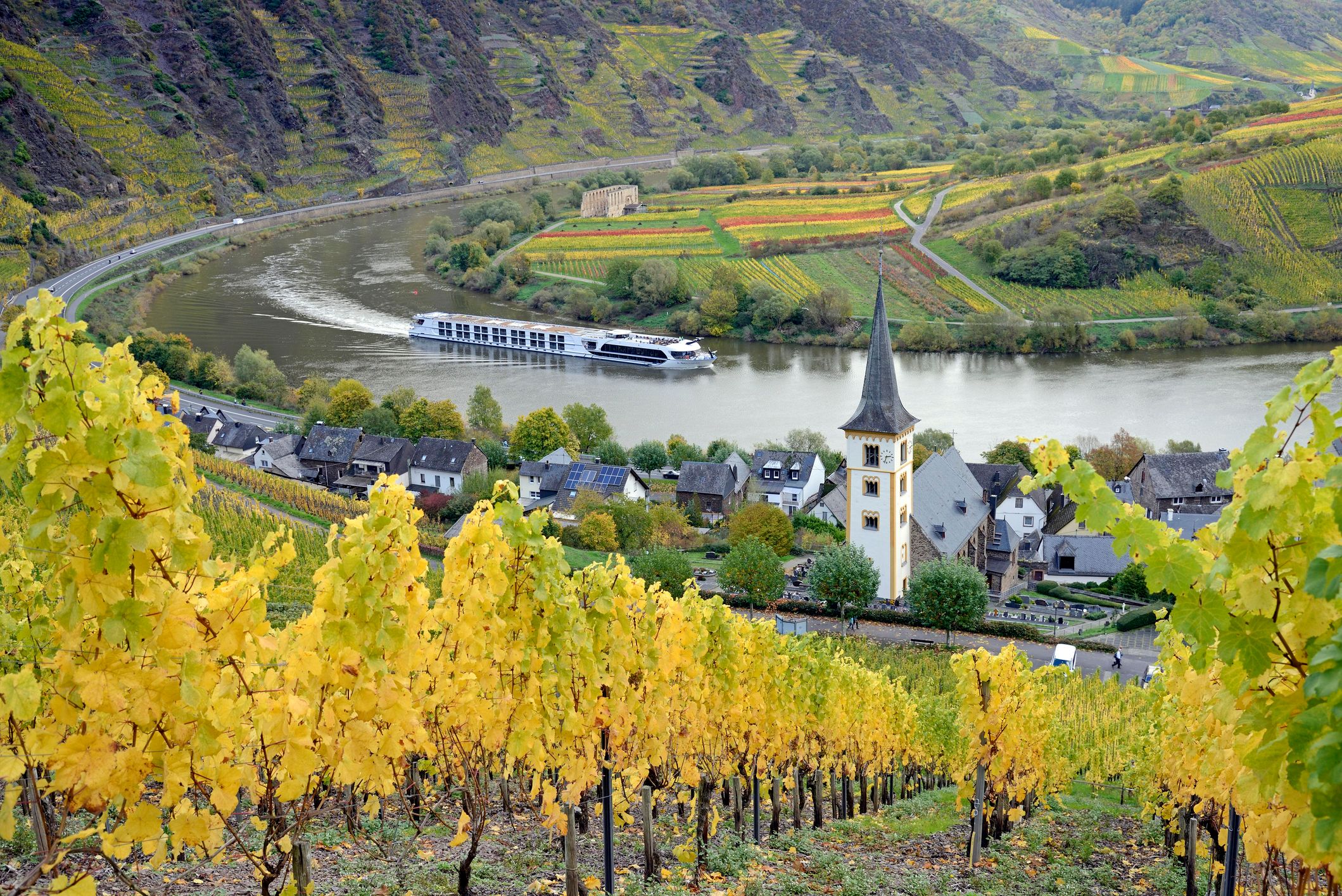
The most obvious difference between river and ocean cruising is scale.
A European river ship might carry 100 to 200 passengers. A large ocean cruise ship may carry several thousand, plus crew, restaurants, bars, pools, entertainment venues, laundries, kitchens and enough soft furnishings to worry a fire marshal. Bigger ships can benefit from economies of scale, but they still need enormous amounts of energy to move and to run the hotel side of the operation.
River cruise ships are much more modest. They usually travel shorter daily distances, move at lower speeds and dock close to the places passengers visit. That matters, because speed is a fuel issue. The faster a ship needs to travel to maintain an ambitious itinerary, the more energy it tends to use. A river cruise that glides between nearby towns on the Rhine, Danube, Rhône or Douro may have a gentler propulsion profile than an ocean ship covering long distances between countries.
There is also less “destination substitution” on most river cruises. On a big ocean ship, the vessel itself is often part of the attraction. But every extra facility has an energy cost. River cruising is usually quieter and more place-led. The entertainment is more likely to be the view, the town and someone explaining wine than a full-scale production with lighting powerful enough to illuminate a football field.
Still, small does not automatically mean clean. A dated river ship with inefficient engines, poor wastewater systems and little transparency is not environmentally superior just because it looks less alarmingly huge. A modern ocean ship using shore power, advanced treatment systems and careful energy management may perform better per passenger than people expect.
Ocean cruise emissions: the bigger ship problem
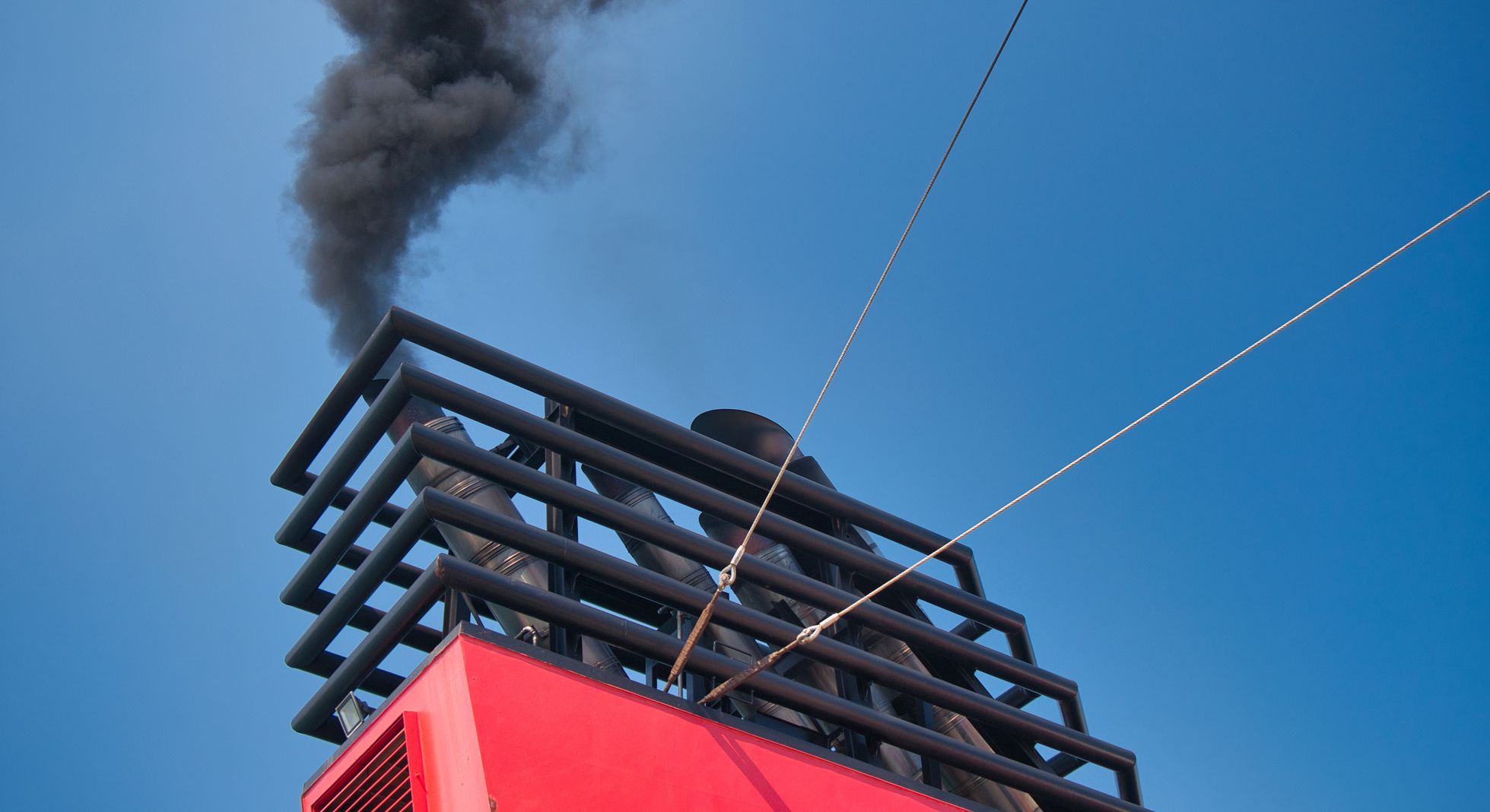
Ocean cruising has a harder environmental case to make because the ships are large, the distances are longer and the energy demand is intense.
This is why port emissions matter. A ship sitting in port with engines running can contribute to local air pollution, especially in busy cruise cities. Campaigning groups have repeatedly raised concerns about sulphur oxides, nitrogen oxides, particulate matter and greenhouse gas emissions around cruise ports. Some port cities are now pushing harder for shore power, which allows ships to plug into the local electricity grid rather than running auxiliary engines while alongside.
The cruise industry’s argument is that it is investing heavily in change. Cruise lines are fitting more ships for onshore power, installing advanced wastewater treatment systems, testing biofuels, using more efficient hull designs, introducing air lubrication systems and ordering ships with fuel-flexible engines. The direction of travel is clear, even if the ship itself is still burning fuel while we all wait for the future to finish being invented.
The uncomfortable truth is that growth matters too. If ships get cleaner but the number of passengers, ships and sailings keeps rising, total impact can still remain high. Efficiency is useful, but what's important is actual emissions, not whether they have been divided attractively per guest night in a sustainability report.
Shore power: one of the biggest green cruise questions

If you want one practical thing to look for before booking, start with shore power.
Shore power, also called onshore power supply, allows a ship to connect to electricity while docked instead of running its engines to power onboard systems. For port cities, that can make a major difference to local air pollution, particularly where the grid is relatively clean. It also matters for passengers, because cruise terminals are often near city centres, waterfront districts and residential areas. Nobody wants their holiday to be remembered by locals as “the week our lungs resigned”.
For ocean cruising, shore power is becoming one of the most important environmental battlegrounds. Many newer ships are being built to connect, and more existing ships are being retrofitted. The problem is that a ship can only plug in if the port has the right infrastructure. At present, that remains patchy. Some ports are well ahead. Others are still at the stage of appearing interested in a meeting.
The same logic applies on rivers. River ships often moor in the heart of cities and towns, which makes shore power especially valuable. If a river cruise ship can plug in overnight rather than running generators beside a quay, that is better for local air quality, noise and the overall relationship between tourism and the people who actually live there. Some river cruise operators are investing in shore power capability, hybrid propulsion, solar panels and battery systems. Some destinations have added or are studying more electrified moorings.
The key point for travellers is simple: ask whether the ship can use shore power, and whether the ports on the itinerary can provide it. A brochure saying “shore power ready” is helpful. A ship actually plugging in regularly is better.
There is a difference between owning gym kit and going to the gym. The same principle applies to cruise ships.
Wastewater, water use and river cruise pollution
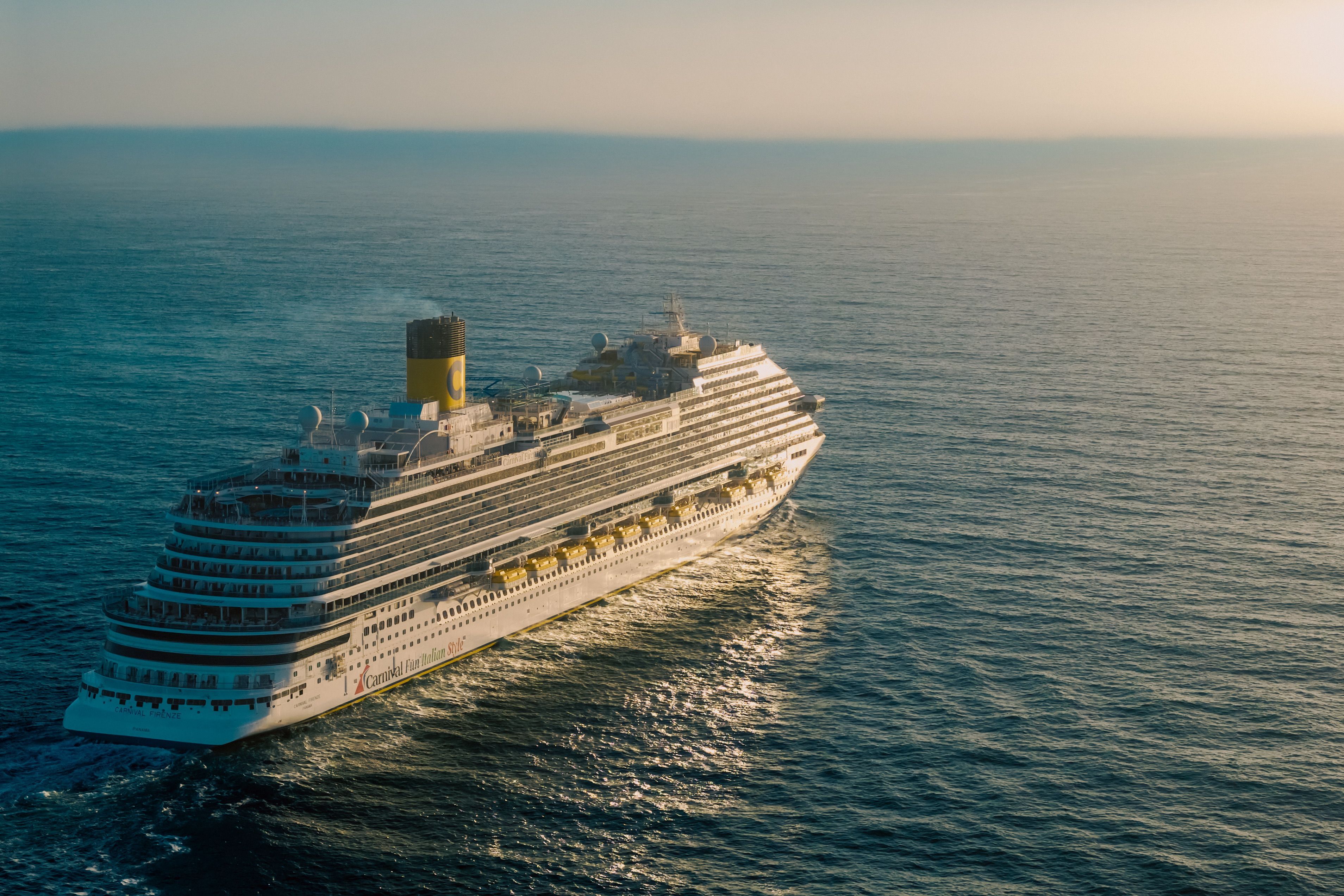
River cruise ships operate in inland waterways, often close to towns, farmland, habitats and drinking-water systems. That makes wastewater management crucial. Greywater from sinks, showers, galleys and laundries, blackwater from toilets, bilge water and cleaning chemicals all need proper handling, storage, treatment and disposal.
Modern river cruise operators should be using up-to-date wastewater treatment, reducing water use, handling sludge and bilge water responsibly, using biodegradable cleaning products where possible and relying on proper port facilities for disposal. The best practice is not mysterious. It exists. The question is whether it is applied consistently.
Ocean cruise ships also face major scrutiny on wastewater. The better operators use advanced wastewater treatment systems that can treat sewage and greywater to high standards, and industry bodies say many ocean-going cruise ships now carry these systems. That is progress, although environmental groups continue to question transparency, discharge practices and the quality of regulation across different jurisdictions.
Passengers rarely book a cruise because of the wastewater system. That's understandable, it would make for strange first-date conversation. But it is one of the most important environmental details behind the scenes, especially on rivers. If a cruise line is vague about wastewater, waste handling and environmental certification, that vagueness is information.
Flights can change the whole equation

One of the biggest environmental differences between river and ocean cruising may have nothing to do with the ship at all. It may be how you get there.
A European river cruise that starts with a train to Amsterdam, Basel, Cologne, Lyon, Vienna or Budapest can look very different from a fly-cruise involving a long-haul flight to the Caribbean, Alaska or Asia. Likewise, a no-fly ocean cruise from Southampton, Portsmouth, Liverpool, Newcastle or Tilbury may compare more favourably than people expect, simply because it removes flights from the equation.
This is where the neat river-versus-ocean argument starts to wobble. A river cruise is not automatically lower impact if you fly a long way to join it for a short sailing. An ocean cruise is not automatically the worst option if you board close to home, travel for longer and choose a line investing properly in cleaner technology.
The length of the trip matters too. Flying to join a seven-night cruise has a different footprint from taking one longer holiday and staying away for two or three weeks. There is an argument for fewer, longer, better-planned trips rather than frequent short escapes stitched together with flights. This is annoying if you enjoy spontaneous weekends away, but unfortunately the atmosphere has not yet shown much appreciation for our vibe.
For UK travellers, river cruises in Europe can be particularly appealing if reached by rail. Eurostar and onward connections open up parts of northern and central Europe without flying, while no-fly ocean cruises from UK ports can reduce travel stress and emissions at the same time. A rare win for both the planet and anyone who hates airport security trays.
Is a river cruise more sustainable for food and waste?

Food waste is another area where smaller ships may have an advantage, but only if they use it well.
River ships carry fewer passengers, often operate set meal times and may have tighter provisioning because they travel through regions where resupply is easier. In theory, that can help reduce waste. A smaller kitchen serving fewer people can plan more precisely than a vast buffet designed to satisfy thousands of passengers who all believe they might need a second breakfast.
Ocean cruise lines, however, have also become much more serious about food waste, single-use plastics, recycling and onboard processing. The scale is much larger, but so are the systems. Some big ships use biodigesters, dehydration systems, tracking software and more careful procurement to reduce waste. The question, again, is not ship size alone. It is management.
A good river cruise will showcase local food, reduce buffet excess, source responsibly where possible and avoid treating every meal as an invitation to create a cheese-based incident. A good ocean cruise will do the same at scale, with proper waste tracking and clear targets.
For passengers, the greenest meal is usually the one you actually eat. Radical stuff.
How to choose a greener cruise

If you are trying to book a lower-impact river cruise, look for specifics rather than soft-focus language.
Ask whether the ship uses shore power and how often. Look for modern engines, hybrid systems, battery technology, solar panels or fuel-efficiency measures. Check whether the operator publishes sustainability information that goes beyond “we care deeply about the river”, which is lovely but not a policy.
Wastewater matters. The line should be able to explain how greywater, blackwater and bilge water are treated or disposed of, and whether the ship uses modern treatment technology. Waste reduction matters too, including food waste, recycling, single-use plastics and responsible chemical use.
Itinerary design is important. A slower route with sensible distances may be better than one that pushes the ship to keep a tight schedule. City-centre moorings are convenient, but shore power and noise control matter. Local excursions should use local guides, avoid overcrowding and support the places being visited.
How you get there may be the deciding factor. If you can reach the departure port by train, especially for Rhine, Dutch, Belgian, French or central European river cruises, that can make a meaningful difference. It may also make the holiday feel better from the start, because a train station rarely asks you to remove your belt in public.
If the cruise line cannot explain its environmental choices clearly, that is not your failure to understand. It may be theirs.
So, is river cruising greener than ocean cruising?
Often, yes. Always, no.
River cruising usually has advantages: smaller ships, shorter distances, central ports, fewer onboard mega-resort facilities and the possibility of reaching the departure point by train. A well-run river cruise on a modern ship, using shore power, managing wastewater properly and supporting local communities, can be a thoughtful way to travel.
But river cruising is not impact-free. Rivers are sensitive environments. Ships still burn fuel. Wastewater still needs careful handling. Moorings need infrastructure. Local towns need tourism to arrive at a human scale rather than as a daily exercise in crowd management.
Choose a responsible operator. Choose a sensible route. Choose a ship with real environmental technology, not just a paragraph about loving the sea. Travel to the port with care. Stay longer if you are going further. Spend locally. Treat destinations as places people live, not scenery arranged for your arrival.
And if all else fails, remember the golden rule of sustainable travel: the word “eco” means very little until someone has explained where the waste actually goes.