
If you have glanced at a cruise brochure lately, you may have noticed that many ships are now gliding past wind turbines, dolphins and, quite possibly, a small child planting a tree. “Sustainable cruising” has become a selling point in its own right.
Given that cruise ships are large, energy-hungry, floating hotels, it is fair to ask how much of this is substance and how much is marketing varnish. The awkward answer is that it is a bit of both.
This is a look at what is actually changing, where the accusations of greenwashing come from, and how to tell when a “green” claim is doing some real work.
Why cruising attracts scrutiny

Globally, shipping is responsible for roughly three per cent of CO₂ emissions, and cruise ships are among the most energy intensive vessels in that segment. They burn large quantities of fuel, run hotels and entertainment complexes on board, and tend to park themselves right next to cities that already might have issues with air quality.
Environmental groups have pointed out that in European ports, a few hundred cruise ships account for significant shares of sulphur oxides, nitrogen oxides and fine particles, all of which are linked to health problems. Consumer bodies such as Which? have published comparisons showing that a single mega ship can have an annual carbon footprint comparable to a small town. Not the kind of statistic you put on a fridge magnet.
Against that background, it is not surprising that when the industry talks about “green ships”, many people reach for a generous pinch of salt.
What the industry says it is doing

Cruise Lines International Association (CLIA), which represents most major brands, has signed up to net zero greenhouse gas emissions by 2050, aligning itself with the International Maritime Organisation’s revised climate strategy. Its own environmental data suggests that average CO₂ emissions per ship in Europe have fallen by around 16 per cent between 2019 and 2023, helped by newer, more efficient vessels.
CLIA’s latest technology report lists dozens of ships fitted for shore power, advanced wastewater treatment and waste reduction, and highlights a growing number of new builds capable of running on alternative fuels such as methanol or biofuel blends.
So there is real investment. The question is whether the specific buzzwords in the brochure match the actual climate benefit.
LNG: cleaner air, complicated climate maths
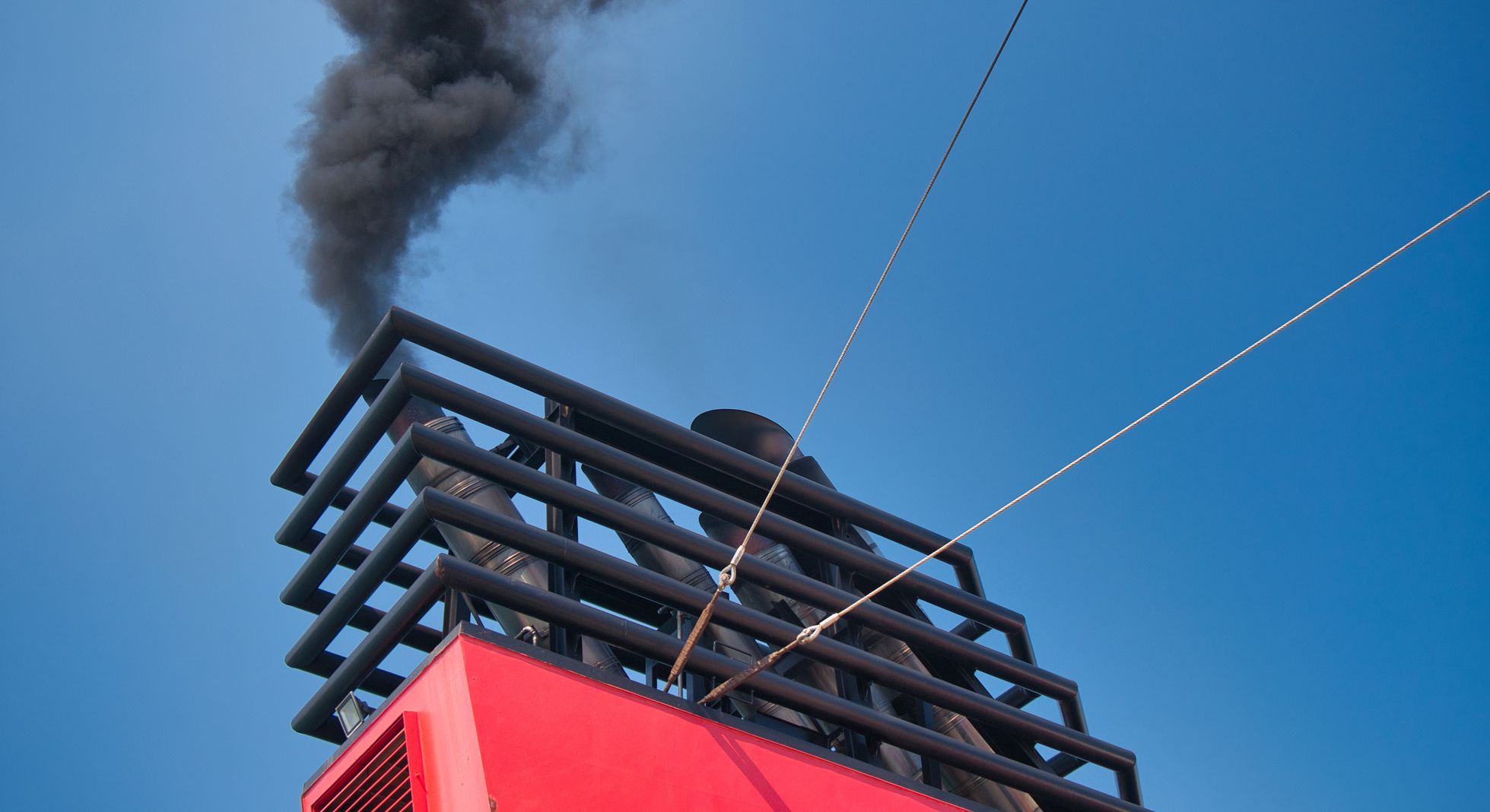
Liquefied natural gas, or LNG, is the current star of many “eco ship” announcements. Cruise lines like to point out that when you burn LNG instead of heavy fuel oil you get far lower sulphur emissions, virtually no soot and a reduction in nitrogen oxides. Engine makers also say that CO₂ from combustion can be 20 to 30 per cent lower per unit of energy. Local air quality in port absolutely improves compared with the old, dirty fuel oils.
Climate campaigners, however, are much cooler on the idea. LNG is still a fossil fuel, and small amounts of unburned methane can leak from engines or along the supply chain. Methane traps far more heat than CO₂ in the short term, so even modest “methane slip” can cancel out the CO₂ benefit. Studies by the International Council on Clean Transportation and others suggest that, once you add these leaks in, the life cycle greenhouse gas saving of LNG over marine gas oil is at best modest and in some cases disappears altogether.
This is why the world’s largest LNG powered cruise ships have been described in the same breath as both “cleaner burning” and “a false climate solution”. Regulators have started to take notice. In the Netherlands and elsewhere, advertising watchdogs have told cruise lines to tone down claims that LNG powered ships are straightforwardly “green”, on the basis that the science is more nuanced than the slogan.
That does not mean LNG is useless. It clearly helps port air quality, and some engine designs are cutting methane slip significantly. It does mean that calling it a climate solution without any qualifiers is optimistic.
Shore power: helpful, but not magic
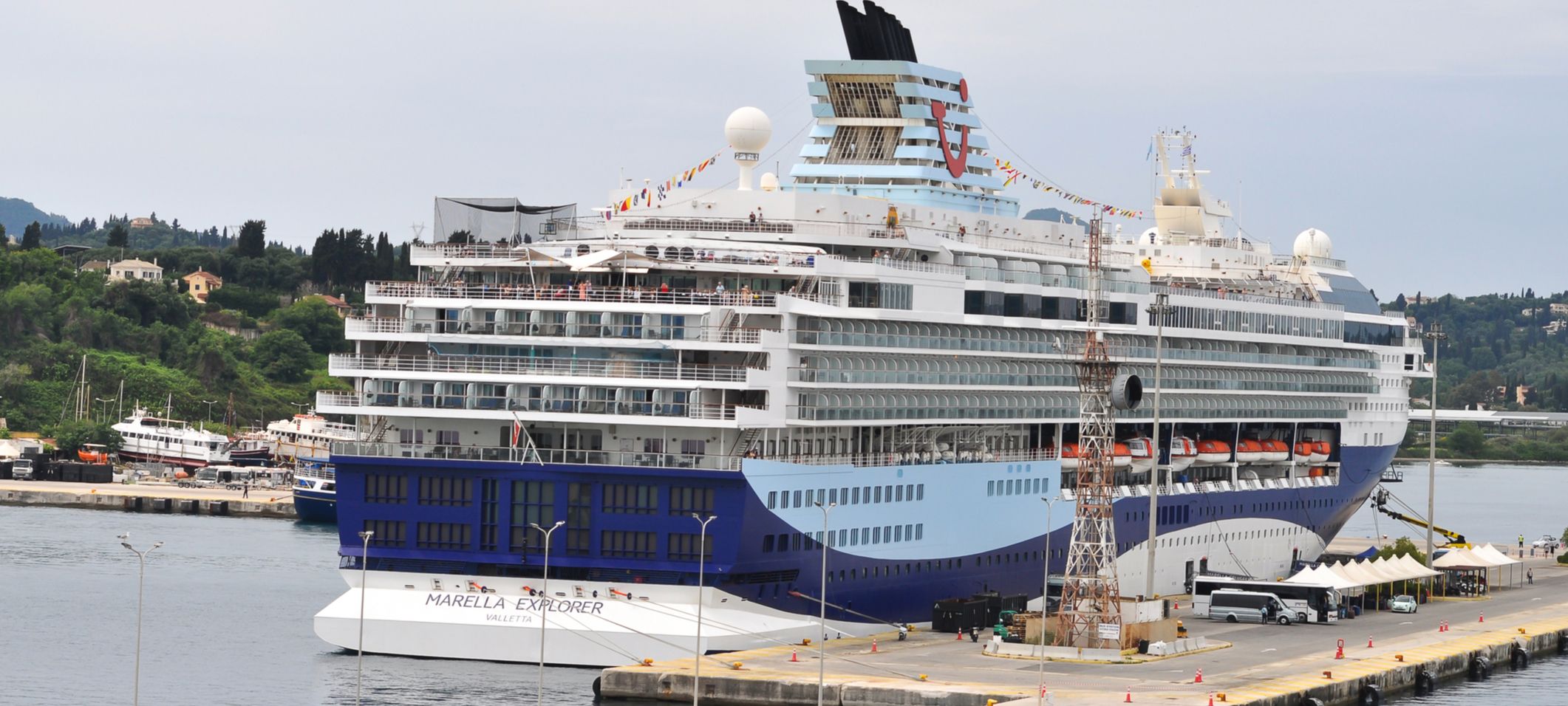
“Zero emissions in port” is another favourite line. The idea is simple. Instead of running their engines while berthed, ships plug into the local electricity grid and draw power from there. Passengers get a quieter night, nearby residents get cleaner air and the ship saves fuel.
Used properly, shore power can sharply cut local pollution and, if the grid is relatively clean, reduce overall CO₂ for time spent alongside. Ports such as Hamburg have already installed multiple cruise ship shore power connections and plan to make their use standard by 2027. The EU’s Fit for 55 package will require major ports to offer shore power for passenger ships by 2030, which is forcing everyone to move faster.
The catch is that the infrastructure rollout is patchy and expensive. Not every port has shore power. Not every ship that can plug in actually does so on every call. And not every grid feeding those sockets is powered by wind and sunshine. Some investigative work has also found cases where marketing talked about “green energy in port” while ships were still running engines because the promised shore power either was not available or was limited.
So shore power is genuinely useful, especially for people living near busy terminals. It is just not a complete solution, and it only works when both port and ship have done their homework.
New fuels and fancy hardware

Beneath the noise about LNG, there is quieter experimentation with fuels that might, one day, live up to the word “sustainable” without an asterisk.
CLIA’s data shows early moves into renewable biofuels and synthetic fuels on a handful of ships, plus an orderbook that now includes several vessels designed to run on green methanol or even green hydrogen when those fuels are available at scale. Specialist yards and research institutes are also trialling fuel cells, battery hybrids and smarter energy management to shave off demand where possible.
Across the wider shipping world, companies such as Maersk are testing blends of methanol and ethanol, looking for fuels that can work with existing engines while cutting life cycle emissions. Cruise lines are watching closely, partly because whatever becomes standard in cargo shipping will likely filter into passenger ships later.
The honest state of play is that promising technology exists, but it is early, expensive and not yet available at the volumes needed to run a global cruise fleet. Marketing teams are very keen to talk about the one prototype or “future ready” ship. Climate does not benefit until there are hundreds.
Carbon offsets: the uneasy add on
For years, one of the easiest ways to look virtuous was to bolt a carbon offset scheme onto your product and invite customers to top up their fare. Carbon credits can fund tree planting, renewable projects and conservation. They can also, as various investigations have shown, be wildly over optimistic about how much carbon they truly lock away.
Outside cruising, courts and regulators have started to push back. In Australia, for example, a major energy company recently apologised and settled a greenwashing case after admitting that claiming carbon neutral energy through offsets was “not the most effective” way to cut emissions and could mislead customers into thinking their energy use had no impact.
The lesson for travel is fairly clear. Offsets may have a role, especially for residual emissions that are hard to eliminate, but they are not a free pass. If the main plank of a cruise line’s sustainability story is an optional offset tick box, you are squarely in “marketing solution” territory.
When does “sustainable cruising” become greenwashing?

Greenwashing is a broad term, but at heart it is about giving an impression of environmental virtue that is out of proportion to reality. In cruising, it tends to show up in a few familiar ways.
Sometimes the issue is selective truth. A ship genuinely might have advanced wastewater treatment and be able to plug into shore power in certain ports, but the way it is advertised suggests that the entire voyage is close to impact free. In other cases, a line leans heavily on the local air quality benefits of LNG and quietly skates over the unresolved climate questions, or trumpets “net zero” voyages that are, in fact, business as usual plus a handful of carbon credits.
Campaigners are unforgiving, and not without reason. Friends of the Earth and others argue that the industry has spent heavily on polishing its image while lobbying against stricter regulations, and consumer watchdogs have already banned several cruise adverts for overstating environmental credentials.
At the same time, it would be wrong to pretend nothing is changing. Cleaner fuels for local air, more efficient hulls and engines, serious money going into alternative fuels and shore power: these are not imaginary. The difficulty is that the scale of the problem is large enough that even genuine steps forward can feel like tinkering.
So should you still cruise if you care about the climate?
No version of this article can magic away the basic fact that cruising has a heavy environmental footprint. If you are trying to live the lowest carbon life imaginable, a large floating hotel is not your friend.
If you are going to cruise, though, you can nudge things in a better direction. Newer, more efficient ships tend to be less polluting per passenger than older ones. Itineraries that sail from closer to home avoid extra flights. Lines that are transparent about their emissions, invest in shore power and experiment with alternative fuels are, at the very least, putting money where their marketing is.
The industry is in an awkward middle phase: not yet “green”, no matter what the brochure says, but not static either. For now, the honest position is that sustainable cruising is a work in progress. The important thing is that the progress keeps happening, and that the claims on the glossy pages do not get too far ahead of the engineering in the engine room.