You know the standard Rhine story already: Cologne’s cathedral, Strasbourg’s half-timbered streets, castles every time you look up from your strudel. Lovely, obviously. But the real fun of a Rhine cruise is the places where you find yourself hurriedly Googling the town name as the gangway goes down.
These are a few of the lesser known stops that quietly steal the show.
Andernach: geysers and cake on a bend in the river
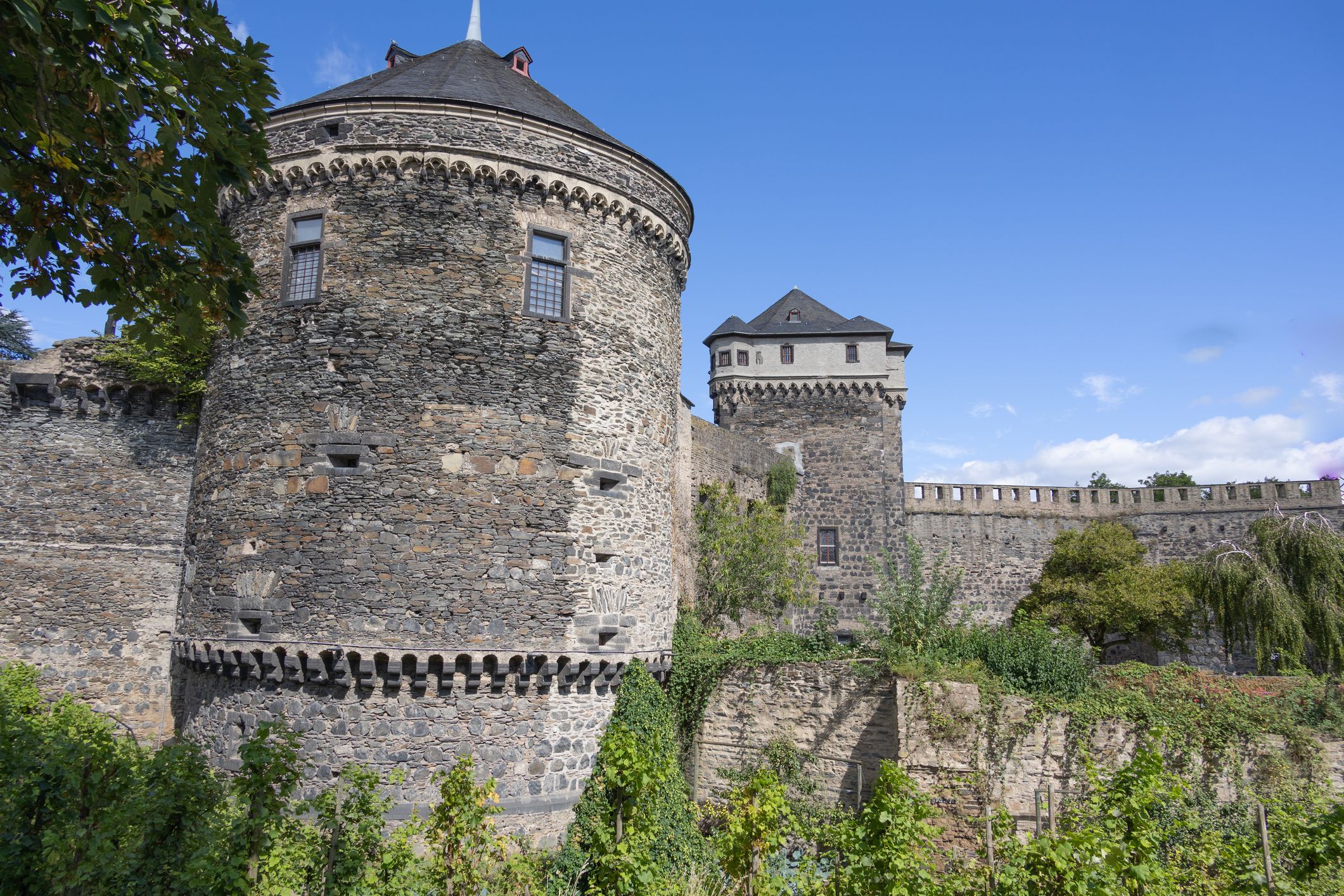
On paper, Andernach sounds like a logistics stop between Cologne and Koblenz. In reality it is a walled town with a handsome round tower, riverfront promenade and the sort of cafés that seem permanently in the act of producing fresh cream cakes.
The headline attraction sits a short boat ride away: the Andernach Geyser, officially recognised as the world’s highest cold water geyser and quite capable of throwing a plume of water 60 metres into the air. The journey there, through a quiet nature reserve, feels pleasingly at odds with the idea of being on a cruise at all; one minute you are on a ship with a piano bar, the next you are watching a column of carbonated groundwater explode into the sky.
APT is among the lines that now call at Andernach on selected Rhine itineraries, usually pairing the geyser with time to wander the old town walls and poke around the little museum in the castle keep. It is not the most famous stop on the river, but it is often the one people end up talking about in the taxi home.
Boppard: a river that pretends to be four lakes
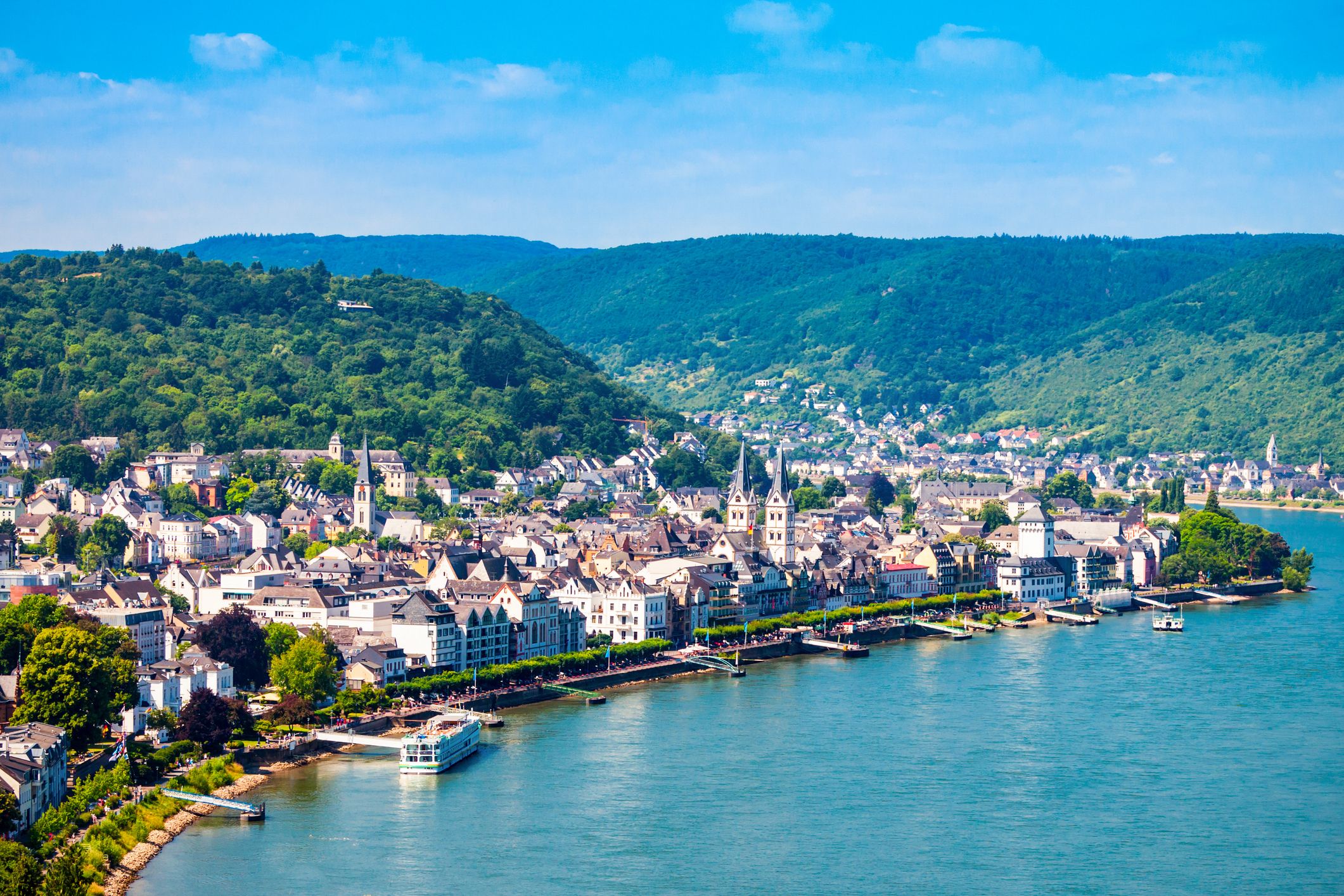
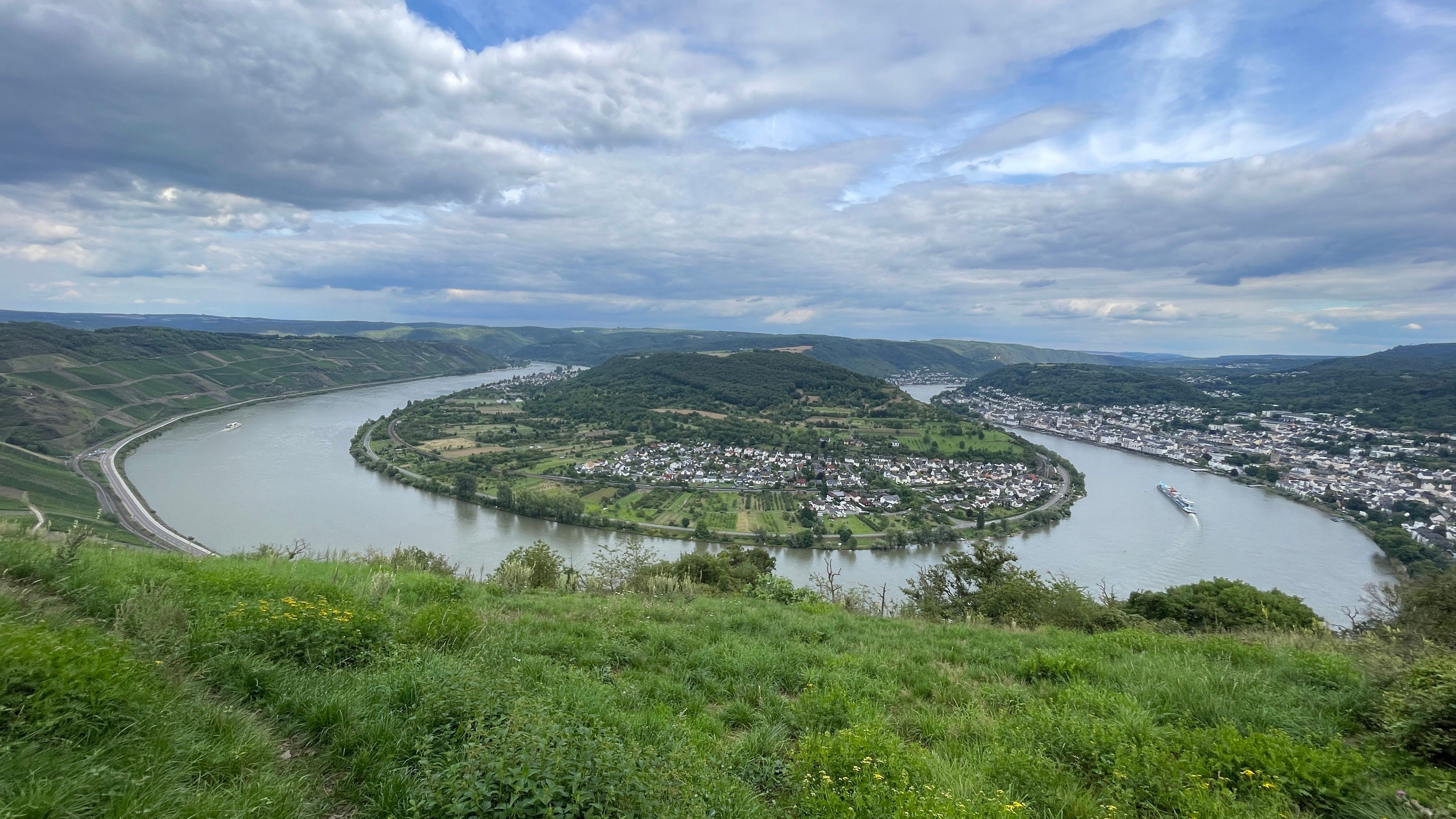
If you drew the Rhine freehand with your wrong hand, the result would probably look a lot like the loop at Boppard. The town sits in the middle of a dramatic horseshoe bend, all vineyards and slate hillsides, with a long promenade lined with plane trees that feel built for evening strolls and ice cream.
The party trick here is overhead. A vintage chairlift creaks its way up the slope behind town to a viewpoint called Vierseenblick, where the twists of the river line up in such a way that it looks like four separate lakes rather than one continuous flow. Stand there with a glass of local Riesling from the hilltop café and you start to understand why the term “Rhine romanticism” was coined in this stretch of water rather than anywhere else.
Back down at river level, Boppard is very much a lived-in place: wine taverns in medieval lanes, a Roman fort casually parked behind the main square, and just enough souvenir shops to remind you that you are not the first person to think this would make an excellent holiday.
Bacharach and Oberwesel: two villages, one storybook
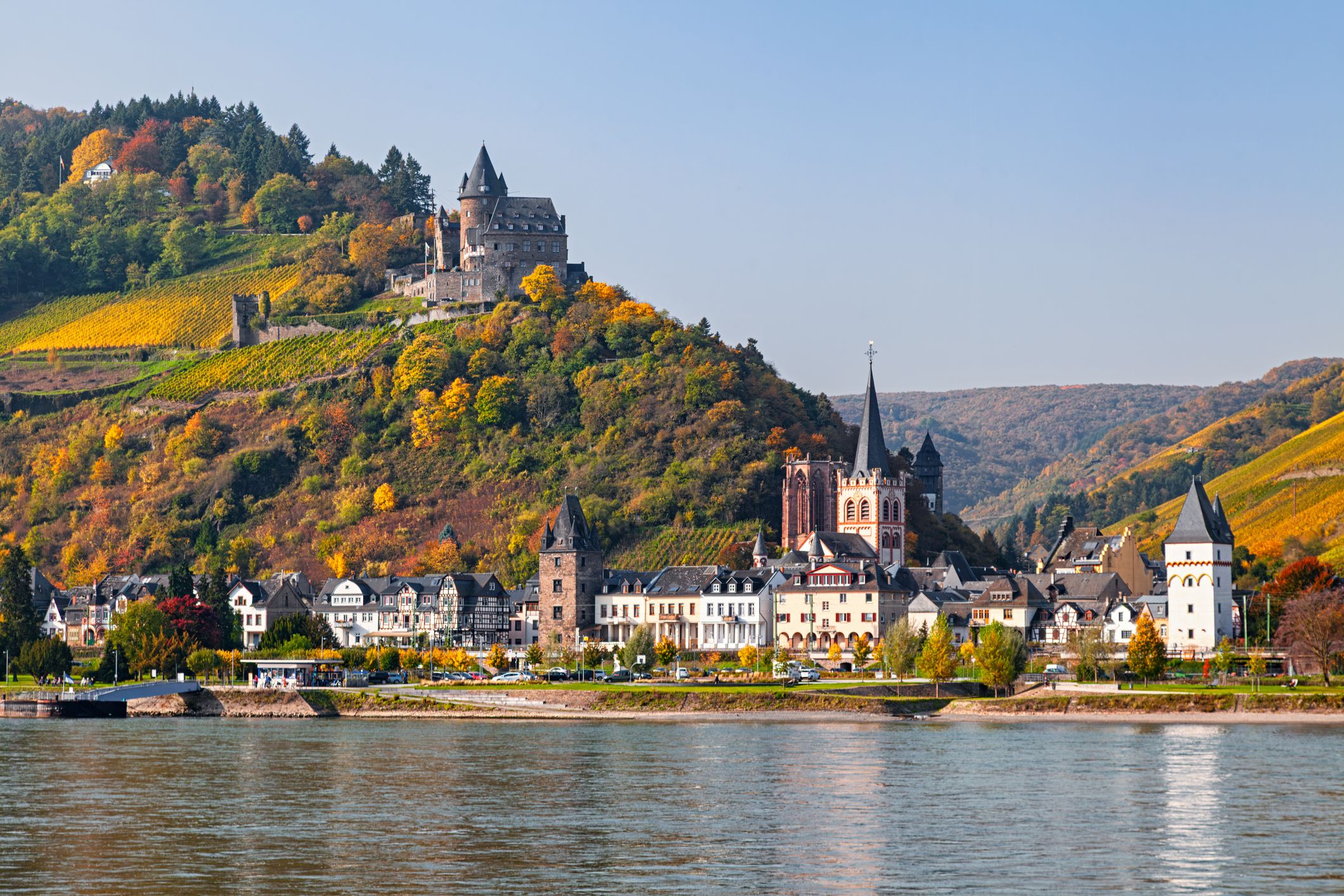
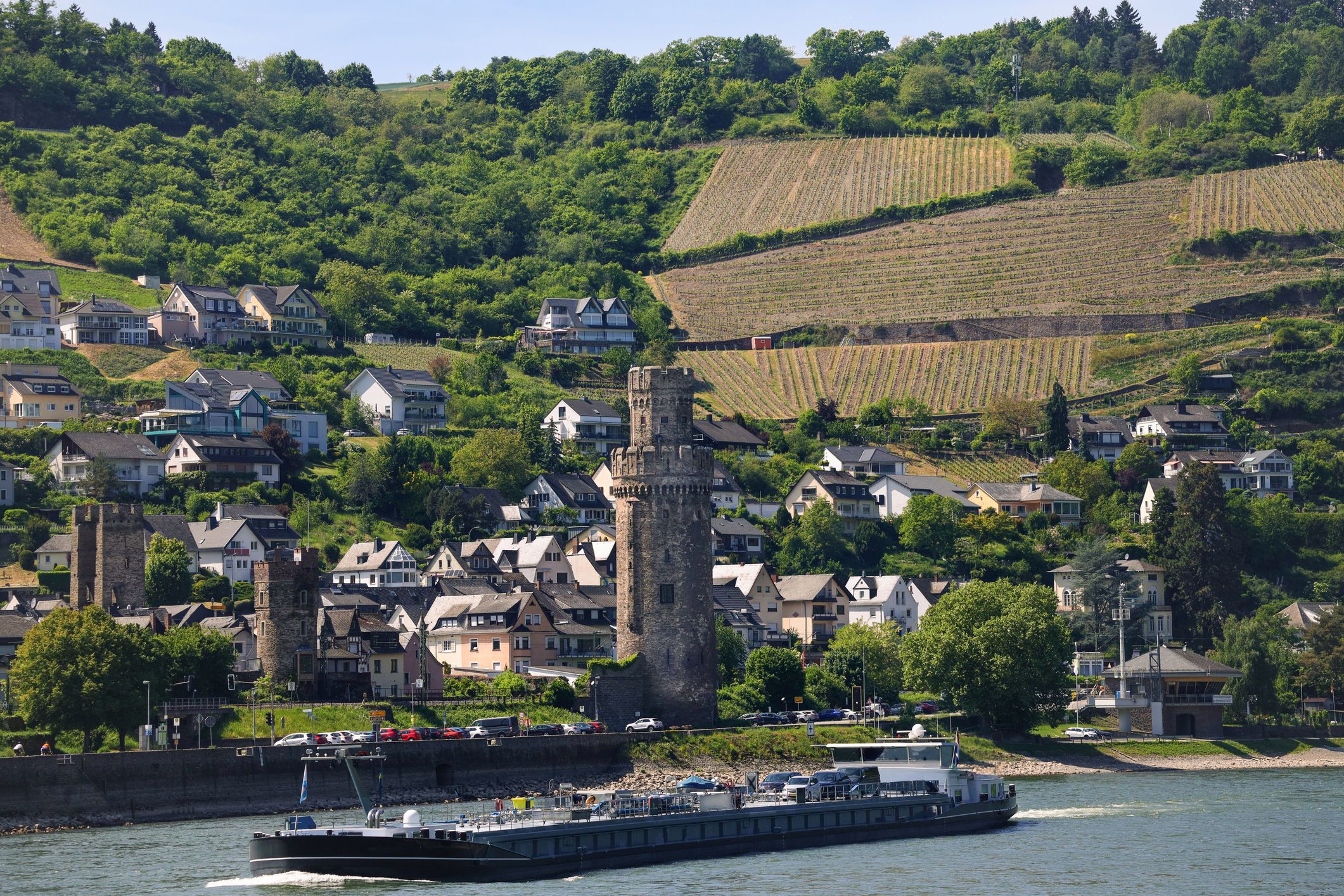
There are prettier river valleys in Europe, but there are few stretches that look more like a childhood illustration of “fairytale Germany” than the short hop between Bacharach and Oberwesel.
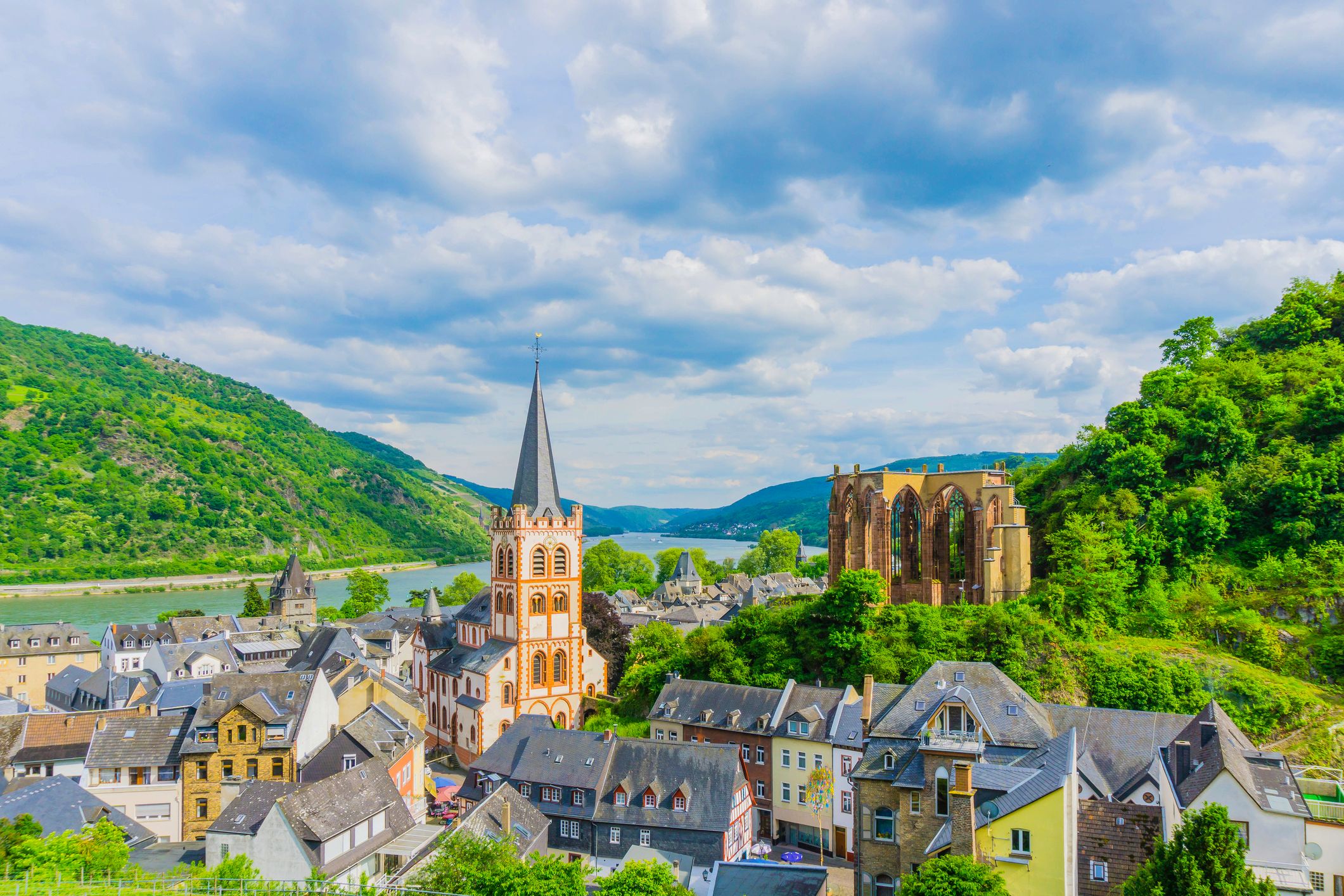
Bacharach is the one that makes you say “oh” out loud when you round the corner from the quay. Half timbered houses lean in over cobbled streets, vines climb up towards Burg Stahleck, the castle that now doubles as a youth hostel, and the ruined Wernerkapelle stands above it all like a gothic stage set. The walk up through the vineyards to the castle is exactly steep enough to justify a second slice of cake later.
Oberwesel, a few minutes up river, feels more self contained and slightly sterner. Its selling point is the town wall; this is one of the best preserved defensive circuits on the Rhine, with around sixteen towers still standing and a path you can follow along the ramparts for views over the river and the pointed spire of the Liebfrauenkirche. Castle Schönburg, now a hotel, sits above it all, looking as though it has been placed there by central casting.
Plenty of river ships call at one or the other. If your itinerary includes both, treat it as permission to double up on Riesling tastings and photo opportunities of steep vineyards.
Linz am Rhein: the “colourful town” that lives up to its nickname
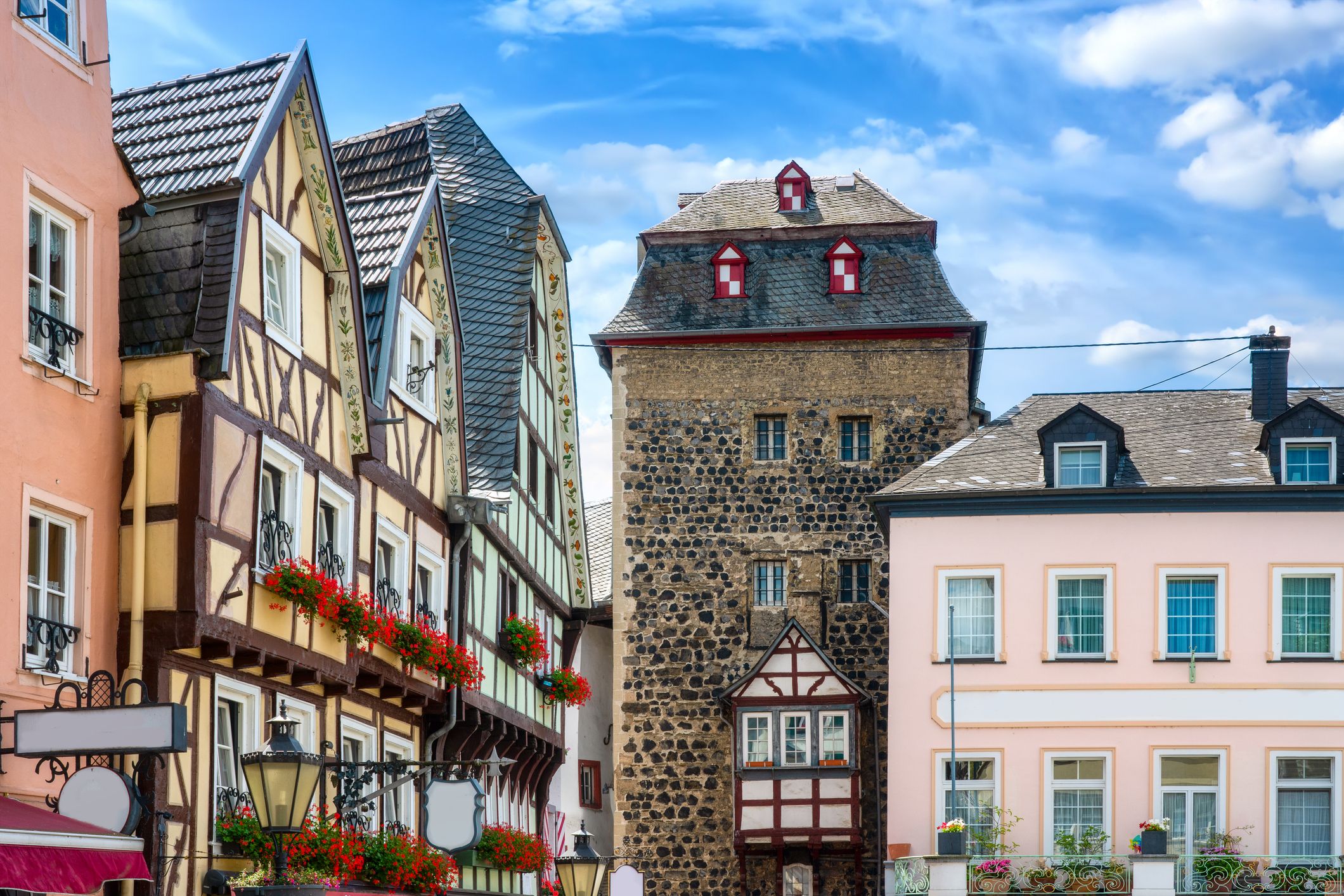
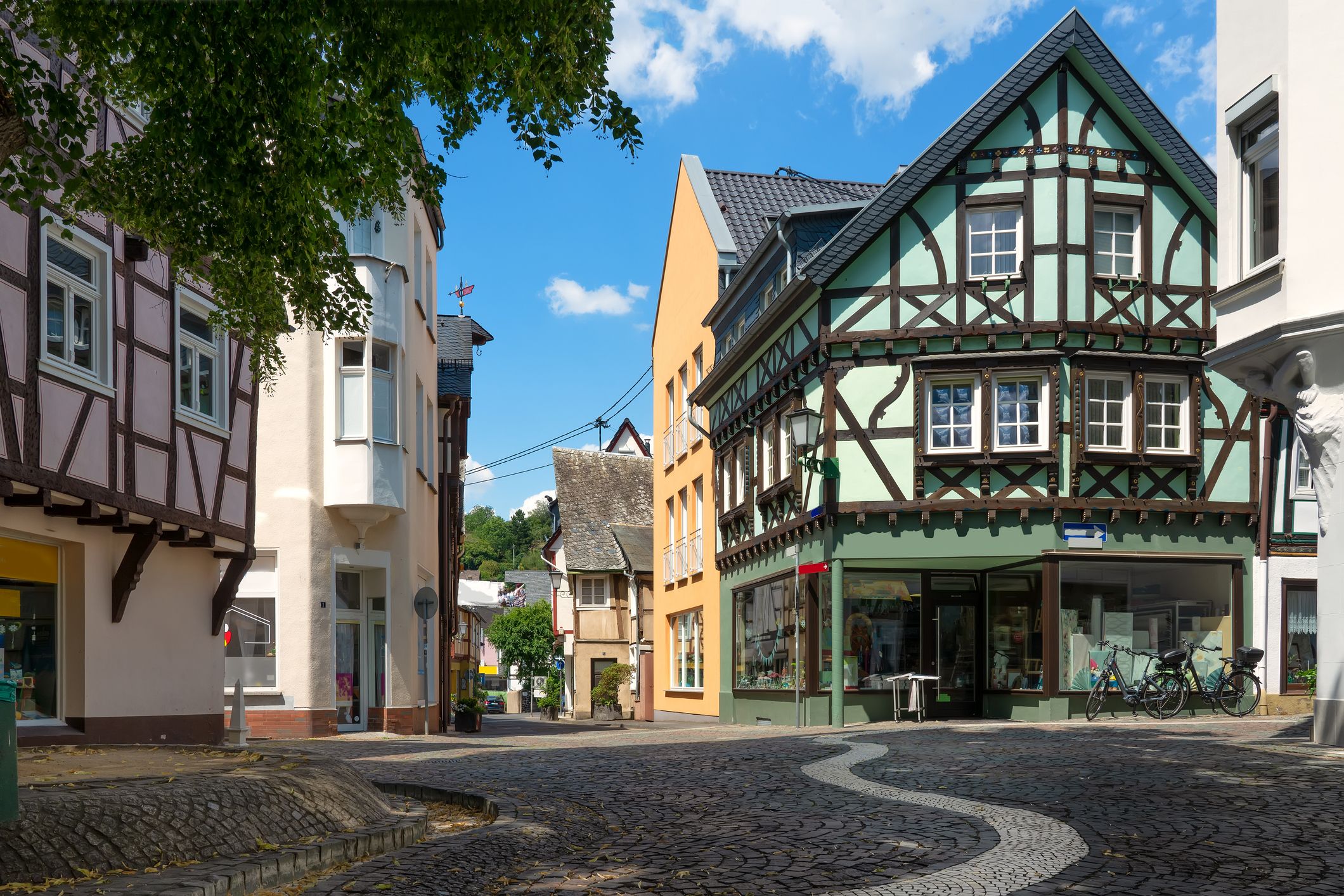
Further north, just when you think you have seen every possible variation on timber framing, Linz am Rhein appears and raises you an entire palette. The town is known as “Die Bunte Stadt am Rhein” – the colourful town – thanks to narrow streets of painted and historic half timbered houses clustered around the market square and Burgplatz.
It is not large, which is exactly the point. Linz is that rare thing in travel marketing: a place that really can be “done” in a few well spent hours. You can walk from the quay to the old town gate in minutes, detouring for a bakery stop, a photo of the fountain in the square and a look at the small castle that once guarded this stretch of river.
If your ship schedules an evening call here, wrap up and go for a wander after dark; the façades look even more theatrical when the day trippers have gone home and the only sounds are cutlery, church bells and the occasional suitcase being rolled a bit too confidently over cobbles.
Breisach: the hilltop pause between Black Forest and Alsace
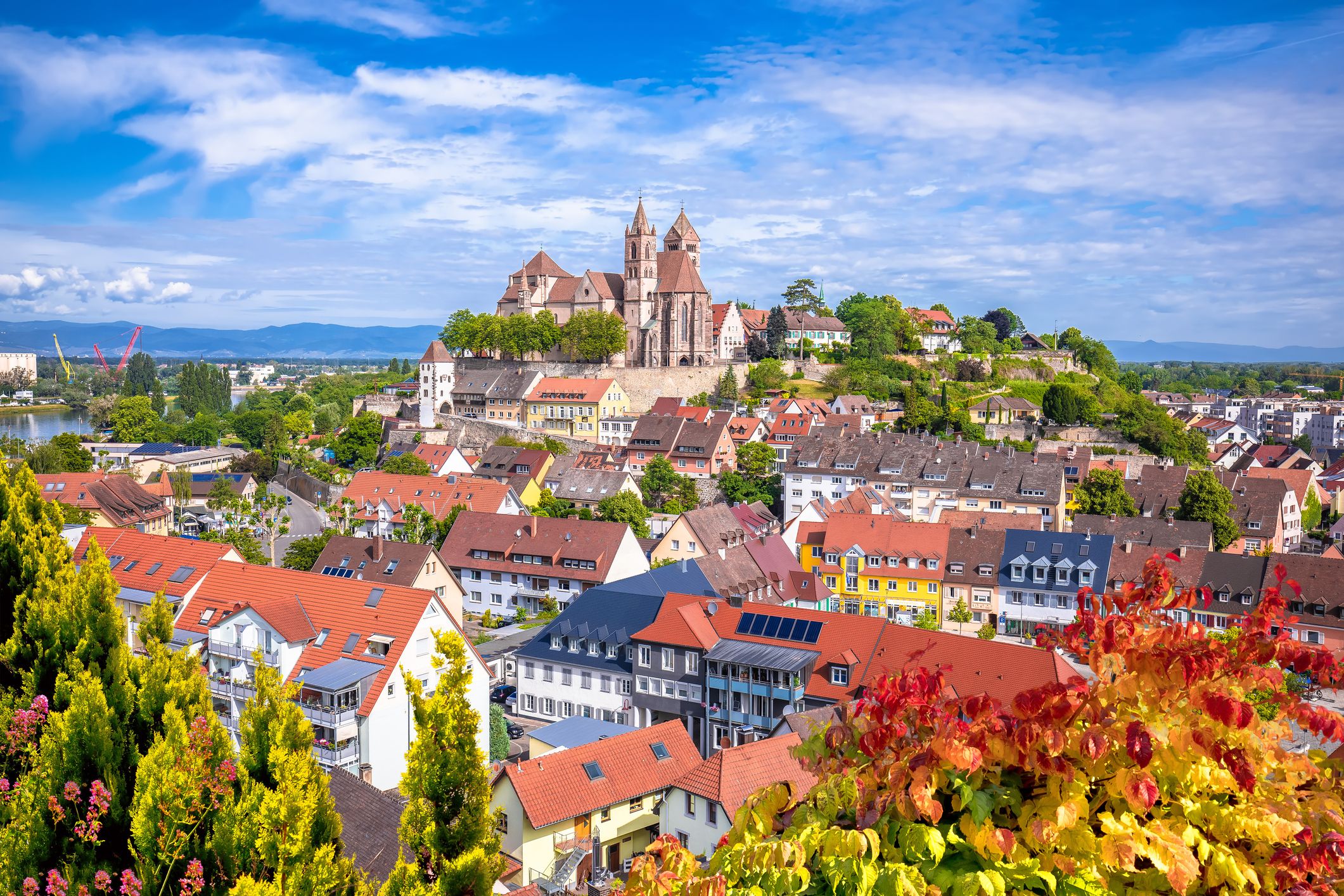
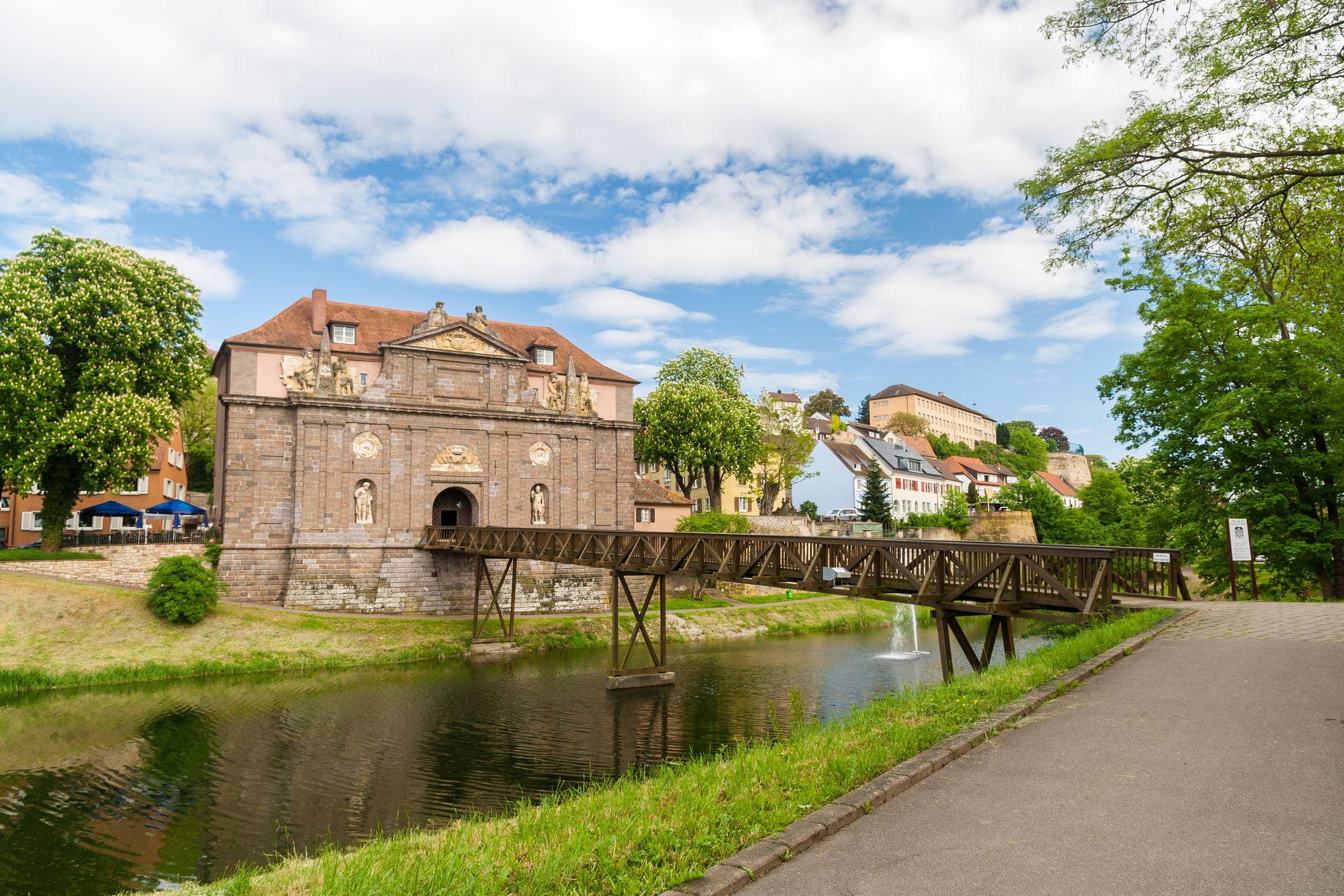
Right at the southern end of many Rhine itineraries, Breisach am Rhein is often presented as a springboard: coach to Freiburg in one direction, Colmar in the other, “Black Forest and wine road” stamped across the brochure. It is all true. This is one of the busiest gateways between Germany and France and a useful jumping off point for explorations into both.
It is also worth your actual time. The town climbs a hill above the river, crowned by St Stephen’s Cathedral, whose terrace delivers a panoramic sweep of the Rhine, vineyards and the Vosges beyond. The Rheintor, an old city gate near the waterfront, looks almost too ornate to have had anything to do with customs duties, and the little side streets are full of wine cellars and simple restaurants that consider “local” not so much a label as a statement of fact.
Lines like Travelmarvel use Breisach as their base for this part of the river, which means you can spend the morning in a French canal side town and still be back on board in time for a German beer with your dinner. There are worse ways to experience the idea of Europe.
Who actually sails to these places
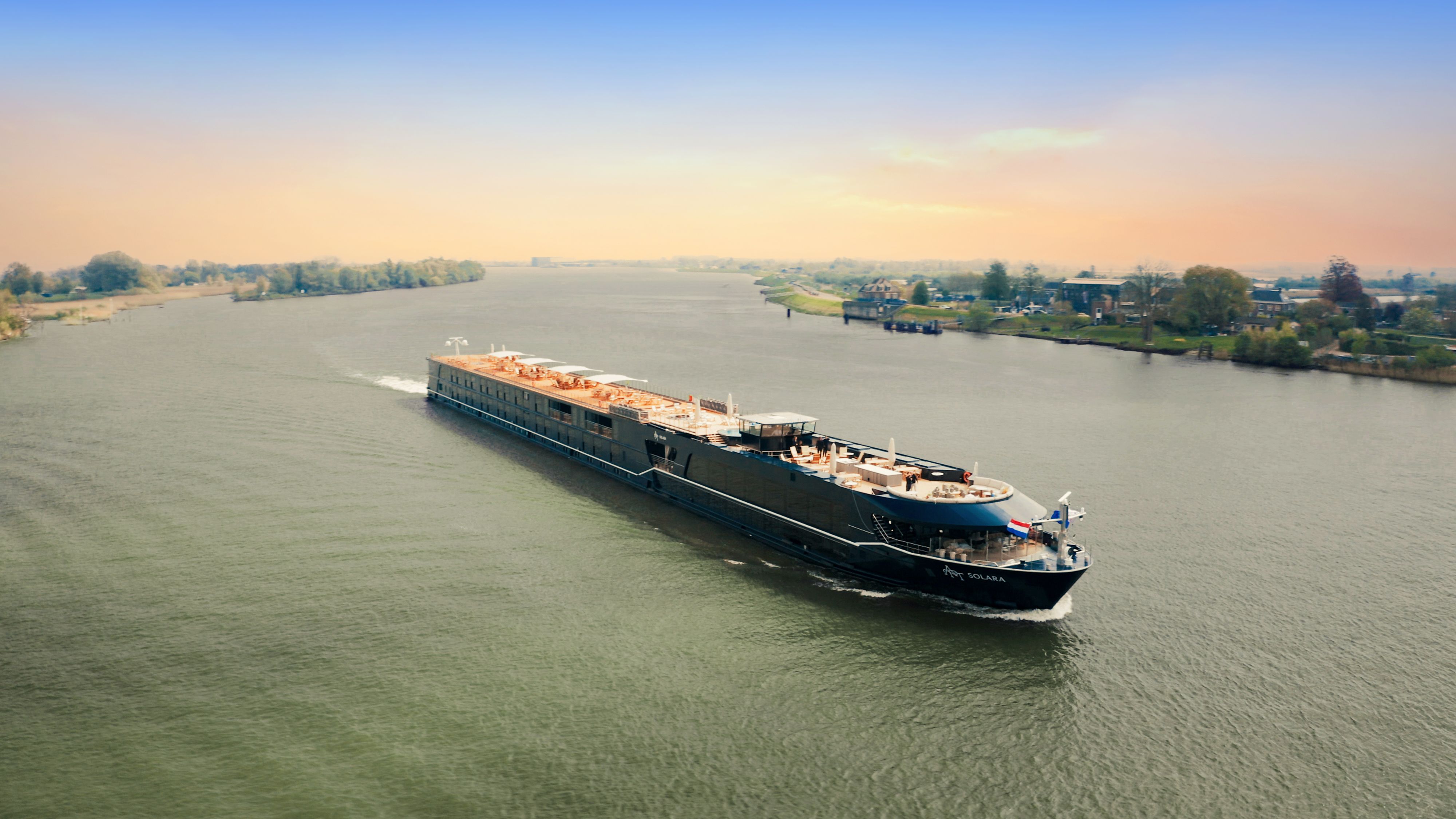
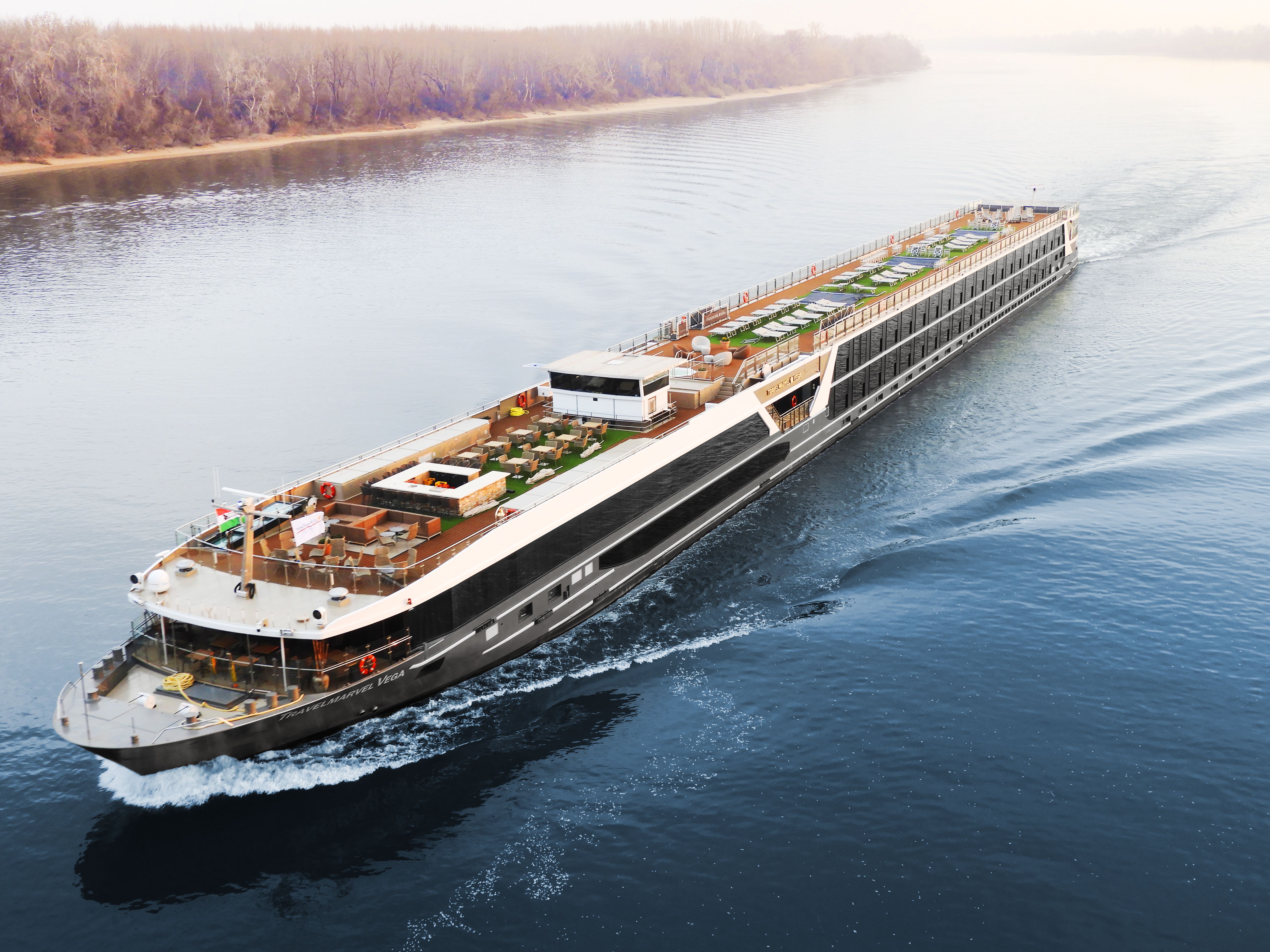
If you are now mentally circling all the little towns and wondering whether your ship will ever stop in one, the short answer is: quite possibly. APT Luxury has itineraries that include Andernach for its geyser and old town, while Travelmarvel’s Rhine schedules make good use of Breisach, Rüdesheim and other smaller ports as bases for their excursions.
They share the river with a crowd of other operators, from classic German lines to the big international names. The trick, if you like the sound of these “where exactly are we again” stops, is to read the port list as closely as the brochure cover. Cologne will always be Cologne. It is the Andernachs and Boppards of this world that quietly turn a Rhine cruise from a tick list into something far more interesting.