The phrase “better value” does a lot of heavy lifting in travel. It can mean cheaper, but it can also mean less faff, more included, or simply the comforting sensation that you are not being quietly pickpocketed for "extras”. With land holidays, especially the all-inclusive sort, that question has become more pointed lately. TravelSupermarket research reported by The Independent last summer found that the average cost of a week-long all-inclusive family holiday in Cyprus had risen from £950pp to £1,166pp year on year, while the UAE had gone from £1,210pp to £1,525pp. In other words, the classic fly-and-flop has been doing some very unrelaxing things to people’s wallets.
Cruise lines, naturally, have noticed. They have been telling us for years that a holiday at sea is the more economical option, and at moments like this you can practically hear the marketing departments clearing their throats. Ambassador Cruise Line, which brands itself as Britain’s no-fly cruise line, positions itself “affordable quality” and “best value”. The broad case is familiar enough: more destinations for one fare, plenty of food included, no airport, no baggage penalties, and the option to upgrade without immediately needing a quiet lie down afterwards.
Why cruises can look better value on paper
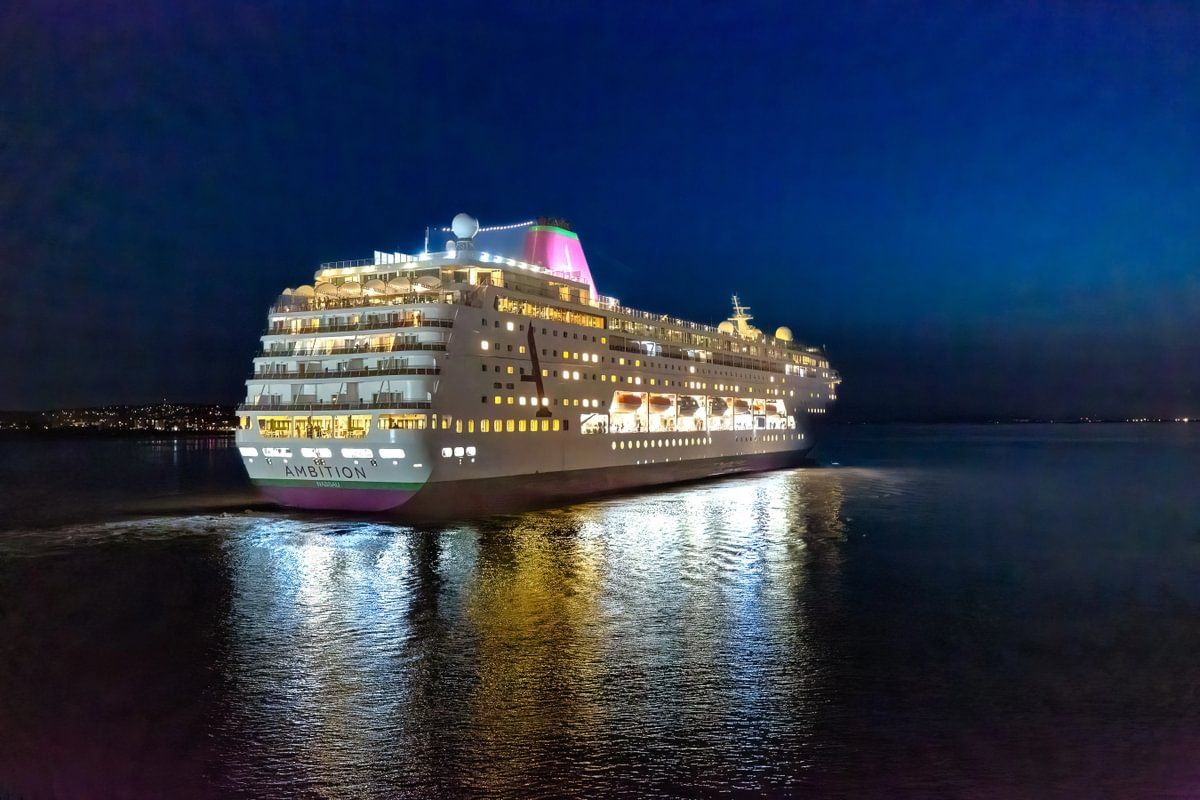
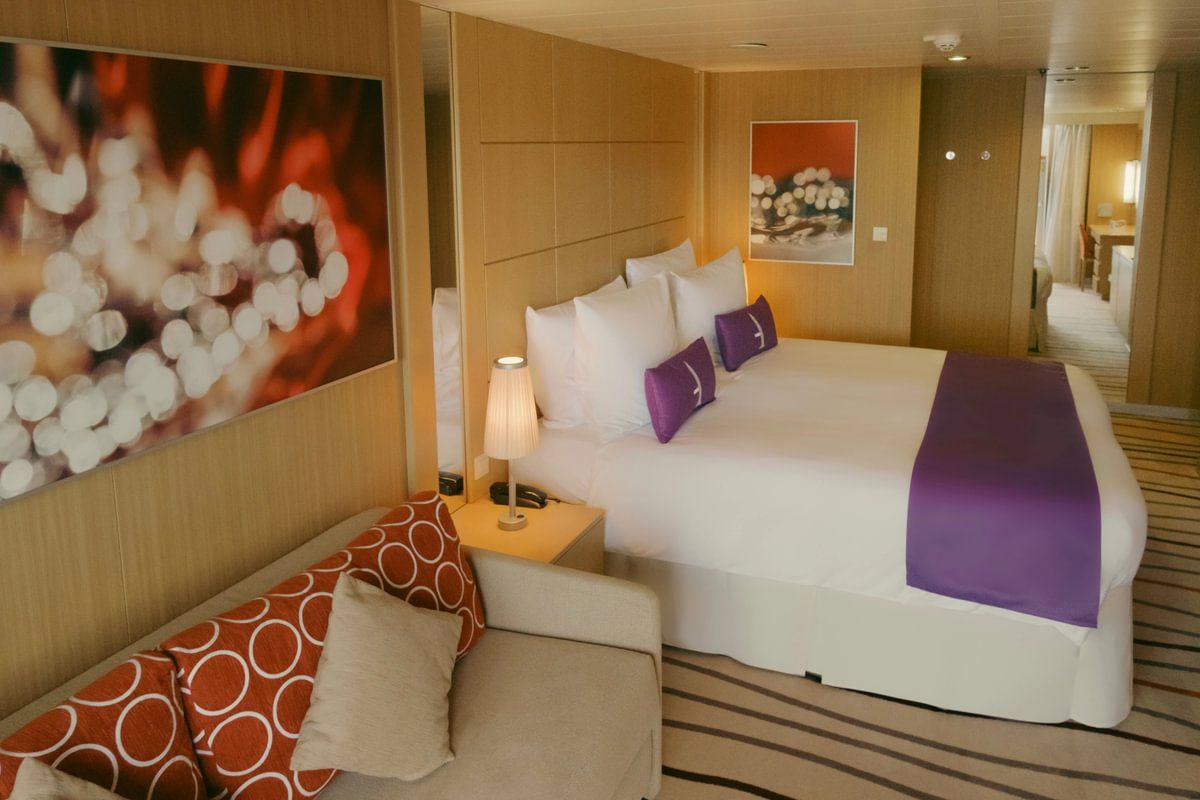
The strongest pro-cruise argument is the simplest one. A cruise fare usually rolls together your accommodation, transport between destinations, a good chunk of your food and your evening's entertainment. Ambassador’s standard fare for example includes full-board dining, afternoon tea, shows, live music, quizzes, wellness classes, use of the pool, gym and spa, luggage porterage, and port taxes and charges. If you compare that with a land holiday where you are separately paying for flights, hotels, taxis, meals, coffees, drinks, museum tickets and the slow fiscal erosion of airport parking, the arithmetic can start to look rather flattering for the ship.
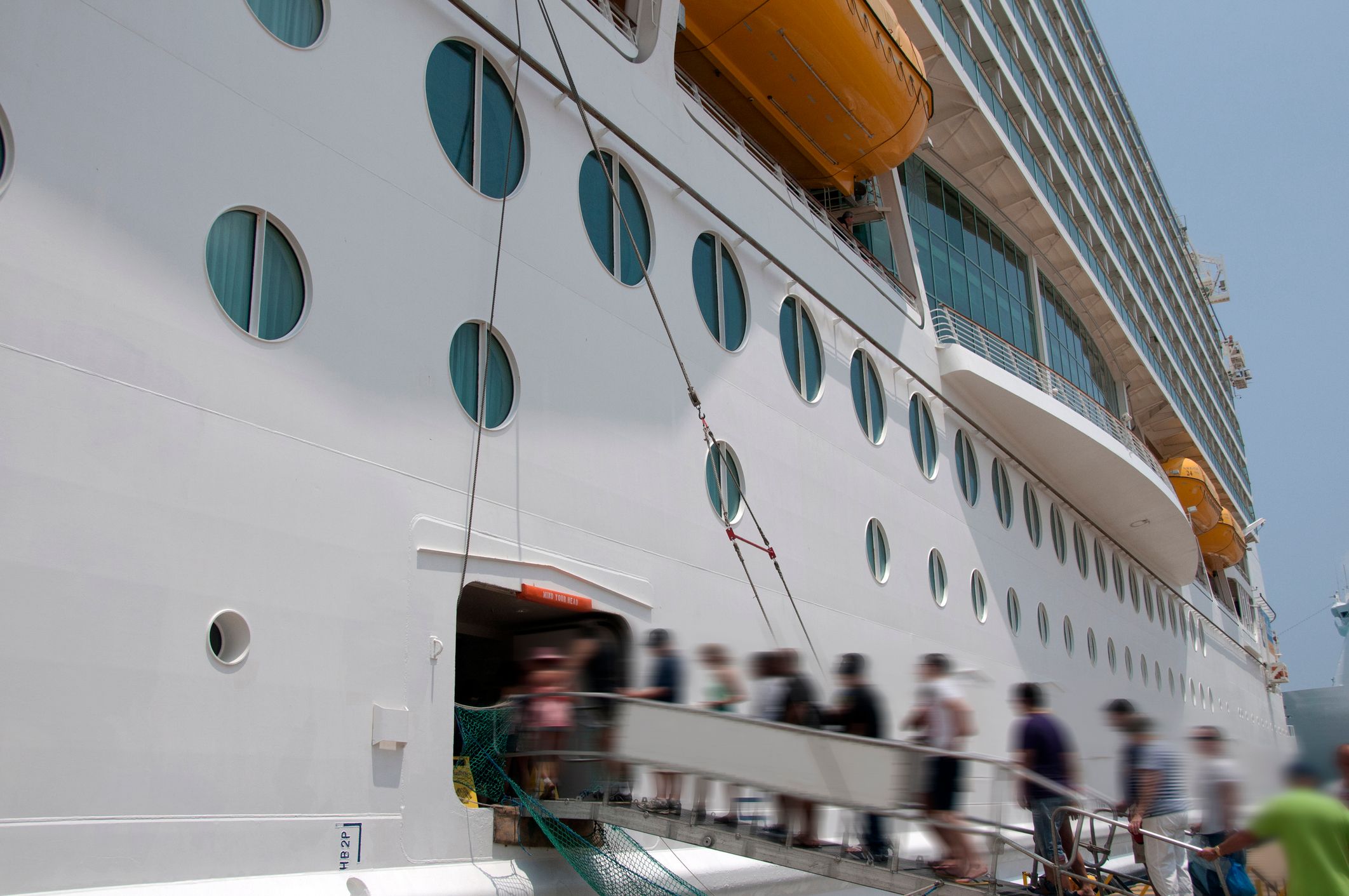
Multiple destinations help too. If you're the sort of person who gets itchy after day three of one resort, a cruise can be very persuasive. You board once, unpack once, and then the scenery does the changing without requiring you to haggle with a taxi driver, find a station locker, or discover whether your “boutique hotel” has interpreted the phrase “central location” in an overly ambitious way. That convenience has a value of its own and the no-fly angle strengthens the case for UK departures in particular, because avoiding flights means avoiding air fares and airport parking. Ambassador’s terms say that on UK departures there is no restriction on the amount of luggage you can bring, provided each piece does not exceed 23kg, and the line is currently running selected offers that include free return coach travel from London Victoria or free port parking.
Where cruise value is genuinely useful

Food is where cruising often wins out, especially for people who like to eat regularly. On Ambassador, breakfast, lunch, afternoon tea and dinner are included, along with tea and coffee from refreshment stations available around the clock. On land, it is very easy for a “cheap” break to become expensive by the time you have bought three coffees, a passable sandwich, dinner in a tourist district, and two emergency pastries because somebody got peaky at 4pm. On a ship, at least in the mainstream market, the base line is feeding you whenever you like, without judgement.
Drinks packages are a murkier question, but even there you can see why cruise lines talk about value. Ambassador’s packages bundle gratuities and, depending on the level, can include wines and spirits by the glass, premium teas and coffees and unlimited soft drinks. There are also periodic promotions, including one current offer that prices the Expedition drinks package at £14.99 per person per night on selected Bristol 2026 sailings, versus a stated full price of £49.95 including gratuities.
Where the cruise argument starts to wobble
Of course, cruise lines are not charitable institutions drifting nobly from port to port. Plenty of things still cost extra. Ambassador explicitly excludes travel to the port, shore excursions, personal spending, laundry, shopping, Wi-Fi and gratuities from its base fare unless you have bought them as part of a package or promotion. Standard gratuities are automatically added at £7 per person per night on most sailings. Drinks are not included in the basic cruise fare. Nor are specialty meals, spa treatments or the unwise impulse purchase you make in the onboard shop because you have been at sea for three days and briefly lose the run of yourself. This is where cruise value becomes a matter of temperament. If you can resist the add-ons, it can be excellent. If you treat the ship like a floating opportunity to say “go on then”, the sums move quickly.
The same goes for upgrades. Value does not always mean choosing the cheapest possible option. Suites can come with very solid perks. Ambassador’s suite benefits include things such as sparkling wine on arrival, evening canapés, an espresso coffee maker, pillow menu, laundry allowances and priority perks depending on the grade. Very nice. Also not free. A suite may still represent good value if you genuinely care about those things and would otherwise pay for several of them separately on land.
Land holiday vs cruise costs in the real world

Or finish your book in quiet serenity
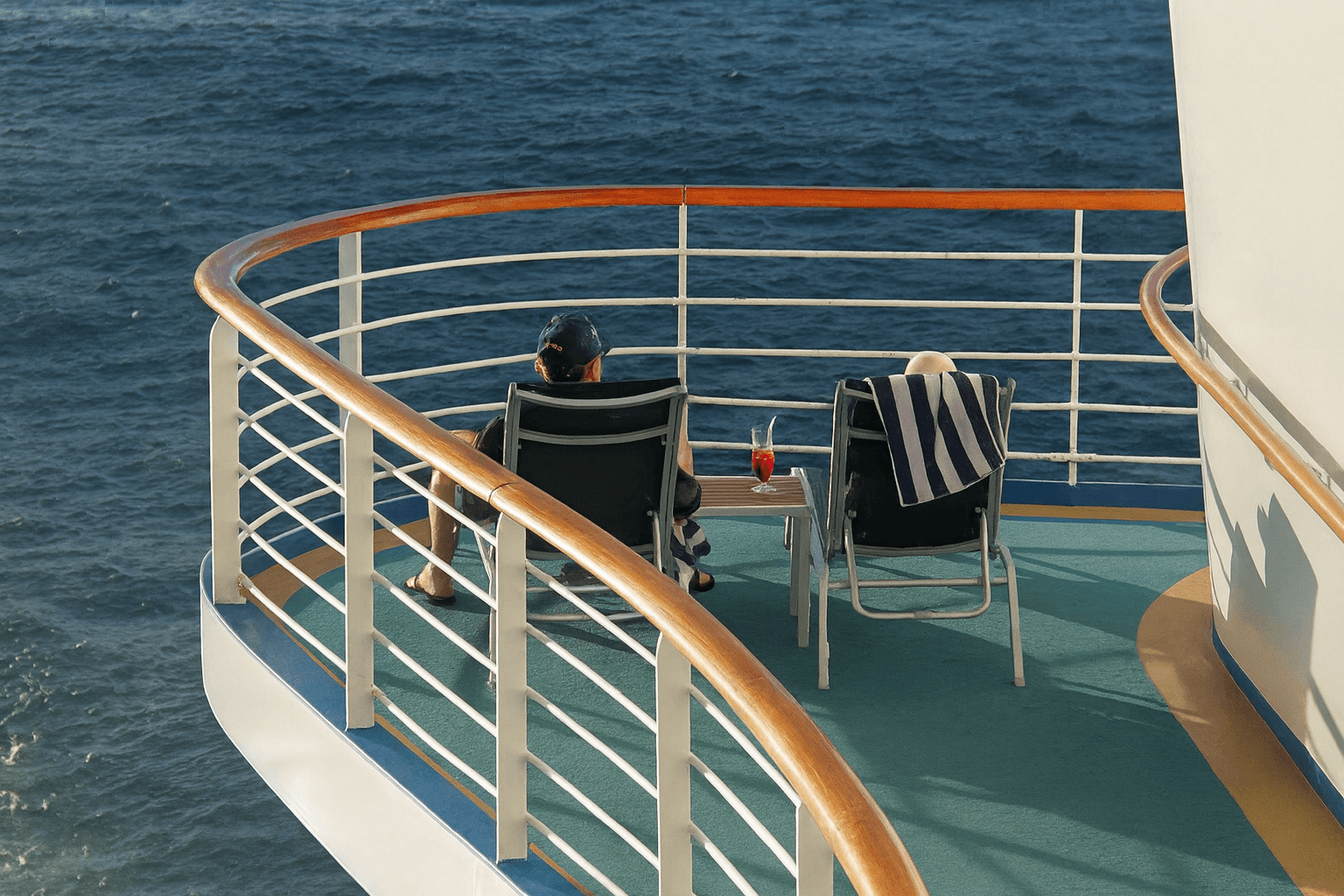
For comparison let's set a weekend in London against a short cruise with Ambassador. Return rail fares from Liverpool, Bristol or Newcastle, one night in a budget hotel, West End theatre tickets and dinner comes out at roughly £255pp to £366pp, while an Ambassador five-night Dutch and Belgian sailing is priced at £455pp, or about £91 a night. That is not a perfect apples-to-apples comparison, but it makes the point nicely. A cruise can look more expensive at first glance, then quietly improve when you realise you are getting your room, your transport between ports, most of your food and your evenings in the same price.
So, is a cruise better value than a land holiday?
Often, yes, but not automatically.
If your ideal holiday is one hotel, one beach, one paperback and the occasional strategic ice cream, a land holiday may still win. Especially if you are good at booking deals, travel light, don't drink much and feel no strong need to see four places in a week. But if you want your travel, accommodation, meals and entertainment bundled into one reasonably legible number, cruising makes a very strong case. Add a no-fly departure, no luggage restrictions from the UK, and the ability to visit several ports without repacking your life every other morning, and the value starts to look very enticing.