Back-to-back cruising is how perfectly normal people end up saying things like “we’ve been on board for 18 days” with the calm confidence of someone who's become an expert on buffet opening hours.
Done well, it’s the best version of cruising. You get the momentum of one trip without the faff of starting over, plus that delicious mid-way moment where half the ship disembarks and you get to stroll around feeling like you’ve inherited the place.
Done badly, it’s how you discover your packing system was based entirely on optimism. Here’s how to make chaining two sailings feel intentional rather than like you’ve accidentally joined a small maritime commune.
First, what “back-to-back” actually means

There are three common versions.
The simplest is two consecutive sailings on the same ship that start and end in the same port. This is the dream because you often keep your cabin, avoid an extra flight, and get a streamlined changeover day.
The second is two sailings on the same ship, but you switch cabins between segments. You still keep the ship continuity, but you’ll do a small, controlled repack at the midpoint.
The third is two separate cruises on different ships or different embark ports. That’s less “stitching” and more “relay race”, because you’ll disembark fully, clear immigration and customs, then go through embarkation again. Cruise Critic makes the distinction clearly: back-to-back on two different ships means much of the easy process doesn’t apply.
What happens on the turnaround day
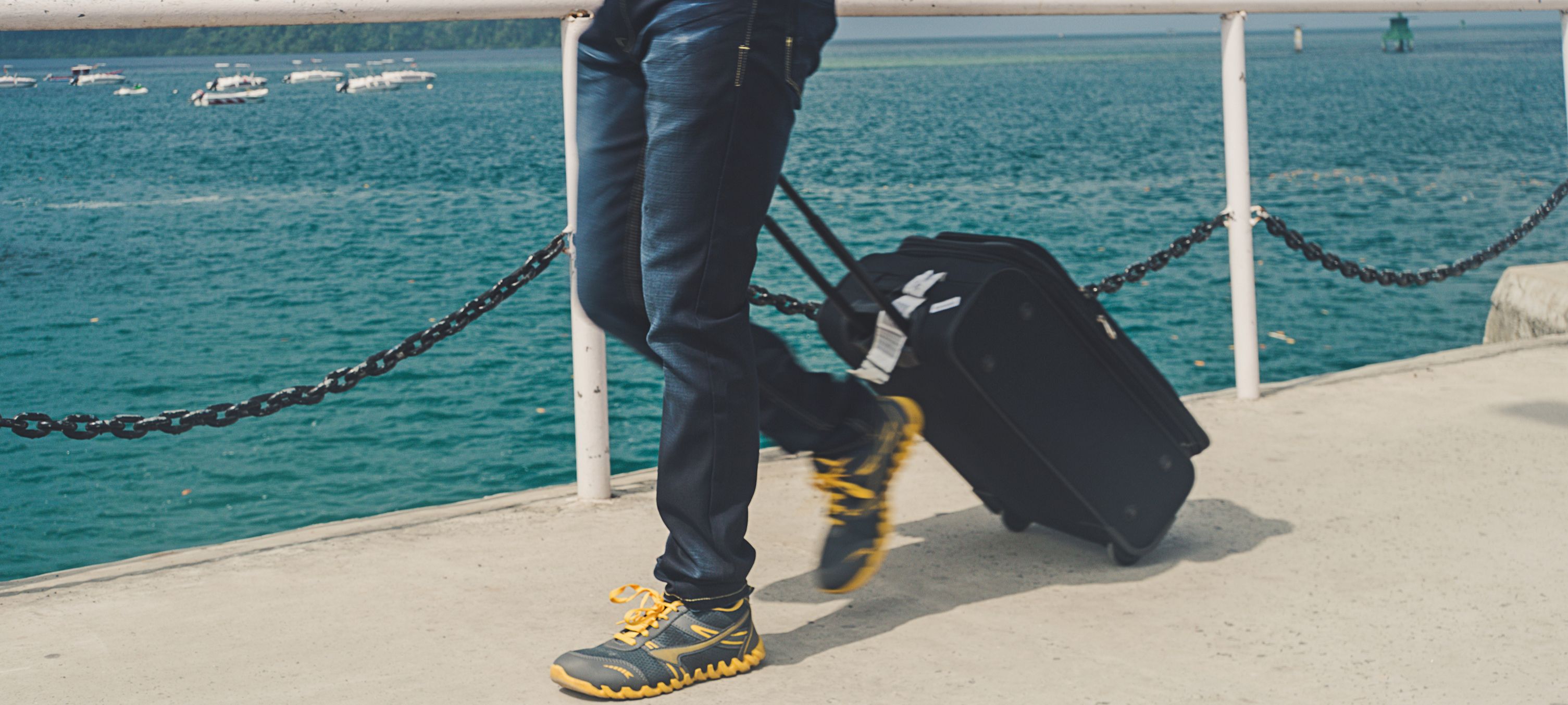
The fantasy is that you stay onboard sipping coffee while new passengers queue outside like it’s a nightclub and you’re on the guest list.
The reality is slightly more procedural. Cruise Critic notes you’ll generally need to clear immigration, and the process varies by cruise line and local laws. Many lines gather back-to-back guests, escort them off to clear immigration, then bring them straight back onboard.
The good news is you’re usually back on the ship before new embarkers, although services can be limited during the changeover.
Two details people miss:
- You’ll need to settle your onboard account for the first sailing and open a new one for the second, because they’re treated as separate cruises. That often comes with a new keycard, and sometimes a new security photo the first time you leave the ship again.
- And yes, you’ll do the safety drill again. Cruise Critic is blunt: muster is mandatory for each sailing, even if you attended it last week and could now run the drill yourself with a whistle.
When it’s genuinely worth doing

Back-to-backs are at their best when the two itineraries feel like a paired set, not a rerun.
They’re worth it when the routes complement each other. Think a Western Med week followed by an Adriatic week. Norway fjords followed by the Baltics. Caribbean islands followed by a repositioning leg that gives you extra sea days and better rest.
They’re also worth it when the travel savings are real. One set of flights, one set of transfers, one pre-cruise hotel. Even Cruise Critic forum regulars tend to land on the same point: two weeks as a stitched itinerary can work out cheaper and smoother than two separate one-week trips with duplicated flights.
They’re usually not worth it when you’re repeating too much of the same. If the second sailing is basically the first sailing with one port swapped, you may enjoy it, but you should go in knowing you’re paying for “I like this ship” rather than “I want new places.”
Pacing: how not to burn out by day nine

The biggest back-to-back mistake is trying to “make the most of it” every single day. That’s how you arrive home needing a holiday to recover from your holiday, which is a deeply circular way to live.
Build in deliberate low-effort days. Not “we’ll just do a little walk and then accidentally visit seven things” days. Proper nothing days. A long breakfast. A pool chair. A book. A wander around the ship that feels faintly ridiculous because you’ve already memorised it.
If you’re doing two itineraries, aim for contrast. If week one is heavy on big-city ports, make week two lighter with more scenery, smaller calls, or sea days. Your brain will thank you, and so will your legs.
Laundry: the make-or-break detail nobody glamourises

Laundry is where a back-to-back cruise becomes either effortlessly chic or quietly feral.
On many lines you’ll use send-out laundry services, sometimes with “wash and fold” specials. Royal Caribbean, for example, offers a fixed-price wash-and-fold bag (pricing varies and can change).
Some lines have self-service launderettes, which is the closest you’ll come to feeling like you’re living in a very tidy, floating apartment block. Cruise Critic’s laundry guide notes that Princess offers dry cleaning and self-service launderettes, with pay-per-load pricing, and that some loyalty tiers receive complimentary laundry.
Other lines also offer self-service laundry rooms or tokens for machines, like Fred. Olsen’s onboard laundry rooms with washers, dryers and irons in designated areas.
The practical strategy is simple: plan one laundry moment during the first sailing, not on the last night when you’re also trying to pack, pay your onboard bill, and remember what your normal life looks like.
Cabin strategy: keep the same room if you can

If you can book the same cabin for both sailings, do it. It’s not about luxury, it’s about friction. You skip the mid-cruise repack and you keep your “where did I put the charging cable” system intact.
If you have to switch cabins, treat it like a controlled move rather than a full pack-and-unpack. Keep a small “midpoint bag” with essentials you’ll want on turnover morning, and accept that your suitcase will look like it’s been involved in feelings.
The admin you shouldn’t ignore
Back-to-back cruising can turn a normal holiday into a long continuous trip, which matters for insurance. The UK government’s travel insurance guidance says long-stay policies can cover extended periods of continuous travel and you should check the maximum duration allowed in your policy.
If your back-to-back involves Europe, also keep an eye on time limits. The UK government reminds travellers that stays in the Schengen area are capped at 90 days in any 180 days, regardless of how many countries you visit.
And if you’re a non-EU traveller entering Schengen, EES adds biometric registration at the border on your first visit, with a digital record valid for three years.
You don’t need to panic about it, but you do need to factor in that the first entry can take longer than the breezy travel fantasy suggests.
How to decide if you should actually do it
Back-to-backs are perfect if you love sea days, like settling into a ship, and want a trip that feels bigger than one itinerary.
They’re less perfect if you get bored easily, hate repetition, or know you’ll resent the second week if it feels too similar to the first. Be honest with yourself. The ship will still be there. It always is. It’s not going anywhere. That’s rather the point.
Do it for the right reasons and it’s brilliant. Do it because “it seemed like a good deal” without thinking about pacing, laundry, and logistics, and you’ll still have a good time, but you’ll spend the last three days dreaming about your own washing machine like it’s a long-lost friend.