Ireland by cruise can be easily misunderstood. Too often it gets flattened into a checklist of “gateway” ports and worthy inland outings, as though the only reason to dock is to get somewhere else as quickly as possible. But the better Irish sailings have a different rhythm. They work not because they deliver one giant headline city after another, but because they give you harbour towns, sea air and the sort of coastal stops where a walk, a coffee and a pint can feel like a complete day rather than a failure of ambition. The Wild Atlantic Way is a 2,500-kilometre coastal route of sea cliffs, towns and ancient sites; in a word, Ireland's west and south-west reward lingering much more than they do conquest.
Why an Ireland cruise route feels different from a standard British Isles sailing
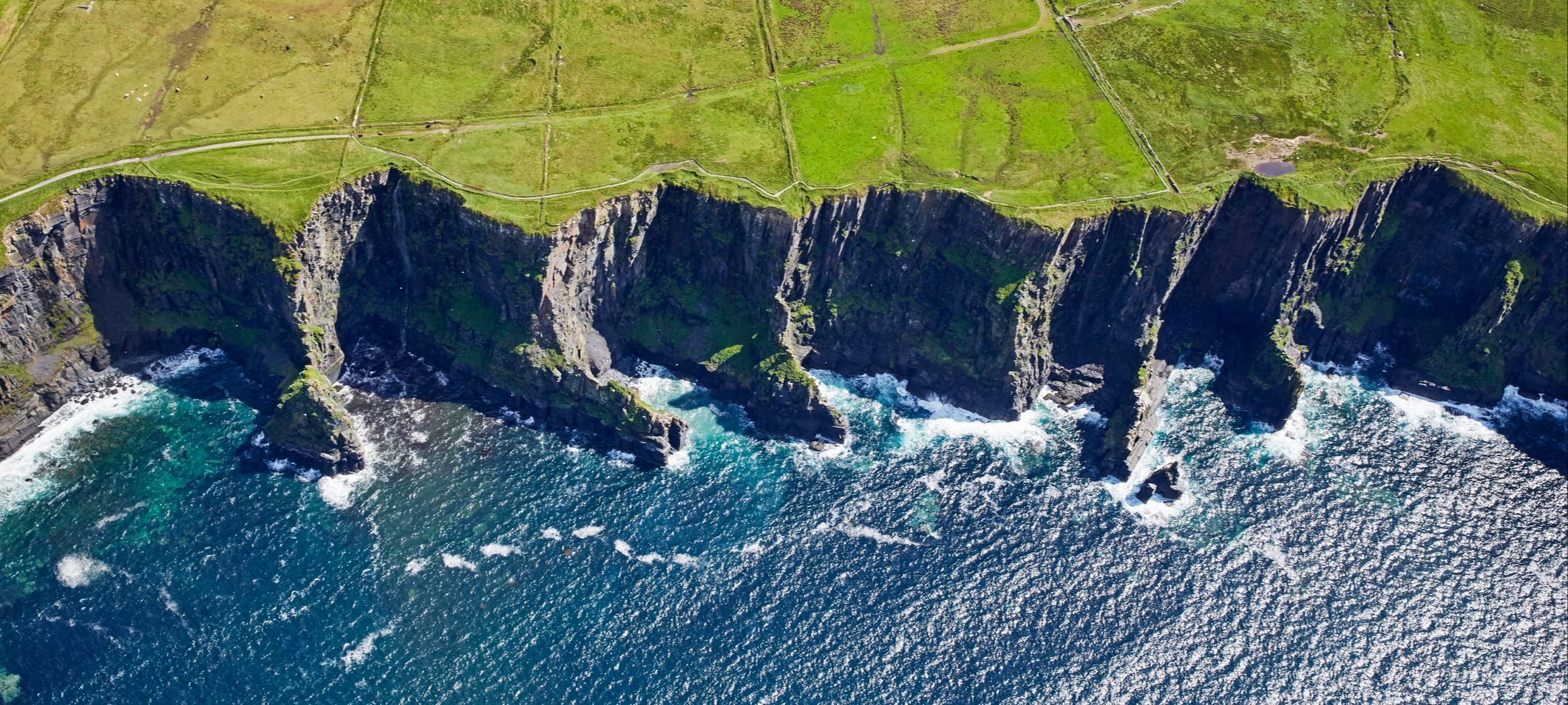
What makes this route particularly gratifying is that it's more flexible than the typical northern-Europe cruise formula. You're not chasing capitals, instead you get a sequence of places that make more sense if you let them unfold at small-harbour scale. Cobh provides maritime history and one of the easiest cruise arrivals in Ireland. Bantry Bay gives you West Cork, which is basically a long argument in favour of taking your time. Galway Bay gives you the west in its more sociable, wind-polished form, with tenders, promenades and the possibility that your “short stroll” will become something much more committed. Cruise Europe notes that Galway is a tender port in the sheltered eastern corner of the bay, while Bantry’s own cruise page describes the harbour as a longstanding stop for smaller and expedition-style ships on the Wild Atlantic Way.
Cobh cruise port: the Irish stop that actually understands cruise passengers
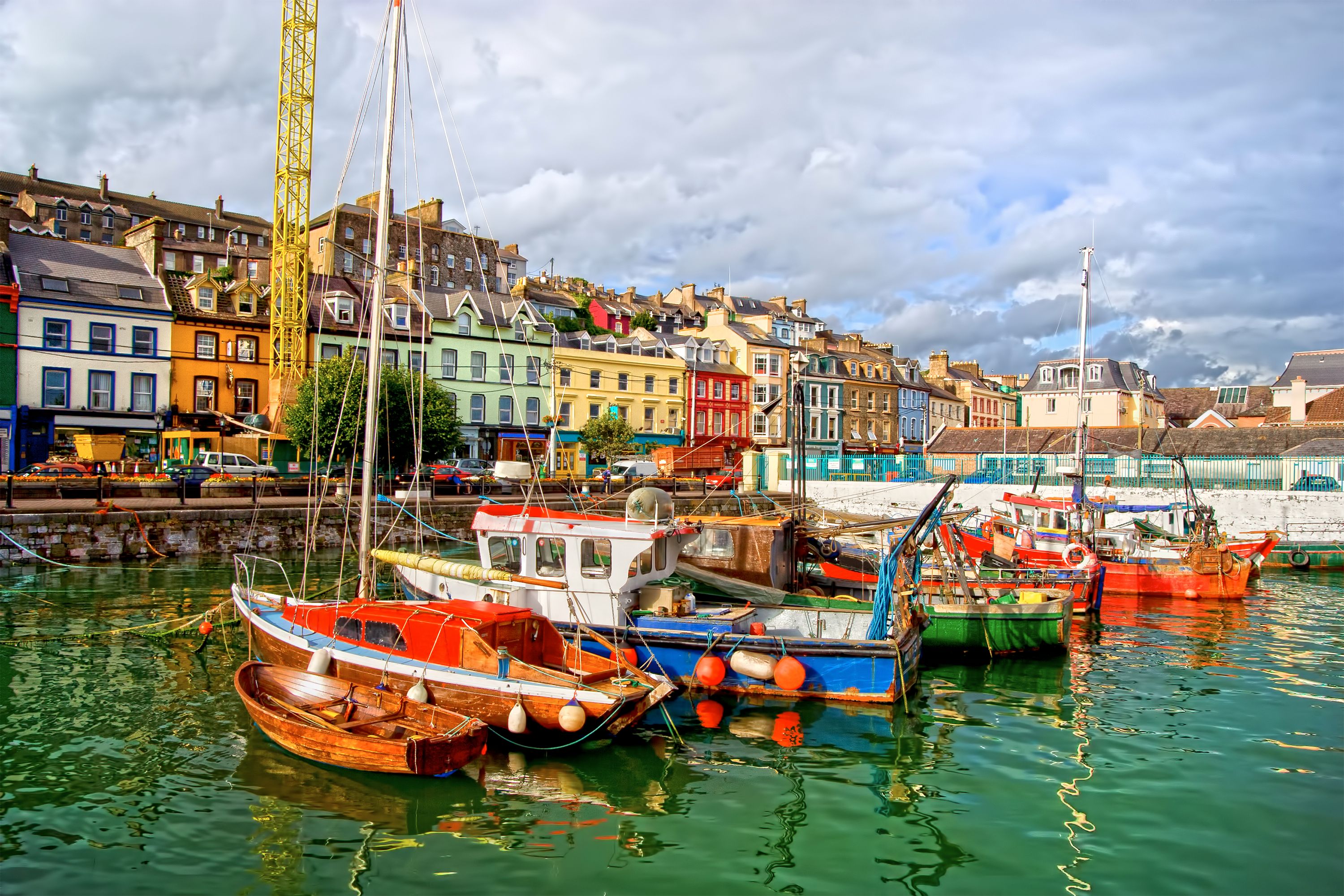

Cobh is Ireland's only dedicated cruise terminal, and passengers disembark directly onto the quayside alongside the Cobh Heritage Centre. Weekday trains to Cork run every hour on the half hour and take 24 minutes. In plain English, this means you can do the classic “gateway to Cork” thing if you want to, but you are not condemned to it. Cobh itself is there, right under your feet, rather than hiding behind a ring road and a transfer bus.
In Cobh itself you'll find Titanic history, Spike Island, its colourful hillside streets plus the original White Star Line office from which the last 123 Titanic passengers boarded. The point of Cobh is not merely that it gets you to Cork efficiently, you can stay local and have a day of harbour history, steep streets and deeply earned views over the water.
Bantry Bay cruise port: West Cork, but by ship
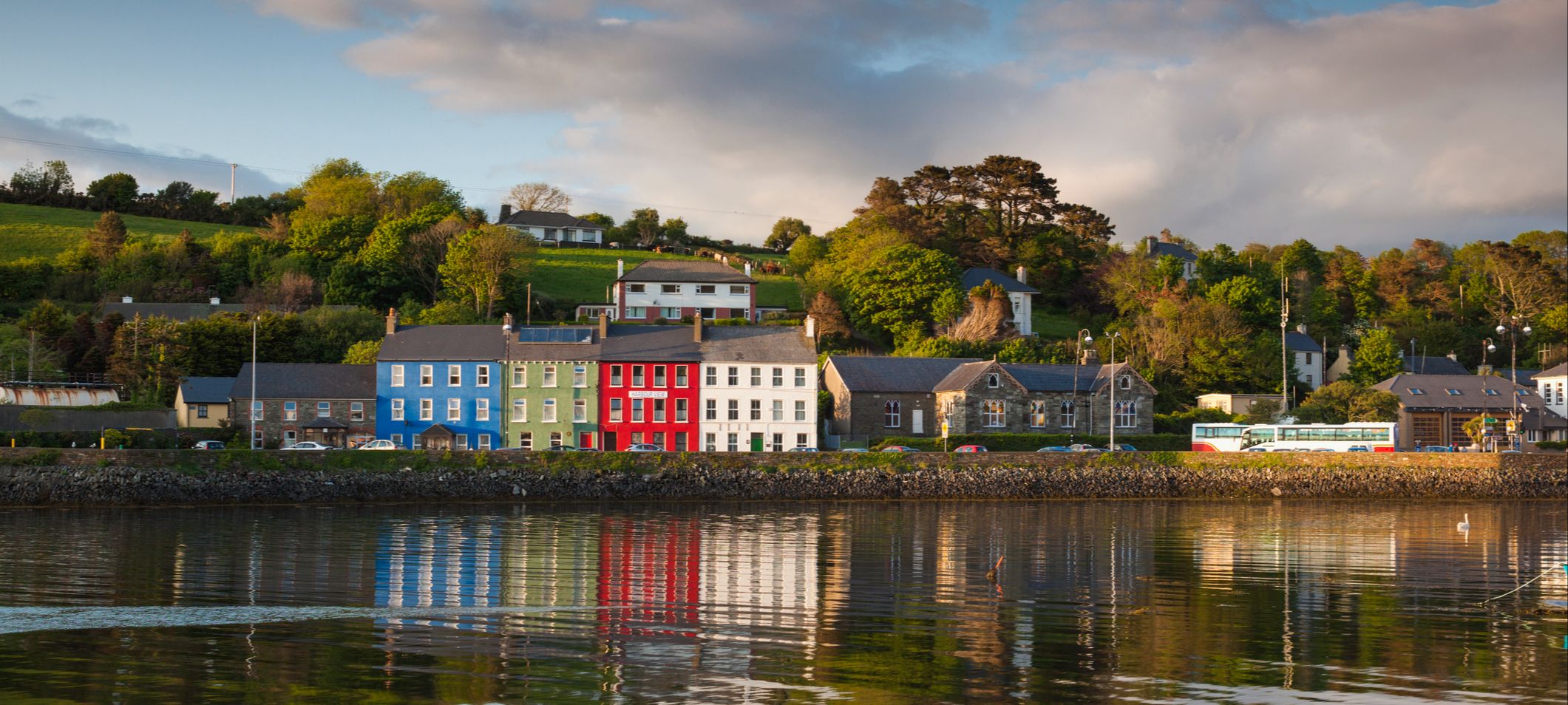
Bantry Bay is where an Irish cruise starts feeling especially clever. Bantry’s cruise tourism page says the bay offers two harbours, Bantry and Glengarriff, both with a long tradition of welcoming cruise visitors, and notes that the stop is especially popular with smaller and expedition-style ships. Bantry’s town site describes it as a harbour town in West Cork set between three peninsulas on the Wild Atlantic Way, while Fáilte Ireland’s West Cork Coast plan describes this stretch as the most sheltered part of the entire Wild Atlantic Way, shaped by hidden inlets, coves, headlands and islands. That is the key to the place. It feels coastal in a more intricate, weather-shaped way than the broader postcard version of Ireland.
It is also a port that rewards not overcomplicating yourself. Bantry Harbour, according to Discover Ireland, is a working harbour at the edge of town with views to Whiddy Island and the Beara Peninsula, and Bantry House sits above the bay with gardens and a tearoom looking out over the water. You could, of course, turn this into a serious excursion day and disappear into West Cork properly. But Bantry’s real charm lies in the fact that it works beautifully at a smaller scale. A harbour stroll, a house and garden, a bit of air, a pub later on. It is the kind of stop that reminds you that not every good port day has to involve “maximising” anything. Sometimes the whole point is that the town has already done the editing for you.
Galway Bay cruise port: tenders, promenades and the easy temptation of one more walk
Galway Bay arrives with slightly more theatre. Cruise Europe says Galway is a tender port because the Port of Galway is too shallow for larger liners, and Galway Tourism notes that bigger ships anchor in the bay and run shuttle boats into the city centre in just a few minutes. That already gives the stop a different feeling from the direct-dock efficiency of Cobh. You arrive a little more ceremonially, with the bay doing some of the scene-setting, which feels appropriate for the west of Ireland. The city itself is compact enough to make wandering dangerously easy. The Latin Quarter stretches from Spanish Arch and Quay Street through the old centre, and it has exactly the sort of liveable, pub-lined energy that encourages bad decisions about “just one more turn.”
Galway is also where this route becomes a proper walking holiday in disguise. Discover Ireland says Salthill Promenade runs for about 3 kilometres from Claddagh Quay to the Blackrock diving tower, which is the sort of distance nobody respects until they have done it, stopped for something, and then realised they are cheerfully nowhere near the ship yet. That is why Galway works so well on a cruise. It is not a city that needs a huge plan. It needs a little faith in the weather, an acceptance that the day may tilt towards walking, and enough self-knowledge to know that the pub afterwards will feel more deserved if the wind has had a proper go at you first.
Why Ireland’s Atlantic coast is so good by sea
What I like most about this stretch of Ireland is that it restores some proportion to the idea of a port stop. Cobh gives you a town that is genuinely usable from the gangway. Bantry Bay gives you a quieter, saltier version of the Irish coast, where landscape and harbour life are more persuasive than any one monument. Galway Bay gives you the social west, the promenades, the tenders and the weather-rich logic of just staying out a little longer. None of these places demands that you become a better tourist. They simply ask that you pay attention to what is already there: the shape of the harbour, the history by the quayside, the slope of the town, the feel of the air before rain, and the fact that some pubs really are better once you have earned them. For a British Isles cruise, that feels like a very good way to travel.