There are parts of the world that seem to have been expressly designed for arrival by ship, and the French Riviera is absolutely one of them. By road, it can feel like a series of traffic lights between expensive views. By train, it is beautiful but occasionally involves standing next to someone’s beach bag or with a face in an armpit. By sea, though, the whole thing feels a bit more civilised.
Nice, Cannes and Monaco all make more sense when they're visited from the water. The headlands come into view, the pastel buildings line up, the yachts look even more ridiculous, and the coast begins to feel like a theatrical little strip of Mediterranean geography that revels in glamour.
The question is however, how do you choose the right calls (and the right ship) for a destination this iconic...
French Riviera cruises: how the logistics work
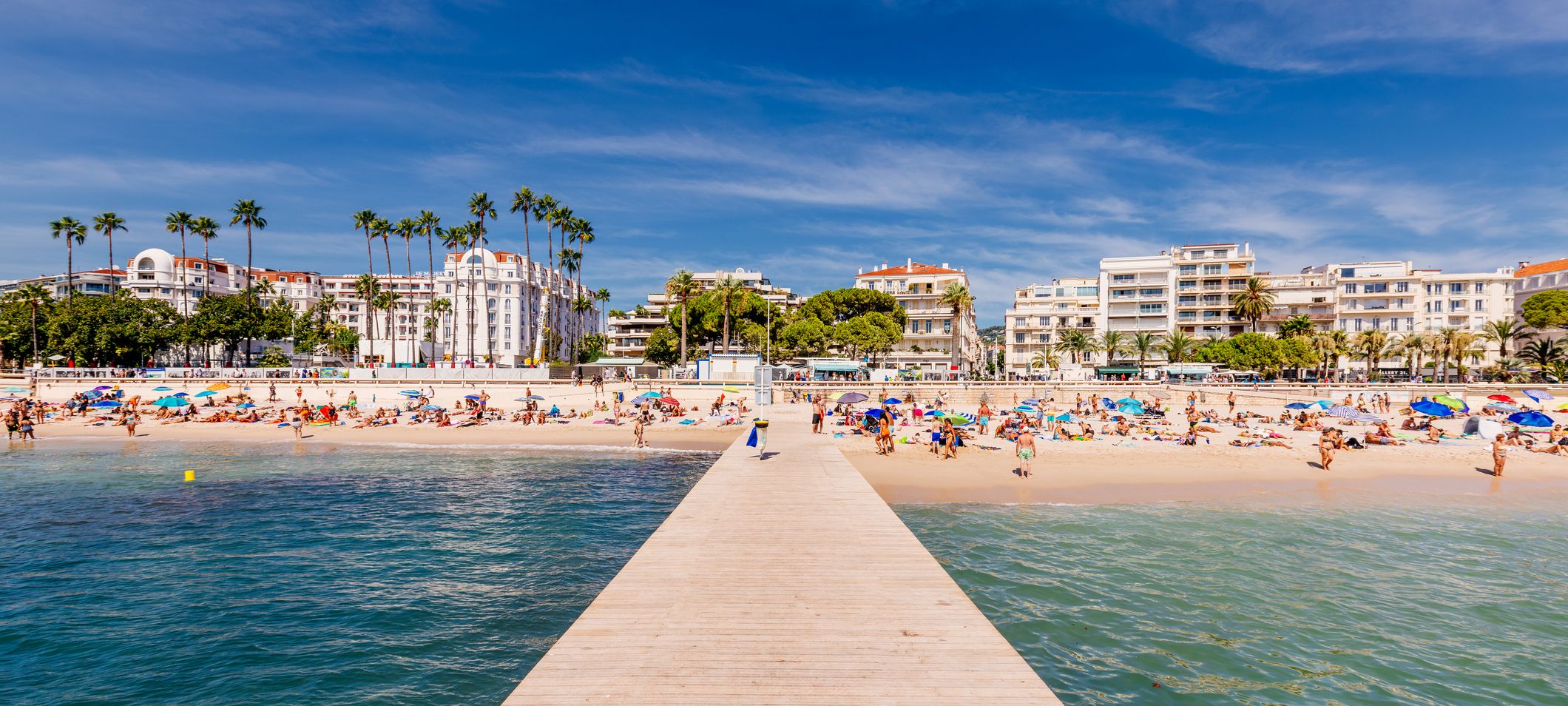
The first thing to understand is that Nice, Cannes and Monaco are close together, but not interchangeable. The coast is tightly connected by train and road, yet each port gives you a very different day.
Nice is often listed either as Nice itself or as Nice/Villefranche, depending on the ship and the sailing. Smaller vessels may call at the Port of Nice, while many larger cruise calls historically used Villefranche-sur-Mer, a deep natural bay just east of Nice, with passengers tendered ashore. From Villefranche, you can head into Nice, go east towards Monaco, or stay local and enjoy a very handsome little harbour town.
Cannes is usually a tender port. Ships anchor in the bay and passengers are brought ashore near the old port, which is much more civilised than it sounds because you’re then right by Le Suquet, the Palais des Festivals, the Croisette and the seafront. The tender can add faff, particularly in wind or swell, but once you’re ashore Cannes is wonderfully walkable. It’s a rare cruise stop where you can be deposited near the action rather than beside a warehouse and a bus queue with trust issues.
Monaco is the most compact and, unsurprisingly, the most tightly managed. Ships may dock at Port Hercule, particularly smaller and premium vessels, though arrangements vary by ship size and local rules. The port sits below the Rock and Monte Carlo, so the day can be done on foot if you have reasonable shoes, a tolerance for slopes and the emotional resilience to walk past restaurants where a club sandwich might require light financial planning.
The Riviera’s rail line is useful too. Nice to Monaco takes around 25 minutes by train. Nice to Cannes is usually around 35 minutes. Cannes to Monaco is roughly an hour. That makes independent exploring possible, but possible is not the same as wise. If your ship is in Cannes and leaves at 5pm, racing to Monaco and back may technically work, but so would eating a three-course lunch in seven minutes. Some victories aren’t worth having.
Nice by cruise: best for markets, museums and real city life
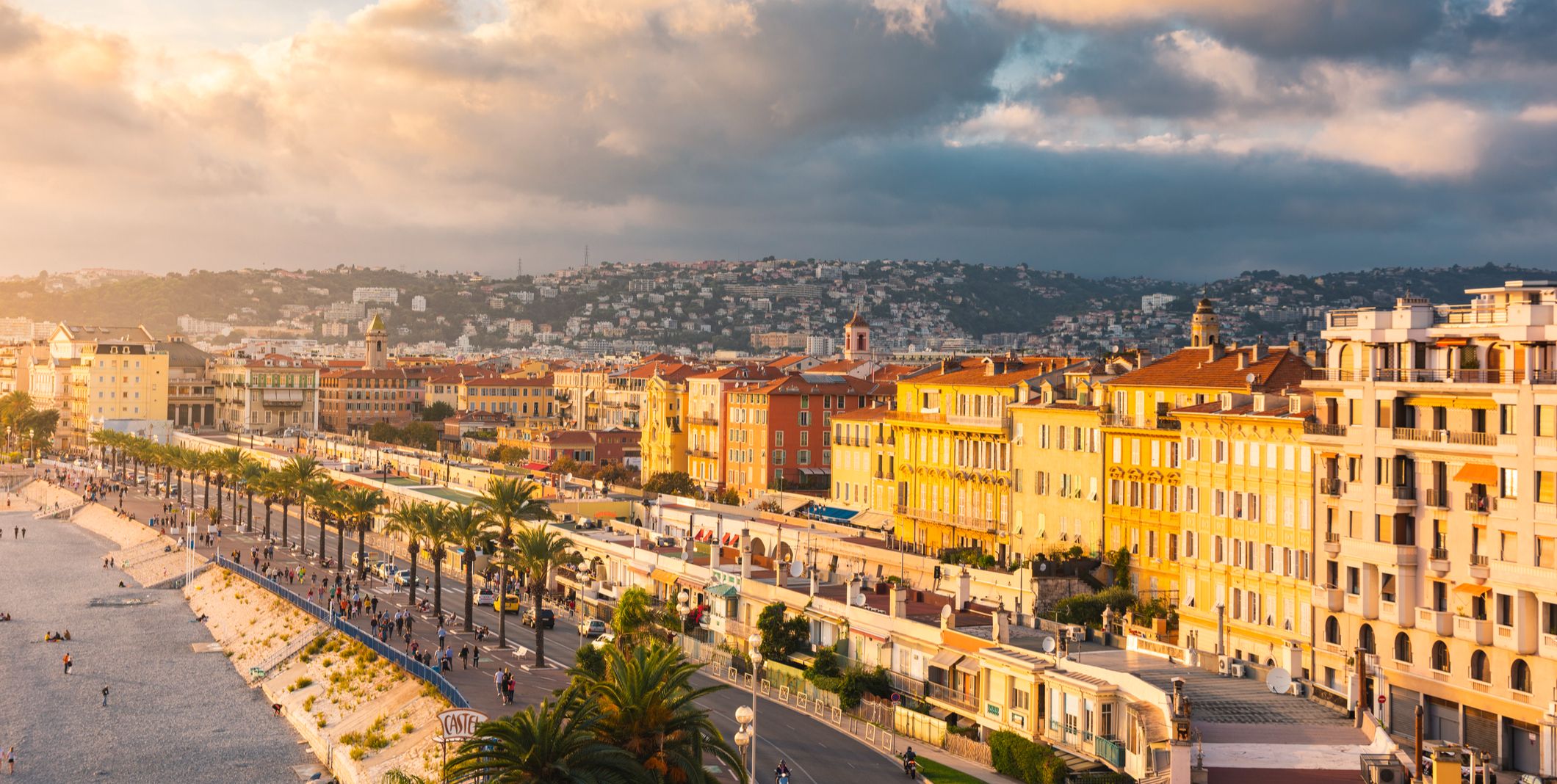
Nice is the Riviera for people who like their glamour with a little texture. It has the Promenade des Anglais, yes, with its palms, blue chairs and long curve of the Baie des Anges. But it also has Vieux Nice, Cours Saleya, galleries, churches, food shops, washing lines, trams, traffic, proper residents and the occasional reminder that an actual city lives underneath the postcard.
That’s what makes it such a rewarding cruise call. You don’t have to commit to full Riviera fantasy. You can wander the Old Town, browse Cours Saleya, climb or lift your way up Castle Hill for the view, eat socca, look at the port, and still have the smug feeling that you’ve seen somewhere with more going on than beach clubs and sunglasses.
If your ship calls at the Port of Nice, the day is pleasingly straightforward. The port sits east of the Old Town, with Vieux Nice and Castle Hill within walking distance for most passengers. If your ship uses Villefranche, you’ll tender into one of the prettiest bays on the coast, then decide whether to go west into Nice, east to Monaco, or stay in Villefranche and behave like a person with excellent priorities.
A good Nice cruise day starts early on the Promenade des Anglais, partly because it’s famous and partly because it is one of the few places where “going for a walk” feels like a legitimate cultural act. Then head into the Old Town, where the streets tighten, the colours warm up and the food starts getting persuasive. Cours Saleya is the obvious market stop, particularly in the morning, with flowers, fruit, vegetables, local products and the cheerful sense that lunch is already being discussed by people better at it than you.
Castle Hill gives you the classic view over the city and the bay. There isn’t much castle left, which is rude given the name, but the panorama does more than enough apologising. From there, you can loop back towards the port, or spend the afternoon in the museums if heat, energy or your tolerance for other people’s linen has begun to falter. The Matisse Museum and Chagall Museum sit further inland, so they’re better with a taxi, tram-and-walk combination or organised excursion rather than a vague promise to “just pop up there”.
Nice suits cruise passengers who want urban variety. Food people, market wanderers, art lovers, independent travellers, repeat Riviera visitors and anyone who prefers a city with a pulse to a resort with a jawline will do well here. It’s less ideal if you want everything immediately beside the tender pier, or if your idea of a port day is one beach, one lounger and no decisions beyond rosé.
Cannes by cruise: best for easy glamour and a walkable port day
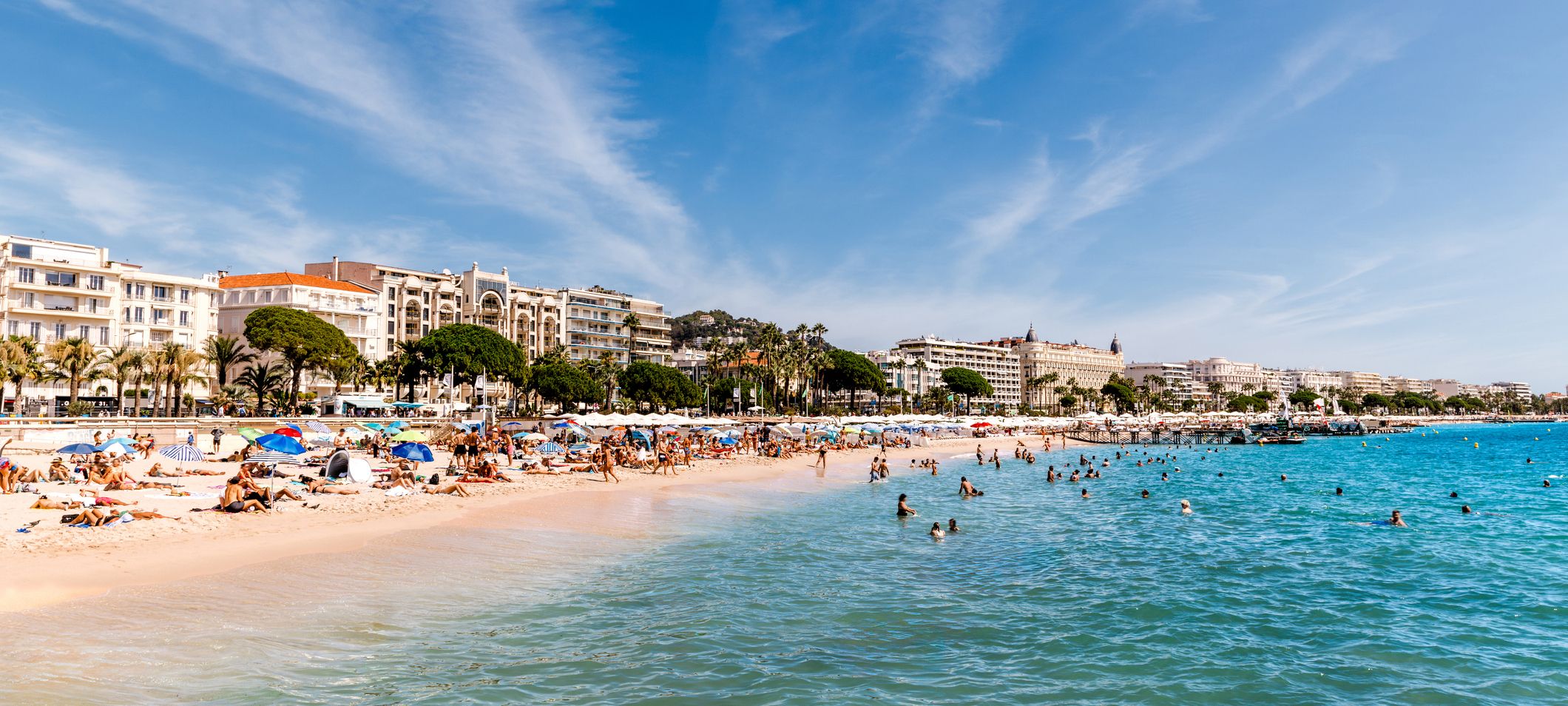
Cannes is almost too easy to mock. The red carpet. The hotels. The Croisette. The annual global outbreak of film-festival seriousness. The sort of boutiques where the staff can sense your price range through a linen shirt.
And yet, as a cruise stop, Cannes is very good indeed.
The tender brings you into the old port area, and from there the day opens neatly. Le Suquet rises behind you, all old lanes, steps and views. The Palais des Festivals sits ahead, where people photograph themselves on the steps with a level of commitment usually reserved for royal engagements. The Croisette runs along the bay, lined with palms, beaches, grand hotels and that particular Riviera talent for making a stroll feel like a financial statement.
Cannes works because you can do it with very little transport. Walk up Le Suquet first, before the day gets too warm and your enthusiasm for inclines becomes theoretical. From the top, you get the view over the old port, the bay and the Lérins Islands. Then come back down for the Forville Market, if it’s open, where the city becomes more Provençal and less paparazzi. The market has local producers, fishmongers and enough good things to make you regret starting the day with a heroic buffet breakfast.
After that, the Croisette is the obvious move. It is not subtle. It is not trying to be. It is a palm-lined parade of beach clubs, hotels, polished windows and Mediterranean light. You can walk it for free, which is pleasing because almost everything else around it seems to be quietly considering whether to charge you for breathing attractively.
If you want to escape the mainland, the Lérins Islands are the clever Cannes option. Ferries run from the port area to Île Sainte-Marguerite, where you get pine trees, sea views, calmer paths and Fort Royal, associated with the Man in the Iron Mask. It’s a good choice if you like the idea of Cannes but would rather not spend the whole day having expensive sunglasses implied at you.
Cannes suits first-timers, walkers, beach people, film fans, shoppers and anyone who wants a Riviera day with minimal logistical friction once ashore. It’s also a good family option compared with Nice or Monaco, provided the tender works smoothly and everyone can cope with a little walking. It may disappoint anyone looking for gritty authenticity, but frankly, going to Cannes for grit is like going to a patisserie for boiled eggs.
Monaco by cruise: best for high drama in a very small space
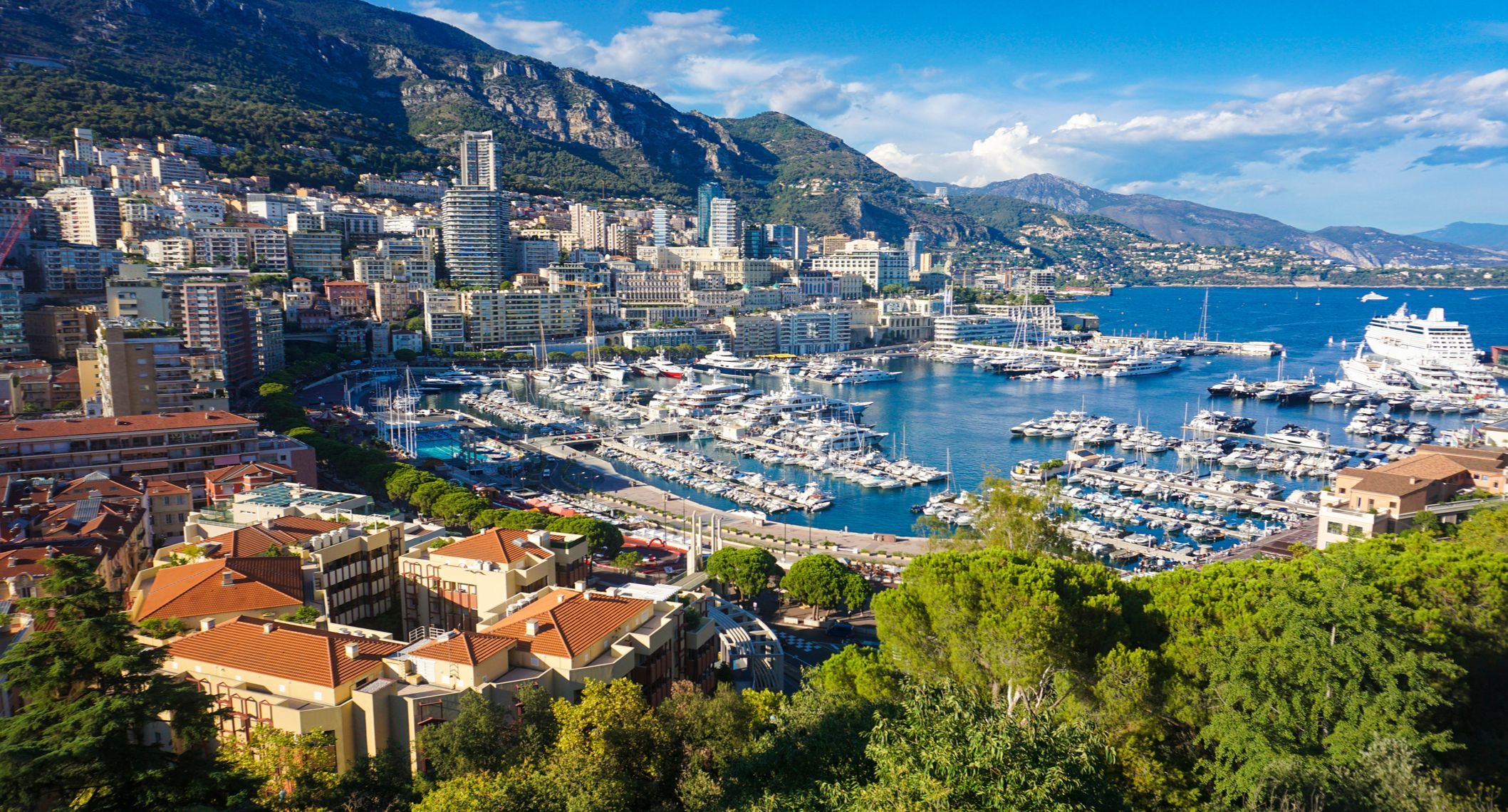
Monaco is what happens when a harbour, a cliff and a bank account get together and decide to form a country. It is tiny, vertical, immaculate, slightly absurd and completely fascinating, even if your personal style is less “superyacht owner” and more “person who checks the menu before sitting down”.
Arriving by sea is the right way to do it. Port Hercule is the visual centre of the place, ringed by apartments, hills, yachts and the Rock of Monaco above. From the quay, the Principality rises in layers: harbour, old town, palace, casino, terraces, towers, money. Quite a lot of money.
A classic cruise day starts in Monaco-Ville, the old town on the Rock. The Prince’s Palace is the headline, with the changing of the guard at 11.55am if timing and crowds align. Nearby are the cathedral, old lanes and viewpoints over Port Hercule and Fontvieille. The Oceanographic Museum is one of Monaco’s best proper attractions, dramatic both inside and out, perched above the sea with the kind of confidence you can only really have if you are an oceanographic museum in Monaco.
After that, drop back towards the harbour or head across to Monte Carlo. The Casino de Monte-Carlo is the obvious symbol, even if you don’t gamble and your relationship with formal entry requirements is emotionally fragile. The Place du Casino, Hôtel de Paris, Café de Paris and surrounding streets deliver the full Monaco effect: beautiful, controlled, faintly ridiculous and excellent for people-watching. You will see cars that cost more than houses and people who look as if they have never once eaten crisps from the packet.
The Condamine Market is a useful antidote to all this gloss. It gives Monaco a more local, human rhythm and makes a good early stop if you want coffee, snacks and the reassurance that someone in the Principality is thinking about lunch in a normal way.
Monaco suits luxury cruisers, Grand Prix obsessives, architecture watchers, yacht-gawpers, couples, photographers and anyone who enjoys places where the whole setting feels stage-managed by a very expensive committee. It’s less suited to travellers who want a relaxed, cheap, sprawling port day. Monaco is many things, but sprawling and cheap are not invited to the table.
Which cruise lines sail to the French Riviera?
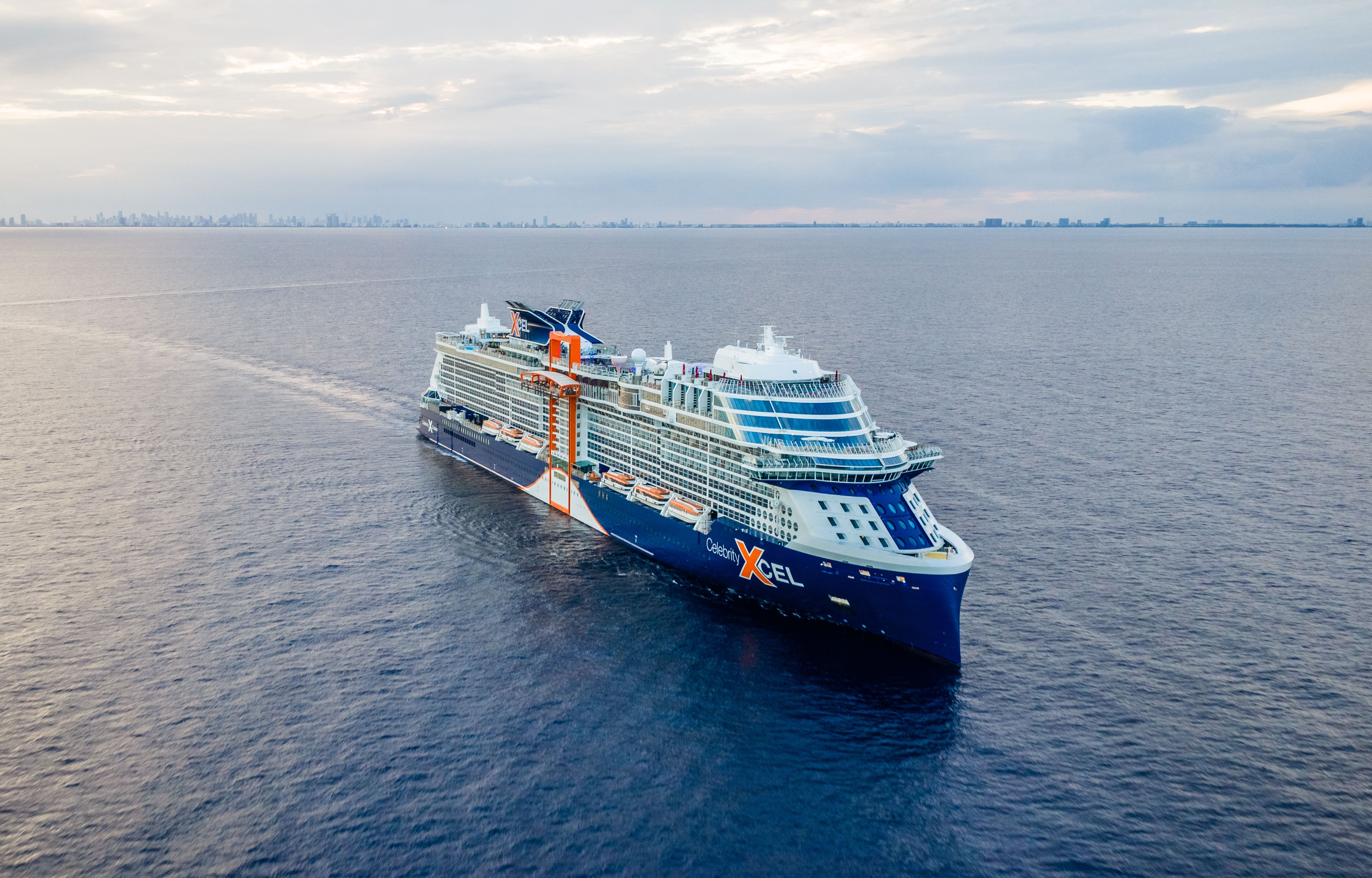
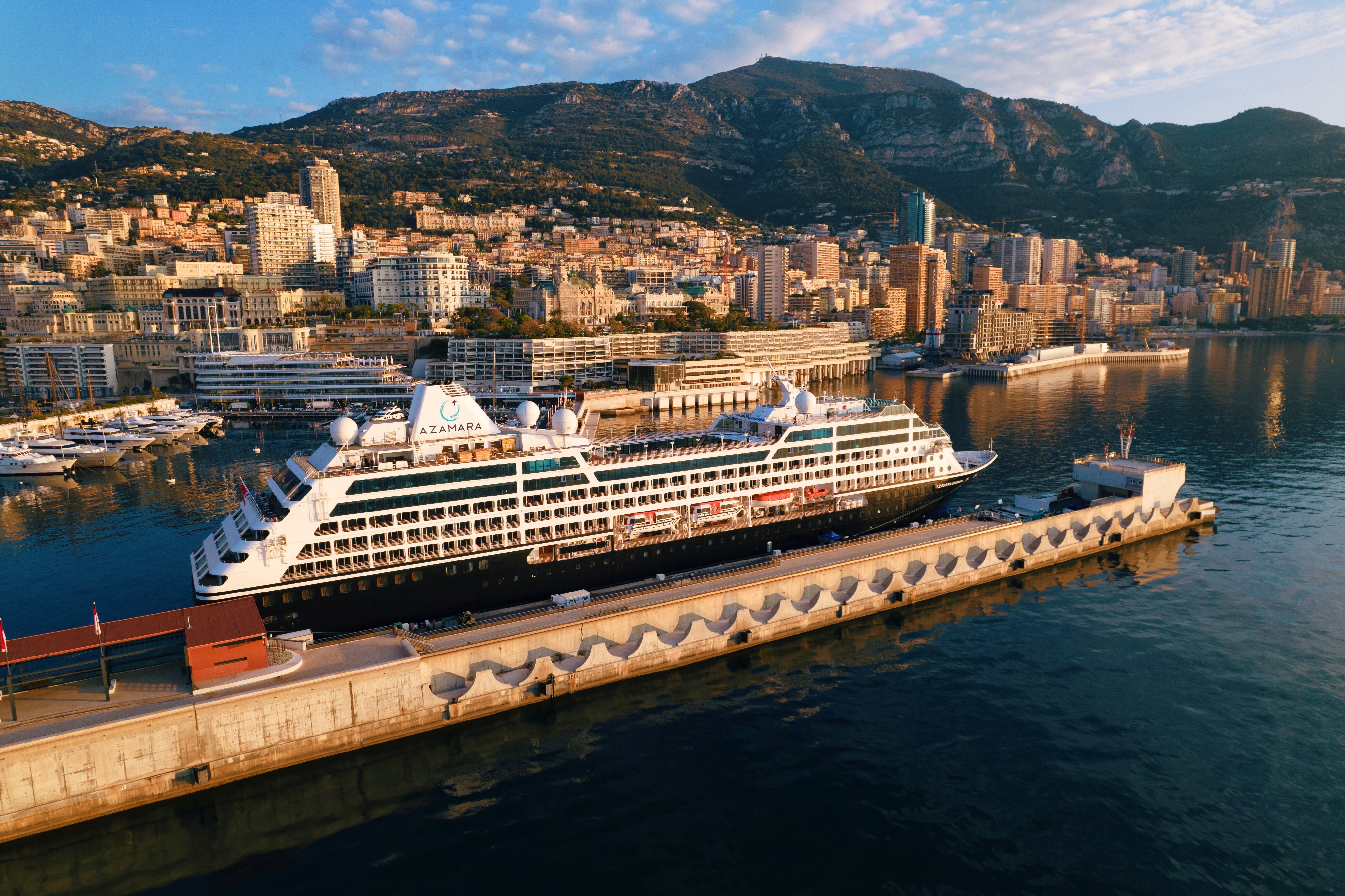
The French Riviera is served by a broad mix of cruise lines, though the exact ports, ship sizes and tender arrangements shift by season and local regulation. It is also a region where smaller and premium ships often have an advantage, simply because the ports are compact, glamorous and not always designed for the floating-city end of the market.
Celebrity Cruises offers French Riviera itineraries as part of its wider Mediterranean programme, typically appealing to travellers who want a premium but still mainstream ship experience: good restaurants, polished design, theatre, spa, lively bars and enough structure to make the planning feel easy. It is a sensible choice for first-timers who want the Riviera folded into a broader Spain, France and Italy route rather than a tiny-ports deep dive.
Azamara is well suited to the Riviera because its whole personality leans towards destination time, smaller ships and late stays. France-intensive sailings and itineraries including Nice or Cannes make sense for travellers who want longer ashore, fewer mega-ship logistics and a day that doesn’t feel as if the ship is tapping its watch by mid-afternoon.
Oceania is strong for food-focused travellers and culture-heavy Mediterranean itineraries. Its Riviera programme and shore excursions often connect the ports with inland villages, Nice, Èze, Monaco, Cannes and the wider Côte d’Azur. If your idea of a good port day involves markets, lunch and a guide who can talk about hill towns without making them sound like a fridge magnet, Oceania fits neatly.
Windstar suits the Riviera’s yacht-ish mood particularly well. Its smaller ships and marina platform style match a coastline obsessed with harbours, small ports and being casually elegant in a way that has taken quite a lot of effort. It is a good fit for passengers who want fewer people, more atmosphere and the sense that the ship is part of the scenery rather than looming over it.
Viking’s Western Mediterranean itineraries can include Monte Carlo, usually within a more curated, adult-focused route. That will suit travellers who like included excursions, calmer ships, history, museums and a less casino-and-cocktail version of Mediterranean cruising, although Monaco itself will do its best to reintroduce the casino.
Silversea, Regent Seven Seas, Seabourn and Explora Journeys sit at the luxury end, and the Riviera is very much their natural habitat. Monte Carlo embarkations, Cannes calls, Nice extensions, Grand Prix-linked journeys and small-ship access all appear in this world. These lines suit passengers who want high service levels, spacious ships, included or carefully arranged shore experiences, and the comforting knowledge that someone else has thought quite hard about the transfer.
MSC, P&O Cruises, Norwegian Cruise Line and other larger operators may include Cannes or nearby Riviera calls on selected Mediterranean sailings, though local restrictions and tender logistics matter more here than they do in deeper, industrial ports. They can suit travellers who want better value, family facilities or bigger-ship entertainment, but it is worth checking exactly where the ship anchors, how tendering works and whether port rules have affected the call.
In short, the bigger the ship, the more carefully you should read the small print. Riviera ports are beautiful, but they are not endlessly elastic. They have limits, and they are increasingly willing to mention them.
The best time to cruise the French Riviera
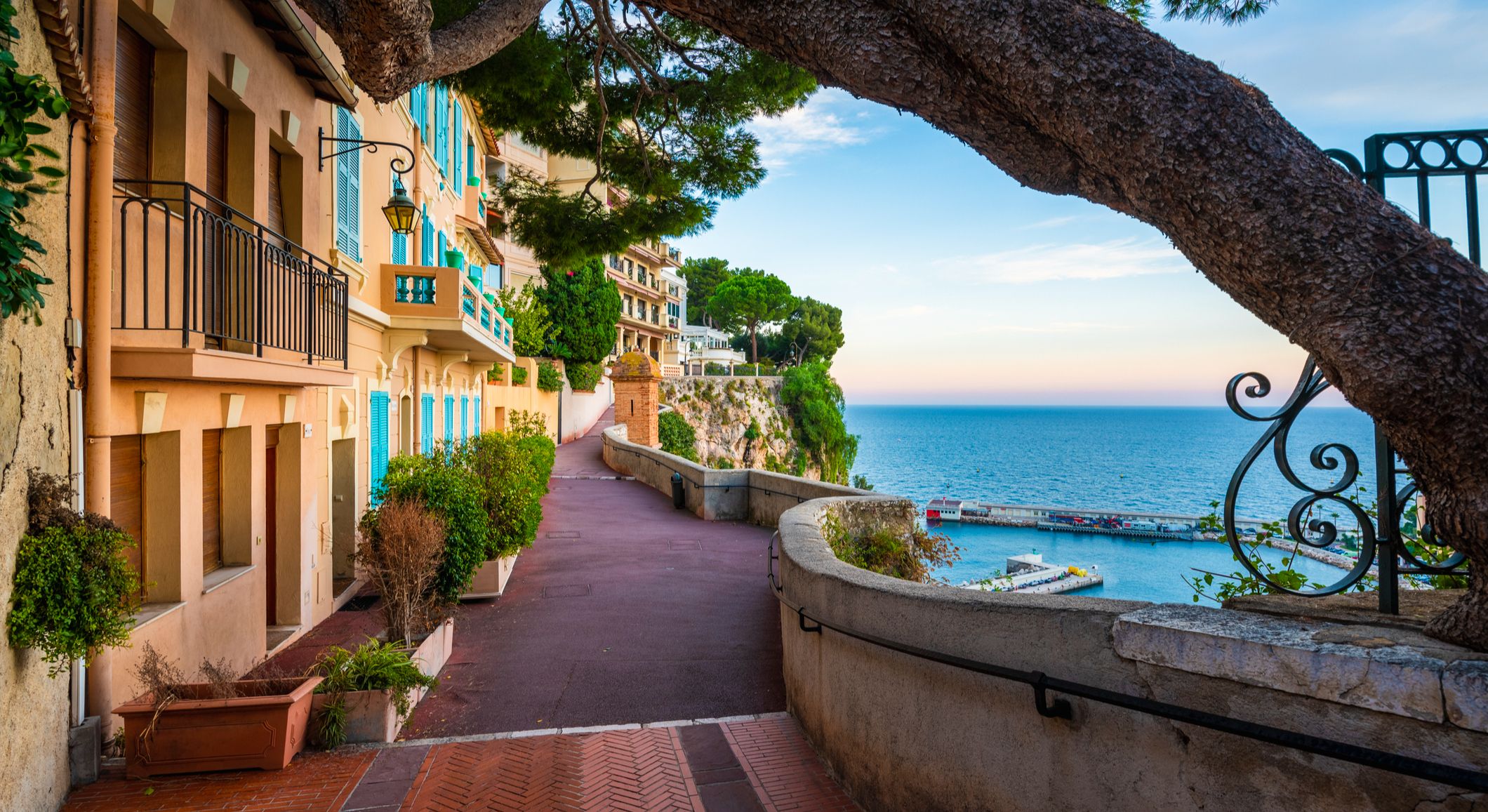
Spring and early autumn are the sweet spots. April, May, September and early October generally offer softer weather, manageable crowds and enough warmth for the coast to look like itself without forcing everyone into the glazed expression of high summer. May brings Cannes Film Festival energy, which is either thrilling or precisely the sort of thing you crossed the sea to avoid, depending on your tolerance for red carpets and logistical inconvenience.
July and August are hotter, busier and more expensive. The sea is gorgeous, the evenings are lively and the beaches make more sense, but the ports can feel crowded and transport less forgiving. If you travel then, build in slack. Heat and tight plans are natural enemies.
Winter and shoulder-season calls can be surprisingly good for Nice and Monaco, especially for travellers more interested in museums, markets, architecture and lunch than beaches. The Riviera began as a winter resort, after all. It knows how to behave when nobody is pretending a beach towel is a personality.