This is a collector’s guide for those who believe age adds value, patina is a virtue, and a holiday isn’t complete without hauling home a half-wrapped 1920s candelabra. We’ve scouted the ports that pair particularly well with a love of old things, and included a few tips on how to get your treasures home in one piece...
Marseille, France – for vintage Provençal chic
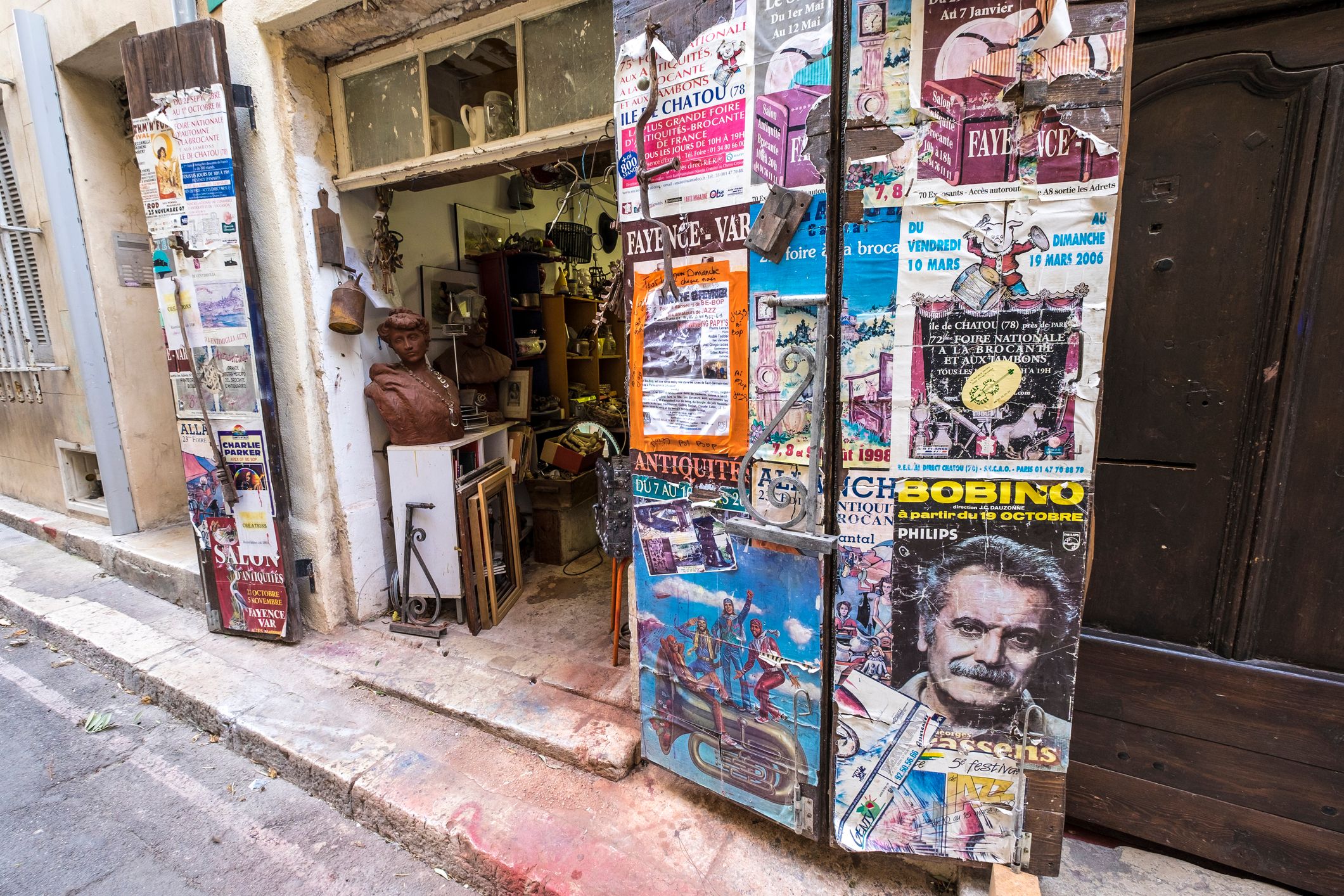
Marseille’s reputation is having a bit of a revival — and so is its vintage scene. Marché aux Puces (yes, another Paris-style ‘flea market’) is packed with house-clearance finds, mid-century ceramics, battered oil paintings and the occasional dusty Chanel two-piece if you're lucky.
Venture further into the Cours Julien district and you’ll find a maze of tiny brocantes and ateliers that lean more curated than chaotic. Marseille is a calling card for those who like their antiques with a twist of the Mediterranean — part sun-bleached, part slightly crumbling.
Top tip: Ask the vendor to wrap your fragile items in French newspaper. It protects your goods and gives you reading material for the journey home.
Istanbul, Turkey – for bazaars, relics and accidental suitcases of silverware
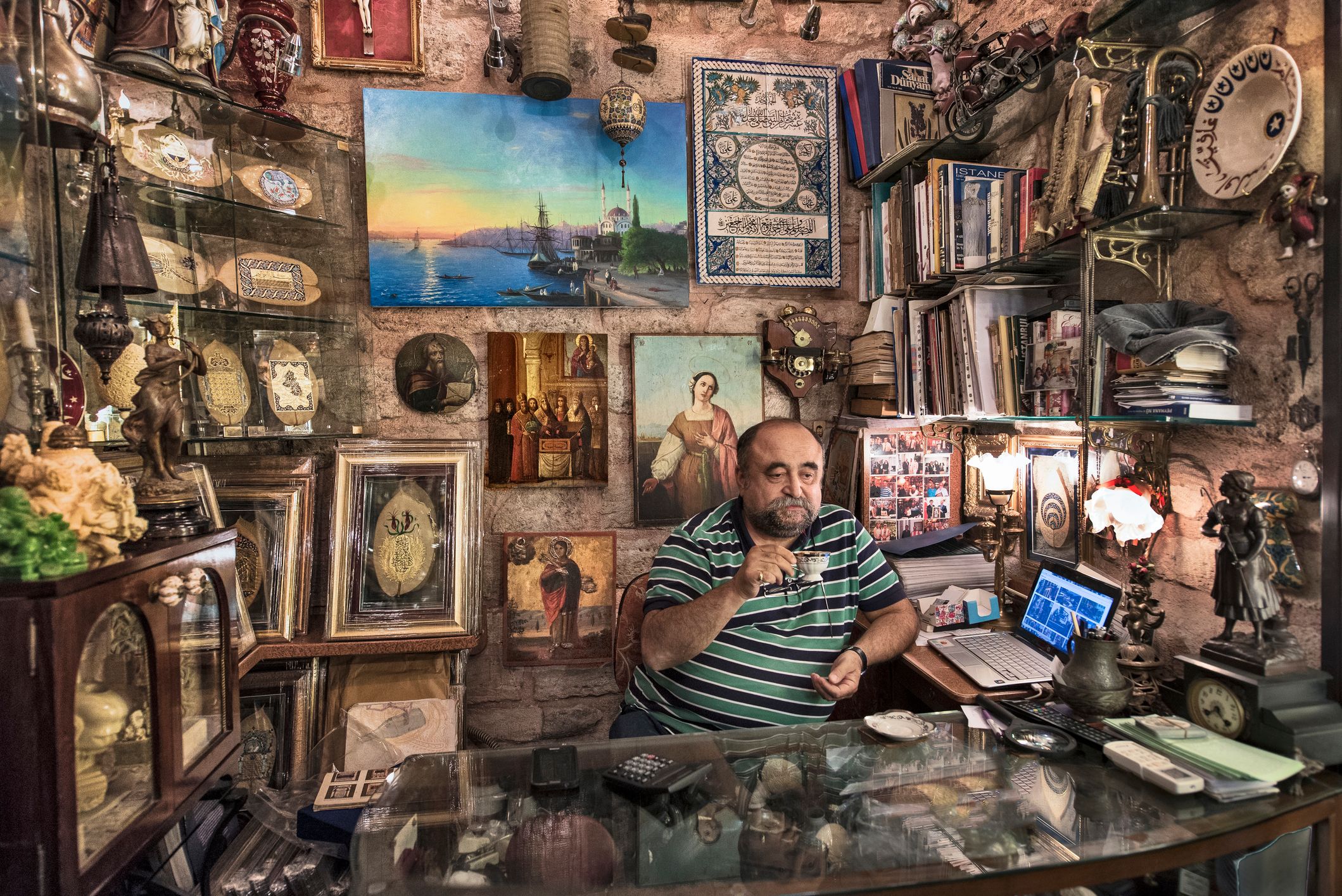
Antiquing in Istanbul is not for the faint-hearted. It’s intense, immersive, and absolutely irresistible. Head straight for Çukurcuma — the city’s antiques district — where winding lanes are packed with Ottoman armoires, Persian rugs, carved miniatures, and every type of aged metalwork imaginable.
If you’ve got stamina, the Grand Bazaar also delivers, though you’ll have to dig past the tourist tat to find the real gems. But that’s half the thrill — when the junk turns suddenly to treasure.
Top tip: Pack light. Very light. Or befriend your ship concierge to help arrange a DHL box home.
Amsterdam, Netherlands – for civilised scavenging and antique bookworms
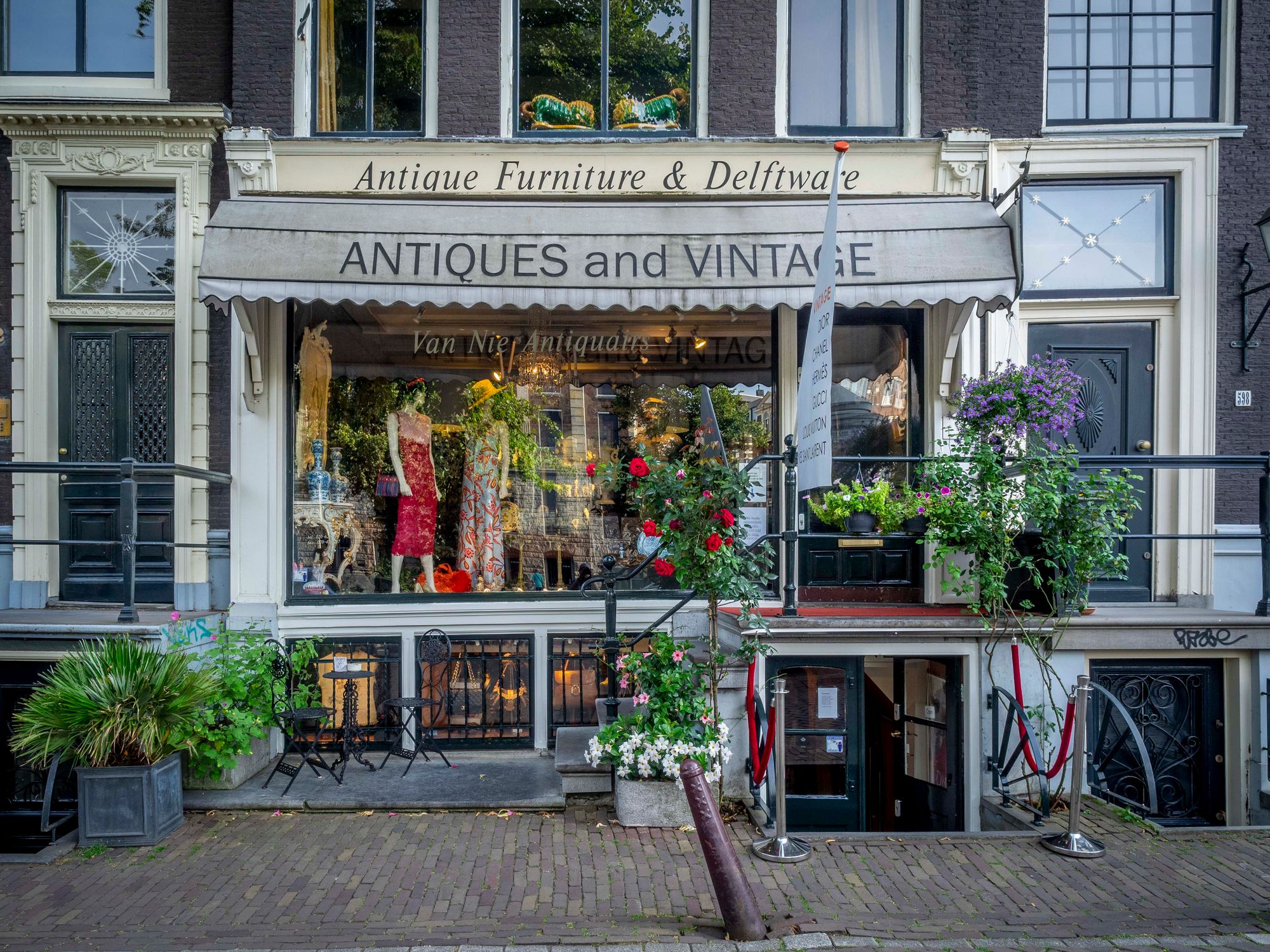
Amsterdam is a quietly brilliant spot for antique lovers — compact, classy and well-organised, like the best kind of antiques dealer. Begin at Spiegelkwartier, the city’s elegant antiques quarter, where you’ll find shop windows glinting with Delftware, vintage maps, and 19th-century mirrors you’ll definitely want but can’t fit in your suitcase.
For smaller (and more suitcase-friendly) finds, try the daily Waterlooplein flea market — a solid bet for second-hand cameras, oddball accessories and well-thumbed art books.
Top tip: If you're buying anything paper-based or fragile, ask for archival-quality wrapping — dealers in Amsterdam are usually happy to oblige.
Valletta, Malta – for baroque beauty and European leftovers
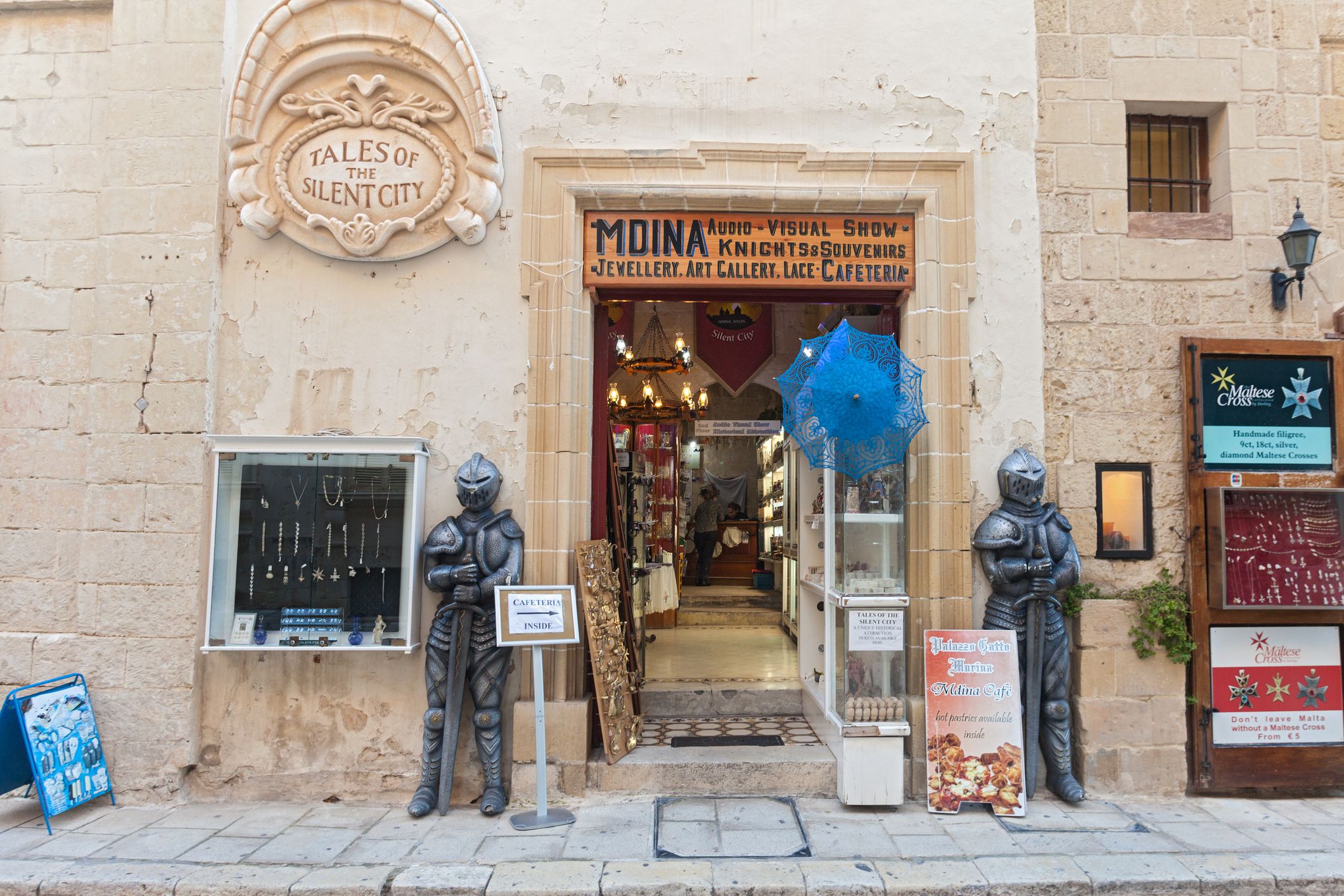
Malta might not be top of your list for antiques, but it should be. This is a place where history doesn’t just live in museums — it leaks into every stone, shopfront and back alley. Valletta and the Three Cities are home to some charmingly ramshackle antique stores, often stuffed to the gills with colonial-era furniture, maritime curios and ecclesiastical oddities you probably didn’t know you wanted.
Prices are generally lower than in mainland Europe — and you’ll find plenty of items with proper provenance and patina.
Top tip: Malta Post offers a surprisingly reliable international shipping service. Ask the shop owner to help you fill in the customs form correctly if you're posting anything unusual (like a gilded cherub).
Barcelona, Spain – for market madness and Art Nouveau daydreams
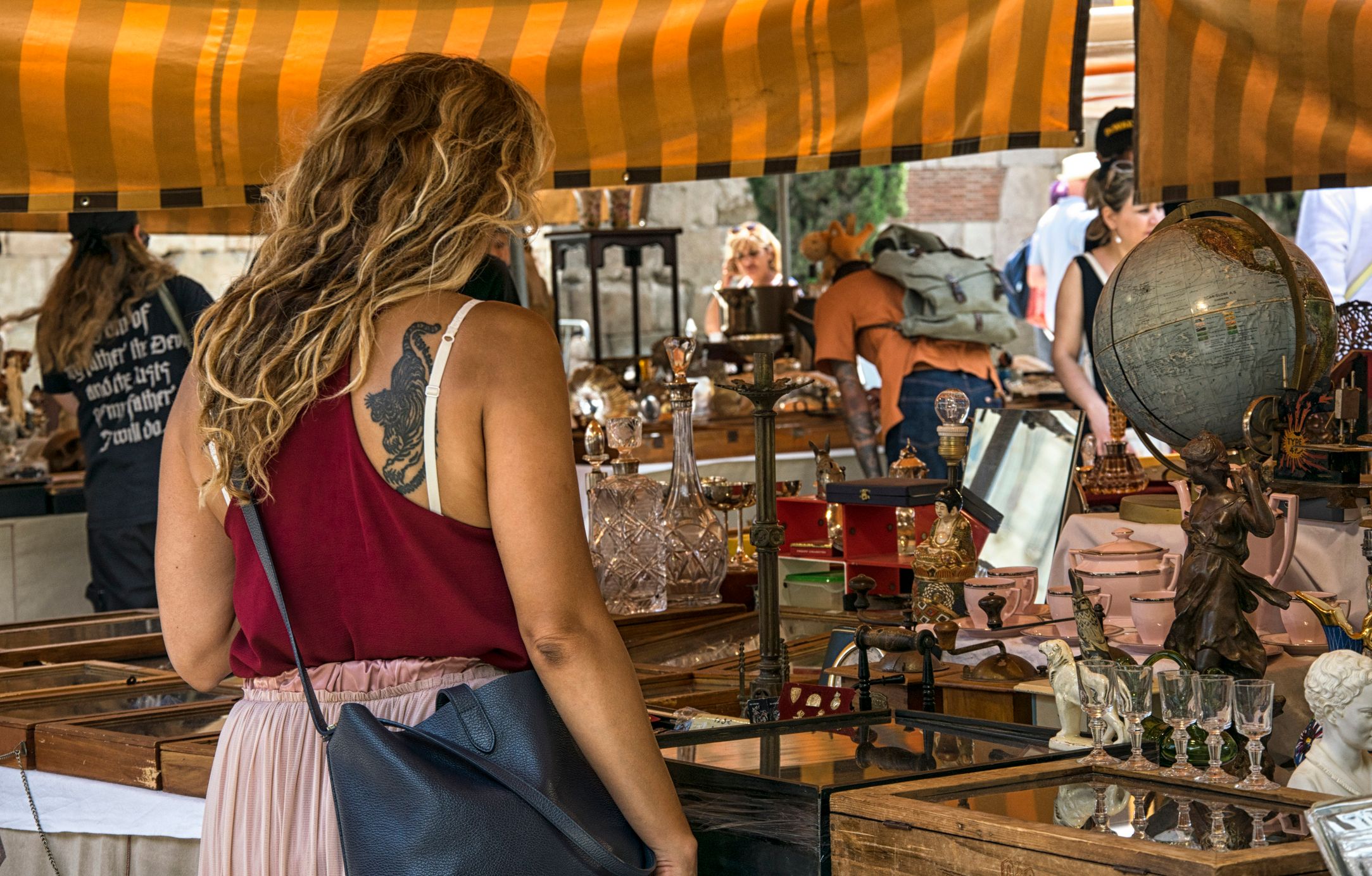
While Barcelona is best known for its Gaudí architecture and tapas scene, it’s also a bit of a haven for treasure hunters. Encants Vells, one of Europe’s oldest flea markets, is a riot of old coins, odd glassware, antique tools, and the kind of mismatched cutlery that seems to whisper stories.
If you’re into early 20th-century furniture, seek out the city’s design-focused second-hand shops in the Eixample district — they’re full of Catalan modernist flair and things that look like they belong in the background of a Pedro Almodóvar film.
Top tip: If you're planning a spree, take a collapsible duffle bag. Trust us, it’ll come back full.
Florence, Italy – for Renaissance remnants and romantic clutter
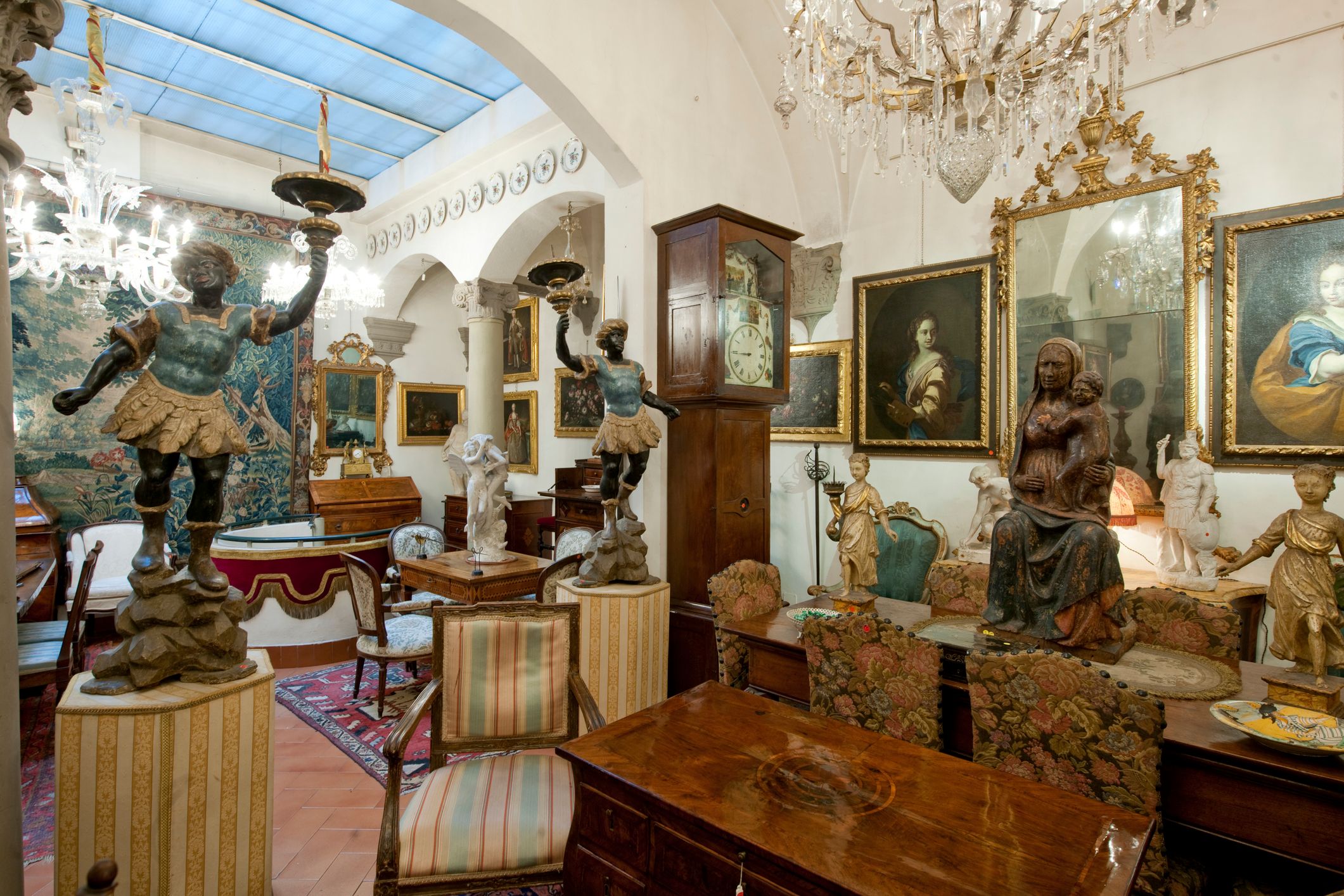
Florence isn’t just for art historians and newlyweds — it’s a mecca for antique lovers too. The monthly Mercato Antiquariato near Piazza dei Ciompi is a lovely blend of old-world charm and pure treasure-hunting chaos. Expect everything from vintage postcards and gilt frames to old church keys, faded portraits and Murano glass you’ll probably cradle like a baby for the rest of the cruise.
Don’t skip the high-end antique dealers near the Ponte Vecchio either — even if you’re only window shopping.
Top tip: Most dealers will arrange international shipping for larger pieces. And if you ask nicely, they might even knock off the shipping fee if you buy more than one thing (dangerous, we know).
Bringing it home: your post-cruise shipping guide
You’ve done the hard part: you haggled in broken Italian, you carried a wobbly lampshade through four alleys, and now you need to get it home. Here’s how:
- DHL, UPS and FedEx all operate internationally from most major ports. You’ll find city-centre locations in almost every destination listed above.
- Most antique shops will ship for you, especially if you’re buying something bulky or valuable. Ask for tracking and full customs declarations.
- Keep receipts, especially for older pieces that may need provenance if you’re stopped at customs.
- Budget for VAT and import duty, particularly if you’re buying from outside the EU or UK.
- For smaller items, a sturdy carry-on and a roll of bubble wrap can work wonders. Just make sure you’re under your luggage limit.
If your idea of a perfect day involves cobbled streets, dusty drawers and a suitcase that gets suspiciously heavier by the day, these cruise ports have your name on them.
Just don’t blame us when you come home with a Georgian side table and no way to get it up the stairs.