The World Cup starts on 11 June 2026 and runs through to 19 July across Canada, Mexico and the United States, which means now is as good a time as any to tour some of the world's most iconic football stadiums (and combine them with your cruise itinerary).
The best football port days are the ones where the ground is either close to the action or easily reached from the terminal, the club actually runs a decent tour, and the whole experience feels like part of the city rather than a distant suburban errand.
Football museums can be terrible, of course. Give the wrong people a few old shirts and a timeline and they’ll create something with all the emotional pull of a tax office. But the good ones tell you how a place sees itself. In the right city, a stadium tour isn’t a detour from the destination. It is the destination.
Lisbon, where the logistics are almost suspiciously easy
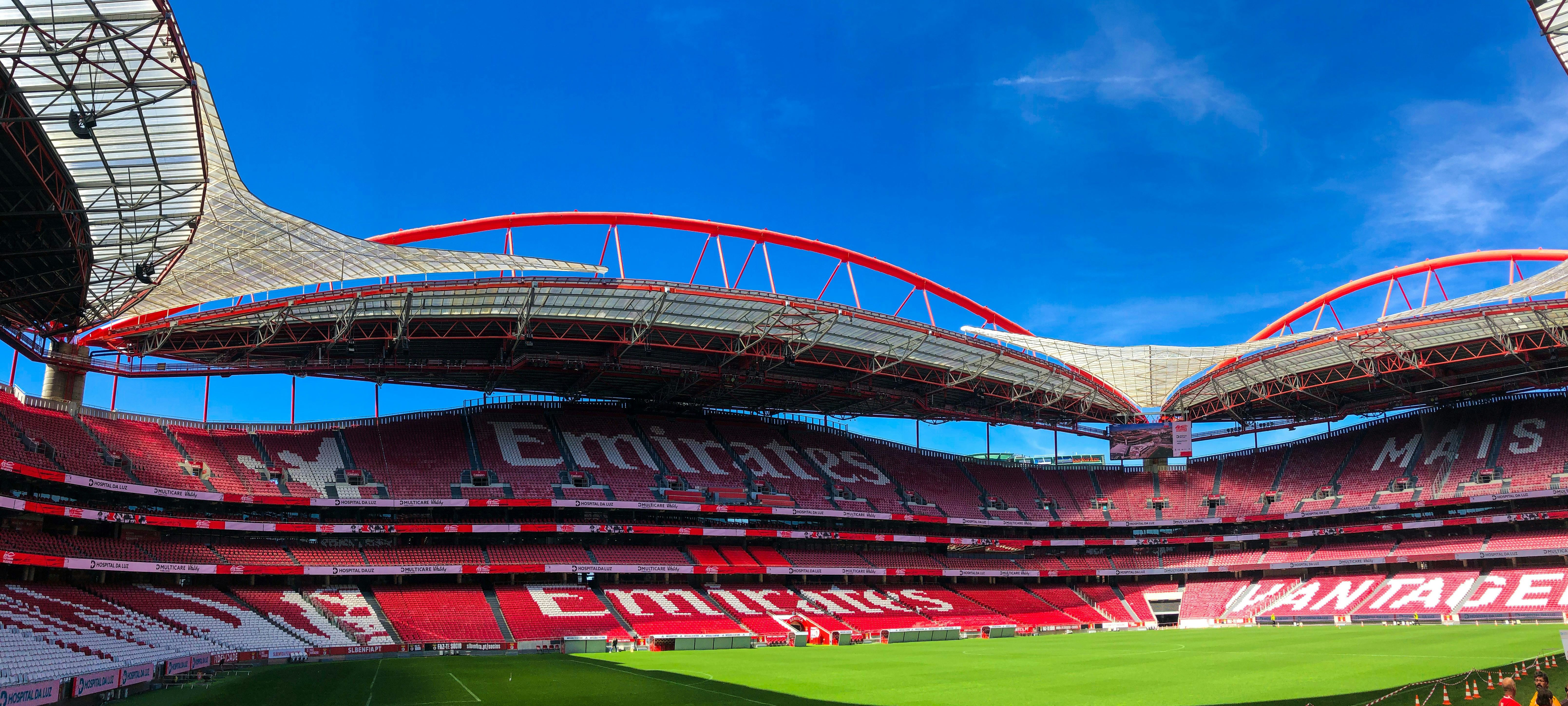
Lisbon's cruise terminal sits on the north bank of the Tagus, just steps from the historic centre, with Santa Apolónia station and metro, trams and buses all close by. Which means that even before coffee, the city has already done you a logistical kindness.
For football fans, the obvious play is Benfica. Estádio da Luz is the largest and most modern stadium in Portugal, and tours run every 20 minutes. Benfica’s own site sells tickets for the stadium and the Cosme Damião Museum, so this is not one of those unofficial “peer through the gate and imagine Eusébio” situations.
It also works brilliantly as a Lisbon day because the club’s scale matches the city’s sporting self-confidence. You can spend the morning among trophies and then re-emerge into a capital where lunch is still waiting, preferably involving grilled fish and a small glass of something cold.
Bilbao, for people who like their football with a touch of civic pride
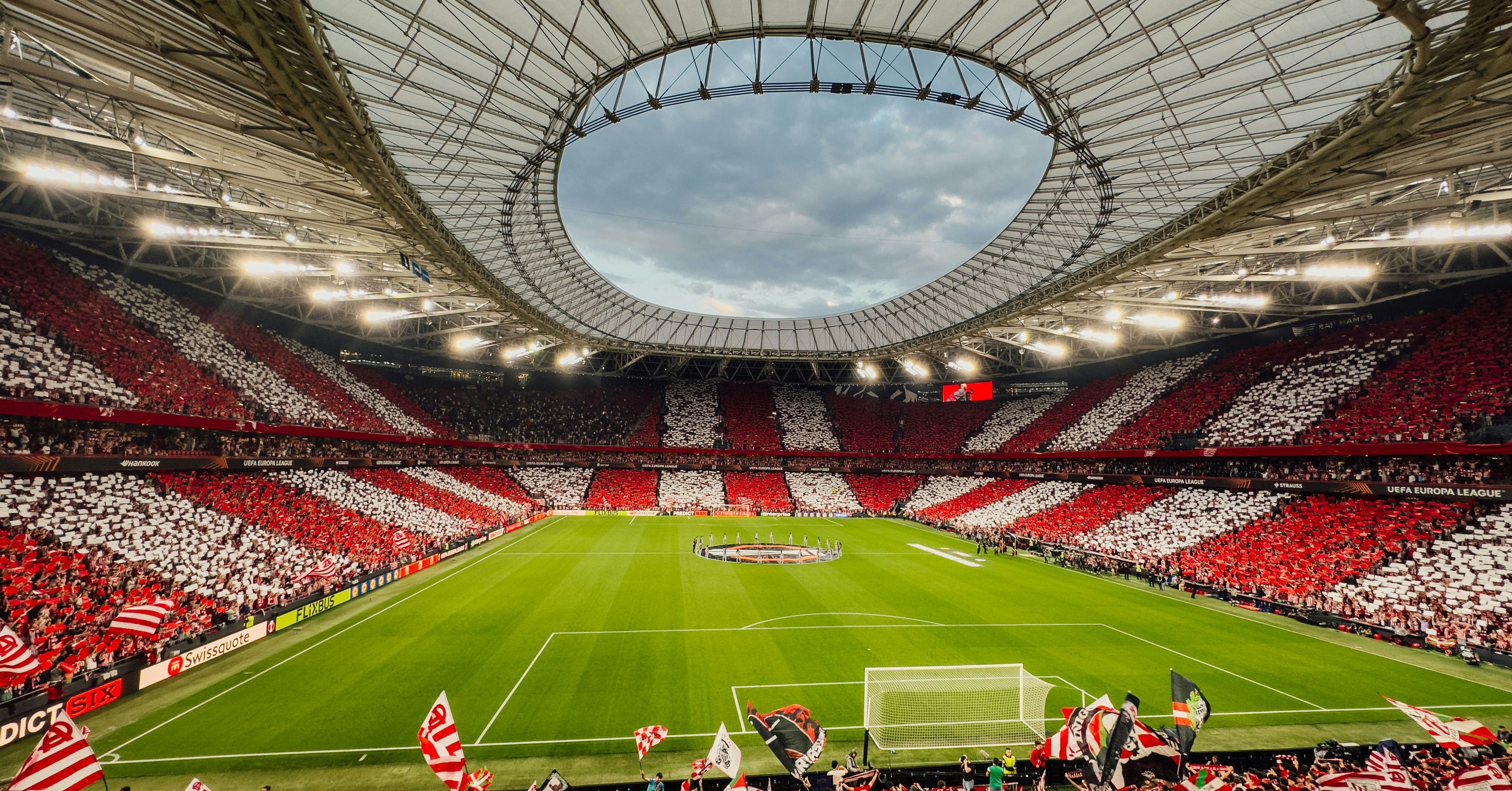
Bilbao is a slightly more committed football port day. Cruise ships use the Port of Bilbao terminal in Getxo rather than docking in the city centre itself, so this one takes a little more intent than simply falling off the gangway and following your instincts. Getxo itself is about 10km from central Bilbao.
The reward is San Mamés, an iconic ground where football has been played for more than a century. The club’s museum and tour are the real draw here. The museum contains more than 1,000 original objects and 900 videos.
What makes Bilbao particularly satisfying is that the football culture fits the city so well. This is not a place where the stadium feels like a sealed-off entertainment pod at the edge of town. It belongs to Bilbao’s story, just as much as the river, the industry and the pintxos, which in this case is exactly what you want.
Rotterdam, where the route is nearly as neat as the shirt design
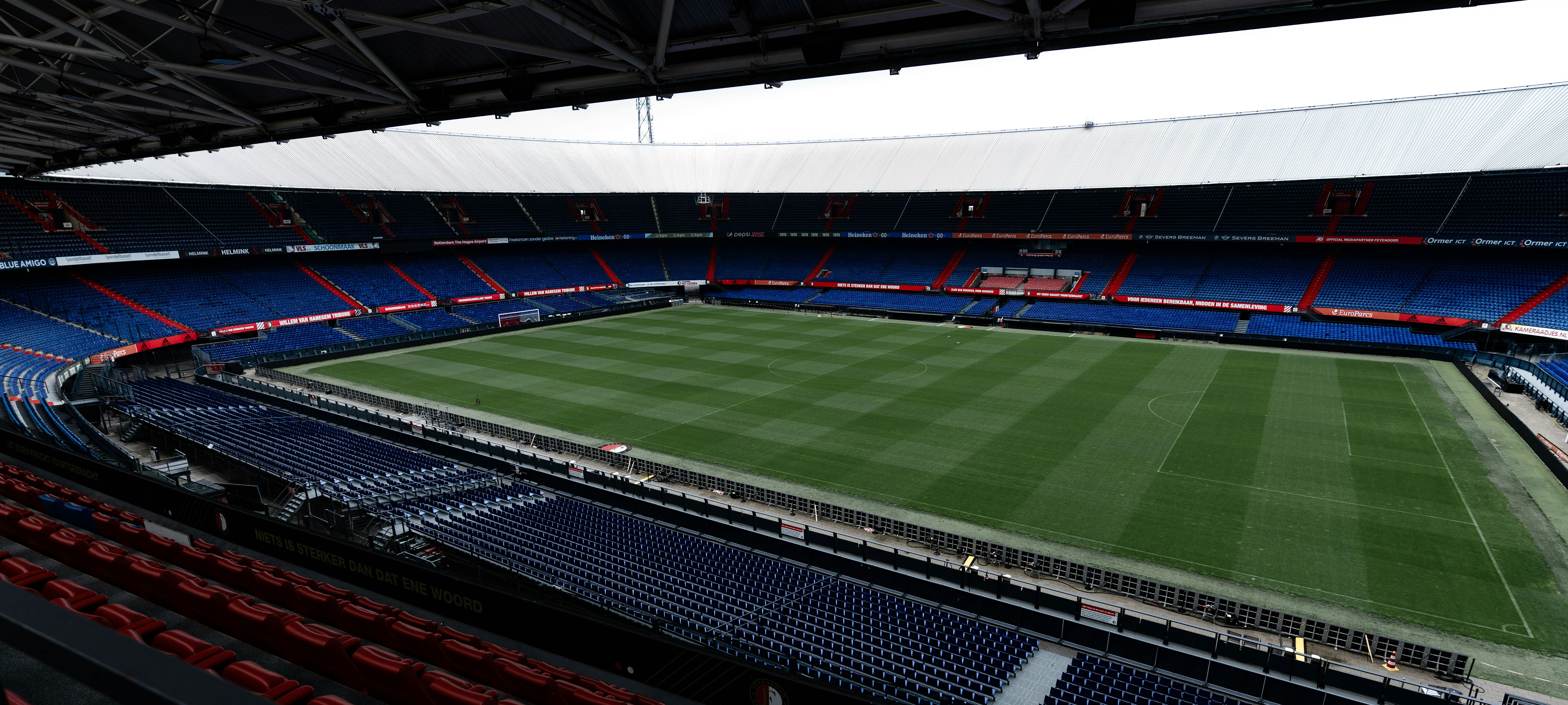
Rotterdam has one of the cleanest football-port equations in Europe. The cruise terminal has a central location in the city, and De Kuip is well set up for visitors, with stadium tours and the Feyenoord Museum available through the official site. From Wilhelminaplein, which is right by the cruise terminal area, you can switch to tram 23 and get off at Stadion Feijenoord.
De Kuip is also one of those grounds whose atmosphere survives the daytime tour treatment. Feyenoord’s own site calls it the finest stadium in the Netherlands and talks about how close the spectators are to the pitch. Clubs do tend to get a bit carried away when describing themselves, but in this case they do have a point.
Liverpool, some football pilgrimages don’t require translation
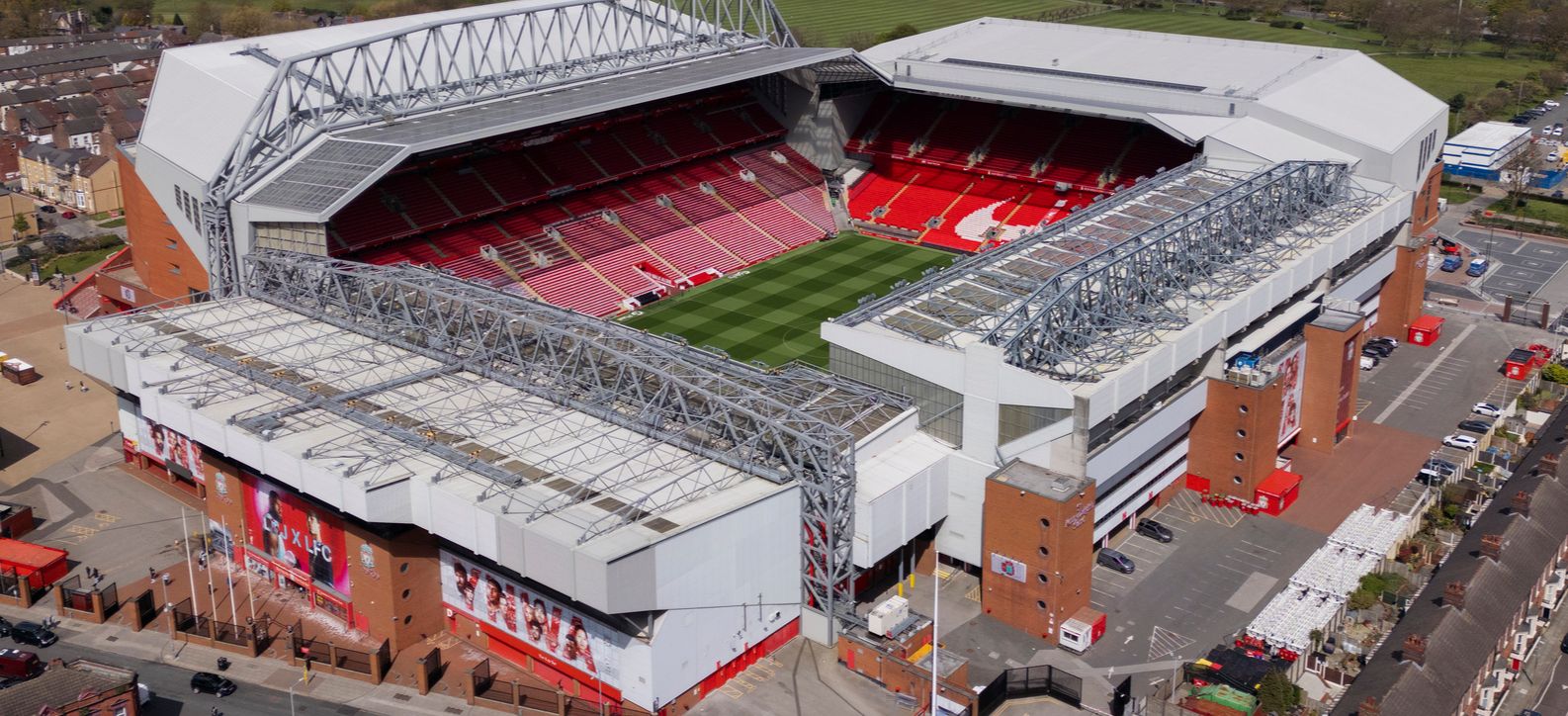
Liverpool Cruise Port welcomes ships right onto the city’s waterfront and describes itself, with no detectable false modesty, as being conveniently located in the city centre. From there, Anfield is the obvious move. Liverpool’s official stadium tours promise the full works, including the press conference room, the This Is Anfield sign, the players’ tunnel, the managerial dugout and the home dressing room.
There is also the museum, relaunched to show the club’s story and its trophies, including all six European Cups together. If you are unmoved by six European Cups lined up in one place, I can only assume your heart has hardened. The joy of Liverpool as a football port day is that the city and the club have never really been separable anyway. Even if you only have half a day, the football fits into the broader rhythm of the place rather than hijacking it. .
Istanbul, where one club stop can turn into a full-blown derby in your head
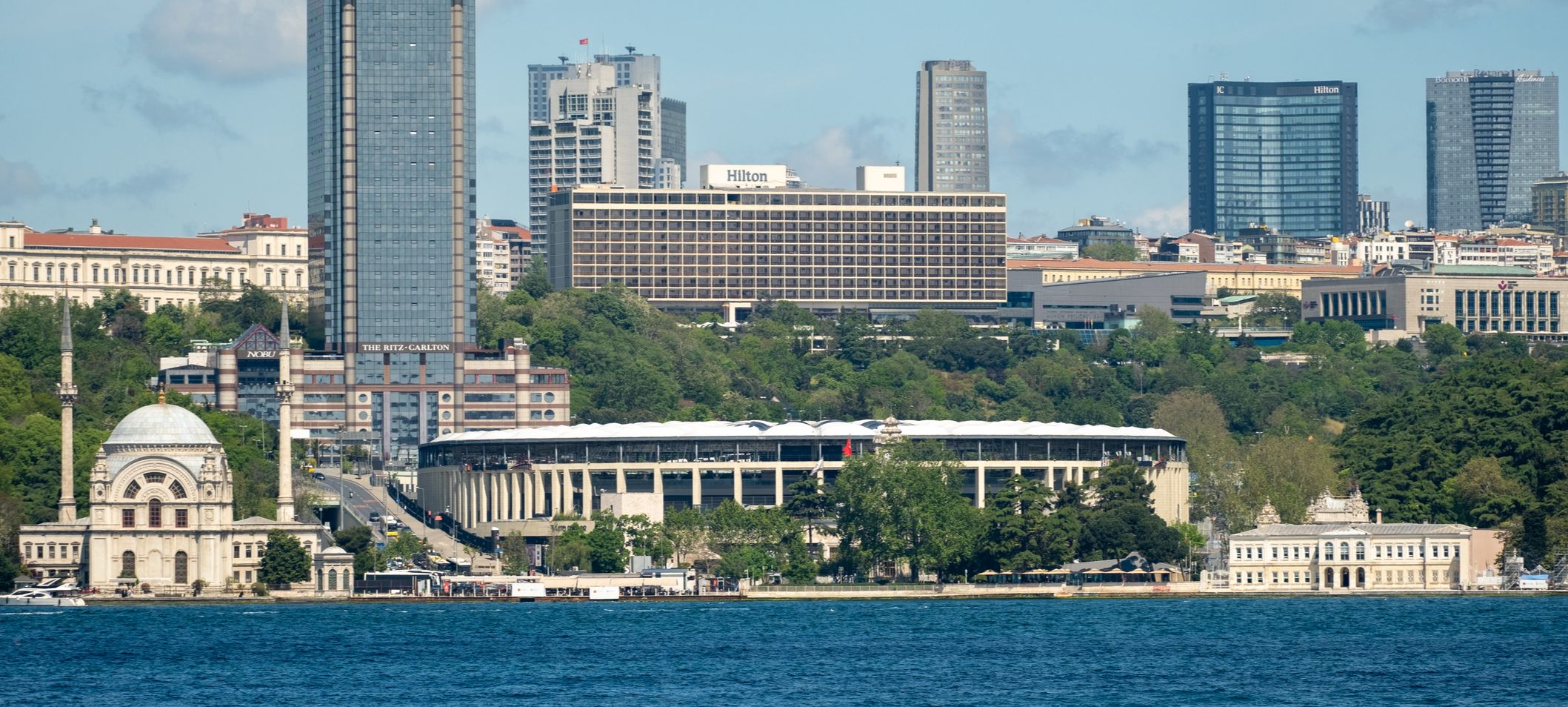
If your ship docks at Galataport, you are already in Karaköy, which is one of the few cruise terminals that feels genuinely dropped into the middle of a living city rather than bolted awkwardly onto its edge.
For a football-minded port stop, Beşiktaş is the cleanest fit. The Beşiktaş JK Museum, inside Tüpraş Stadium, bills itself as Turkey’s largest and first officially registered sports museum, and the club offers museum-and-stadium tours directly through its own site.
Buenos Aires, if you want football treated as a branch of public emotion
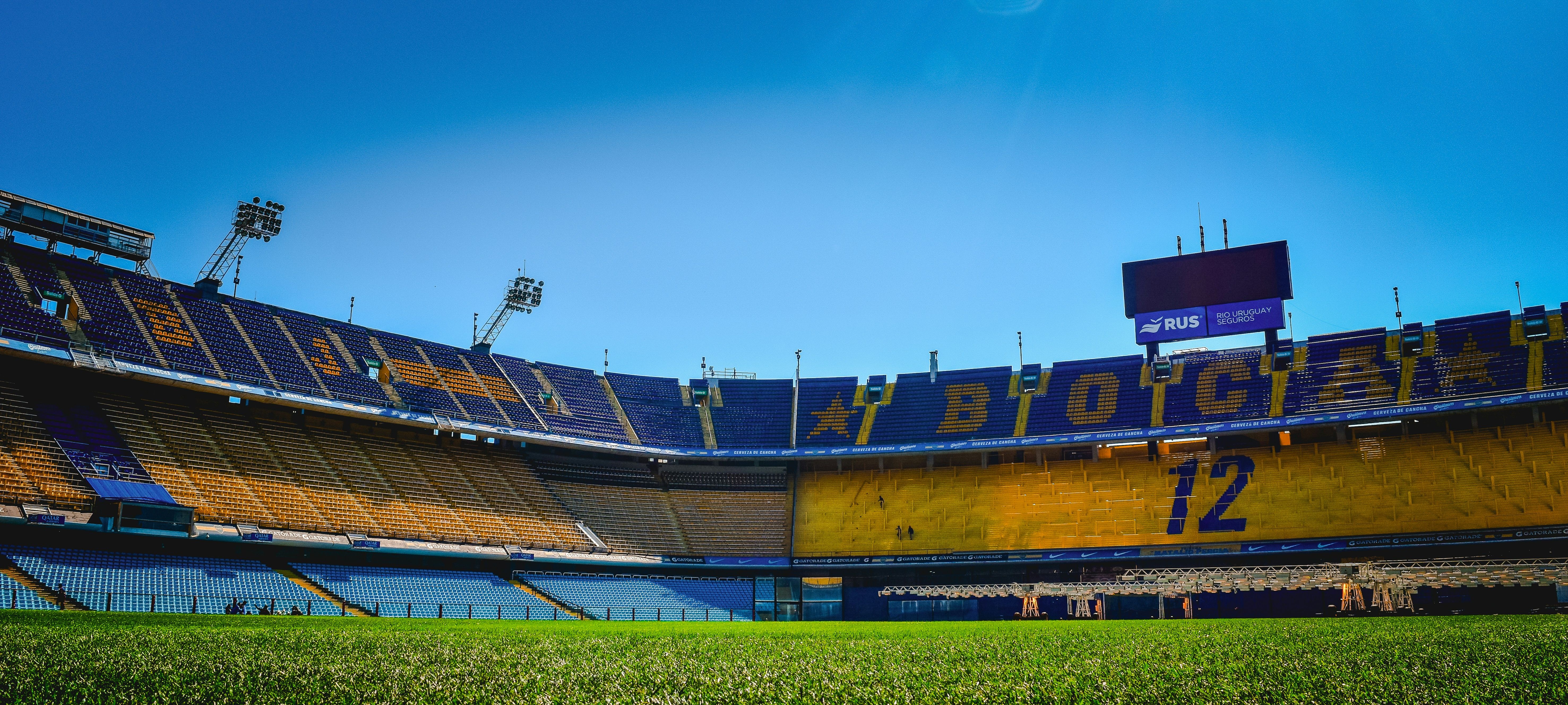
There are football cities, and then there is Buenos Aires, which seems to regard the sport less as entertainment than as a religion. The city’s Quinquela Martín cruise terminal is just minutes from major sights and connected to taxis, buses and the subway network, according to the city’s tourism board.
For sheer mythology, La Bombonera is hard to beat. Buenos Aires, the Museo de la Pasión Boquense includes a guided visit through the stadium installations, pitch, changing room and warm-up area, while Boca’s own site says the museum has reopened with a renewed journey through 120 years of club history.