Every cruise has its two inevitable shopping tribes.
There are magnet people, earnestly adding “Cádiz” to a fridge that already reads like a geography exam. And there’s the edible souvenir people, quietly superior, buying something you might actually use, then smugly consuming it at home like a little flavour time machine.
This article is for the second group. Specific, suitcase-friendly, genuinely iconic things to pick up in different countries, with enough shelf life to make it from gangway to kitchen without turning into an insurance claim.
Spain: saffron threads and smoked paprika
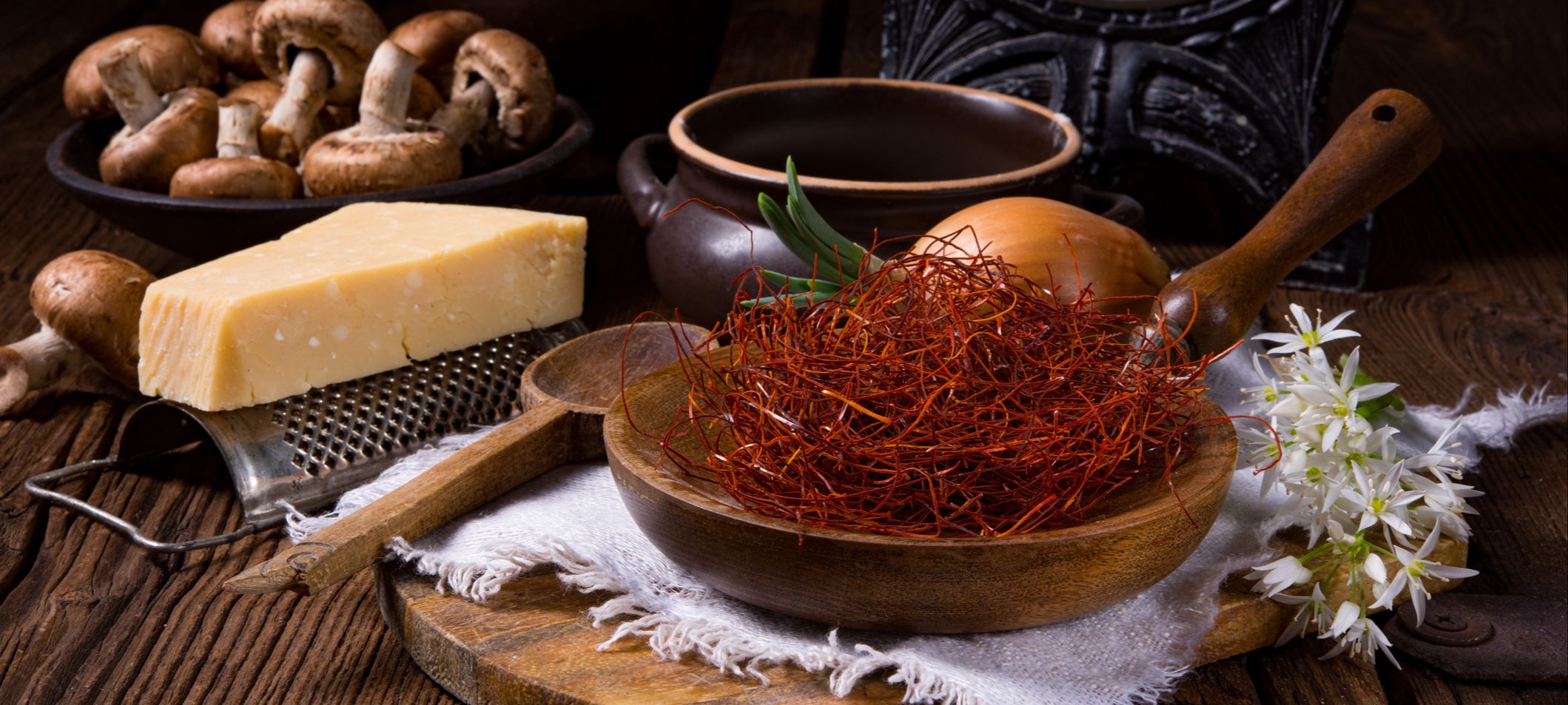
If you want the smallest possible purchase with the biggest possible impact, buy Azafrán de la Mancha. It’s a Protected Designation of Origin product, which is a very official way of saying it’s not just “some saffron,” it’s the good stuff.
Then add Pimentón de la Vera. It’s also PDO, and it’s the smoky paprika that makes home cooking taste like you’ve developed a mysterious Spanish grandmother off the back of one port day.
Both are dry, light, and basically indestructible, which is more than can be said for most holiday romances.
Portugal: a tin of sardines that feels like a gift
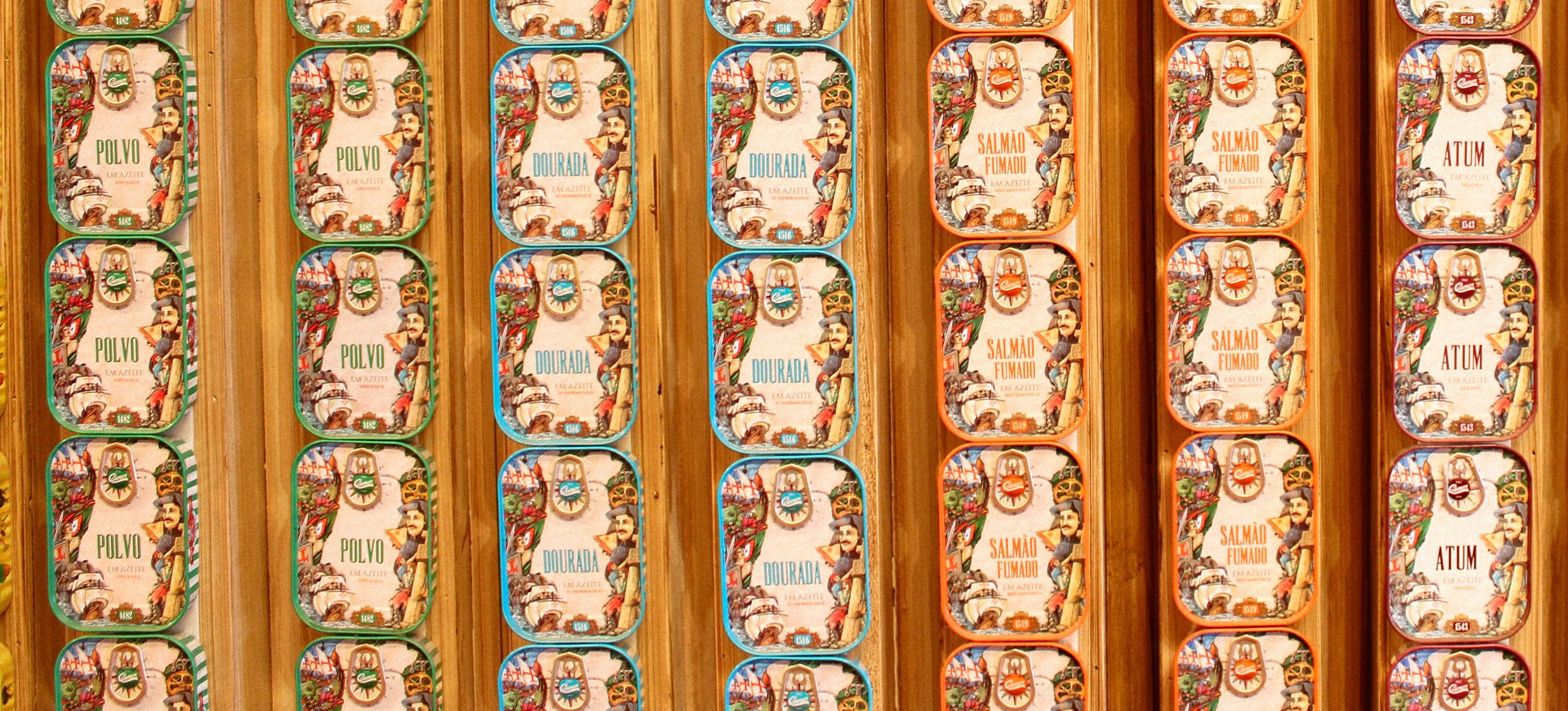
Portugal’s conservas culture is the world’s most useful souvenir genre, because it’s already designed to travel. The classic flex is a tin from Conservas Pinhais (NURI), which still leans on its long tradition and hand-prep story.
If you eat fish, you’ll thank yourself on a night when dinner is “something on toast.” If you don’t, tins also make excellent gifts for people who do, and who will be impressed you brought them something that isn’t airport chocolate.
France: salt that tastes like the sea
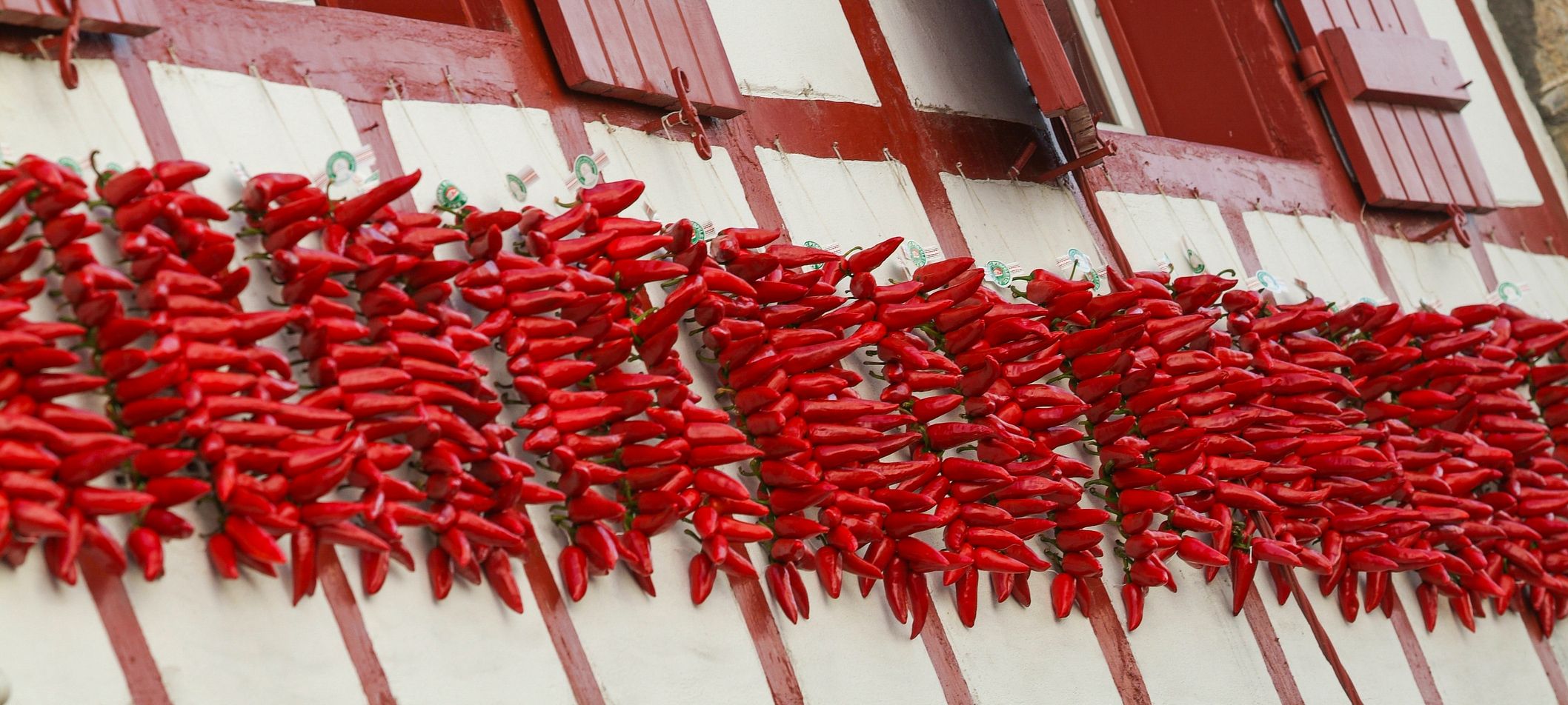
Two French buys that travel beautifully and make you look like a person with standards. First, Sel de Guérande / Fleur de sel de Guérande, a PGI salt with the sort of gentle glamour that turns even tomatoes into “a dish.”
Second, Piment d’Espelette, a Basque chilli with Protected Designation of Origin status. It’s aromatic, warm, and polite enough not to blow your head off, which is a genuinely underrated quality in a spice. Both come in small tins and jars that behave well in luggage and even better in the kitchen.
If you want a sweet French souvenir that doesn’t melt, look for Bergamote(s) de Nancy, those old-school citrus sweets with PGI protection. They’re tiny, wrapped, and strangely addictive in a “just one more” way.
Italy: Modena vinegar and Tuscan biscotti
Italy is full of delicious things that are annoyingly fragile, fresh, or liable to leak. So go for the items that are meant to travel.
A bottle of Aceto Balsamico di Modena with PGI protection is the sort of purchase that instantly upgrades your salad situation at home.
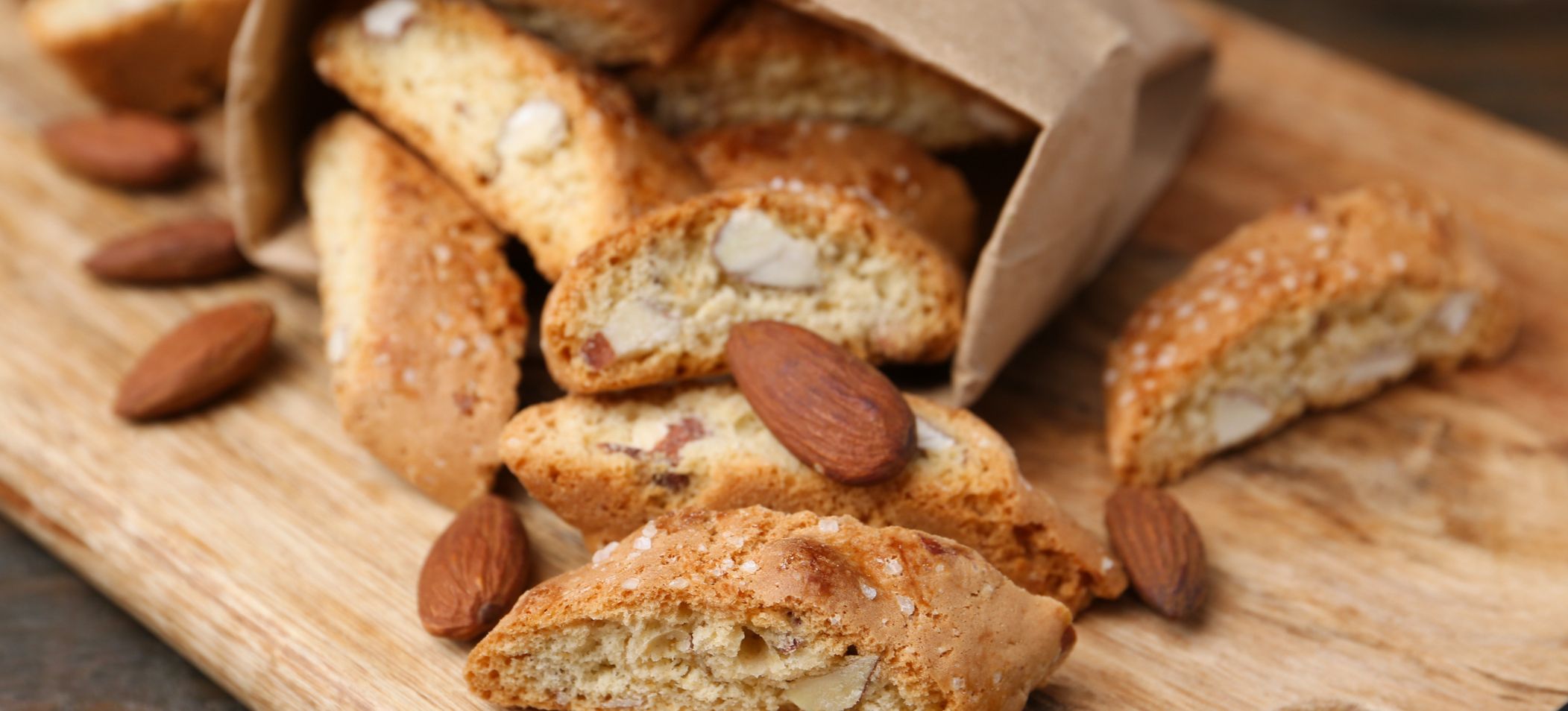
Then add Cantuccini Toscani / Cantucci Toscani, a PGI biscuit that was practically invented for being tossed into a bag. They’re dry, sturdy, and make you feel wildly competent when you serve them with coffee like you planned it.
Greece: mastiha and olives that earn their reputation
For something genuinely different, buy Μαστίχα Χίου / Masticha Chiou, a PDO natural resin from Chios. It turns up as sweets, liqueur, or the chewable form that tastes like pine’s elegant cousin. It also lasts forever, which is helpful if you’re the kind of person who buys things with “plans.”
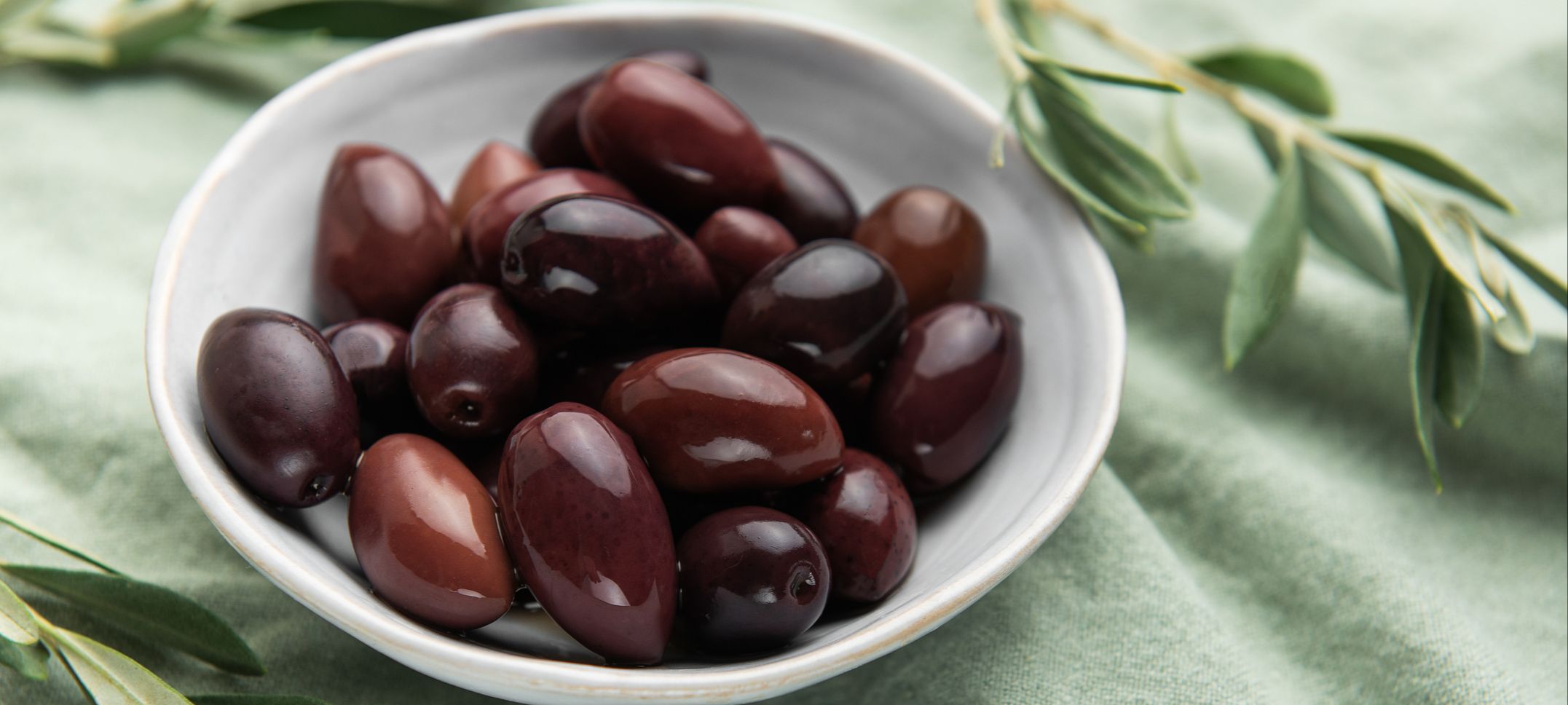
If you’re an olive person, look for Elia Kalamatas (PDO) or properly labelled Kalamata-style olives from Greece. They’re the sort of snack that makes you suddenly want to host people and put out bowls. Just buy them sealed like the manufacturer expected you to travel with them, not scooped into a flimsy container like a regretful salad.
Denmark: liquorice for people who think they don’t like liquorice
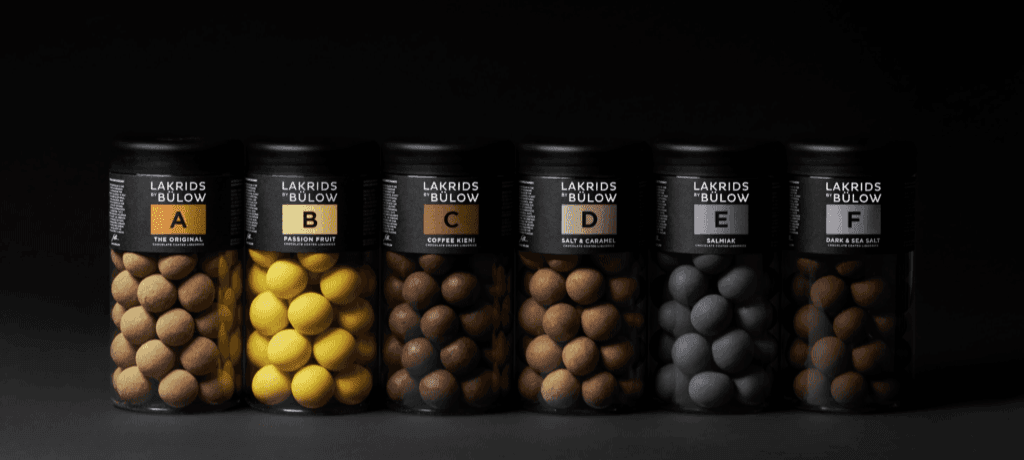
Denmark has a national affection for liquorice that borders on emotional. If you want the modern, giftable version, Lakrids by Bülow is the obvious pick, and VisitDenmark tells the origin story starting on Bornholm in 2007.
Buy a mixed box. Give it to someone who says “I don’t like liquorice.” Watch them reconsider their entire personality.
Sweden: knäckebröd, the crunch that survives anything
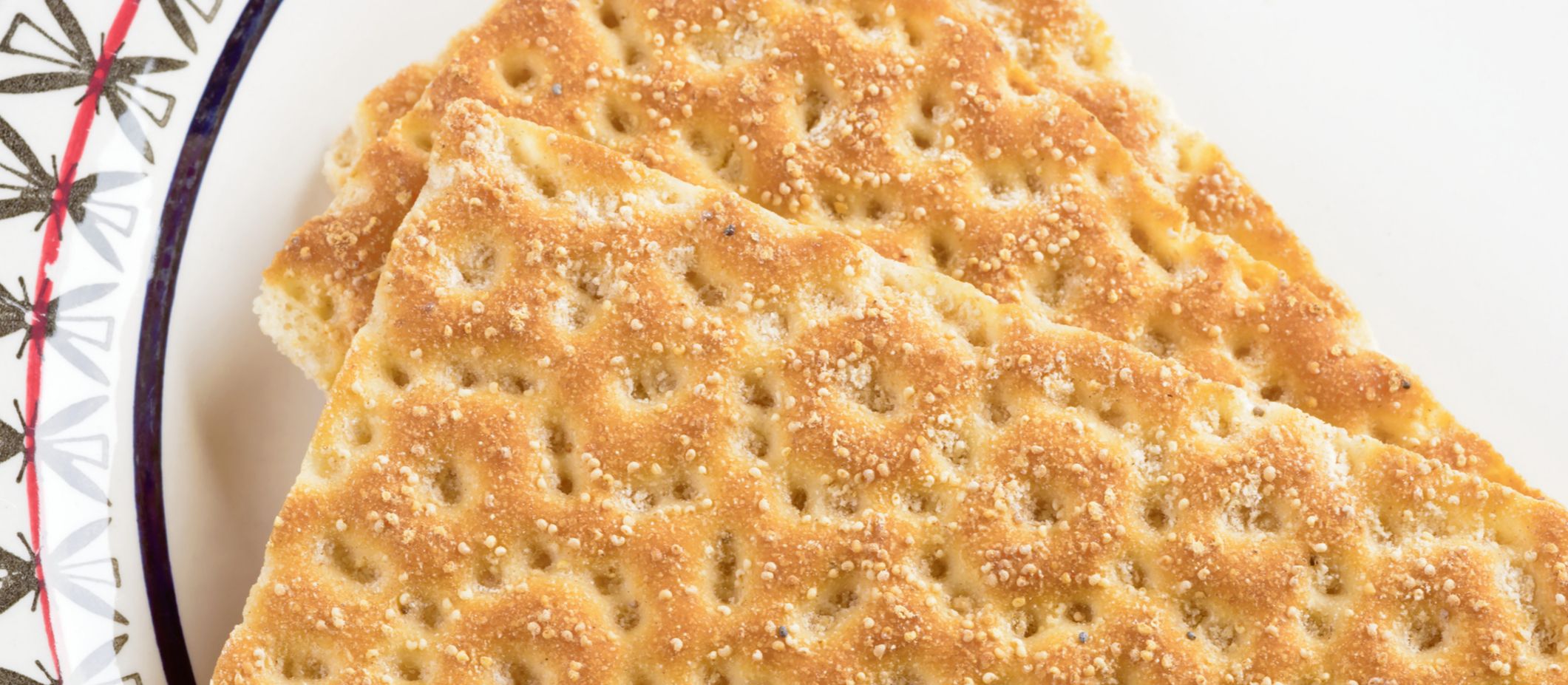
Swedish knäckebröd is the edible souvenir for people who hate waste. It’s a dry crispbread built for long storage, historically made to last through Scandinavian winters, which also means it will survive your suitcase with ease.
It’s also a genuinely useful thing to have at home. Put butter on it, put cheese on it, put anything on it, and you’ll feel like you’ve got your life together.
The Netherlands: stroopwafels, preferably not the €13 kind
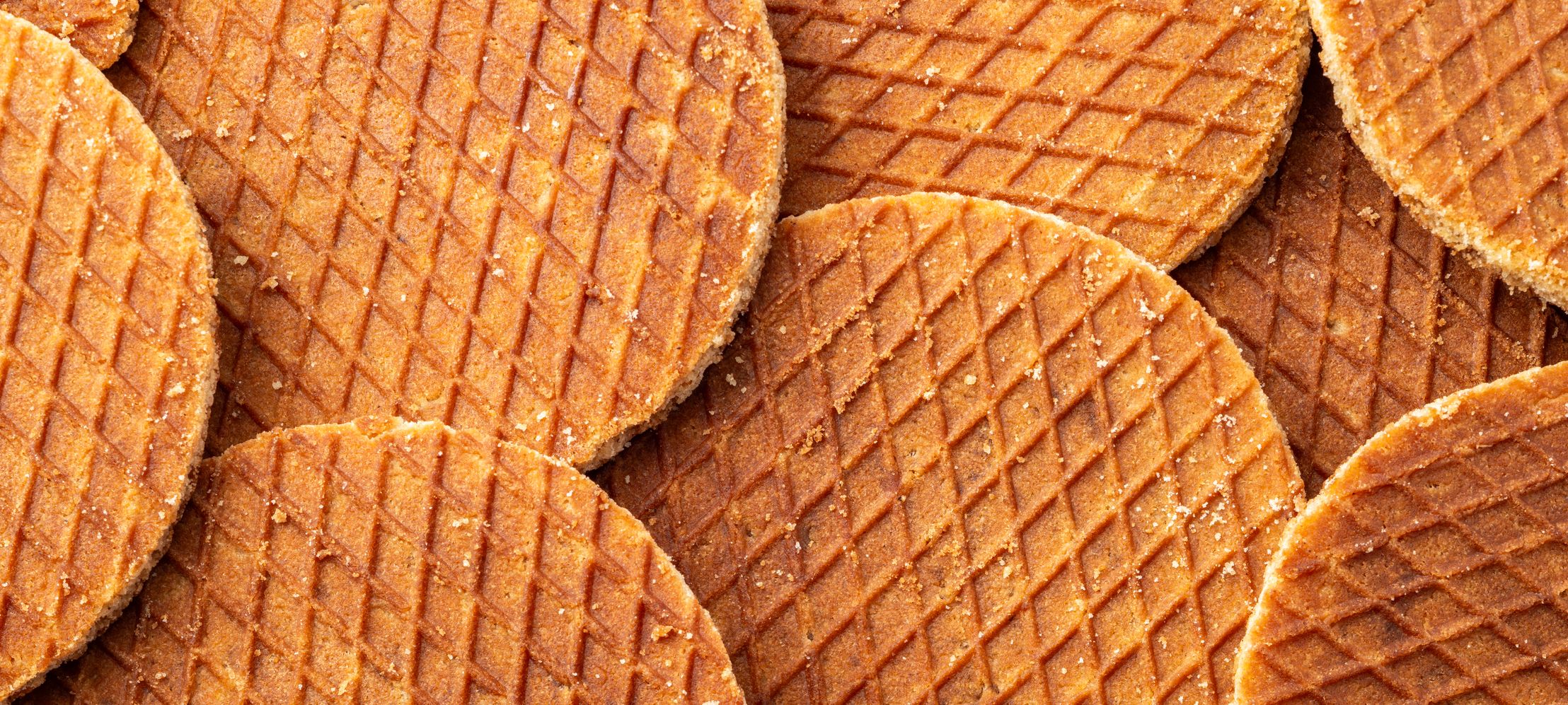
Buy stroopwafels in the Netherlands and you’ll understand why everyone does that thing where they balance one on top of a hot drink to soften the syrup and feel clever.
They originated in Gouda somewhere around the late 18th or early 19th century, according to Dutch reporting that also makes it clear you don’t need to pay tourist-trap prices to get a good one.
Packaged stroopwafels travel well. Fresh ones travel about as well as your willpower, meaning they tend not to make it to the ship.
Norway: stockfish, if you eat fish and like a proper tradition

For the most hardcore, historically minded edible souvenir, there’s stockfish (tørrfisk), cod dried outdoors on racks using long traditions in Northern Norway. It’s preserved by drying, which is why it lasts, and why it’s been traded for centuries.
This is not a casual snack. It’s a commitment. But it’s also the sort of thing you bring home if you want to say, “Yes, I bought a food product with a thousand-year backstory,” and mean it.
A quick way to spot the “real” version
When in doubt, look for PDO/PGI language on labels. These protected names exist to tie a product to a place and production rules, which is exactly what you want when you’re buying something “local” in a shop that also sells plastic Eiffel Towers.
If you tell me your most common cruise regions (Med, Baltics, Caribbean, etc.), I can do a tighter version of this list tailored to the ports your readers actually call at most often.