
There are many noble reasons to travel through Europe. Art, history, architecture. This, however, is an article about chocolate, which is arguably all three if you look at it in the right light and hold it near your face.
Belgium: Brussels and Bruges


If Europe had to nominate a chocolate capital, Belgium would probably bring several candidates and a lawyer.
Brussels is where the praline was invented in 1912, when Jean Neuhaus Jr began filling chocolate shells in his shop in the Galeries Royales Saint-Hubert. His wife then came up with the ballotin, the elegant box that made these little bonbons feel like jewellery rather than sweets. Belgian chocolate has been protected since the 1890s, with rules about minimum cocoa content that show the country is serious about quality.
Walk around central Brussels today and you can trace that history in real time, from grand windows of Neuhaus and Godiva to smaller family-run shops that turn out handmade pralines in batches small enough to feel faintly indecent. Belgians eat around 12 pounds of chocolate a year on average, which suggests they know exactly what they are doing.
Then there is Bruges, which takes the national obsession and compresses it into a medieval postcard. The old centre is packed with chocolatiers, to the point where some travel writers have counted more than fifty shops in easy walking distance and declared the city “nirvana for chocolate lovers”. Places like Dumon, The Chocolate Line and a dozen other boutiques treat truffles and pralines with the kind of attention normally reserved for diamonds.
From a cruise perspective, Brussels and Bruges are easy wins. Ships call at Zeebrugge and Antwerp, coaches shuttle you inward, and within an hour you are trying to pretend you will “just look” and not return to the ship with half a kilo of gianduja.
Turin, Italy: hazelnut alchemy and bicerin

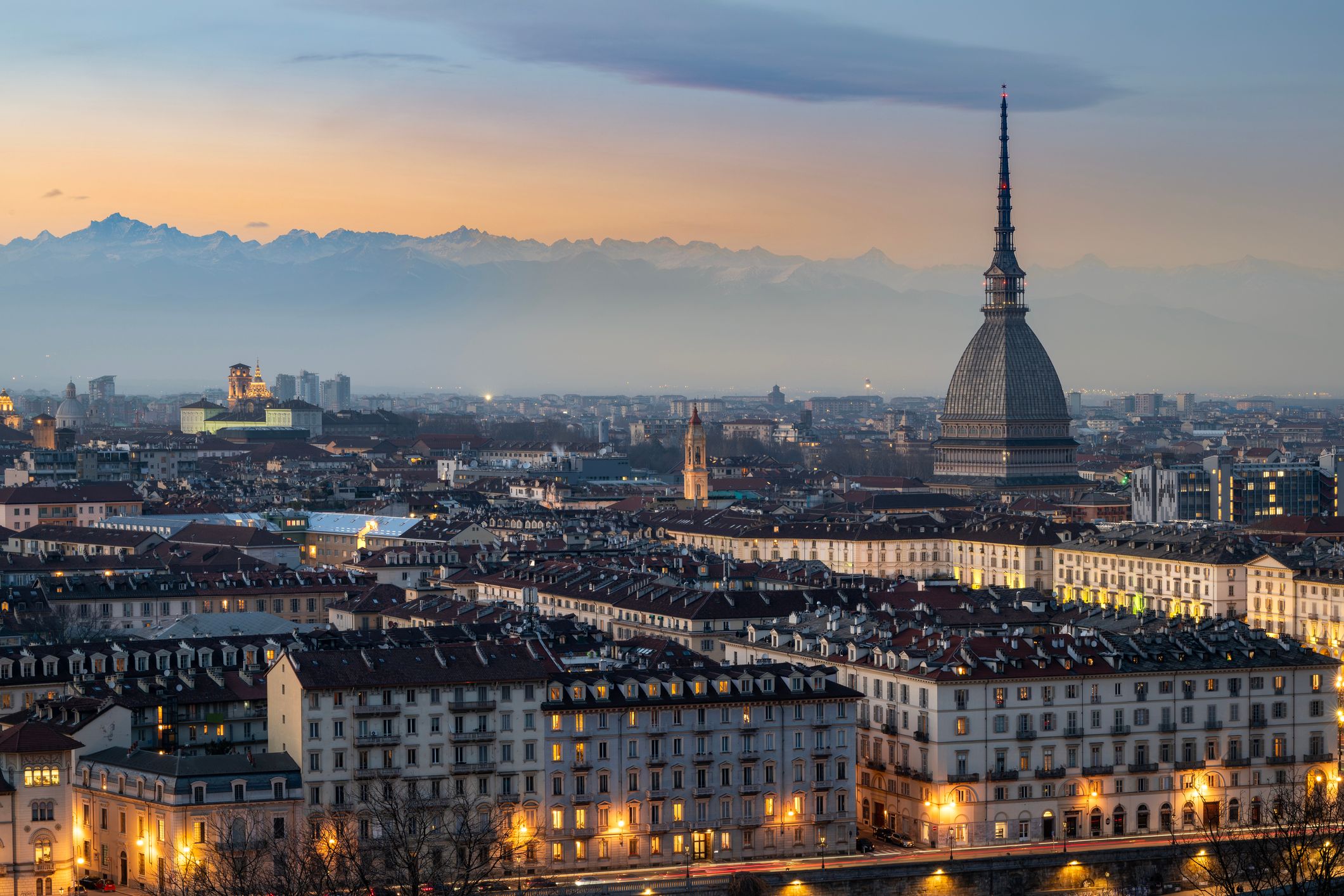
If Belgium is about precision, Turin is about indulgence with a side of history. The city’s love affair with chocolate took an interesting turn in the early nineteenth century, when Napoleon’s policies made cocoa harder to obtain. Local chocolatiers refused to cut back, so they started stretching the cocoa with finely ground hazelnuts from the nearby Langhe hills. The result was gianduja, a silky blend of chocolate and hazelnut that quietly changed confectionery forever.
Today Turin is often described as Italy’s chocolate capital, its cafes and pasticcerie serving gianduiotti, cremini and every conceivable variation on the theme, from gelato to cake. Order a bicerin in one of the old caffès around Piazza della Consolata and you get a glass layered with espresso, chocolate and cream that was sustaining locals long before anyone coined the phrase “speciality coffee”.
Cruise itineraries along the Ligurian and French coasts sometimes pair nicely with a rail detour to Turin. It is amazing how easily “day trip for culture” can turn into “day trip for three different versions of gianduja and a walk along the Po out of guilt”.
Zurich, Switzerland: precision in a truffle
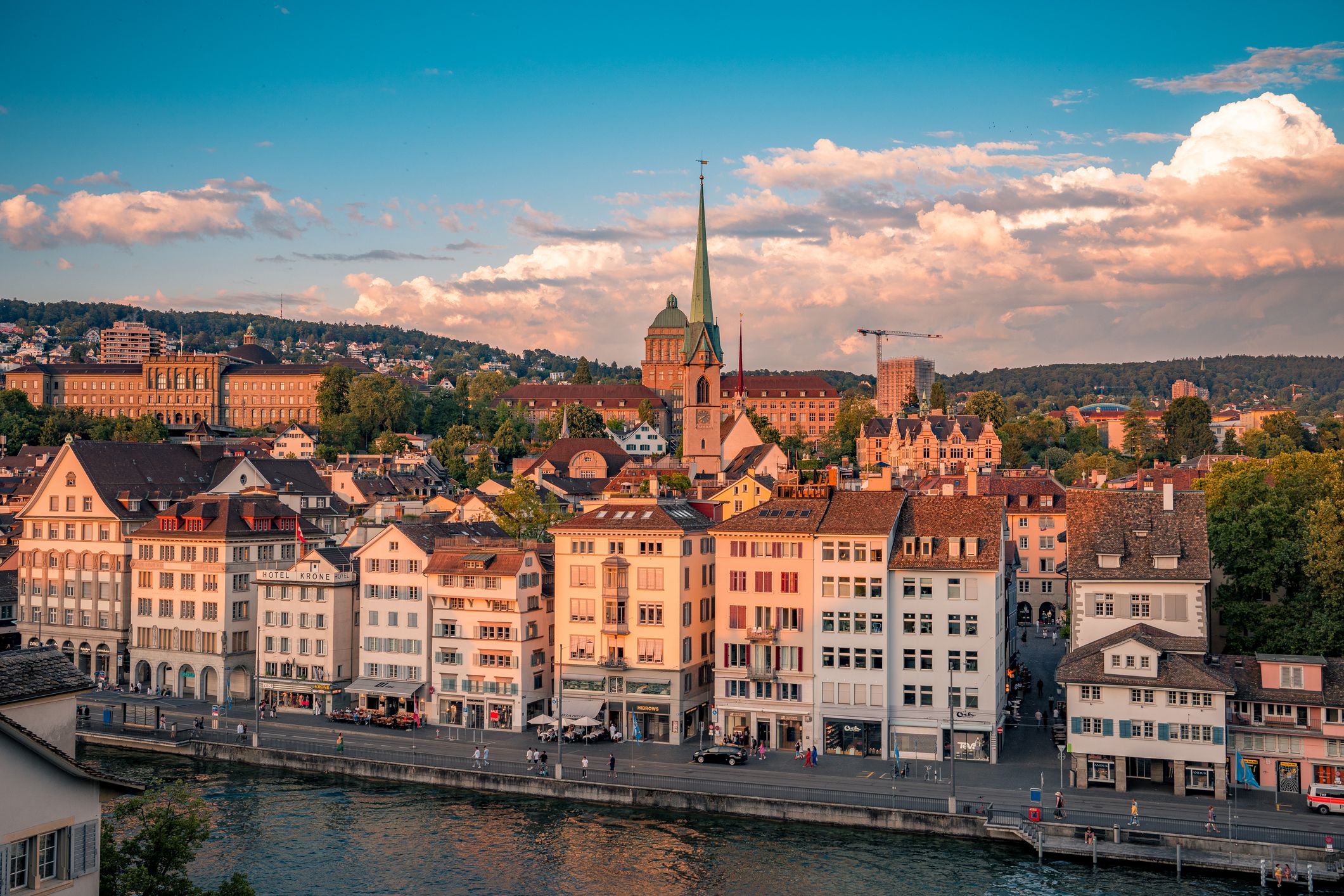
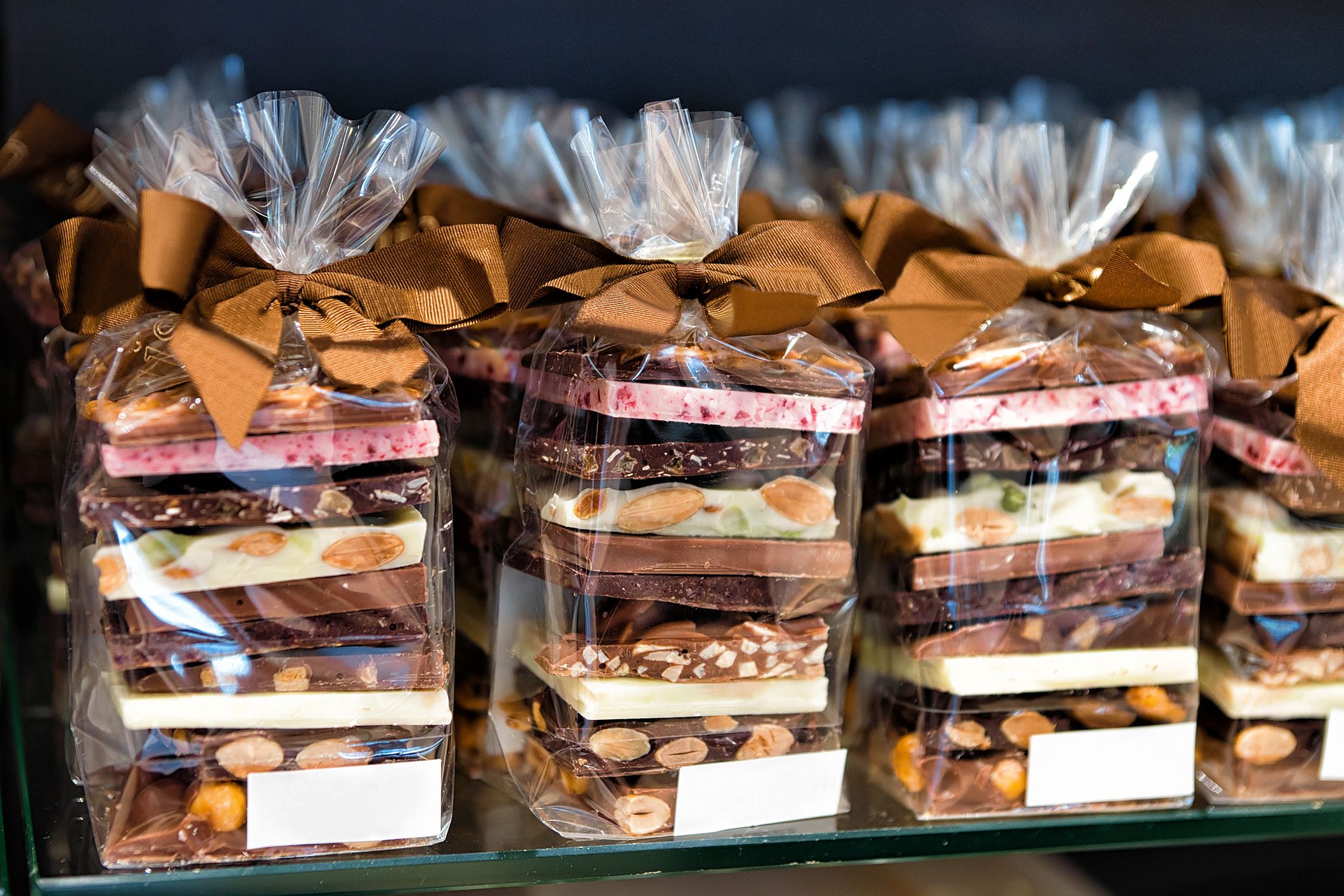
Swiss chocolate has a rather smug reputation and Zurich does little to puncture it. This is a city where you can spend an afternoon moving between Sprüngli, Läderach, Max Chocolatier, Teuscher and half a dozen smaller boutiques and still feel you have not scratched the surface.
The style here is clean and exact. Pralines are lined up with geometric discipline, bars list their cocoa origins like wine labels and even the hot chocolate feels as if a committee has tested it to within an inch of its life. The Lindt Home of Chocolate, just outside Zurich, adds a museum and tasting experience to the mix, complete with a giant chocolate fountain for people who like their education interactive.
If you are passing through for a Rhine cruise, Zurich makes an excellent pre- or post-sailing stop. It is the sort of place where you can buy “a small selection for friends” and then mysteriously fail to see any of it survive the train journey to Basel.
Vienna, Austria: cake as a civic duty
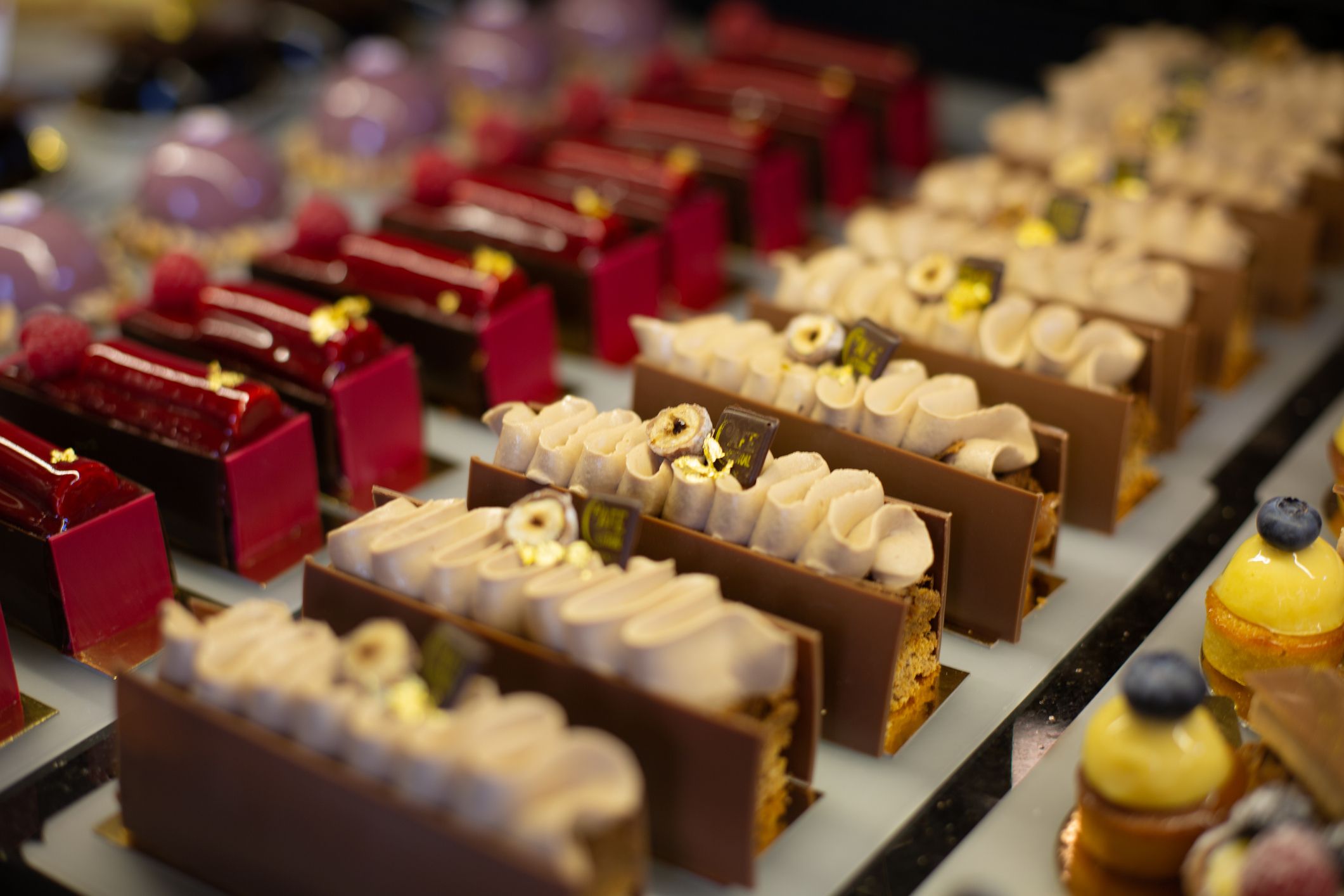

Vienna approaches chocolate through cake. Specifically, Sachertorte, the dense chocolate cake with a layer of apricot jam that has been sparking quiet arguments for well over a century. The original version was created in the 1830s for Prince Metternich and is now guarded by Hotel Sacher, which sells it in smart wooden boxes and will happily ship it worldwide.
Demel, the historic confectioner up the road, has its own Sachertorte and for years the two houses argued in court about who could claim the “original” title. The good news for visitors is that the only sensible way to form an opinion is to sit in each café and conduct a personal comparison, preferably with whipped cream and a coffee on the side.
For river cruisers on the Danube, Vienna is one of the easiest places to turn a culture stop into a chocolate stop. You leave the ship intending to admire Baroque palaces and find yourself deep in comparative cake research. It happens.
Barcelona, Spain: from royal courts to churros
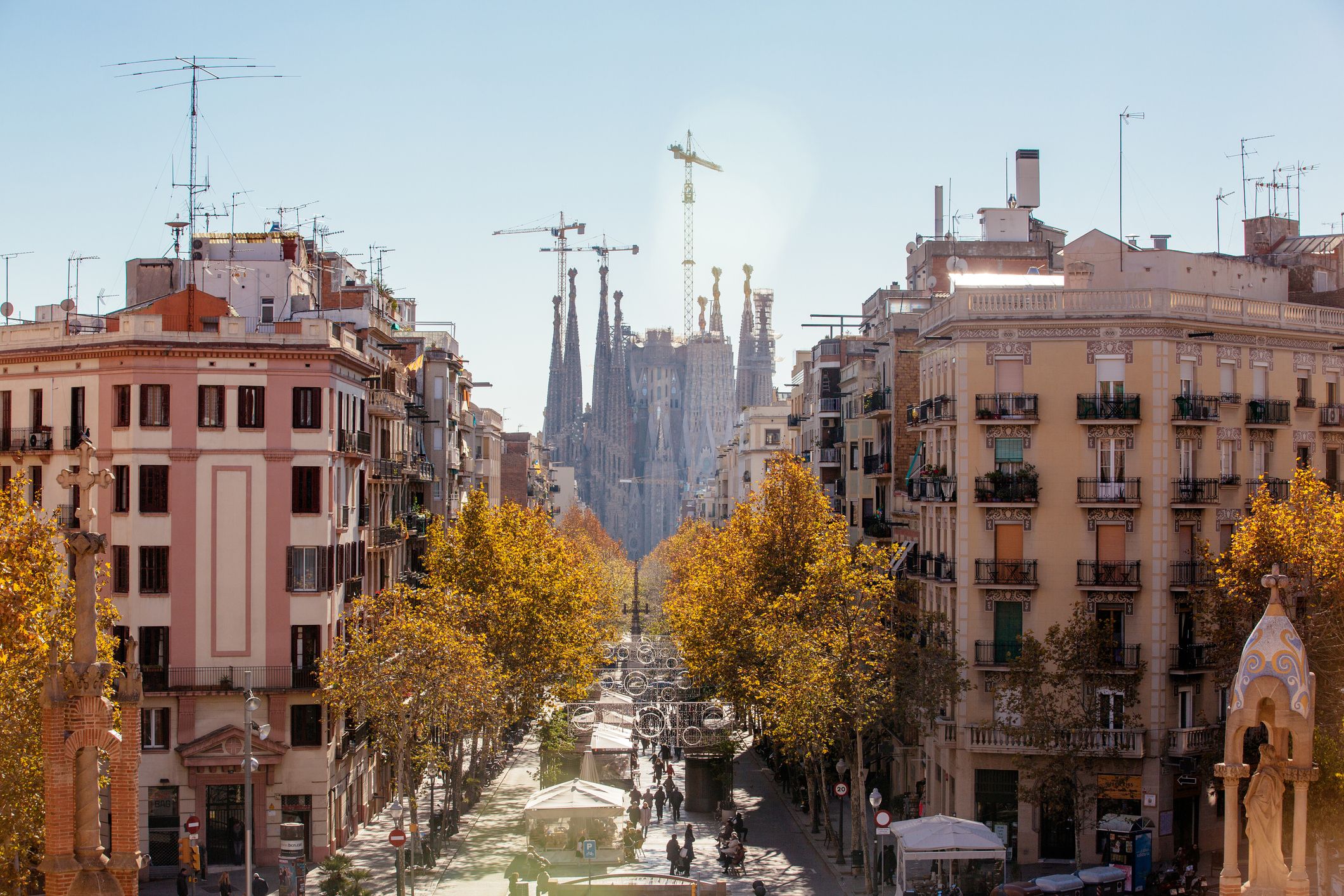
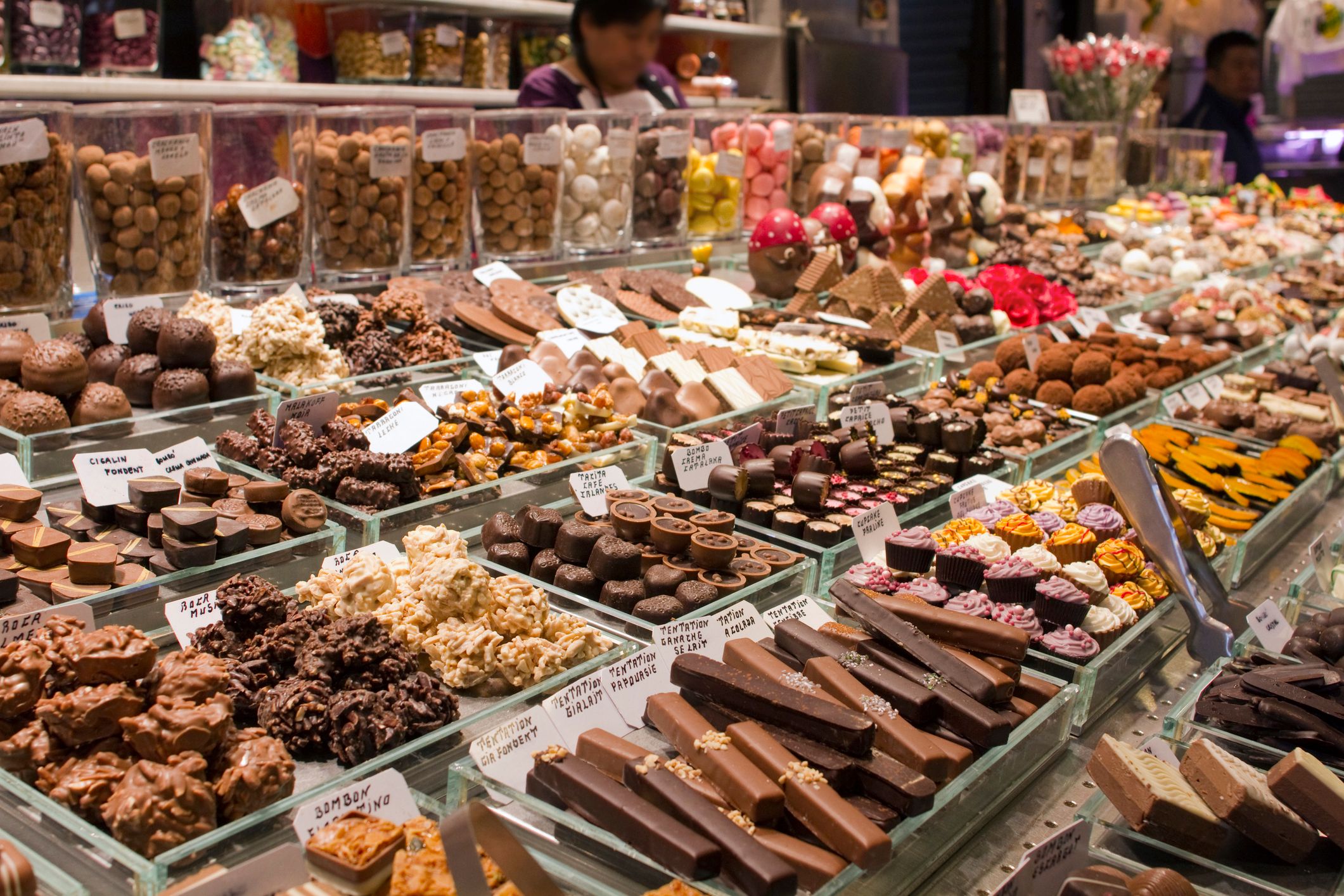
Barcelona’s relationship with chocolate goes right back to the beginning of Europe’s obsession. It was one of the first ports to receive cocoa from the Americas, and by the eighteenth century much of the city’s waterfront warehouse space was devoted to storing and trading chocolate.
The Museu de la Xocolata, housed in an old barracks near the El Born district, walks you through that history from Aztec drink to European status symbol and onwards to elaborate showpieces that look too complicated to eat. Outside the museum, everyday Barcelona chocolate tends to arrive in a cup: thick, almost spoonable hot chocolate, often with churros alongside. You are meant to dip, not sip, although etiquette debates about this surface in the Spanish press with pleasing regularity.
With so many Mediterranean cruises starting or ending here, Barcelona is perfectly placed for a pre-cruise breakfast that consists almost entirely of cocoa and fried dough. For balance, you can look at a Gaudí façade on the way back to the ship.
Porto, Portugal: cocoa with a port chaser
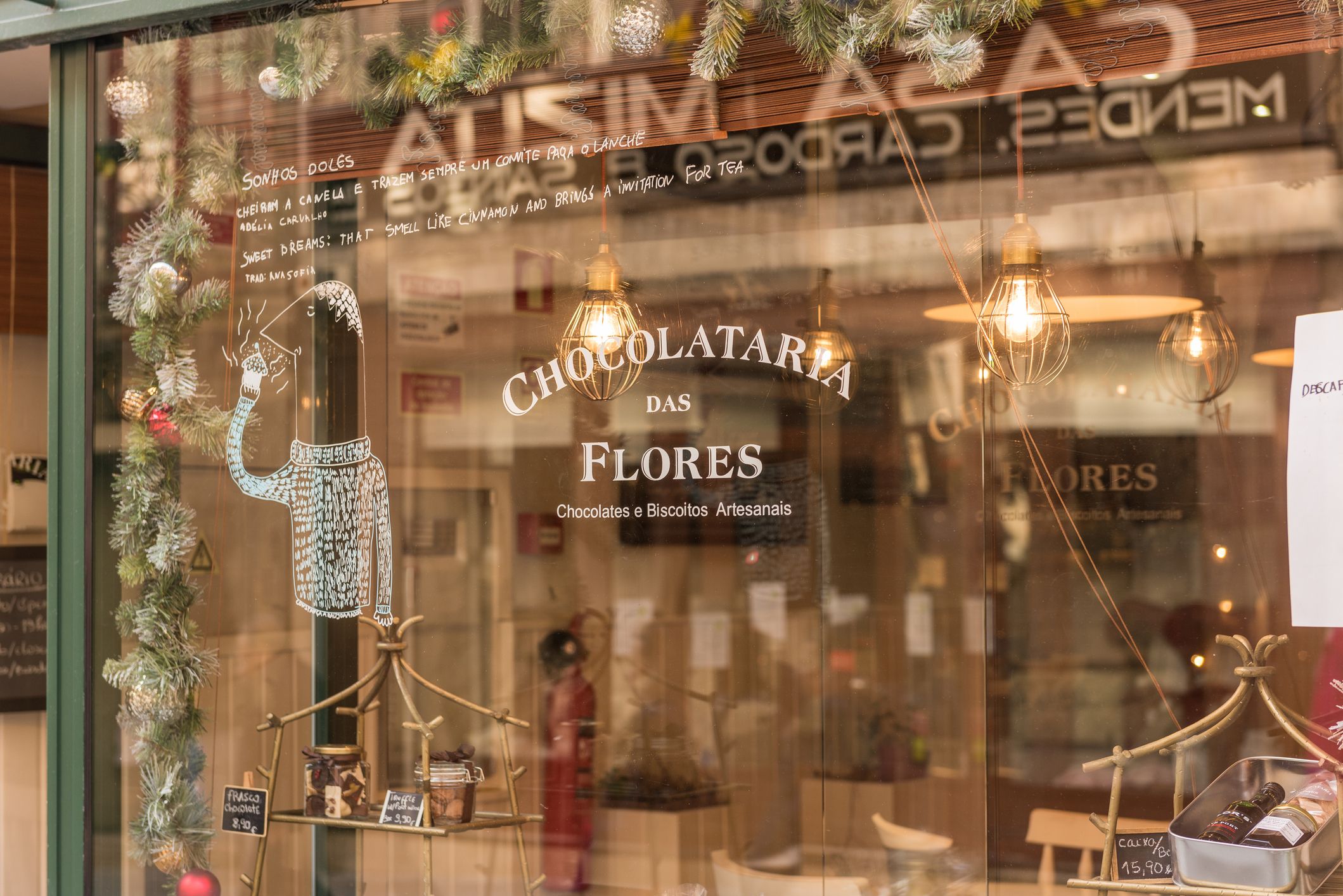

Porto already does fortified wine, river views and tiled churches extremely well, which might seem greedy until you notice how seriously the city also takes chocolate.
Arcádia, founded in 1933, is one of Portugal’s best-known traditional chocolatiers, still producing bonbons and bars by hand and now running dozens of shops across the country. In Porto, its cafes and counters are invitations to abandon any idea of restraint. There are neat little boxes for gifts and slightly less neat ones for eating five minutes later by the Douro.
More recently, the city has leaned into the obvious pairing. Arcádia teams up with port houses like Cálem for tastings that match different styles of port with specific chocolates, on the same riverfront where cruise ships dock for Douro itineraries. It is a civilised way to discover that tawny port and dark chocolate were clearly designed with each other in mind.
Modica, Sicily: the ancient bar
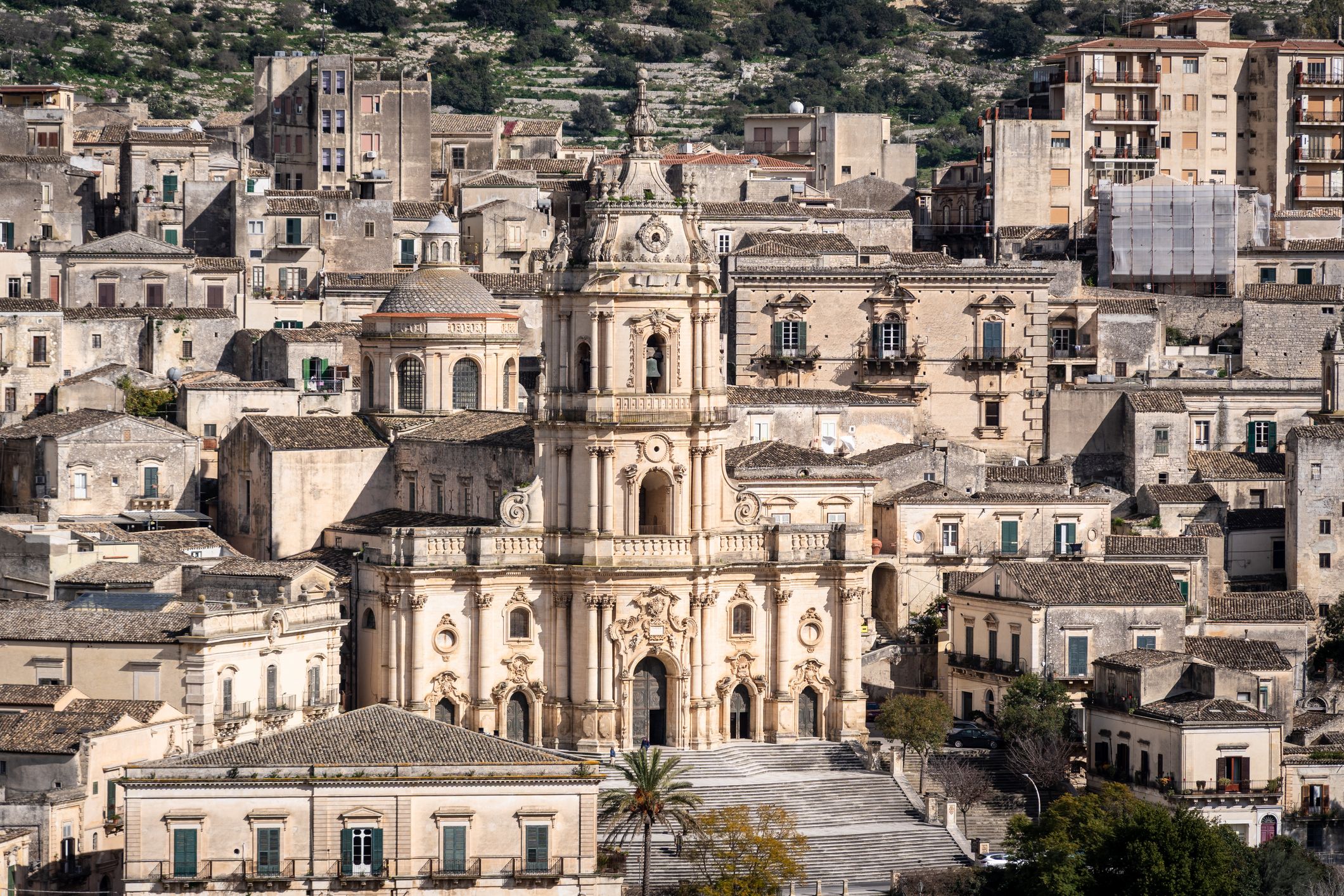
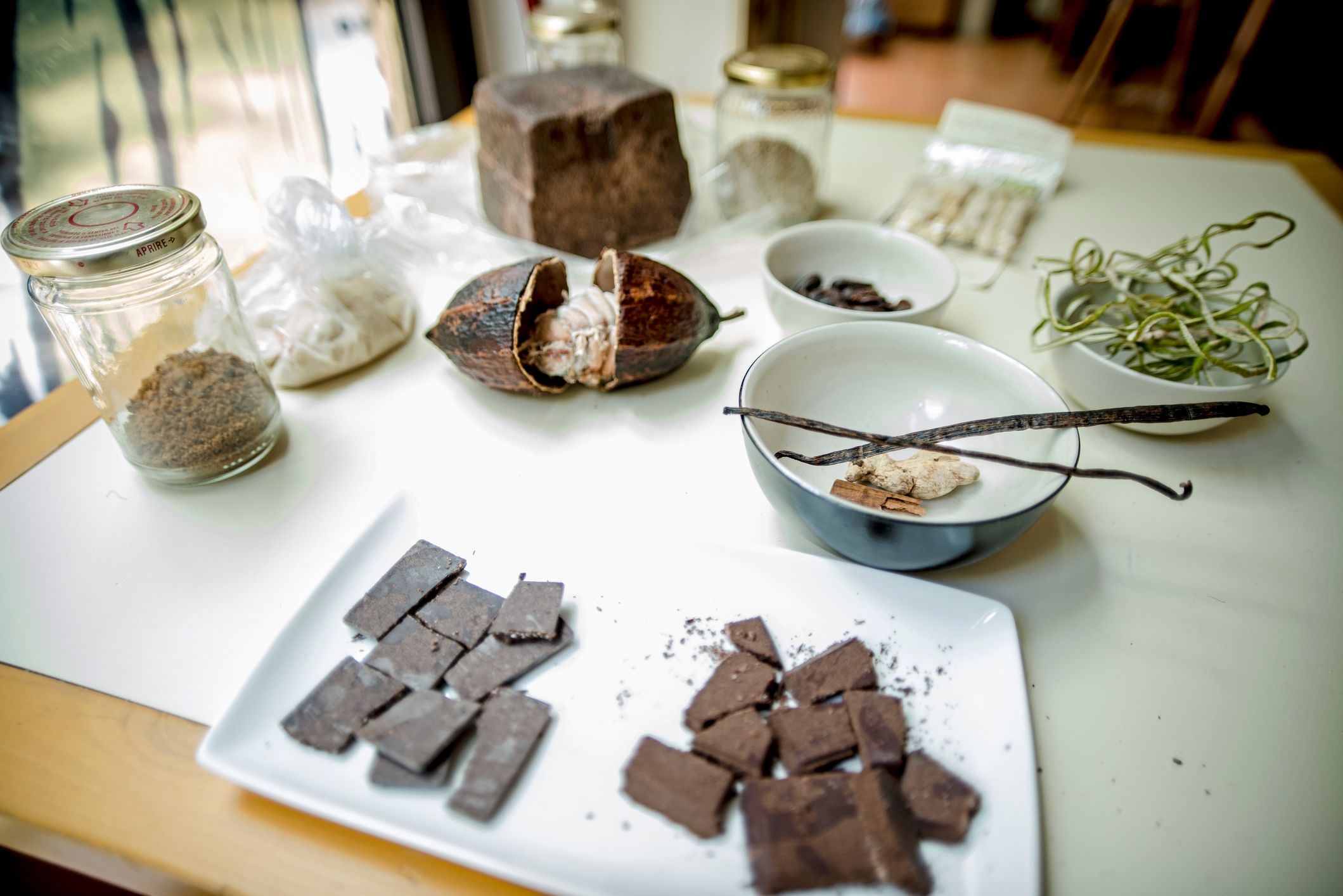
If most European chocolate is smooth conversation, Modica’s is more like an interesting argument. The town in south-eastern Sicily produces a very particular style of bar, cioccolato di Modica, made according to an old technique that arrived via Spanish rule and, before that, Aztec methods.
The cocoa mass is worked “cold”, at low temperatures and without the modern conching that melts sugar completely. The result is a grainy, almost crystalline texture and a flavour that feels closer to roasted cocoa than to the creamy bars you may be used to. The style is distinctive enough that it became the first chocolate in Europe to gain a Protected Geographical Indication, which is the EU’s way of saying “you cannot just copy this and pretend”.
Many Mediterranean cruises now call at Sicilian ports within reach of Modica, and several shore excursions treat “walking around a historic town and buying questionable amounts of PGI chocolate” as a perfectly valid cultural experience. Which, frankly, it is.
Choosing your own “best bar”
The pleasure of a chocolate-led itinerary is that it gives structure to wandering. In Brussels you can follow the praline from pharmacy counter to present box. In Turin you can see how a political cocoa shortage produced gianduja, one of the most comforting flavours in Europe. In Zurich you can watch precision applied to truffles. In Vienna you can judge a legal dispute by cake. In Barcelona, Porto and Modica you can trace chocolate’s journey from colonial cargo to local obsession.
There is no single “best bar” across these stops, of course. The fun lies in letting each city make its case, one square, truffle, slice or slightly eccentric PGI slab at a time, and discovering that sightseeing goes remarkably well with a pocket full of samples.