China is an awkward country to visit briefly. The distances are enormous, the history stretches back thousands of years, and almost every major city contains enough extraordinary sights to keep you occupied for a week.
For cruise passengers, this presents something of a dilemma. Ships calling at Tianjin, Shanghai or Hong Kong can provide a wonderful introduction to the country, but there's an awful lot of China that you'll never reach during a port call.
The Great Wall is nowhere near the sea. Neither are Xi'an's Terracotta Warriors, Chengdu's giant pandas or the ancient walled city of Pingyao. Rather inconsiderately, some of the country's greatest attractions are hundreds of miles apart.
Fortunately, China's extensive high-speed railway network and well-established touring routes make it possible to explore several regions before joining a cruise.
Wendy Wu Tours, for example, has introduced 2027 cruise-and-tour itineraries combining escorted journeys through China's historic heartland with ocean cruises to Japan. Some also include a voyage through the Yangtze's Three Gorges before passengers reach the coast.
If you're considering a longer holiday in Asia, these are five experiences worth making room for.
Walk the Great Wall of China near Beijing
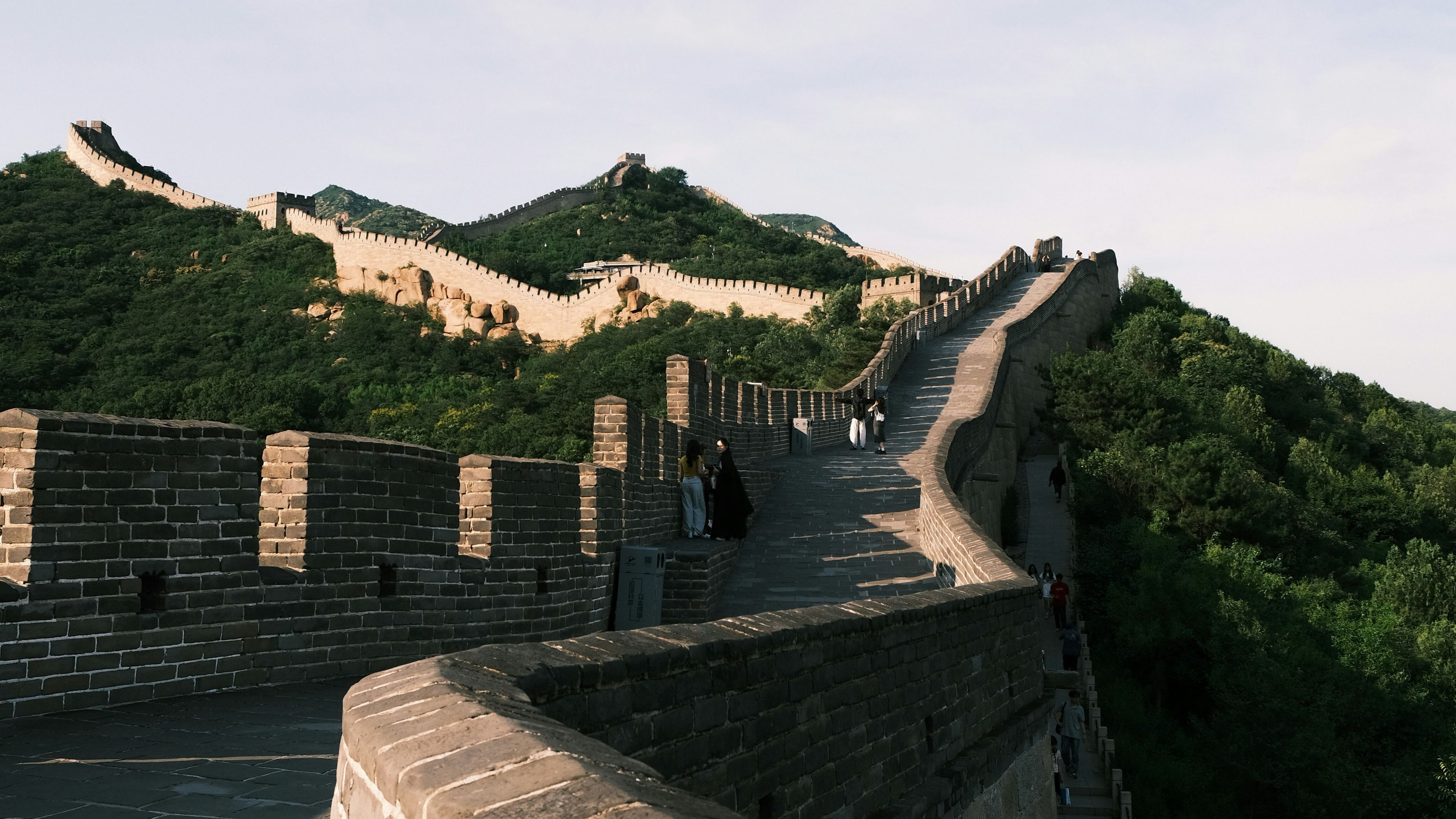
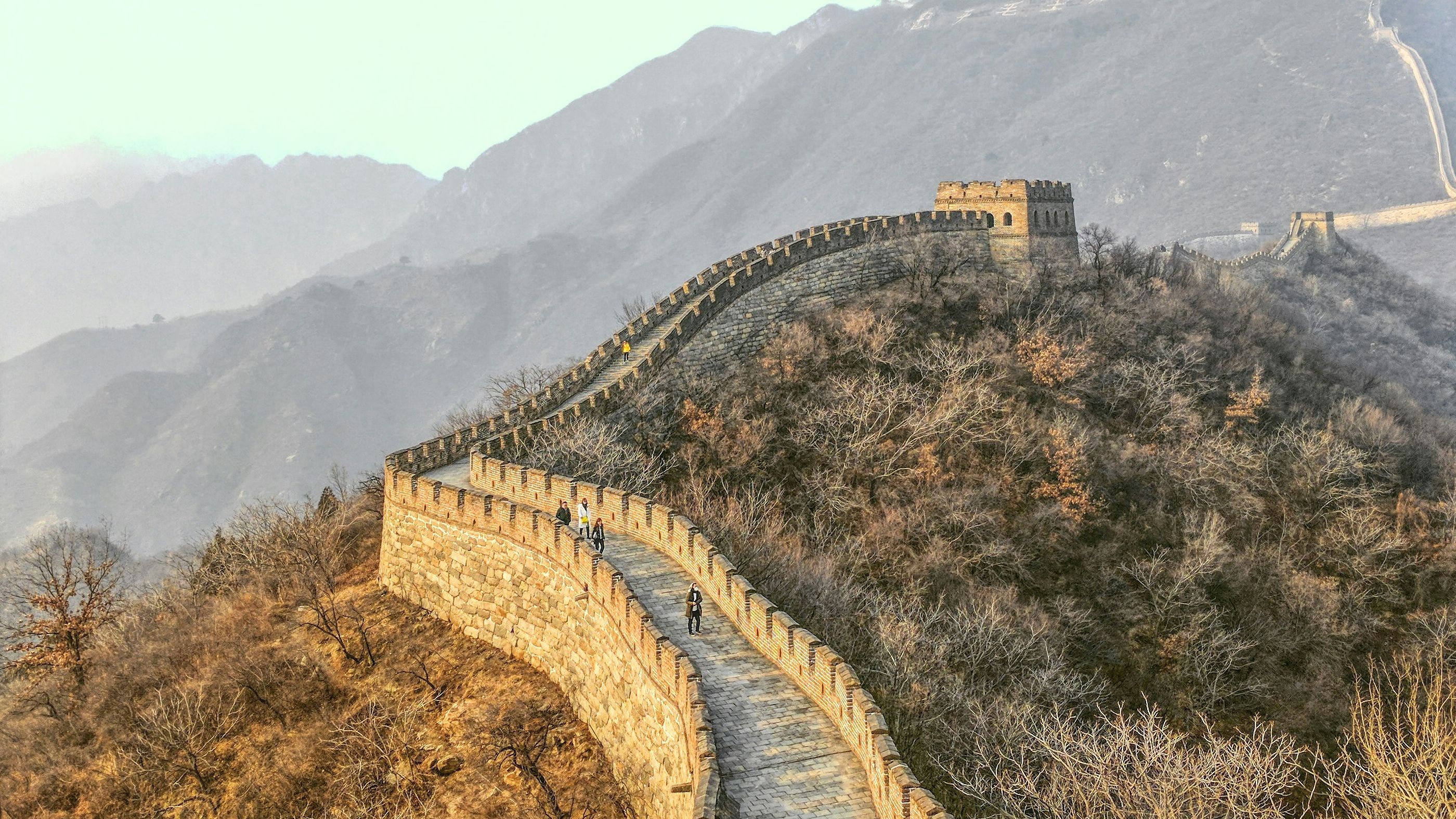
It's difficult to think of a more recognisable landmark than the Great Wall. Even people who couldn't confidently locate Beijing on a map would probably recognise those stone ramparts snaking across the mountains.
But photographs don't entirely prepare you for the terrain.
The wall climbs over steep ridges, drops into valleys and winds towards distant watchtowers, sometimes at gradients that would seem unreasonable on an ordinary hiking trail.
Much of what visitors see today dates from the Ming dynasty, although the wider defensive system developed over many centuries. The wall's purpose was military, protecting territory and controlling movement across China's northern frontiers. Its UNESCO World Heritage designation recognises both the engineering achievement and its enormous historical significance.
The landscape is a large part of the experience. On a clear day, sections of the wall appear and disappear between the mountains, making it possible to appreciate the extraordinary ambition of building something on this scale.
Several restored sections are accessible from Beijing, including Mutianyu and Badaling, although conditions, crowds and the amount of walking vary considerably.
It's worth choosing your section carefully. Some stretches are steep enough to make you reconsider your relationship with stairs, while cable cars offer an easier way to reach elevated parts of the monument.
Wendy Wu's 2027 China cruise-and-tour programmes include a guided Great Wall visit during a three-night stay in Beijing, alongside the Forbidden City, Summer Palace and Temple of Heaven.
For passengers whose cruise itinerary lists Tianjin as a gateway to Beijing, spending several nights in the capital is a considerably more appealing prospect than trying to squeeze everything into a single day.
Step back into imperial China in Pingyao
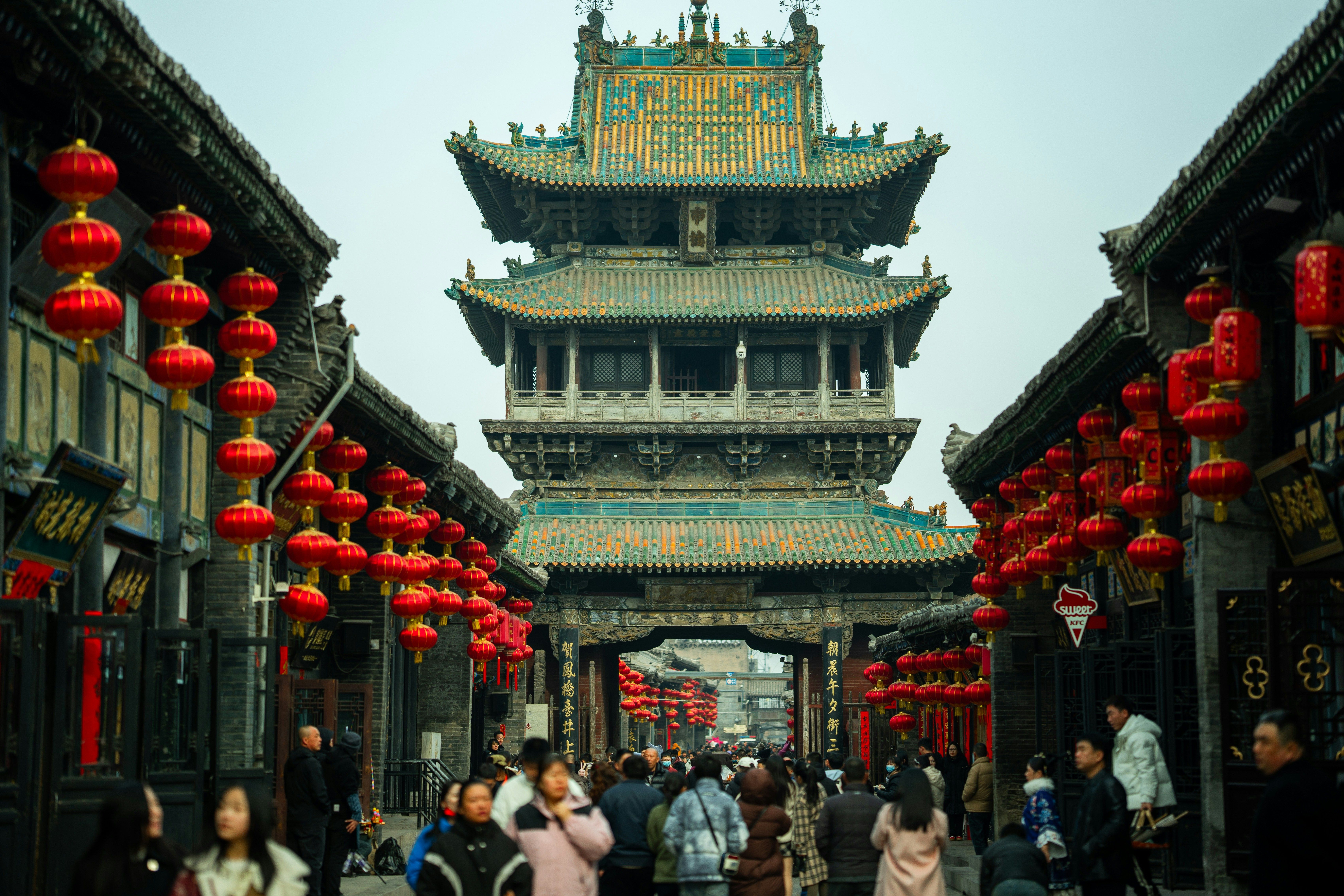
China's modern cities have an impressive enthusiasm for reinvention. Skyscrapers appear at astonishing speed, railway stations resemble airports, and entire neighbourhoods can change beyond recognition within a decade.
Pingyao offers a rather different perspective.
This beautifully preserved city in Shanxi province retains its historic walls, traditional courtyard houses, temples and narrow streets. Much of its surviving architecture dates from the Ming and Qing dynasties, giving visitors a rare opportunity to explore an urban landscape that has remained remarkably intact.
UNESCO designated Pingyao a World Heritage Site in 1997, recognising its importance as an exceptionally preserved example of a traditional Han Chinese city.
But what makes Pingyao particularly interesting is its financial history. During the nineteenth century, the city became a major banking centre, developing systems for transferring money between distant parts of the country. The Rishengchang Financial House, widely regarded as China's first draft bank, is now a museum where visitors can learn how merchants conducted business long before the invention of online banking.
It turns out people were worrying about moving money around securely centuries before anyone had the opportunity to forget their banking password.
The city is also simply lovely to explore on foot. Its streets are lined with timber-fronted buildings, traditional shops and courtyards, while the substantial defensive walls offer a different perspective on the old town.
Wendy Wu includes an overnight stop in Pingyao on its published China by Land, Japan by Sea and Icons of China & Japan itineraries, with travel by high-speed train from Beijing.
An overnight stay gives this historic city considerably more attention than it would receive on a rushed sightseeing stop.
Meet the Terracotta Warriors and discover Xi'an's food culture
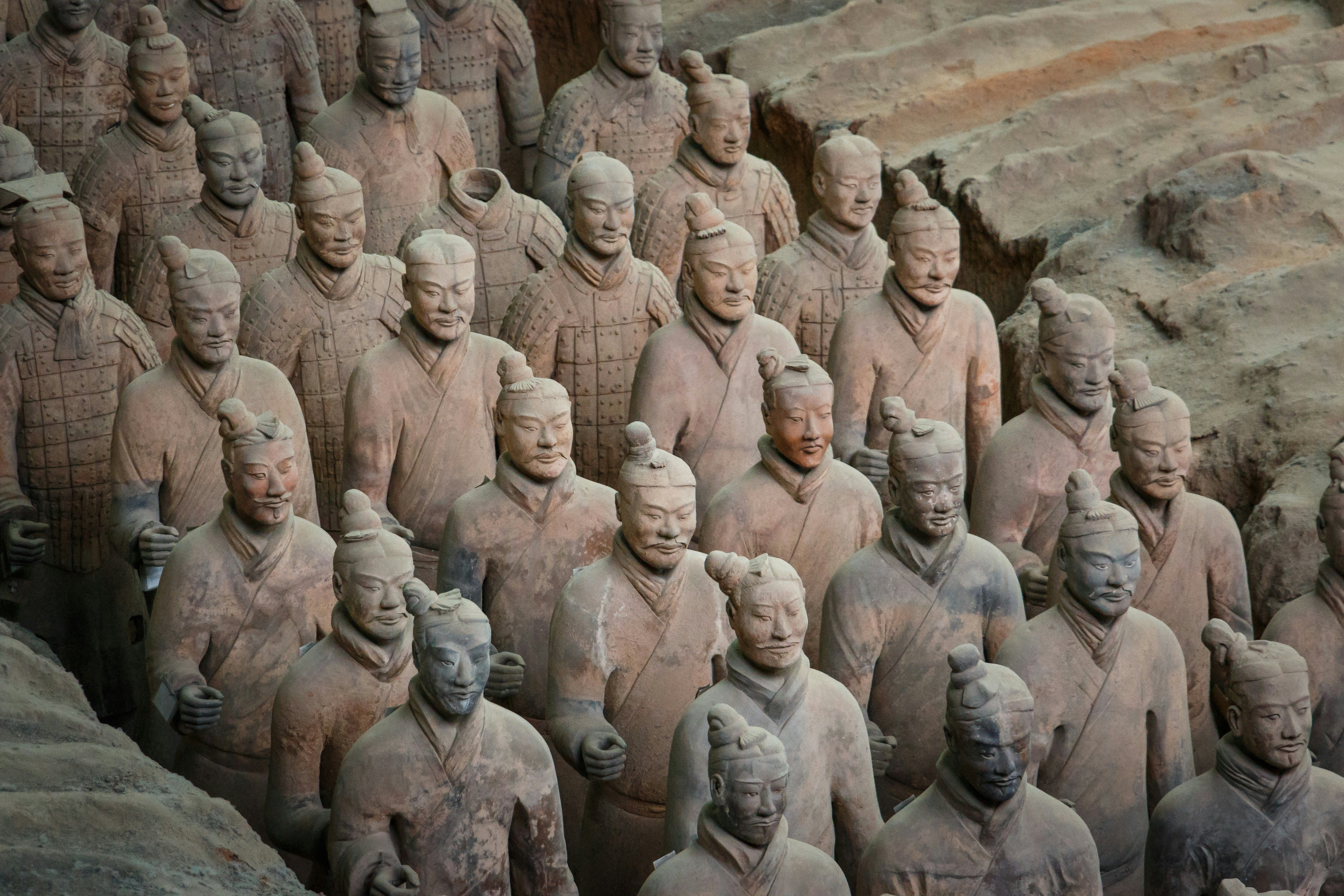
China's first emperor, Qin Shi Huang, was evidently a man who took the afterlife extremely seriously.
Not content with an ordinary tomb, he commissioned an enormous funerary complex guarded by thousands of life-sized terracotta soldiers, horses and chariots.
The army was buried more than 2,000 years ago and remained hidden until its accidental discovery in 1974. Excavations have since revealed an extraordinary archaeological site, although much of the wider mausoleum complex remains unexplored.
Today, visitors can look across vast excavation pits filled with ranks of soldiers, each carefully modelled and originally painted in vivid colours. The scale is remarkable, particularly when you remember that these figures were created by hand during the third century BC.
The museum lies outside Xi'an, making it a substantial excursion, but the city itself deserves attention too.
Xi'an served as a capital for several Chinese dynasties and was an important eastern starting point of the Silk Road. That history is particularly apparent in its Muslim Quarter, where busy market streets and food stalls reflect a long tradition of cultural exchange.
You'll find everything from hand-pulled noodles to roujiamo, the local flatbread sandwich, alongside an impressive variety of dumplings.
And dumplings are worth getting properly acquainted with. Their shapes, fillings and preparation methods vary across China, with Xi'an offering plenty of opportunities to try regional specialities.
Wendy Wu's Icons of China & Japan itinerary includes the Terracotta Warriors, a walk around Xi'an's historic city walls and a dumpling-making class followed by a Tang dynasty music and dance performance.
It's an appealing combination, particularly if you'd rather learn something about a city's food than simply arrive, eat it and leave.
See giant pandas and discover Sichuan's culinary traditions in Chengdu

Giant pandas have somehow managed to become international celebrities despite spending much of their lives eating bamboo and sleeping. It's an achievement I find difficult not to admire.
The mountainous region surrounding Chengdu is one of the giant panda's principal habitats, and Sichuan has become an important centre for panda conservation, research and breeding.
Specialist facilities in and around the city give visitors the opportunity to observe pandas and learn about efforts to protect the species and its habitat.
Watching a panda methodically demolish a pile of bamboo is surprisingly absorbing. Their movements can appear almost comically uncoordinated, although the animals are remarkably well adapted to life in mountainous forests.
These are managed conservation facilities rather than opportunities to see wild pandas, and visits should be focused on observation and education rather than direct animal interaction.
But Chengdu offers considerably more than its most famous residents. The city is the capital of Sichuan province, whose cuisine is celebrated for its complex use of chilli, fermented ingredients and Sichuan peppercorns.
That distinctive tingling sensation associated with Sichuan cooking comes from the peppercorns, which produce a numbing effect quite unlike conventional heat.
Spend an evening exploring the city's restaurants and you'll discover an astonishing variety of dishes, from delicate wontons to fiercely aromatic hotpots.
Wendy Wu's 2027 itineraries include time in Chengdu and a planned panda conservation-centre visit, although the precise facility and any additional activities should be confirmed before departure.
It's worth leaving some room in your schedule, and your appetite, for the city itself.
Explore Shanghai's historic gardens and extraordinary skyline
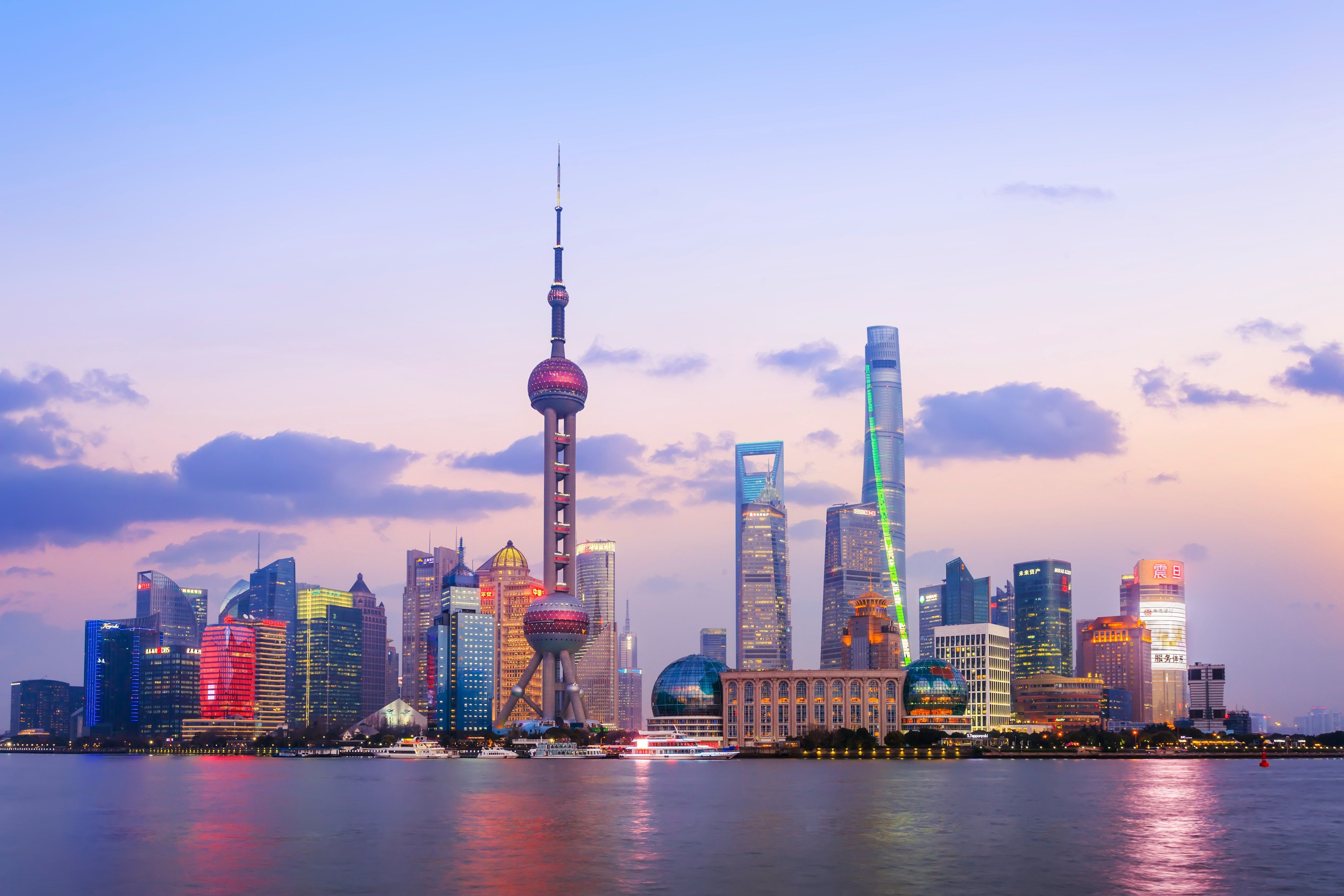
After several days exploring imperial capitals, ancient monuments and historic cities, Shanghai offers a rather dramatic change of pace.
The city has one of the world's most recognisable skylines, with the futuristic towers of Pudong rising across the Huangpu River from the historic waterfront.
The Bund, lined with grand early twentieth-century buildings, provides one of the best places to appreciate that contrast.
Its monumental banks, trading houses and former hotels recall Shanghai's history as a major international commercial centre, while the skyscrapers across the water represent a very different chapter in the city's development.
It's particularly impressive after dark, when the waterfront illuminations and towers turn the river into an enormous architectural light show.
But Shanghai's quieter historic corners are equally rewarding.
Yuyuan Garden, originally created during the Ming dynasty, is a beautiful collection of traditional pavilions, ornamental ponds, rockeries and winding pathways in the heart of the old city.
The garden dates back more than four centuries and offers an absorbing glimpse of classical Chinese landscape design, although its popularity means you may have to share the tranquillity with quite a few other people.
Nearby streets offer traditional shops, teahouses and places to try Shanghai's famously delicate soup dumplings, which require a little care unless you'd like to spend lunch wearing the filling.
Wendy Wu's Icons of China & Japan programme includes visits to Yuyuan Garden and the Bund, followed by an evening Huangpu River cruise.
Passengers subsequently transfer to Shanghai's Baoshan cruise terminal to board Royal Caribbean's Spectrum of the Seas for the ocean-cruise portion of their holiday.
It's an excellent place to end a journey through China's interior before continuing towards Japan.
How to combine a China land tour with a cruise
China's size makes the practical arrangements important. Travelling independently between Beijing, Pingyao, Xi'an, Chengdu and Shanghai involves multiple train journeys, accommodation changes and advance planning.
An escorted cruise-and-tour package can simplify the process by arranging the transport, accommodation, sightseeing and connections with the ship.
Wendy Wu Tours has several published options for 2027.
Its China by Land, Japan by Sea itinerary combines the country's major historic and cultural highlights with an eight-night Royal Caribbean cruise to Japan and back to Shanghai.
For travellers wanting to explore further, Icons of China & Japan also includes a three-night Yangtze River cruise through the Three Gorges before passengers join their ocean voyage to Japan. The programme has published April and September 2027 variants, with different ocean itineraries.
It's important to check the detailed itinerary for your chosen departure, particularly which activities are included, which are optional and how much time is spent in each destination.
British travellers should also check the latest entry requirements. As of November 2026, China's visa-free entry arrangement for eligible British ordinary-passport holders applies to qualifying visits of up to 30 days until 31 December 2026. Arrangements for travel in 2027 should not be assumed to be the same.
For those considering a first visit, combining a land tour with a cruise offers a chance to appreciate just how different China's regions can be.
You might begin among the watchtowers of the Great Wall, wander through a centuries-old banking city, encounter an emperor's underground army and find yourself watching pandas eat breakfast.
By the time you reach Shanghai and board your ship, you'll have covered a remarkable amount of ground.
And you'll probably have developed some quite strong opinions about dumplings.