Cruise ships are very good at one thing most holidays can’t pull off: putting you in the middle of nowhere without asking you to carry your own food, waterproofs, or existential dread.
That’s why some of the best wildlife moments on earth are cruise moments. Not “we hired a car and drove for six hours” moments. Proper “I’m standing on a deck in my knit hat, watching something enormous behave like it owns the planet” moments.
Here are the wildlife events that are either genuinely cruise-only, or wildly more achievable by ship than by any sensible alternative.
Antarctica’s summer feeding frenzy, whales at water level
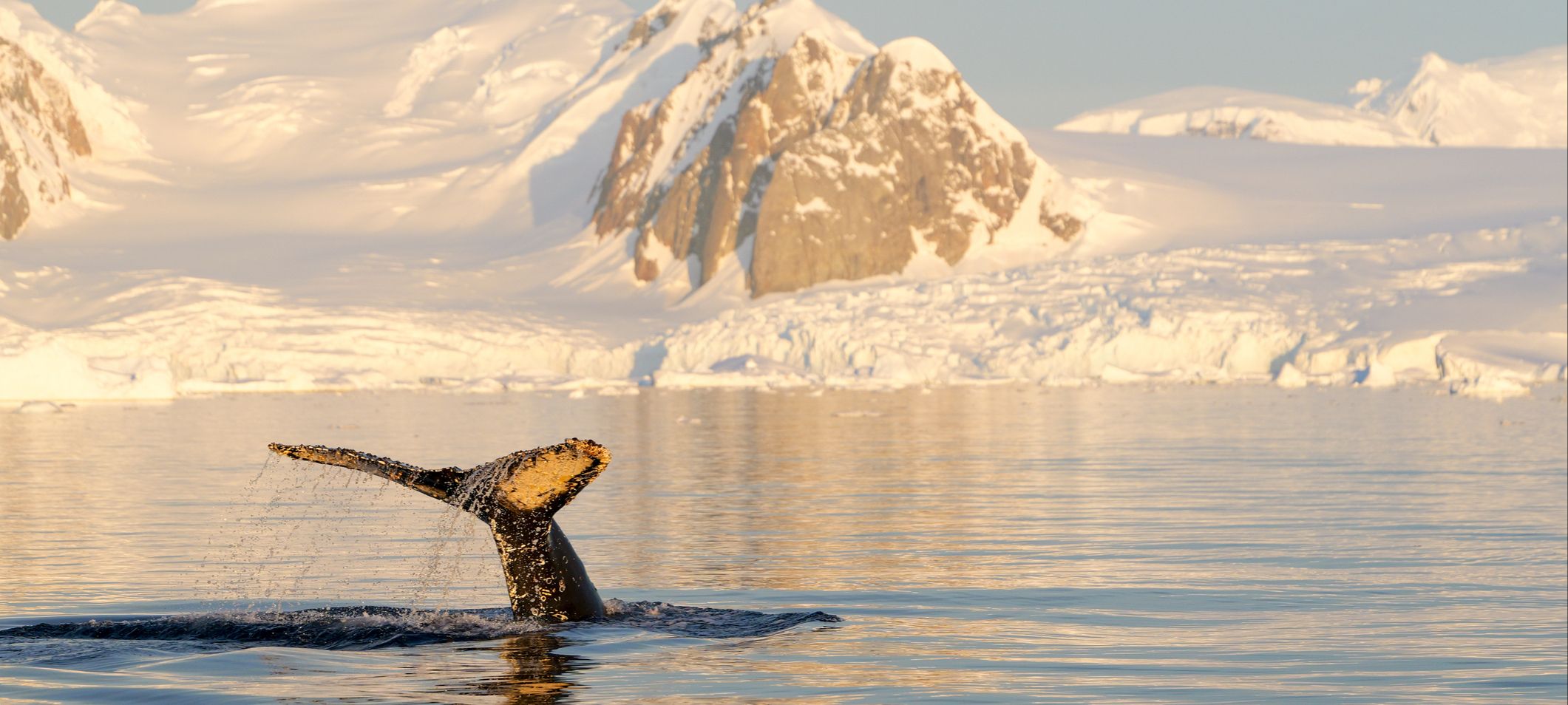
Antarctica is a long way to go for a casual look at the sea. The reason people do it anyway is that the Southern Ocean in the austral summer is a buffet, and the whales turn up accordingly.
The International Whaling Commission’s whale watching handbook notes that during the austral summer (late October to March), humpback and minke whales are present in large numbers around Antarctica, feeding on abundant krill, with other species also present less regularly.
What makes this cruise-specific is the scale and the access. Expedition ships move through places where there aren’t roads because there isn’t land that behaves like land. You’ll see blows from the deck, then, if conditions allow, you’ll drop into Zodiacs and suddenly you’re at water level, where a humpback surfacing nearby feels less like “wildlife viewing” and more like being politely tolerated by something ancient.
Antarctic operators also work under strict wildlife protocols. IAATO has long published operational procedures and guidance for watching whales, including not using thrusters to hold position and being alert to feeding behaviour and sudden surfacing.
Translation: you don’t chase the show. You drift, you watch, and you let Antarctica do the directing.
South Georgia’s king penguin cities, Salisbury Plain in full voice
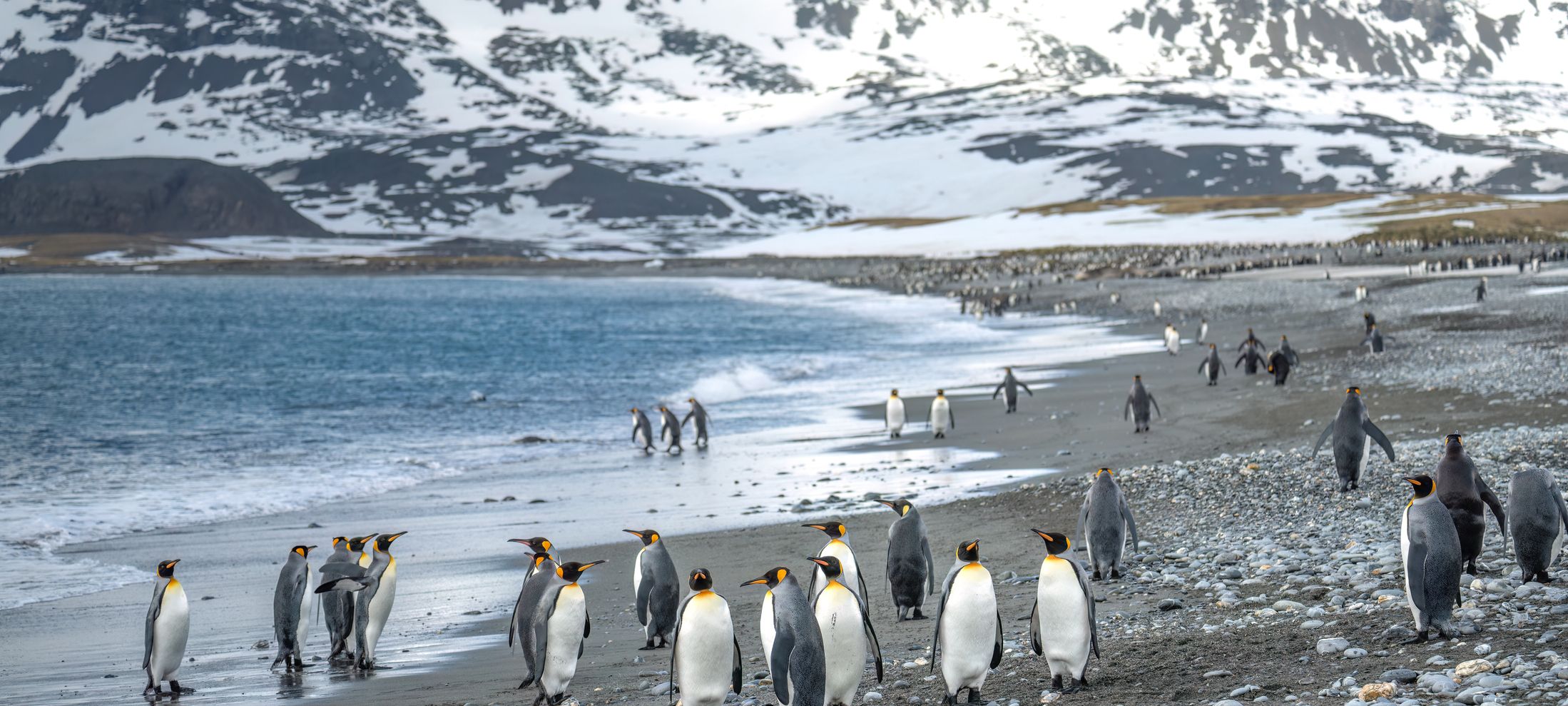
If Antarctica is the headline, South Georgia is the encore that quietly ruins you for normal wildlife.
Salisbury Plain is one of those landing sites that doesn’t feel real until you’re standing in it. The Government of South Georgia’s visitor guidance describes the king penguin colony here as a closed area with buffer zones, and it sets out how visitors should move, including scouted routes to avoid nests and sensitive vegetation.
This is, crucially, not something you pop over to from a hotel. South Georgia is remote enough that the main way most people ever see it is on expedition cruises that include it as part of an Antarctic or sub-Antarctic itinerary. Once you’re there, it’s a wall of sound and motion: penguins commuting, seals loafing with the confidence of creatures that don’t have deadlines, and that constant sense of being outnumbered by wildlife.
You’ll also notice how controlled the experience is, in a good way. The rules aren’t there to spoil your fun. They’re there so the fun can keep existing.
Svalbard’s ice-edge bear watch, the Arctic with real stakes
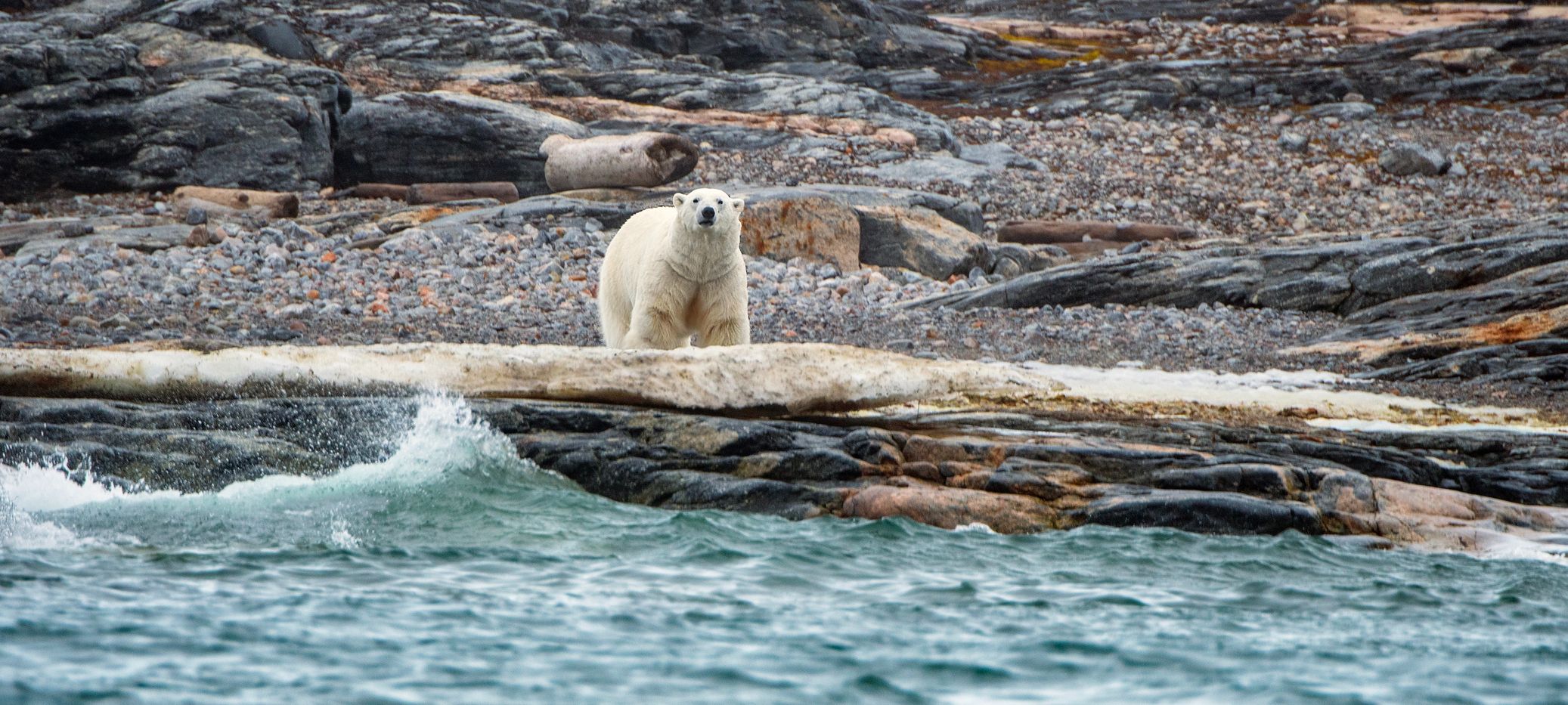
Svalbard is where people arrive with one sentence in their head: polar bear. It’s also where you learn that the Arctic doesn’t do guarantees, it does probabilities.
In summer and autumn, the ice edge is often not a neat line. The Norwegian Polar Institute describes the marginal ice zone as a belt between open sea and dense drift ice, with floes and open water shifting with wind and currents.
That moving boundary matters because polar bears are closely tied to sea ice, and research on Svalbard bears describes how some follow the marginal ice zone as it retreats north in summer and autumn.
What you get on an expedition cruise is time spent looking, properly, without needing to be anywhere else. And the new viewing rules underline the point that bears aren’t an attraction, they’re an apex predator living their life. AECO’s guidance reflects Svalbard regulations requiring a minimum distance of 300 metres from polar bears, and 500 metres from March 1 to June 30.
If you do see a bear, it’s often at a distance, through a long lens, and that’s exactly right. You’ll still feel it in your bones.
Svalbard walrus haul-outs, the beach day with tusks
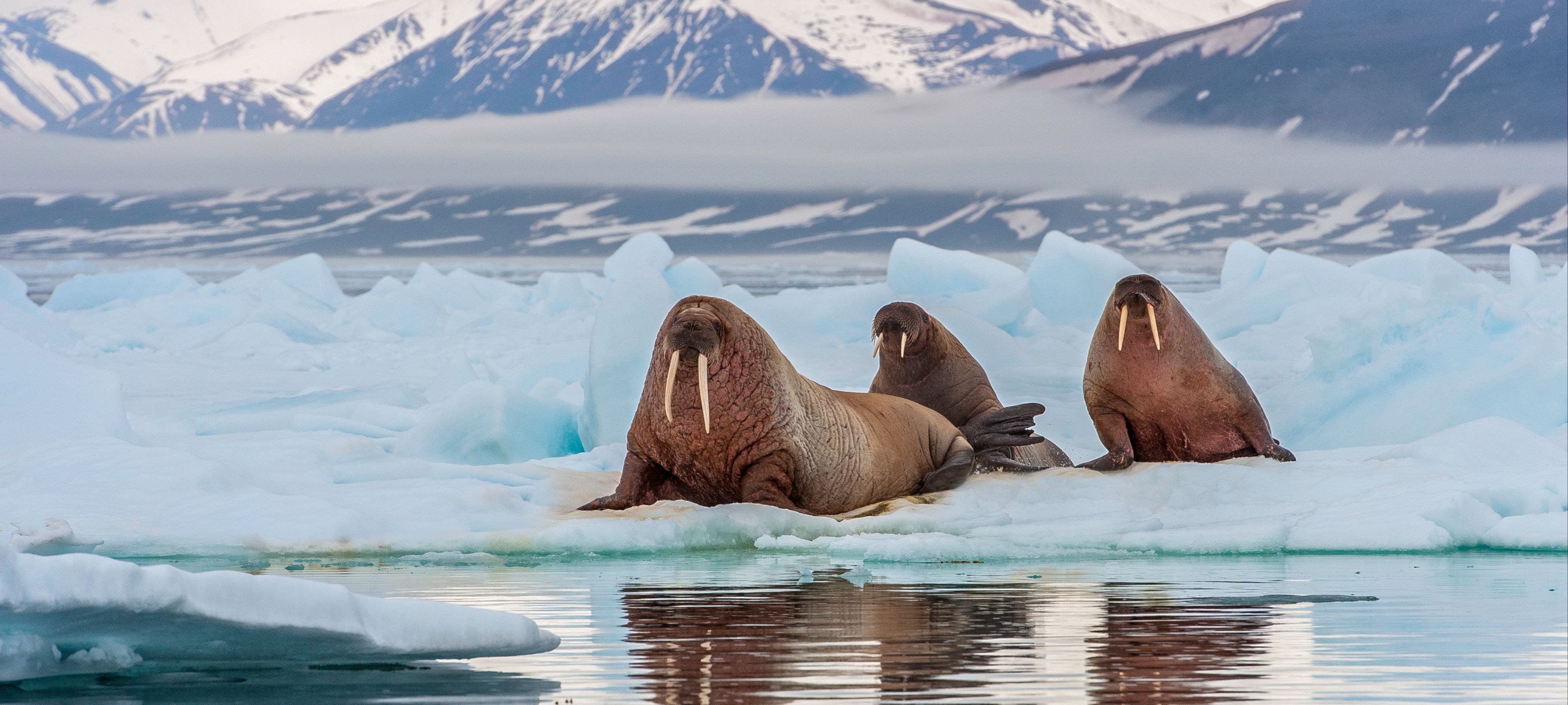
Walrus are the Arctic’s great optical illusion. From far away they look like boulders. Then the boulders exhale, and you realise your brain has been lied to.
The Norwegian Polar Institute notes that walruses usually haul out on ice, but terrestrial haul-out sites are used in summer and autumn.
That’s why high-summer Svalbard voyages can deliver the surreal sight of big groups piled onto shore, draped over each other like they’ve invented a new form of relaxation.
These haul-outs are also the reason expedition cruising feels different from mainstream cruising. You’re not being taken to a sight. You’re being taken to a place where a sight might be happening, and the entire day is built around watching it respectfully.
Northern Norway’s winter whale season, orcas chasing herring in fjords
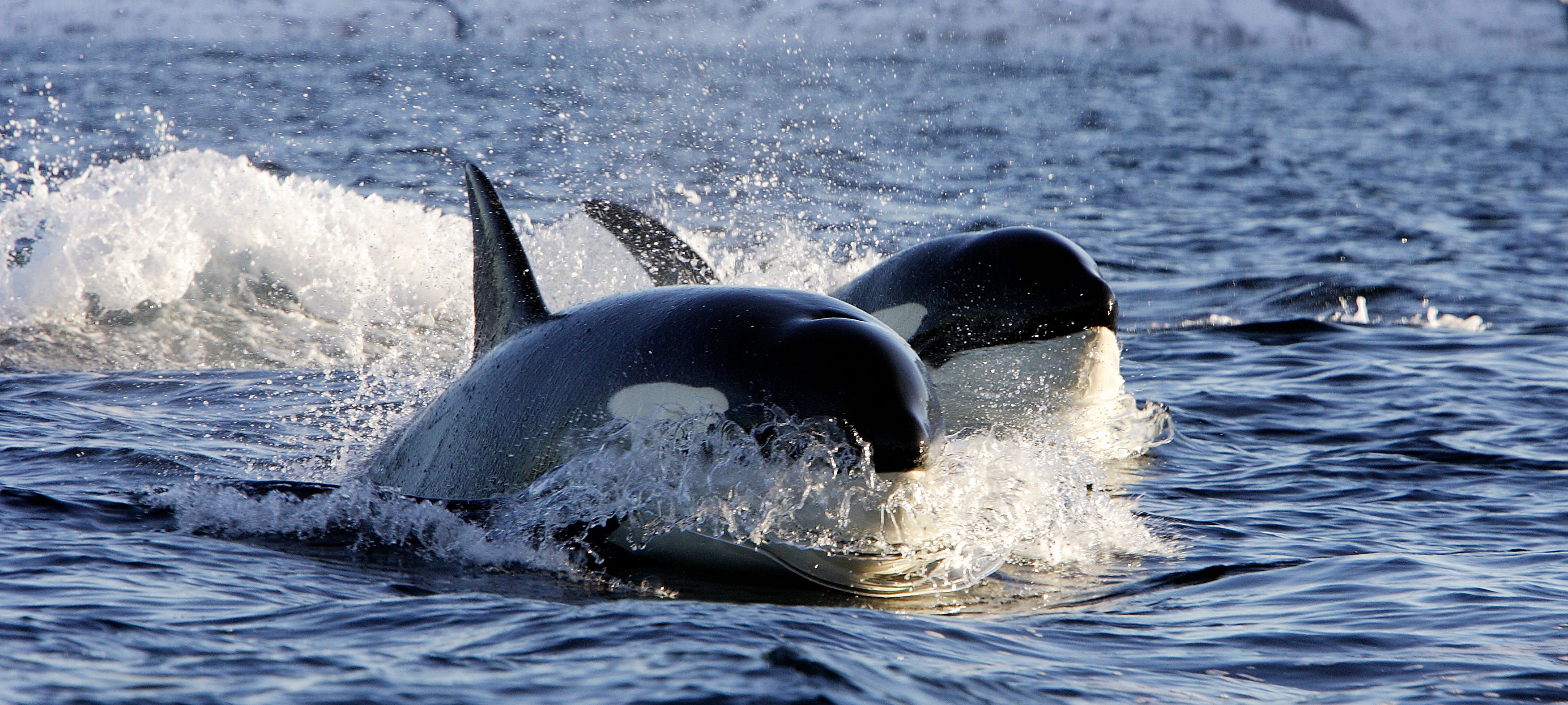
If you’ve only ever seen whales in sunshine, Northern Norway in winter is a reset. The light is low, the mountains look sharpened, and the wildlife feels closer.
In the Tromsø region, official tourism guidance notes that the cold fjords near Skjervøy are frequented by orcas and humpback whales, with boat trips offering the best chances.
Visit Lyngenfjord also describes whale safaris from Skjervøy, specifically mentioning orcas and humpbacks and the idea that whales follow the herring.
This is a wildlife event with a plot. The herring arrive, the whales arrive, and you’re there in the middle of it, wrapped in a ridiculous number of layers, feeling very alive. It’s also one of the few whale experiences where the landscape competes with the animals for your attention, which is saying something.
Southeast Alaska’s bubble-net feeding, the most coordinated meal on earth
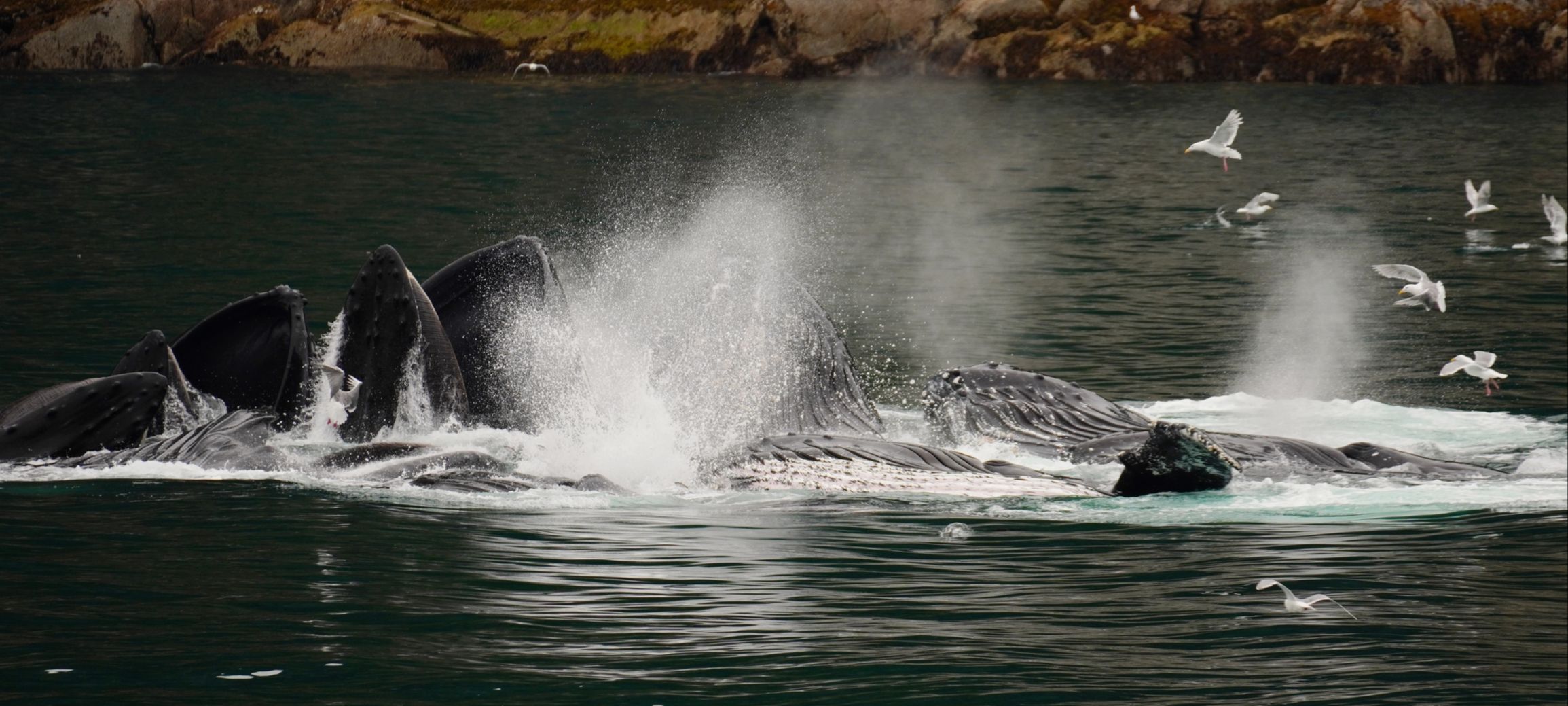
Humpback whales don’t just feed, they collaborate, and occasionally they do it in a way that looks like a special effect.
NOAA’s species profile describes “group coordinated bubble net feeding,” where whales create curtains of bubbles to concentrate prey and then lunge upward through the bubble net to engulf fish.
This is one of those moments that works brilliantly from a ship because you can spot the lead-up, the bird activity, the tension in the water, then the sudden eruption of mouths and spray. You can also see it from smaller boats, of course, but cruising the Inside Passage style routes makes it easier to be in the right waters repeatedly, without building your whole holiday around one day trip and a prayer.
It’s the kind of wildlife behaviour that makes you grateful you weren’t born a small fish.
The Galápagos, the only “moving safari” that feels like it was designed for science
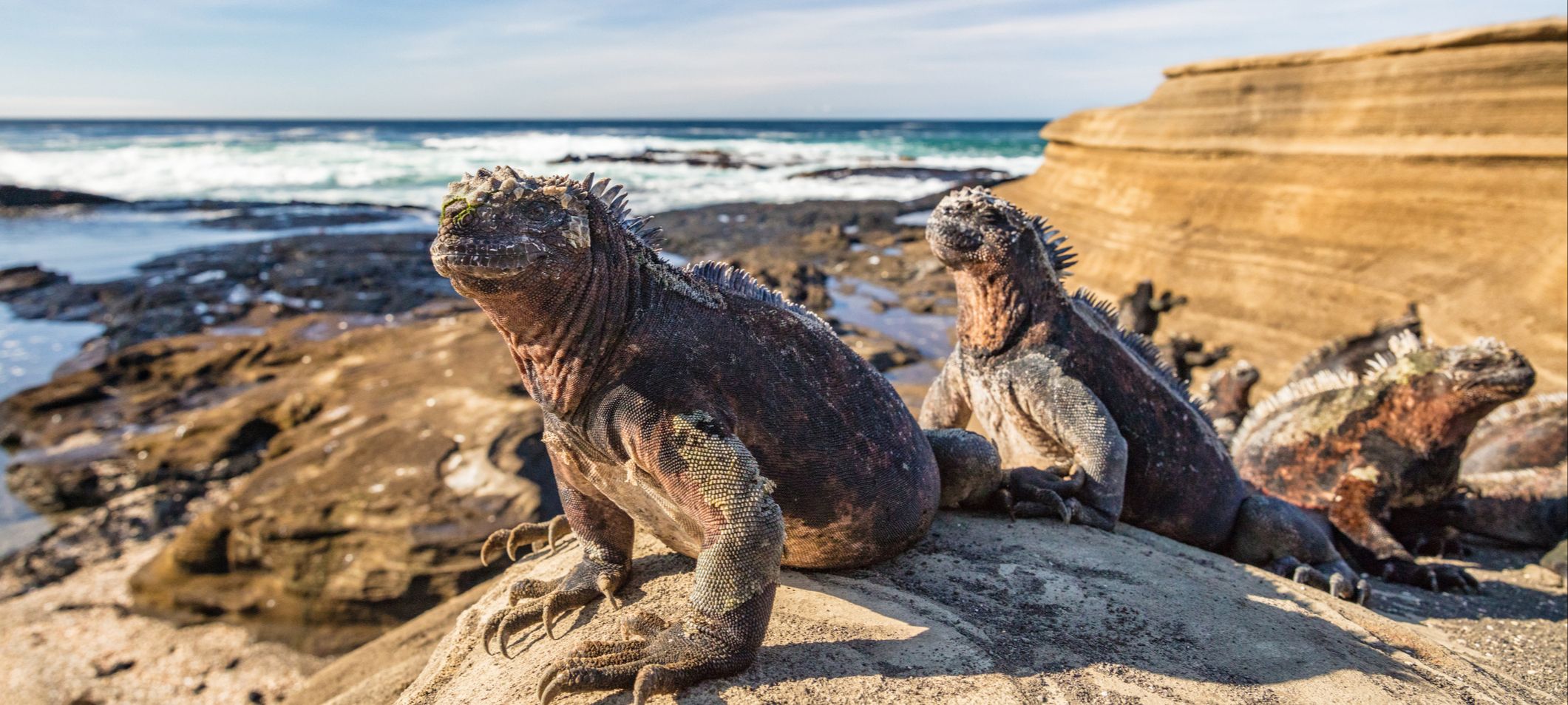
The Galápagos are famous because they behave like a living museum. UNESCO calls the islands and surrounding marine reserve a unique “showcase of evolution,” shaped by ocean currents and volcanic activity.
What makes the experience cruise-shaped is access and regulation. Much of what visitors come for is within protected areas, and Galapagos Conservancy notes that visitors to protected areas in the Galápagos National Park must be accompanied by an authorised naturalist guide, and should travel only with operators and boats authorised to work there.
A small-ship cruise is essentially the Galápagos doing what it does best: moving you between islands so the wildlife changes daily. Sea lions one morning, marine iguanas later, strange seabirds, then another landing where animals behave with the calm confidence of creatures that didn’t evolve with humans as their main problem.
It’s one of the rare places where “wildlife holiday” doesn’t mean driving long distances. It means waking up somewhere new and stepping straight into it.
A quick note on being a decent guest
The common thread across all these experiences is that they depend on two things: access by sea, and restraint once you arrive.
Antarctica has operational guidelines designed to minimise disturbance.
Svalbard has minimum-distance rules for polar bears that are there for everyone’s safety and the bears’ wellbeing.
The Galápagos has strict protected-area rules and guide requirements because that ecosystem is too important to treat casually.
The best wildlife memories come from trips where you didn’t push your luck. You stayed back, you watched longer, and you let the animals carry on being themselves.
Which, frankly, is a good life lesson at sea too.