You can now sail past Amsterdam, squeeze in a night in Hamburg and be back at your desk on Tuesday pretending nothing happened. Three to five night cruises from UK and European ports are no longer fringe “taster” sailings; they are quietly becoming one of the ways people take city breaks.
How short is “short”?
Most lines class anything from three to five nights as a short break. In Europe that usually means leaving from somewhere handy such as Southampton, Barcelona, Civitavecchia or Piraeus, then pinballing between close-together ports: Bruges and Amsterdam, say, or Marseille, Genoa and Palma. Travel agents are now selling these in the same breath as long weekends in Prague or Lisbon.
At the industry level, they make perfect sense. Cruise demand keeps climbing, with CLIA projecting more than 39 million passengers a year by 2027, and the average cruiser getting younger. Around 36 per cent of guests worldwide are now under 40 and 65 per cent are Gen X or younger. That cohort likes travel, hates wasting annual leave and is used to the idea of a “micro-holiday”. Short cruises slot neatly into that mindset.
Where are all these mini-voyages?
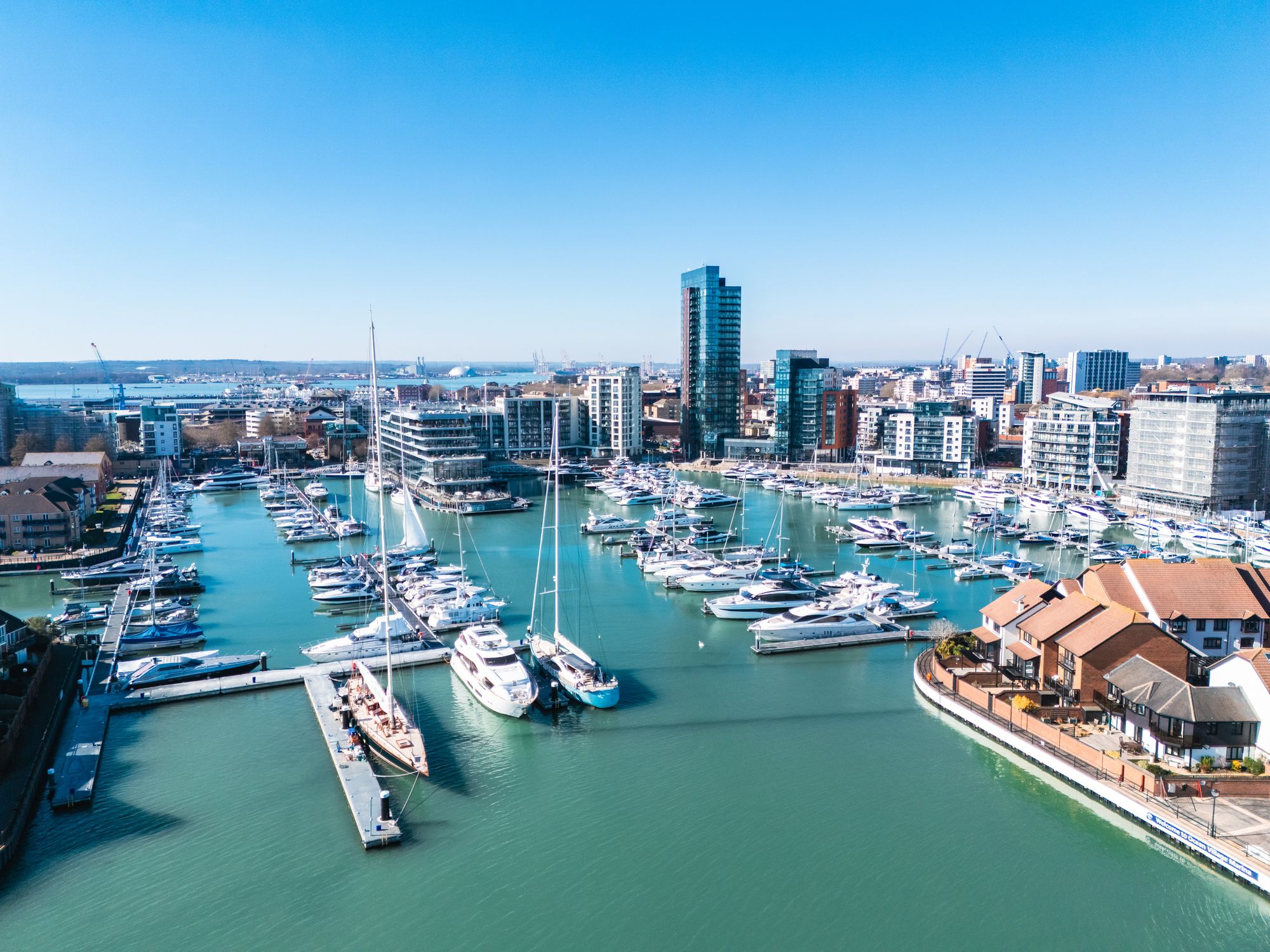

In the UK, short breaks tend to orbit Southampton and other big homeports. Think two or three nights to Bruges or Rotterdam, four nights clipping the Channel Islands and Normandy, or a five-night swing up to Norway that gives you one very scenic fjord and a strong desire to come back for the full week.
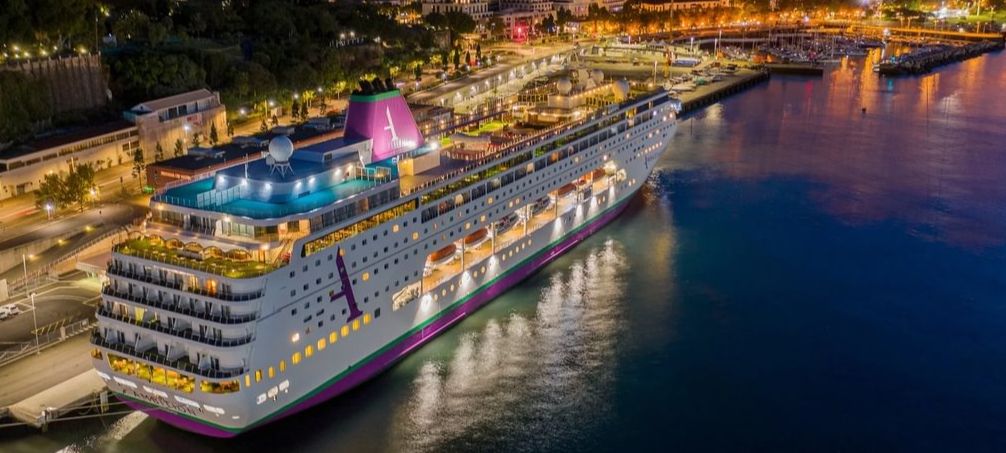
Around the Med, the programme is even busier. MSC sells “mini cruises” of three to five nights between Barcelona, Marseille and Italian ports such as Genoa and Civitavecchia. Virgin Voyages stitches together three and four night loops from Piraeus and Barcelona aimed squarely at people who would otherwise be in an Airbnb. Add in Costa, Celestyal and assorted smaller lines and you can now island-hop your way around the Aegean or Western Med in less time than it takes to finish a boxset.
Who are they really aimed at?
On paper, everyone. In practice, three groups.
First, the cruise-curious. For people who have spent years insisting they are “not cruise people”, three nights to Amsterdam feels less like a lifestyle choice and more like a harmless experiment. Lines know that if they can get you on board once, there is a good chance you will be back for the seven-nighter.
Second, younger travellers. ABTA’s latest Travel Trends research shows that 25 to 34-year-olds are the age group most likely to have taken a cruise in the past year, and also the keenest to book more holidays in the next twelve months. Short itineraries fit their budgets, their limited annual leave and their patience for being in one place with their parents.
Third, time-poor regulars. If you already like life at sea, a quick three or four night loop is an easy way to get a cruise “hit” between bigger trips.
What is different on board?
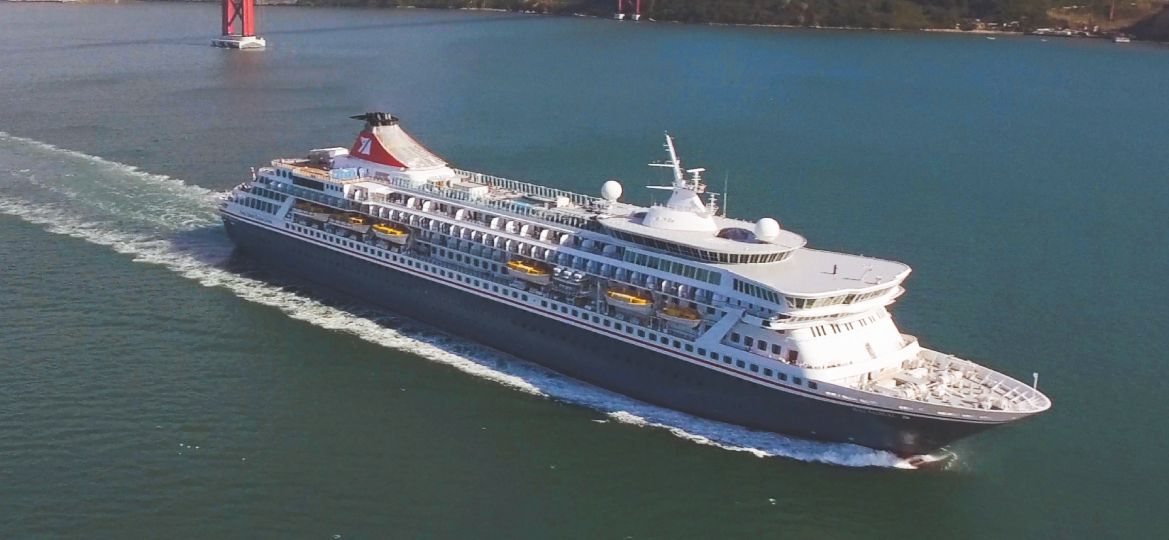
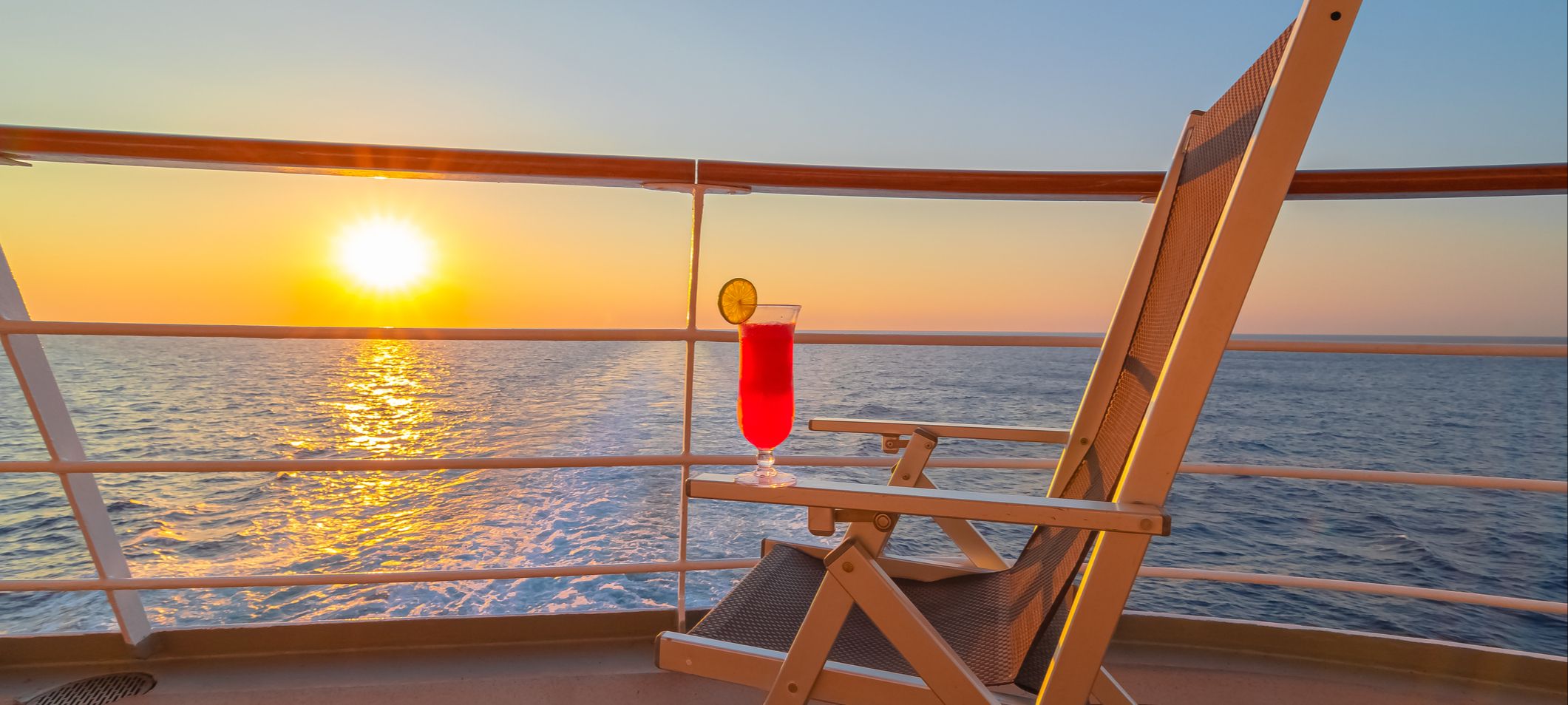
Short cruises feel less like a long voyage and more like a floating city break. There is no long, slow settling-in period. Guests arrive in a Friday-evening mood, bars fill fast and the spa diary looks as busy as the cocktail list.
Because the sailings are brief, the programme tends to be dense. Fewer formal nights, more shows crammed into a long weekend, and shore excursions that have been boiled down to the very essence of “you’ve done the city now, back to the ship”. It is fun, but it is not relaxing in the same way as two weeks ambling around the Adriatic.
Prices can be deceptive too. Headline fares look low for a three night cruise, but the per-night rate is often higher than on a full week, and you are more likely to spend onboard when everything feels like a one-off treat.
What do you lose by shrinking the week?
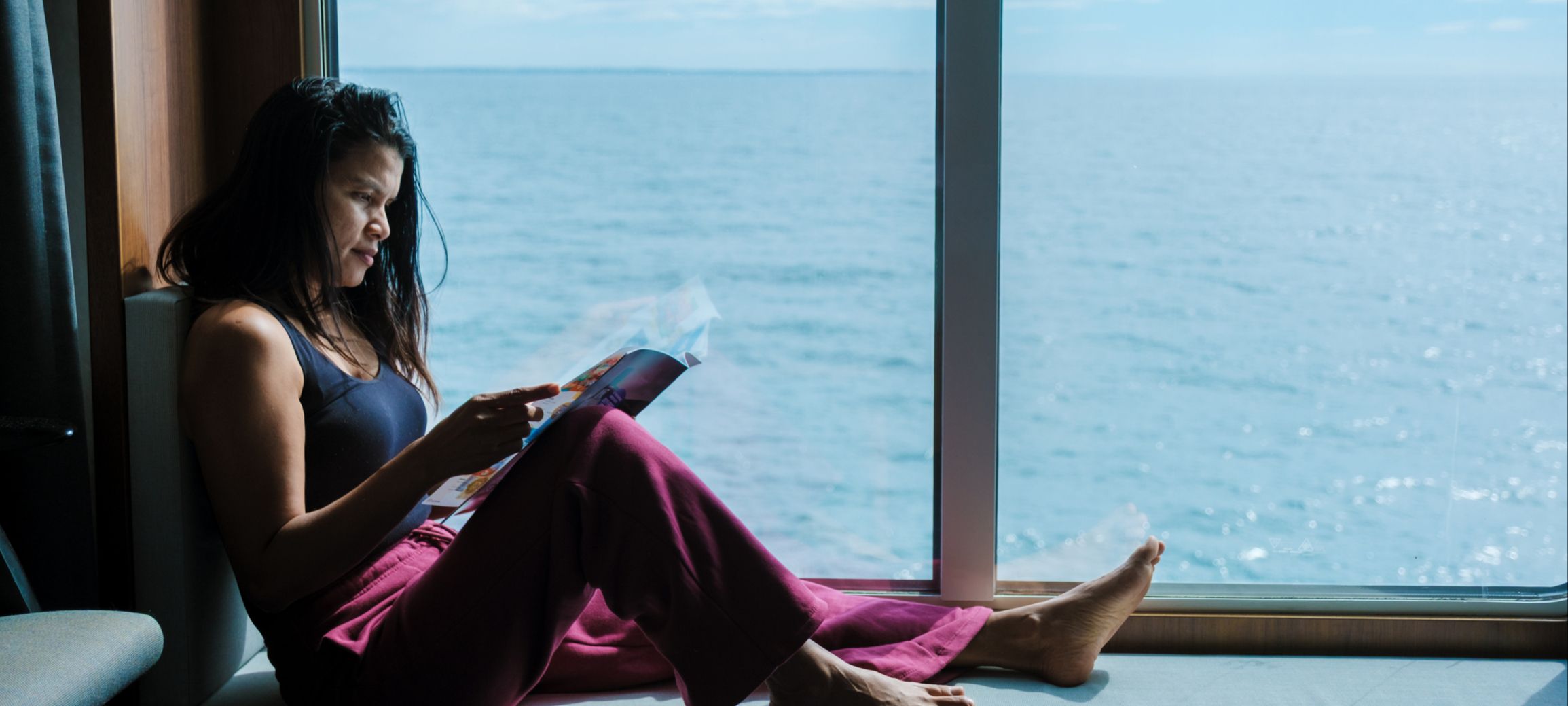
You sacrifice the long, slow rhythms that make cruising addictive. There is less time to get to know the crew, fewer lazy afternoons where the scenery drifts past while you pretend to read, and a higher chance that one bad weather day will dominate the whole trip. Some seasoned cruisers even argue that five nights is the bare minimum before a ship begins to feel like “home”.
You also cannot cover the same ground. A three night hop from Southampton will never give you the depth of a twelve night Baltic itinerary, and a four night Med spin is more about the ship than about “doing” Spain.
So, are shorter cruises the future?
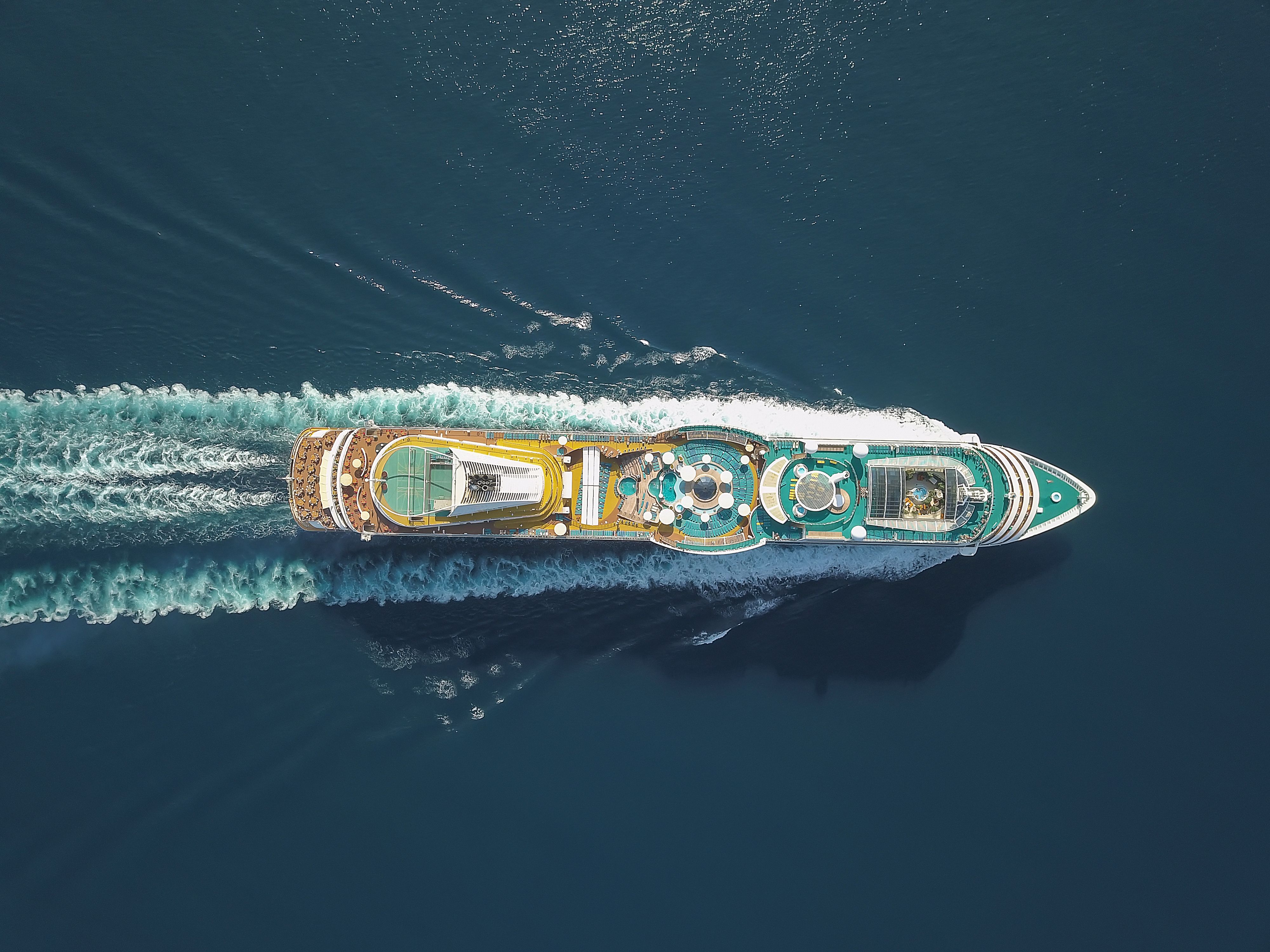
They are certainly part of it. For the lines, short itineraries are efficient, profitable and a powerful recruitment tool. For travellers, they offer a new way to take a quick break that feels more like an event than yet another budget flight and hotel.
Week-long and longer voyages are not going anywhere; there will always be a place for slow journeys across the Atlantic or leisurely loops around Norway. But if you start to notice more three-night “seacations” in brochures and more friends popping up on social media from ships they swore they would never sail on, do not be surprised.
The future of cruising probably looks less like one big annual odyssey and more like several smaller ones. And if that means the odd Friday where you leave the office, head for the port and wake up in another country, that does not sound like a terrible direction of travel.