
September is a month that professional photographers rave about. As Galen Rowell put it, “You only get one sunrise and one sunset a day… a good photographer does the maths and doesn’t waste either.”
Now, a disclaimer: I’m not a professional photographer, nor do I pretend to be. What follows is a distillation of advice from people who are the experts, names like Ansel Adams, Henri Cartier-Bresson, and the contemporary pros whose practical tips I’ve drawn on here. My role is simply to steer you towards the good light, the right decks, and the tools that the experts themselves recommend.
So, with that confession out of the way, let’s talk about where to point your lens in September, when the light is at its best, and the simple settings that can give you sharper, more satisfying images both at sea and ashore.
Where September really shines (and why)
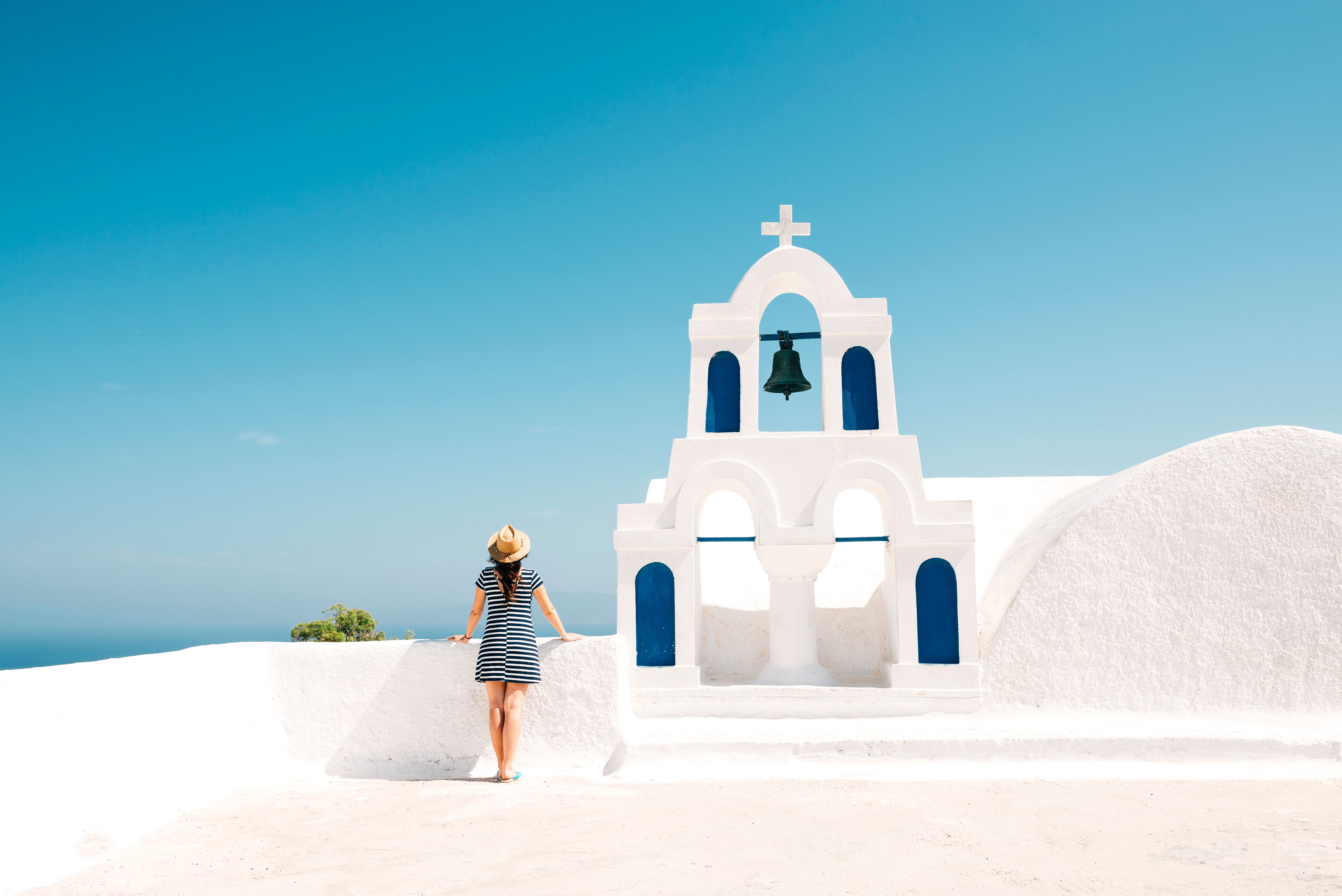
Greek islands and the Adriatic
By September, the heat softens, school is back in, and crowds thin. That means clean horizons at sunset and fewer elbows on fort walls. Greece is particularly forgiving (late summer warmth, less bustle) and Dubrovnik is notably calmer compared with July–August.
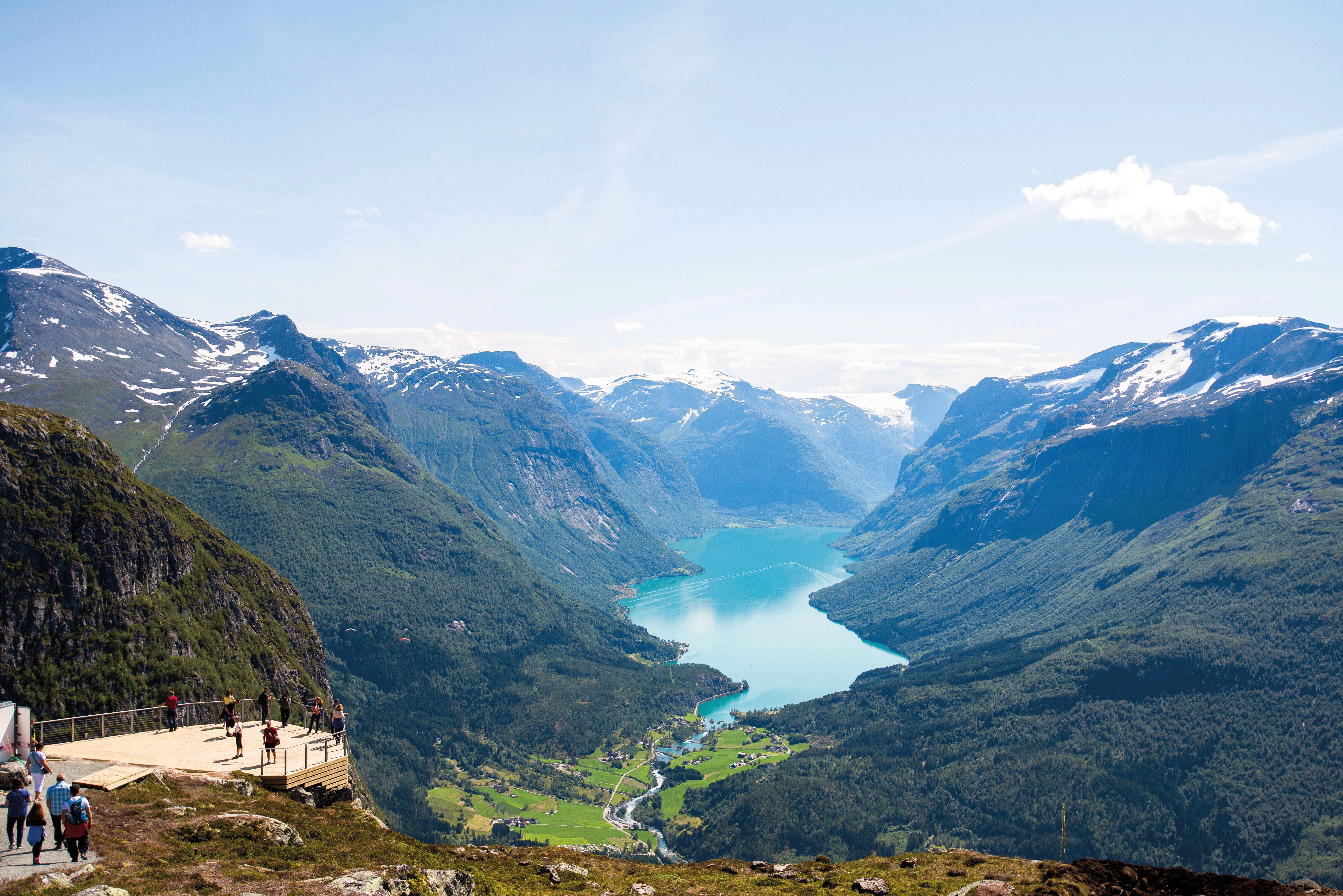
Norway’s fjords
Autumn arrives early up here: clear air, lower sun angles and the first teasing tints of colour on the hillsides. Even the tourist board’s climate notes point to the fjord coast staying relatively mild in September — ideal for blue‑hour harbours and long‑exposure waterfalls.
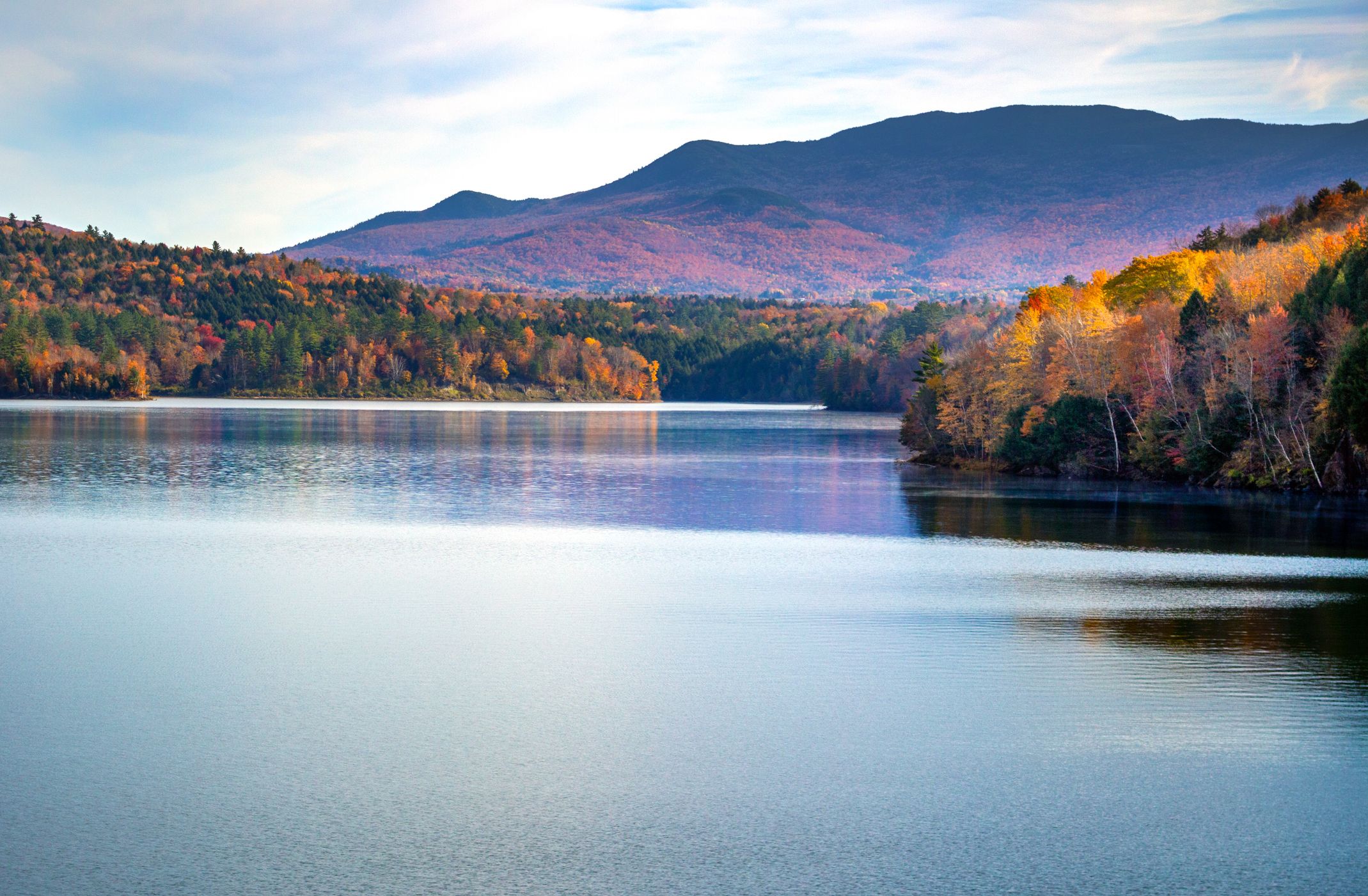
New England and Atlantic Canada
Late September begins the colour turn in parts of New England. If your itinerary clips Maine, Nova Scotia or Massachusetts, expect golden marsh grass, working harbours and, with luck, the first reds in the maples. Track the regional foliage forecast to time your frames.
Iceland and the sub‑Arctic fringe
Equinox month means long twilights and, crucially, the return of dark skies. Aurora season kicks off around September; keep an eye on Iceland’s official aurora forecast and plan for late‑night deck sessions (warm layers, tripod or rail‑brace, hot chocolate).
Do the light maths (golden, blue and everything between)
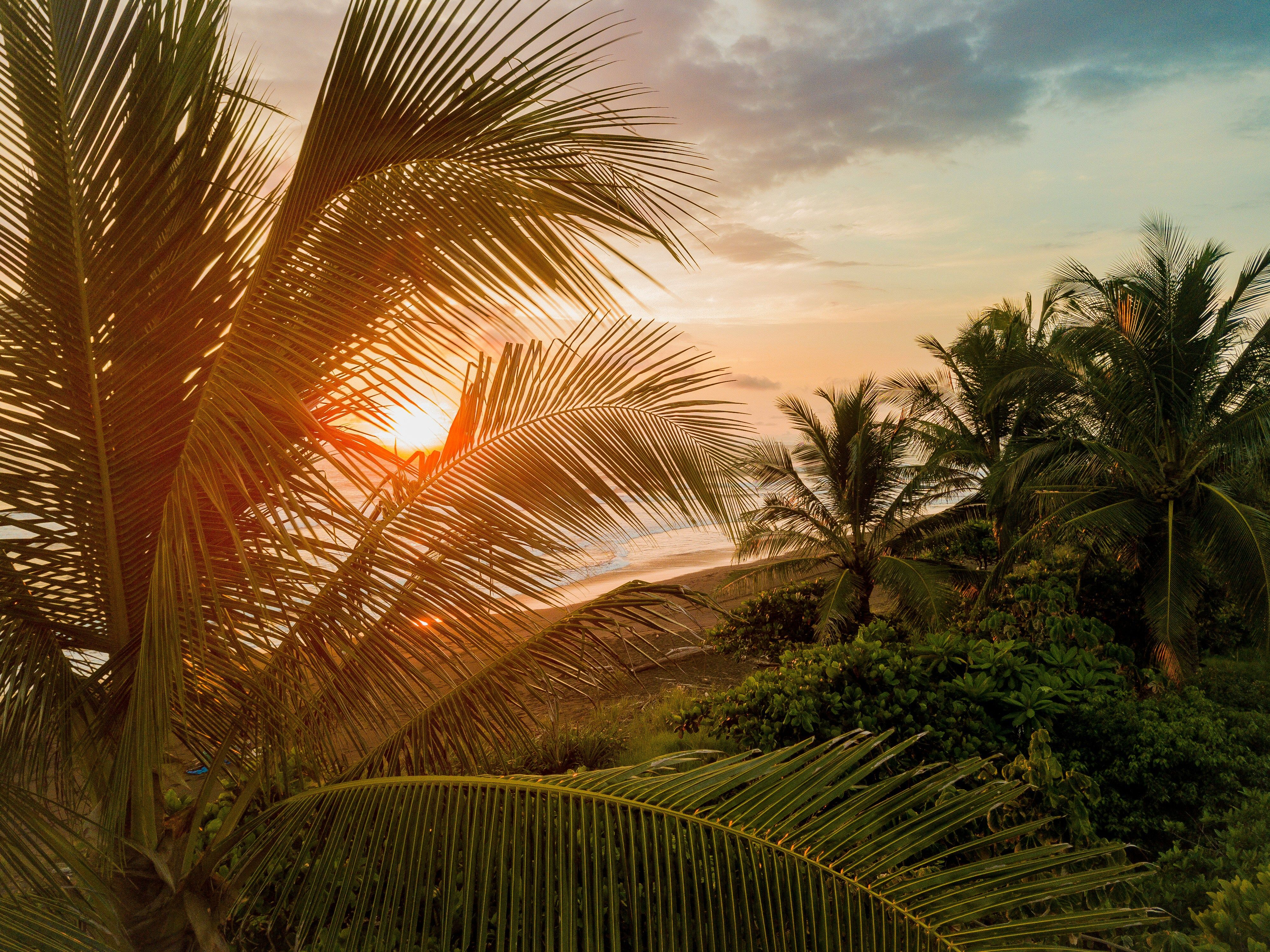

- Golden hour is the warm, low‑angle window just after sunrise and before sunset. It’s shorter at low latitudes, longer the farther north you sail. Use a planner like The Photographer’s Ephemeris (TPE) or PhotoPills to see exact times and sun direction for your ship’s position or next port.
- For exact rise/set (useful for port days), the NOAA sunrise/sunset calculator or a trusted time service does the job.
- Blue hour (that cobalt glow before dawn and after dusk) flatters city waterfronts and fjord harbours. Your planner apps flag these, too.
Pro tip: on sea days, aim 15–20 minutes before the published golden‑hour start; low swells and the ship’s speed can put foregrounds in and out of alignment faster than you think.
Simple settings that work at sea
You’re shooting from a moving platform. Prioritise shutter speed, then everything else.


From the rail at sunrise or sail‑away
- Mode: Shutter priority (S/Tv) or Manual with Auto ISO.
- Start point: 1/500–1/1000 sec; open aperture (f/4–f/8); let ISO float. This freezes ship movement; raise to 1/1000+ for tighter focal lengths.
- Stabilisation: leave lens/body IS on; brace elbows on the rail; shoot short bursts to catch a sharp frame mid‑sway.
- Filters: a circular polariser tames glare on water and deepens skies; rotate gently to taste.
In port, handheld city/harbour scenes
- Mode: Aperture priority (A/Av) for depth of field.
- Start point: f/8–f/11; ISO 100–400 in daylight; watch that shutter stays above ~1/250.
- Use leading lines (quays, railings) and avoid dead‑centre horizons — a National Geographic classic for a reason.
Night on deck (aurora, skyline, moonlit wake)
- Phones: engage Night mode/Night Sight, hold steady on a rail or mini‑tripod, and let the device stack frames.
- Cameras: Manual, start around 1–2 sec, f/2.8–f/4, ISO 1600–3200 for skyline; for aurora, try 1–5 sec, f/1.8–f/2.8, ISO 1600–3200 and adjust per brightness. Steady the camera; time shots between ship vibrations. (Think of these as sensible baselines, not gospel.)
Micro‑playbook by destination
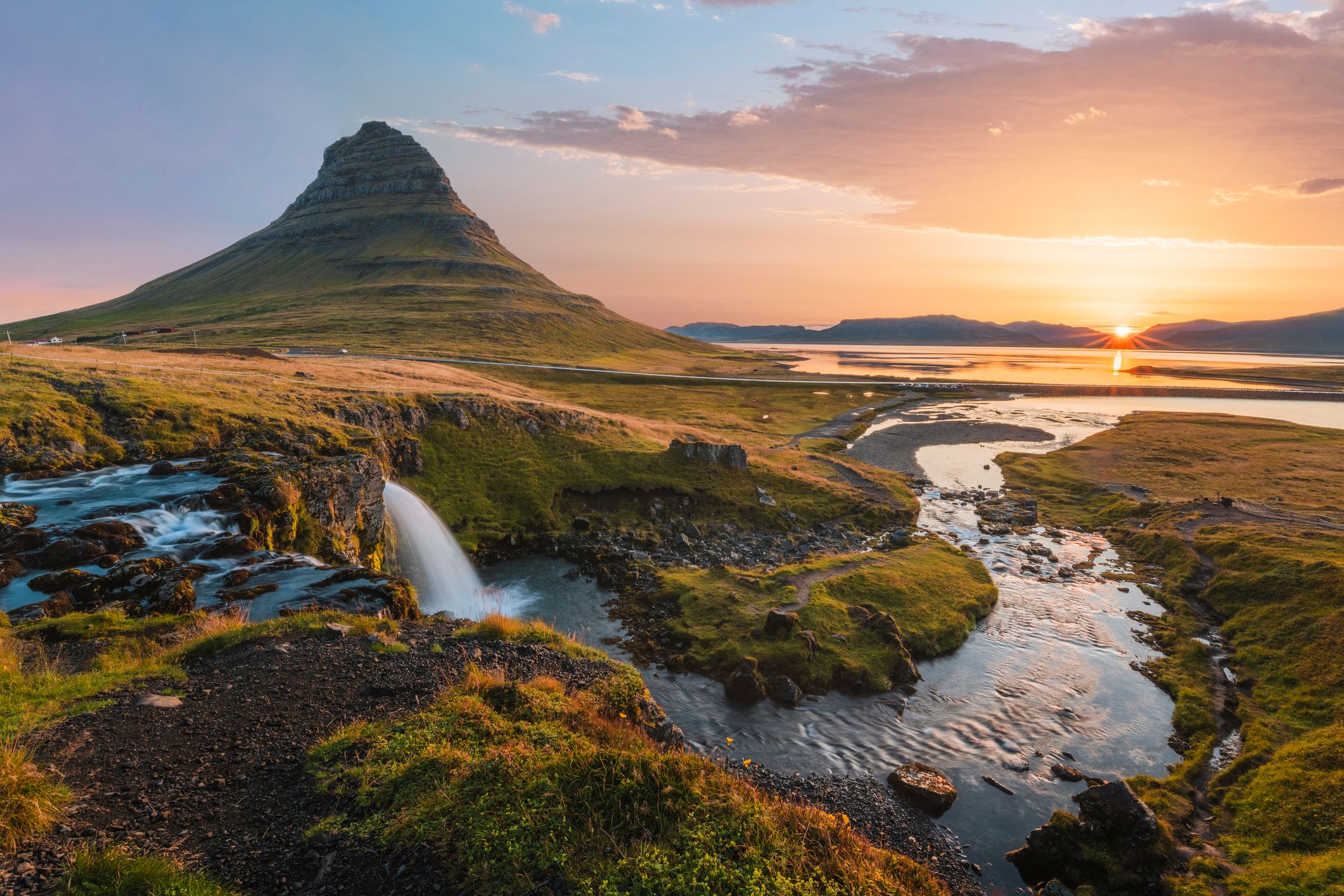
Santorini from the caldera rim (Greece)
Arrive early; blue hour flatters white walls before the tour crush. Frame domes with a foreground (bougainvillaea, steps) for depth. Best month for fewer crowds and temperate evenings? Early autumn.
Dubrovnik’s city walls (Croatia)
Walk the ramparts late afternoon as the sun kicks along the terracotta roofs; September/October is the quieter window. A polariser earns its keep over the Adriatic.
Bergen and the fjords (Norway)
Low September sun rakes across clapboard facades; save a few frames for blue‑hour harbour reflections. Pack a light rain cover; showers pass fast and leave luminous air.
Reykjavík or Akureyri (Iceland)
If the aurora fires, go wide, manual focus to infinity (then nudge back), and shoot multiple frames. Check the Icelandic Met Office forecast before committing to deck vigil.
Boston to Bar Harbour (New England)
Late September can show early colour in northern zones. Keep a mid‑telephoto handy for compressed layers of boats, piers and foliage. Track a local foliage forecast before you sail.
Quick fixes for common cruise‑photo problems
- Everything’s glary at noon → polariser; shoot with the sun quartering your subject; step into open shade for people shots.
- Deck shots are soft → raise shutter speed first, accept a bit more ISO, and fire short bursts.
- Missed the best light → plan tomorrow with TPE or a sunrise/sunset calculator; set an alarm and lay clothes out like you’re catching a flight.
- Phone photos are noisy at night → lean on Night mode/Night Sight and brace the phone; don’t zoom digitally — move your feet.
Pack like a lazy pro
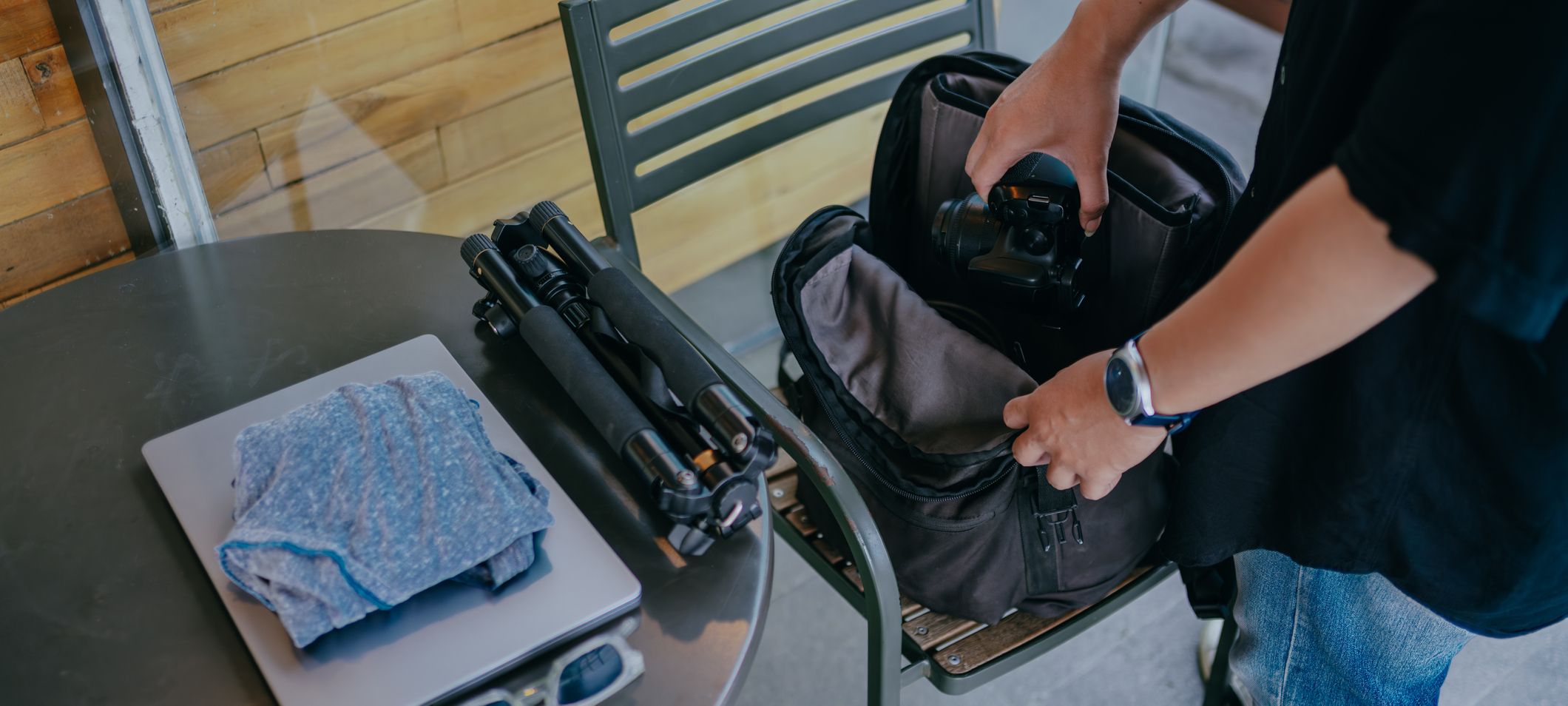
One wide zoom (or a 24–70mm), a fast prime for dusk, polariser, microfibre cloths (salt spray), a tiny clamp or beanbag for rail shots, spare battery, and a phone tripod the size of a chocolate bar. The best accessory remains your alarm clock — September light rewards the early and the unhurried.
Or, as Adams liked to remind us, the gear matters less than the person behind it. Those twelve inches will do fine this month.
Sources and useful tools
- Shoulder‑season conditions: Greece and Dubrovnik in September. Travel + Leisure GetYourGuide
- Norway in autumn: official guidance. Visit Norway
- New England foliage timing. newengland.com
- Iceland aurora timing and forecast. Visit Iceland Icelandic Meteorological office
- Golden/blue hour planning: PhotoPills and The Photographer’s Ephemeris. PhotoPills The Photographer's Ephemeris - Web App
- Exposure basics and motion control: Nikon Learn & Explore. Nikon+1
- Polariser what/why: B&H Explora. B&H Photo Video
- Smartphone low‑light: Apple Night mode, Google Night Sight.