Cold-weather cruises make unusually complicated demands of a suitcase. You need clothes for standing on deck while the wind attempts to remove your face, something respectable enough for dinner, and roughly six intermediate outfits for the journey between the two.
The good news is that you probably don’t need to arrive dressed as a privately funded polar explorer. Expedition operators often provide some of the bulkiest equipment. Aurora Expeditions, for example, supplies a polar jacket and lends passengers Muck boots, while PONANT provides parkas and loan boots on its polar cruises. What’s included varies by operator and itinerary, so check your pre-departure information before buying an enormous coat that will occupy half your wardrobe and eventually become an expensive place to hang tote bags.
Once the major kit is accounted for, it’s the smaller things that determine whether your day ashore feels exhilarating or merely very long. These are the cold-weather cruise essentials most worth finding space for.
1. Thermal layers and waterproof trousers
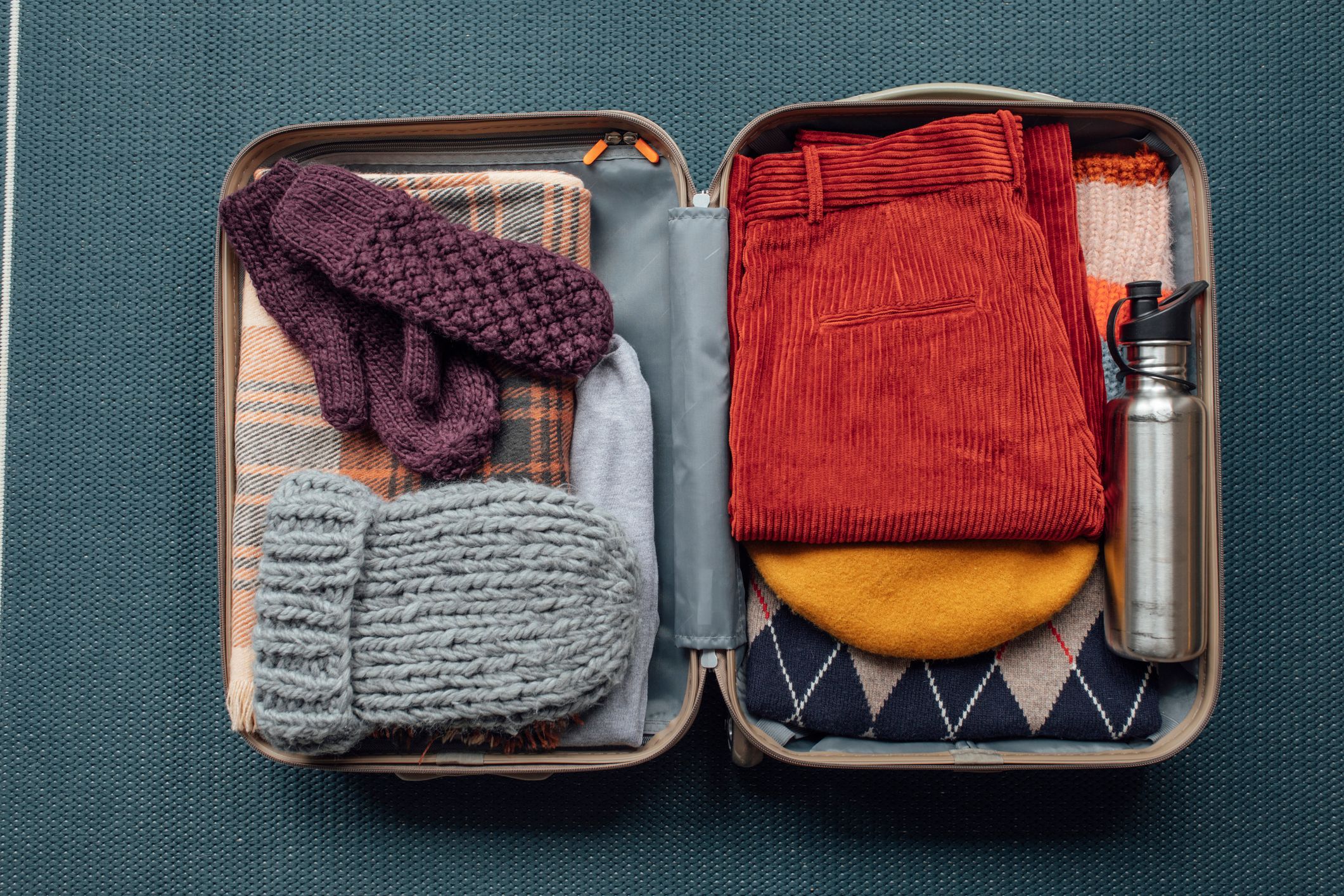
The secret to dressing for cold-weather cruising is less “one heroic coat” and more “several unglamorous layers working in quiet cooperation”.
Start with a close-fitting thermal base layer made from wool or a synthetic fabric, followed by an insulating fleece or wool jumper. On top, add a windproof and waterproof outer layer. Quark Expeditions recommends wool or synthetic base layers rather than cotton, along with fleece mid-layers and waterproof trousers for Zodiac trips. Aurora also describes waterproof trousers as compulsory for its Zodiac outings, where spray, wind and wet seats can quickly expose any gaps in your fashion-led approach to polar exploration.
Waterproof overtrousers are particularly useful because they can be pulled on over ordinary hiking trousers shortly before an excursion. Look for a pair with enough room underneath for thermals and, ideally, long side zips that allow you to put them on without first removing your boots and performing a complicated balancing act in the ship’s mudroom.
Bringing several thinner layers also lets you adjust throughout the day. A cold-weather excursion can involve freezing wind on a Zodiac, a surprisingly warm uphill walk and a return to a ship whose heating system appears to have been set for a greenhouse orchid.
2. Waterproof gloves with separate liners
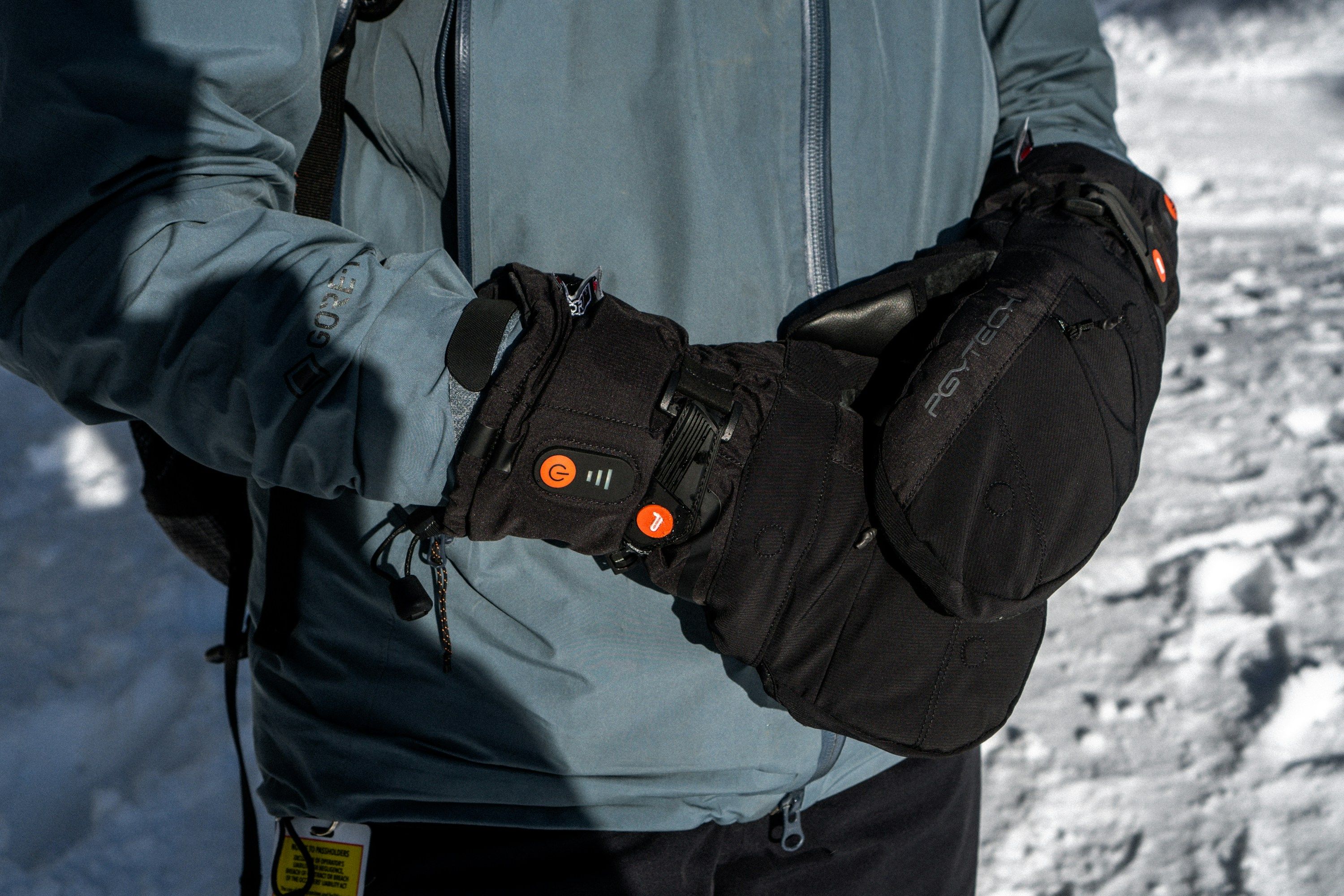
Ordinary knitted gloves are lovely for a frosty walk to the pub. They’re less convincing when exposed to sea spray, snow or prolonged contact with a metal railing.
Bring waterproof outer gloves or mittens, ideally with thin wool or synthetic liners beneath them. The liners provide extra warmth but can also be worn alone when you need enough dexterity to focus binoculars, operate a camera or enter your phone passcode for the fourth time because Face ID has stopped recognising you beneath your hat.
Several polar operators recommend taking two pairs of waterproof gloves, partly because wet gloves are difficult to rehabilitate before the next excursion. Quark also advises bringing glove liners, while Aurora suggests wool or polypropylene gloves beneath a waterproof outer pair.
A spare pair may feel excessive while packing. It will feel visionary when one glove falls onto the wet floor of a Zodiac and spends the rest of the morning absorbing the Southern Ocean.
3. A warm hat and neck gaiter
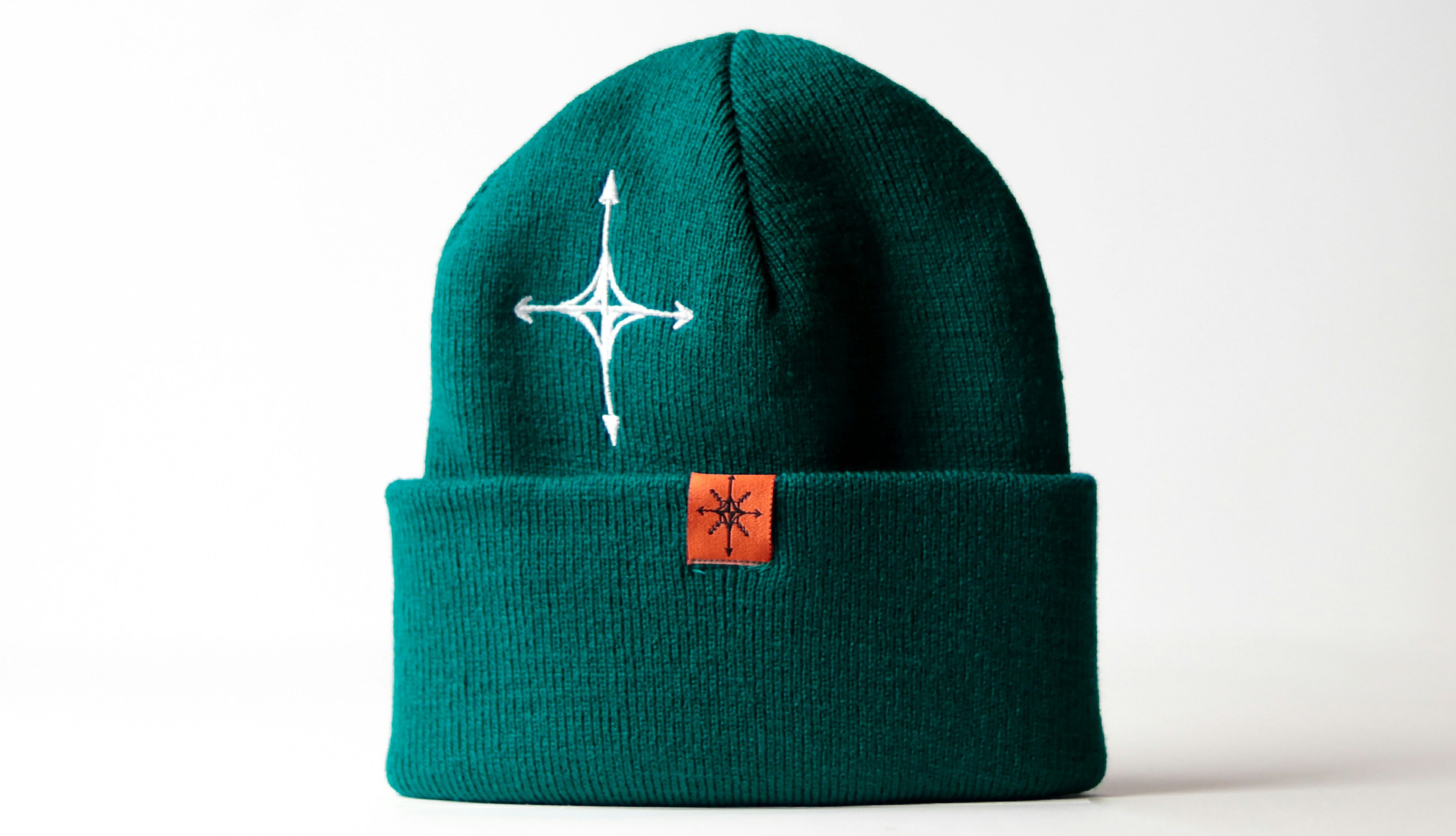
A proper cold-weather hat should cover your ears and stay attached to your head when the wind picks up. This rules out several highly photogenic options that were designed chiefly for walking between a chalet and a glass of mulled wine.
A close-fitting beanie works well, particularly beneath the hood of a waterproof jacket. Add a neck gaiter or buff, which seals the small but surprisingly vindictive gap between your collar and chin. It can also be pulled over your cheeks during windy Zodiac rides without trailing loose fabric around your face.
Hurtigruten recommends a warm hat, gloves and neck warmer even on Norwegian coastal voyages, where the wind can feel bracing outside winter. Quark and Aurora offer similar advice for polar outings, with particular emphasis on hats that cover the ears and face protection against wind and snow.
Bring something you can identify easily. Expedition ships have a remarkable capacity to fill an entire drying room with 120 near-identical black beanies.
4. Polarised sunglasses with UV protection
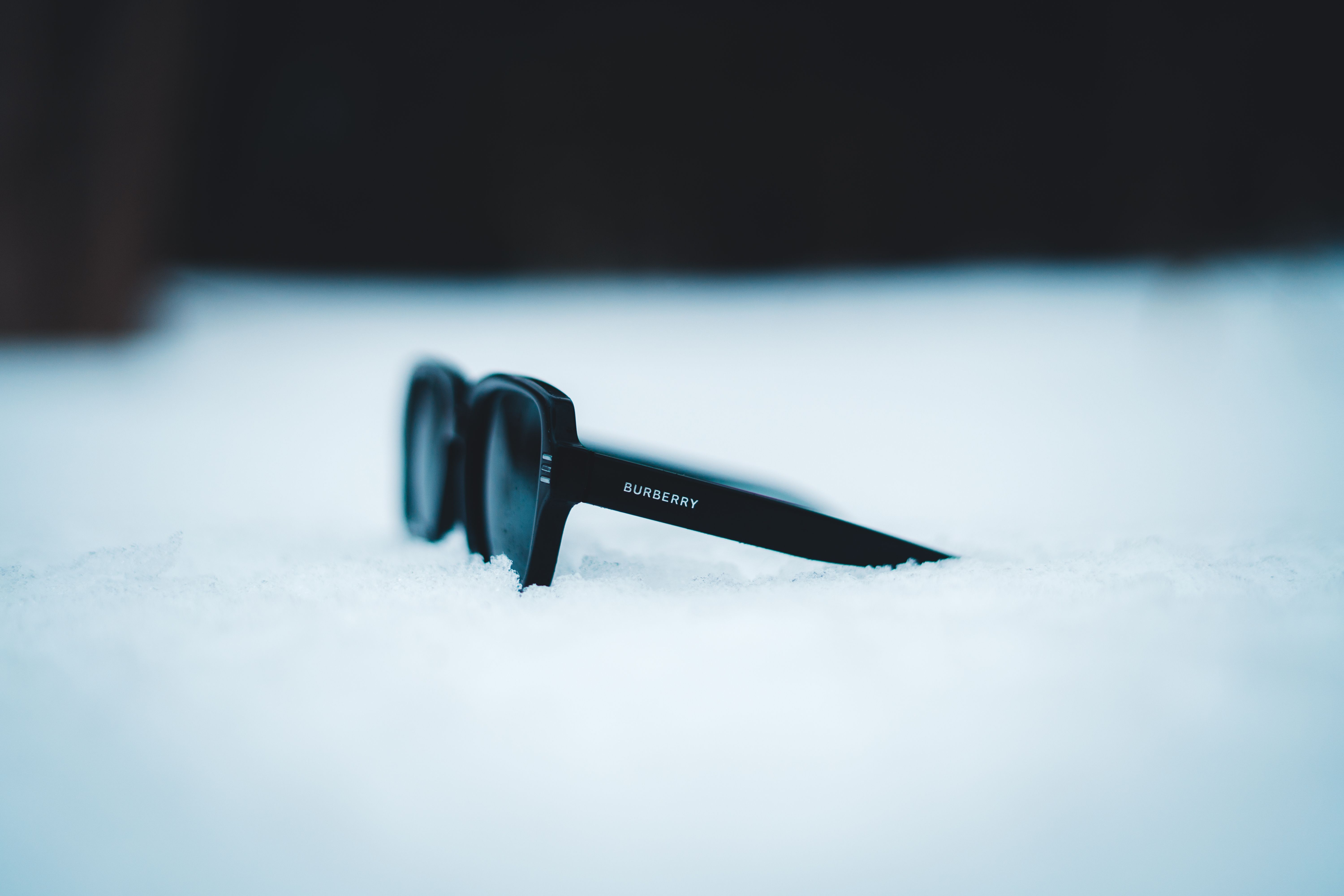
Sunglasses can look optimistic when you’re packing for somewhere associated with sleet, ice and men named Roald. Pack them anyway.
Sunlight reflecting from snow, ice and water can produce intense glare, even when the air itself feels cold. Hurtigruten advises carrying sunglasses in winter as well as summer because of the glare from snow, while Quark recommends polarised sunglasses with UV protection for Arctic and Antarctic voyages.
Choose a comfortable pair that works beneath a hat and alongside your binoculars. A simple retainer cord is also useful on small boats. It may not improve the outfit, but neither does watching your favourite sunglasses bounce once on the side of a Zodiac before beginning a new life beneath an iceberg.
Ski goggles are worth considering for especially exposed polar itineraries, although they’re more specialised than most passengers will need. Your cruise line’s packing guidance should indicate whether conditions are likely to warrant them.
5. Lip balm that can cope with wind and sun
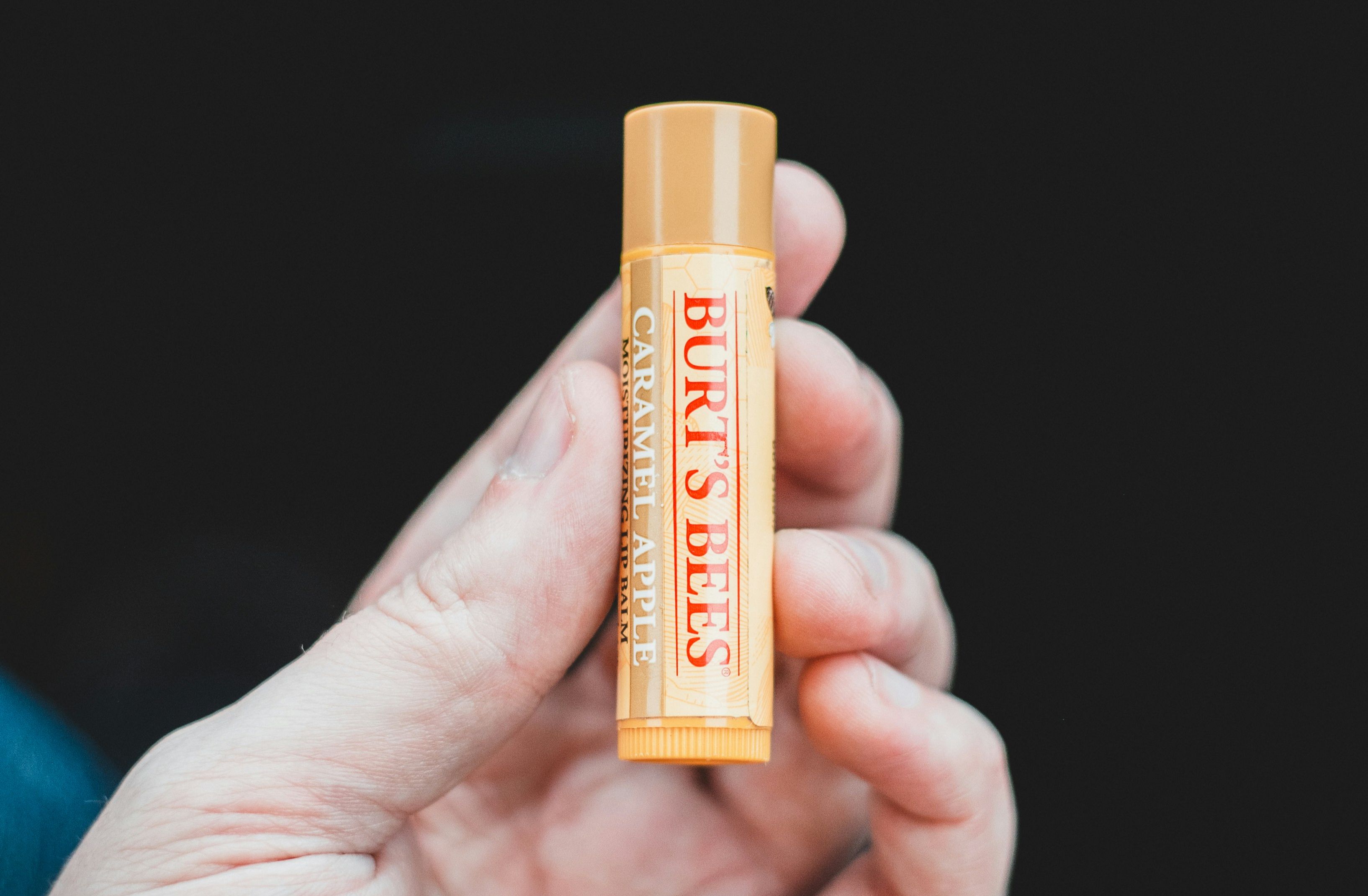
Lip balm is one of the smallest things in your suitcase and one of the first things you’ll resent forgetting.
Cold air, strong wind and repeated movement between heated interiors and exposed decks can leave lips feeling dry remarkably quickly. Hurtigruten specifically recommends a rich lip salve for winter conditions and one with SPF protection during brighter voyages. Polar packing guidance from Quark also includes lip balm as part of essential UV protection.
Keep one in your coat pocket rather than leaving it in the cabin. This sounds obvious, but most cold-weather cruises involve owning a lip balm in theory while being physically separated from it by seven decks and an announcement about a whale.
A small moisturiser for your hands and face is sensible too. Quark notes that wind and temperature changes can cause skin dryness, especially when you’re repeatedly taking gloves on and off to photograph things.
6. Waterproof binoculars for wildlife spotting

Cold-weather itineraries tend to pass through landscapes where the interesting thing is often some distance away. It may be a whale surfacing beside the ship, an eagle in a tree, a polar bear on the ice or what the expedition guide has confidently identified as a rare seabird while everyone else is staring at an empty patch of grey.
Binoculars make those sightings far more rewarding. Some cruise lines supply them in selected cabins or suites, but availability varies and one shared pair can become socially complicated when two people are trying to look at different whales.
For wet or polar conditions, choose binoculars that are waterproof or properly weather-sealed. Quark also recommends checking that the focus wheel is easy to operate while wearing gloves and carrying extra lens cloths to remove salt spray without damaging the coatings.
Keep them somewhere accessible. Wildlife rarely waits while you return to your cabin, open the safe and remember which shelf you put them on. A neck strap or harness lets you keep them beneath your waterproof jacket, protected but ready for the next sighting.
7. A dry bag or waterproof daypack
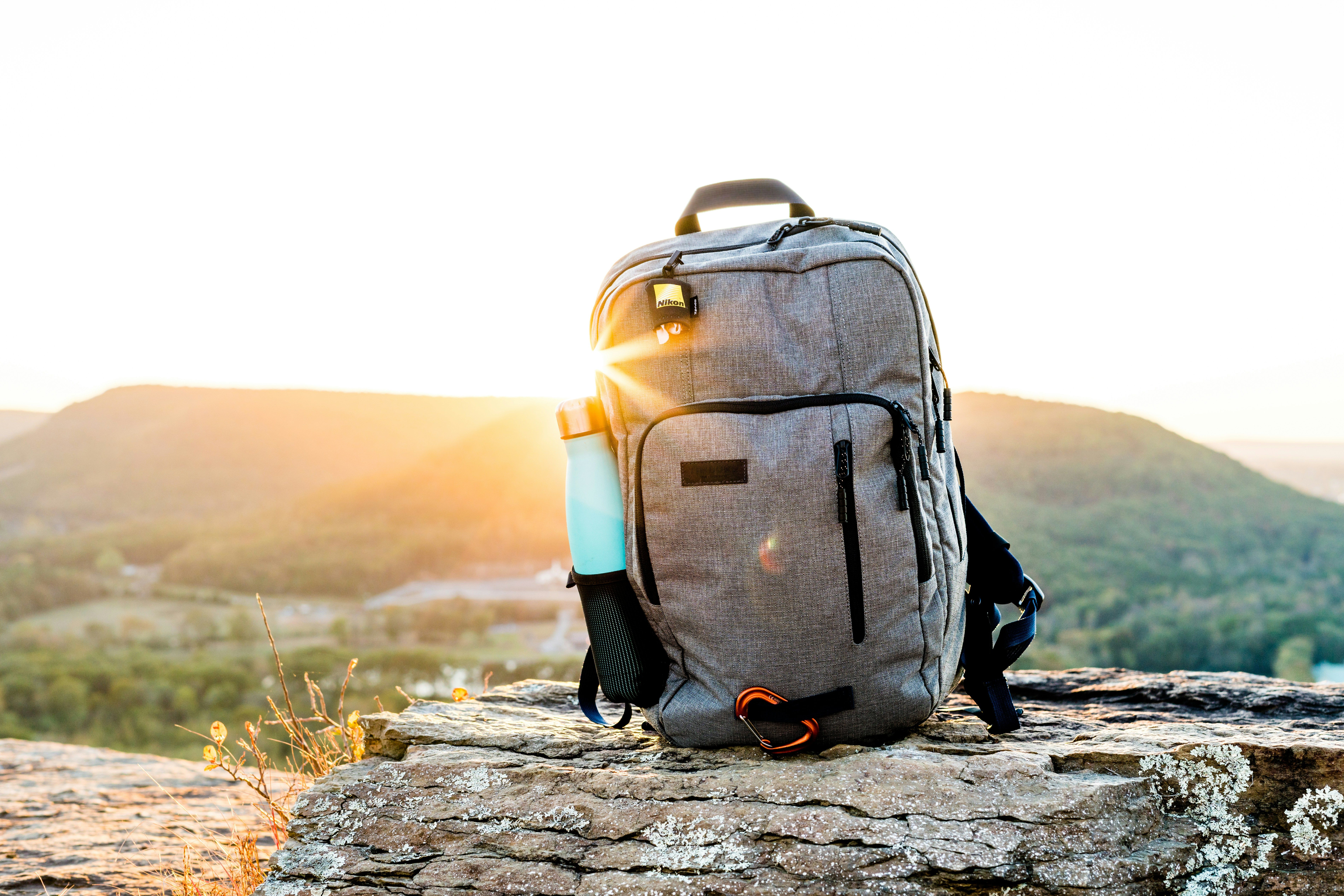
A dry bag feels like a mildly joyless purchase until the first time a wave comes over the side of a Zodiac.
A lightweight waterproof backpack or roll-top dry bag protects your phone, camera, spare gloves and extra layers from spray and rain. Polar expedition packing lists regularly recommend one, along with waterproof phone cases or rain covers for camera equipment.
For most shore excursions, a bag of around 10 to 20 litres should be sufficient. You don’t need to bring the contents of your cabin ashore. A spare layer, water bottle, phone, binoculars and any medication will usually account for most of it.
The roll-top closure is important. A fashionable drawstring bag may be technically capable of containing objects, but that is about the full extent of its maritime qualifications.
Smaller reusable waterproof pouches are useful inside the main bag too. They keep batteries and memory cards dry and prevent you from having to rummage through gloves, tissues and three separate lip balms while something photogenic happens nearby.
8. A power bank for long excursions

Cold-weather itineraries are punishing on batteries. Low temperatures can shorten the usable charge of phones and cameras, while long shore excursions, wildlife photography and constant map-checking give them plenty of additional work to do. Hurtigruten advises bringing spare batteries and keeping them warm in an inside pocket because cold conditions drain them faster.
A compact power bank gives your phone enough reserve for photographs, boarding passes and the cruise-line app. Keep both the phone and battery close to your body during excursions rather than in an exposed outer pocket.
There is one important packing rule if you’re flying to meet the ship. Under current UK Civil Aviation Authority guidance, power banks must travel in your hand luggage rather than checked baggage. Passengers may carry no more than two, and models up to 100Wh are generally allowed without airline approval, although you should still check your carrier’s rules.
In other words, the power bank belongs beside you in the cabin, not travelling independently beneath several hundred suitcases.
9. An insulated reusable water bottle

Hydration is easy to remember somewhere hot because your body keeps submitting formal requests for water. In cold conditions, thirst can be less insistent, particularly when you’re preoccupied with gloves, cameras and the possibility that the distant black shape is finally a whale.
Bring a reusable bottle that fits comfortably into your daypack. An insulated model is particularly useful on colder excursions because it keeps water from becoming unpleasantly icy and can also carry a warm drink if your operator permits it.
Hurtigruten recommends reusable bottles for its Norwegian sailings and provides refill points aboard its ships. Quark suggests an additional thermos-regulating bottle for some polar expeditions, although certain operators supply their own bottles, so this is another item worth checking before departure.
Choose a lid you can open while wearing gloves. Elaborate drinking mechanisms have a habit of becoming much less intuitive when your fingers are cold and a Zodiac full of people is waiting for you to sit down.
Check what your cruise line provides before packing
The precise list will depend on whether you’re sailing through Alaska, following Norway’s coast, crossing to Antarctica or taking an expedition deep into the Arctic. A conventional cold-weather cruise may expect you to provide all your outdoor clothing, while a specialist polar operator might supply a parka, rubber boots, walking poles, dry bags or even binoculars.
Read the operator’s packing list carefully and check whether compulsory items must meet particular specifications. Waterproof trousers, for example, may be required for Zodiac landings even if you already own warm ski trousers. Borrowed boots may also have sizing limits that need arranging before departure.
The aim isn’t to prepare for every meteorological event ever recorded. It’s to stay warm, dry and sufficiently organised that when the scenery finally appears, you can look at it rather than wondering which pocket contains your other glove.