Cruise ports and famous landmarks aren’t always on speaking terms. A destination may appear in enormous letters on the itinerary, only for the ship to dock beside a container terminal forty minutes away, leaving passengers to admire the city chiefly through tinted coach glass.
These eight calls are different. From the quay, you can reach a UNESCO World Heritage Site on foot, often within minutes and without first locating a shuttle numbered after a minor Greek deity.
There are berth-dependent exceptions. Bergen uses several cruise quays, larger ships may tender into Kotor, and San Juan’s Pan American terminal lies across the bay from the old city. Check where your ship is actually stopping before confidently announcing that you’ll “just walk in”. The reward, when the logistics align, is a port day in which the sightseeing begins almost as soon as the gangway ends.
Split cruise port: walk into Diocletian’s Palace
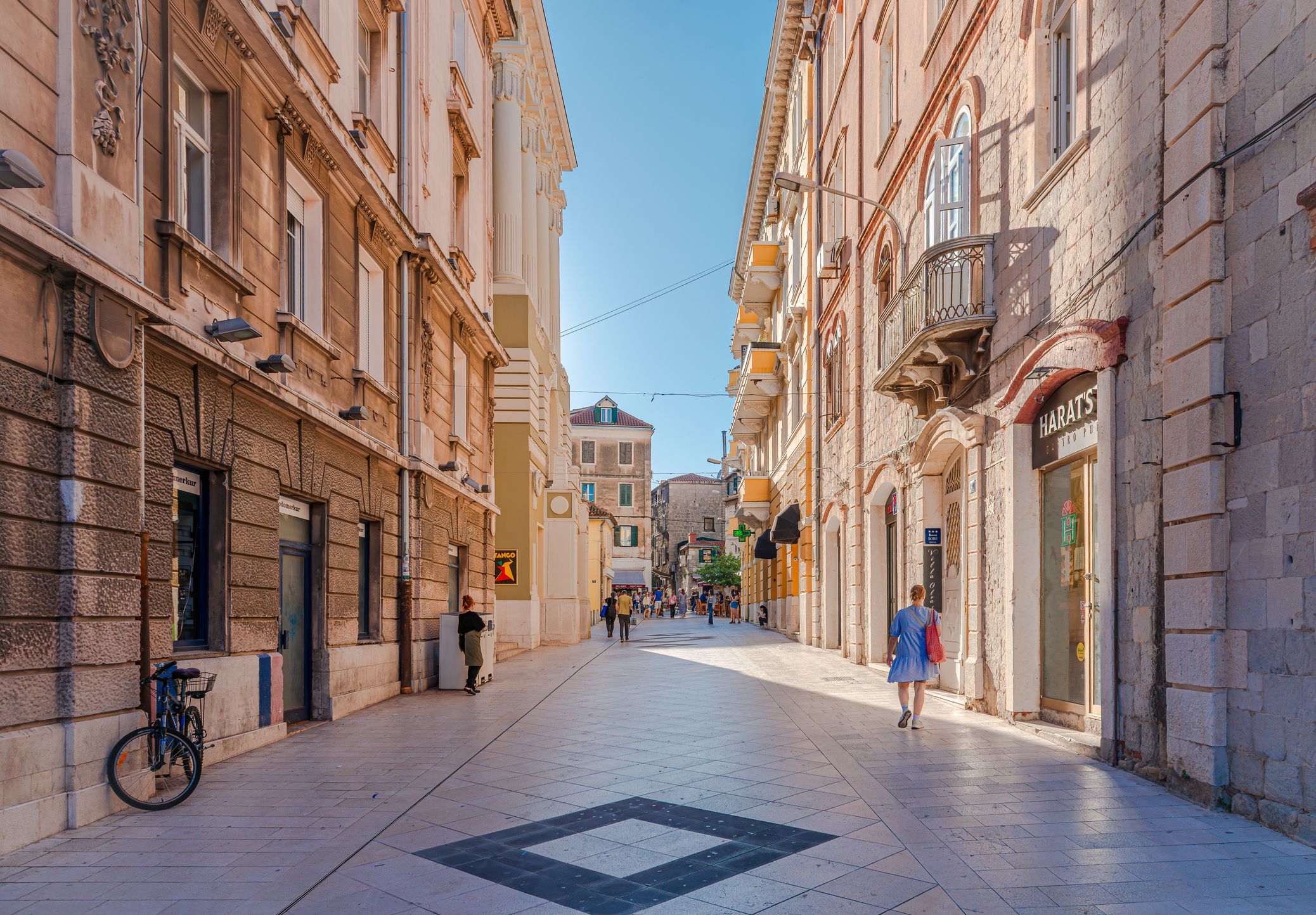
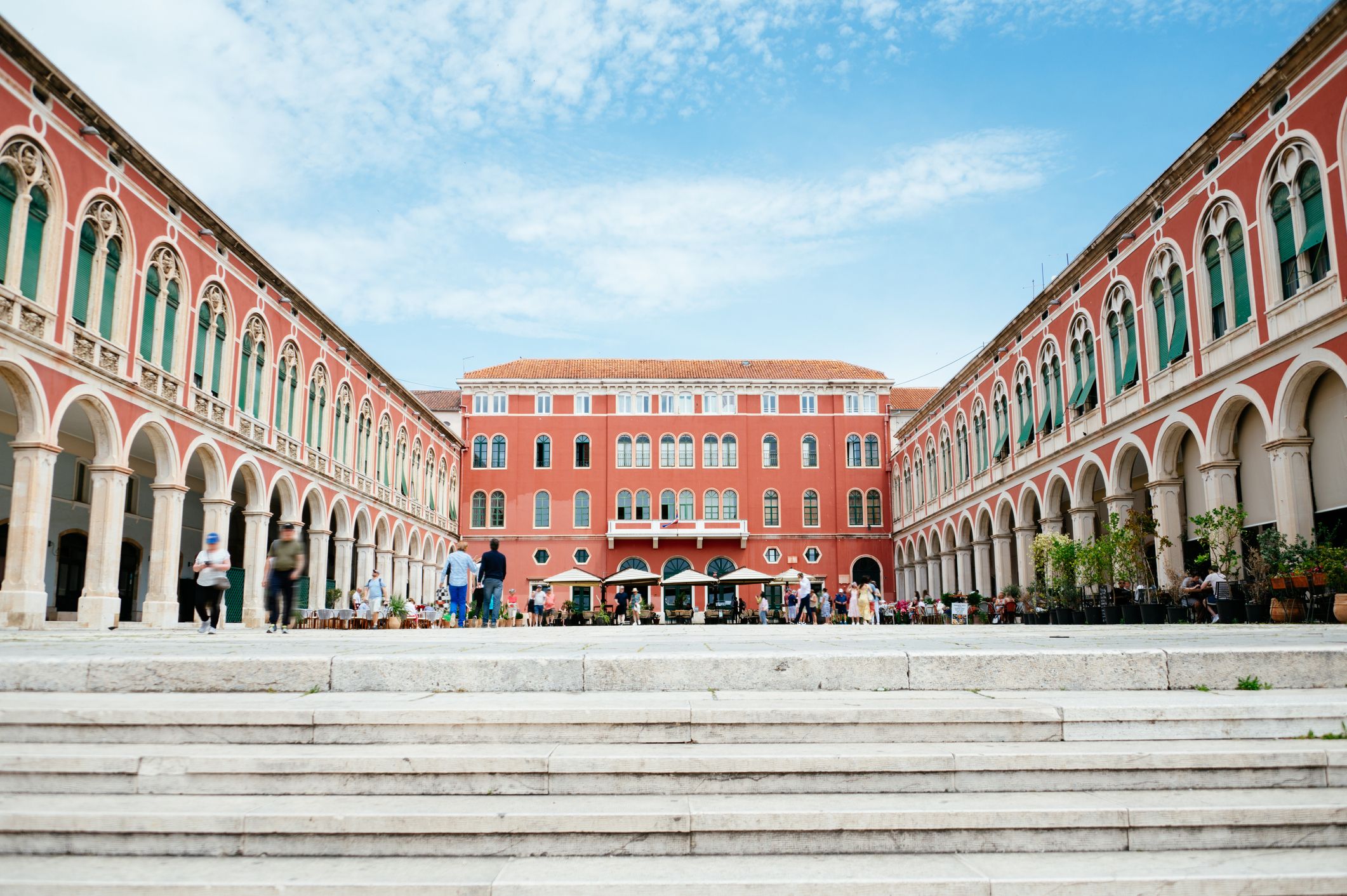
Split has absorbed a Roman emperor’s retirement home into the daily business of being a city. Diocletian’s Palace contains apartments, shops, cafés, churches, washing lines and the occasional cash machine occupying architecture whose original residents would have found contactless payment spiritually troubling.
The historical complex has been on UNESCO’s World Heritage List since 1979. Diocletian built the palace around the turn of the fourth century, but later generations reused its mausoleum, walls and ceremonial spaces as the medieval city developed inside and around them. The result is less a preserved ruin than a piece of Roman planning still being made to earn its keep.
From the cruise berths, follow the harbourfront along the Riva and enter through the Bronze Gate. You’ll emerge into the palace substructures, then climb towards the Peristyle, where Diocletian once expected a level of reverence that modern visitors generally reserve for finding an unoccupied café table.
The Cathedral of St Domnius occupies the emperor’s former mausoleum, a change of use that would probably have required a difficult meeting with the original owner. Nearby are the Temple of Jupiter, the Vestibule and the Golden Gate, while medieval alleys and small squares fill the spaces between the Roman walls. Split’s official visitor guide groups the cathedral, bell tower, treasury, baptistery and crypt around the Peristyle, with tickets available for different combinations.
Don’t rush straight through the palace in pursuit of an excursion elsewhere. A good independent day can combine the old city with Pazar market, the Riva and a walk towards Marjan. Few ports allow you to inspect 1,700 years of urban adaptation before lunch, then eat grilled fish within sight of the ship.
Valletta cruise port: take the lift into a UNESCO capital
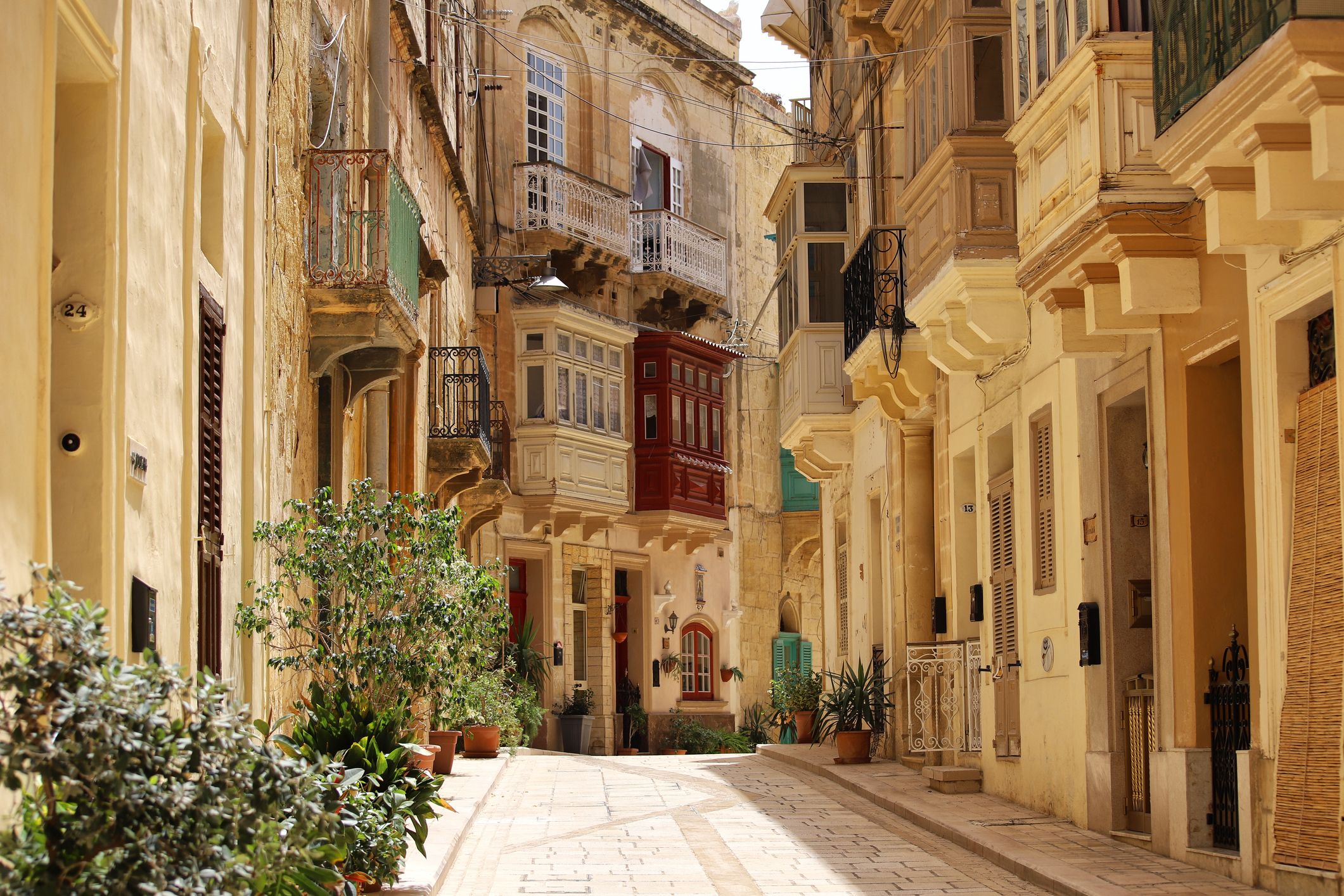
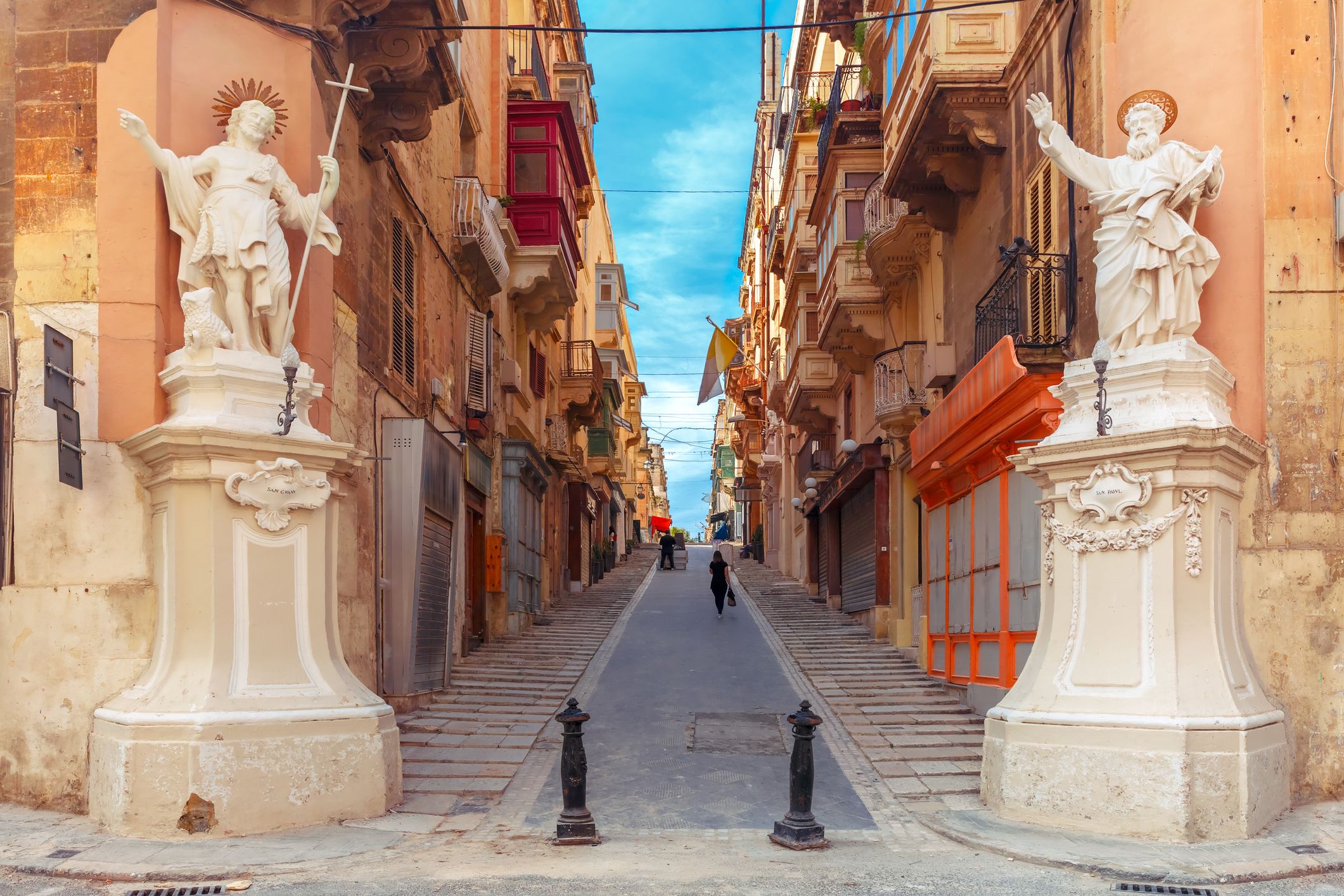
Valletta rises directly above its cruise waterfront, protected by bastions substantial enough to suggest that the city once viewed unannounced visitors with even greater suspicion than it does today.
The entire capital is UNESCO-listed. Its 320 monuments occupy just 55 hectares, giving Valletta one of the densest concentrations of historic buildings anywhere in the world. The city’s military architecture, churches, palaces and streets reflect the Knights of St John and the long succession of civilisations that controlled Malta before them.
From the terminal, walk towards the Barrakka Lift, which connects the harbour level directly with the Upper Barrakka Gardens. The cruise port describes it as the quickest and most scenic route into the centre. This is fortunate because walking up through the fortifications under the Maltese sun can turn an interest in history into a private dispute with topography.
The gardens overlook the Grand Harbour and the Three Cities, after which you can continue past the Auberge de Castille towards St John’s Co-Cathedral. Its restrained exterior gives no warning of the gilding, marble tombs and paintings inside, including Caravaggio’s The Beheading of Saint John the Baptist, the only work he’s known to have signed.
From there, follow Republic Street towards the Grandmaster’s Palace, then wander through the quieter lanes leading to the Lower Barrakka Gardens and Fort St Elmo. Valletta is compact, but its steep side streets ensure that no one mistakes compactness for flatness.
A longer call leaves time for the ferry across the Grand Harbour. The Three Cities aren’t part of Valletta’s UNESCO listing, but their waterfronts and fortifications make a very persuasive additional chapter.
Rhodes cruise port: enter the Medieval City through its walls
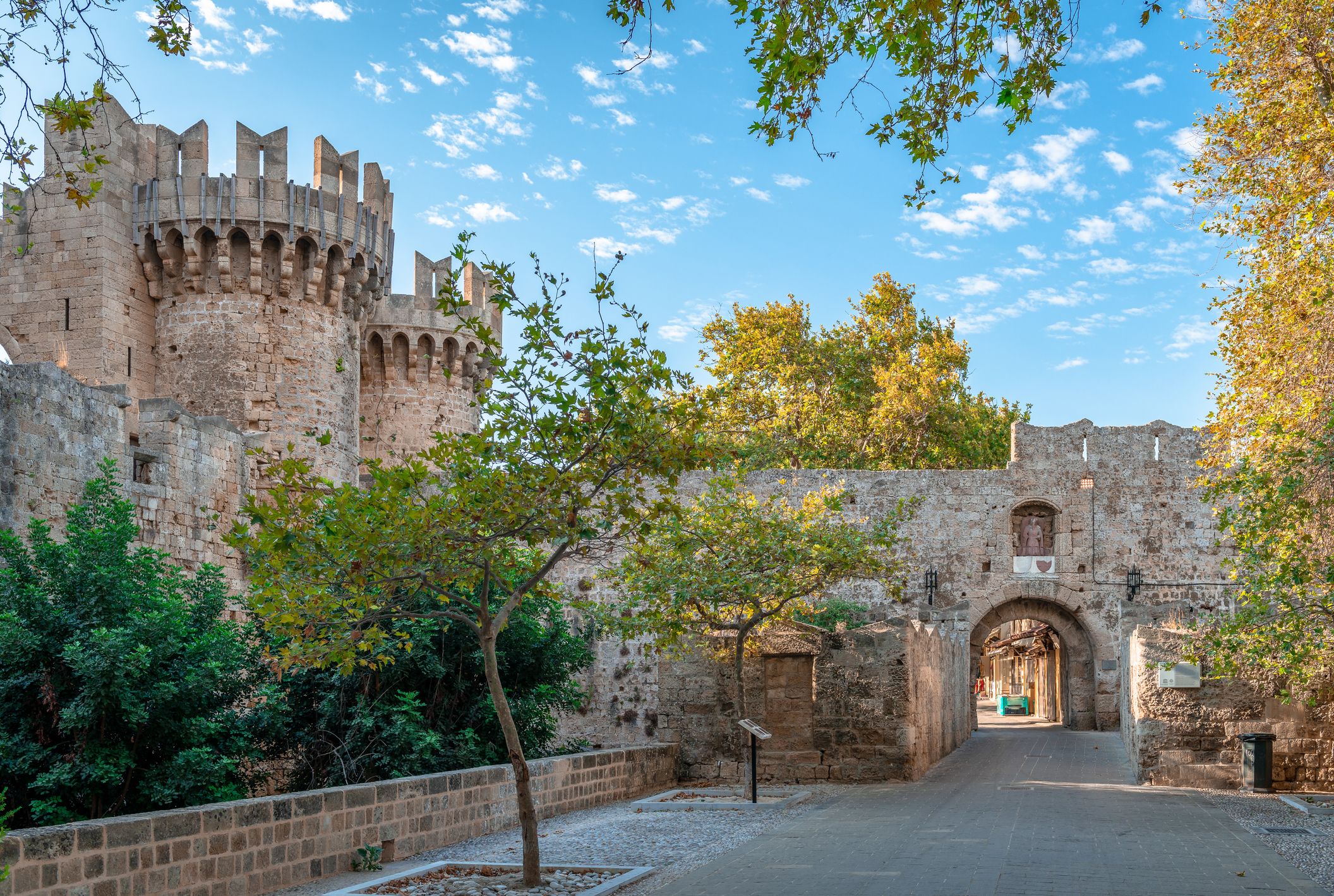
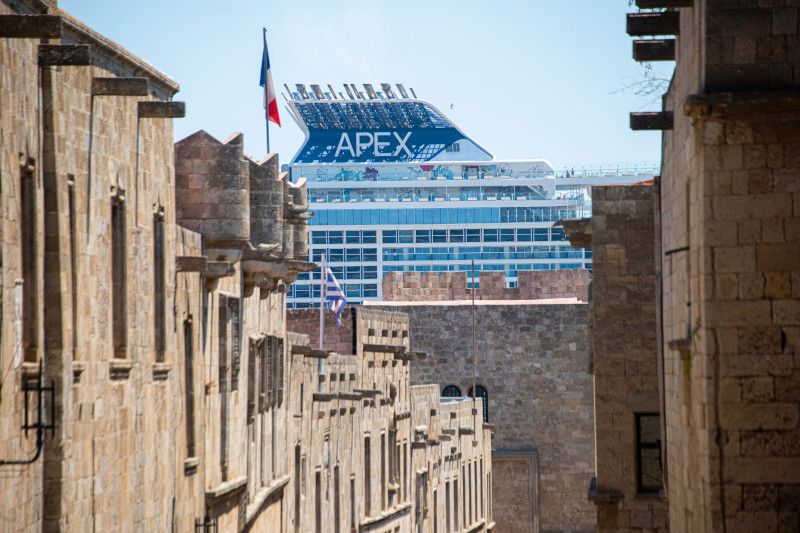
At Rhodes, the medieval walls appear almost immediately beyond the cruise harbour. There’s no complicated negotiation with public transport, just the unusual prospect of leaving a modern ship and entering a city once controlled by an order of armed hospitallers.
UNESCO’s Medieval City of Rhodes is enclosed by roughly four kilometres of fortifications. The upper town was shaped by the Knights of St John, while the lower town developed with streets, religious buildings, homes and commercial spaces reflecting later Ottoman and Italian rule.
Enter near Marine Gate and continue into Hippocrates Square, where cafés gather around the Castellania fountain. From here, Socratous Street climbs towards the Palace of the Grand Master, although it does so through enough shops to test whether you can resist purchasing olive oil in a container structurally unsuited to luggage.
The Street of the Knights is the city’s great formal set piece. Its stone inns once housed members of the Order according to their linguistic and regional groupings, known as “tongues”. The street leads towards the Grand Master’s Palace, rebuilt during the Italian occupation after an earlier structure was damaged by a gunpowder explosion in 1856.
The southern part of the old city has a looser, more residential quality, with Ottoman houses, mosques and the former Jewish quarter around the Square of the Jewish Martyrs. You can also walk outside the walls through the moat, which offers a better understanding of the scale of the defences and slightly less exposure to people attempting to sell you a knight’s helmet.
Rhodes rewards an unhurried circuit. The palace and archaeological museum charge admission, but the old streets, gates, walls and squares provide hours of free exploration.
Québec City cruise port: step ashore in historic Lower Town
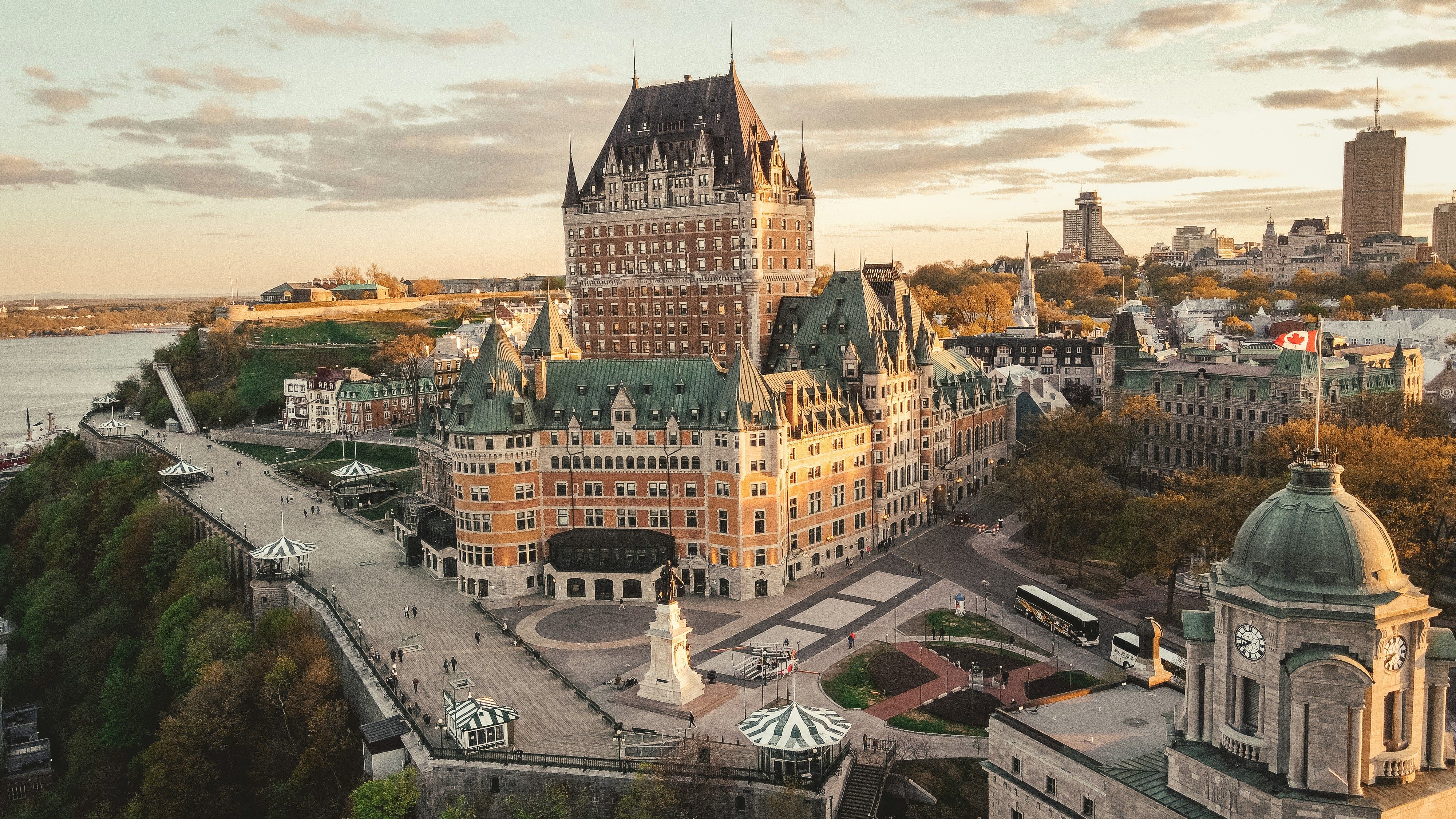
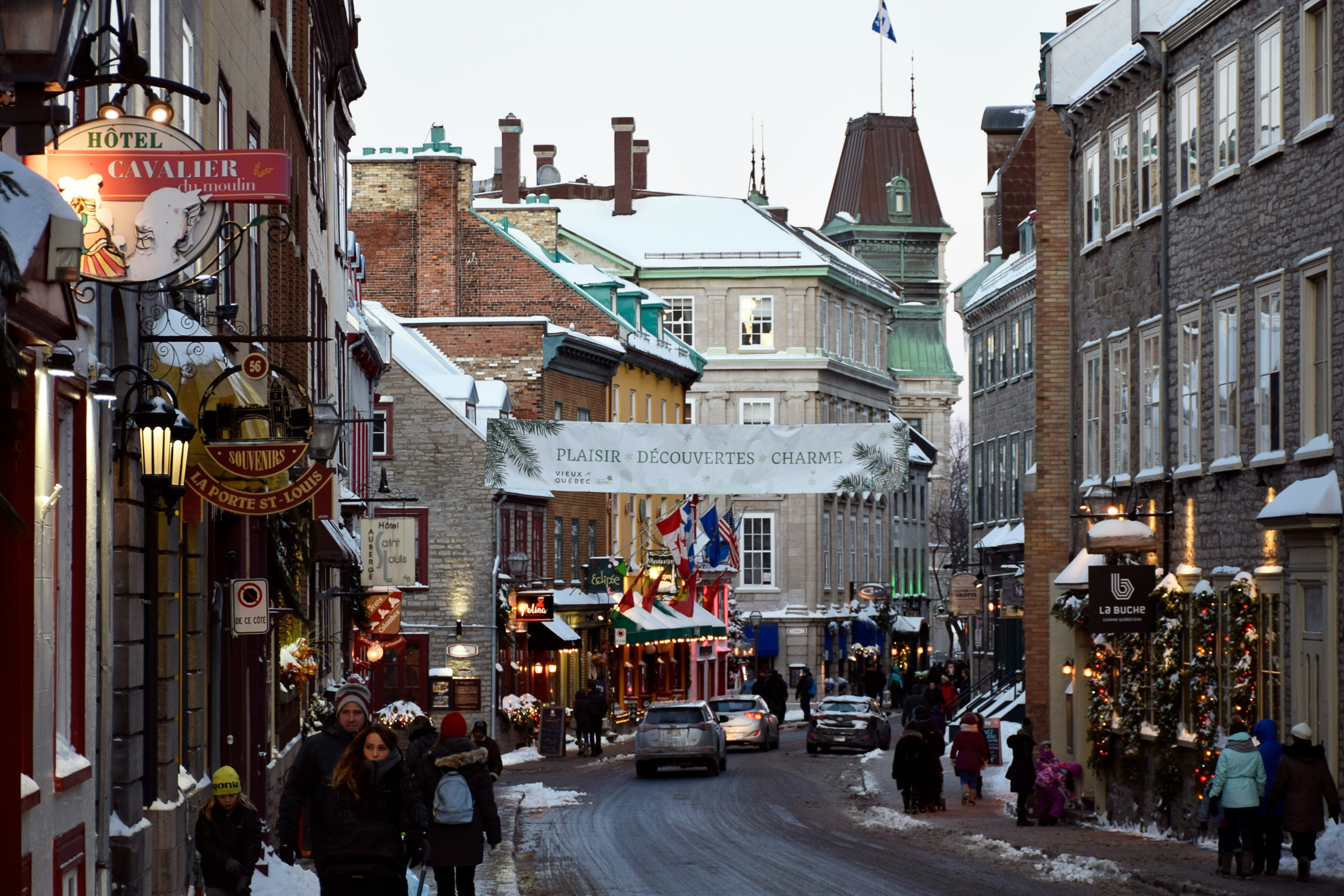
Québec City’s main cruise wharves place passengers beside the part of town everybody has come to see. Wharves 21 and 22 are just steps from the Petit-Champlain district, while the Ross-Gaudreault terminal sits close to both Old Québec and the riverfront.
The UNESCO-listed Historic District of Old Québec includes Lower Town around the harbour and Upper Town on Cap Diamant. Founded in the 17th century as the capital of New France, it remains the most complete fortified colonial city north of Mexico.
Begin at Place Royale, where stone houses gather around Notre-Dame-des-Victoires. From there, Rue du Petit-Champlain runs beneath the cliff in a sequence of small shops, restaurants and buildings apparently designed to make even a bin collection look picturesque.
To reach Upper Town, choose between the funicular and the Breakneck Stairs. Their name is more theatrical than statistical, though after several days of unrestricted cruise dining the funicular may acquire a compelling intellectual case.
At the top, Dufferin Terrace runs beneath Château Frontenac and overlooks the Saint Lawrence River. The hotel resembles a particularly ambitious castle, which is useful because the city already had fortifications and didn’t strictly require another one. Continue through the gates into the walled city, passing Place d’Armes, the Ursuline quarter and the ramparts. Old Québec is compact enough to explore on foot, though the tourism board reasonably warns that its hills can make the short distances feel more consequential.
The great advantage is that Lower Town and the harbour remain visible throughout the day. You’re never far from the ship, even when the streets, language and architecture suggest you’ve wandered considerably farther from North America.
Tallinn cruise port: walk from the terminal into the medieval Old Town

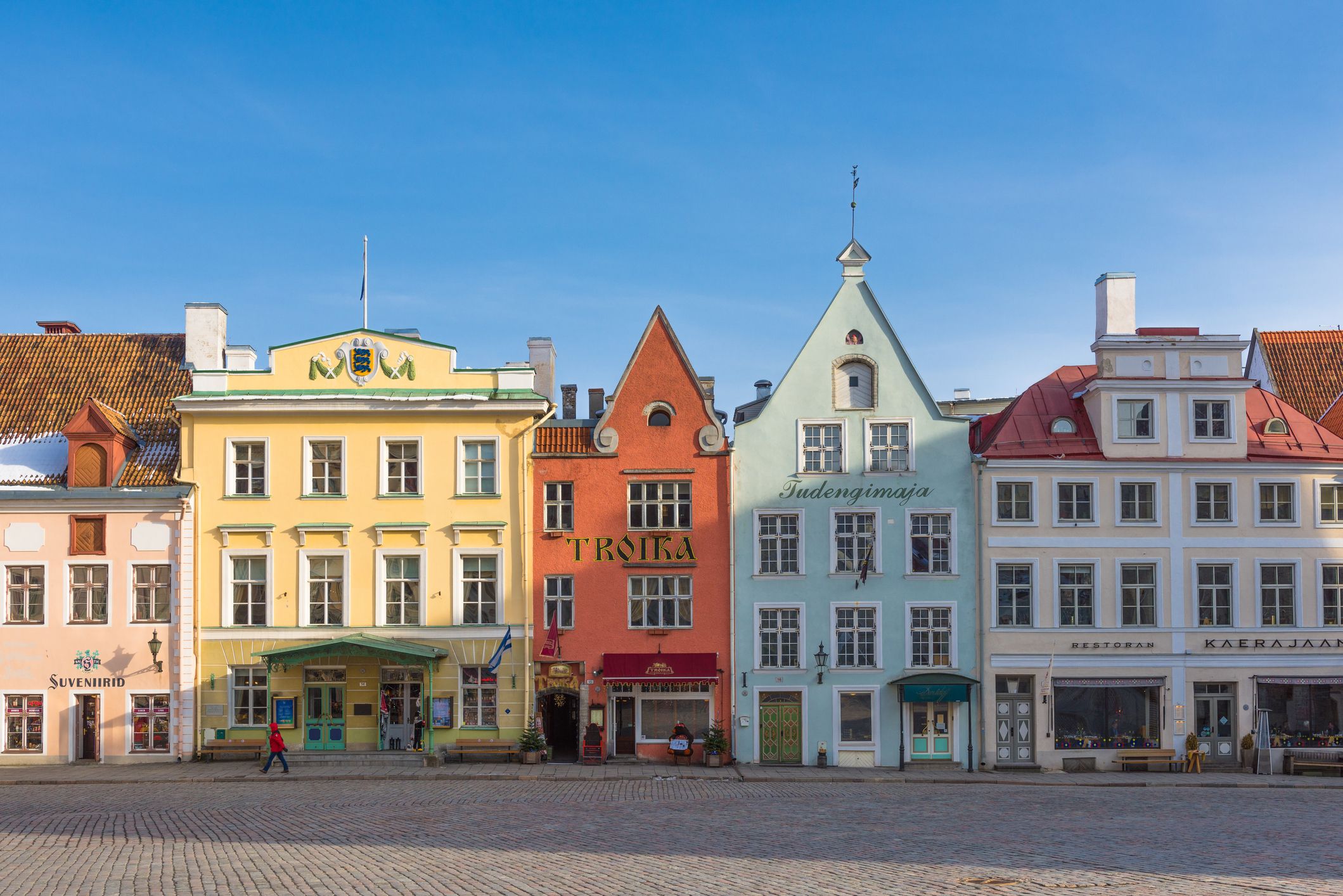
Tallinn makes visitors work slightly harder than Split or Rhodes, but only slightly. The main passenger and cruise terminals are around 15 to 20 minutes on foot from the medieval Old Town, depending on the berth.
The walk has improved considerably with the addition of the cruise terminal’s rooftop promenade, which links the port with pedestrian and cycling routes towards the city. It’s an unusually graceful introduction to somewhere reached by several thousand people at once.
Enter the UNESCO-listed centre near Fat Margaret, the immense round defensive tower that now houses the Estonian Maritime Museum. UNESCO describes Tallinn as an exceptionally complete medieval northern European trading city, shaped by its role in the Hanseatic League between the 13th and 16th centuries.
Pikk Street leads uphill through merchant houses, guild buildings and churches towards Town Hall Square. The surrounding lanes are undeniably atmospheric, despite an economy now based less on salt and furs than coffee, software and photographing cinnamon buns.
Continue to Toompea for the Alexander Nevsky Cathedral, the parliament building and the Kohtuotsa and Patkuli viewing platforms. From above, the red roofs, towers and harbour line up neatly enough to make the return route reassuringly obvious.
For a longer day, descend towards Balti Jaam Market and Kalamaja before returning to the terminal. Tallinn’s strength is that its UNESCO core remains part of a much larger contemporary city. Medieval walls survive alongside creative districts and trams rather than sealing the old town inside a historical snow globe.
Kotor cruise port: cross the road into the fortified Old Town
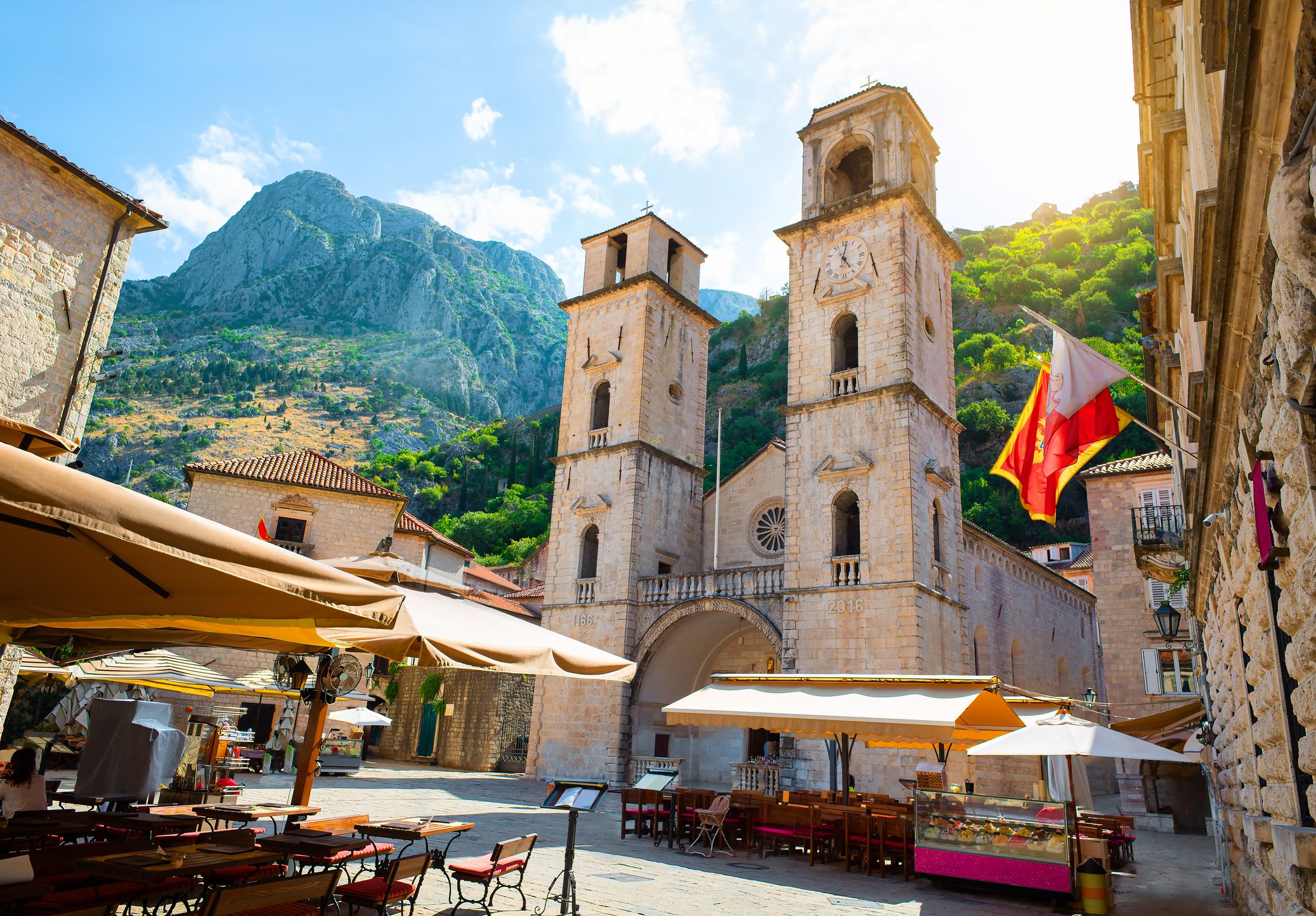
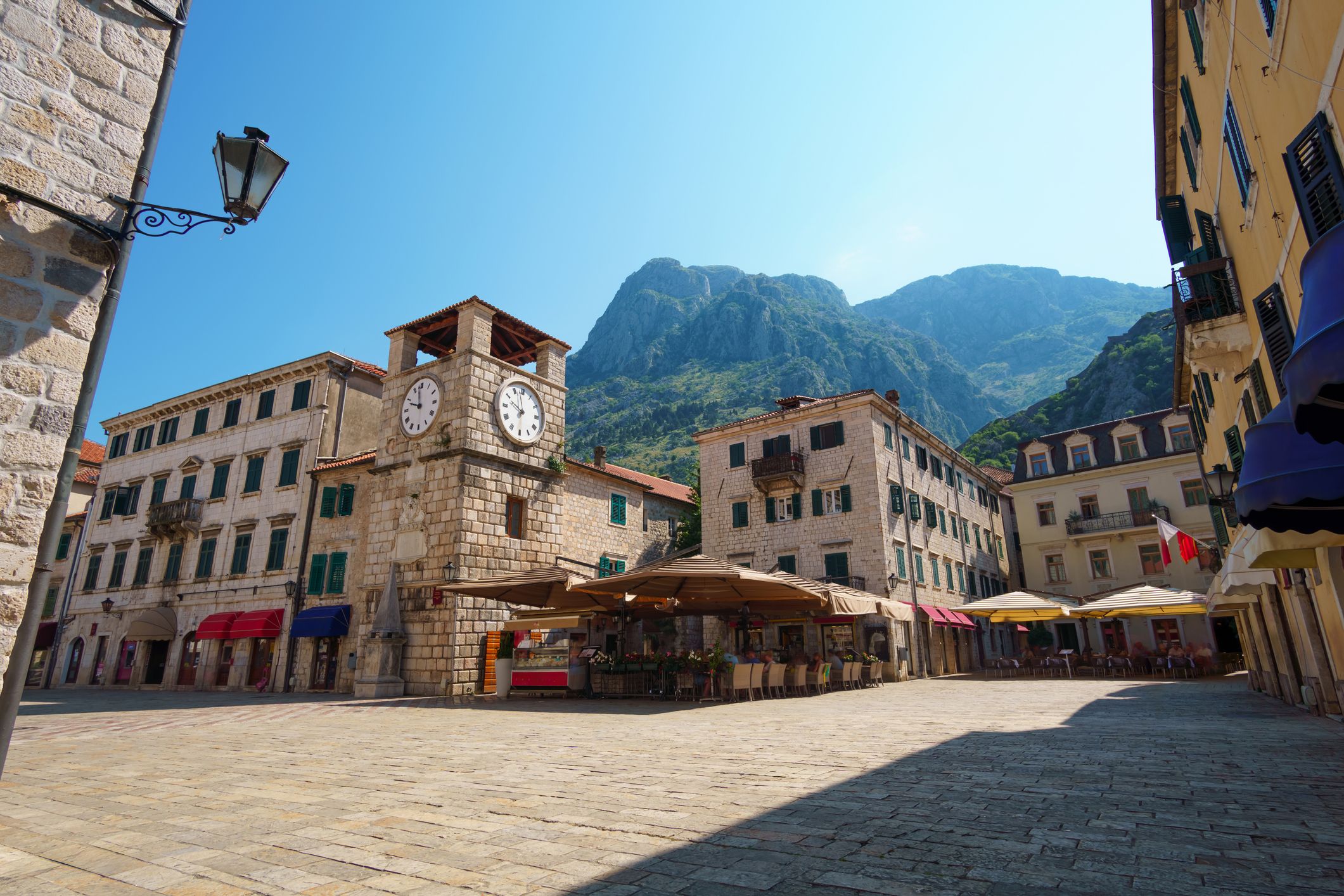
Kotor offers perhaps the most literal version of the premise. The port sits directly in front of the Old Town’s walls, while tender passengers are normally landed beside the waterfront nearby. The official port describes its position as being in front of the fortifications, which leaves little room for a transport provider to improve upon matters.
The UNESCO designation covers more than the walled town. The Natural and Culturo-Historical Region of Kotor includes the surrounding bay, settlements and mountain landscape, recognising the relationship between the fortified towns and their dramatic setting.
Pass through the Sea Gate into the Square of Arms, where the Clock Tower stands opposite a collection of palaces and cafés. Kotor’s lanes rarely proceed in a manner that would satisfy an urban planner, but getting mildly lost is difficult to regret when every wrong turn produces another church, courtyard or extremely well-fed cat.
The Cathedral of St Tryphon is the main landmark, while the Maritime Museum occupies the Grgurina Palace nearby. The port’s own visitor information recommends both, along with the town’s bastions, palaces and squares.
Those with strong legs and suitable shoes can climb the fortifications above the town. The walls rise towards the Church of Our Lady of Remedy and the Castle of San Giovanni, gaining increasingly extravagant views across the orange roofs and bay. This should be approached as a hike, not an innocent extension of a gentle stroll. Summer heat can make the upper steps feel like a character-building exercise nobody requested.
Remaining below is no hardship. Kotor’s churches, squares and waterfront will comfortably fill a shorter call, particularly after allowing time to determine whether the town’s cats are decorative, civic employees or its actual governing body.
Bergen cruise port: walk along the harbour to Bryggen

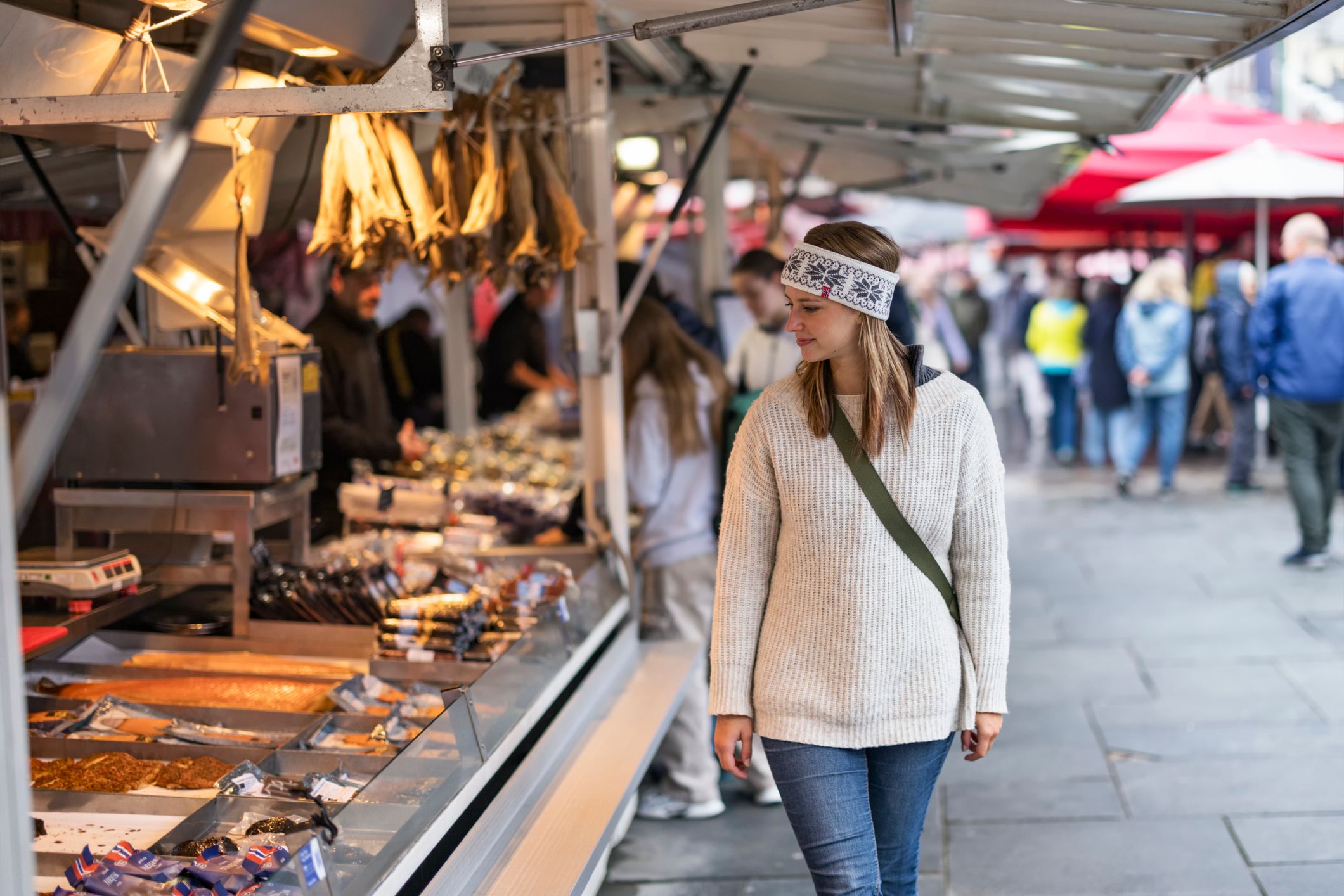
Bergen’s central cruise berths at Skolten and Bontelabo sit close to Bryggen, with a waterfront walk leading towards the historic wharf and city centre. Ships assigned to more distant berths may require a longer walk or shuttle, so this is one port where checking the day’s docking information is worth the thirty seconds it takes.
Bryggen is the surviving heart of Bergen’s Hanseatic trading history. German merchants established an overseas office here in the 14th century and controlled much of the stockfish trade from northern Norway. Fires repeatedly destroyed the wooden buildings, but reconstruction followed the traditional layout and methods, preserving the narrow passages and long timber structures that define the site today.
Don’t settle for photographing the famous row from across the harbour. Walk between the buildings, where galleries, workshops and small shops occupy dark timber passages that lean and creak with considerable historical confidence. Visit Bergen notes that the most interesting part of Bryggen is often hidden behind its waterfront façades.
Bryggens Museum explores the archaeology uncovered after the 1955 fire. From there, continue to the Fish Market, which has served as a trading place for fishermen and townspeople since the Middle Ages. Today it sells seafood, produce and meals at prices that may prompt a brief reassessment of your relationship with prawns.
The lower station of the Fløibanen is only a few minutes from Bryggen. The funicular reaches Mount Fløyen in around six minutes, offering city and harbour views without requiring passengers to personally ascend one of Bergen’s seven mountains.
Rain is likely enough to deserve preparation, but it suits the dark timber, harbour reflections and general mood. Bergen in uninterrupted sunshine can feel faintly as though somebody has adjusted the wrong setting.
San Juan cruise port: walk into a UNESCO fortress city
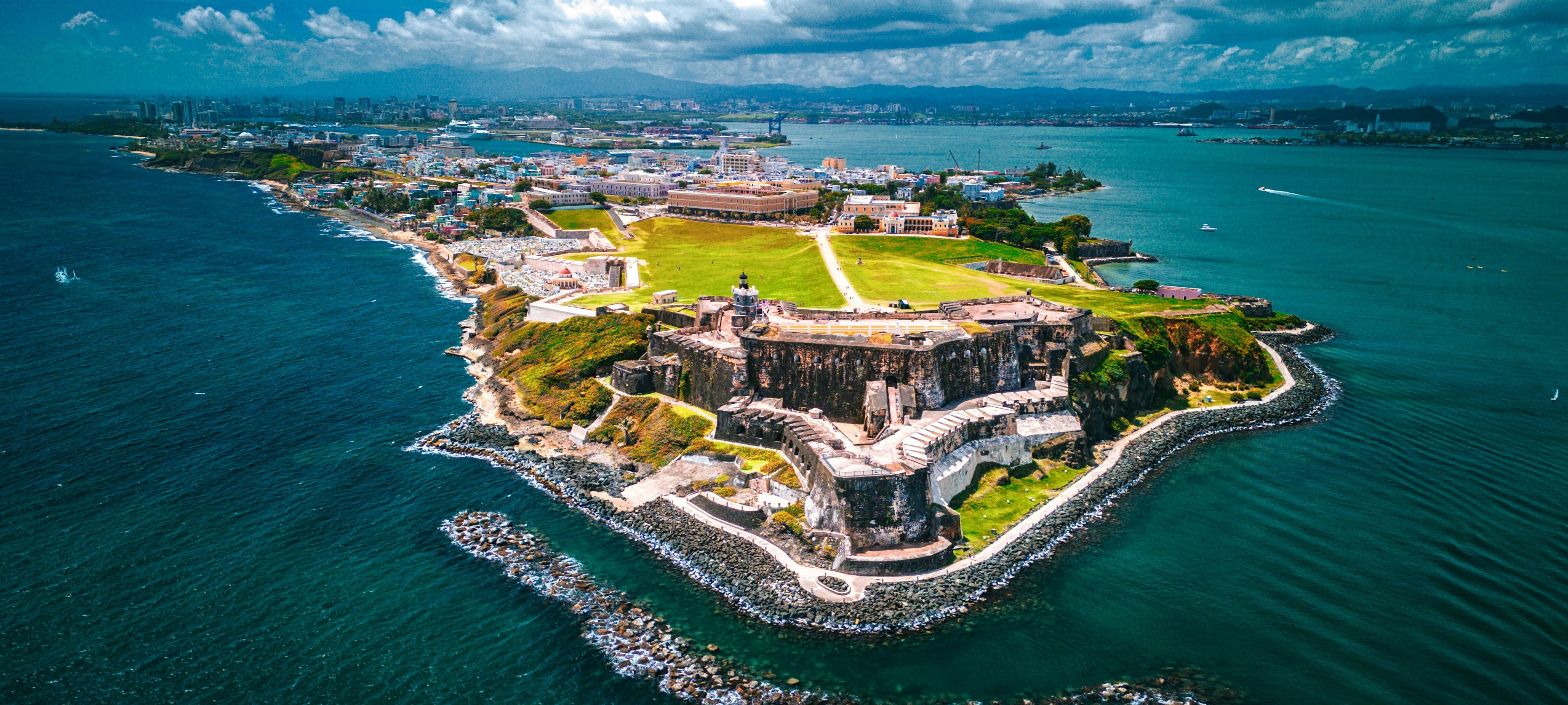
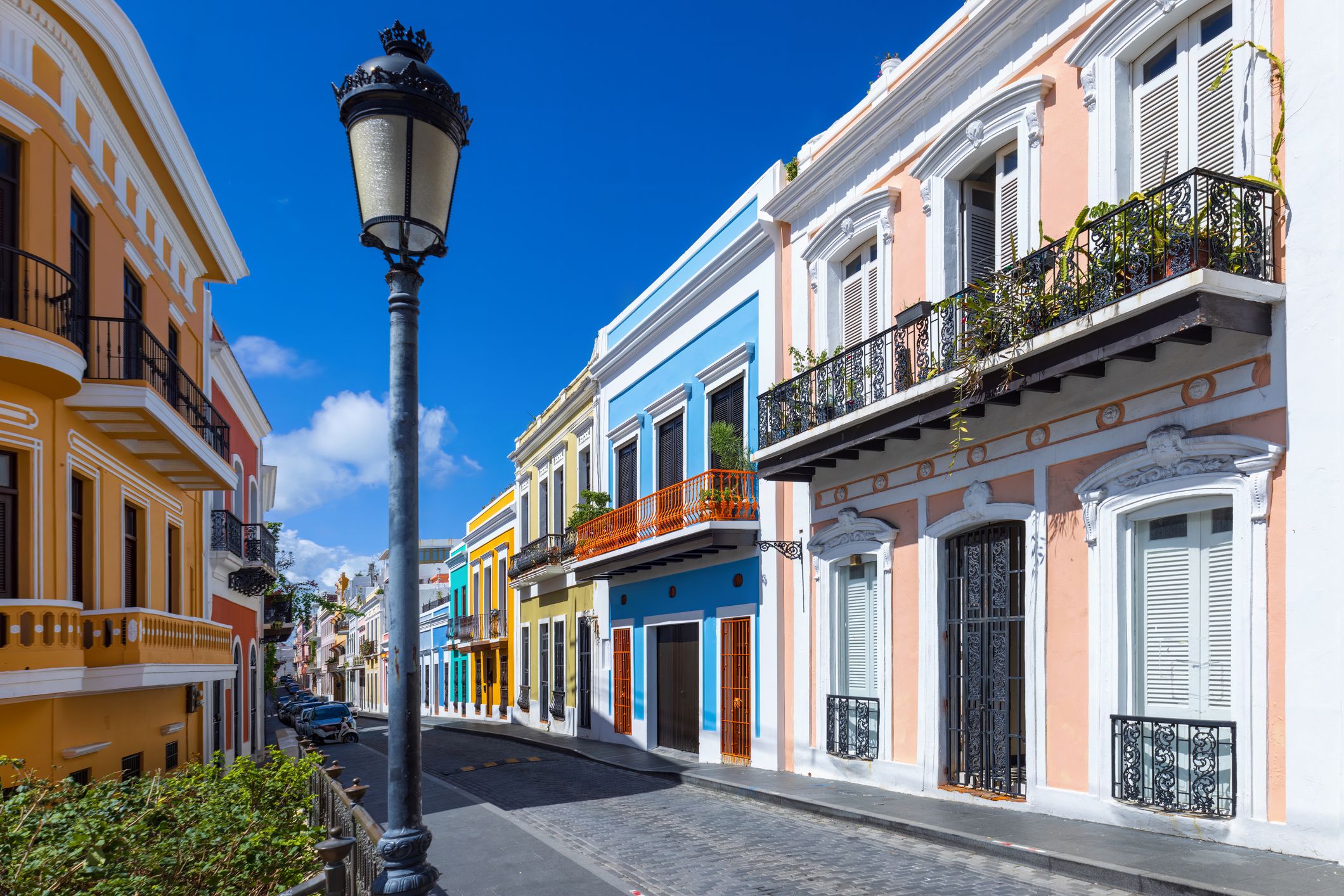
Ships docking at Old San Juan’s central piers arrive within walking distance of the old streets and fortifications. The important exception is the Pan American terminal across the bay, which requires a taxi or transfer. San Juan has both facilities, so the words “San Juan cruise port” are not enough information on their own.
For ships at the old-city piers, the route begins immediately. Discover Puerto Rico describes the historic landmarks, shops and restaurants as just steps from the terminal, with El Morro around a 20-minute walk away.
UNESCO’s designation covers La Fortaleza and the San Juan National Historic Site, a network of fortifications built between the 16th and 20th centuries to defend the harbour and city. The walls, forts and governor’s residence demonstrate how European military architecture was adapted to the Caribbean.
Walk west along the waterfront towards Paseo de la Princesa and the red San Juan Gate, once one of the principal entrances through the city walls. From there, the path beneath the fortifications curves towards La Fortaleza, still used as the governor’s residence.
Continue across Old San Juan to Castillo San Felipe del Morro. Its ramparts overlook the Atlantic and harbour entrance, while the great lawn outside is used by local families for kite flying. One admission ticket also covers Castillo San Cristóbal, the enormous fortification guarding the city’s eastern approach.
The route involves hills, heat and cobbled streets polished by several centuries of use. Take water, wear proper shoes and don’t mistake the colourful façades for evidence that the gradient will be friendly.
Why walkable UNESCO cruise ports make better port days
The UNESCO label doesn’t automatically produce a good visit. It can encourage rushing, queues and a determined effort to photograph the same building from exactly the same angle as everybody else.
What makes these ports special is the absence of a long transfer between ship and city. You can leave Split for lunch and return to the palace later. You can see Valletta’s skyline from the harbour before taking the lift into it. In Québec City and San Juan, the fortifications explain why the port exists where it does. Bergen, Kotor and Tallinn still reveal the old relationship between trade, defence and the water outside their walls.
The ship hasn’t merely delivered you near the history. For once, it has parked beside it.