Cruising produces a lot of conflicting advice. Some of it is genuinely helpful. Some of it is repeated so often it acquires the sheen of truth by sheer exhaustion. And some of it was probably invented by a man in a Royal Caribbean branded polo shirt in 2007 and has been roaming the seven seas ever since.
So here is the sorting hat version. Seven cruise clichés that really do earn their place, and three that should be treated less like commandments and more like the opinions of people who have become far too emotionally involved in their favourite way to holiday.
1. Pack a carry-on, and for once listen to the boring people
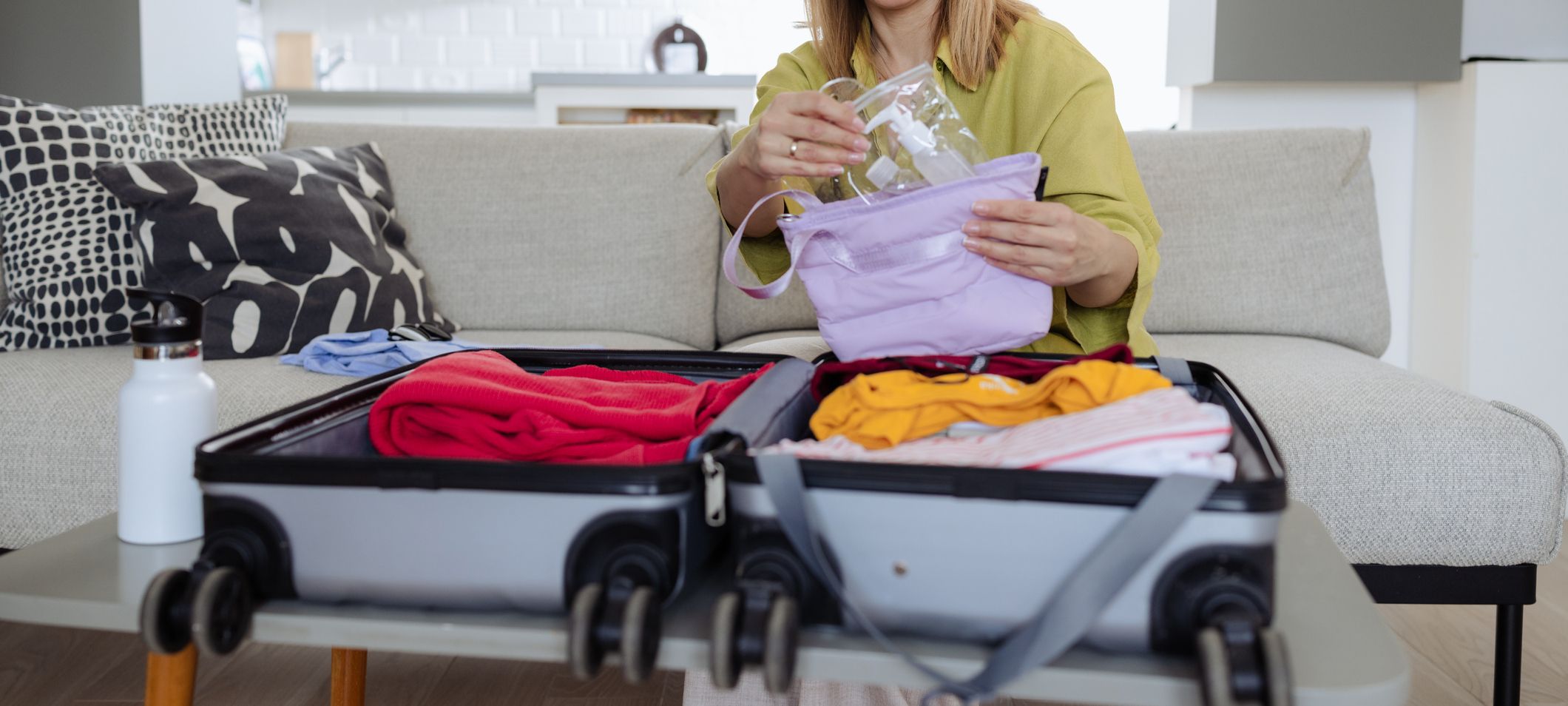
This one is annoyingly correct. Your checked bags don't magically appear in your cabin the second you step on board, and cruise lines are very clear that you should keep the essentials with you. Royal Caribbean recommends a small carry-on with travel documents, a change of clothes, a swimsuit, workout gear and any medication you might need, precisely so you are not waiting around for your suitcase before your holiday can begin. It also specifically advises that medications travel in your carry-on, in their original labelled containers, to reduce the risk of loss or diversion.
A carry-on is not glamorous, but neither is standing at 5:30pm in yesterday’s airport clothes beside the pool because your luggage is still touring the ship without you.
2. If you get seasick, choose midship and lower down
No one wants cabin advice to be true because cabin advice is the least romantic part of cruise planning. Yet here we are.
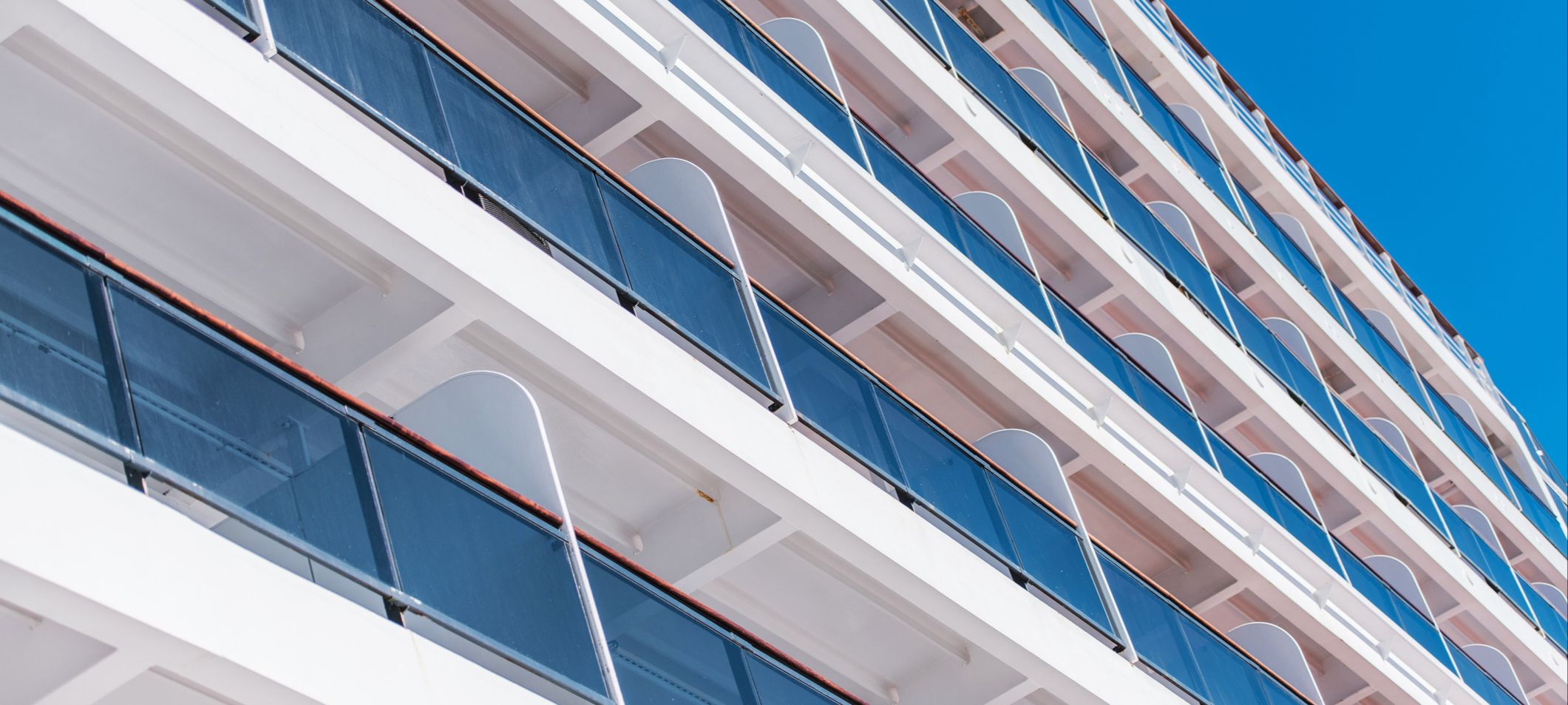
Princess says that if you are prone to motion sickness, you should look at rooms on a lower deck and in the middle of the ship because they typically experience less movement. It also notes that balcony cabins can help some people because fresh air is useful when you are feeling queasy.
This is not one of those bits of cruise folklore that sounds fussy but makes no difference. It makes a difference. If your stomach is effected by motion, choose the boringly stable bit of the ship and enjoy your holiday instead of trying to prove something to the ocean.
3. If you’re a light sleeper, stay away from the fun
Another deeply unsexy truth. Quiet cabins are not found by intuition. They are found by looking at what is above you, below you and next to you, then behaving accordingly.
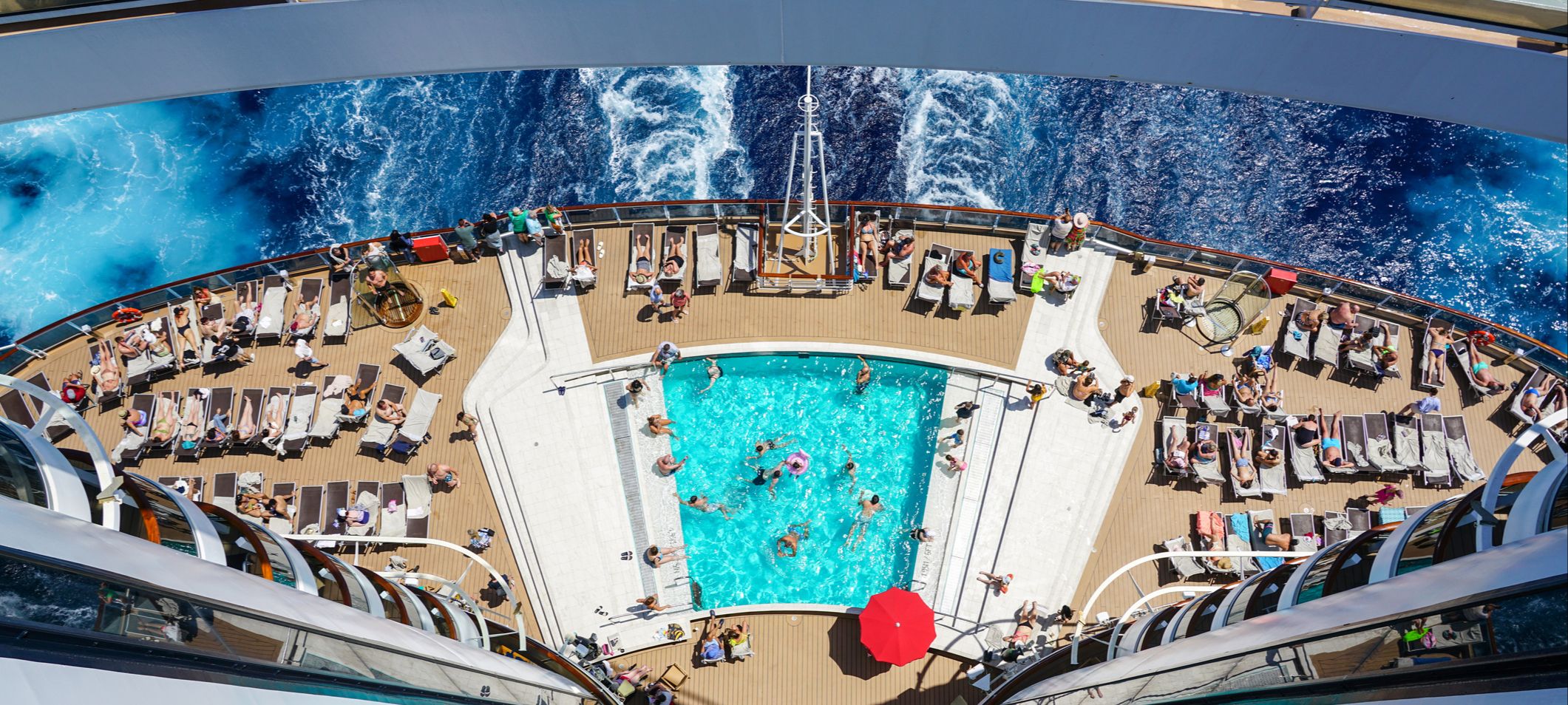
Princess’s room guide says quieter rooms are generally away from the main activity areas, while cabins close to pools, clubs, lounges and elevators can bring either convenience or noise, depending on your tolerance and your life choices.
A cabin directly under the pool deck may look perfectly innocent on a deck plan. At 6am, when somebody starts dragging loungers around with the tenderness of a skip hire company, it will seem less innocent.
4. If you’re flying in, arrive the day before
This one remains correct no matter how many times optimistic people try to outwit it.
Celebrity says there are many reasons to arrive a day early for your cruise, including reducing the risk of getting caught by flight delays and starting more relaxed. Princess says much the same: if you are flying to your port, try to arrive a day ahead to avoid delay-related panic and begin the trip more calmly.
Could you fly in on the day and make it just fine? Of course. People also cut it fine getting back to the ship and occasionally succeed. The question is not whether it is possible. The question is whether you want your holiday to begin with a sprint through an airport while silently blaming air traffic control for your own decisions.
5. Do the online check-in before you go
I know. Nobody has ever said, “My favourite part of the cruise was uploading my passport details in advance.” Still, it works.
Royal Caribbean says using check-in before sailing gives you the smoothest pier experience, while Celebrity says online check-in speeds up embarkation and helps get you on board faster. Royal also notes that if you do not complete check-in in advance, you may need to arrive earlier and complete the process at the terminal instead.
Cruise admin is like brushing your teeth. It is dull, faintly irritating, but much better done before the consequences arrive.
6. Pre-book the high-demand stuff
This does not mean pre-book absolutely every minute of your life until the ship starts to feel like a military timetable. It does mean recognising that the things people actually want tend to fill up.
Royal Caribbean says dining, shore excursions, entertainment and activities can be reserved before you board, and Celebrity says specialty restaurants and popular shore excursions can fill up quickly, so it is best to reserve them early if they matter to you.
The trick is to pre-book the things you would be genuinely annoyed to miss, then leave the rest alone. There is a difference between being organised and trying to control an entire floating city with your phone.
7. If the port is far-flung or logistically fiddly, the ship’s excursion can be worth it

Independent touring is wonderful right up to the point where it is not.
Celebrity states outright that when you book one of its private journeys, the ship will wait if the tour is delayed, and if it cannot, the line will arrange your return at no extra expense. Celebrity also says more generally that when you book an excursion through the cruise line, you are guaranteed to get back to the ship before it sails.
This does not mean you should only ever book ship tours and surrender all autonomy. It means that if you are heading hours inland, dealing with unpredictable traffic, or relying on multiple bits of transport to line up correctly, the ship-sponsored option is not cowardice. It is sometimes simply the mature choice.
And one more, because people still manage to ignore it: don’t cut all-aboard fine
Cruise lines keep saying this because passengers keep acting as though “5pm back on board” is a mood rather than a time.
Celebrity’s first-timer guidance says not to be late, full stop, because you can be denied boarding if you miss the cut-off. Its broader cruise tips also remind passengers that ship time and port time can differ, and that you need to watch the clock properly when you are ashore.
This advice is not overcautious.
Now for the three that are mostly nonsense...
8. “Board as early as humanly possible”
This sounds savvy, but it is not universally true. Some lines actively tell you not to turn up before your assigned time.
Royal Caribbean says guests should arrive within the arrival slot selected during app check-in, and notes that those who show up early will not be able to begin boarding. Norwegian says the same thing more bluntly, asking guests not to arrive earlier than one hour before their embarkation time because security regulations may prohibit early entrance.
Now, Celebrity does note that getting there when boarding begins can help you avoid some lines and gives you more time on board. That is fair enough. But “board as early as possible” is not really advice anymore. It is a personality type. The better rule is simpler: know your line’s process, turn up at the time you are supposed to, and do not try to freeload on a schedule that does not belong to you.
9. “Avoid the main dining room on the first or last night”
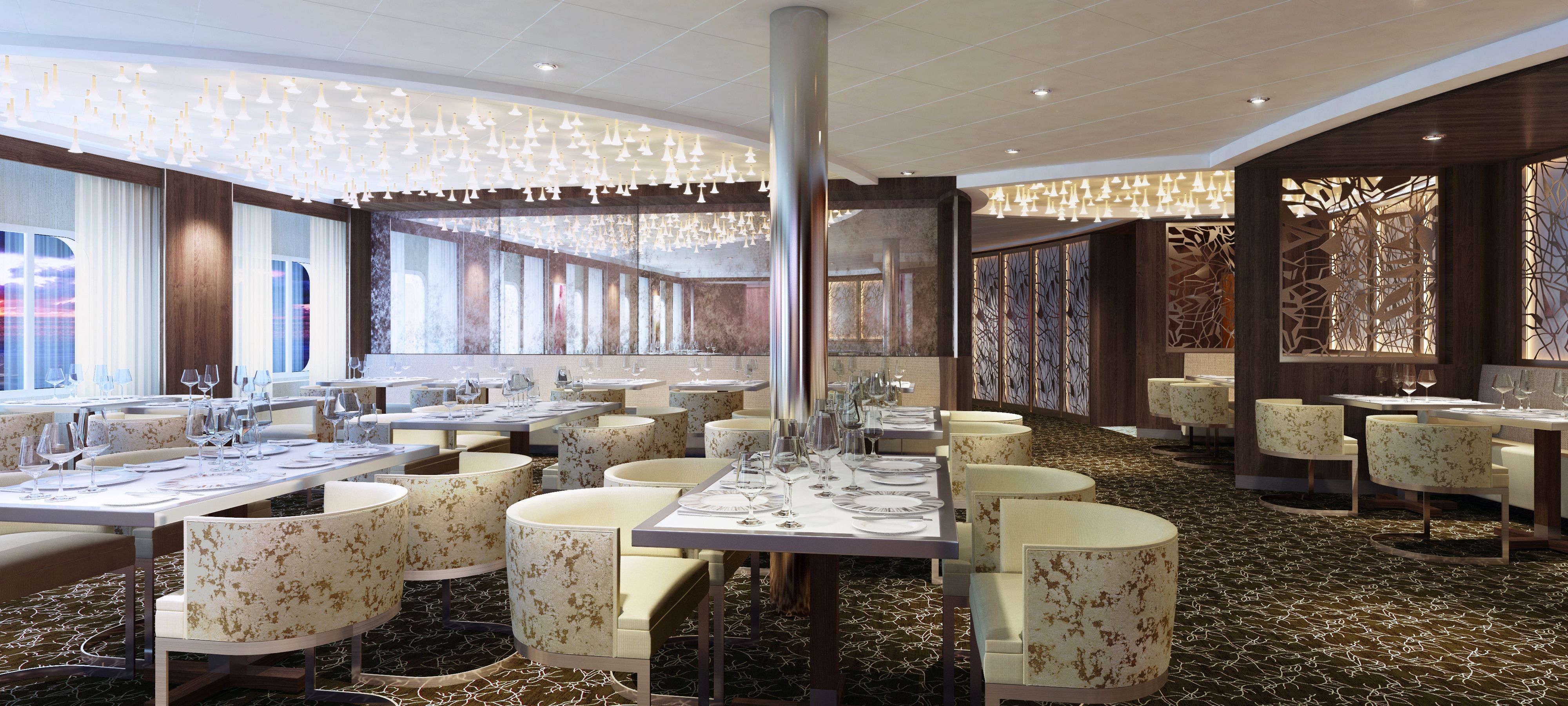
No. This is not wisdom. This is preference that has become folklore.
Cruise Critic points out that embarkation night can be a good time to try specialty dining because those restaurants are often less crowded and sometimes discounted. That is useful information. It does not automatically mean the main dining room is a mistake. Some people like meeting their serving team on the first night, settling into the rhythm of the ship, and eating the included dinner they have, in fact, already paid for.
The last-night version of this cliché is even flimsier. Unless you have a very specific reason to dine elsewhere, the right answer is simply the one you feel like. This is dinner, not constitutional law.
10. “Avoid the buffet at all costs on embarkation day”
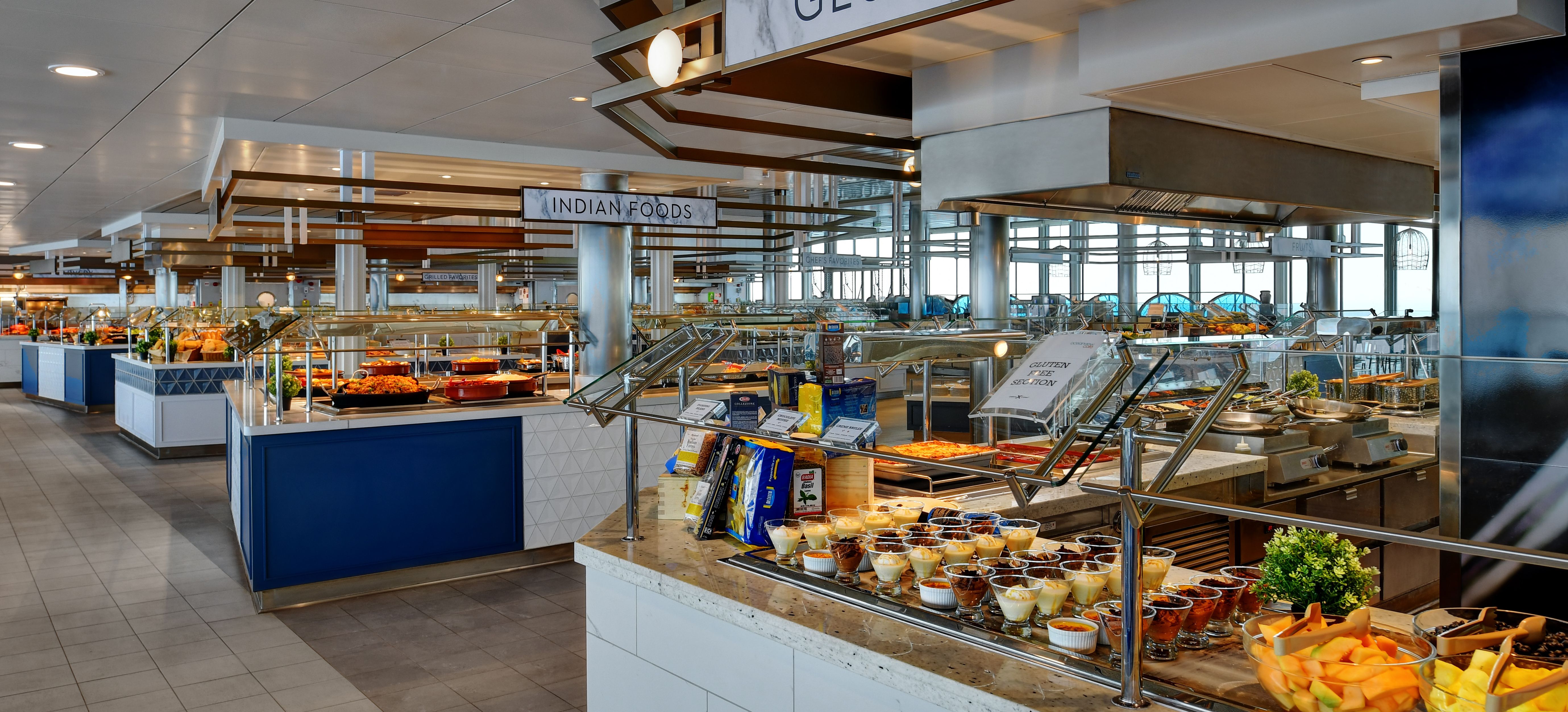
People say this as though the buffet has been formally condemned by an international tribunal. What they usually mean is that embarkation day can be busy, and yes, it can.
Celebrity says there is often an initial rush when boarding begins and another one after lunch, but it also points out that once on board you can head to restaurants, al fresco spots, bars, lounges or the buffet depending on what you want. In other words, the buffet is not a trap. It is one option among several.
If you hate crowds, by all means look for a quieter venue. If you are starving and the buffet is right there, eat lunch and move on with your life. Cruise advice has a bad habit of turning ordinary choices into ideological positions.
The final sorting
The genuinely useful cruise clichés are the ones that reduce friction. Carry-on bag. Midship if you get queasy. Arrive the day before. Check in online. Pre-book the scarce stuff. Be sensible about far-flung excursions. Keep an eye on ship time like a grown-up. All of these save you trouble without demanding that you transform into a different person.
The bad clichés are the ones that mistake habit for universal truth. Board absurdly early. Never eat here on this night. Avoid that lunch venue like it owes you money. Most of those are not rules. They are just other people’s routines wearing the costume of expertise.
Which, now that I think about it, may be the most reliable cruise cliché of all.