
Bringing a dog across the Atlantic is one of travel’s great logistical puzzles. The one ocean-going shortcut? Queen Mary 2’s kennels: a tiny, well-run world on Deck 12 where four-legged passengers cross with considerably more dignity than most of us have at airport security.
The only big-ship option: QM2’s kennels, in detail
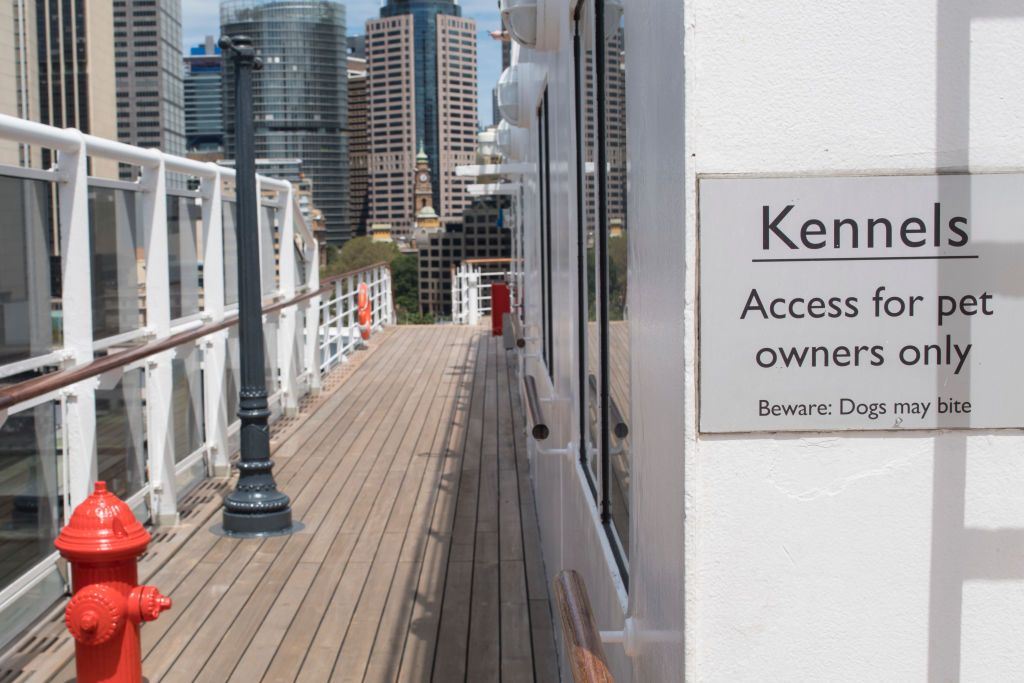
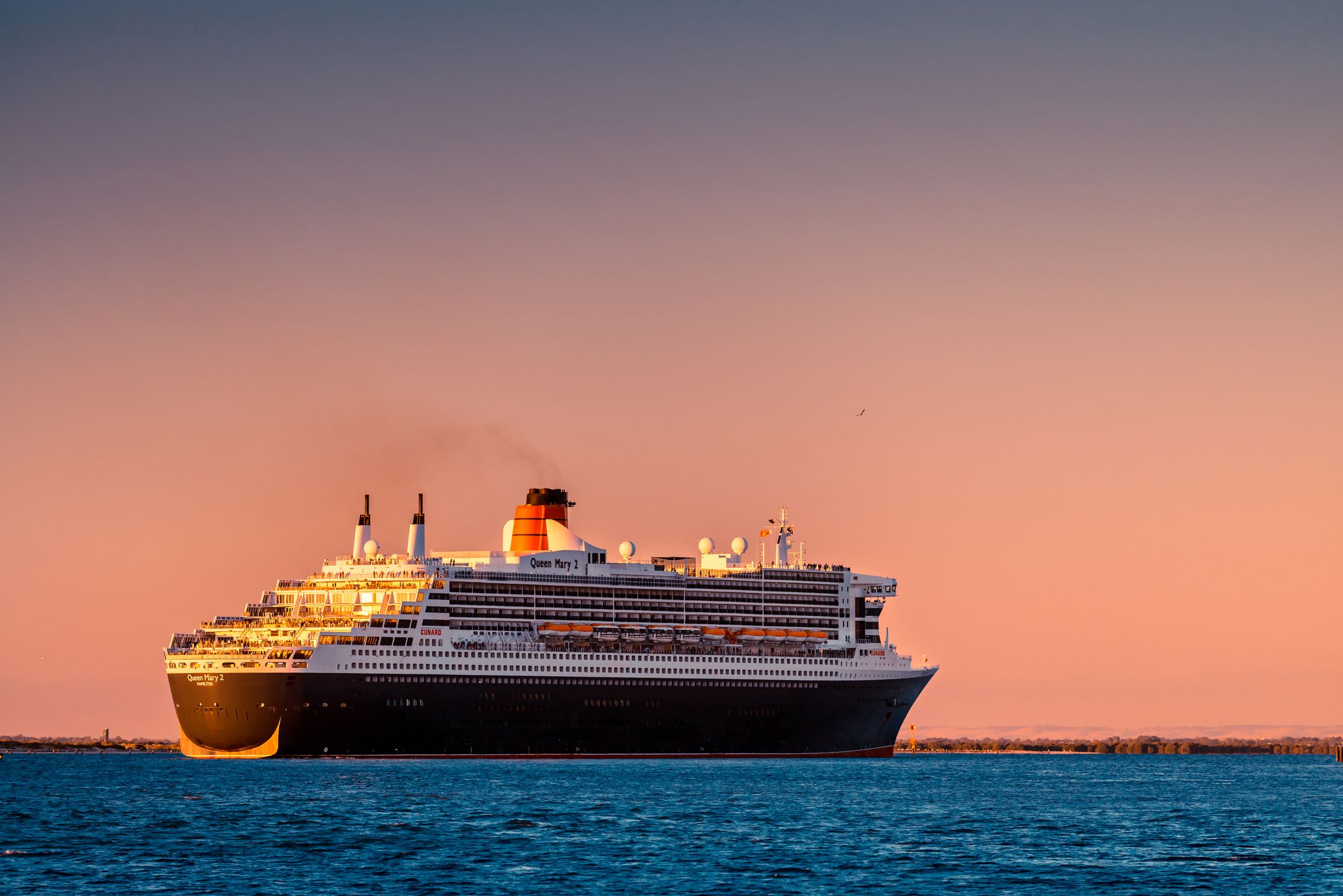
Where and what: The kennels sit on Deck 12 with a private outdoor deck, complete with the famous New York fire hydrant and Liverpool lamppost; a polite nod to canine cultural sensitivities. Capacity is 24 kennels (12 upper, 12 lower), each air-conditioned, with bedding and bowls. Pets get their own lifejackets and there’s a small owners’ lounge.
Sizes & limits: Upper kennels suit pets ≤11kg; lower kennels ≥11kg. Max length 86cm and height 68cm per kennel; two adjacent kennels can be combined for very long dogs (charged as two). Certain large breeds aren’t accepted due to size limits, and UK-prohibited breeds (e.g., XL bully, Pit Bull-type) cannot travel.
Food & care: You’ll pre-select from approved pet-food brands (or bring your own). Fresh chicken, veg, rice/broth can be ordered to the kennel. Walking/feeding can be owner-led during opening hours or handled by the Kennel Master. There’s no vet on board, plan medications accordingly.
Where pets can go: With the exception of assistance dogs, pets live in the kennel complex and its deck area; they don’t roam the ship. (It keeps everyone’s allergies under control.)
Booking a kennel: timing, how to secure one, and costs
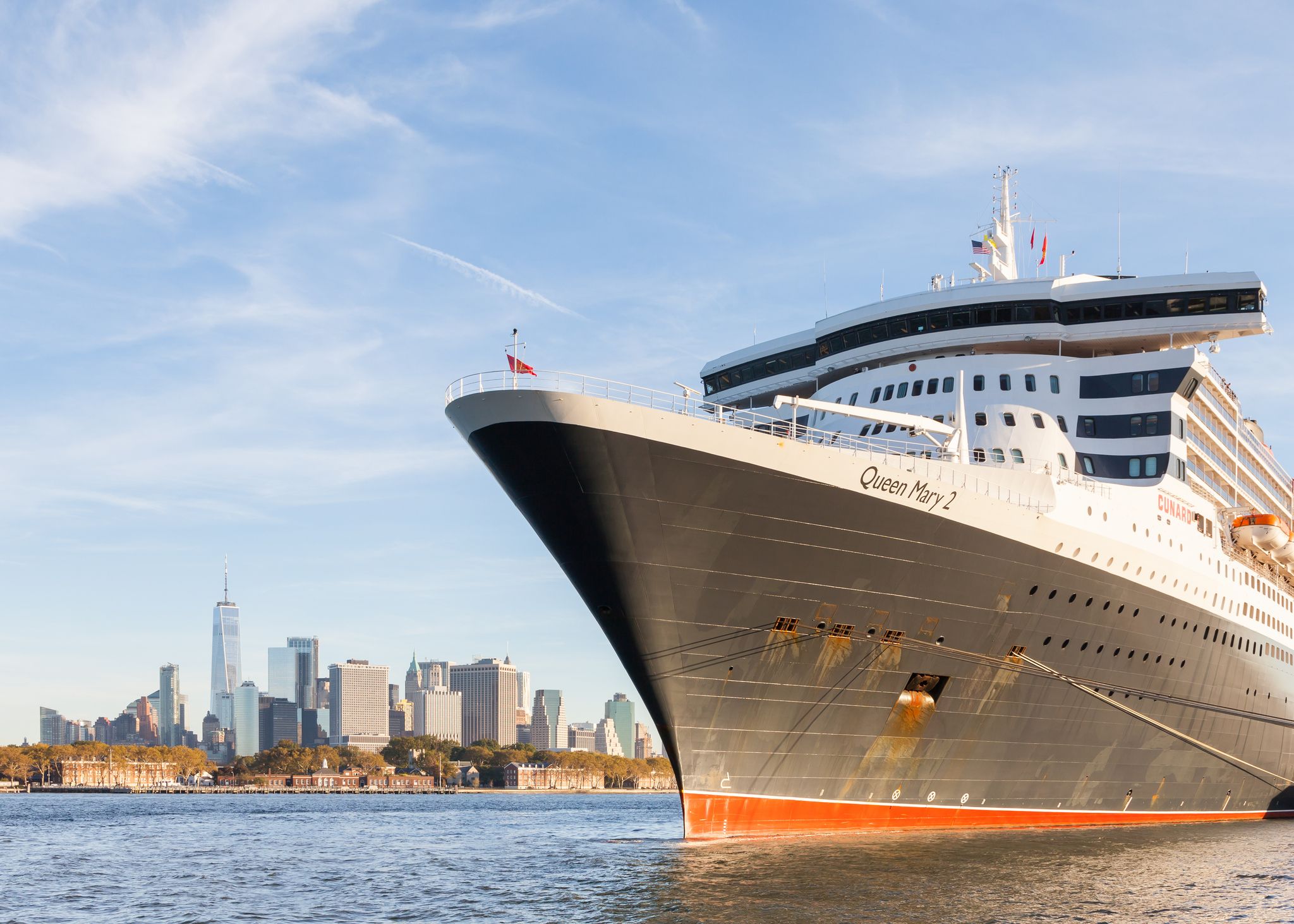
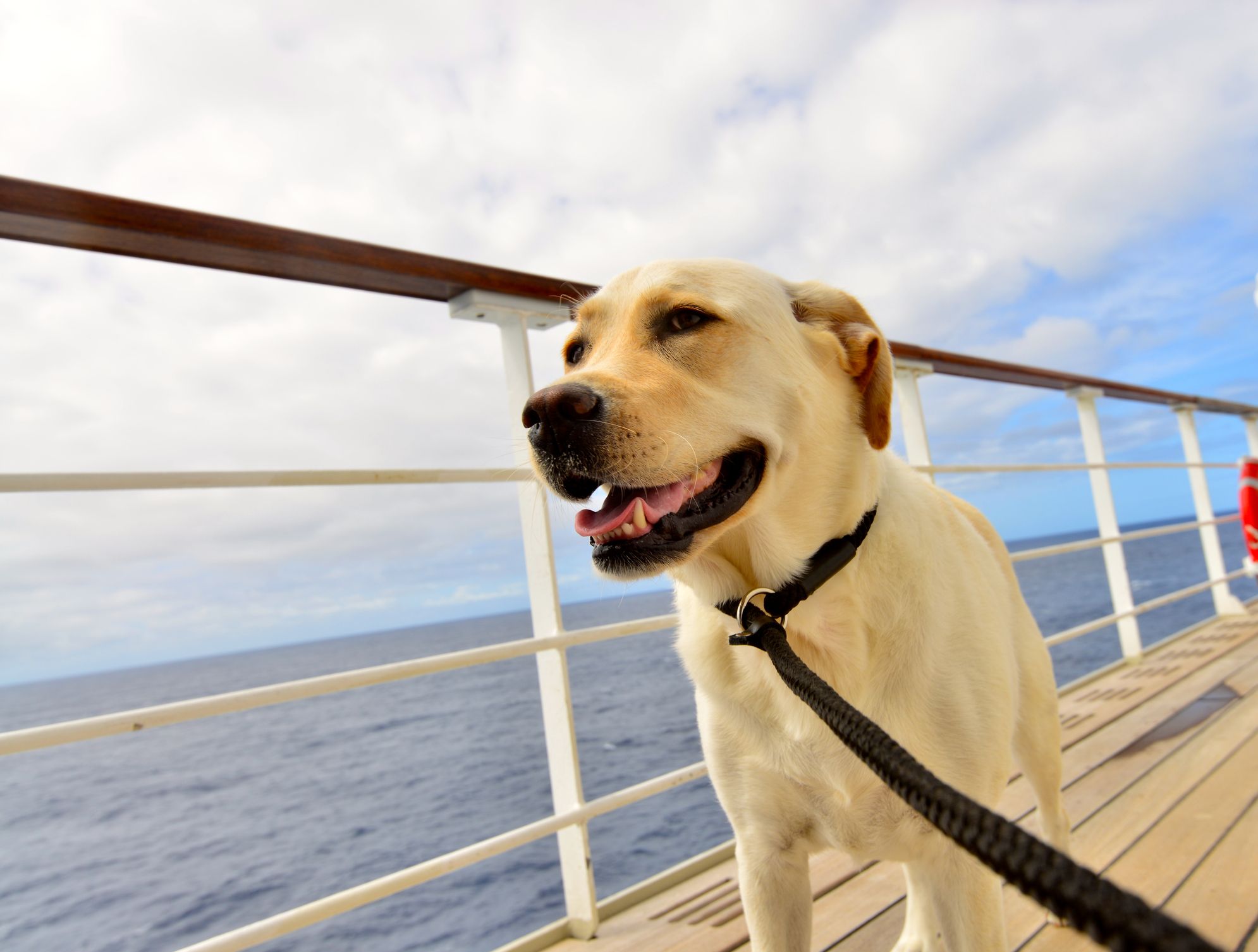
When to book: Space is scarce and demand is high. You can reserve as early as two years out (and occasionally as late as a week before, if lightning strikes). In practice, sailings often run close to full; book early, you might need to be flexible on direction/date.
How to book: First, book your Transatlantic crossing (NYC ↔ Southampton/Hamburg). Then contact Cunard directly (kennels@cunard.com) to request kennel availability—kennels can’t be booked online without a valid passenger booking.
What it costs: Recent guidance puts small (upper) kennels around US$800 and large (lower) around US$1,000 for the crossing; from 2026 Cunard indicates US$1,300 (upper) and US$1,500 (lower). One dog per kennel; cats require two kennels (one for the cat, one for the litter—charmingly bourgeois). Prices do move—treat these as ballparks and confirm at booking.
Paperwork clock: Cunard will nudge you ~5 months before sailing with requirements, but don’t wait—UK entry rules and US export paperwork can take weeks.
The daily routine (what your pet actually does all day)

Visiting hours: Expect multiple owner access windows; typically morning, midday, afternoon and a short evening session (for example: 8–10, 11–12, 3–6, 8–8:30). Owners may feed and walk their pets during these times, or the Kennel Master will. Exact times are posted on board.
Exercise & “business”: Dogs get outdoor time in a gated deck area (yes, with that hydrant/lamppost scene-setter). Cats stay snug inside their space (dignity intact).
The photo op: A ship’s photographer and the Kennel Master (in Cunard’s red bellhop uniform) host an on-board pet portrait sitting once per crossing. Outfits are… available. Reader discretion advised.
Safety drill: In the unlikely event of an emergency, owners collect their pets and proceed to muster; pets have dedicated lifejackets and procedures.
The paperwork (do this early, and in this order)

For travel into Great Britain:
1) Microchip first,
2) Rabies jab (then wait at least 21 days after the first vaccination),
3) Correct travel document (AHC or GB health certificate, depending where you’re coming from),
4) Tapeworm treatment for dogs 24–120 hours before arrival.
From the United States:
USDA APHIS is your bible: the rabies shot must be after microchip implantation (or properly documented if you re-chip). The first post-chip rabies counts as primary and is valid 1 year for UK entry paperwork. Build in time for vet appointments and endorsements.
(Tip: rules do update; always cross-check the official pages before you book anything irreversible.)
What QM2 doesn’t do (but you might assume it does)
- No general vet on board. Bring meds and a simple care plan.
- No shipwide wandering. Pets stay within the kennel complex/deck.
- Not every breed/size fits. There are kennel dimension limits and UK-prohibited breeds can’t travel. Measure carefully and read the small print.
Specialty dog-friendly cruises beyond QM2
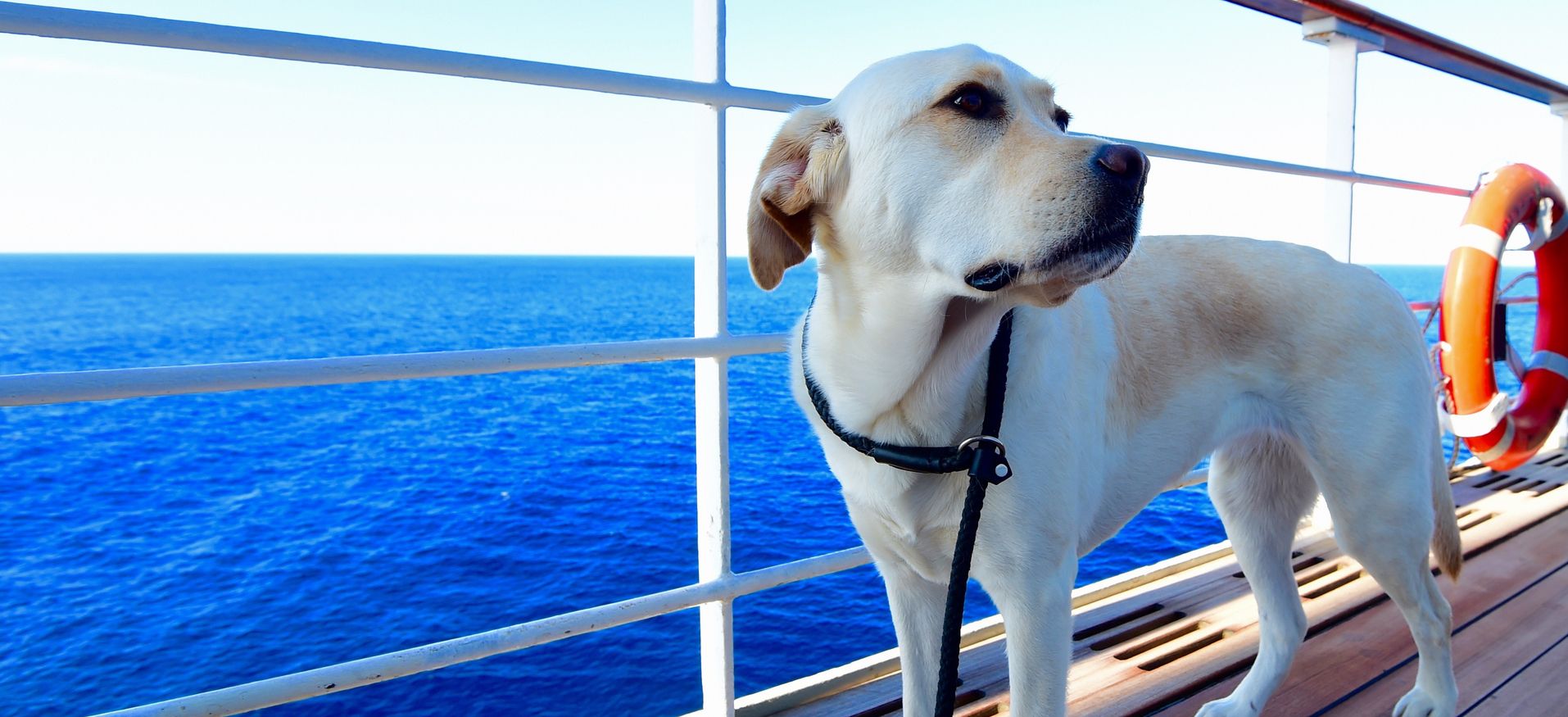
Big cruise lines don’t take pets (service animals excepted). If you’re not crossing an ocean, look to short, themed or sightseeing cruises that welcome dogs:
Chicago’s “Canine Cruise” (Mercury/First Lady). A beloved 90-minute dog-centric architecture and river cruise (Jul–Oct, with Howl-O-Ween sailings). Dogs on leads, plenty of water bowls, and very forgiving fellow passengers.
New York City’s “Pup Cruise” (Circle Line). Seasonal, charity-partnered events where dogs are expressly invited on board for a 90-minute Hudson/Liberty loop—check for summer and Halloween editions; proceeds typically support North Shore Animal League.
Chicago “Seadog” architecture and lakefront tours. Select Seadog tours are dog-friendly (not the extreme speedboat rides); some even offer playful promos for pups. Always verify the specific tour.
London river options. Several Thames sightseeing operators accept leashed dogs on standard cruises (e.g., Thames River Sightseeing); Uber Boat by Thames Clippers (the river bus) also allows pets on leads. Policies vary by product—always check the exact sailing.
One-off themed sailings to watch: Margaritaville at Sea has announced a dog-friendly specialty cruise for Nov 2025 with onboard “pet butlers,” relief areas and events (a charter-style exception, not the new normal).
And to underline the landscape: among mainstream ocean lines, QM2 is the only regular ship that accepts pets in kennels; everyone else is service animals only.
Your quick checklist
- 12–24 months beforehand: Pick your crossing (NYC ↔ Southampton/Hamburg). Contact Cunard for kennel space; be flexible on dates/direction.
- 6–9 months beforehand: Microchip → rabies (21-day wait minimum), line up paperwork pathway (AHC/GB certificate) and check tapeworm timing if inbound to GB.
- 2–3 months beforehand: Confirm food plan (brand or bring your own), meds, and any kennel size adjustments (very long dogs may need two lower kennels).
- Sailing week: Pack documents, labelled meds, lead/harness, favourite blanket/toy (plus your pet’s best camera smile).
- On board: Stick to visiting hours, keep routines calm, and enjoy that surreal moment when your dog pees on a lamppost at sea.
Final word
Sailing a pet across the Atlantic is a lot of logistics (but not nearly as many as flying. QM2’s kennels are small, meticulous, and (thanks to that hydrant and lamppost) knowingly charming. For relocations and long sabbaticals, they’re the only big-ship game in town. For everything else, pick off a handful of dog-friendly day cruises and let your hound collect boat stories like treats.