Film-location tourism can be brilliant. It can also involve travelling 40 minutes to photograph a doorway because somebody from Netflix walked through it for seven seconds in 2021.
Cruising is surprisingly well suited to the better version. Some of the world’s busiest filming locations are also established ports, so you can step ashore in Liverpool, Dubrovnik or Valletta and recognise buildings before you’ve quite worked out why. Elsewhere, a short excursion puts you inside The White Lotus or on the pastel-coloured island masquerading as Italy in The Talented Mr Ripley.
The trick is choosing locations where the screen connection gives you a new way into the place, rather than replacing the place altogether.
Liverpool cruise port: Peaky Blinders, The Batman and half of Hollywood
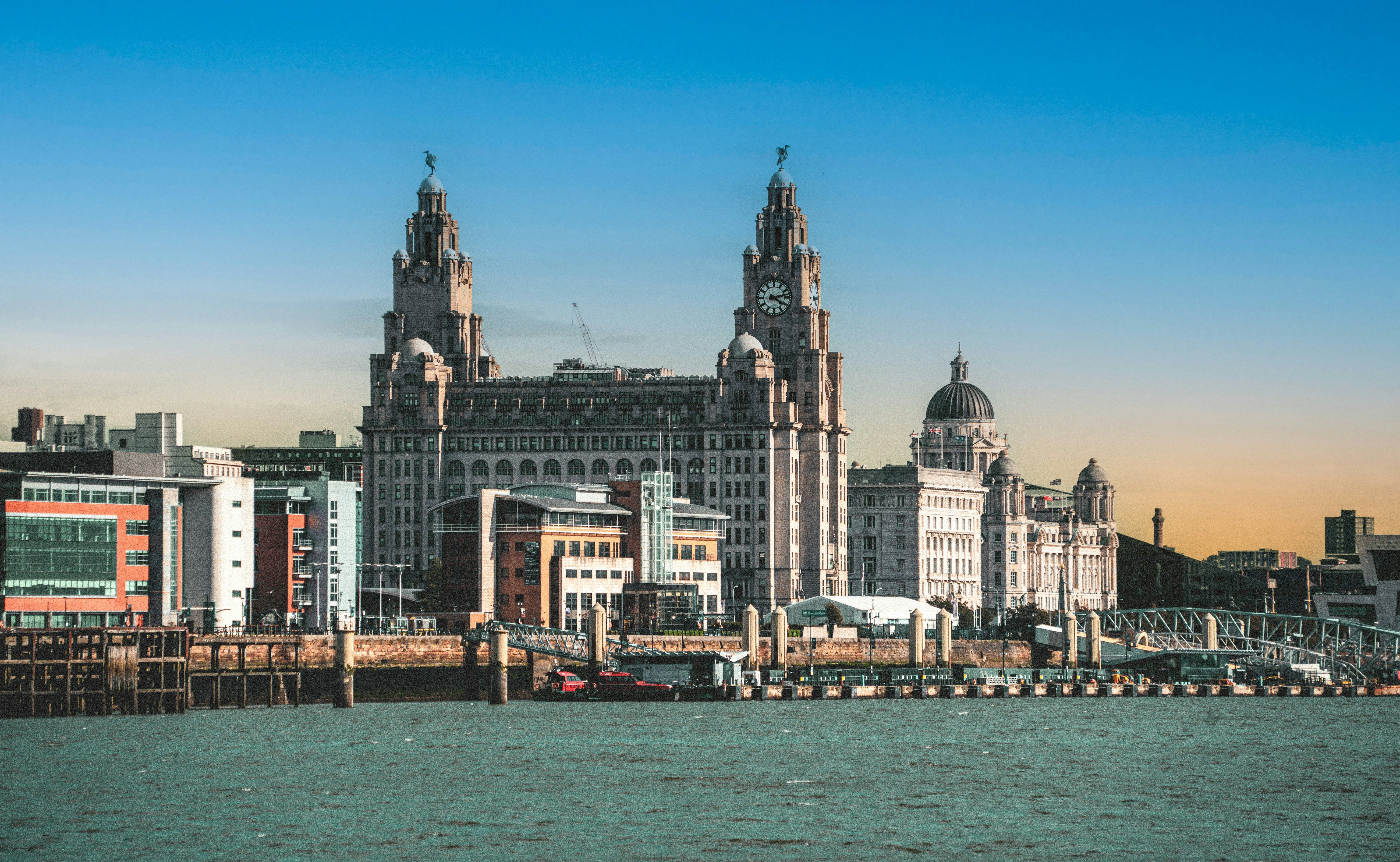
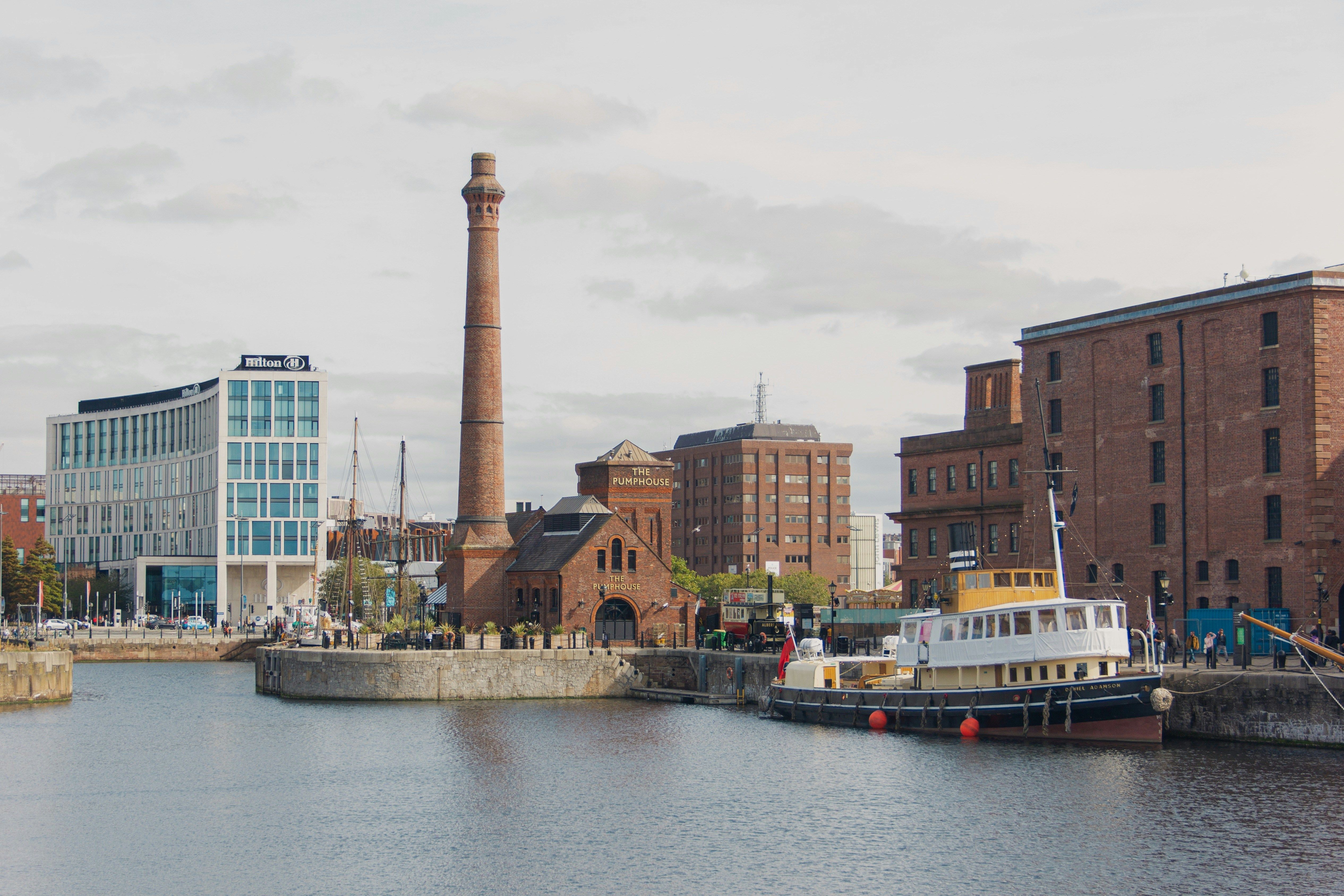
Liverpool may be the easiest film-location port on the list because you barely need to leave the city centre.
The city says it’s the most filmed UK city outside London, and its ability to impersonate somewhere else is almost indecent. Liverpool has doubled for New York, Washington, Moscow and various versions of London, appearing in productions including The Batman, Captain America: The First Avenger, Fantastic Beasts and, extensively, Peaky Blinders.
For Peaky Blinders fans, St George’s Hall is particularly useful. Its great hall hosted Grace’s death and the Mosley rally, while its corridors and basement were used for everything from Parliament to the Shelby family’s near execution. Stanley Dock supplied more industrial scenery, including the showdown with Billy Kimber and areas around the fictional Garrison pub.
Better still, you don’t need to turn the day into a forensic investigation. Liverpool’s centre is compact and walkable, and the cruise terminal sits on the waterfront beside many of the areas you’d want to explore anyway.
That’s film tourism working properly. You get excellent architecture and an interesting city, then occasionally realise Batman has also been there.
Valletta cruise port: Malta’s enormous outdoor film studio
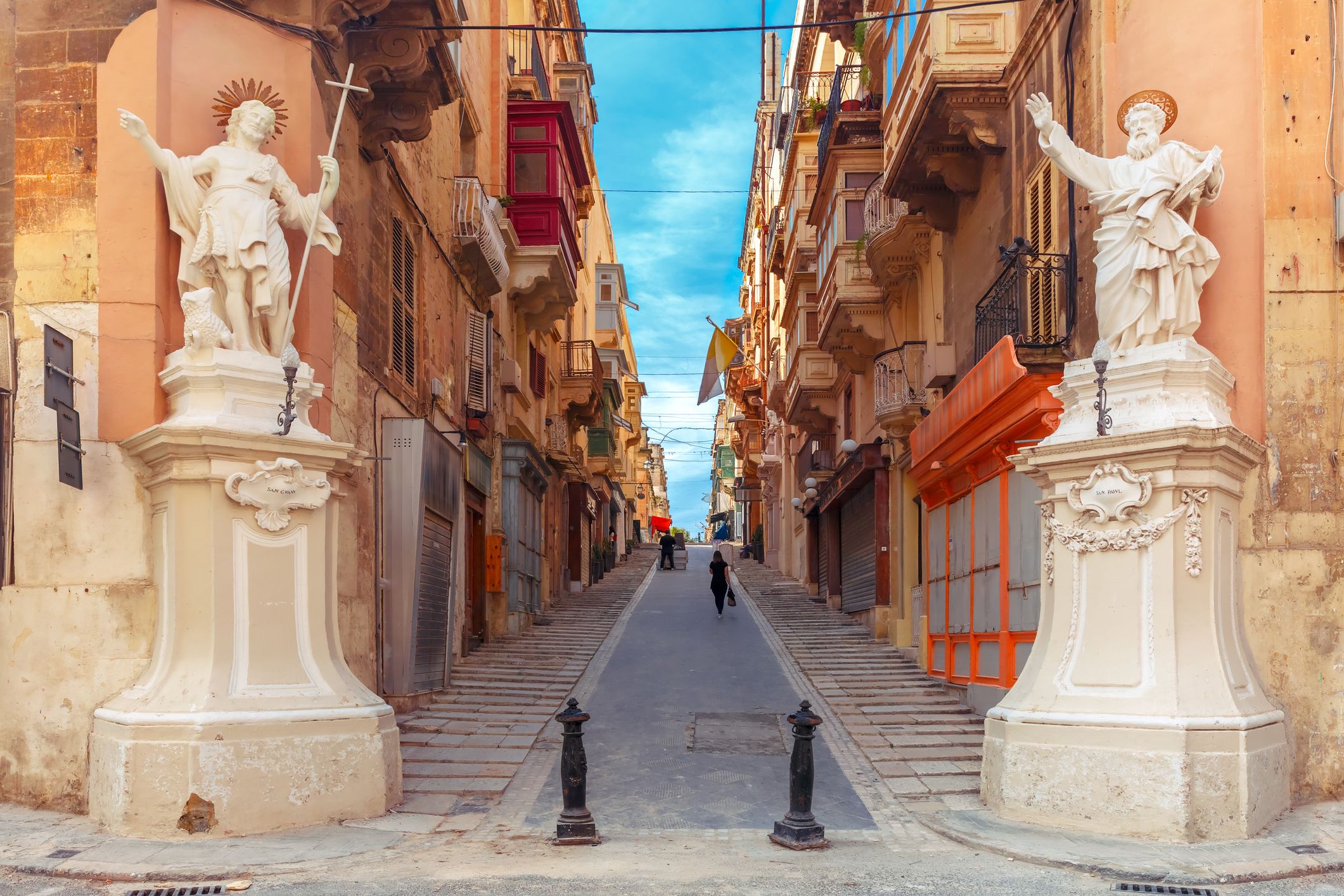
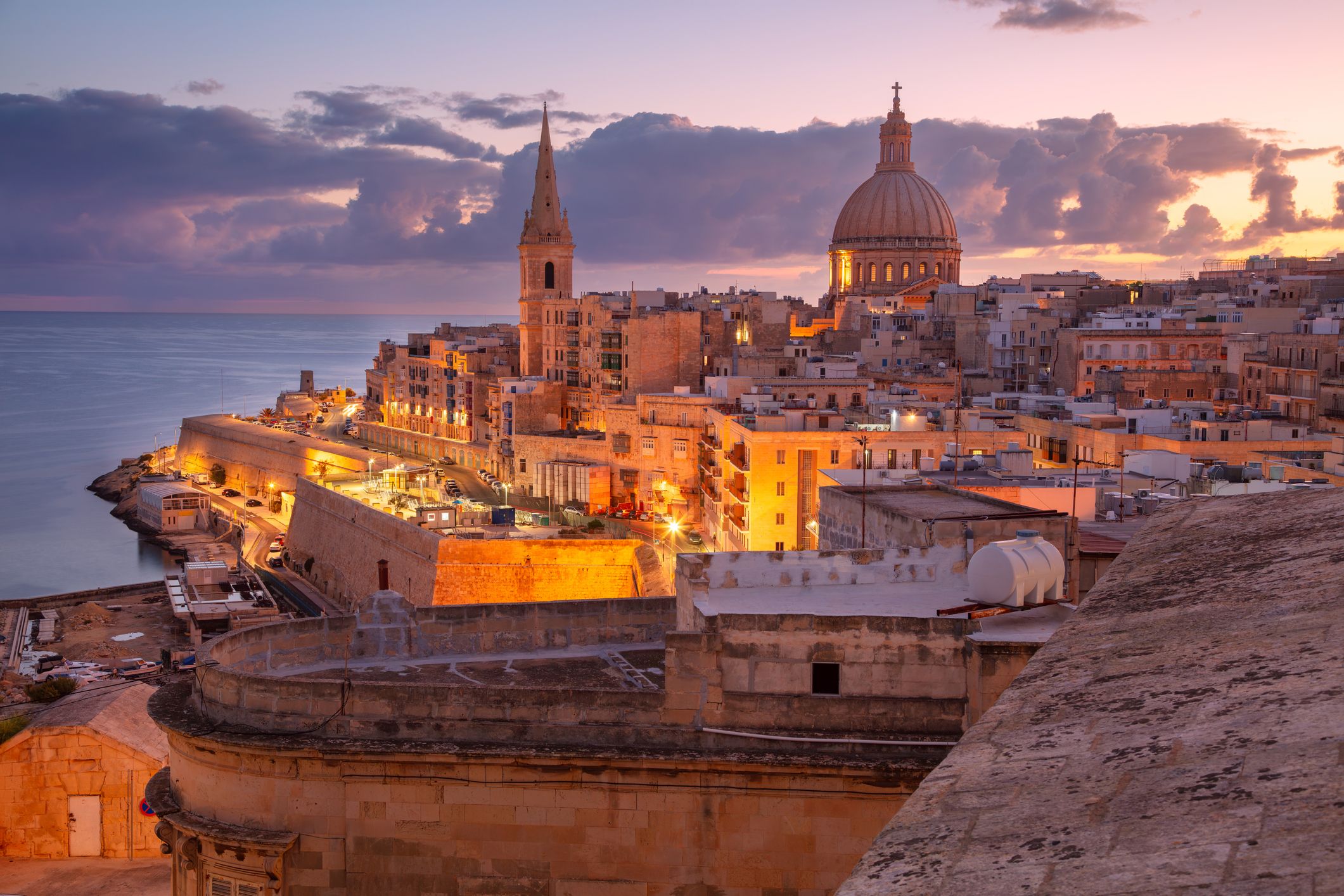
Malta has been pretending to be other places for decades.
The islands have appeared in Gladiator, Troy, Munich, Captain Phillips, World War Z, Napoleon and Game of Thrones. Visit Malta has an entire section devoted to screen tourism, which feels reasonable when your national CV contains both Ancient Rome and King’s Landing.
The most satisfying excursion from Valletta is Mdina. The walled former capital stood in for King’s Landing during the first season of Game of Thrones and also appeared in The Count of Monte Cristo. It works because Mdina already feels cinematic without requiring you to remember the precise episode in which somebody threatened somebody else beside a gate.
I wouldn’t spend a port day attempting to tick off every Maltese filming site. Some are working studios, forts or scattered locations that are much more interesting on screen than when approached via Google Maps. A Valletta and Mdina combination gives you two genuinely excellent historic cities with the film connection layered on top.
You can then return to the ship having seen King’s Landing without once buying a plastic sword.
Messina to Taormina: The White Lotus without checking in
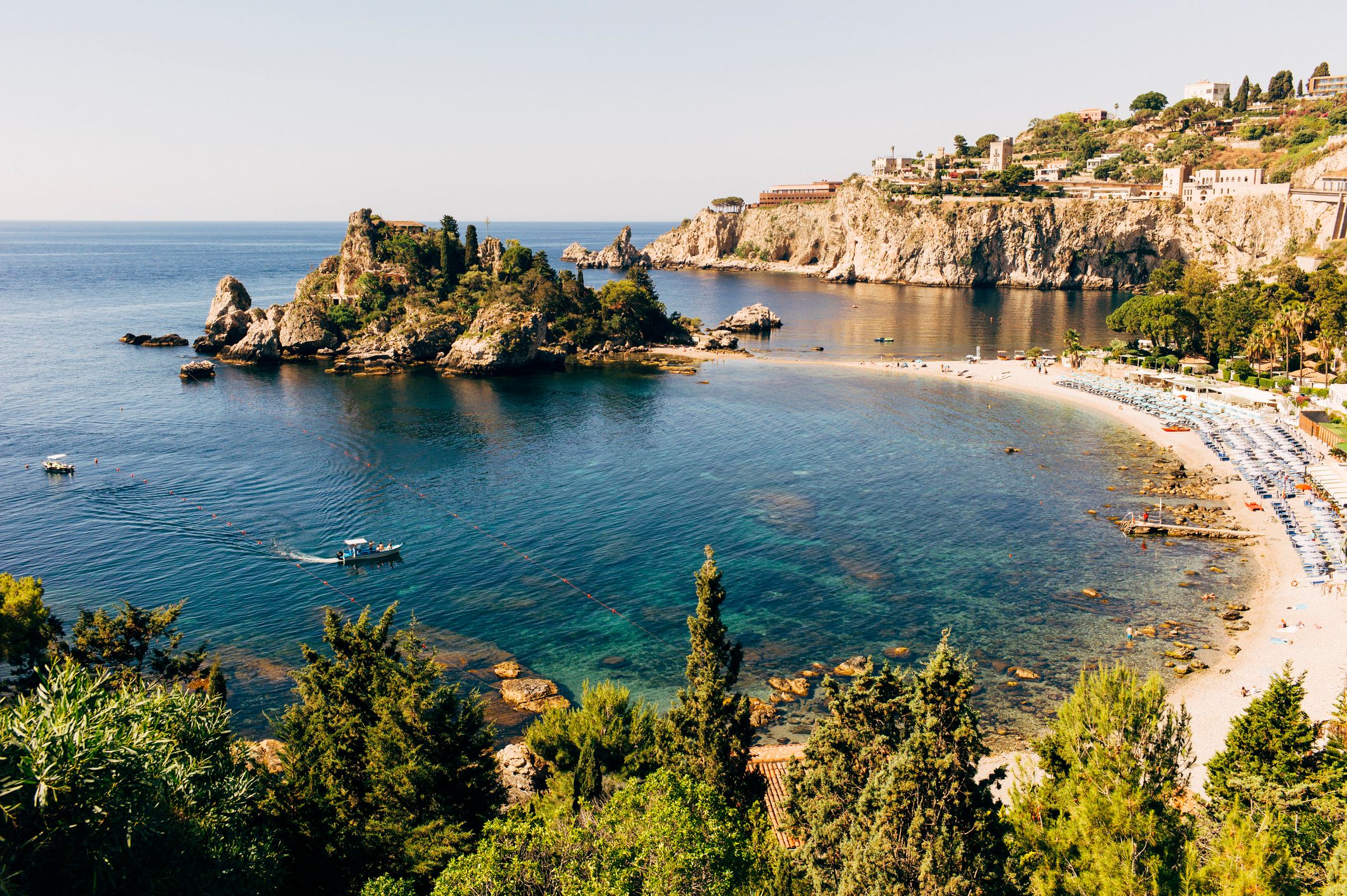
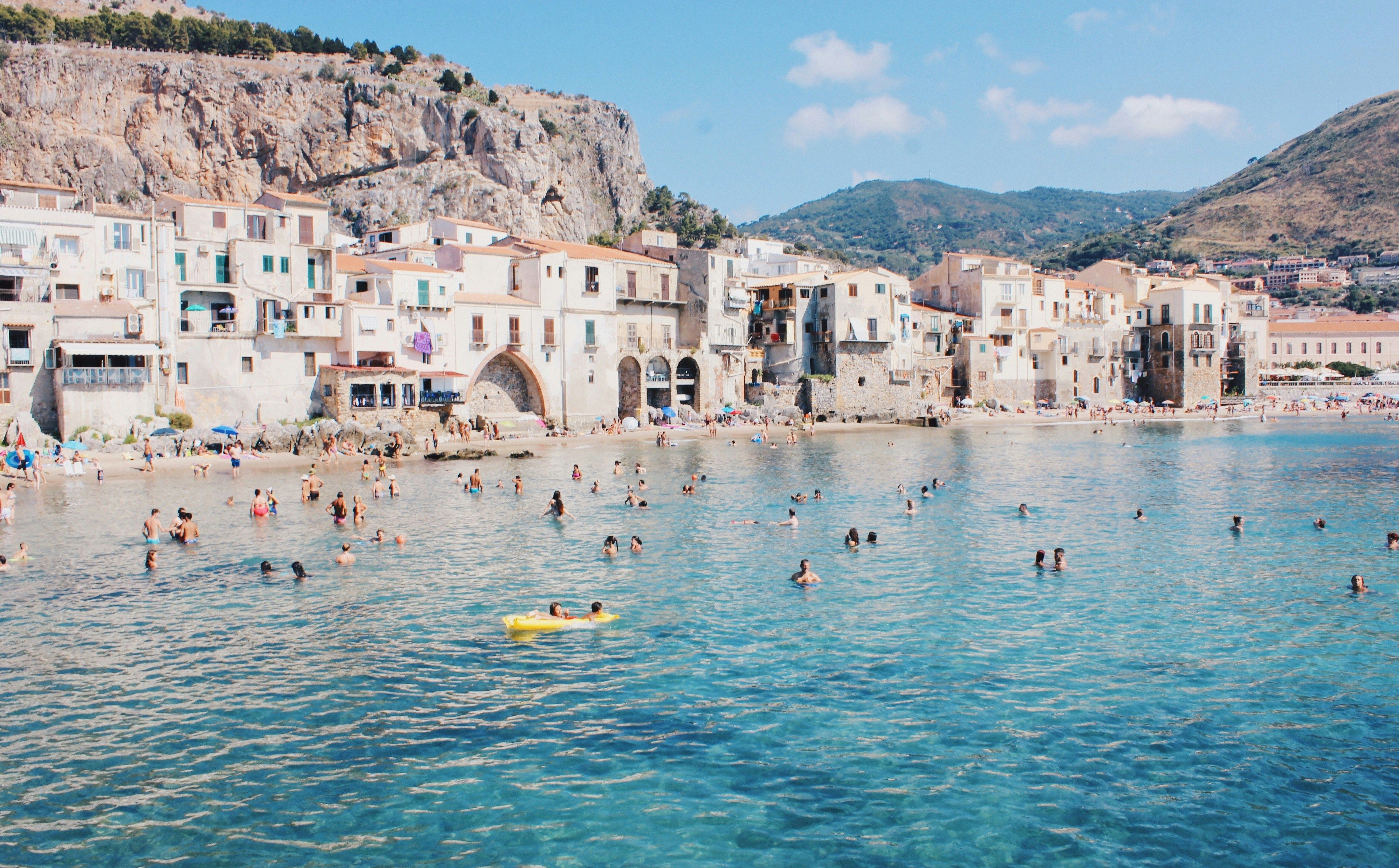
Few television locations have become as immediately recognisable as Taormina after the second series of The White Lotus.
The San Domenico Palace was the principal hotel setting, while Taormina itself, including Corso Umberto and Piazza IX Aprile, appears throughout the series. Sicily’s official tourism body now actively promotes itineraries around the programme’s locations, alongside the town’s considerably older attractions.
This works particularly well from Messina because Taormina is already one of the standard excursions from the cruise port. Princess now advertises shore trips specifically mentioning The White Lotus locations, so this is no longer a niche pursuit requiring screenshots and troubling levels of dedication.
I’d resist making the hotel the entire objective. San Domenico Palace is a functioning luxury hotel, not a television museum, and Taormina has managed quite successfully for a couple of thousand years without Jennifer Coolidge. Walk Corso Umberto, see Piazza IX Aprile and the ancient theatre, then enjoy the mildly disorientating experience of recognising somewhere you’ve never previously visited.
Here, the screen connection genuinely adds something. It gives an already spectacular town a strange sense of familiarity.
Dubrovnik cruise port: Game of Thrones locations you barely have to look for
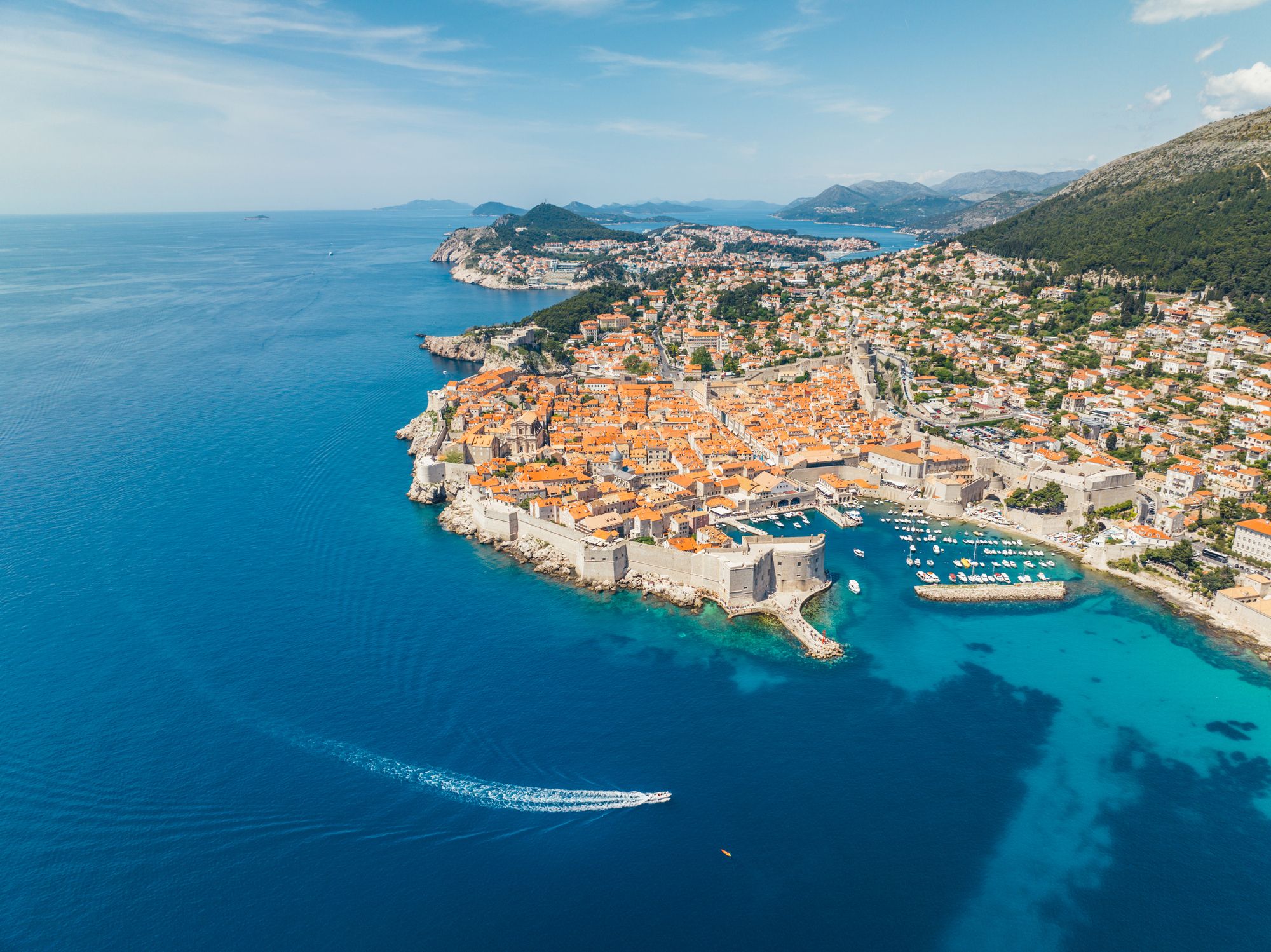
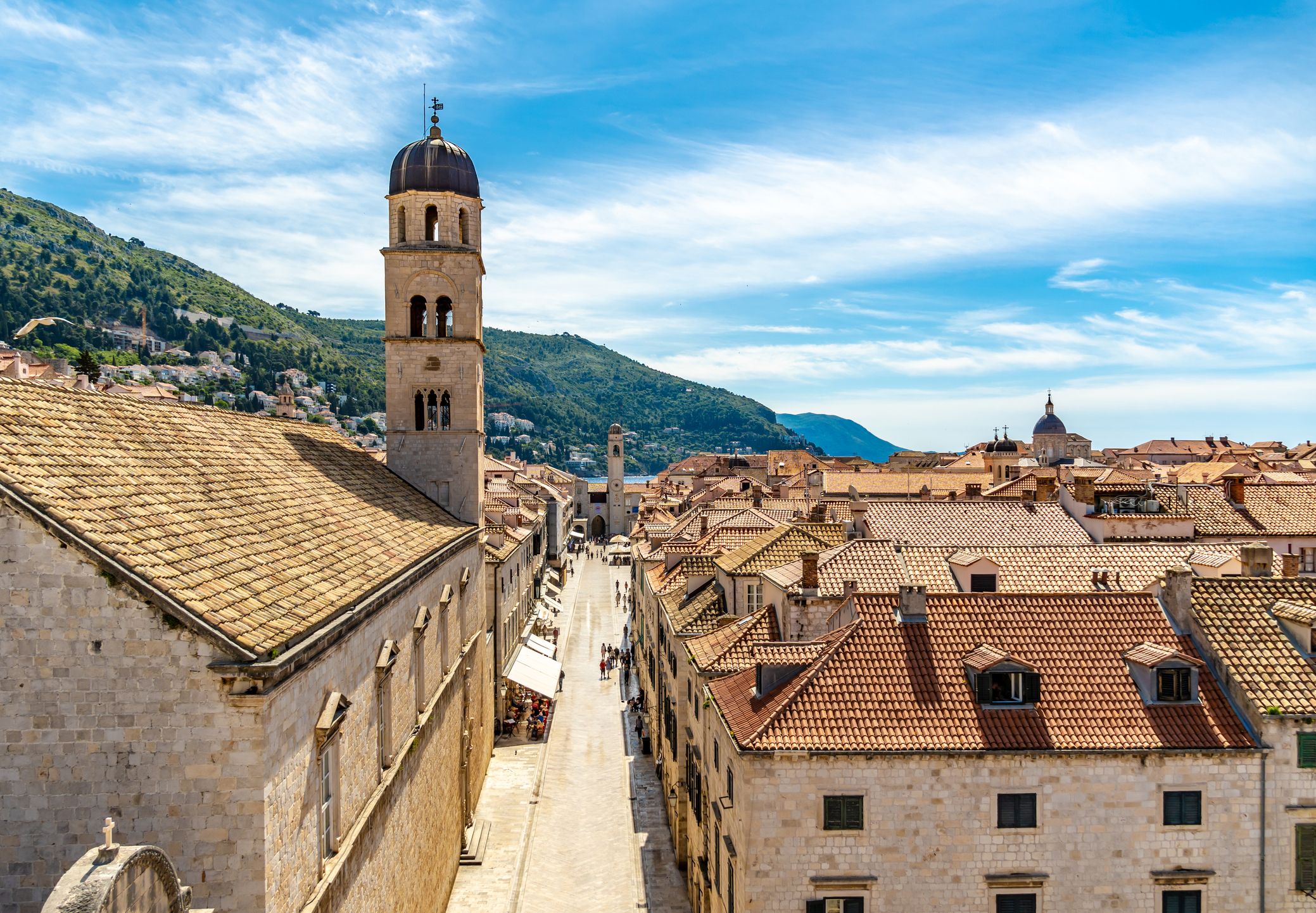
Dubrovnik is the opposite of an obscure filming-location hunt. By now, much of the Old City has spent so long being associated with Game of Thrones that you may begin to suspect medieval Ragusa was constructed specifically for HBO.
The series filmed in Dubrovnik from its second season onwards, using the city extensively for King’s Landing. The tourist board also highlights productions including Star Wars: The Last Jedi and Robin Hood.
Most cruise ships use Gruž, around four kilometres from the Old City, with local buses connecting the port and historic centre. Once inside the walls, many locations are incorporated into streets, staircases and fortifications you’d be seeing anyway.
Lokrum is the more enjoyable film-nerd detour. Boats run from Dubrovnik’s Old Port, and the island was used as Qarth in season two, including scenes around its botanical garden and Benedictine monastery. There’s even a small Game of Thrones exhibition.
The danger is letting the fictional city obscure the real one. Dubrovnik’s walls, maritime history and architecture are considerably older than HBO, and spending six hours reproducing screenshots of staircases would be an unusual response to them.
One or two, however, is perfectly respectable.
Naples cruise port: take the boat to Procida for The Talented Mr Ripley
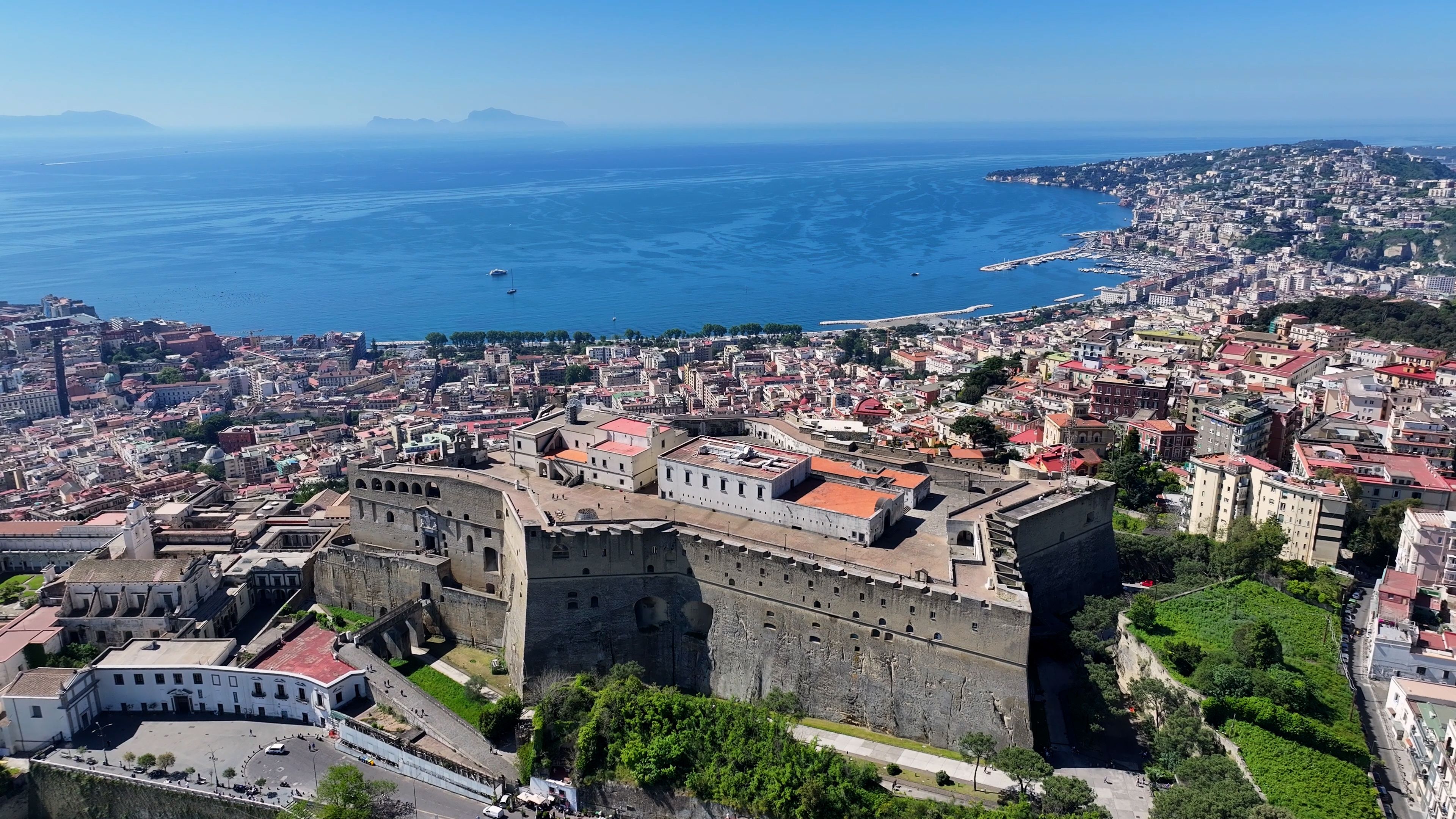
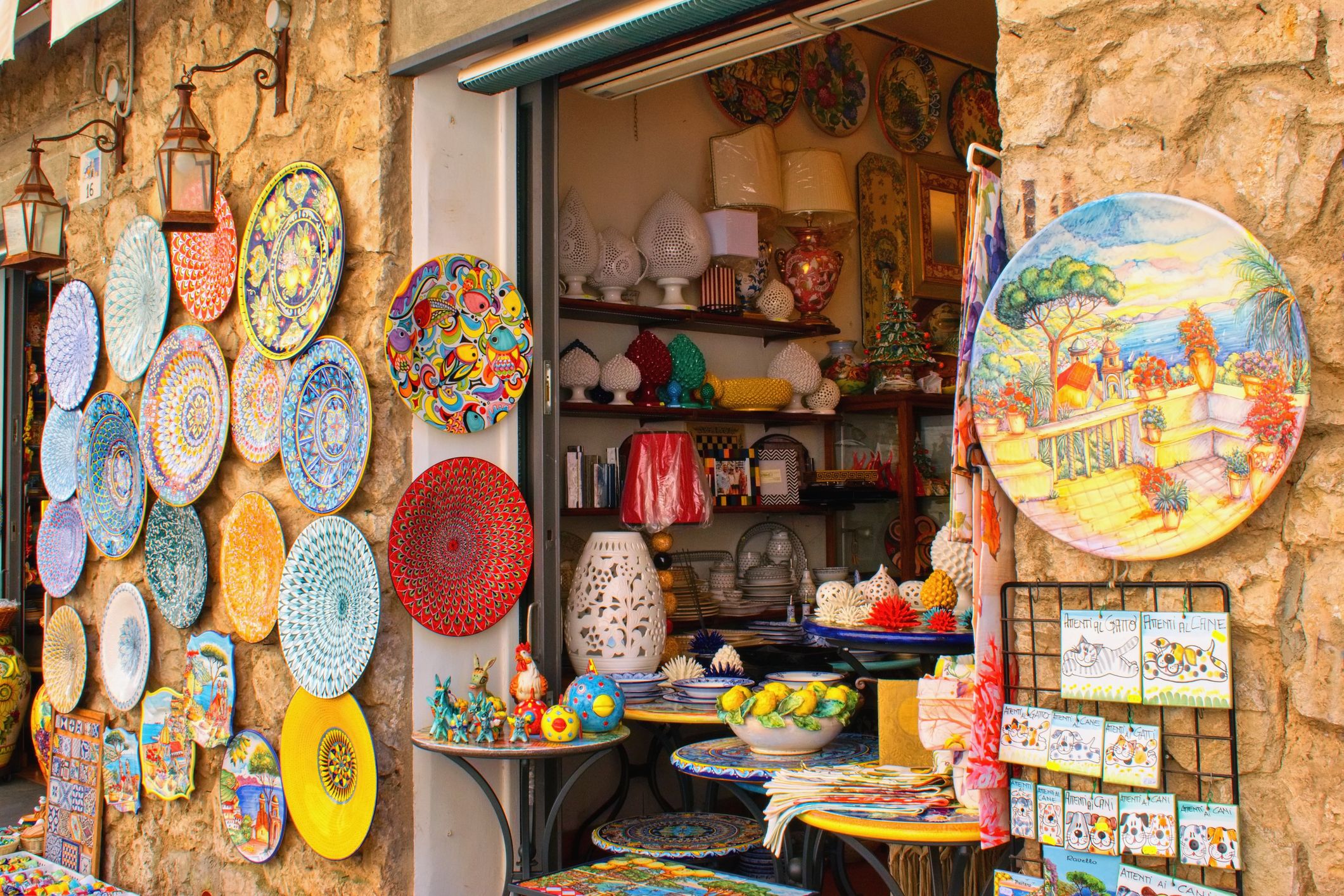
For a film-location day that feels less manufactured, head from Naples to Procida.
The small island in the Bay of Naples appeared in The Talented Mr Ripley and was also central to Il Postino. Italy’s official tourism site even maps out an Il Postino trail around Marina Corricella, Piazza dei Martiri and Via San Rocco, several of which also appear in Anthony Minghella’s Ripley.
It’s unusually practical for a cruise excursion. Passenger hydrofoils leave Naples’ Molo Beverello and take roughly 30 to 40 minutes to reach Procida, although schedules are seasonal and should always be checked against all-aboard time.
The reward is that Procida doesn’t feel like a collection of film locations. Corricella’s stacked pastel houses, steep lanes and little harbour are the reason directors came here in the first place. You can recognise Ripley while still having a perfectly normal island day involving seafood, walking and looking at the sea.
This is arguably the ideal form of set-jetting. The film points you somewhere genuinely lovely, then has the good manners to get out of the way.
Wellington cruise port: Lord of the Rings and the city behind the films
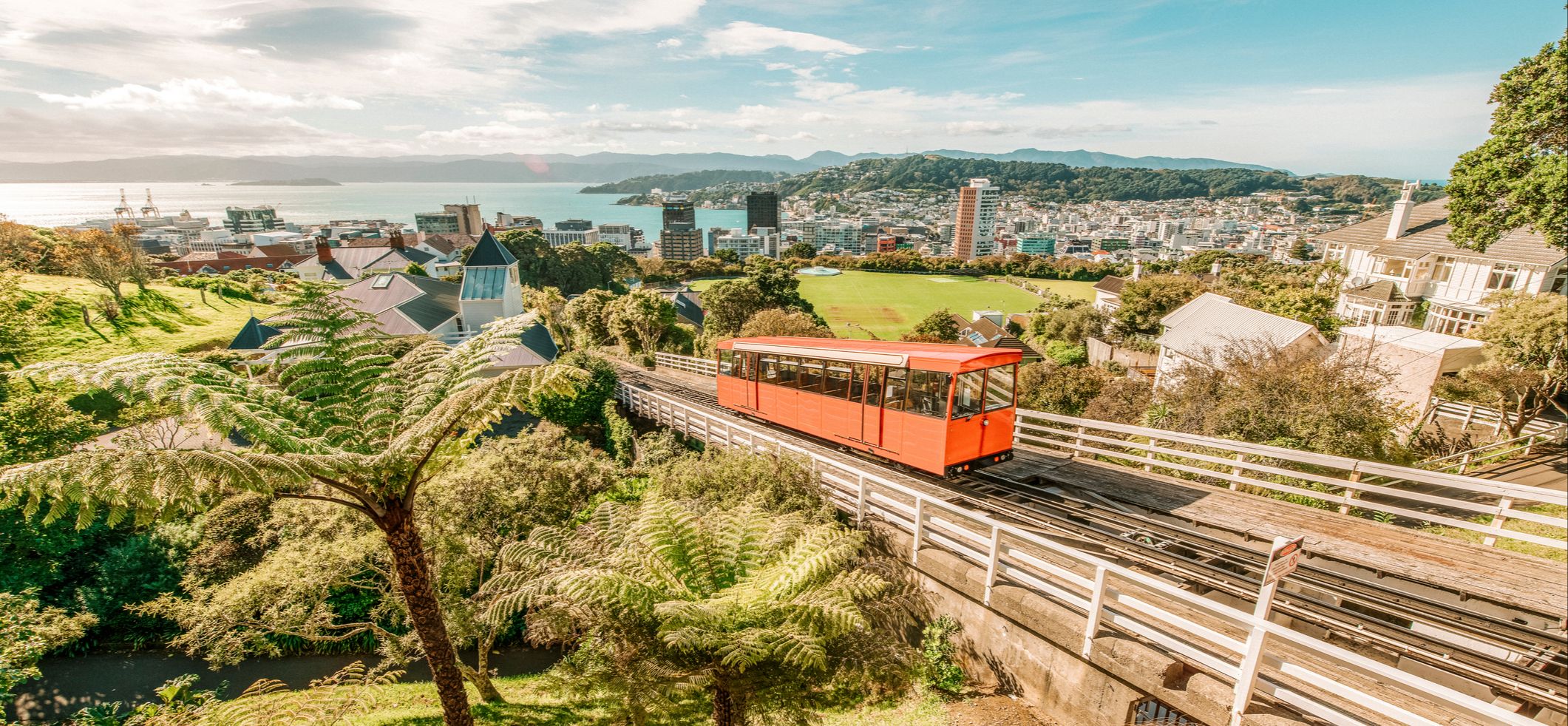
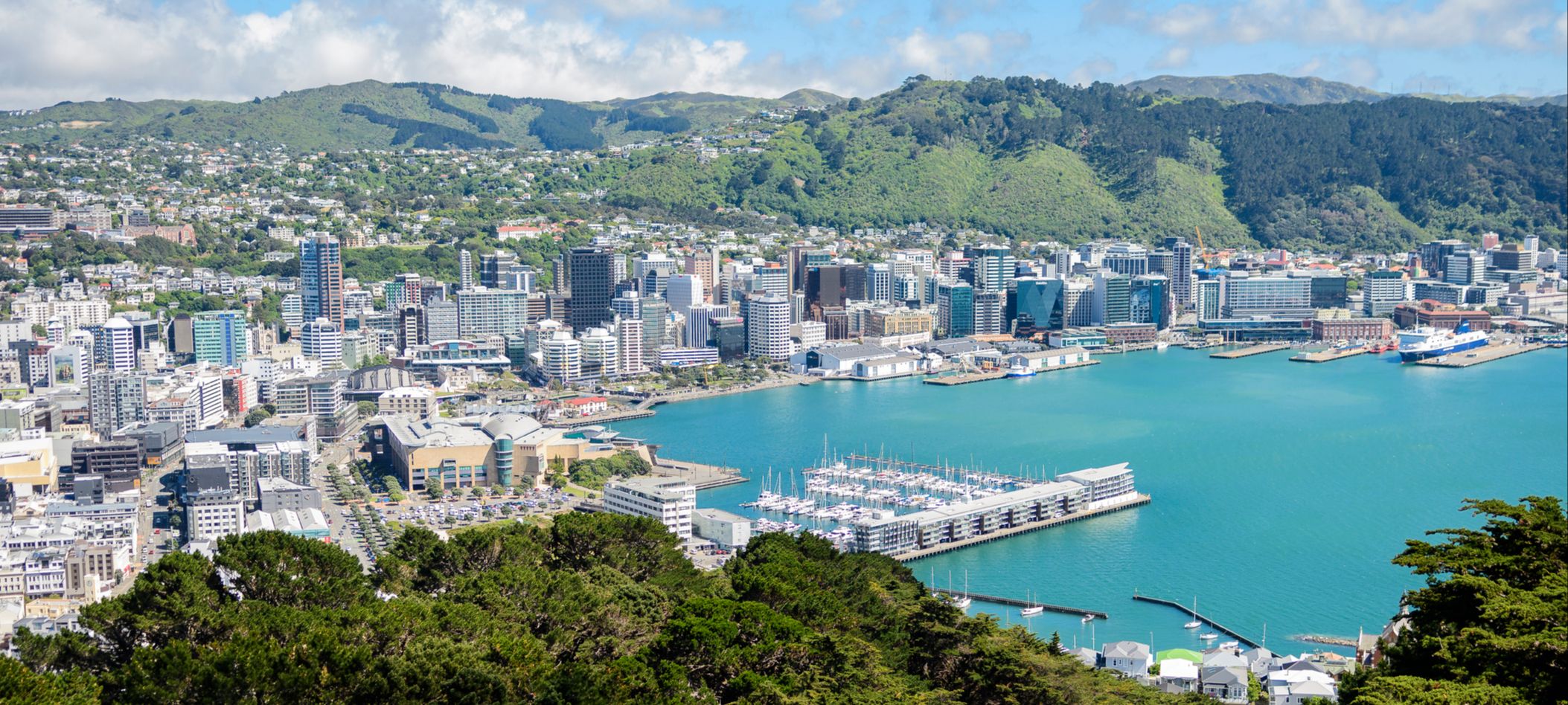
Wellington offers something slightly different. You can visit locations, but you can also see the industry that created what appeared on screen.
Cruise ships dock around 1.5 kilometres from central Wellington, and the local tourism organisation says most calls last roughly eight hours. It specifically advises booking Wētā Workshop in advance because tours regularly sell out when ships are in port.
Wētā’s Miramar operation worked on The Lord of the Rings and The Hobbit, alongside productions including Avatar, Blade Runner 2049, Dune and Black Panther: Wakanda Forever. Its visitor experience focuses on props, creatures and practical effects rather than merely pointing at a hill and informing you that an elf once stood there.
If you do want the hill, Mount Victoria is close to the city and contains several Lord of the Rings filming spots. WellingtonNZ notes that locations can be reached after only a short walk into the native bush.
That combination makes Wellington one of the strongest film ports anywhere. The locations are accessible, the workshop is genuinely interesting even if you’ve forgotten most of the plot of The Two Towers, and film-making remains part of the city rather than something that happened there once and has since acquired a gift shop.
Are film-location shore excursions actually worth it?
The best ones would be worth visiting even if the camera crew had never arrived.
Liverpool’s architecture, Mdina’s walls, Taormina’s views, Dubrovnik’s Old City, Procida’s fishing villages and Wellington’s creative industries all pass that test. The film connection gives you another story to follow, but you’re still experiencing somewhere worthwhile when the recognition wears off.
That’s probably the standard to apply when planning your own screen-inspired port day. If the location is a beautiful square, extraordinary landscape or interesting building that happens to have been filmed, go.
If it’s an otherwise unremarkable suburban doorway where somebody from The Crown once got into a taxi, perhaps let them have that one.