
There are probably easier jobs to do while being followed by a television crew than running the entertainment programme on a brand-new cruise ship.
Dan Looney was already dealing with thousands of guests, around 100 entertainment staff and a ship still finding its feet when the cameras arrived to film E4's Cruising Paradise: Above and Below Deck. There was, at least, one immediate behavioural adjustment.
“I couldn’t swear as much,” he says.
Otherwise, the cameras soon became part of the scenery. Looney says the production team was respectful enough that, much of the time, crew simply got on with their jobs and forgot they were being filmed. That mattered to him because the appeal of the series is precisely that nobody has been parachuted onboard to perform a version of cruise life for television. These were their actual jobs, being done while somebody happened to be pointing a camera.
For Looney, who serves as Head of Entertainment aboard Star Princess, that job is rather larger than the bits guests usually get to see.
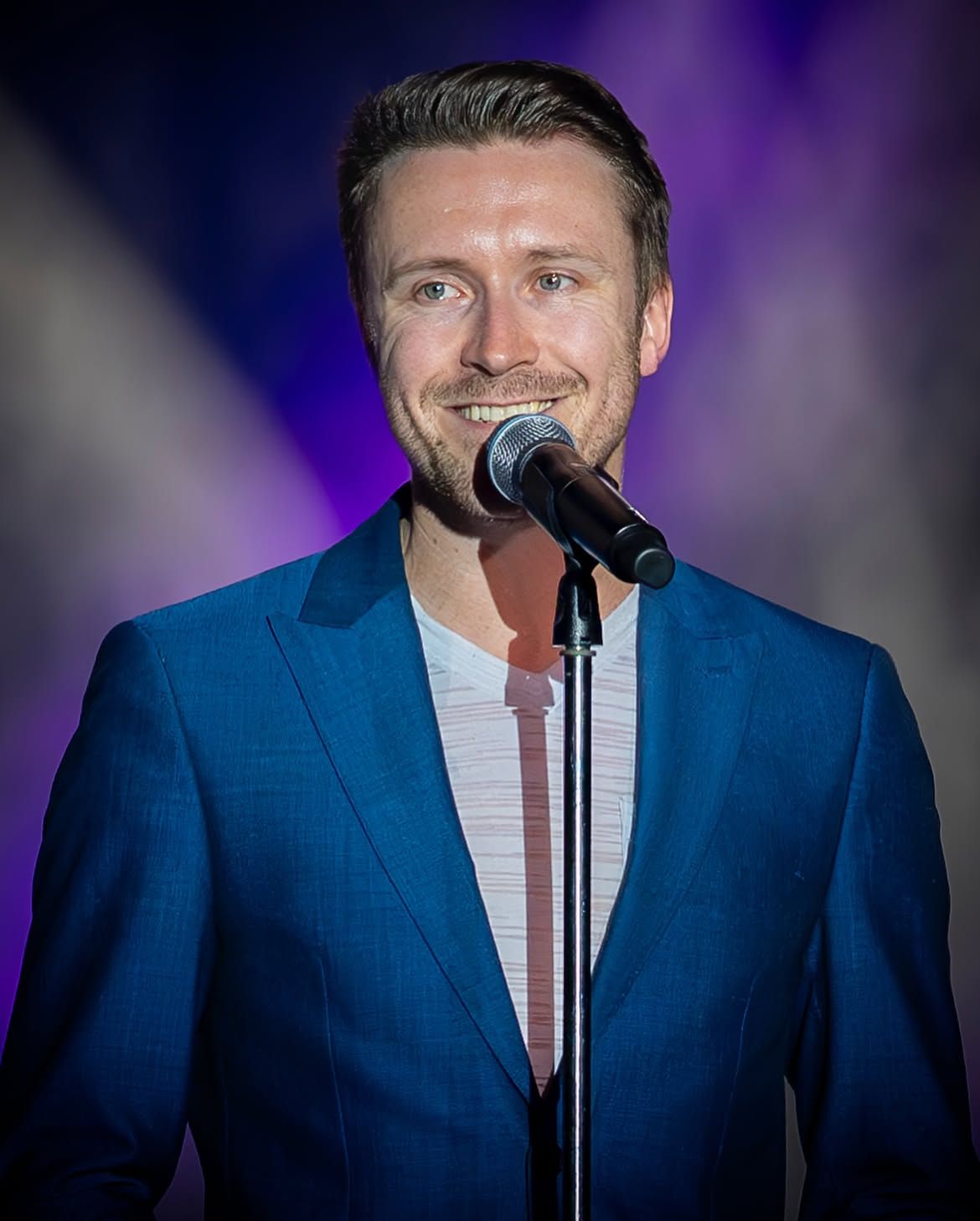
From the West End to Star Princess
Before joining Princess Cruises, Looney worked as a performer in the West End. On paper, becoming a Cruise Director and Head of Entertainment might therefore look like a fairly logical progression. There’s an audience, a microphone and a considerable amount of being cheerful in public. The difference, he discovered, is that a cruise guest hasn’t bought a ticket to see you.
In a theatre, the audience has made a fairly explicit commitment to remain seated until the end. On a ship, somebody can arrive late, get up halfway through or decide that the pool suddenly looks more appealing. They’re on holiday. They have absolutely no contractual obligation to appreciate your carefully constructed running order. That initially required a change of mindset.
Once Looney stopped expecting guests to behave like a theatre audience and allowed them simply to "be on vacation", he found the freedom in it. The fundamental job of performing hadn’t really changed. He was still telling a story and trying to make sure people had a good time. The audience was simply operating under considerably more relaxed conditions.
There’s probably no better lesson in ego management than delivering a line while somebody in the third row quietly leaves to find an ice cream.
What does a Cruise Director actually do all day?
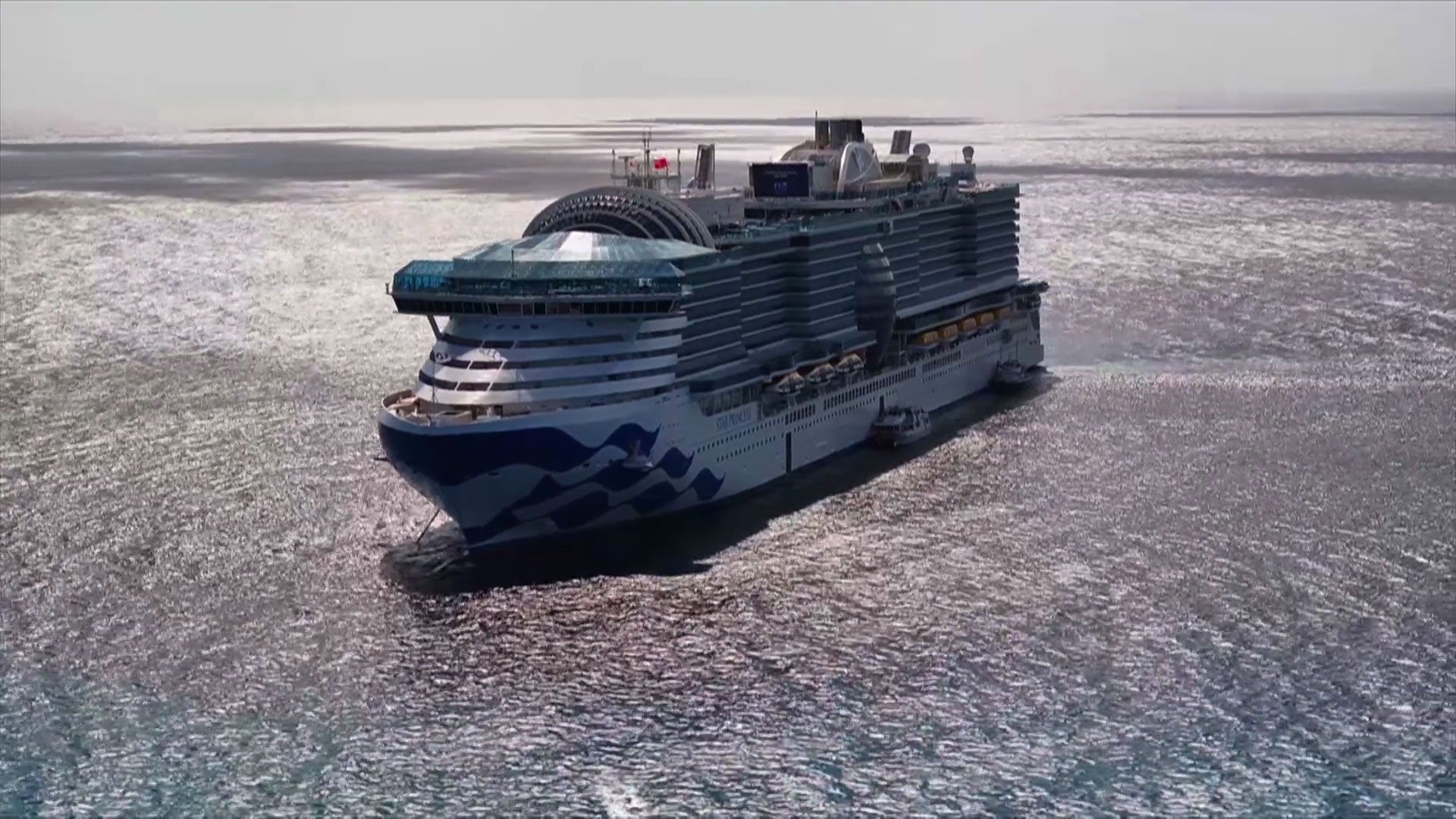
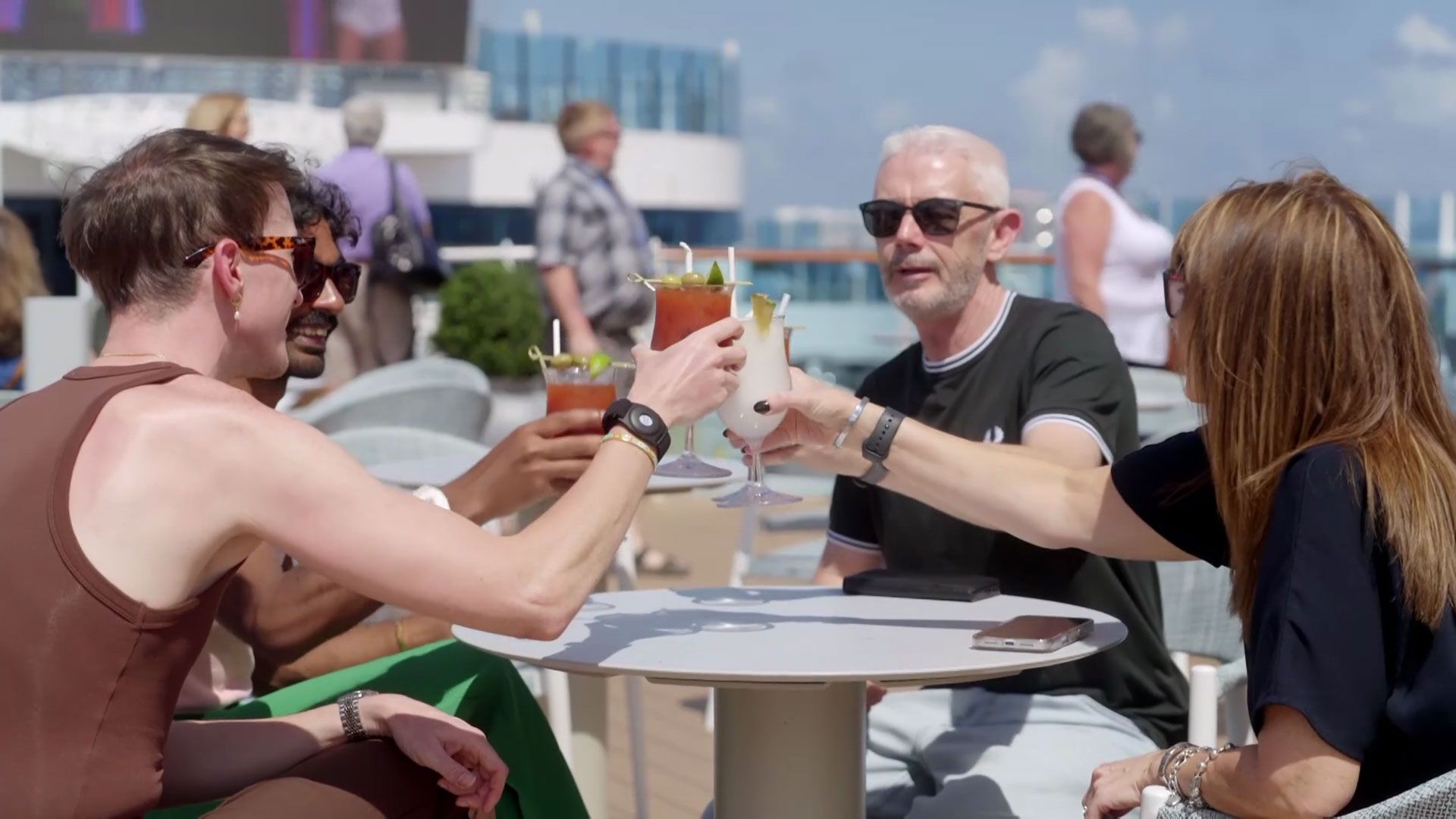
If you only encountered Looney as a guest, you could reasonably assume that much of his working day involved appearing on stages, hosting events and generally being recognisable near a microphone.
He estimates that’s about 30 per cent of it. The other 70 per cent happens behind the scenes.
On Star Princess, Looney leads an entertainment operation involving roughly 100 people and coordinates with departments across the ship. There are group bookings requiring special arrangements, safety events, scheduling changes and requests that can appear with only a few hours’ notice. His working days can run for 12 to 14 hours, seven days a week, yet a guest might see him for only two of those.
It’s an unusually neat description of shipboard time. Something can be proposed in the morning, discussed at lunch and happening in front of hundreds of people that evening. There are constant meetings about what can be improved, adapted or added.
Just as importantly, Looney has learnt when to say no. There’s a temptation with a new ship, particularly one carrying a vast amount of entertainment, to assume the answer to every idea should be yes. Part of his job is deciding which ideas will actually improve the experience rather than merely make the schedule heavier.
Launching the entertainment on Star Princess
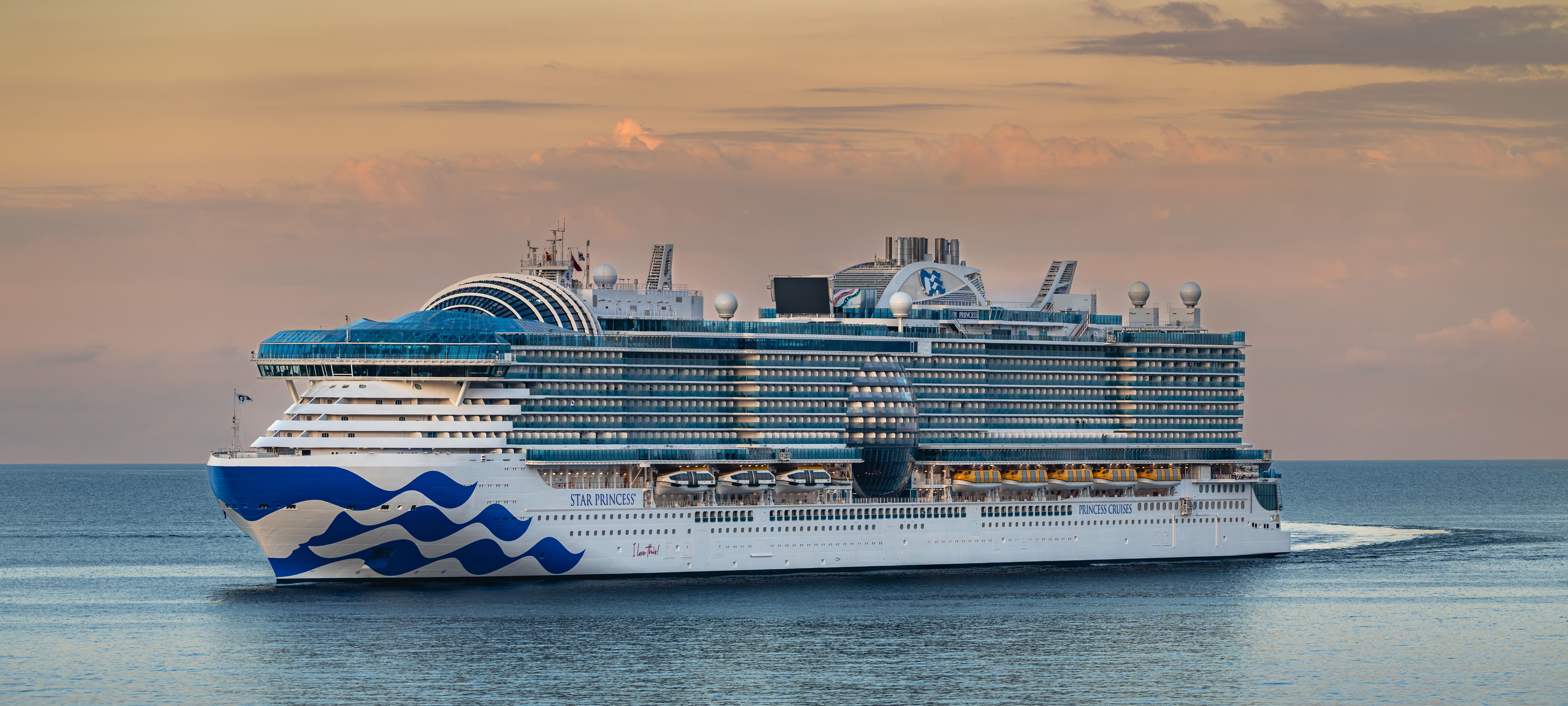
That became particularly important when launching Star Princess. Before the ship entered regular service, Looney was dealing with a huge number of voices shoreside, including around 100 people involved with the entertainment operation. Everybody, unsurprisingly, wanted to input ideas.
His job was to work out which ideas belonged on Star Princess and how they could function across a seven-day sailing. What had worked aboard Sun Princess? What hadn't? What could be carried across, and what needed changing?
All of this was happening while the new ship was still, in practical terms, a building site. At one point, Looney recalls working for several days without air conditioning in temperatures around 35°C, accompanied by announcements booming repeatedly from the public-address system as systems were tested. By the time guests finally boarded, he says running the entertainment programme felt comparatively peaceful.
How do you entertain thousands of different people?
Once the shoreside teams leave, however, the responsibility belongs to the ship.
Programming entertainment for several thousand guests means accepting fairly quickly that you won't please everybody. A family travelling during the school holidays presents a different challenge from an adults-heavy sailing outside them, while nationalities, ages and group bookings can shift the atmosphere further.
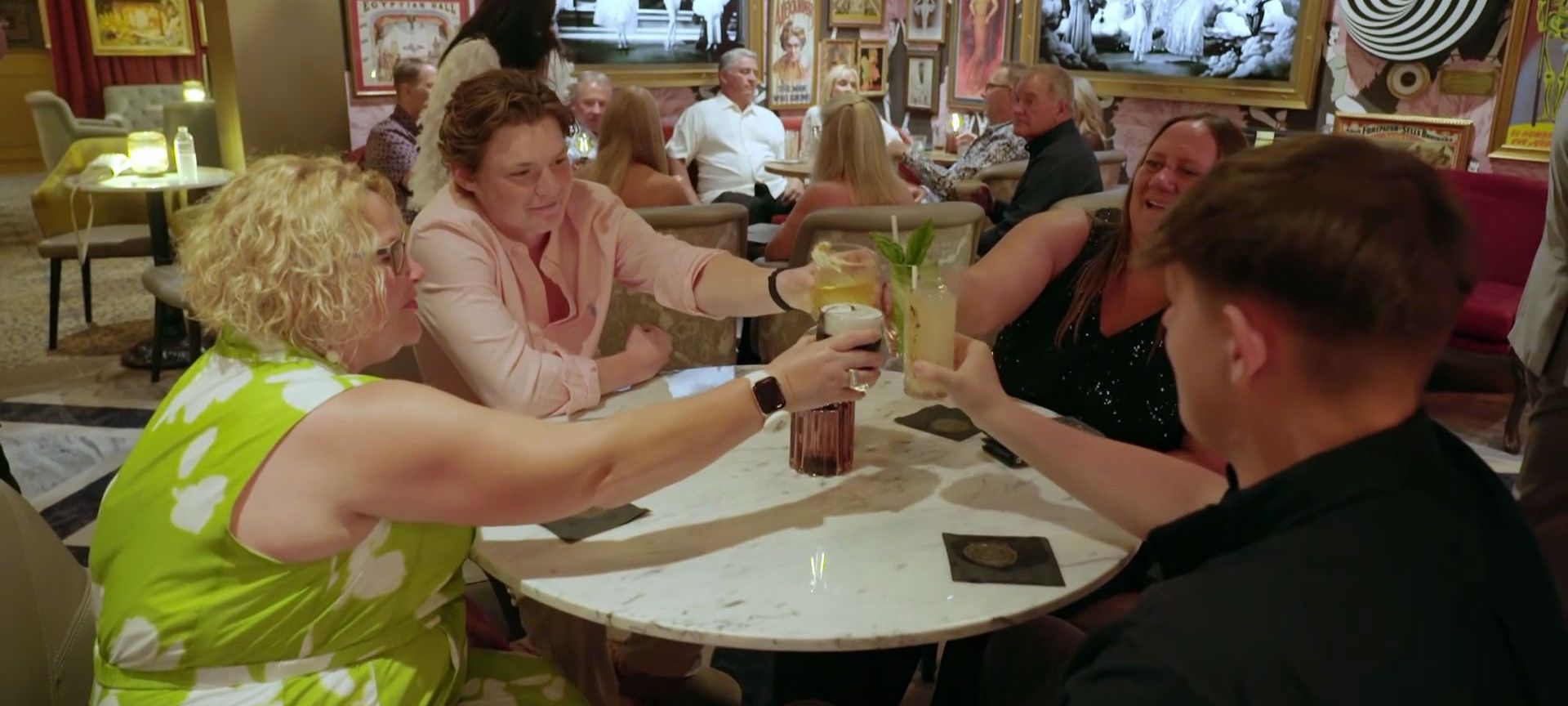
Looney looks at the demographic expected onboard and adjusts accordingly, while encouraging his team to suggest changes of their own. He doesn't regard the schedule as finished, either. His aim is for roughly 10 per cent of it to change each week, hopefully making the programme 10 per cent better in the process.
That constant adjustment is important because repetition is one of the occupational hazards of cruise entertainment. Guests might be onboard for seven days. Crew members may be there for months. What feels fresh to one group of guests on Sunday can feel rather less miraculous to the person introducing it for the 84th time.
How real is Cruising Paradise: Above and Below Deck?
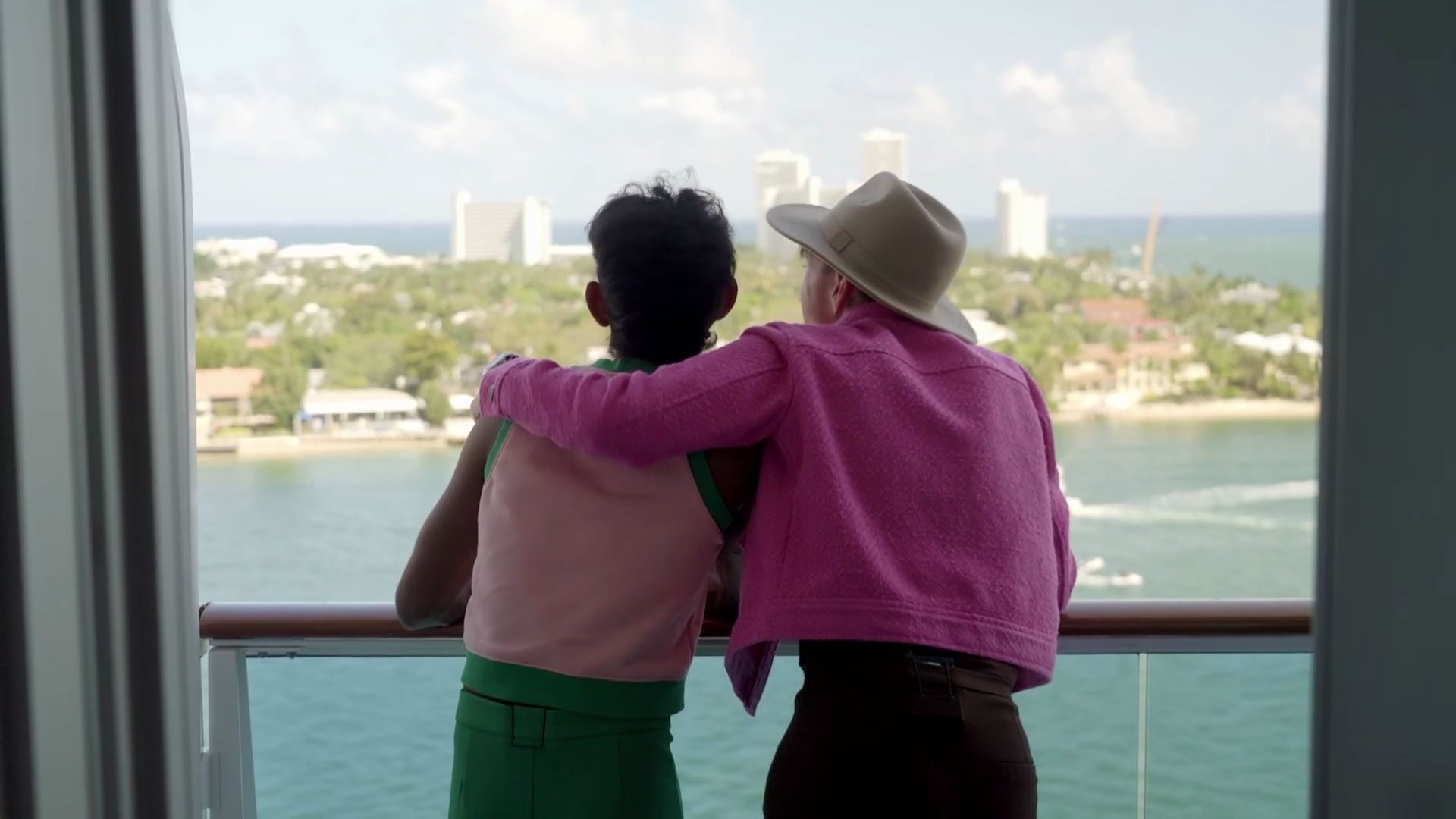
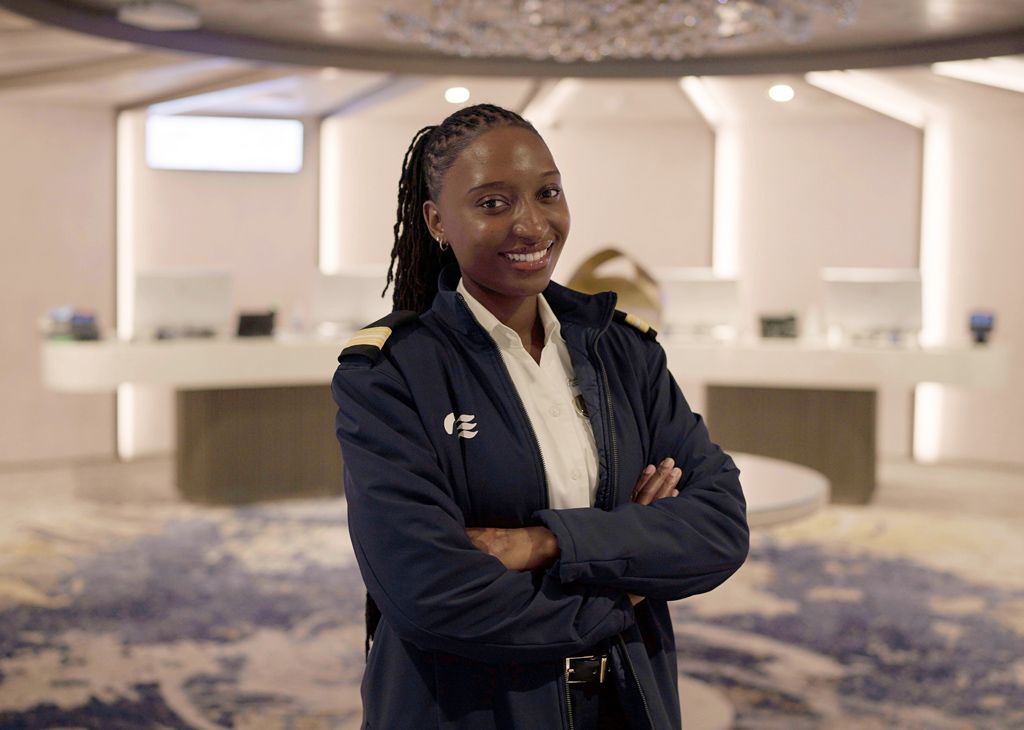
That question of repetition is also something television can only partly capture. Looney thinks Cruising Paradise gives an open and accurate look at working onboard, but inevitably it shows a tiny fraction of the reality.
The production crew can only follow so many people at once, and Looney estimates viewers are seeing perhaps two per cent of everything that was actually filmed. Even the cameras have to choose their battles.
There are also obvious limits. You're unlikely, for example, to find a television crew following off-duty staff into the crew bar at the point the evening becomes less suitable for broadcast.
Looney himself only sees one portion of the finished story. While he's working onboard, other cast members may be filming ashore or elsewhere on the ship, meaning he can watch the programme later and discover whole parts of the voyage he knew nothing about.
That fragmentation is perhaps surprisingly true to cruise-ship life. Thousands of people can occupy the same ship all while having completely different days.
What was it like being followed by cameras?
Looney doesn't pretend he hated the attention. “A certain amount of my job requires ego,” he admits. A Cruise Director who recoiled every time somebody looked at them would face some fairly obvious career limitations.
Still, having a camera present meant adapting occasionally to what the television team needed, while trying not to let filming interfere with the actual job. The reason it worked, he says, was that the production was largely documenting things that would have happened anyway.
Eventually the cameras became normal enough that the crew stopped thinking much about them (apart from the swearing).
What guests don't see about cruise crew
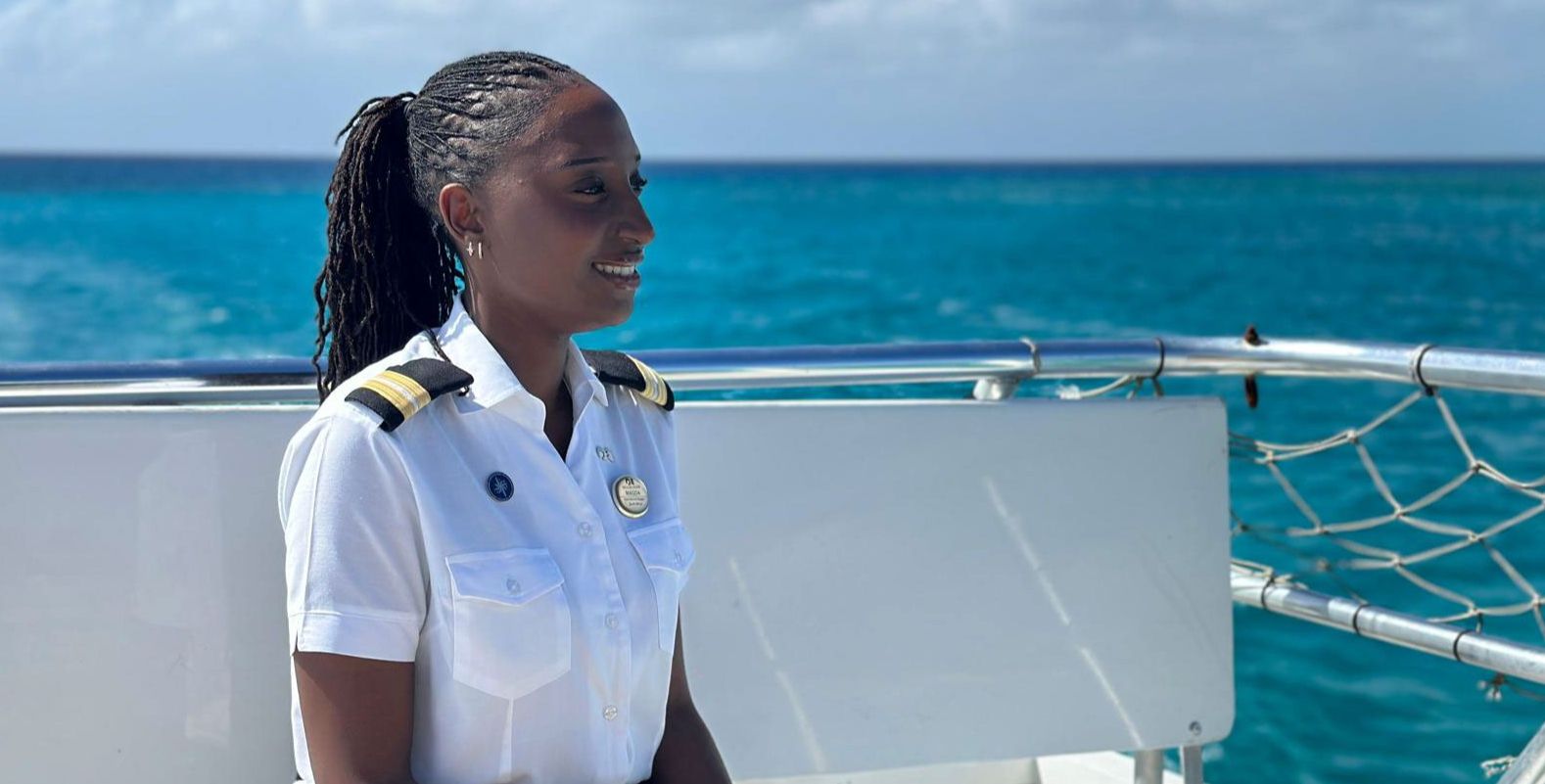
If the programme reveals anything useful about working onboard, Looney hopes it's the amount of work happening outside guest' view.
Some jobs make their effort very visible. Other roles are easier to misunderstand. If guests don't see Looney around the ship for several hours, they might reasonably assume he's somewhere with his feet up. In reality, he's most likely spent that time in meetings trying to make sure the evening runs as though nobody's spent all afternoon having meetings about it.
When a cruise ship is working properly, guests aren't supposed to notice the frantic amount of organisation required to make it feel easy.
There’s also the strange intensity of crew relationships. Contracts can last for months, with some people working onboard for as long as nine at a time. Colleagues become family remarkably quickly, as can guests who treat the crew with genuine kindness. The contracts pass quickly, Looney says, although by the end you're operating on “1% battery”.
Returning to reality brings its own readjustments too however. “I hate paying for food when I come home,” he says. After months aboard a ship, terrestrial life apparently contains some unpleasant surprises.
What shouldn't you miss on Star Princess?
For anyone boarding Star Princess, Looney has two recommendations.
The first is Spellbound, the ship's hidden magic-themed bar created in collaboration with Hollywood's Magic Castle. Despite being one of the more unusual experiences onboard, guests can overlook it simply because they don't realise it's there. By the time they do, reservations can already be difficult to find.
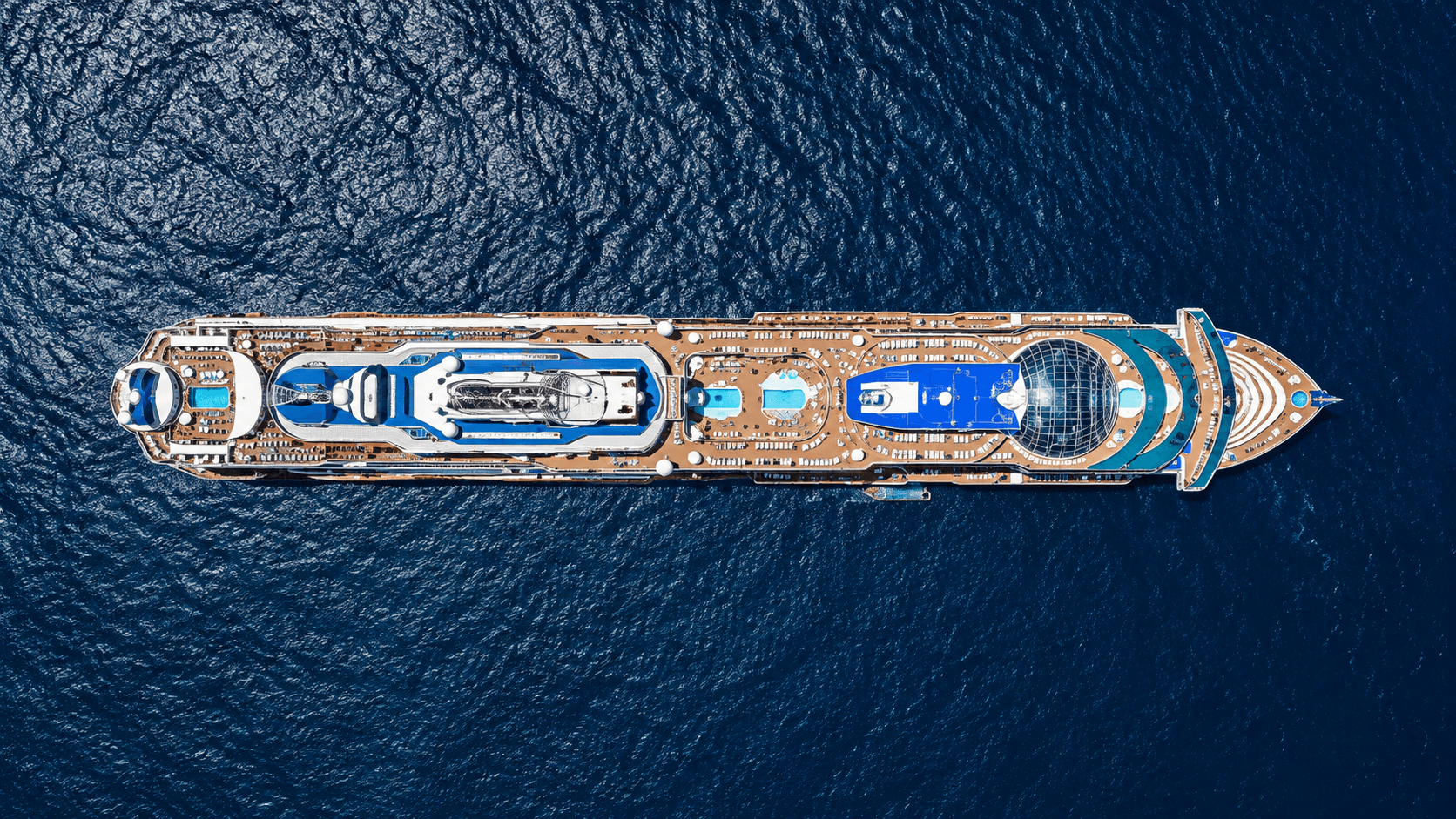
His other choice is The Dome. During the day, the glass-covered space is calm and bright, somewhere to sit beneath an enormous sweep of sky and sea. At night, it changes completely, becoming one of the ship's major entertainment venues. That transformation rather suits Looney's description of the ship itself. Guests see the finished performance: the lights, the music, the event that starts at exactly the time posted in the app.
What Cruising Paradise occasionally lets them glimpse is the other version, where somebody has been in meetings since breakfast, a new request arrived three hours ago and 100 people are quietly making sure none of that ever becomes your problem.
E4's Cruising Paradise: Above and Below Deck airs on E4 on Thursdays at 9pm, with episodes also available to stream on Channel 4