Castles are an ideal shore-day target. They were built for dramatic entrances, look good in any weather, and come with a ready-made story to unravel.
A small, boring-but-important note before we start: always work backwards from your all-aboard time. If you're doing anything involving a train, add a generous buffer and keep an eye on whether your port call is a half-day tease or a full-day sprawl.
Dover: Dover Castle
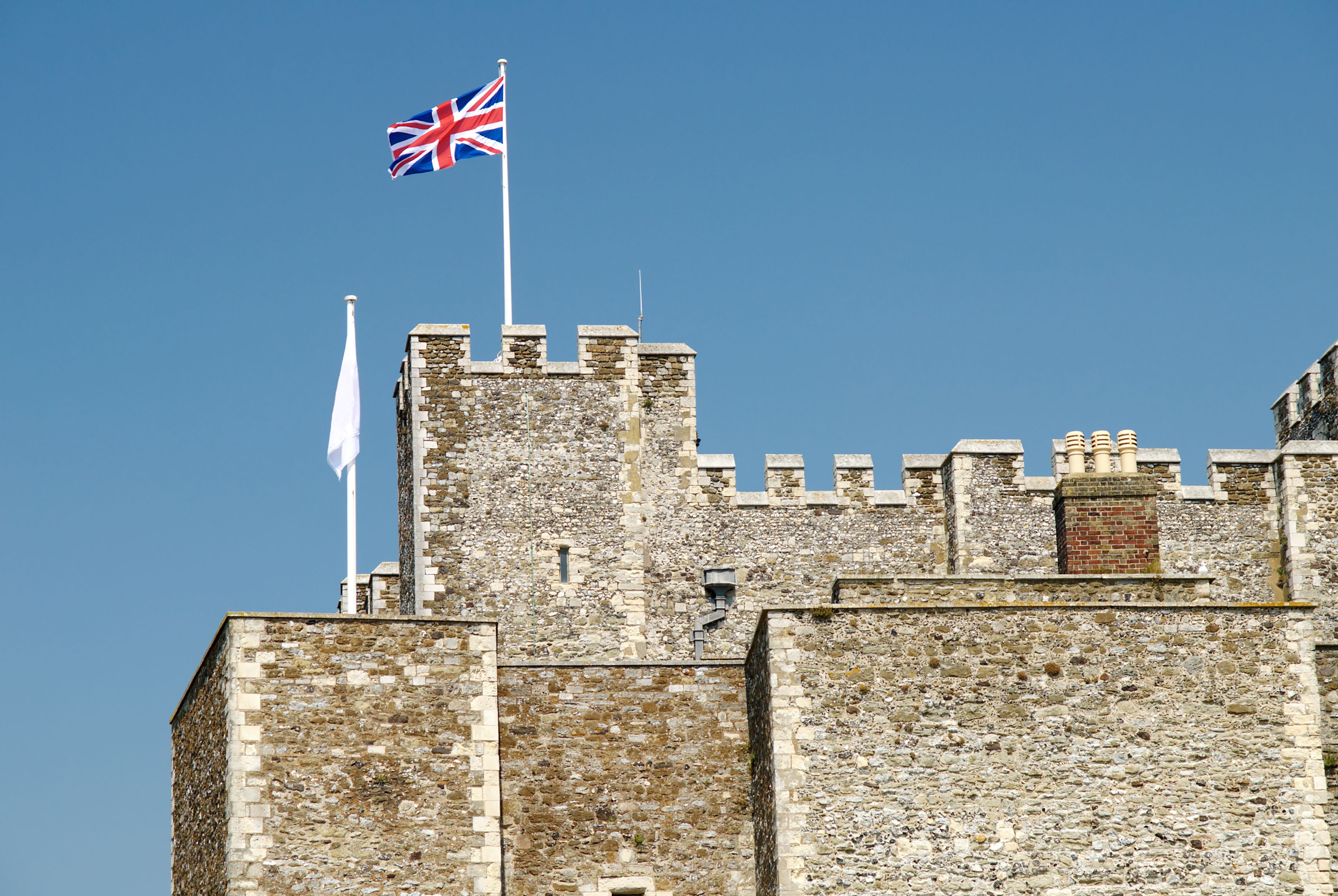
Dover Castle sits above the Channel, looking something like an extremely confident bouncer, checking passports from incoming ferries with its narrow, arrow-slit eyes. It's also helpfully close to the cruise terminals, which means you can be inside a proper medieval fortress before you can say portcullis.
Getting there is straightforward, but it's not a flat trip, so wear sensible shoes. English Heritage notes it is a one-mile uphill walk from Dover Priory, with bus options including the 81. If you are arriving by cruise, Dover’s terminals have taxis right outside, and a short cab ride saves you from turning a heritage outing into too much unexpected cardio.
Once you're up there, the scale is impressive. Dover is a whole castle complex rather than a single photogenic lump, with views that'll do a good job of helping you to understand exactly why people have fought over this strip of water for so long. English Heritage recommends booking ahead to avoid disappointment.
Southampton: Portchester Castle
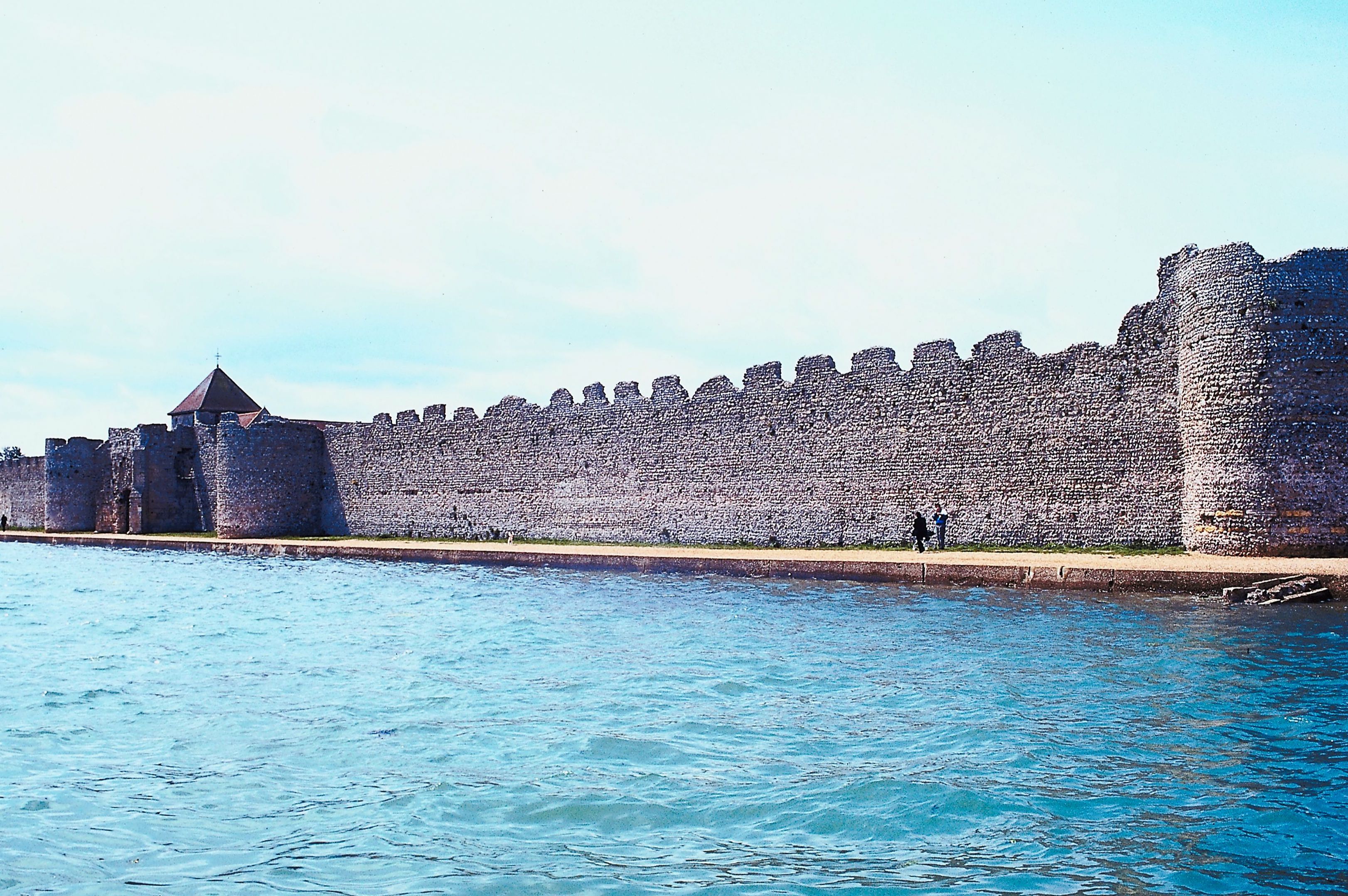
While Windsor is magnificent, on a cruise call, visiting can quickly become the sort of plan that turns a relaxing holiday into a low-grade logistical nightmare. If you want something genuinely doable from Southampton, go for Portchester Castle instead. It's close enough to feel sensible, but comes with enough history to still be worth the visit.
Portchester began life as a vast Roman “Saxon Shore” fort, later topped with a Norman keep in the 12th century, and it still has a hefty amount of its Roman walls plus big views across the Solent.
Getting there is pleasingly straightforward. From Southampton Central, trains to Portchester take roughly 29 to 37 minutes depending on the service. From Portchester station, it's about a mile on foot, or you can shave the walk down using a local bus, with English Heritage noting First Bus service 3 gets you to within about a quarter mile.
One practical note worth making, because it will save you a sulk: Portchester can have seasonal closures (it is shown as closed and reopening in March 2026 on English Heritage’s listing), so check the opening times against your sailing date before you commit.
Edinburgh (Leith): Edinburgh Castle
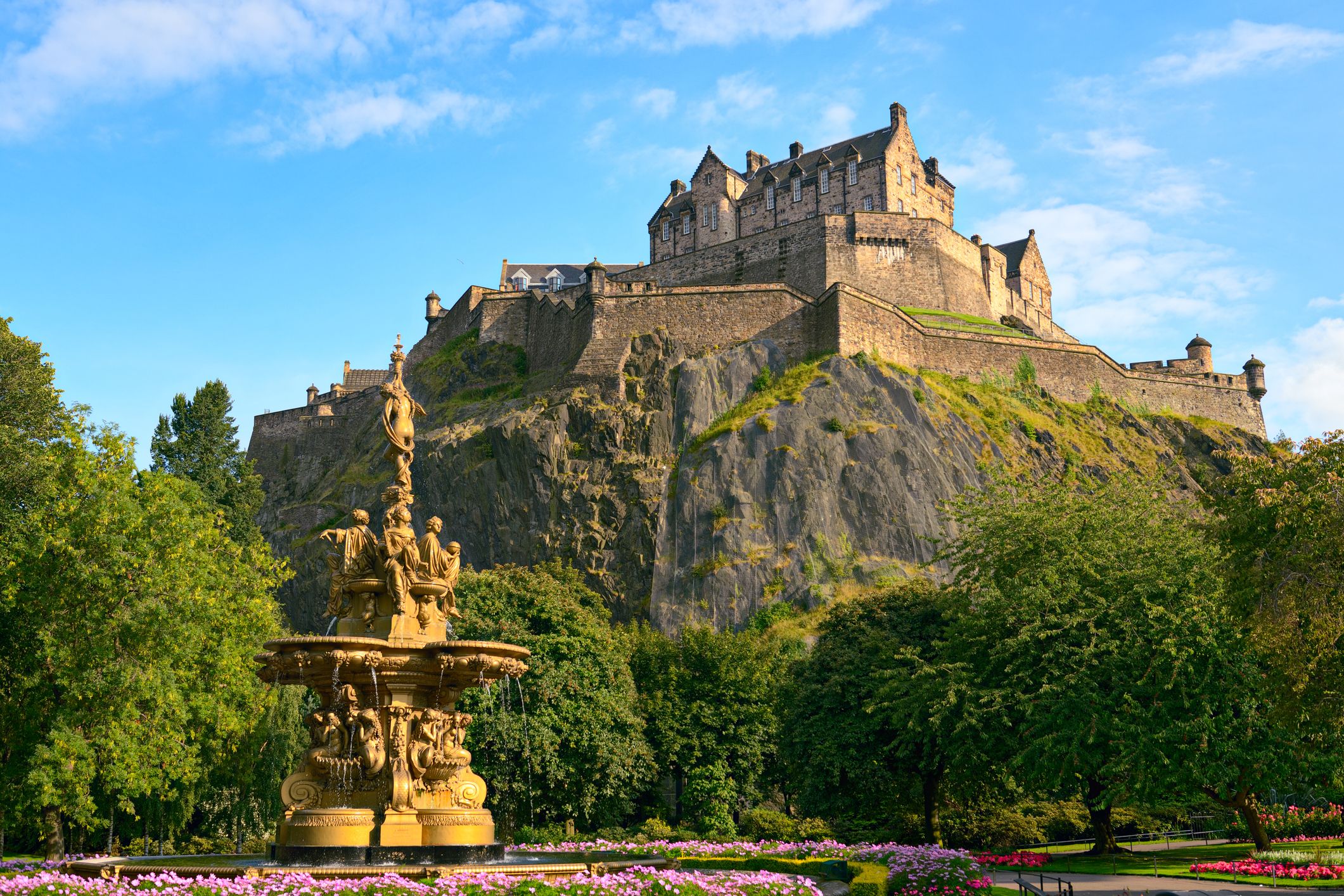
Edinburgh’s castle is anything but subtle. It's perched on a volcanic summit (as though posing for a history textbook), and is close enough from Leith that you can get your fix without spending your entire day in transit.
Leith has good links into the city centre, including the tram extension and frequent buses. From there, you are essentially funnelled uphill with the rest of Edinburgh's visitors towards the Royal Mile. The Castle advises booking tickets in advance, and it is right to do so.
This is a castle that feels like it's own capital. Go early if you can, then reward yourself afterwards with something hot and flaky in a café, (the traditional Scottish way of processing such grandeur).
Invergordon:
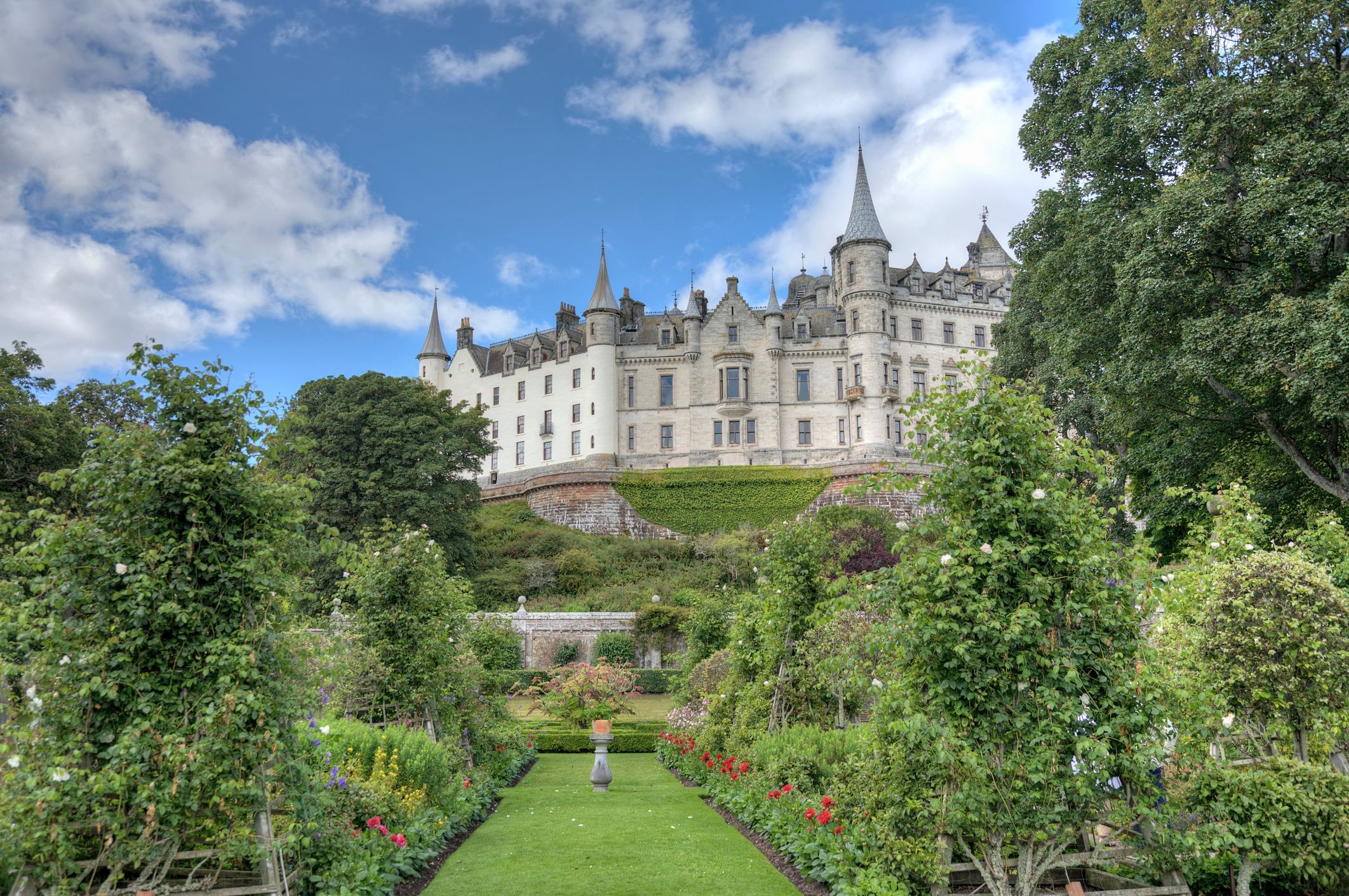
Invergordon is your gateway to type of Highland scenery that makes you want to begin describing things as “brooding” and “vast”. And Dunrobin Castle is the obvious castle pick, looking a little bit like a French château that's gotten lost and decided to plant itself on the Scottish coast.
Dunrobin is on the east coast of the Northern Highlands near Golspie, overlooking the Moray Firth, and it is typically open from 1 April to 31 October, which neatly matches the main cruise season up here. If your ship is calling outside those months, check before you build your whole day around it.
This is a “plan a taxi or coach” kind of outing unless you're very good with timetables, but the payoff is worth it: stunning formal rooms, museum, gardens, and that feeling you only get in the Highlands that you're standing inside a landscape painting.
Belfast: Carrickfergus Castle
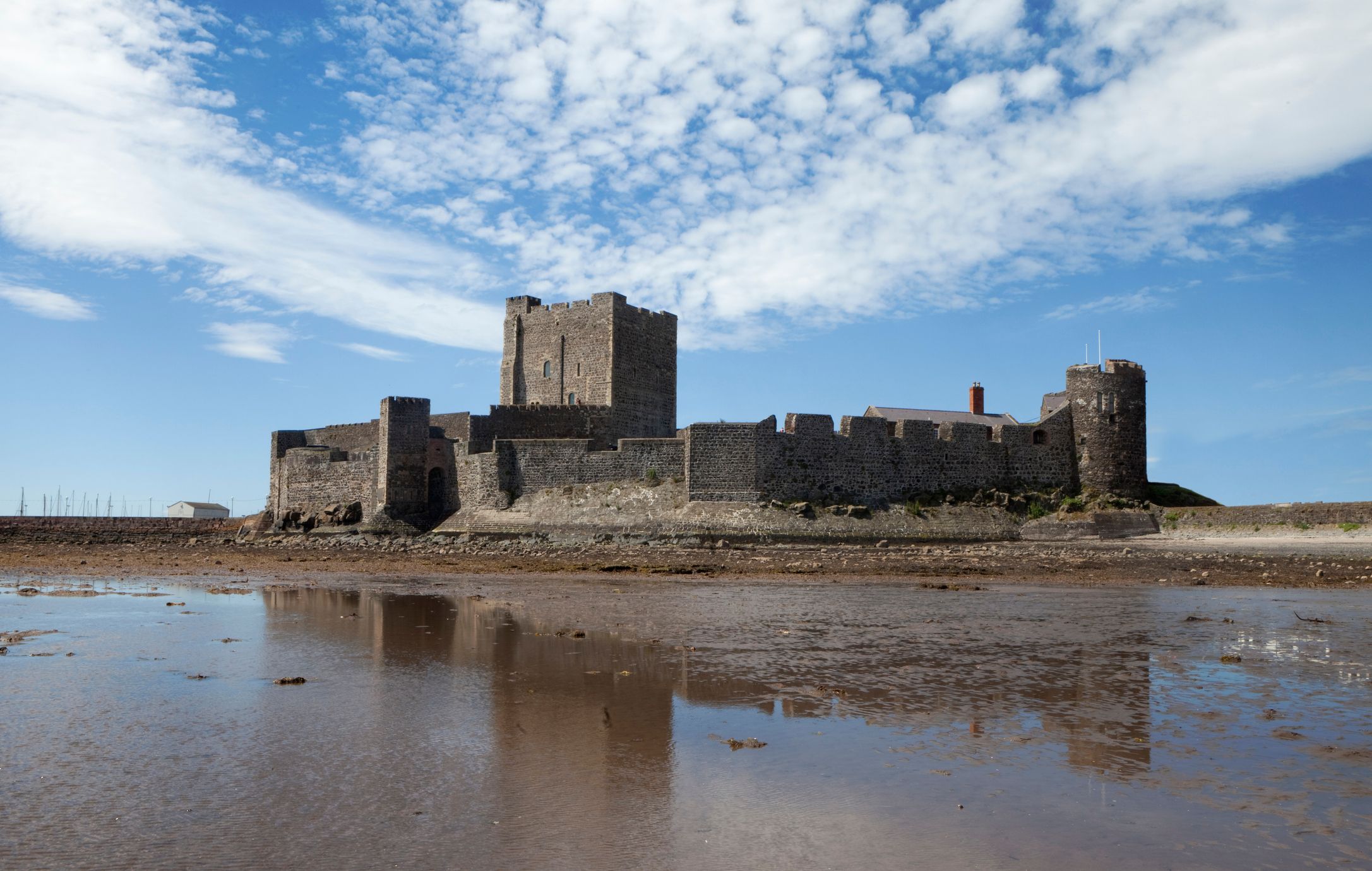
If you want a castle that's properly Norman and doesn't require a full-day expedition, Carrickfergus is an excellent choice. It's stout, tidal, and pleasingly authentic.
Discover Northern Ireland describes it as a Norman castle and publishes seasonal opening times for 2026, which is helpful when you are threading a visit into a port day. From Belfast, the simplest approach is train or bus; the train journey usually takes around half an hour.
The joy here is how quickly you go from city to castle. And if your itinerary is heavy on big cities, Carrickfergus is a compact dose of proper, windy history.
Dublin: Dublin Castle
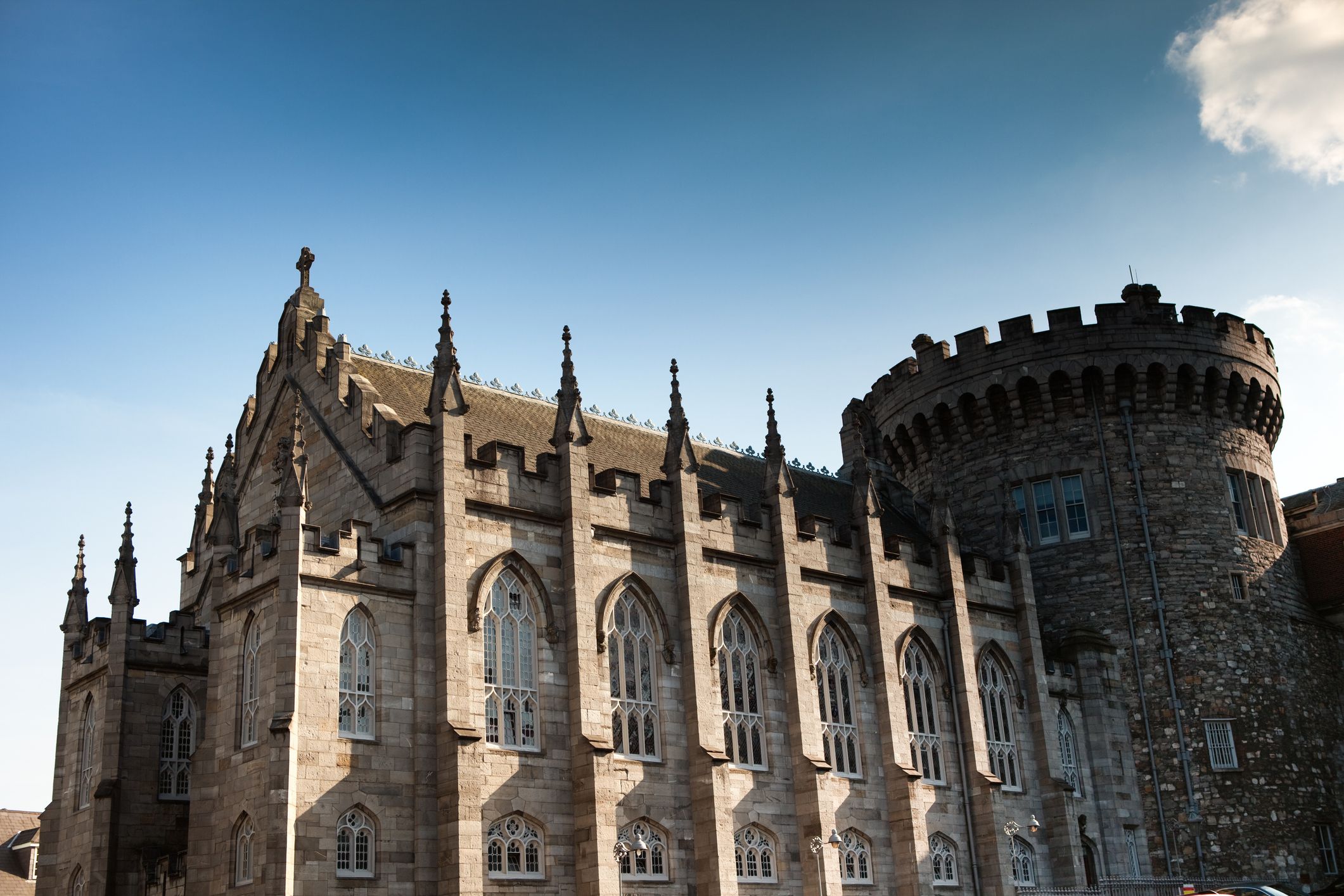
Dublin Castle is less “fairy-tale turret” and more “the administrative nerve centre of Ireland for centuries,” which is, a means it offers a different kind of impressive. It was constructed in the early 13th century on the site of a Viking settlement and later became a major government complex.
From Dublin Port, you're looking at a short hop into the centre, with taxis often taking only minutes depending on traffic. Dublin Castle is open daily, with published ticketing and last-admission times, and it is worth checking those against your ship’s schedule.
If you want one history stop that doesn't demand a hike or a countryside sprint, this is the sensible choice. Sensible also doesn't mean boring. It just means you'll still make it back to the ship without jogging.
Copenhagen: Kronborg or Frederiksborg
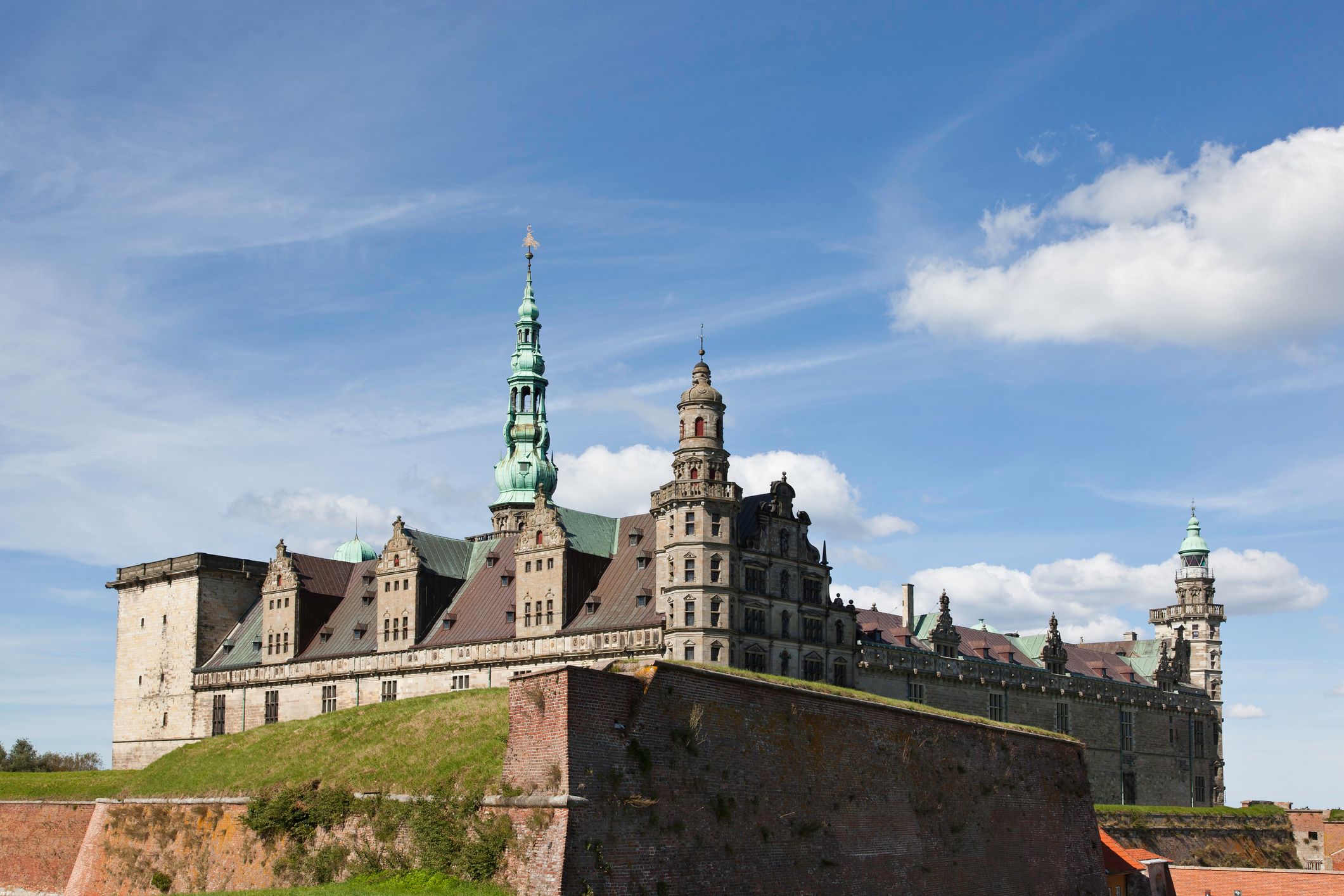
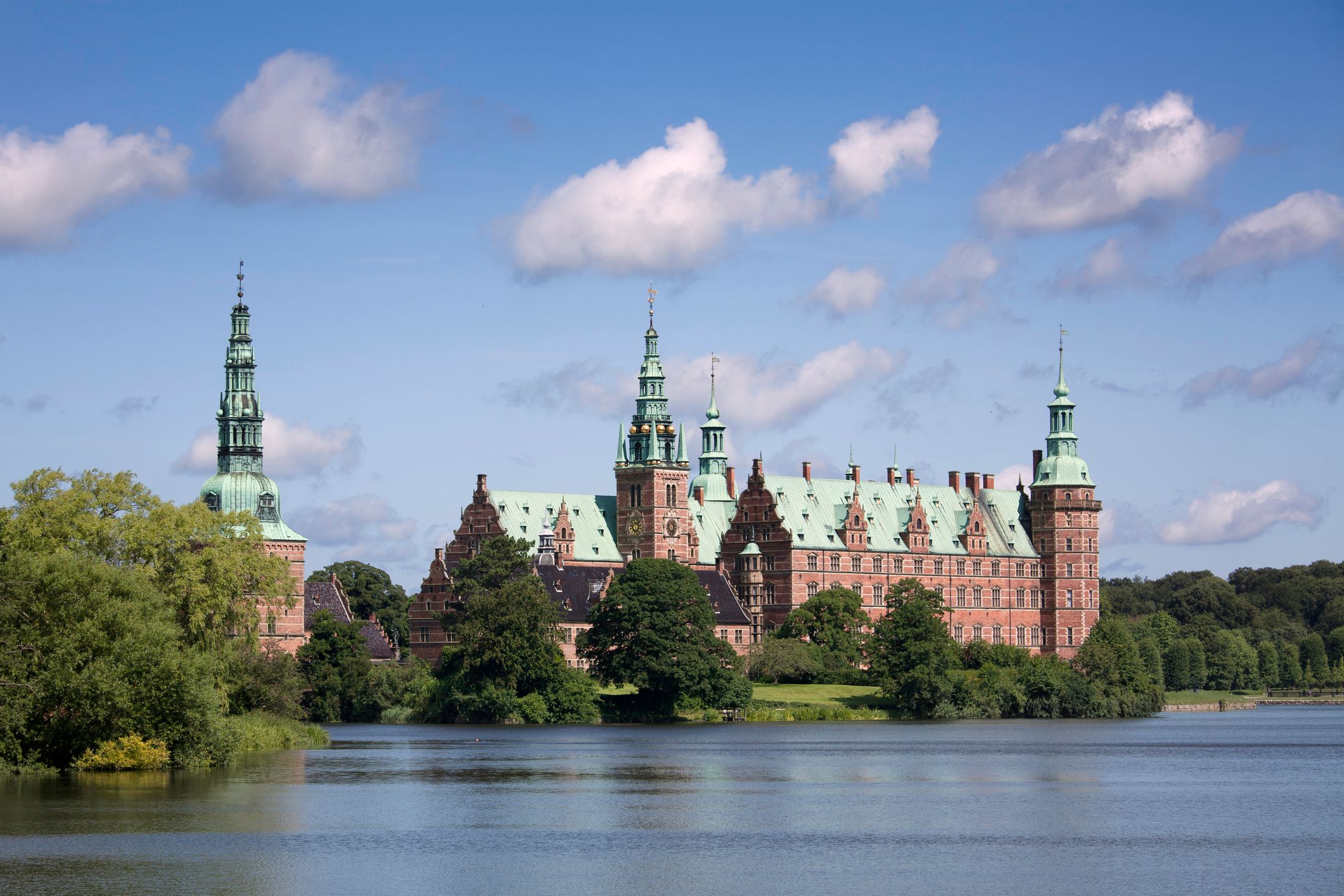
Copenhagen is greedy in the best possible way: it gives you two top-tier castle days both within reach of the dock. Pick based on your mood and the length of your port call.
Kronborg is the Shakespearean one, sitting by the water in Helsingør. The castle’s own visitor info says the Coastal Railway runs directly from Copenhagen about every 20 minutes, and it is a ten-minute walk from the station to the site. This is a very easy day trip if you like your castles with sea views and a side of Hamlet.
Frederiksborg is the fairytale-lake one, in Hillerød. The castle notes you can get there directly by train to Hillerød Station, then walk in via the Castle Lake path or along the main street. This one feels more like arriving at someone’s extremely elaborate dream, complete with water, symmetry, and the kind of “how is this real?” grandeur that'll make you start whispering.
Oslo: Akershus fortress
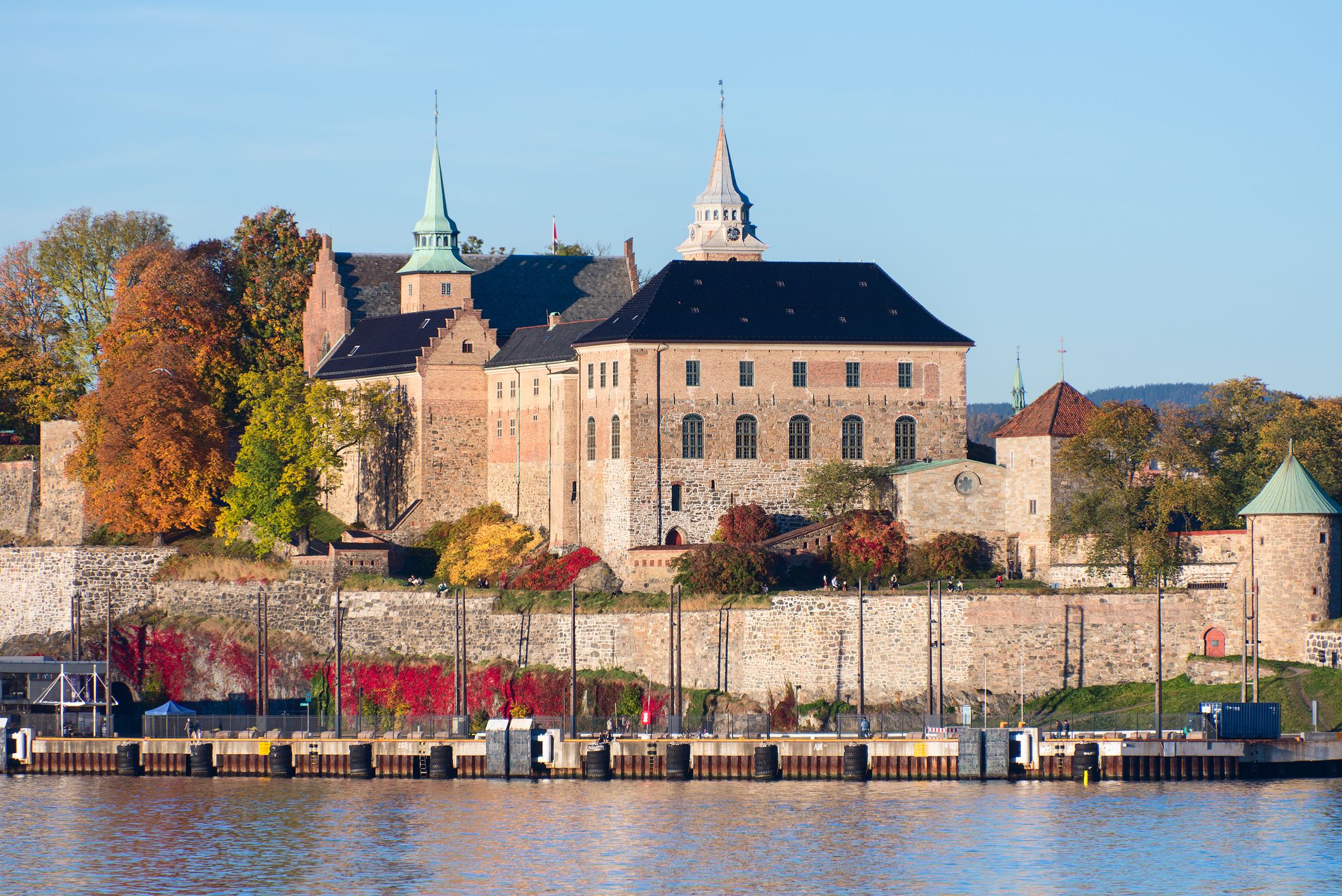
Oslo makes this easy. Akershus is right there, sitting above the harbour like it's been waiting for you specifically to get off your ship and be impressed.
Forsvarsbygg notes that admission to the fortress grounds is free, with separate tickets for museums and events, and publishes seasonal gate times. If you end up in the city centre first, it is also walkable from Oslo Central, or a short tram ride.
This is the perfect “short port call” castle because you can combine it with a wander along the waterfront, a coffee that costs more than your childhood allowance, and the smug satisfaction of having seen a medieval stronghold without breaking a sweat.
Barcelona: Castell de Montjuïc
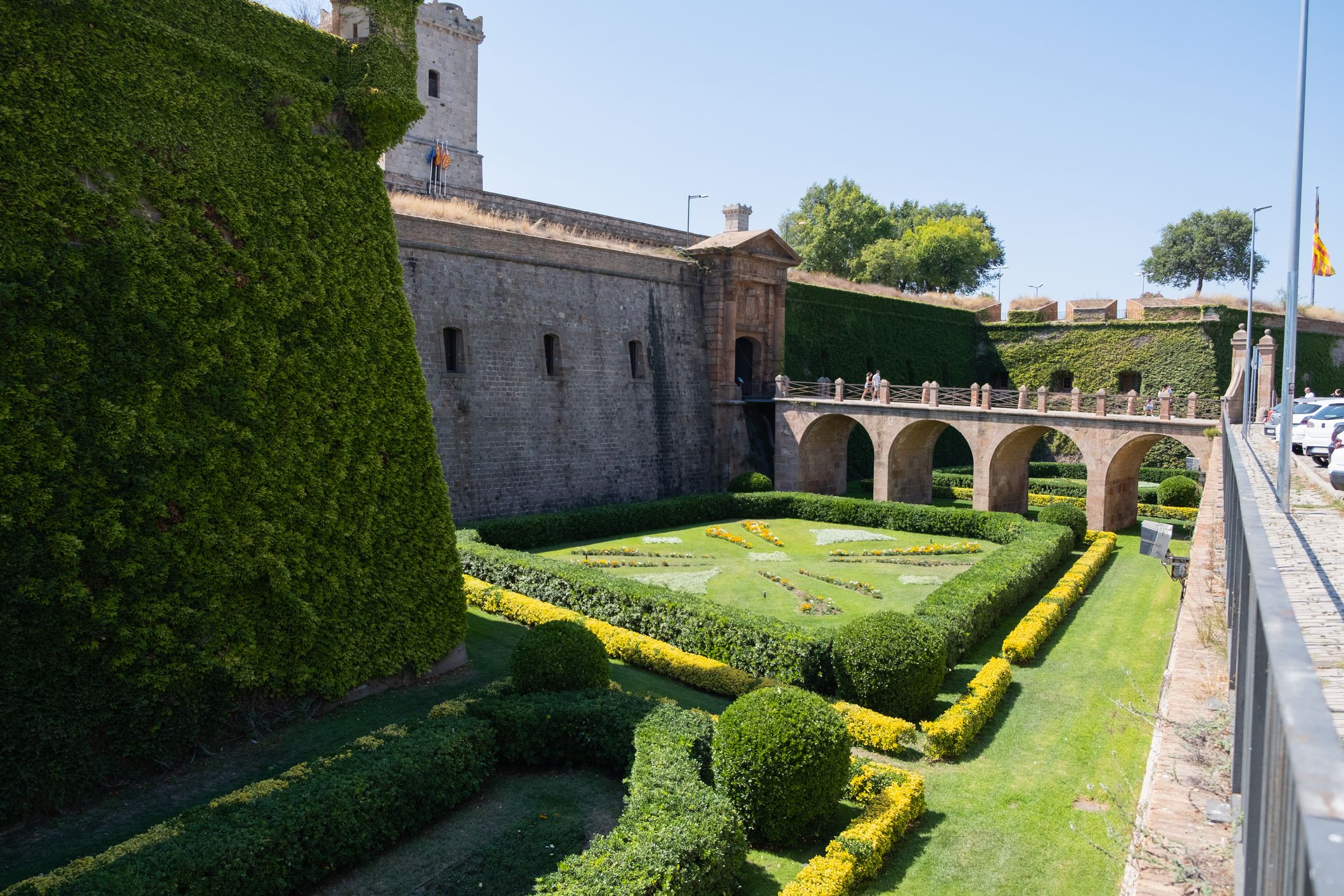
Barcelona Turisme lists bus 150 as a way to reach Castell de Montjuïc. For a more scenic approach, you can use the Montjuïc Cable Car (not for the faint-of-heights) via the funicular connection from Paral·lel, and the cable car operator explains the route and connections. One practical consideration: TMB notes the Montjuïc Funicular has had a planned closure from 20 October 2025 for about five months, with a replacement bus running from Paral·lel. If your sailing falls in that window, it is still doable, just slightly more of a “choose your own adventure.”
Montjuïc is less about lavish rooms and more about vantage points. You come for the cannons and ramparts, then you stay for the spectacular panorama.
Palma de Mallorca: Castell de Bellver
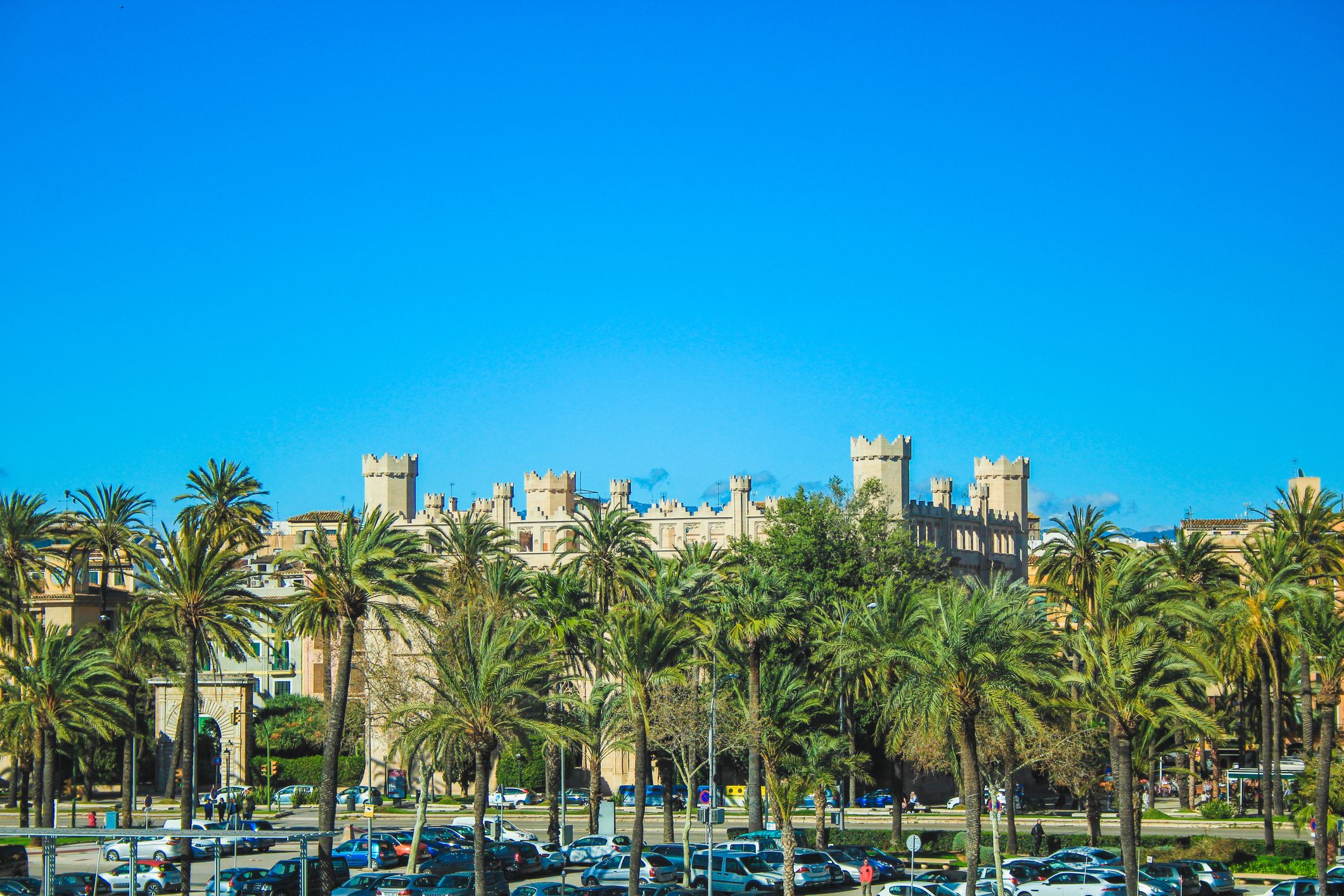
Bellver is the antidote to the idea that all castles are square, grim, and allergic to whimsy. It is circular, it sits above Palma, and it delivers exactly what its name promises: the view.
The official site provides opening hours and ticketing details, including that ticket sales close shortly before closing time. From the port, it is a short taxi ride, or you can use local buses and then walk uphill through the park, which is lovely if your calves are feeling underused.
If your itinerary is heavy on beaches and old towns, Bellver is a neat way to get some height, some history, and a smug photo of your ship sitting in the bay looking like a toy.
Lisbon: Castelo de São Jorge
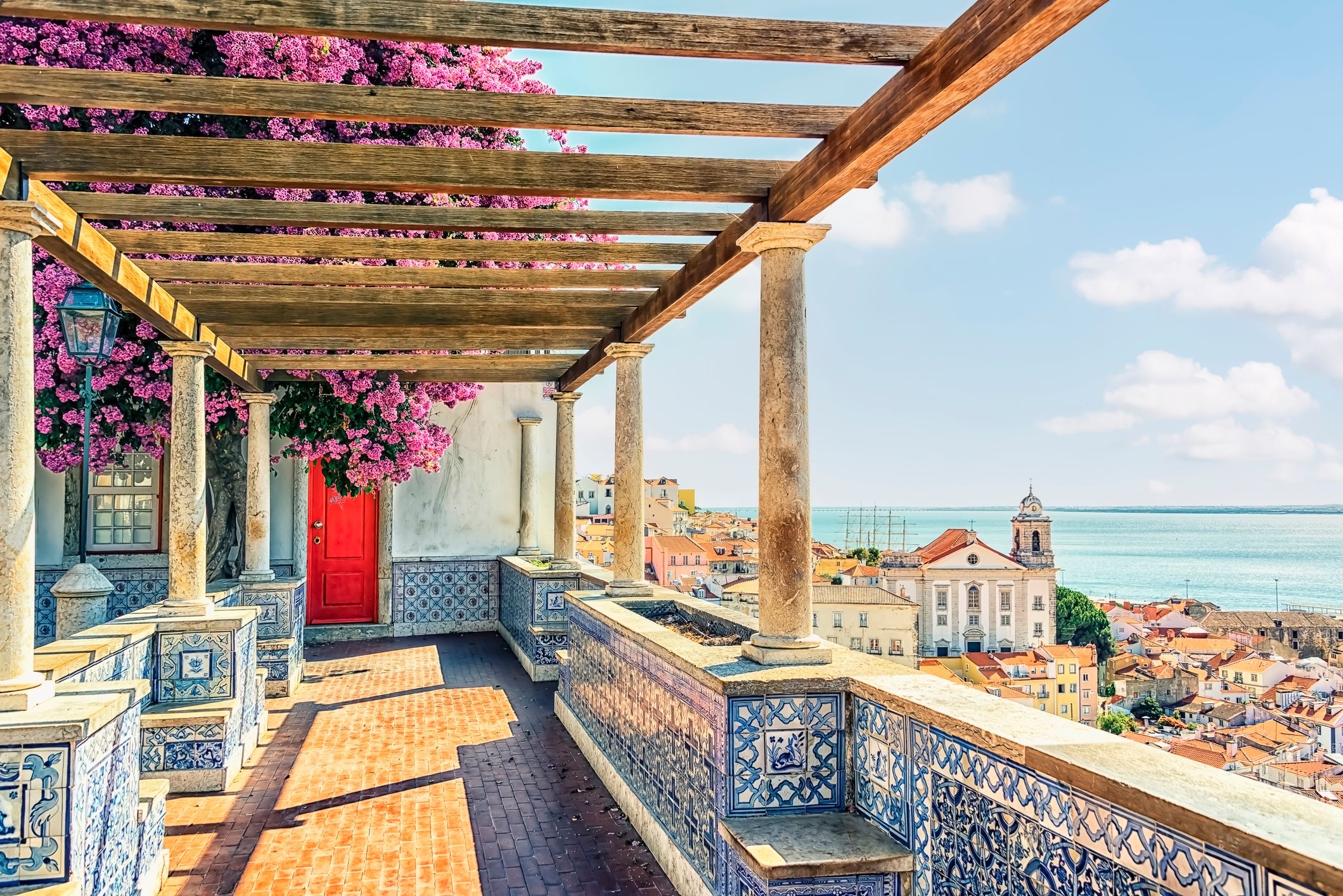
Lisbon and castles are a natural pairing because Lisbon is basically built on the idea of “what if we built every building of significance at the top of a very steep hill.” São Jorge is the hilltop prize, with views over the rooftops that make you feel like you are holding the city in your hands, assuming your hands aren't still slightly sweaty from the climb.
The castle’s official site lays out walking routes and access options, including using the Chão do Loureiro lift as part of the approach. It also gives practical entry information and encourages buying tickets online if you want to skip the worst of the queue.
This is a castle for people who like their history with a side of miradouros. Go up, take the view seriously for three minutes, then immediately ruin it by eating something custardy afterwards. That's a huge part of Lisbon’s charm.
Naples: Castel Nuovo (Maschio Angioino)
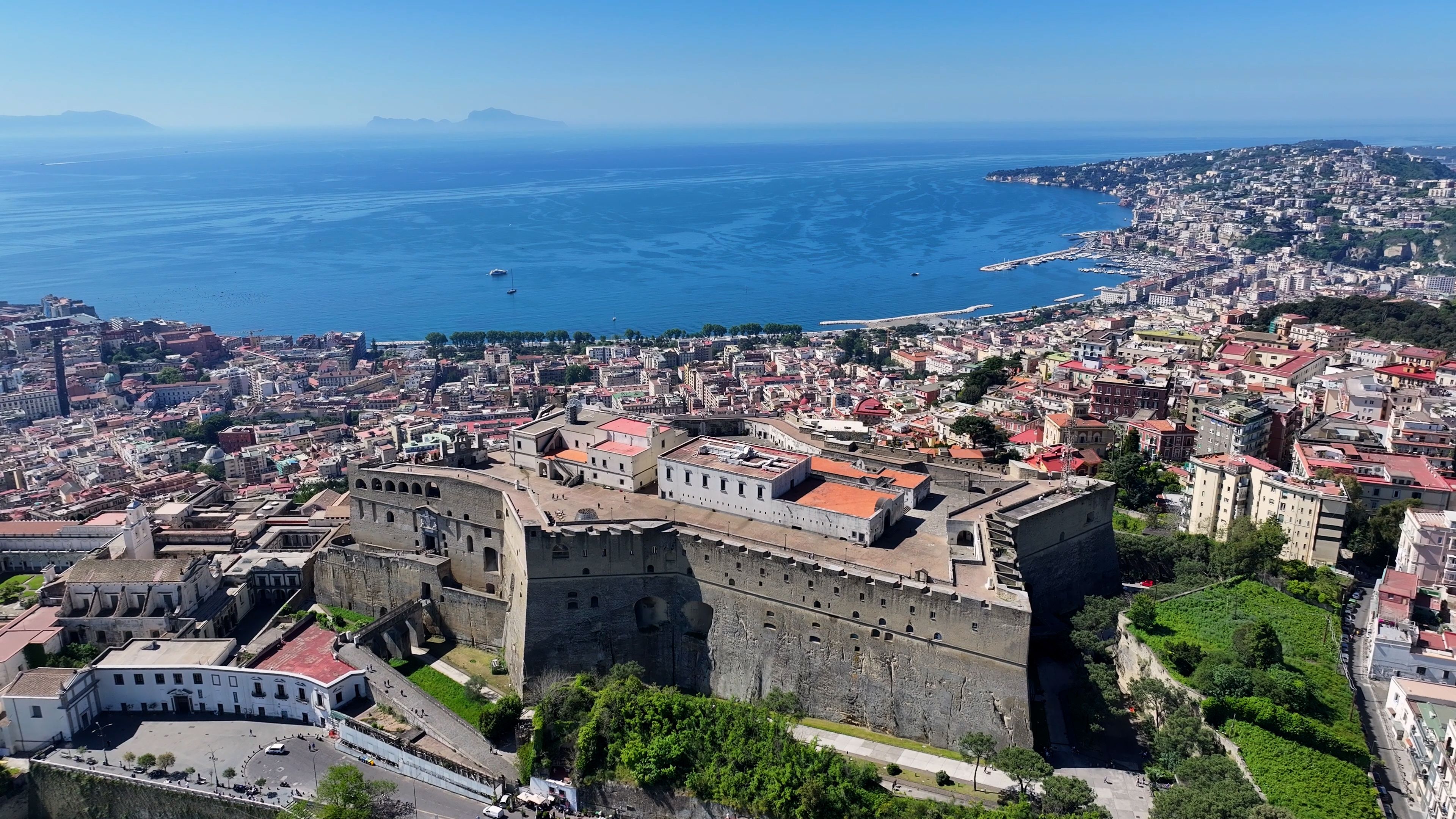
Naples doen't waste your time. Castel Nuovo sits in Piazza Municipio, and the city’s own page helpfully lists how to reach it by metro, tram, and bus, including the Municipio stops on Metro Lines 1 and 6. It is also a short distance from the port area, which is exactly what you want on a cruise day.
Historically, it is an imposing 13th-century build that became a royal seat and later a strategic fortress, which is the sort of career progression you would also like for yourself. The practical joy is that you can combine it with a Naples wander without committing to a big transfer, then still make it back to the ship with time for an espresso and a small existential crisis about how quickly the day went.
A final sanity check before you go castle-hunting
If your itinerary gives you a long day, go for the “train out, train back” castles like Kronborg, Frederiksborg, or Portchester, build in a buffer so you are not sweating on a platform. If your call is short, stick to the walkable, close-to-port options like Dover, Akershus, or Castel Nuovo and spend the extra time eating something local that would have horrified the original castle residents.