On a grey January morning, Lisbon can feel like a city you've got entirely to yourself. The light is lower, the hills are still steep and the tiles are still impressive, but the crowds have thinned and the city is suddenly more for itself than for summer visitors. If your cruise calls here in winter, you have a few precious hours to take advantage of that.
Here is how to spend a winter’s day in Lisbon without pretending it is August or spending the whole time hiding in a heated shopping centre.
Start with the light, (don't check the mercury)
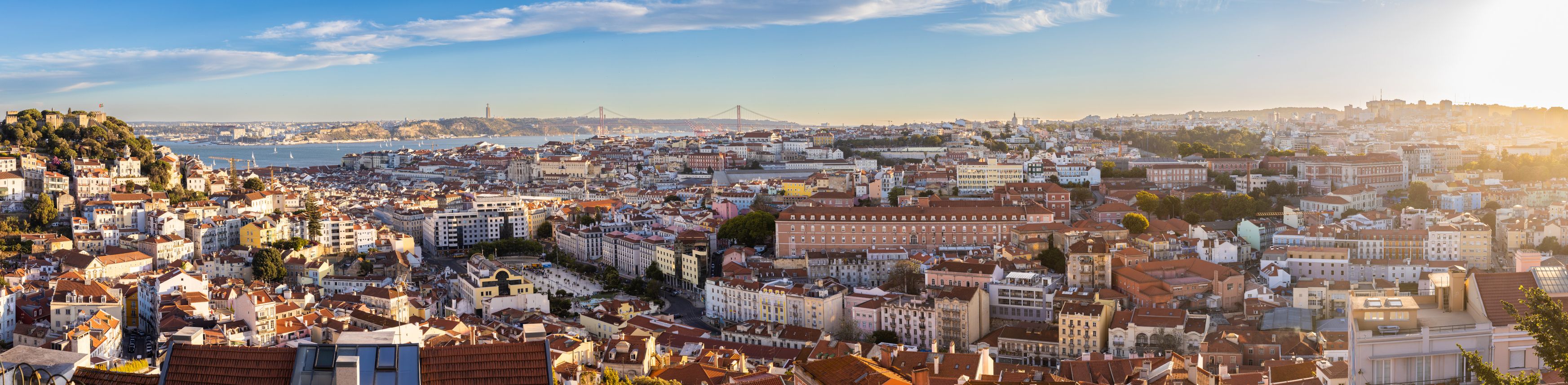
Lisbon in winter is not warm in the smug “beach swim in December” way, but it is pleasantly civil compared with the rest of northern Europe. Daytime temperatures usually sit somewhere in the low teens, which is firmly in “coat and scarf” territory rather than full-on survival gear. What makes it work in winter is the light - soft, low and flattering (on even the most jet-lagged face).
If you arrive early, head straight up to one of the miradouros (scenic view points) before the day has completely filled with people. Miradouro da Senhora do Monte has a calm, almost secret feel and a wide view over red roofs towards the Tagus. Miradouro de São Pedro de Alcântara looks across to the castle and down to Baixa and is an excellent place to decide that you will absolutely walk all of that later, then remember how hills work.
Give yourself a few minutes to just stand and look. Winter makes the curves of the river and the shape of the 25 de Abril bridge feel sharper. You also have the minor joy of hearing more Portuguese than English, (fewer tour groups can be coaxed up here in January drizzle).
Coffee, custard and a tram for form’s sake

Once you can no longer feel your fingers, it is time for the standard Lisbon warming sequence: coffee and pastéis de nata. Any argument about who makes the “best” custard tart is between locals, but even the average bakery here is far above average. Order one that is still warm, with a short coffee, and accept that you will now be thinking about a second one for the rest of the day.
If you feel the need to do the famous yellow tram, winter is the time to do it without spending forty minutes in a queue. Tram 28 still rattles past pastel houses and churches in an utterly impractical way, and on a cold day the wooden interior feels cosier and less like a moving selfie contest. Just keep an eye on the time if you are docked for the day; this is still public transport, not a theme ride.
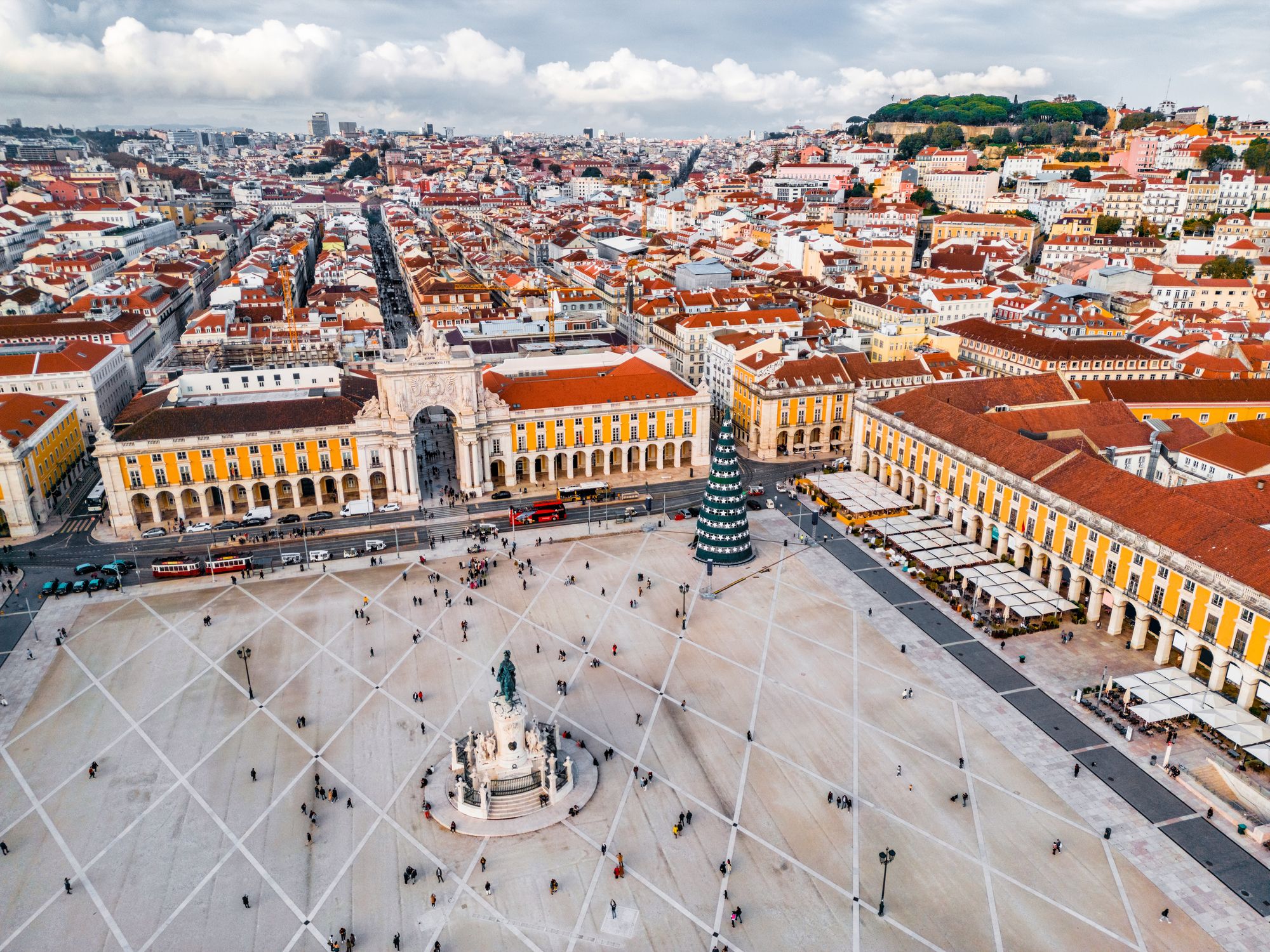
From the Baixa area, a gentle loop through Rua Augusta and the Praça do Comércio works well in winter. The big square opens straight onto the river, where the air has that cold, slightly salty feel that reminds you you are technically on a cruise rather than a city break.
A museum you'll remember


Lisbon does not lack museums, but winter is when you might be likely to linger a little longer. On a hot summer day the temptation is always to flee back outside; in January, a few hours indoors with heating feels like a gift.
If you pick just one, the Museu Nacional do Azulejo is hard to beat. It sits a little way from the centre, in a former convent, and takes tiles - the things you've already been photographing on every corner - and gives them a history and a sense of scale. There are whole rooms that feel like standing inside patterned wallpaper, and a long panoramic tile panel of Lisbon before the 1755 earthquake that rewards slow looking.
If your interests lean more towards architecture and the present day, head riverside to MAAT, the Museum of Art, Architecture and Technology. The building curves along the waterfront like a low white wave. Inside, the exhibitions can be hit and miss, but the mix of industrial relics, contemporary galleries and river views works particularly well in winter light.
Either way, this is the moment you quietly enjoy being somewhere that is not the ship, surrounded by locals doing exactly the same thing on their weekend.
Lunch under a roof, not a heat lamp
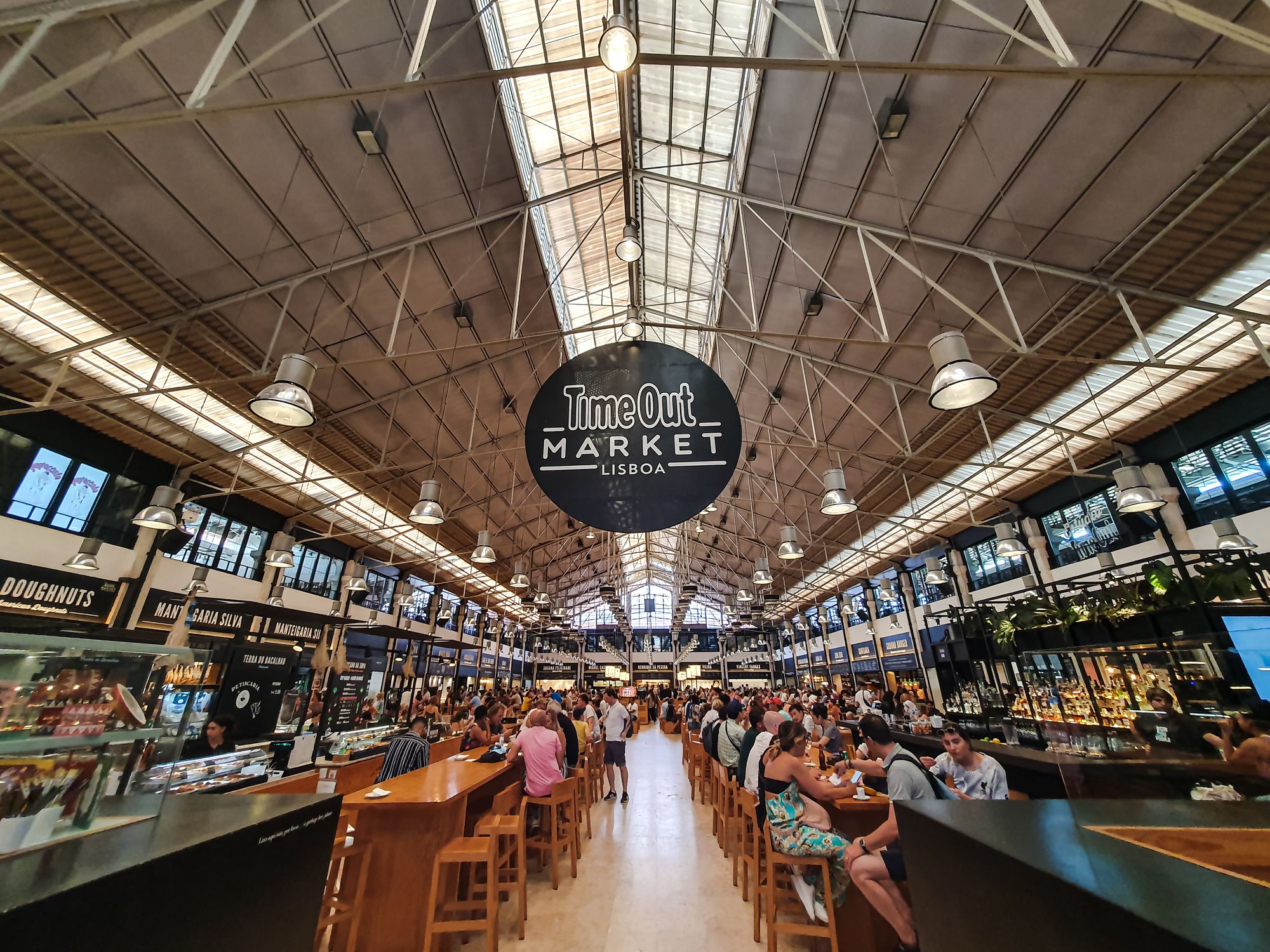

Lisbon’s Time Out Market, in the old Mercado da Ribeira, is often described as “buzzy” which is another way of saying “crowded”. Winter does not magically empty it, but the slightly off season timing helps.
If your cruise is in port all day, it is still one of the simplest ways to try a few Portuguese flavours without playing restaurant roulette. You can pick your way through grilled fish, petiscos, croquettes, soups and frankly irresponsible desserts, then sit at communal tables and eavesdrop on other people’s holiday planning.
If that sounds like your idea of hell, look for a smaller tasca on a side street instead. A bowl of caldo verde, grilled sardines if they are running, or a bifana sandwich with mustard and a cold beer feels exactly right on a chilly Lisbon day. Vegetarians are better catered for now than they used to be, though you may still need to nudge the menu a little towards legumes and away from “jamón with everything”.
The key winter rule is simple: somewhere with indoor seating, proper plates and the option of another glass of red while the rain passes.
Afternoon: Belém, books or back alleys
With the morning’s caffeine and custard safely converted into energy, you have decisions to make. Winter resets Lisbon’s usual hierarchy slightly, because anything that involves long queues outdoors deserves a second thought.
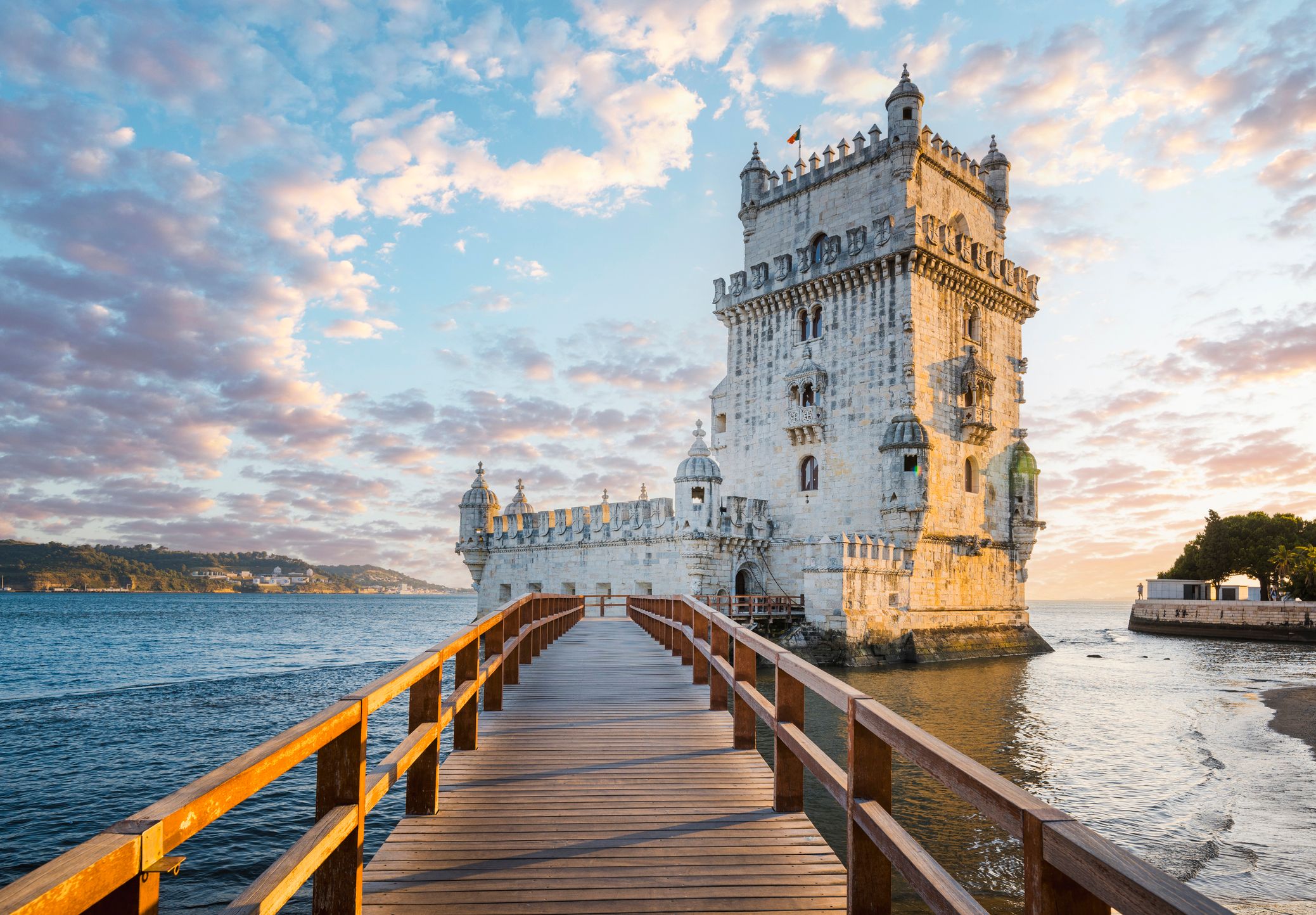
Belém is a classic choice, with the Jerónimos Monastery, Belém Tower and the riverside promenade. In summer it can feel like the queue capital of Western Europe. In winter you may still need to wait, but the numbers are lower and the low sun makes the monastery’s cloisters and maritime motifs look almost theatrical. If you do go, leave time just to walk the riverfront; in winter the Tagus looks more serious, less postcard, and the Discoveries Monument takes on a slightly stark edge that suits it.
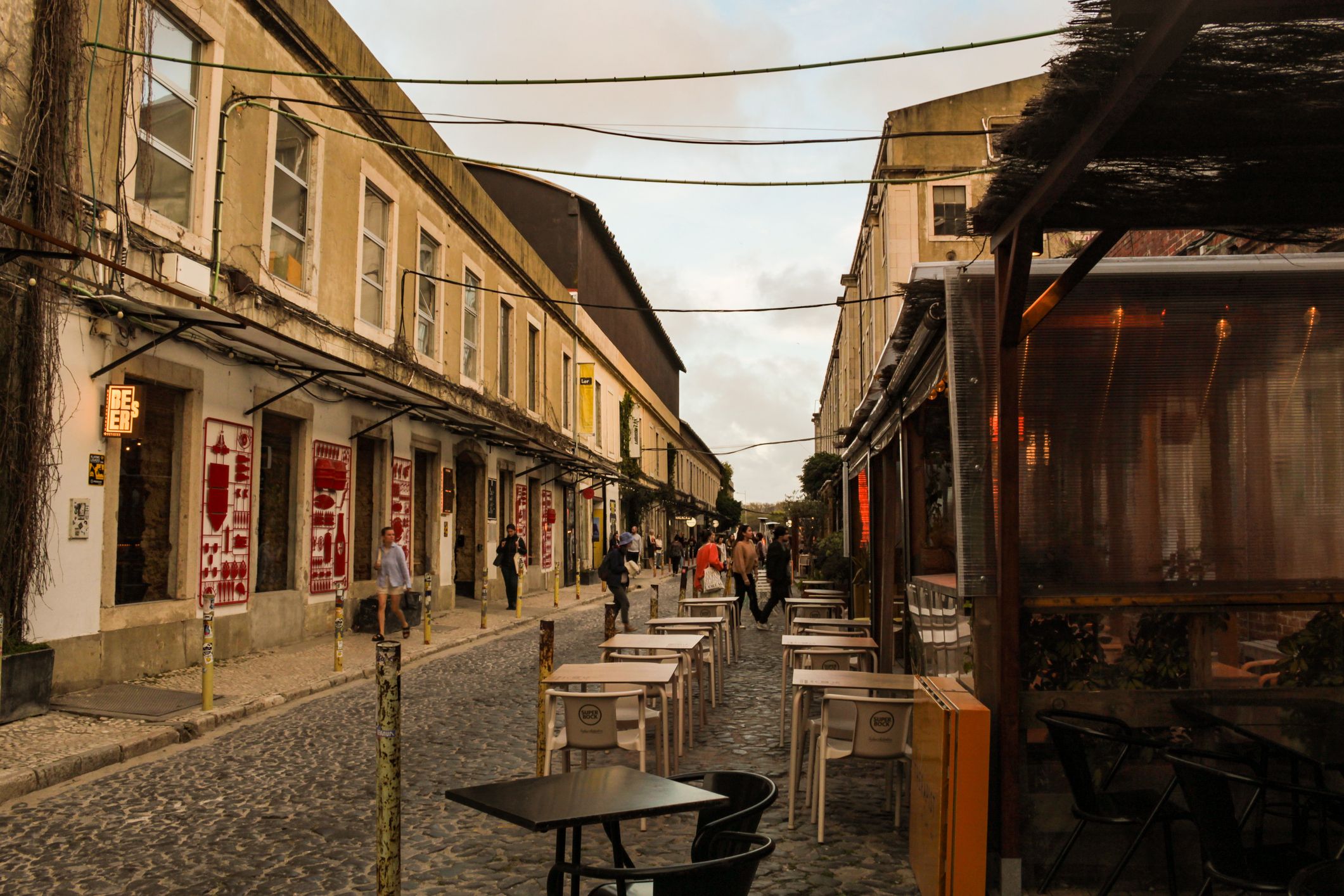
If the idea of getting back on a tram fills you with dread, head in the other direction to LX Factory. It sits under the bridge in Alcântara and feels like a self-contained little city of shops, cafés, studios and a very photogenic bookshop, Ler Devagar, where the shelves rise over several levels around an old printing press. On a cold day, browsing here with a coffee is one of the more civilised ways to wait out a shower.
Alternatively, stay central and wander through Alfama and Mouraria. In winter the alleys are damp, the washing lines look defiant and the tiled facades feel more like armour than decoration. It is steep and occasionally slippery, so sensible shoes are not optional, but you see how Lisbon manages to be both coastal and quite scruffy in the best possible way.
Evening warmth before you sail away


If your ship sails late, winter is the time to experience Lisbon in its soft, early darkness. The city does not suddenly become a nightclub, but the atmosphere changes. Lights come on in the tiled stairwells, steam escapes from kitchen doors and the hillsides glow gently.
A pre dinner stop for ginjinha - the local cherry liqueur - is practically mandatory. The tiny standing bars near Rossio serve it in thimble sized glasses, and it is hard to take either yourself or your travel plans too seriously while drinking it.
For something more structured, a small fado venue in Alfama or Mouraria can work well if you choose carefully and keep one eye on your all aboard time. The best ones lean towards intimate rather than theatrical. Even if you do not understand the lyrics, the combination of guitar, voice and a roomful of people sitting in deliberate silence is surprisingly moving, especially on a cold evening.
If you need to be back at the ship earlier, a simple dinner in Baixa or Chiado does the job. Winter menus tend to be a little heartier. Think stews, roasted fish, grilled octopus and potatoes rather than show-off tasting menus. Order dessert even if you had custard tarts at breakfast; it is research now.
Why bother in winter at all?
It is easy to assume that Lisbon is a summer city that just waits politely for the temperatures to return. In reality, winter suits it rather well. The hills feel more manageable in cooler air. The trams are still romantic once the Instagram crews have thinned out. The tiled streets and squares look sharper under a low sun than they do in hard August glare.
For cruise passengers, a winter call in Lisbon has one main advantage. You step off the ship into somewhere that is genuinely going about its own business rather than performing summer for visitors. You still get the views, the food, the history and the river, but with fewer queues and more locals on their lunch break.
You may need a coat and you will almost certainly find yourself dodging at least one sudden downpour. But if you are happy to swap beach weather for good light, good coffee and the feeling that you caught the city slightly off guard, a winter’s day in Lisbon is time very well spent.