
Watching ten designers transform Dorset beach huts on Interior Design Masters this week, I found myself thinking a thought I suspect the BBC did not set out to provoke: this is basically the same process Naval Architects go through when designing a cruise-cabin. This, in turn, led me to two conflicting thoughts:
- One, I spend far too much time thinking about cruise ships and probably need to get out more.
- Two, I think some cruise lines could learn a thing or two from the BBC's spring primetime programming.
Series seven has returned with Alan Carr and Michelle Ogundehin, and the opening brief saw ten designers tackle beach huts on the Dorset coast before one of them is sent home. Over the rest of the eight-week run, they will take on a string of ever more ambitious spaces, with the winner eventually landing the chance to launch their own homewares range with Next. Which is all very exciting, but what really caught my eye was how uncannily familiar the episode-one problem felt.

Alan Carr returns to host series 7
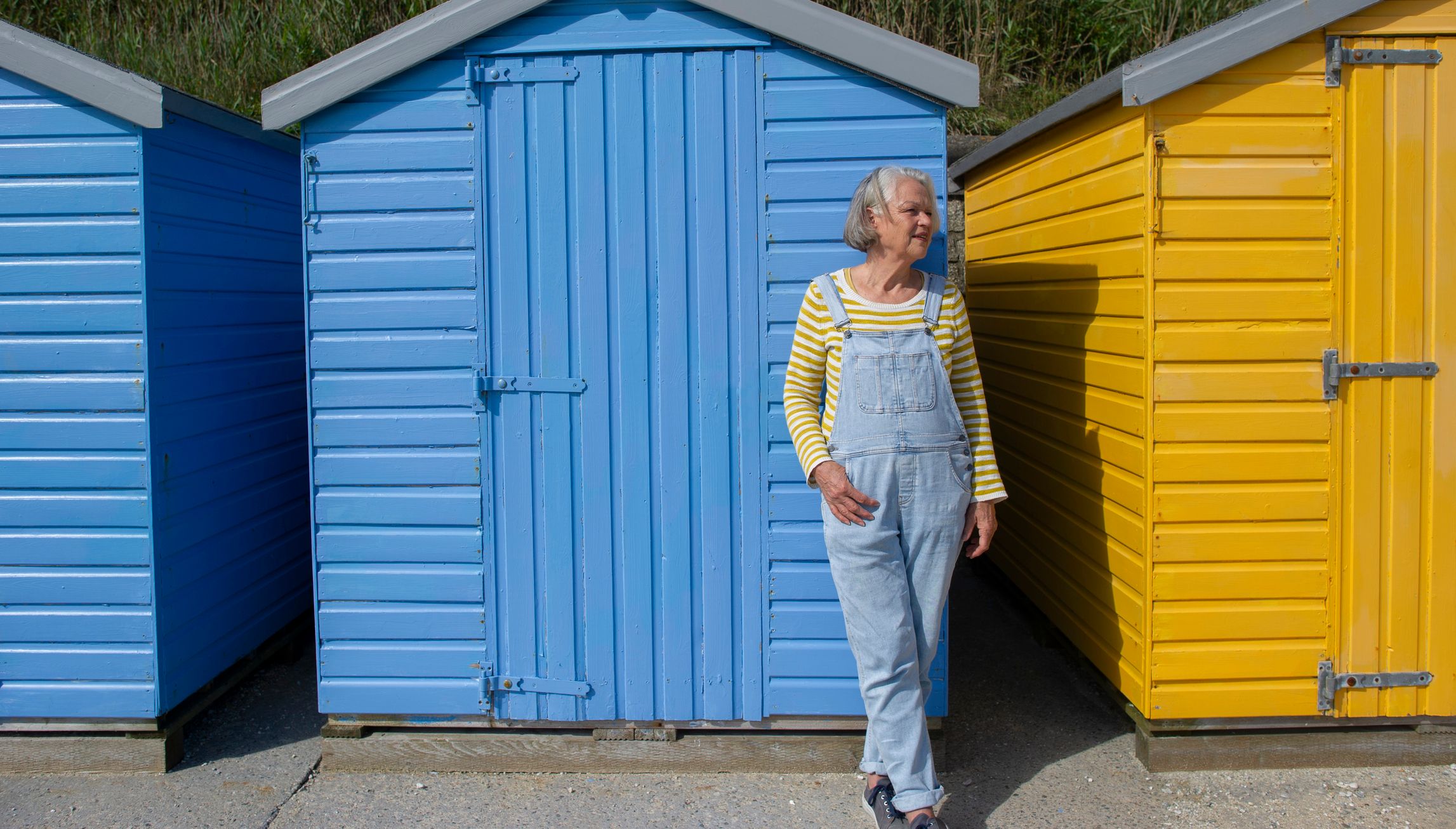
The designers each took on a beach hut in Mudeford, Dorset
Because beach huts and cruise cabins are cousins, really. Not identical cousins, granted. One sits on a sandy strip waiting for a flask, a striped deckchair and the three days of sufficiently sunny weather Dorset gets a year, while the other is bobbing somewhere off Sicily while you try to remember which drawer you put your charger in. But the design challenge is similar: small space, high expectations, holiday mood and very little room for nonsense. Alan Carr said as much in the series notes when he pointed out that the huts only look simple, but are actually quite deceptive, with very little space and a need to be multi-functional. That is also, give or take a balcony, the cruise-cabin brief.
What the best designers on the show understand almost immediately is something cruise lines know already, or at least should know: a holiday space does not have to be big to feel generous, but it has to feel thought through. Michelle Ogundehin puts it quite neatly in the series material when she said the real question is not just how something looks, but how it works, because a space somewhere people actually live. And the same applies to ships; good cabins are not just pretty little boxes. They settle you, create calm and provide a haven away from busier and noisier areas of the ship.

The beach-hut episode also makes a great case for boldness under pressure. Alan has already flagged colour drenching as this series’ great design takeaway, while Michelle talks about the value of designers trusting their instincts and making strong, coherent decisions rather than clinging to a safe idea that's no longer working. Again, this feels highly relevant at sea. Cruise cabins are often at their worst when they're trying hard to be unobjectionable. Nobody remembers a room that was expensively beige. The spaces people love are usually the ones that create a clear mood the moment you first walk in; whether that's cosy, breezy, glamorous or quietly cocooning. And if a wall treatment accidentally looks like rising damp, (as happened in episode one after one designer stencilled country outlines in a greyish off-white), then that too is a lesson. Not every idea will survive contact with reality.
There is also something very cruise-specific in the way the designers are being judged on ingenuity rather than sheer spend. The opening challenge asked them to reuse and repurpose wherever possible, which is part of what made the brief more interesting than simply throwing paint at a pretty seaside backdrop. Cruise cabins, particularly the successful ones, are also exercises in disciplined compromise. They have to stash luggage, comfort tired people, survive damp swimwear and still leave you with the impression that you're on holiday. When cabins work, it's because somebody has thought laterally, pared back what's not needed and understood that the functional can still be seductive if handled properly.
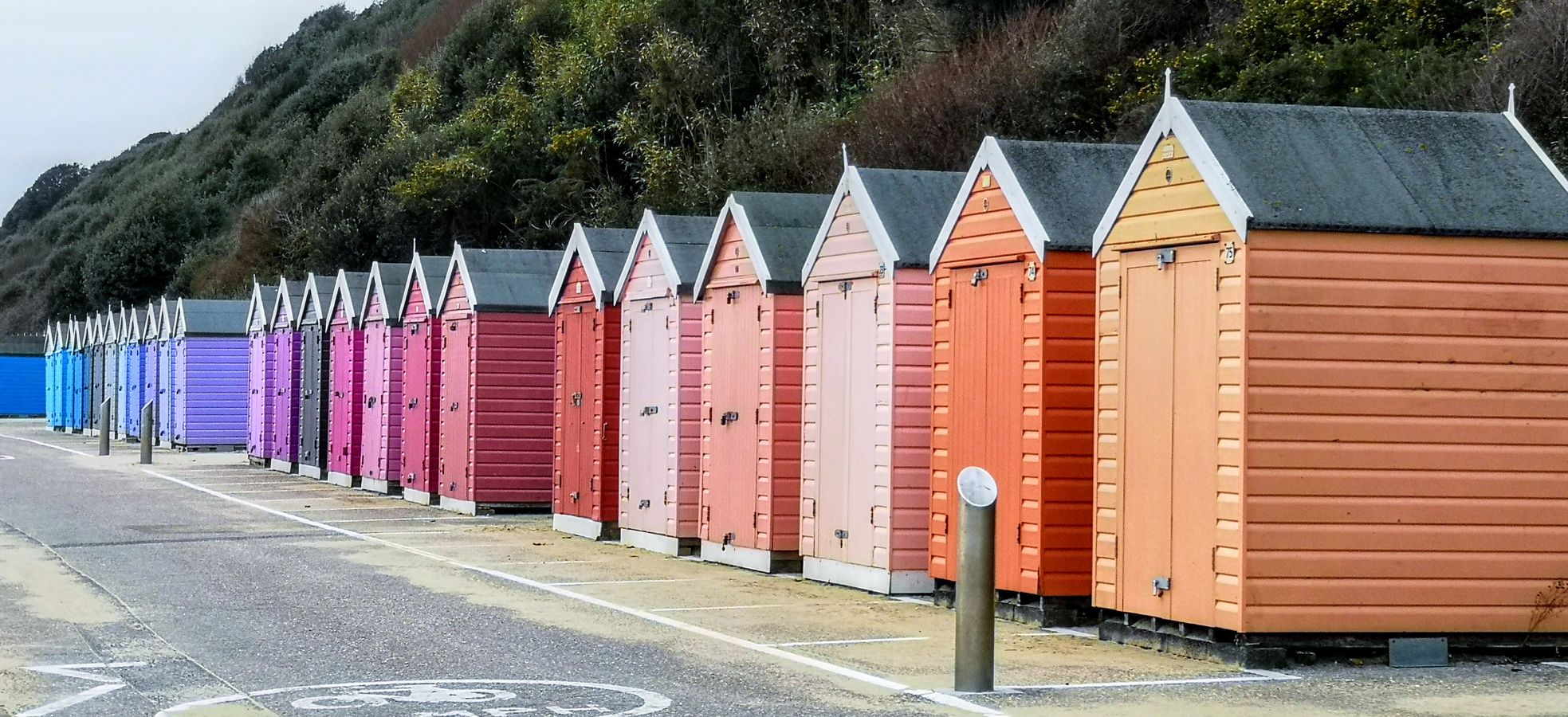
That perhaps, is why this first episode was particularly entertaining for anyone who spends a lot of time thinking about travel. A beach hut on the South Coast and a cruise cabin in the Med are both trying to solve the same awkward puzzle. How do you make a compact space feel useful, escapist and special all at once? How do you give people somewhere to put the practical bits of themselves without letting the room tip into pure utility? And ultimately, how do you make them want to linger? Those are interior design questions, certainly. But they are also holiday questions. And if Interior Design Masters spends the rest of the series being as sharp on the tension between ambition and constraint as it was in Dorset, I will be watching very closely, partly for the telly and partly because some cruise lines could definitely stand to take notes.
If you're interested in cruising and interior design, you can find our interview with Kelly Hoppen on designing for Cruise Ships here...