For a long time, “going on a cruise” was something you did after collecting your gold watch andv cashing in a lifetime of Tesco Clubcard points. These days, you are just as likely to find someone comparing TikTok drafts on the pool deck as you are to be doing a crossword in the shade.
The industry has quietly shifted while the stereotype stayed put. Look at the numbers and it is very clear who is climbing the gangway.
The data paints a younger picture
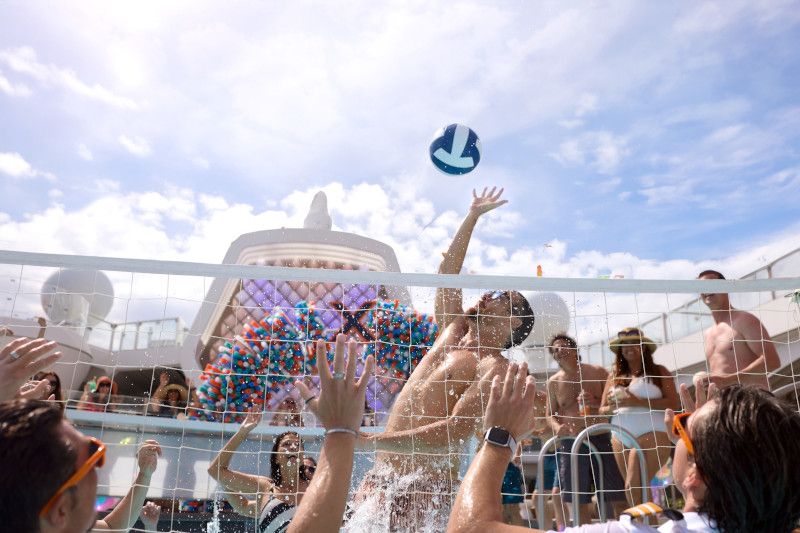
According to the global trade body for cruise lines, roughly two thirds of people who cruised in 2024 were Gen X or younger, and more than a third were under 40. The average age of a cruise traveller now hovers in the mid forties rather than the late fifties.
British booking patterns tell the same story. In the late 2010s, only a sliver of 25 to 34 year olds had tried a cruise. Now almost one in five in that age bracket has been on one in the last year, and this is also the group most determined to keep travelling even when everything else is getting more expensive. For many of them, holidays are not a treat that happens if there is anything left in the pot; they are the bit of the year that gets ring fenced first.
So what changed, apart from the average age on the dance floor?
From floating retirement home to mobile basecamp
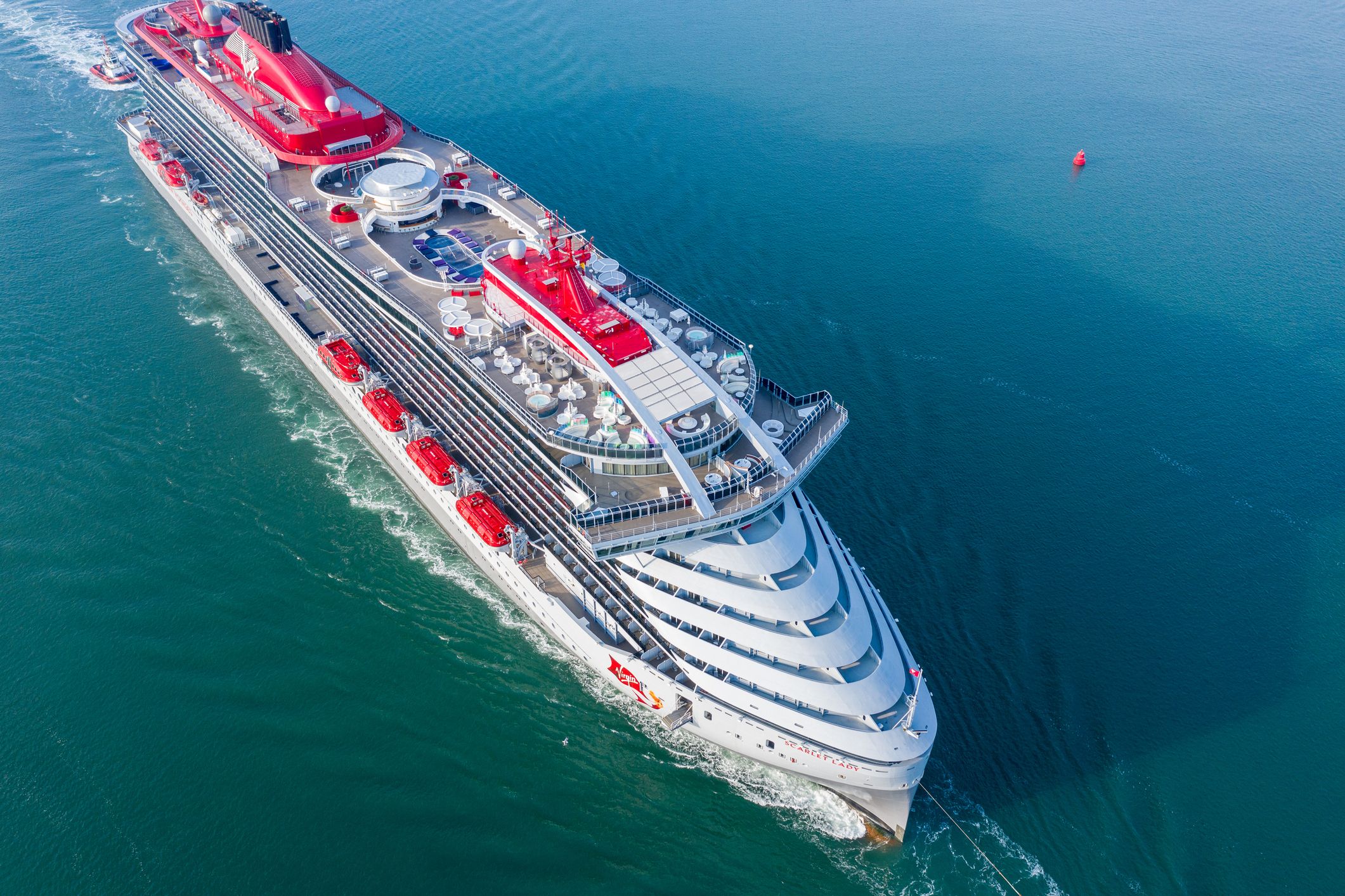
Part of the answer lies in the hardware. Big lines have spent the last decade refitting older ships and designing new ones that speak fluent social media. Think mirrored corridors that lead into nightclub spaces, rooftop bars that have been perfected for Instagram, and spas that feel closer to a boutique hotel than a local leisure centre.
On some of the newest ships you can try rollercoasters at sea, swings that arc you out over open water, indoor go-kart tracks and immersive gaming zones, before retiring to a cabin with decent Wi-Fi and enough charging points for an entire friendship group. One major cruise brand now reports an average guest age of about 42 and says the number of 18 to 39 year olds sailing with them has tripled in six years.
This is not accidental. Cruise companies realised that younger travellers were perfectly happy to spend money on experiences, as long as those experiences felt active, shareable and more like a festival at sea than a coach tour that floats.
Active trips without the Antarctic price tag

At the adventurous end of the scale, expedition and polar cruises have shed their dusty image too. Around 120,000 people headed to Antarctica in the 2023-24 season, compared with a few thousand in the early nineties. The clientele is still mixed, but there are plenty of thirtysomethings pulling on expedition jackets alongside the retirees.
Norway has become a useful stepping stone for this crowd. Coastal and fjord sailings offer northern lights hunts, kayaking, hiking and rib-boat trips that feel satisfyingly “outdoorsy” without requiring a second mortgage or three internal flights. Lines that specialise in these trips talk quite openly about treating their ships as basecamps, not floating hotels.
Even on more traditional itineraries, the shore days have changed. Bike tours, food walks, sea kayaking and summit hikes sit alongside coach tours, and the marketing photography has quietly shifted from formalwear in the atrium to people in fleeces holding coffee on a windy promenade deck.
The appeal of never packing a suitcase twice

For people in their twenties and thirties who are used to low-cost flights and long weekends, one of cruising’s biggest selling points sounds suspiciously grown up: logistics.
On a long itinerary you can wake up in a new country without once having to drag a wheelie case over cobbles or work out whether the cheap apartment you booked is really as central as the listing claimed. You unpack once, and the complicated bit happens while you are at dinner.
That practicality is part of what convinced one late-twenties traveller from Hampshire to spend a month at a time on board with her mum, zig-zagging from San Francisco to Sydney, on to Hawaii, Fiji, Chile, Peru and the Bahamas. She was often the youngest person on the ship and still came away saying she “saw the world” and now wants to try the Norwegian fjords with her boyfriend. In her mental filing cabinet, cruises now sit alongside beach breaks and ski weeks as a separate category altogether.
Mini cruises and the “test drive” generation

Most under 40s are not booking round-the-world sectors on a whim. What has really widened the funnel is the rise of short cruises: anything up to five nights that behaves more like a long weekend.
A London-based cruiser in her mid twenties describes how it started with one short sailing and snowballed into trips to Norway, Miami and Spain, plus river cruises on the Rhine and Douro. She is honest about often being in the minority age wise, but points out that if you pick the right line for your taste, the mix of people can be part of the fun rather than a drawback.
Short trips also make the money side feel more manageable. Splitting an inside cabin with friends and treating the whole thing as a city break that floats can work out cheaper than a hotel-heavy itinerary with multiple flights, especially once you factor in meals and entertainment.
For cruise lines, these trips are essentially test drives. If a three or four night sailing can dismantle the “cruises are not for people like me” narrative, the longer itineraries start to feel less intimidating.
Safety, especially for women, is a quiet advantage
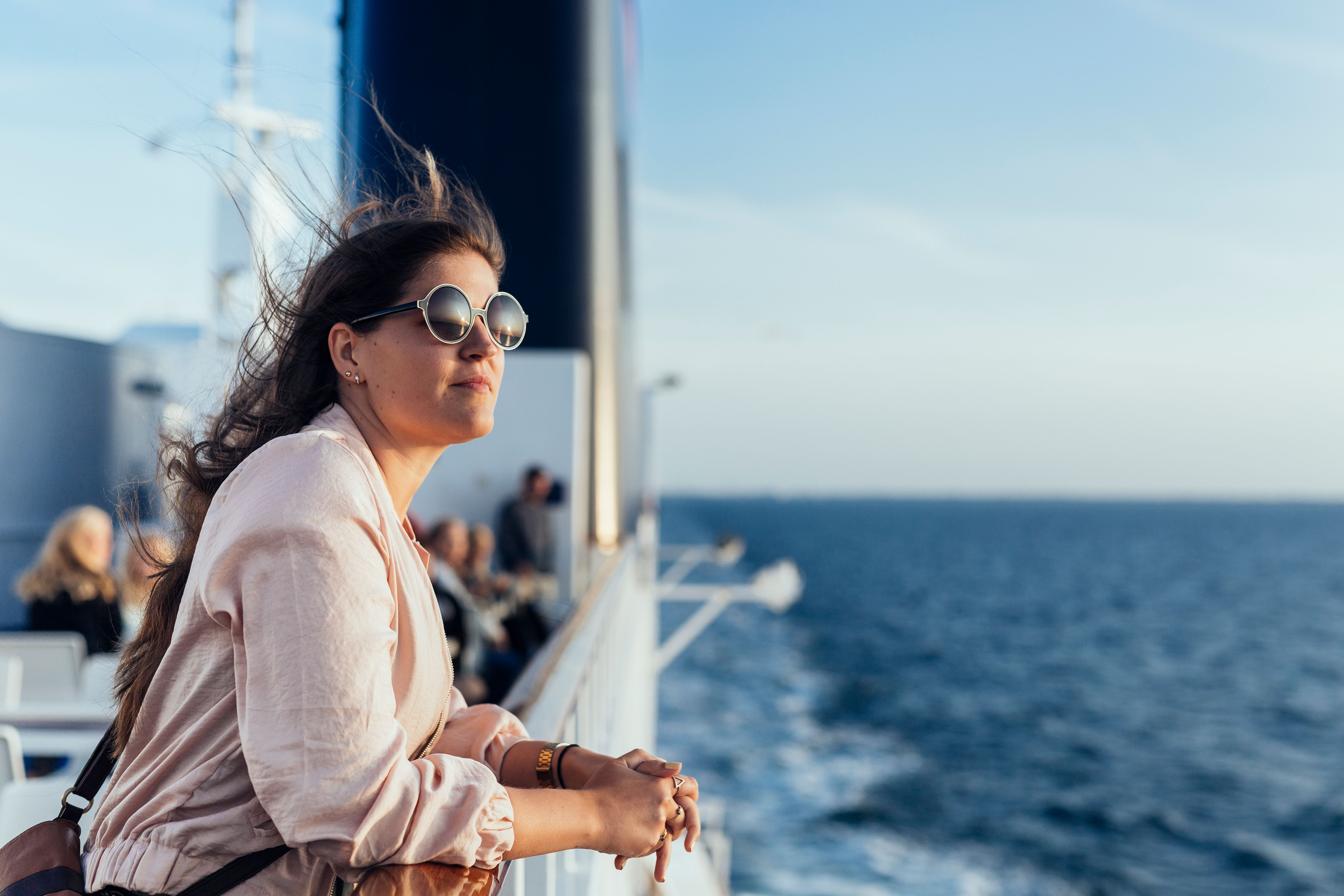
Something else comes up regularly in conversations with younger cruisers, and particularly women: the relief of not having to navigate an unfamiliar city late at night.
On a ship, the bar, club and cabin are all in the same contained environment. If you are travelling alone or with one friend, the difference between a short, well lit walk down a corridor and a long search for a taxi rank in an unknown neighbourhood is not subtle.
That does not mean you can switch your brain off completely, but there is a sense that the whole set up is designed around keeping people in a known space rather than scattering them across a city at 2am. For many under 40s, that peace of mind is becoming as important as the list of ports.
Social media and the end of the secret holiday

Younger travellers did not discover cruising through brochures; they discovered it through other people’s phones.
Shipboard Wi-Fi used to be the enemy of a good signal. Now it is robust enough for live-streamed sailaways and cabin tours on TikTok. One eye-catching swing or pool deck can generate more attention than a full page advert, and cruise companies are well aware of this.
The result is a feedback loop. People in their twenties book because they have seen others their age on board. They then post their own version, which makes the ships look normal for their demographic rather than like a choice pulled from the retirement folder.
It helps that the ships themselves now feel visually more aligned with boutique hotels and beach clubs than with the beige corridors of popular imagination.
Where this leaves everyone else on board
None of this means cruise ships have turned into floating student unions. The overall age spread is broader than the headlines suggest, and plenty of itineraries remain resolutely traditional. What has changed is the mix.
Older passengers now share the ship with more thirtysomethings in gym kit and twentysomethings filming their dinners. Under 40s who would once have written cruising off completely are starting to put it on the list alongside ski trips, city breaks and big overland journeys.
Around 34 million people took a cruise in 2024, and industry forecasts suggest that figure could reach about 42 million within a few years. If current patterns hold, a growing share of that crowd will be comparing drinks packages on their phones rather than eyeing up the bridge club timetable.
The deckchairs are still there. They just now sit next to zip lines, yoga studios and a lot more camera phones than anyone designing cruise ships thirty years ago would have imagined.