
Two nights on a 90s original
I boarded Ambassador’s Ambience for a two night hop from Bristol to London, a ship launched in 1991 (four years before I was born, for anyone who's counting) and was shaped by the era when cruise ships still looked like ships. No waterpark, no laser tag, no urgent need to download an app before you locate a bar. Instead, what Ambience does have has the quiet confidence of a fantastic boutique hotel at sea.
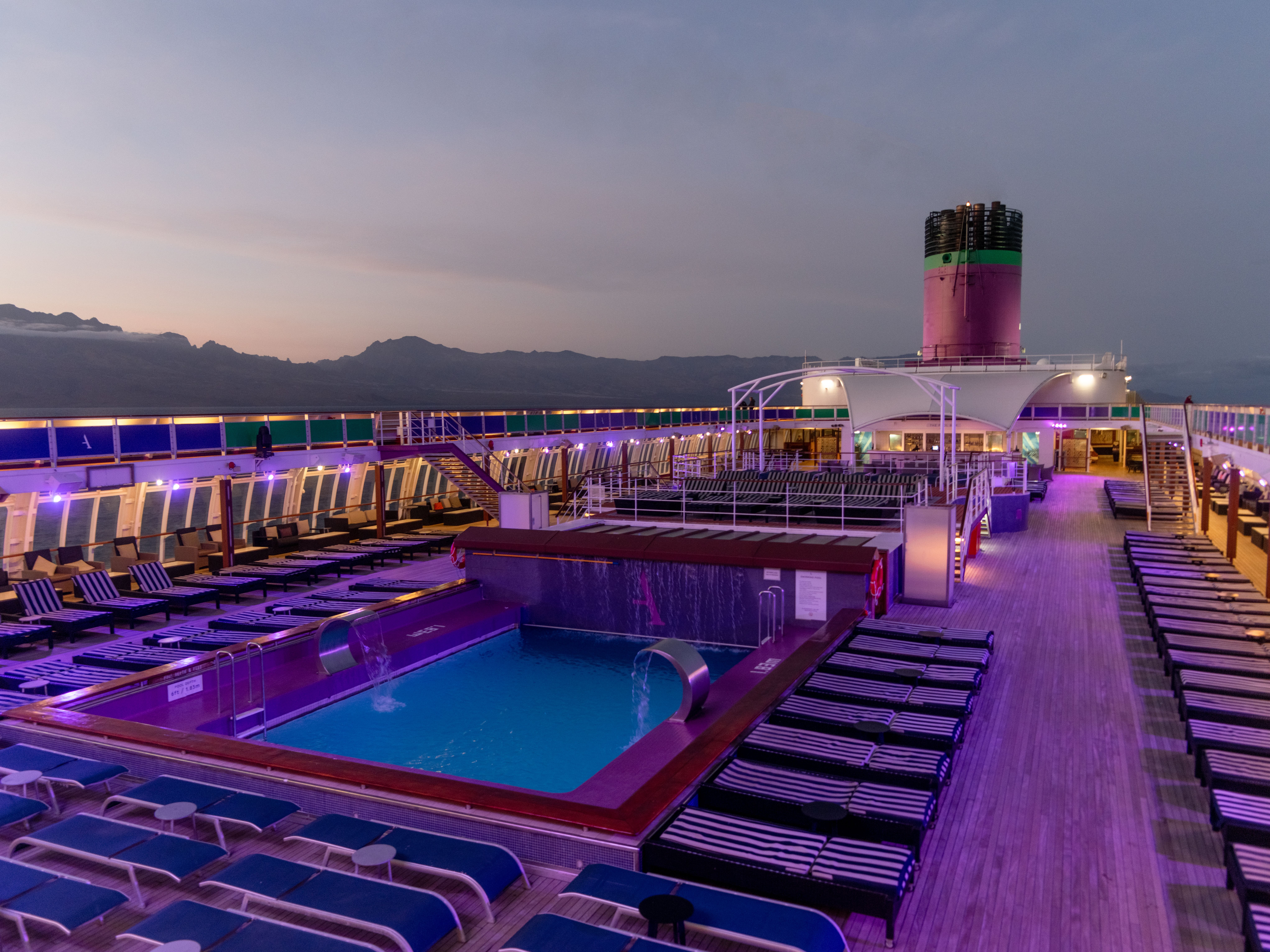
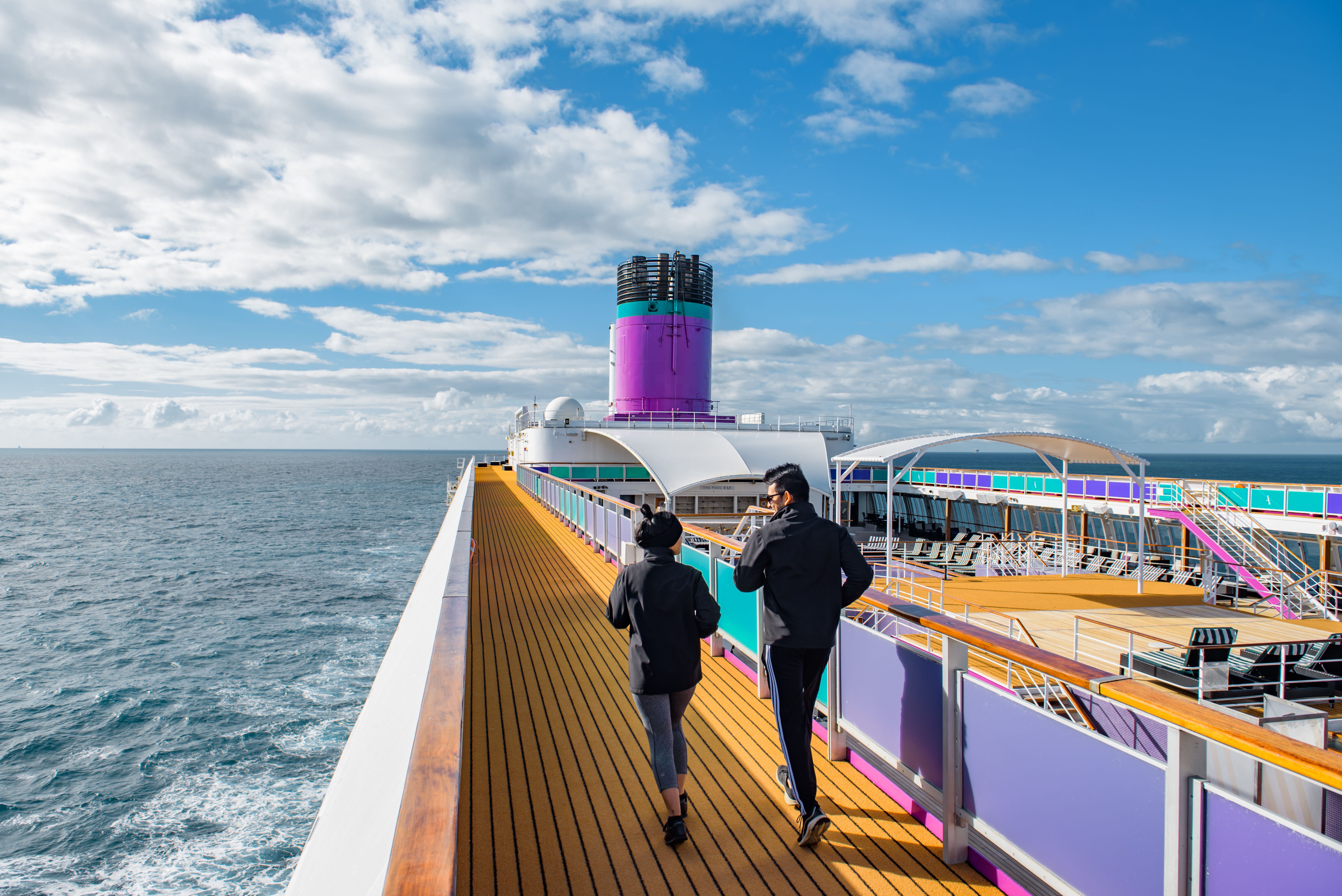
The first hour set the tone. A real promenade that runs the full circumference of the ship, actual teak underfoot, that soft thrum you feel through the rail when the engines settle into their stride. Inside, I found an exceptionally up-to-date gym and spa (free to access for all guests) and low-lit lounge, with chairs that swivel and a cocktail list that trusts martinis to be martinis. The library had actual books, the card room an excellent view, and the theatre that worked on the radical premise that 8 trained singers with tight choreography can easily carry a show every night.
There was personality everywhere you looked. Carpets a shade brighter than the taupe-y neutrals you'd expect on a 2020s launch, yes, but public rooms with daylight and a scale that encourages conversation. A crew-to-passenger ratio that most modern megaships could only dream of, and a mixed crowd who came for sea time rather than spectacle. We slid down-Channel, crept along the south coast before quietly finding our way back up the Thames, past mudflats and pylons and the long low drama of the estuary, and I realised I had not checked my phone in hours (despite access to satellite WiFi courtesy of SpaceX Starlink). There are holidays that try to entertain you and holidays that quietly give you back your attention. Ambience sits firmly in the second camp.
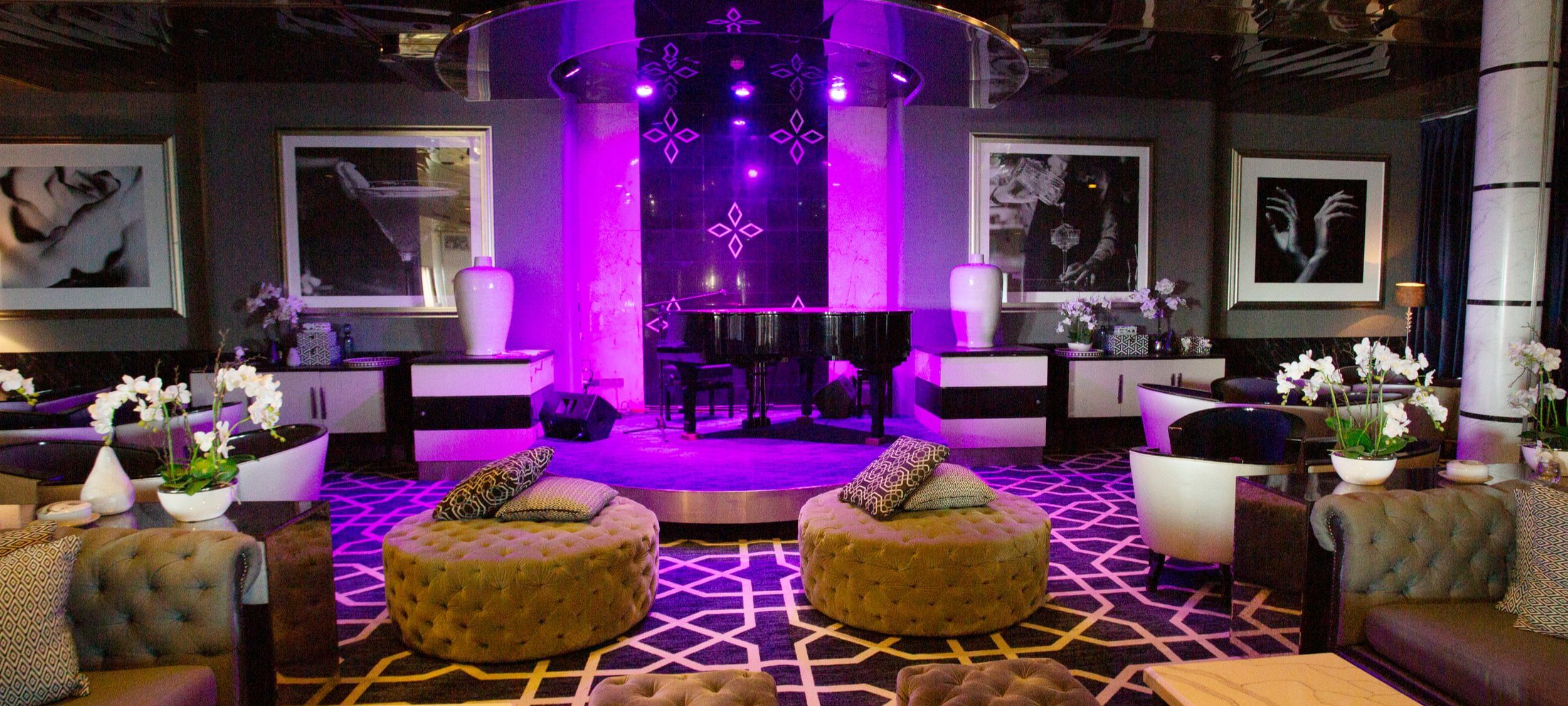
No one missed the water slides. People read. People walked laps before breakfast. People ordered proper afternoon tea and argued amiably about the pub quiz. It felt (dare I say it) civilised, at least until the silent disco headsets were passed around at about 9pm...
Megaships get the headlines, mostly because they have headlines acts onboard: rollercoasters, whole neighbourhoods, waterparks the size of small leisure centres. Older ships, by contrast, specialise in the lost arts of fresh air and unhurried exploration. If you pick the right one, you get a smaller crowd, a proper promenade to lap before breakfast, and a bar where the barman still knows how to make a mojito without first checking an app.
The good kind of old-school
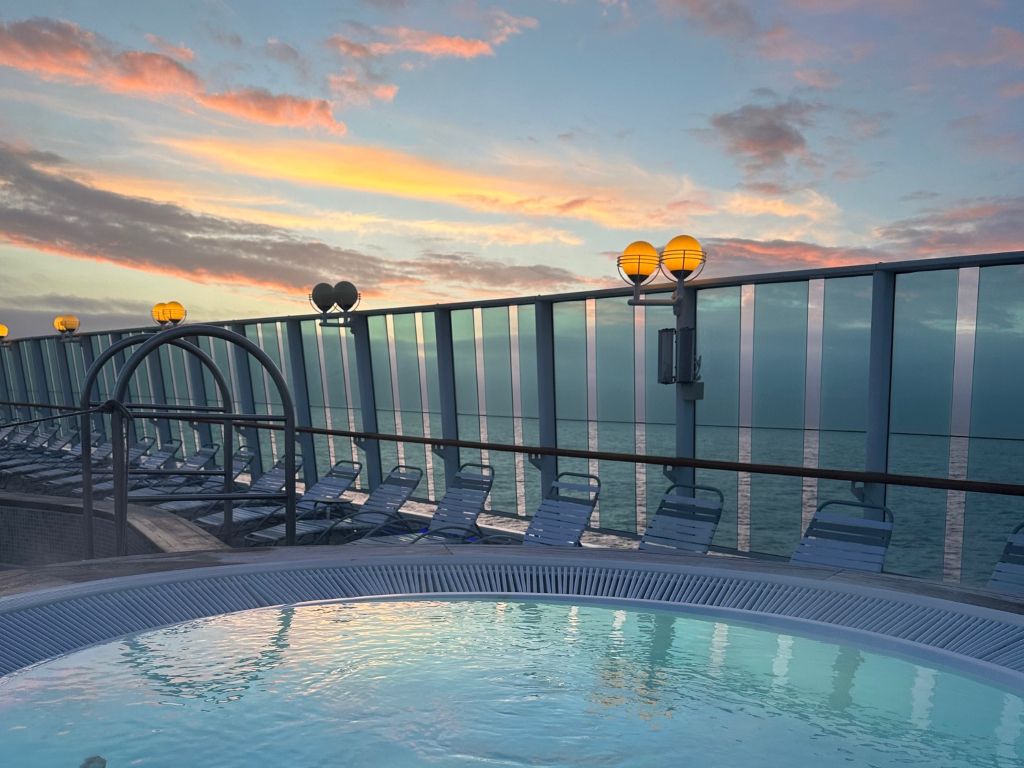
A real promenade you can actually walk
Many classic ships still have a wraparound outdoor promenade under the lifeboats, with teak underfoot and benches for a book and a view. It is cruising’s original wellness area, long before jogging tracks migrated to Deck 18. Cruise Critic defines the promenade as the circular open walkway that traditionally sits mid-ship and doubles as the lifeboat boarding area. Translation: shade, breeze, and a 360 degree ring road of sea views.
Libraries, card rooms and human-scale lounges
Before laser tag and escape rooms, ships carved out quiet spaces built for rainy afternoons. On older tonnage you still stumble upon a panelled library, a card room with an ocean view, and show lounges where a singer can hold a room without pyrotechnics. Older vessels often feel cosier with more open deck space and traditional promenade decks for ocean gazing.
Cabins from the pre-balcony era
Balconies exploded in popularity in the 1990s; before that they were rare or reserved for suites. Many ships from the early nineties and back still carry more inside and ocean-view cabins than balcony rooms, which can keep fares friendlier and nudge you out on deck. These ships are ideal for chillier climes, you're unlikely to require a balcony hammock in Svalbard, for example.
Less tech, more… ship
If you dislike needing a phone to run your holiday, older ships can be a relief. Cruise Critic points out that the tech load is usually lighter on vintage vessels, which some travellers prefer. You still get Wi-Fi on most (many lines have upgraded fleets) but the rhythm of the day relies more on printed programmes than push notifications.
Honest trade-offs
Weather feel and motion
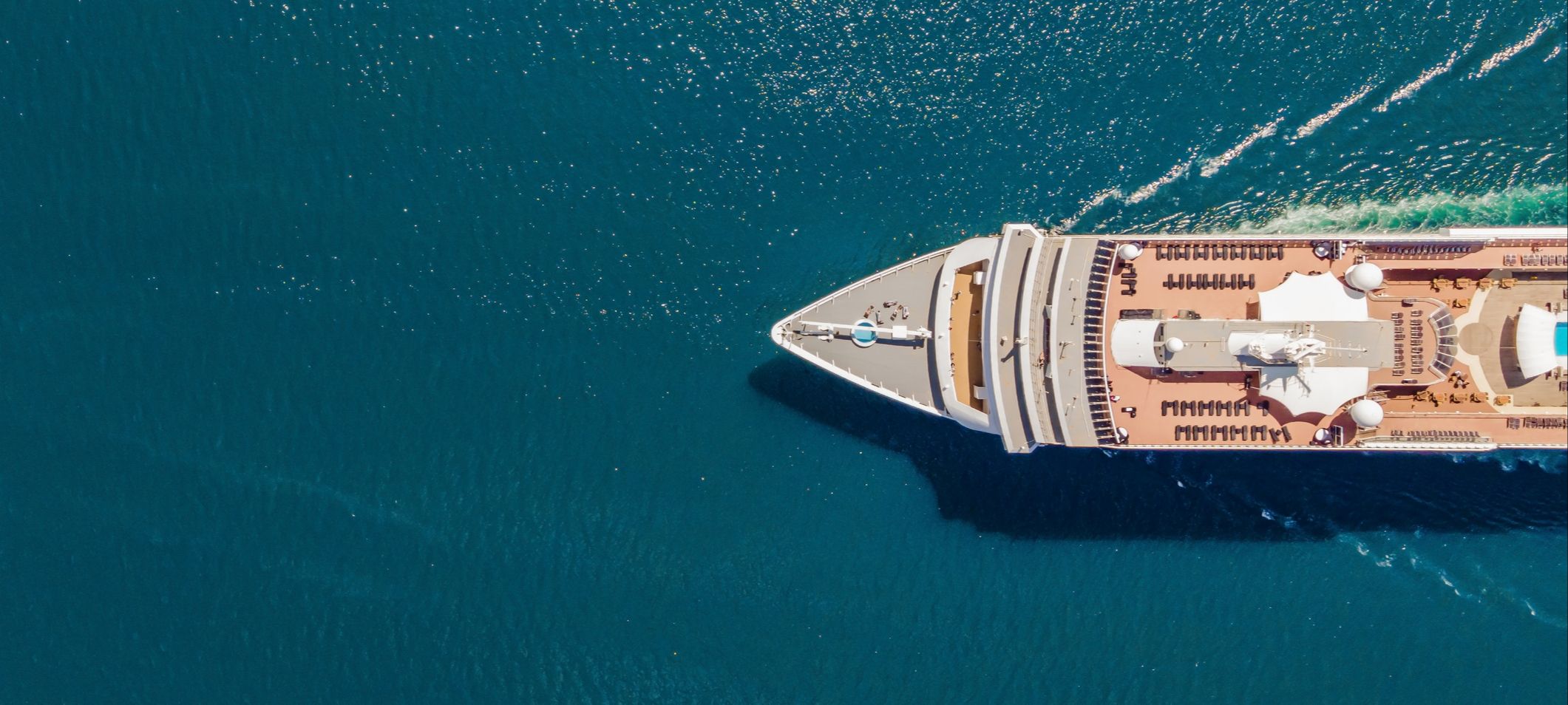
Smaller, older ships ride the sea rather than erase it. If conditions kick up you will feel more movement than on a 250,000-ton floating resort, which is why long-standing advice is to book low and midships if you are motion-sensitive.
Fewer headline attractions
You will not find a rollercoaster like BOLT on Carnival’s newest Excel-class, or a multi-storey waterpark like Royal Caribbean’s Category 6 on Icon of the Seas. Which, depending on your temperament, is either a tragedy or a relief.
Specialty sprawl and family zones
Expect fewer pay-to-play restaurants, smaller kids’ clubs and more classic main-dining-room ritual. That can feel charmingly civilised or a bit sparse, depending on your plans.
Old souls worth seeking out
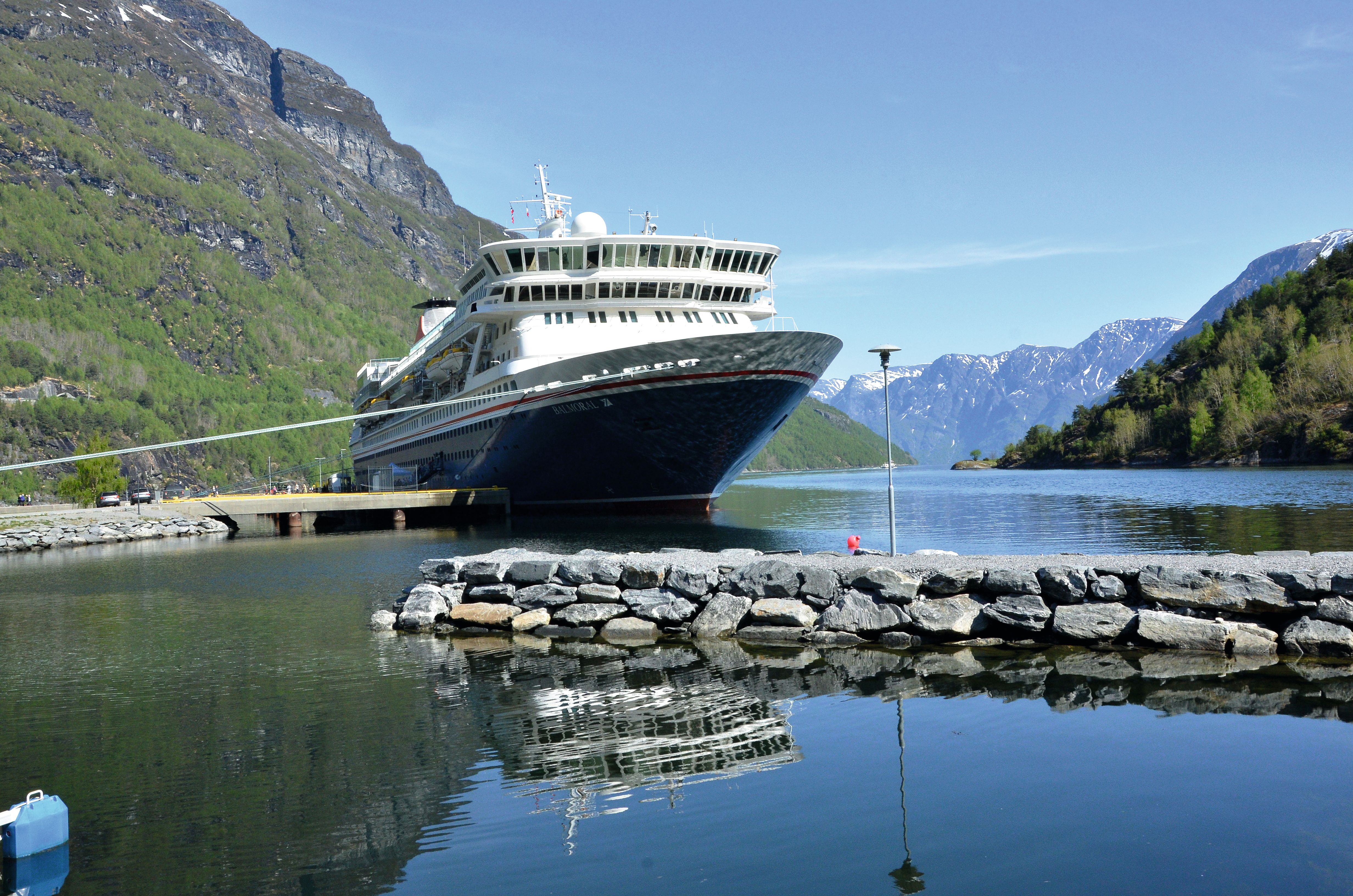

These ships prove that character ages well, and they are very much still taking bookings.
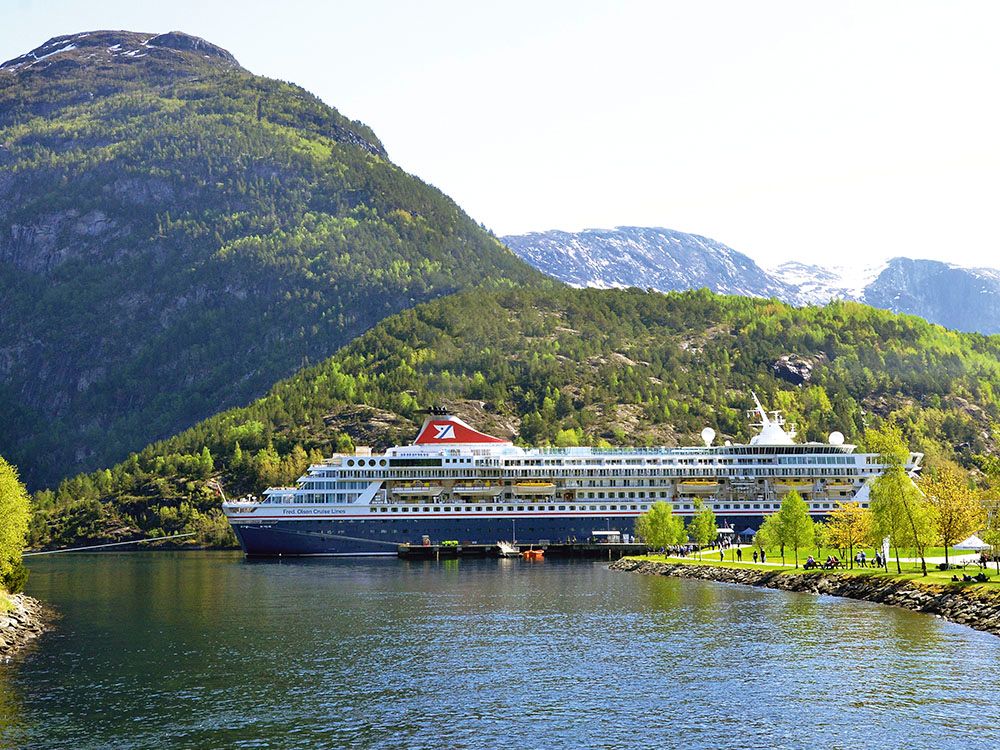
- Balmoral (1988), Fred. Olsen
Built when ships still looked like ships, then lengthened by 30 metres in 2007–08 to add cabins and balconies. The result: a gentlemanly profile and a wrap of convivial public rooms. - Ambience (1991), Ambassador Cruise Line
Launched as Regal Princess in 1991, now sailing from the UK with refreshed interiors. Mid-size, walkable, and a fine example of early-90s design brought up to date. - Celestyal Journey (ex-Ryndam, 1994), Celestyal
A Holland America S-class original reborn for Aegean wanderings. This ship has classic proportions and plenty of daylight in public rooms. - Carnival Paradise (1998), Carnival
One of the last two Fantasy-class ships still sailing, proof that a smaller Fun Ship still delivers the essentials without the theme-park skyline. - Grandeur of the Seas (1996), Royal Caribbean
The oldest and smallest in the fleet, beloved for its traditional layout and easy scale. A useful reminder that not every RCI cruise has to be a city at sea. - Silver Wind (1995), Silversea
A classic luxury ship made expedition-ready with a 2021 refit; small, elegant and now ice-class capable. - Windstar’s Star Legend (1990)
An all-suite former Seabourn yacht, lengthened and modernised in the Star Plus programme. Big on charm, small on crowds.
How to choose an older ship and love it
- Chase the promenade. If walking laps with a view matters, check the deck plan for a true wraparound.
- Pick the cabin for the ride. Lower and midships for the smoothest motion if you are sensitive.
- Read the refit. A good dry dock beats a new carpet. Look for recent upgrades to cabins, bathrooms and public spaces on your chosen ship. Examples like Silver Wind and Windstar’s trio show how transformative a major refit can be.
- Be honest about priorities. If you want water slides, surf simulators and neon nightlife, book the big guns. If you want sea air, civilised scale and classic lines, an older ship could be exactly right.
What a 90s ship gets right
Two nights is not a full conversion but it is more than a flirtation, and I left Ambience with a short list of truths. Older ships ease you into the day rather than chase you round it. They give you a promenade to think on, a bar where the barman looks you in the eye, and a theatre sized for voices instead of trapeze acts. The trade-off is obvious: fewer headline attractions, more of the old pleasures that made cruising a habit in the first place.
If you want a theme park, book a theme park. If you want room to breathe, book something with a birthday older than you are. Choose a cabin low and midships if you are motion-sensitive, pack a jumper for an evening on deck, and leave time for an unhurried lap at sunset. On a good 90s ship you will not remember a queue for a slide. You will remember the wake, the rail under your hands and the small fact that a cocktail tastes better when the glass still moves a fraction with the ship.