There was a time when “theme night” on a ship meant a bit of sequinned polyester and a conga round the atrium. Now you can board a vessel where every single person is there for Taylor Swift, heavy metal, RuPaul’s Drag Race, Star Trek, wellness, bridge, chess or all-inclusive 90s nostalgia. The ship is still moving, technically, but the real destination is the obsession you packed in your hand luggage.
So what is going on, and what does a growing calendar of Swiftie sailings and “geek-at-sea” charters tell us about where cruise culture is heading?
From captain’s table to fan convention


Themed cruises are not new. Jazz sailings and bridge groups have been bobbing around for decades, and even chess has had its moment, from specialist “chess cruises” in the Caribbean to one-off events on mainstream lines.
What has changed is the sheer scale and visibility. Cruise Critic now keeps a running list of theme sailings that covers everything from the West End to reality shows, often as full-ship charters where the regular programme is completely replaced for a week.
At the pop-culture end of the pool, the headline-grabber this year is the unofficial “Karma is a Cruise” Taylor Swift fan sailing on Royal Caribbean’s Liberty of the Seas. On the more cerebral side there are writing retreats at sea, wellness sailings with mindfulness on the menu and yes, the occasional week where the hottest bar on board is the one with the Sicilian Defence on a demo board.
If you can imagine a hobby or fandom, somewhere there is a charter company trying to put it on a ship.
Why now?
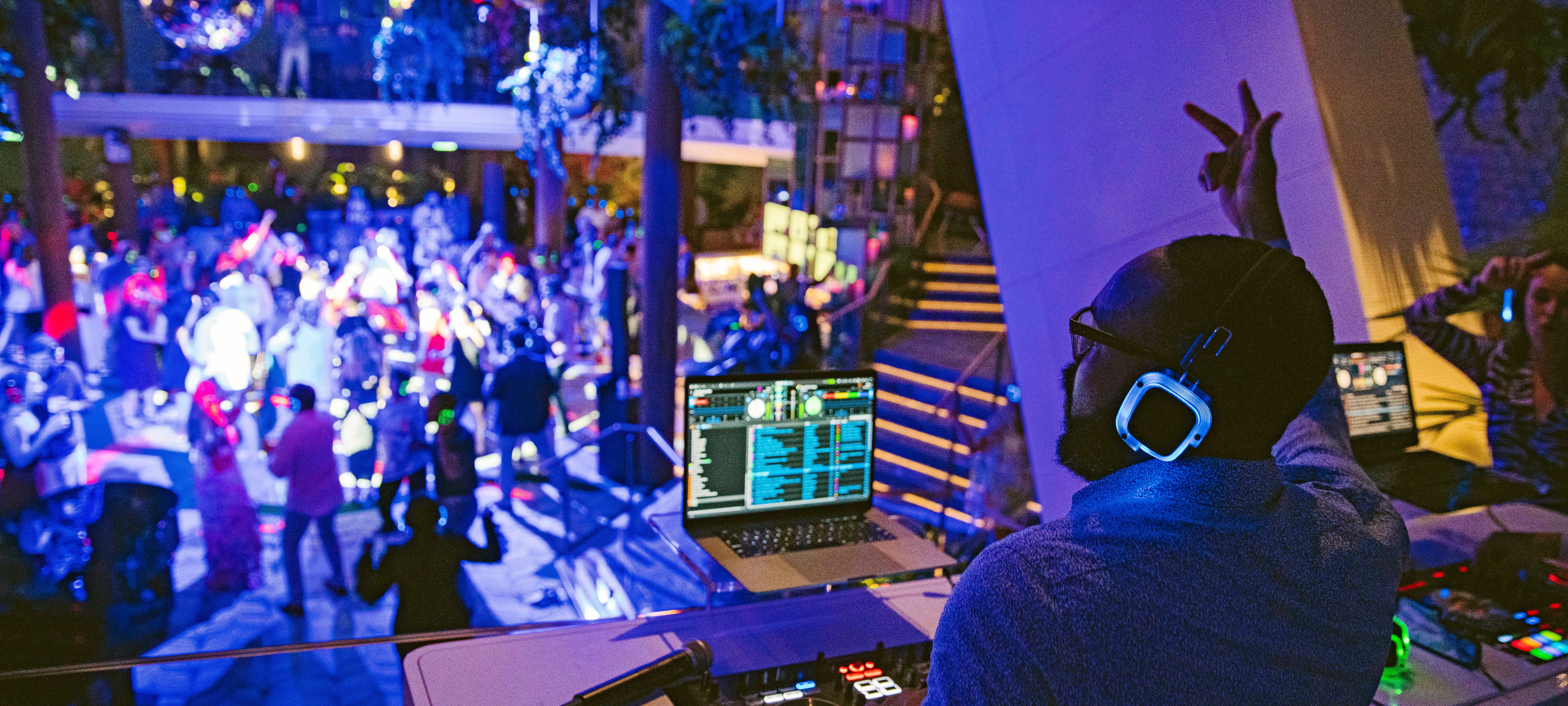
Part of the answer is simple numbers. The cruise industry is in rude health, with CLIA reporting a record 34.6 million ocean-going passengers in 2024 and forecasting almost 40 million by 2027. When you have that many people at sea, niches begin to look like markets.
Themed sailings are also big business in their own right. One recent analysis of the global music cruise sector projected it to grow from around 1.2 billion US dollars in 2024 to nearly 3.8 billion by 2033, at a double-digit annual growth rate. Another report noted a sharp rise in online searches for “themed cruises”, particularly among younger travellers who like the idea of a floating festival with a cabin attached.
Cruise lines like them because they help fill ships in shoulder seasons and open the door to new audiences who would previously have sworn blind they “weren’t cruise people”. Charter partners like them because a ship is essentially a private convention centre with bars, theatres and accommodation already built in. No one has to argue with a hotel about noise complaints when the entire hotel is there for the same DJ.
The upside for passengers
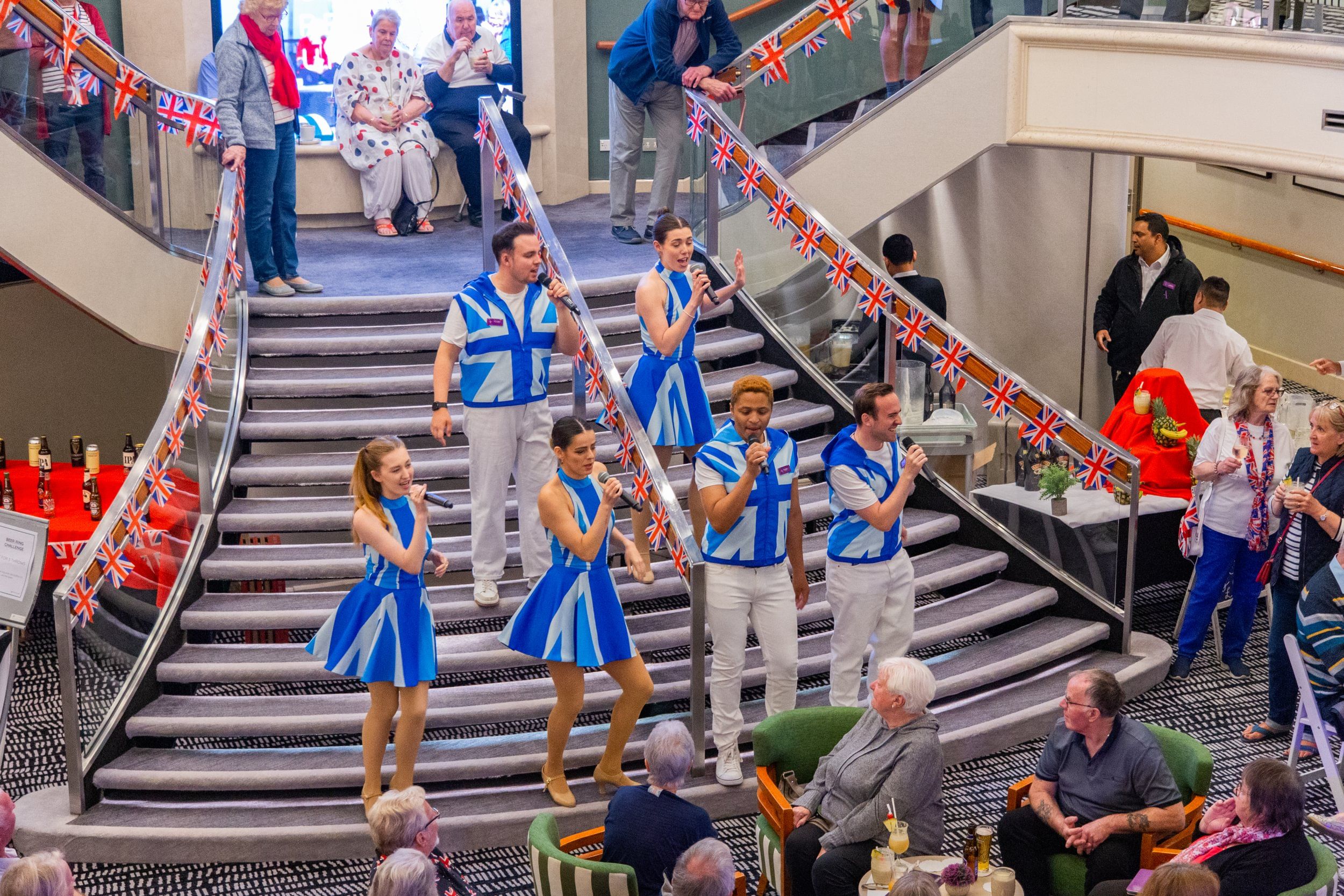

At their best, themed cruises solve one of travel’s biggest problems: the awkward first 24 hours. Instead of spending day one making small talk about where you've flown in from, you start with a shared obsession. You already know the people at your muster station are just as willing to stay up late for a secret gig, a midnight book club or a rapid-fire chess tournament.
The programme tends to be richer than a normal week at sea. A standard Alaska sailing might offer a couple of lectures on wildlife; a photography-themed Alaska sailing will give you workshops, critique sessions and shore excursions tailored around shooting glaciers at golden hour. A normal Caribbean cruise may have a tribute band; a rock charter will have half the original line-up in the theatre and the rest in the bar queue.
There is also a certain efficiency to it all. If you love something enough to pay for a festival, a city break and a string of day tickets, you can now wrap the whole lot into one holiday where your bed, meals and entertainment sit in the same place. For a UK traveller with limited annual leave and energy, a week that combines city calls with a ready-made social life is hard to argue with.
The fine print
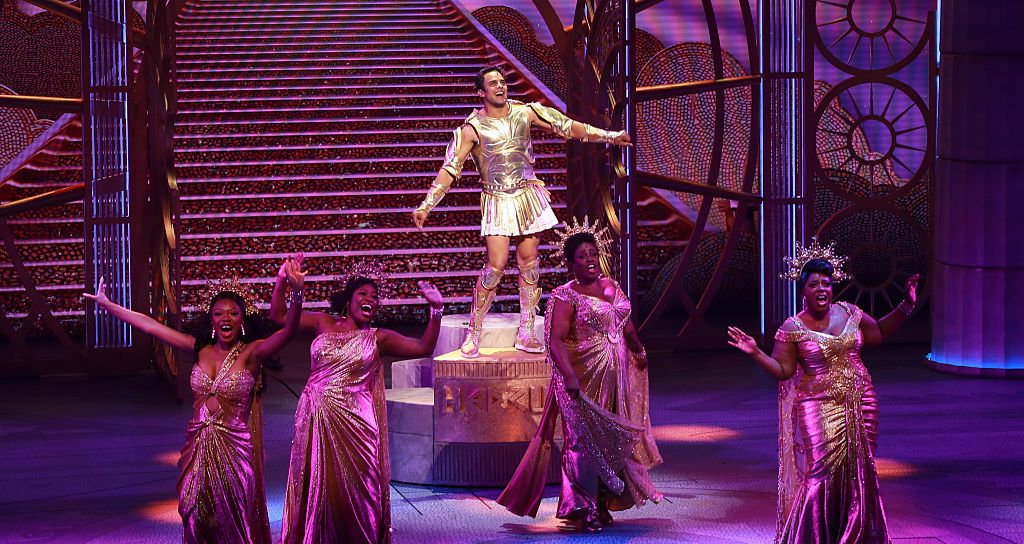
Of course, not every themed cruise is a Taylor Swift utopia. A full-ship charter can be intense. If you discover on day two that you only “quite like” your chosen theme, you may feel as if you have accidentally moved into a very enthusiastic commune.
There is also a question of balance. Some charters barely use the ports, treating each call as a quick backdrop for more on-board activity. Others are excellent at integrating their theme with the destination, whether that means cooking classes based on the next port’s markets or extra-nerdy history walks for a documentary crowd. It pays to read the programme before you book and check whether you are joining a cruise that happens to have a theme, or a convention that happens to float.
Cost is another factor. Because many themed weeks are privately chartered, fares can be higher than a comparable mainstream sailing, especially when headline performers are involved. The music cruise sector in particular has developed a tiered cabin system that looks suspiciously like dynamic pricing.
Then there is the question of taste. Not everyone wants to share their lift with 3,000 fellow fans dressed as their favourite sci-fi captain, or to find the buffet quietly taken over by a late-night heavy metal crowd. For some people, the whole point of a ship is that everyone is there for a slightly different reason and you can drift between worlds as you please.
What it says about cruising now
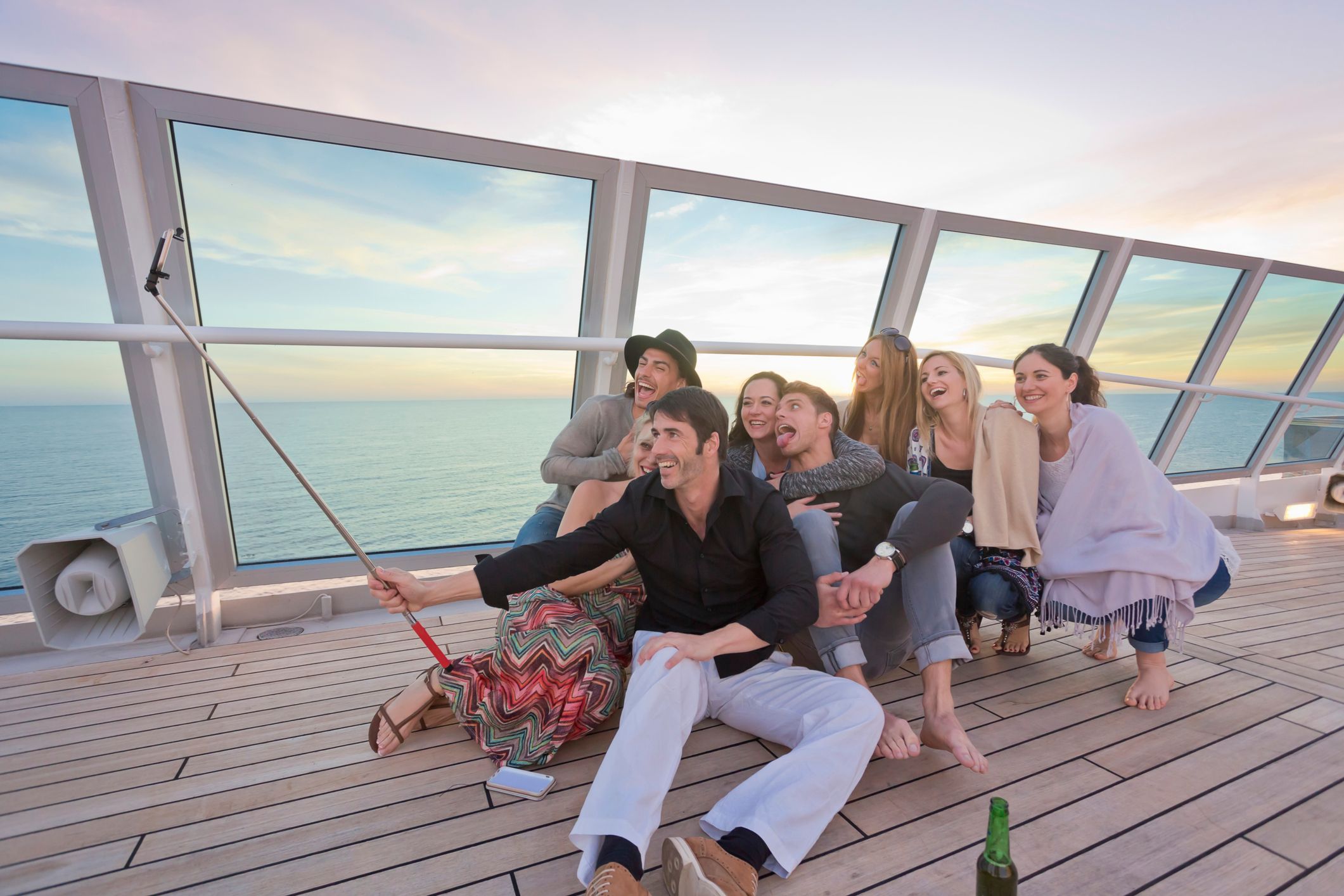
Zoom out a little and themed cruises are a neat microcosm of where cruise culture is heading.
First, they show how social cruising has become. For a long time the industry was marketed around destinations and hardware: which islands you visited, how many restaurants were on board. Now, for a sizeable chunk of the market, the “who” is at least as important as the “where”. You are buying into a floating community as much as an itinerary.
Second, they underline how comfortable cruise lines now are with the idea of hopping between identities. On one week the same ship might be a family-friendly Mediterranean resort; on another, a queer party at sea; on another, a chess retreat with extra coffee in the lounge. That flexibility is part of what keeps ships full and balance sheets happy, even if it makes life interesting for the branding team.
Finally, themed cruises suggest that cruising is leaning into specificity rather than trying to be all things to all people. The industry has always liked a slogan about “something for everyone”, but passenger growth and a more global customer base mean it can now afford to be more honest. There is room for the classic sun-lounger Caribbean week, for an Alaska expedition full of amateur photographers and for a ship where the main drama is whether Taylor plays “Cruel Summer” at the sailaway party.
If you have always found cruising a bit generic, that should be encouraging. Somewhere out there is probably a sailing dedicated to exactly the slightly niche thing you care about. Just check carefully before you book, because there is a world of difference between enjoying a drink while people in the lounge play chess - and realising, half way through embarkation, that you have accidentally boarded the Caribbean Gambit Open.