
Canals stitch the centre of Sète to the lagoon on one side and the Mediterranean on the other; fishing boats nose in under balconied houses; even the waterside graffiti seems to have been daubed in saltwater. Louis XIV called it into being to give the Canal du Midi a gateway to the sea, and the result is a place with one foot in some of the most naturally stunning coastline France has to offer, and the other in Ancient Roman history (particularly when the town’s fantastically dangerous looking sport, water jousting, takes over the Royal Canal).
You dock right in town (on smaller ships you’re about two minutes from the cafés; larger ships use outer berths with a quick shuttle to the gate). It is, in the best way, a port call with little faff: walk off, look up, and follow the edge of the canal.
A simplified itinerary (that'll make you feel like a local)
1) Canal wander & market graze
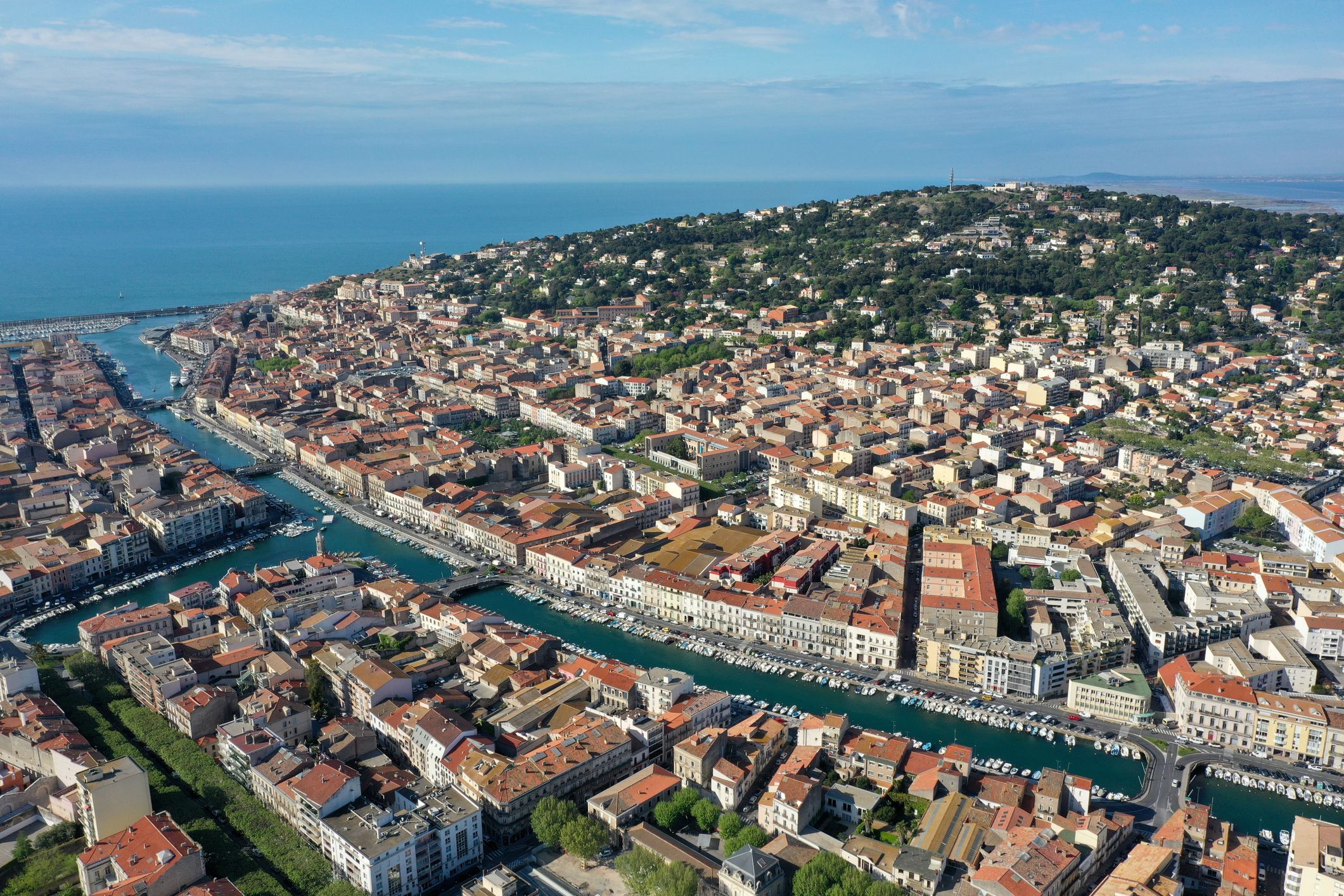
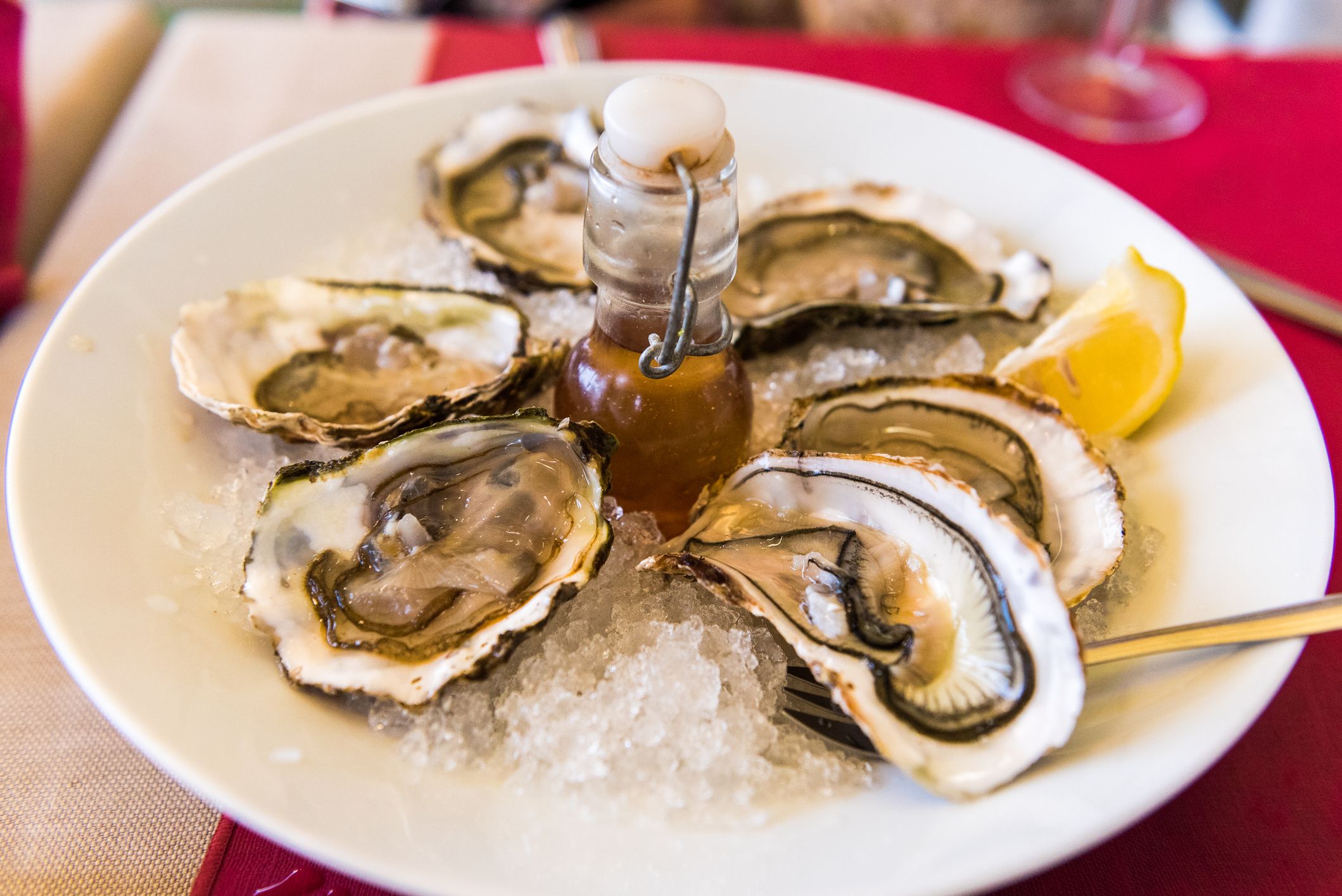
Start with an amble along the Cadre Royal (the “royal canal” that is Sète’s main catwalk) past fishing nets, striped awnings over shop windows, and café terraces that seem to lean over the water's edge. If it’s morning, duck into Les Halles for a standing breakfast (or a second breakfast, if you already ate on board): stalls are generous with oysters, mussels and the local tielle (the cult octopus-and-tomato pie). The market runs daily, typically 07:00–15:00, which is very much your cue to be early.
A small point of civic pride: those oysters come from the next-bay-over, the Étang de Thau lagoon, where Bouzigues growers hang their shellfish on ropes in neat rows. It’s one of Europe’s great shellfish basins, thousands of beds, hundreds of producers, and the source of many of the conversations you’ll overhear in town (if you happen to speak french).
2) Oysters by the lagoon (or by boat)
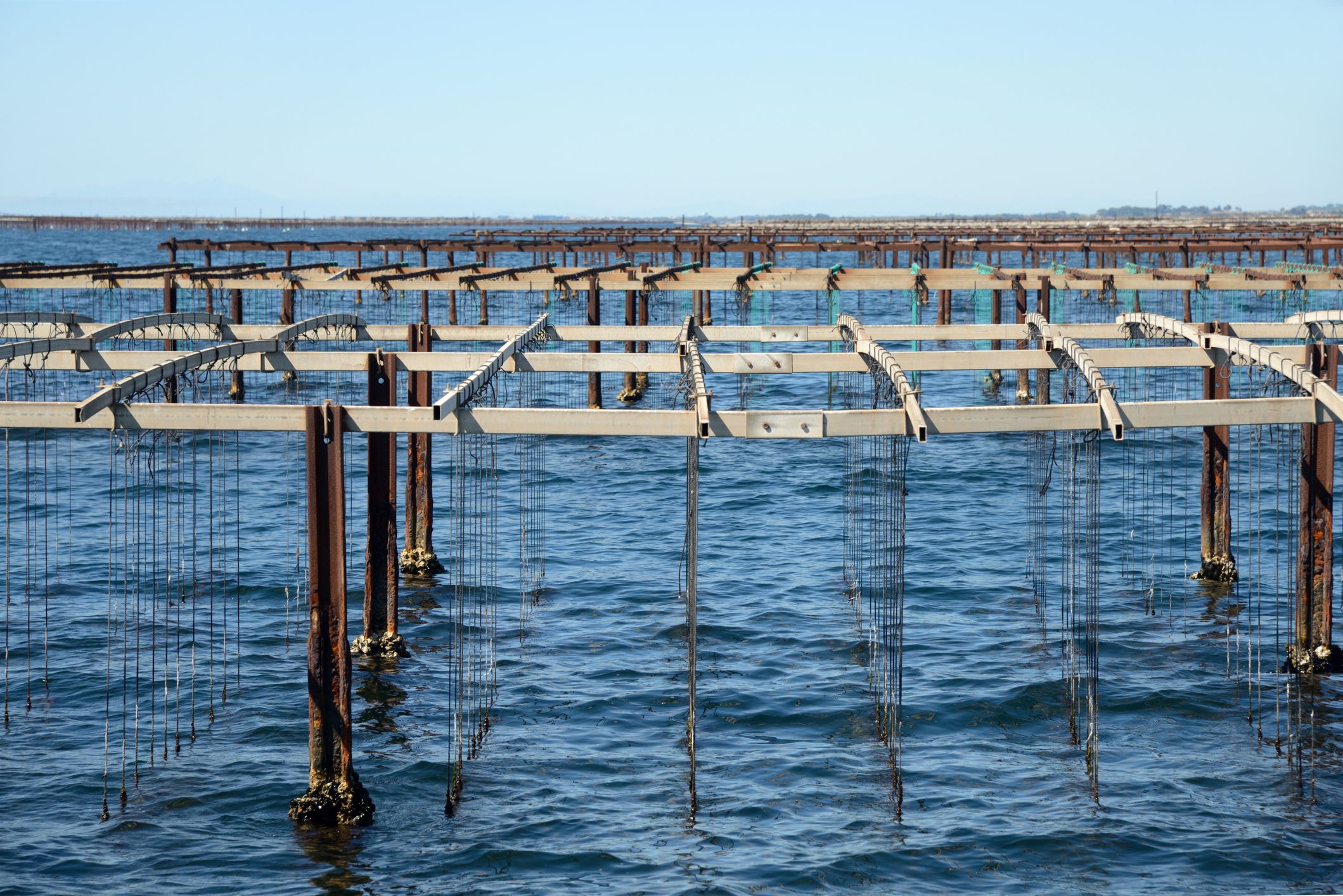
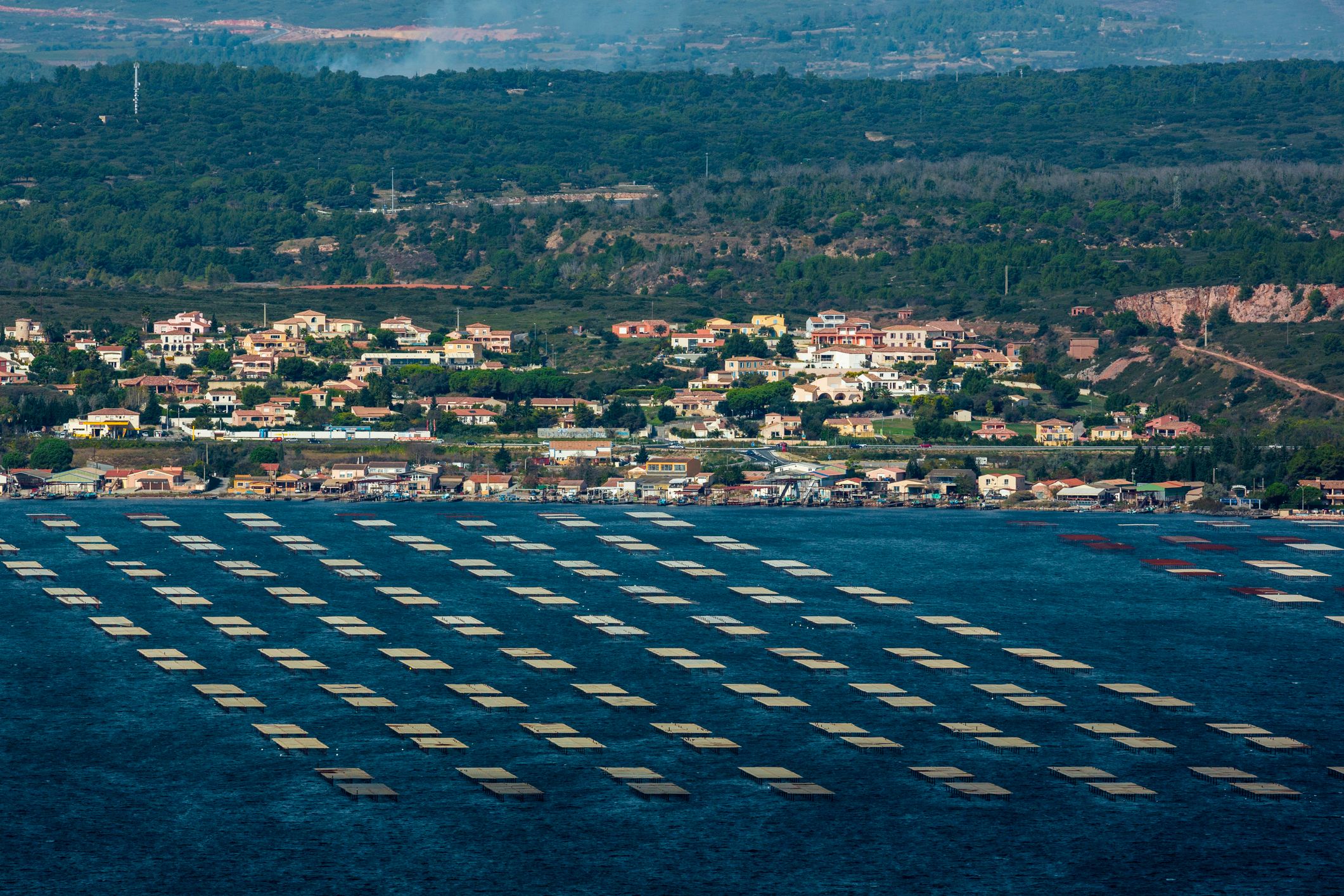
If time allows, head for the lagoon edge to taste oysters where they’re grown; choose a waterside cabin in Bouzigues or hop a short boat tour from Sète that cruises the racks and includes a tasting. It’s bit of french coast you'll definitely remember later, ideally with a glass of Picpoul de Pinet in hand (the local white that tastes like someone squeezed a drop of lemon into your Sauvignon Blanc).
3) Up to the chapel for the big view
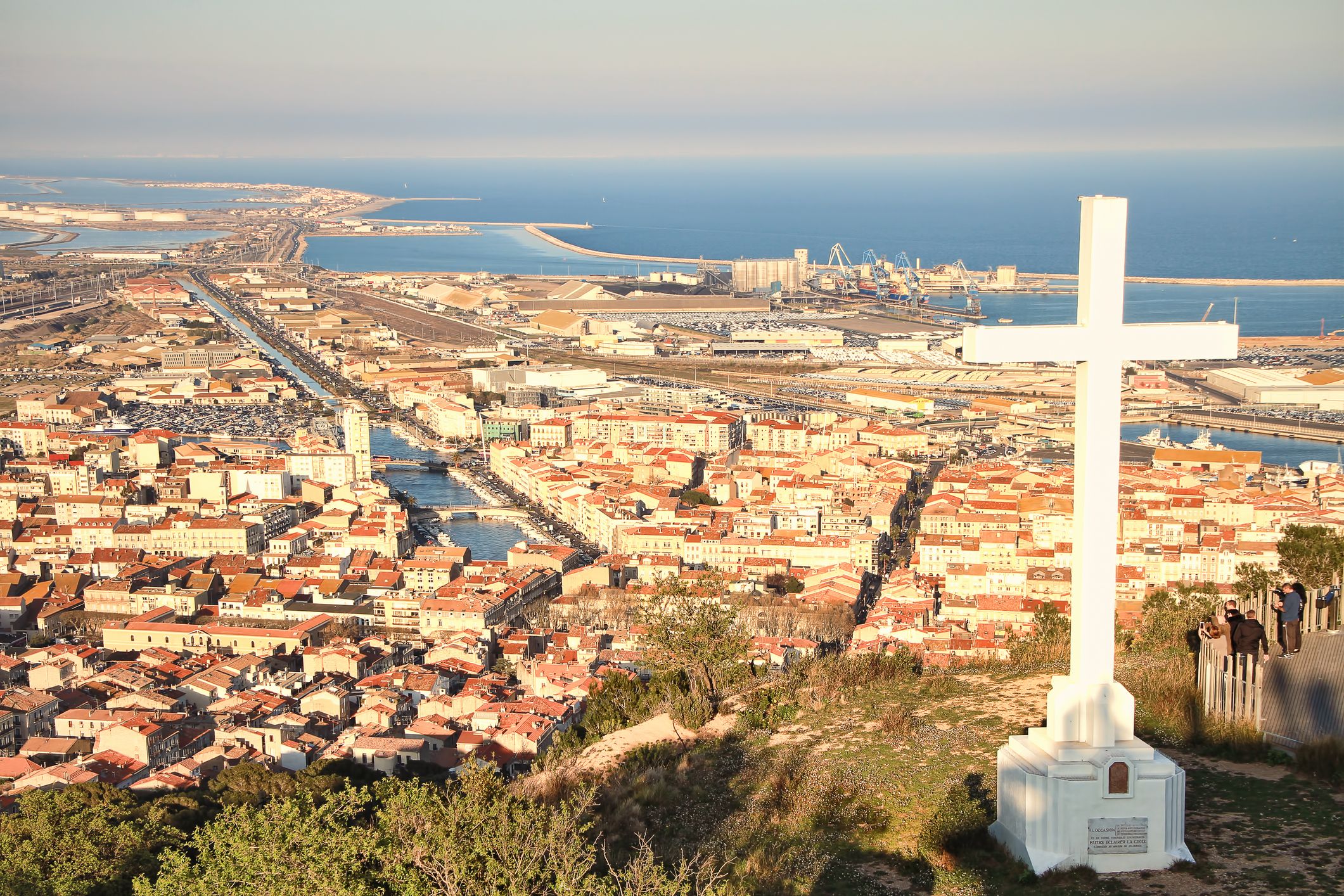
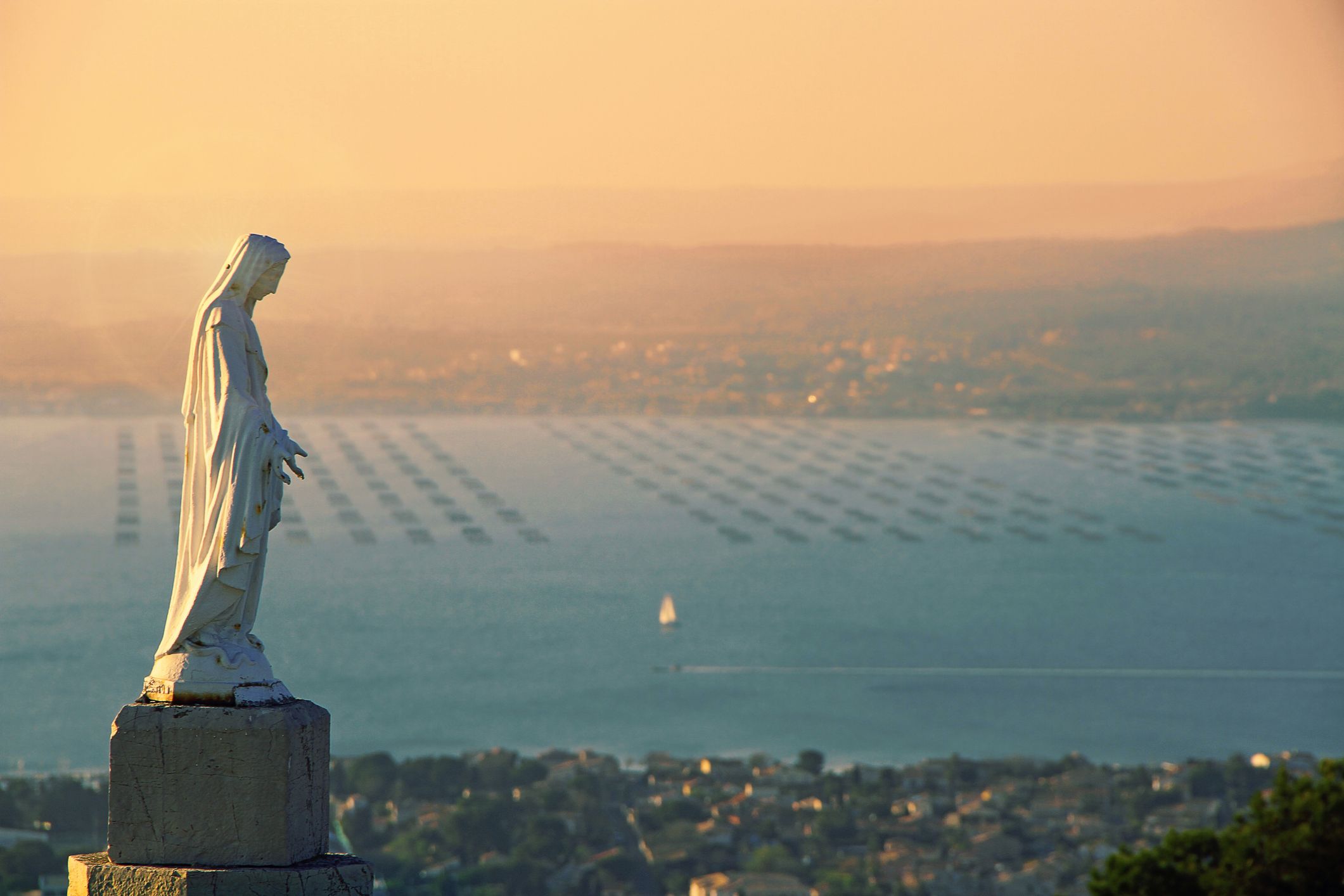
When you’re ready for a panorama, climb (or taxi) to the chapel on Mont Saint-Clair. Notre-Dame-de-la-Salette is tiny, frescoed, and ringed by a look-out that turns Sète into an emanently photographable panorama; Mediterranean to one side, lagoon to the other, canals threading between. The climb is steep (your calves are likely to remember the trip a couple of days hence); there are bus/taxi options if you’re short on time.
If you'd rather skip the hill all together, walk the jetty to the Saint-Louis lighthouse instead; it’s open to visitors and the 360° sweep is almost as good as the hill; harbour cranes, old town rooftop jumble, and the colour change where canal meets sea.
4) Take in the canals from water level
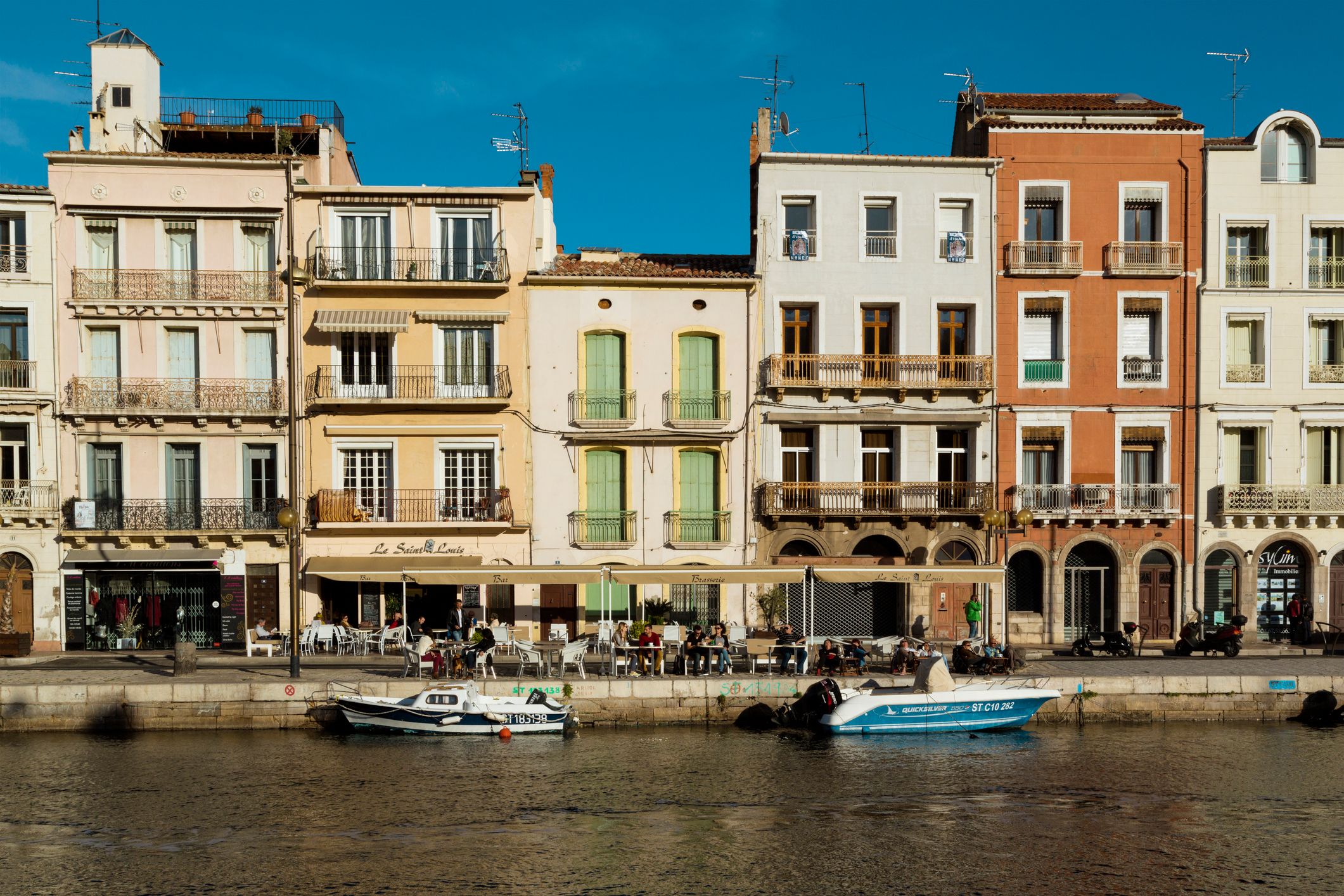
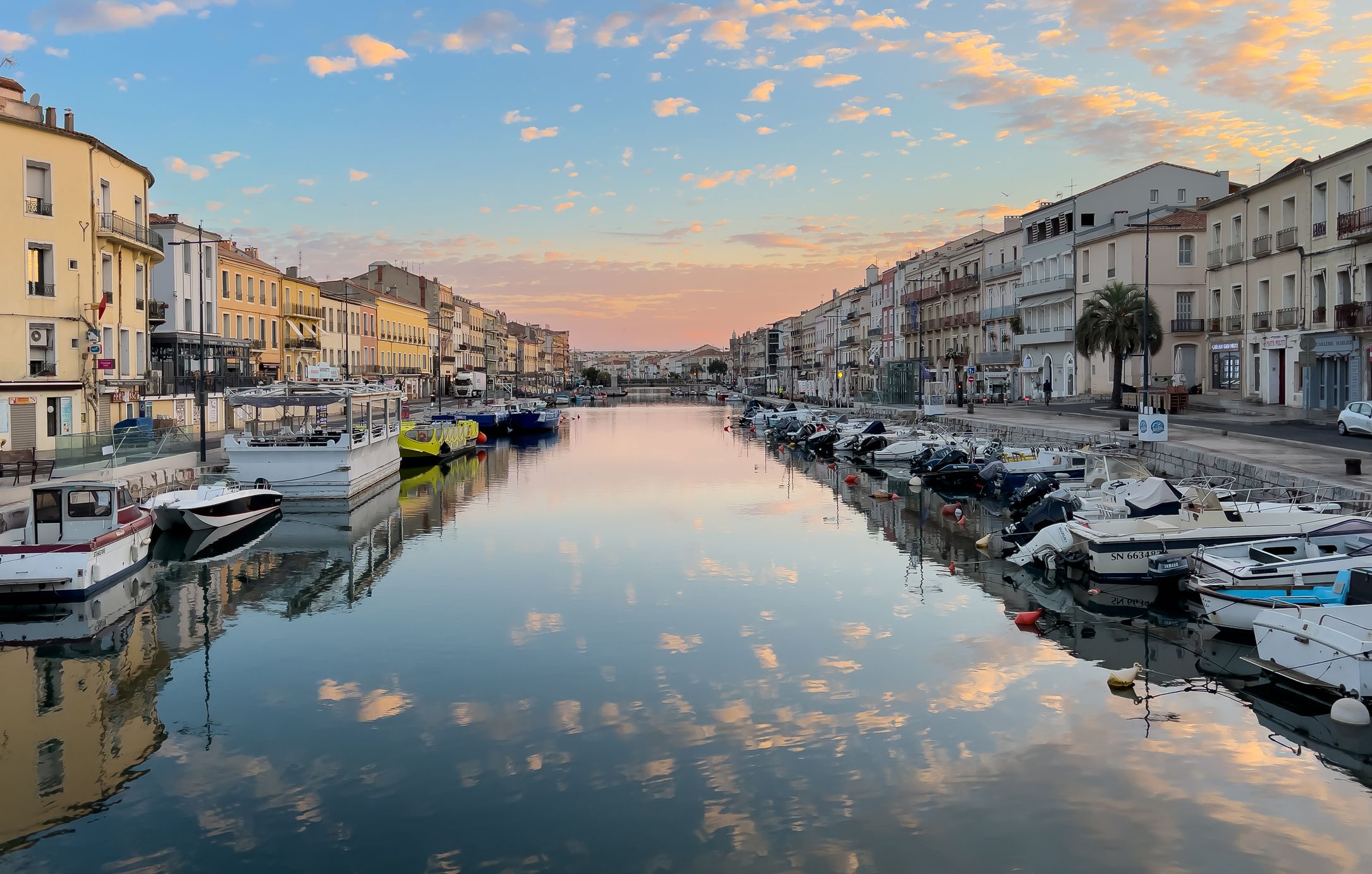
Hop a small canal boat tour from the Royal Canal and see Sète from the right altitude: just above the ripples. You’ll slide under low bridges, past fishermen’s houses and the jousting stands. It’s the easiest way to understand how the town is stitched together by water. (Book on the quay; departures are frequent in season.)
5) Cemetery views & a quick culture stop
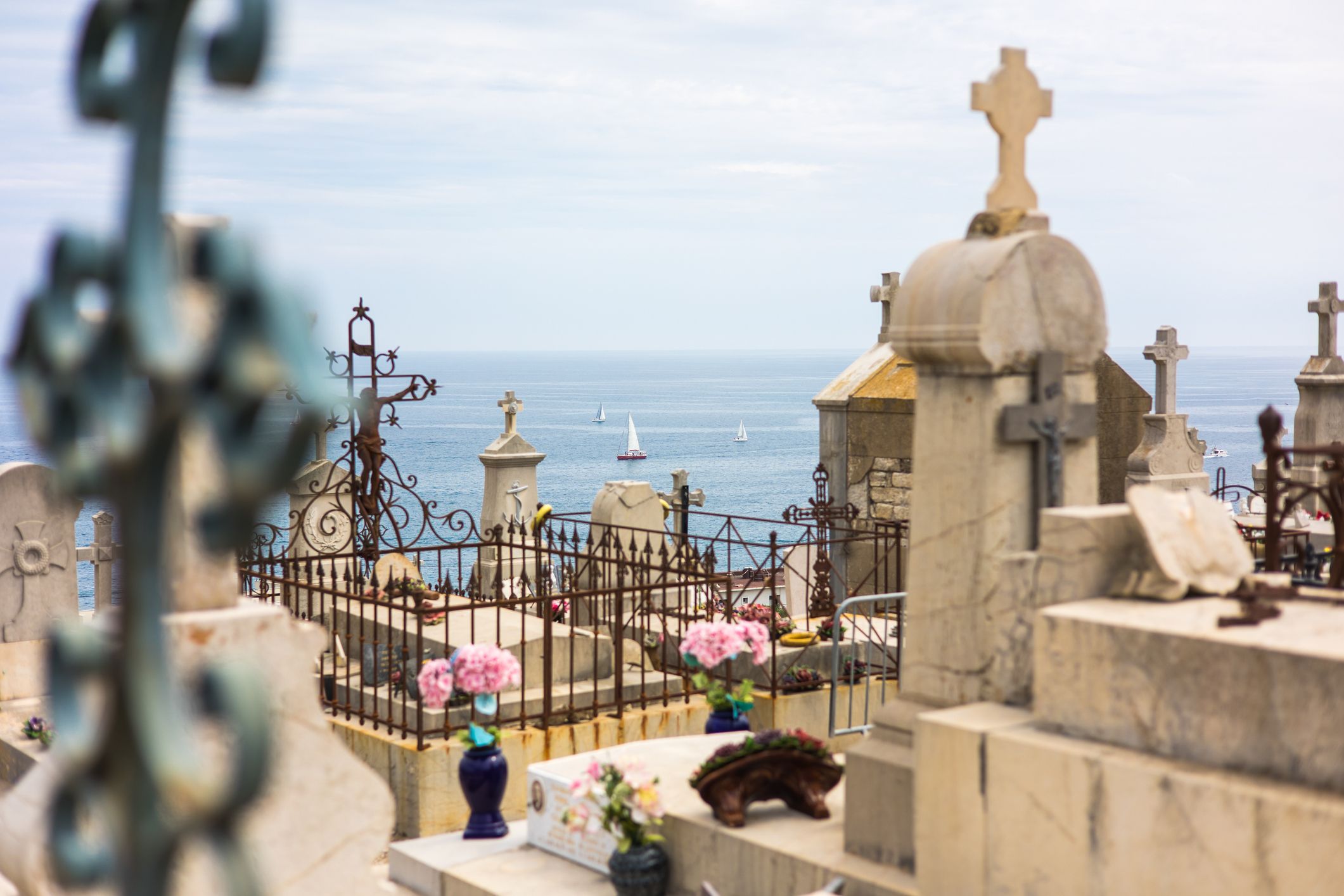
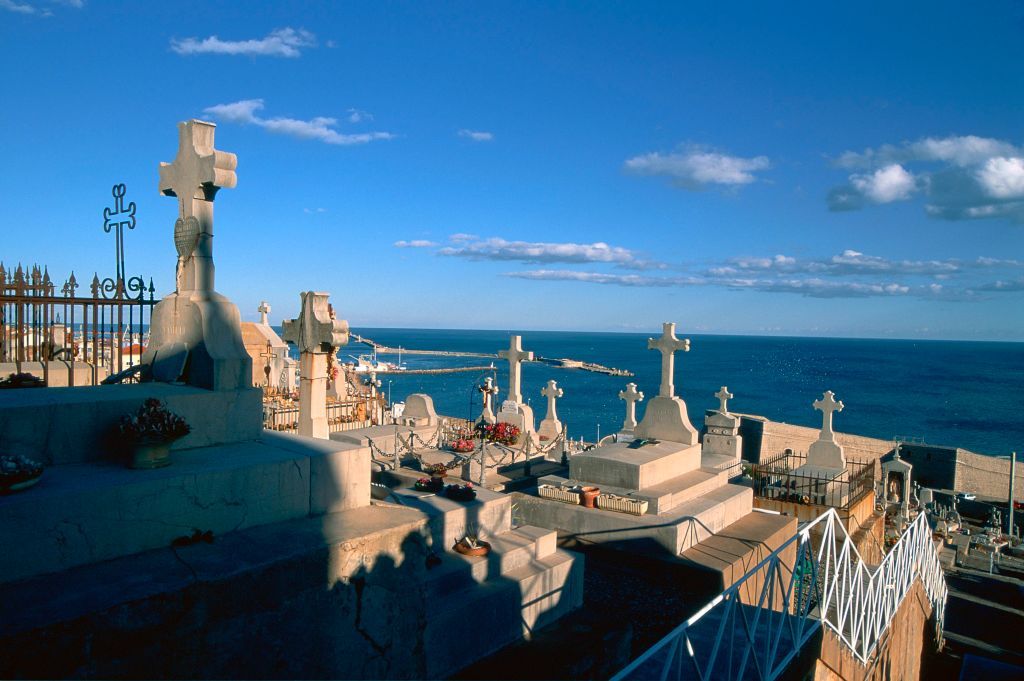
If you like your panoramas with poetry, pair the Cimetière Marin (Paul Valéry’s resting place, all white stone and wide water) with the Musée Paul Valéry next door for a small, elegant dose of art and city history. The walk up is short; the view pays for itself.
6) A toe in the Med
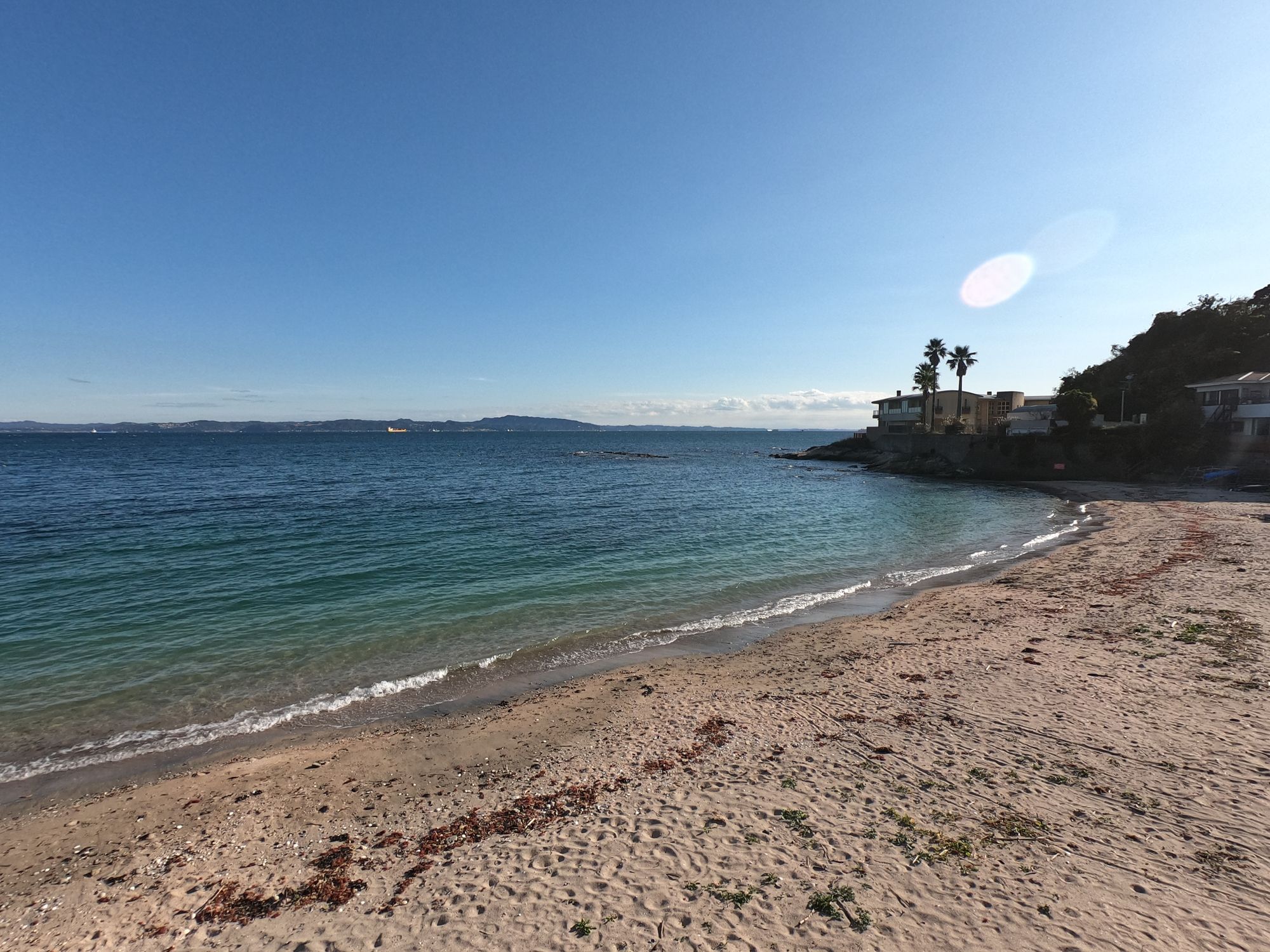
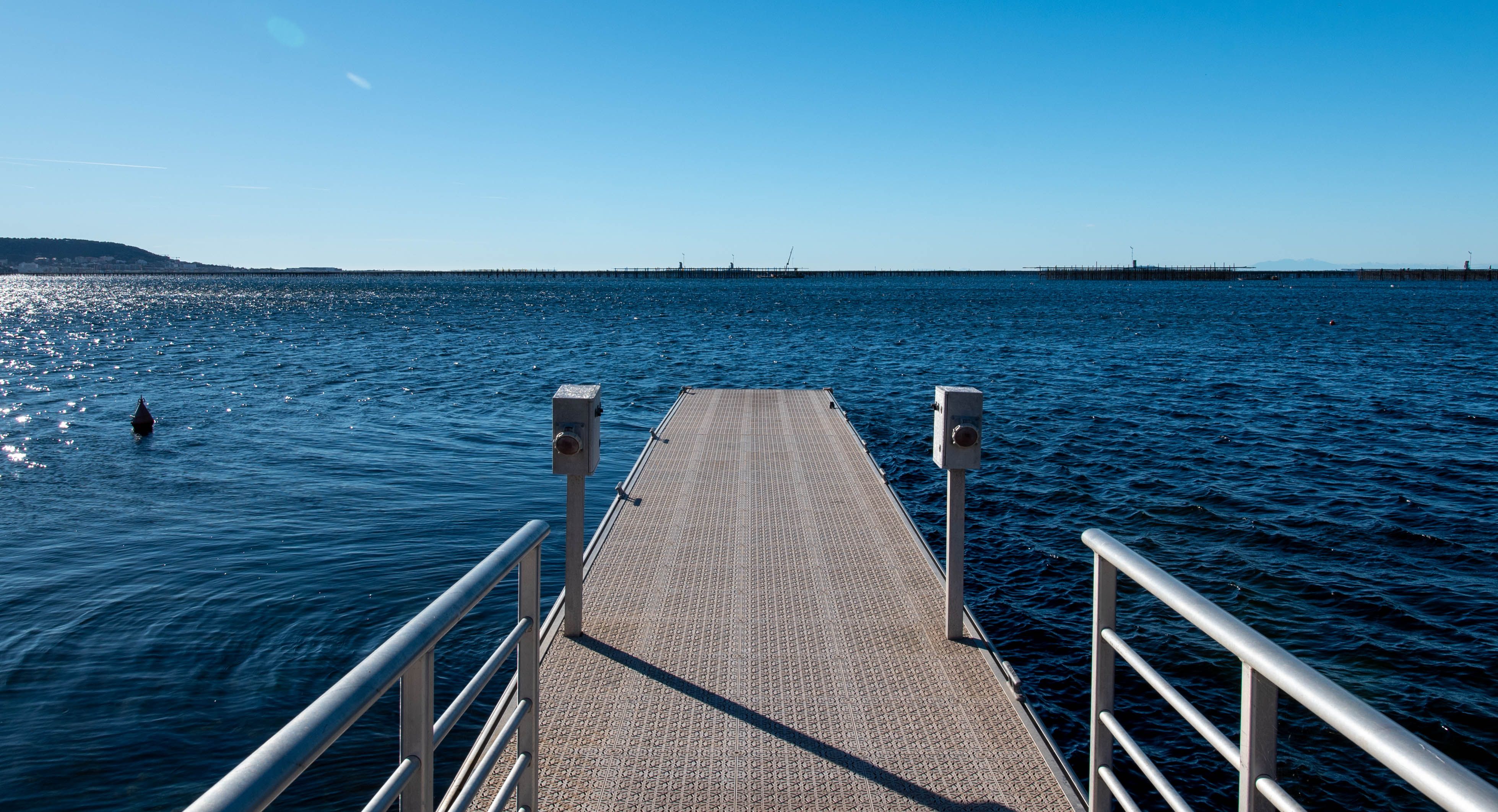
If the weather's playing ball and you still have time, definitely steal a half-hour at Plage du Lazaret or La Corniche beaches, both are walking-distance close, sandy and beautifully unspoiled. Bring a towel from your cabin, enjoy some salt water therapy, and count it as a mood reset before sail-away.
What makes Sète… Sète
- This is a town that lives on the water and blushes at its nickname “the Venice of Languedoc”. But the canals aren’t a gimmick, they’re the reason this place is here. Bridges tilt, trawlers glide, really there's a quiet energy to this place that makes you feel a bit like you've travelled back in time.
- It jousts. In late August the Fête de la Saint-Louis closes streets and opens grandstands along the canal for water jousting; white-clad teams rowing full-tilt while two men try to tip each other into the drink. Miss the dates and you’ll still catch practice, plus there's relics of this ancient ritual in museums and shop windows.
- It enjoys food with intent. Oysters and mussels from the Thau; tielle by the slice; and, when the sun slides down the painted houses, a small, cold muscat by the water. (If you like to match your sips, Picpoul de Pinet is the local white that grew up alongside the very fresh oysters.)
Practical considerations for cruisers (the useful bit)
Where you dock: Small/medium ships use quai du Maroc or quai d’Alger ~250 m from the centre. Larger vessels go to Masselin or H berth with port shuttles to the exit (about 5 minutes). There’s a compact terminal with Wi-Fi and tourist info.
Market hours: Les Halles operates daily ~07:00–15:00; arrive before lunch for the liveliest scene (and the least elbow-work).
Best viewpoints: Notre-Dame-de-la-Salette on Mont Saint-Clair (chapel + wide horizon) or the Phare Saint-Louis (lighthouse) at the end of the jetty, open to the public but check seasonal hours.
Oyster experiences: Waterside tastings in Bouzigues; boat trips from Sète or Bouzigues that visit the farms, often with a guided tasting (book ahead).
If it rains: Swap the hill for culture; Espace Georges Brassens (poet-singer, local Sète son) makes a surprisingly affecting hour with headphones and old footage.
A canal-side city without the touristic insanity...
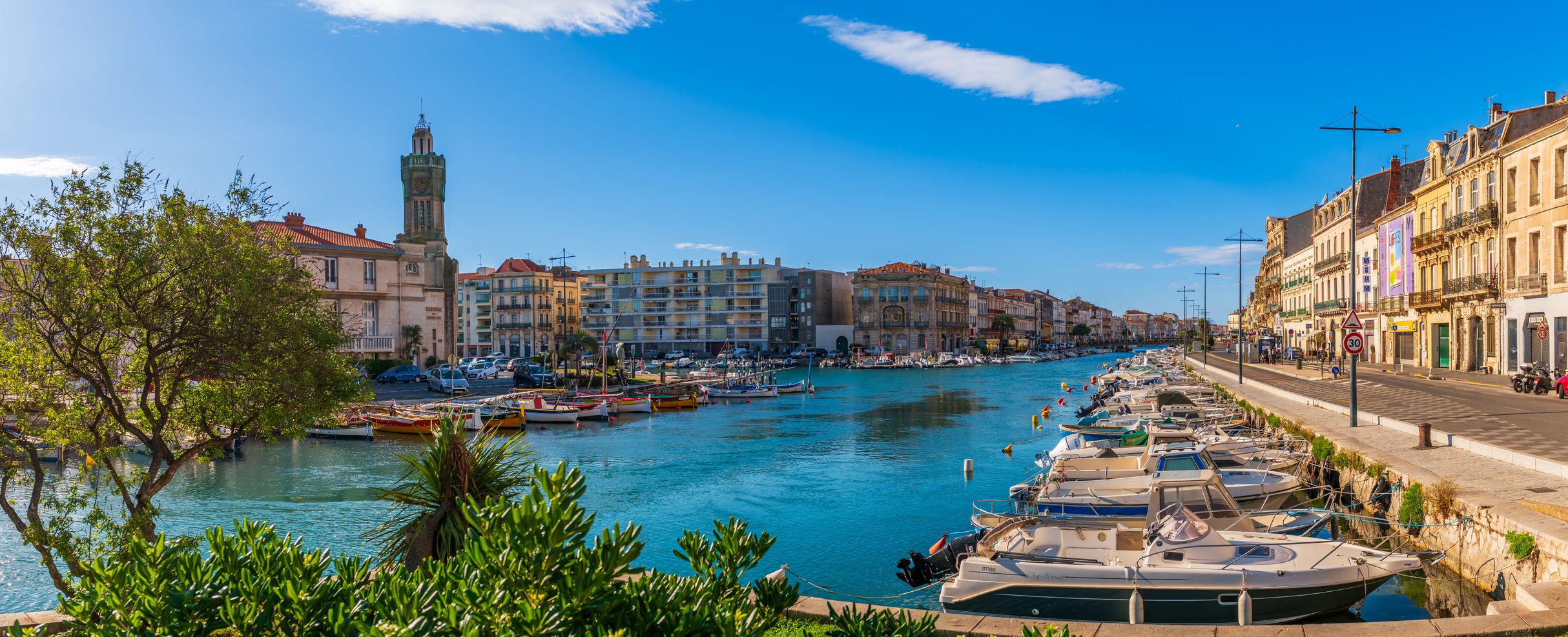
End where the canal widens to the ocean as the evening light turns to the colour of apricots. Fishermen will be tying lines; someone might be arguing gently about the best tielle; if the water's calm enough it'll be doing its quiet magic trick of reflecting the whole town upside down. Sète is a simple equation: canals + oysters + a high place to look from, equals a genuine joy of a port stop, without the sheer touristic insanity of Venice. And it’s one of the few ports where you can do all three without once checking the time.