
One of my greatest gripes with cruising in general, is arriving somewhere beautiful at 8am and then being asked to leave just as the place starts getting interesting.
Anyone who has cruised before will know the feeling. You step ashore full of ambition, walk quickly through the old town, eat lunch (while mentally calculating amount of time you have left left), then find yourself back on board at 4.37pm watching the light turn golden over a harbour you’ve technically visited but not quite experienced. At its worst, this can feel a bit like 'travel by the numbers'.
Azamara has built much of its identity around fixing that problem.
The small-ship cruise line is known for longer stays in port, late departures and overnight calls, which means its itineraries aren’t simply about collecting destinations like postcards. They’re designed to give you time; time for dinner ashore, to see a city after the coach groups have gone, in essence, time to stop looking at your watch like it’s personally responsible for ruining your holiday.
Azamara’s approach, which it calls Destination Immersion, works from the very sensible idea that places don’t reveal themselves fully between breakfast and a panicked return to the gangway.
Why Azamara is different
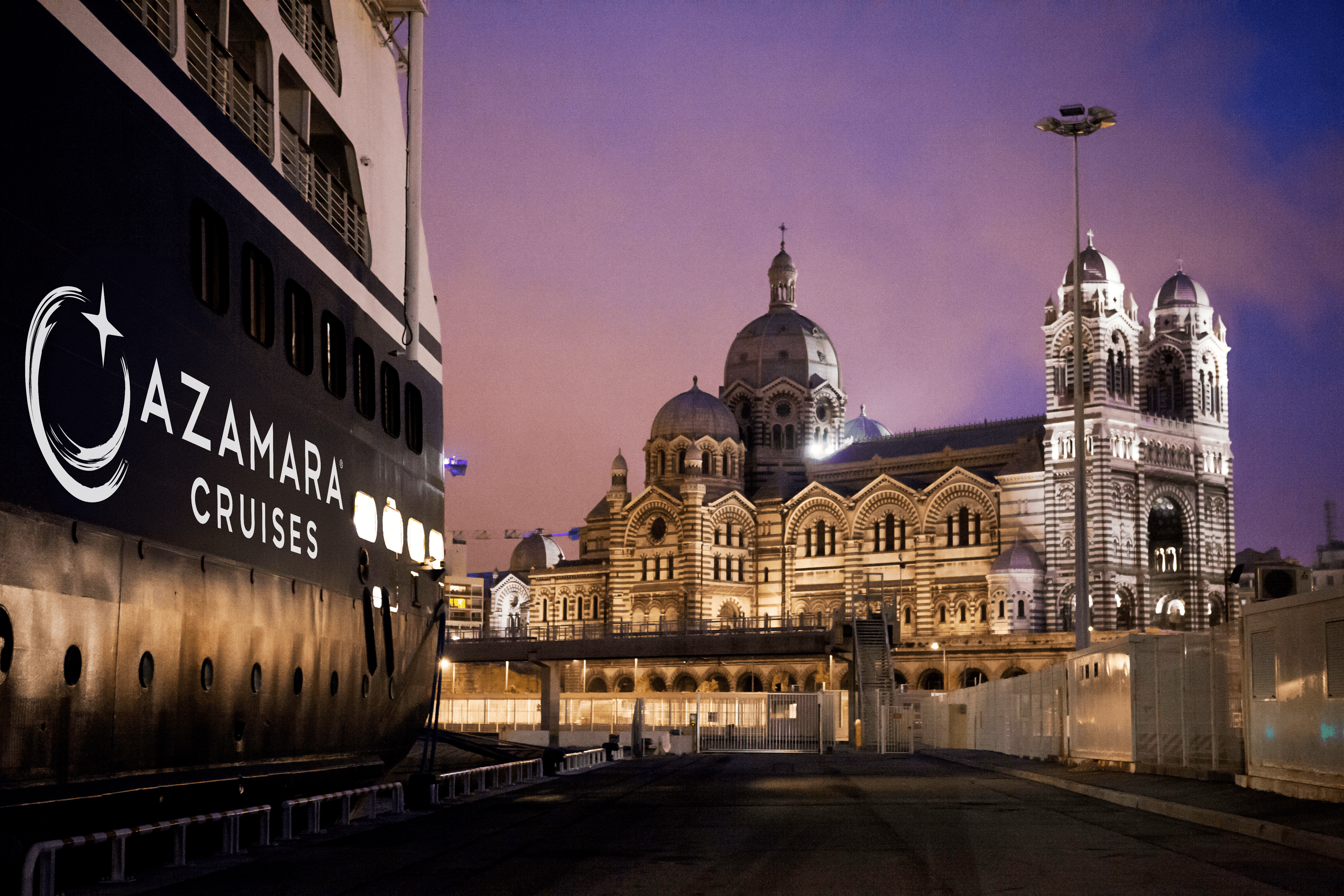
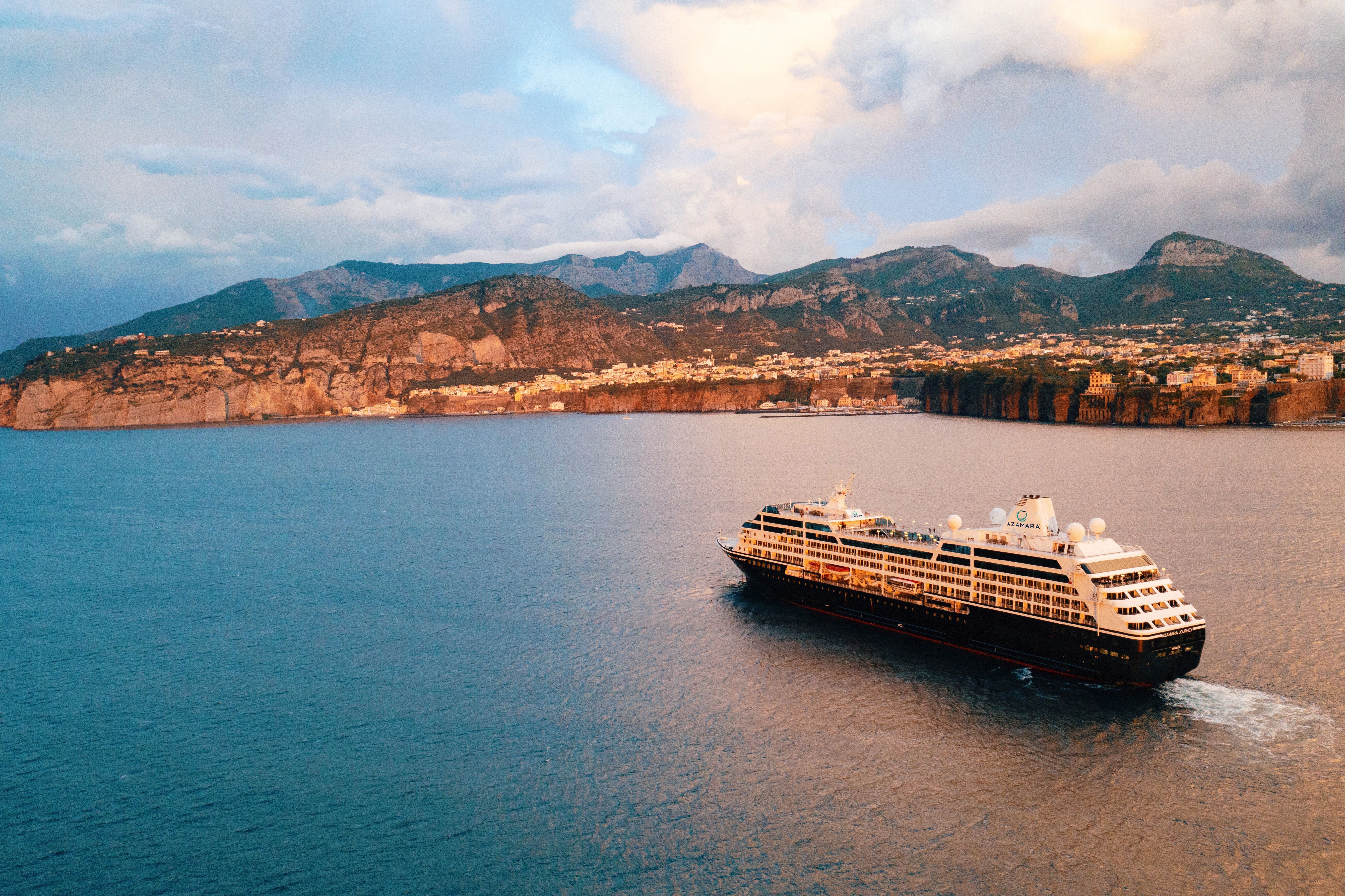
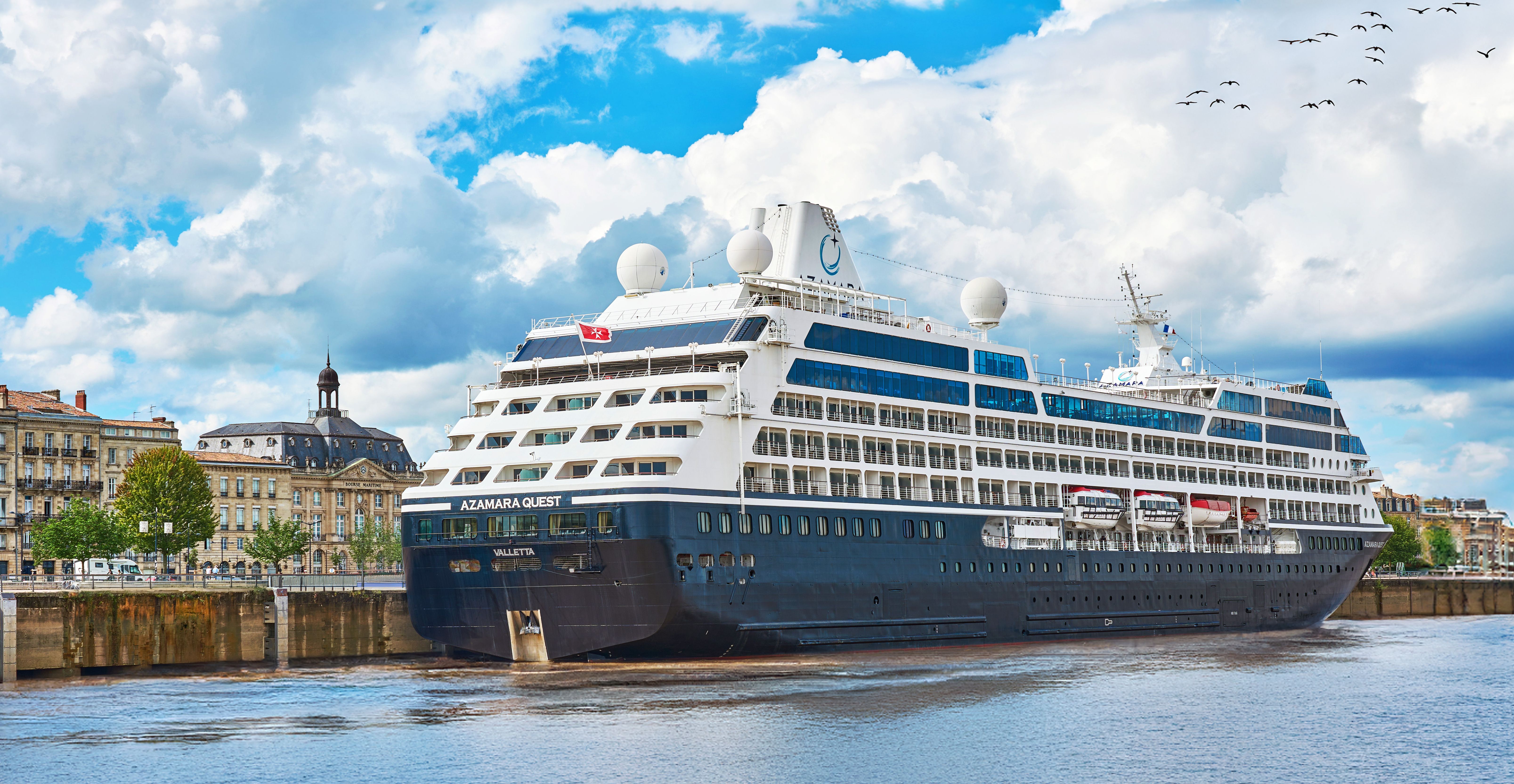
Azamara sits in a particularly appealing corner of cruising. Its four ships, Azamara Journey, Azamara Quest, Azamara Pursuit and Azamara Onward, are small enough to feel personal without tipping into expedition fleece territory. They carry around 700 guests, which in cruise terms is intimate. Not “everyone knows your business by day three” intimate, thankfully, but small enough that the experience feels calmer, easier and more connected to the places you’re visiting.
That scale also has practical benefits. Smaller ships can reach ports and waterways that larger ships often can’t, which means Azamara itineraries are less likely to be built only around the obvious greatest hits. You still get the famous places, of course. This is not a cruise line that expects you to pretend you’ve no interest in Santorini, Dubrovnik or Tokyo. But those calls are often balanced with smaller ports, more regional routes and longer time ashore.
A standard cruise can sometimes feel like destination speed dating. Azamara’s late nights and overnights change that rhythm and allow time for the part of travel that rarely fits into a neat morning excursion: evening walks, proper dinners, local music, markets, bars, theatre and sunsets.
This is Azamara’s sweet spot: the ease of cruising, but with a less frantic relationship to the shore.
Destination Immersion without the hurry
Think of Istanbul after dark, when the ferry lights cross the Bosphorus and the city feels entirely different from the morning museum circuit. Or Santorini once the day-trippers begin to thin, and the island stops feeling quite so much like a beautiful queue. Or Seville, where dinner before 9pm can feel like an insult to Spanish national identity.
Azamara also focuses on cultural programming through experiences such as AzAmazing Evenings, which are designed to connect guests more closely with local culture. The idea is not just to be in a place, but to understand a little more of it, ideally without needing to decode three conflicting restaurant recommendations and one heroic taxi estimate.
Editor’s pick: Japan Intensive Cruise, Tokyo, Hiroshima and Kobe
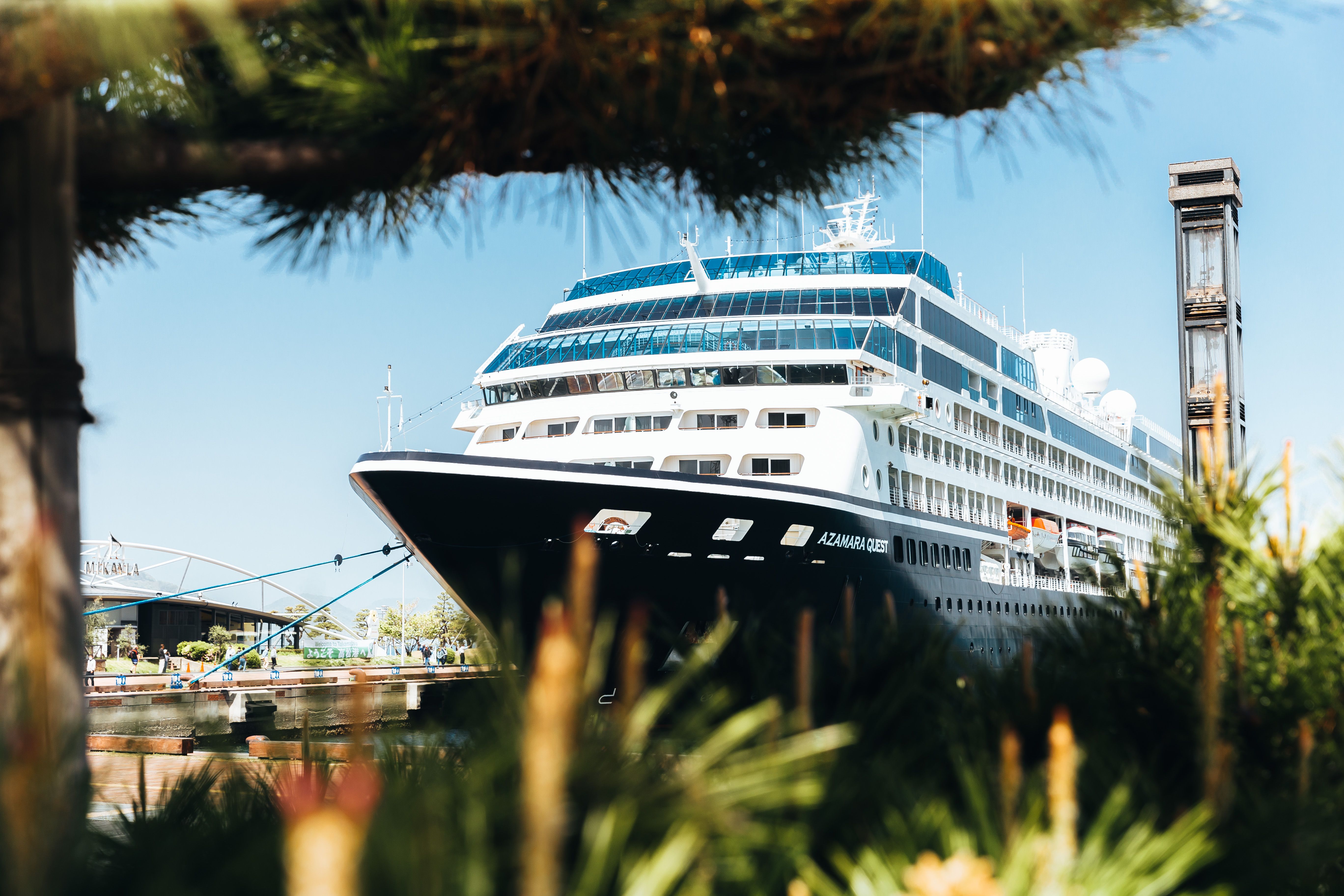

Japan is one of the best arguments for Azamara’s style of cruising, largely because the country deserves time and patience to be fully experienced.
Azamara’s Japan Intensive Cruise: Tokyo, Hiroshima and Kobe is exactly the kind of itinerary that shows the line at its strongest. Rather than treating Japan as one or two marquee calls on a wider Asia route, the focus is deeper and more deliberate. Tokyo brings the scale and voltage. Hiroshima brings history, reflection and an entirely different emotional register. Kobe opens the door to food, port-city culture and easy access to the wider Kansai region.
A Japan-intensive sailing also suits travellers who want regional variety without the fatigue of constantly packing, checking in and trying to understand another hotel light switch. The ship becomes the steady base while the country changes around you.
This is Azamara for the culturally curious: immersive, varied and likely to leave you with strong opinions about noodles.
Editor’s pick: Greece Intensive Cruise, Corfu, Santorini and Patmos
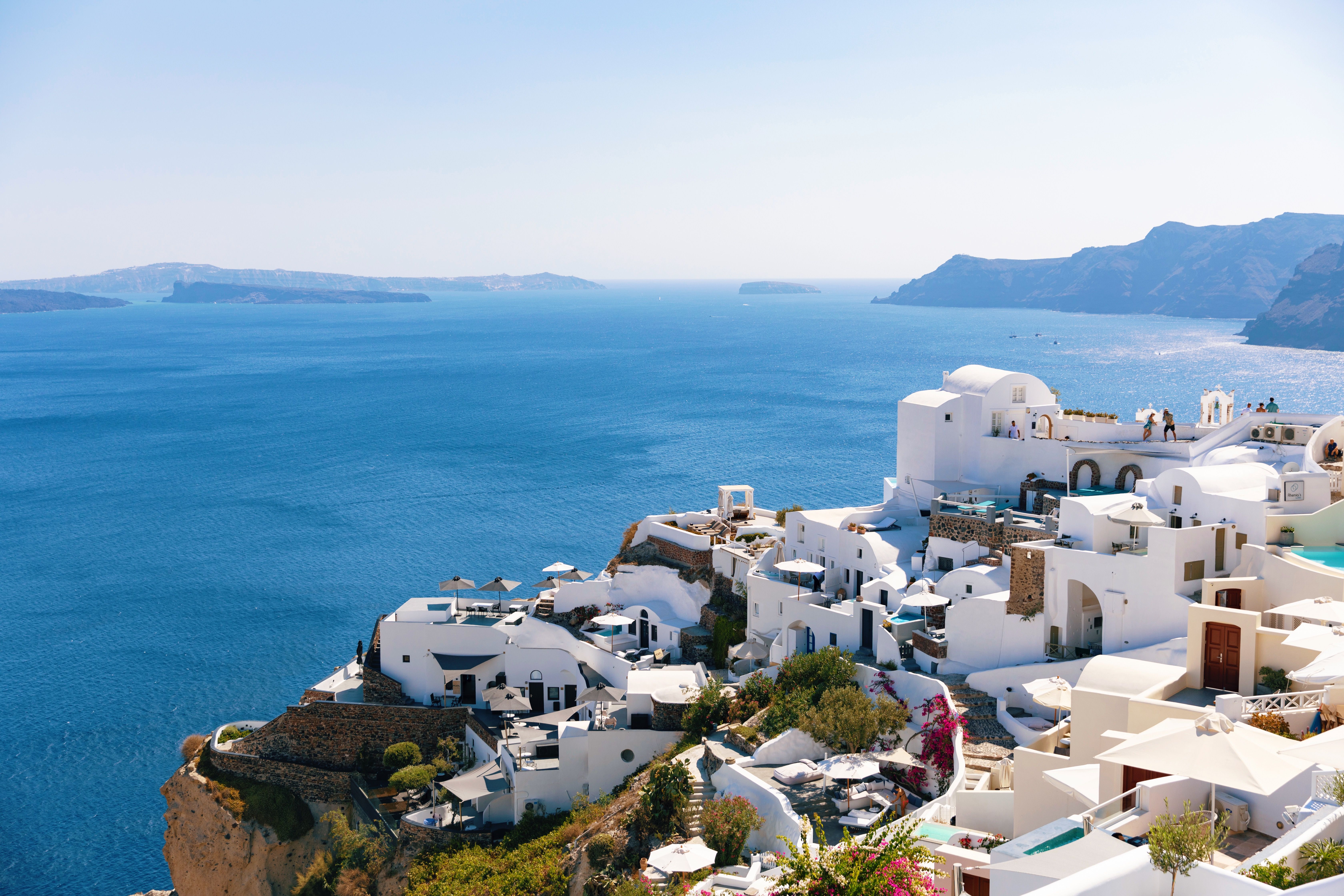
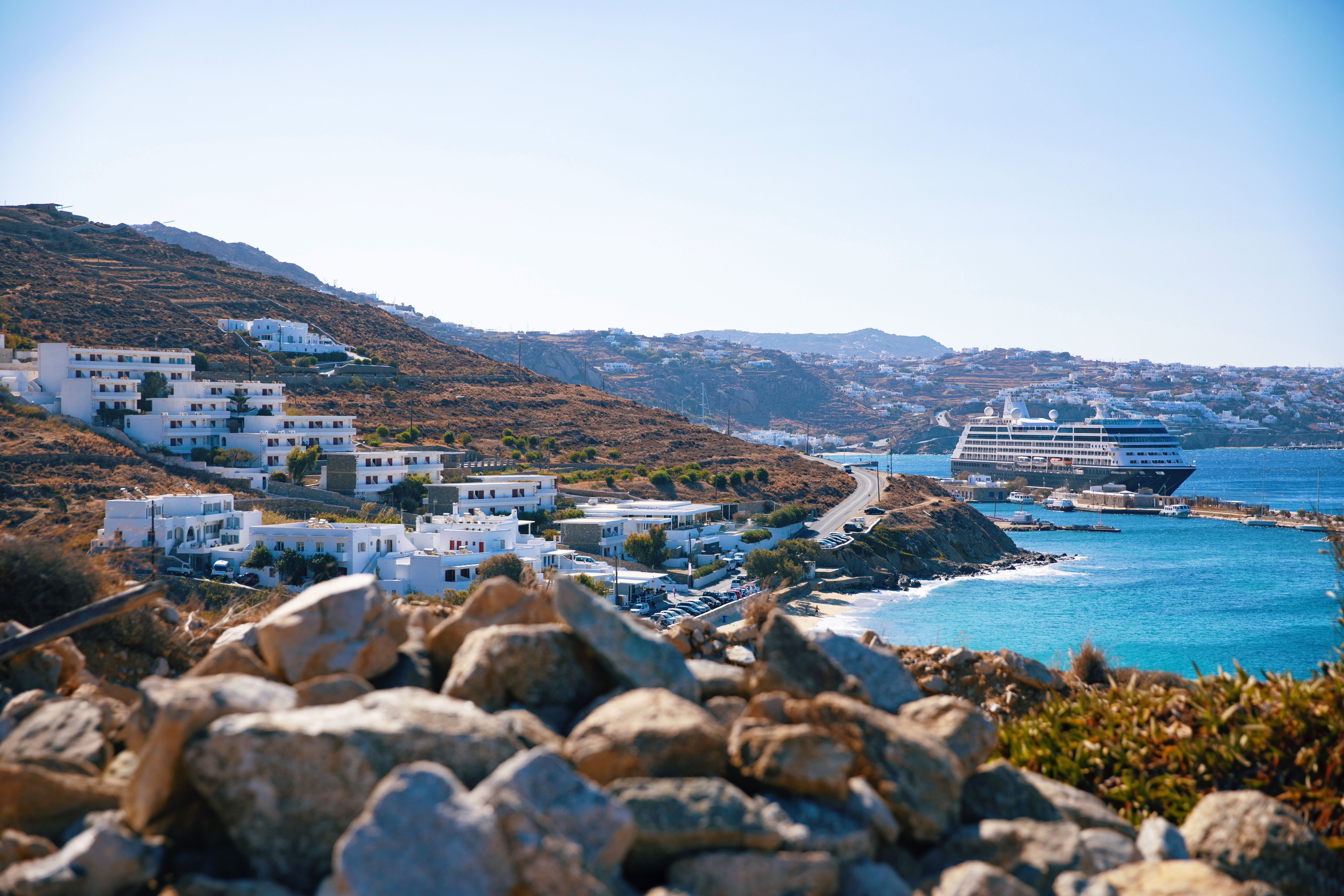
Greece is not short of cruise itineraries. Frankly, you could probably sneeze near a brochure rack and hit three different sailings to Mykonos. The question is not whether you can cruise Greece. It is whether you can do it without feeling as if each island has been reduced to a view, a lunch and a tender queue.
That is where an Azamara Greece Intensive itinerary earns its place. The Corfu, Santorini and Patmos route gives you the familiar beauty, but with a more thoughtful shape. Corfu brings Venetian lanes, green hills and a slightly different Ionian temperament from the Cycladic postcard version of Greece. Santorini remains Santorini, which is to say absurdly photogenic and occasionally in need of a quiet room. Patmos adds spiritual weight, whitewashed calm and the sense of an island that has not entirely given itself over to being admired.
Longer stays matter hugely here. Greek islands are transformed by timing. Early morning and late afternoon are when the crowds ease and the whole place starts to feel less like a school trip. Being able to stay later means you can have dinner ashore, watch the harbour change colour and experience the Greece that exists after everyone's taken the same photograph.
Editor’s pick: Croatia Intensive Cruise, Dubrovnik, Šibenik and Zadar
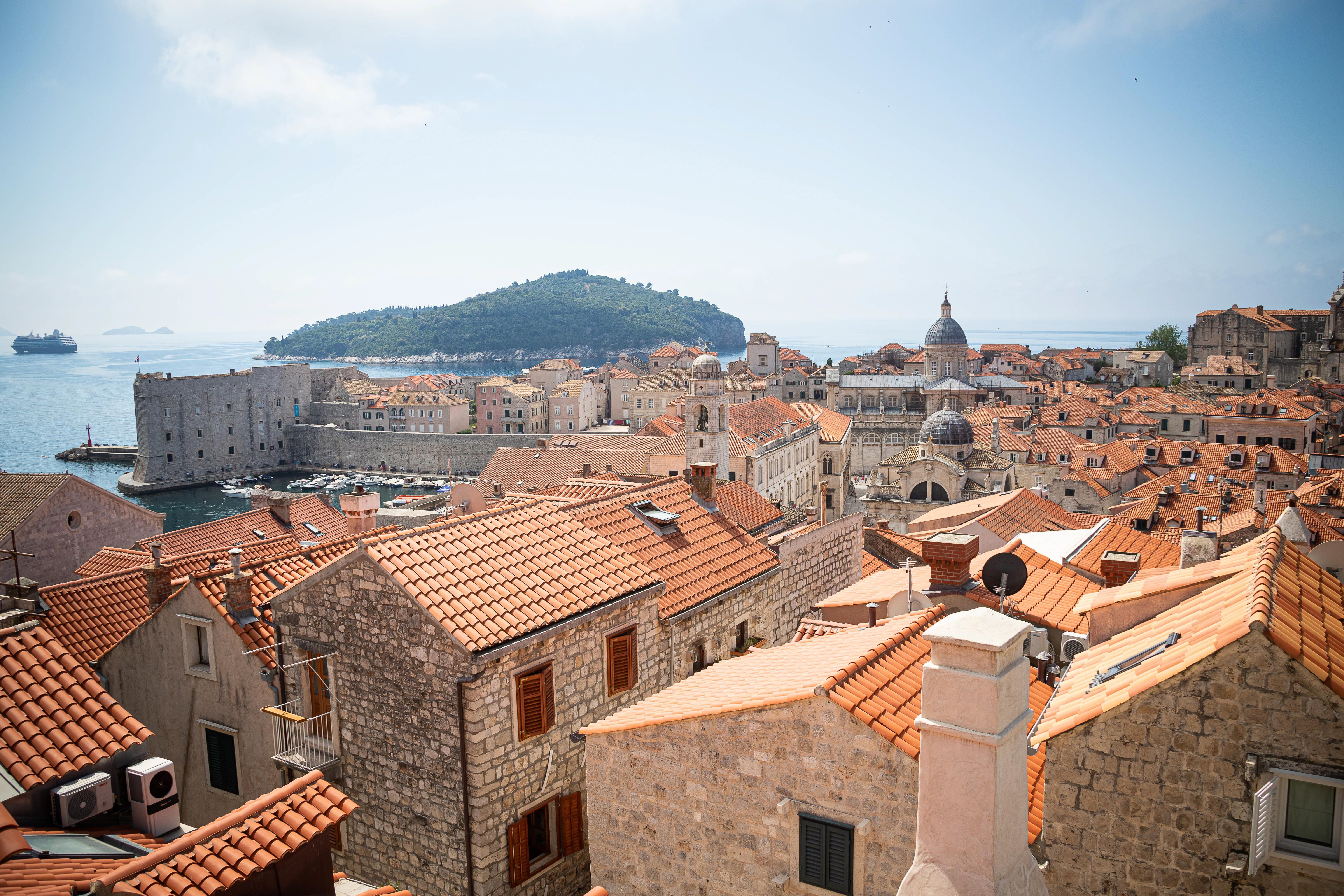
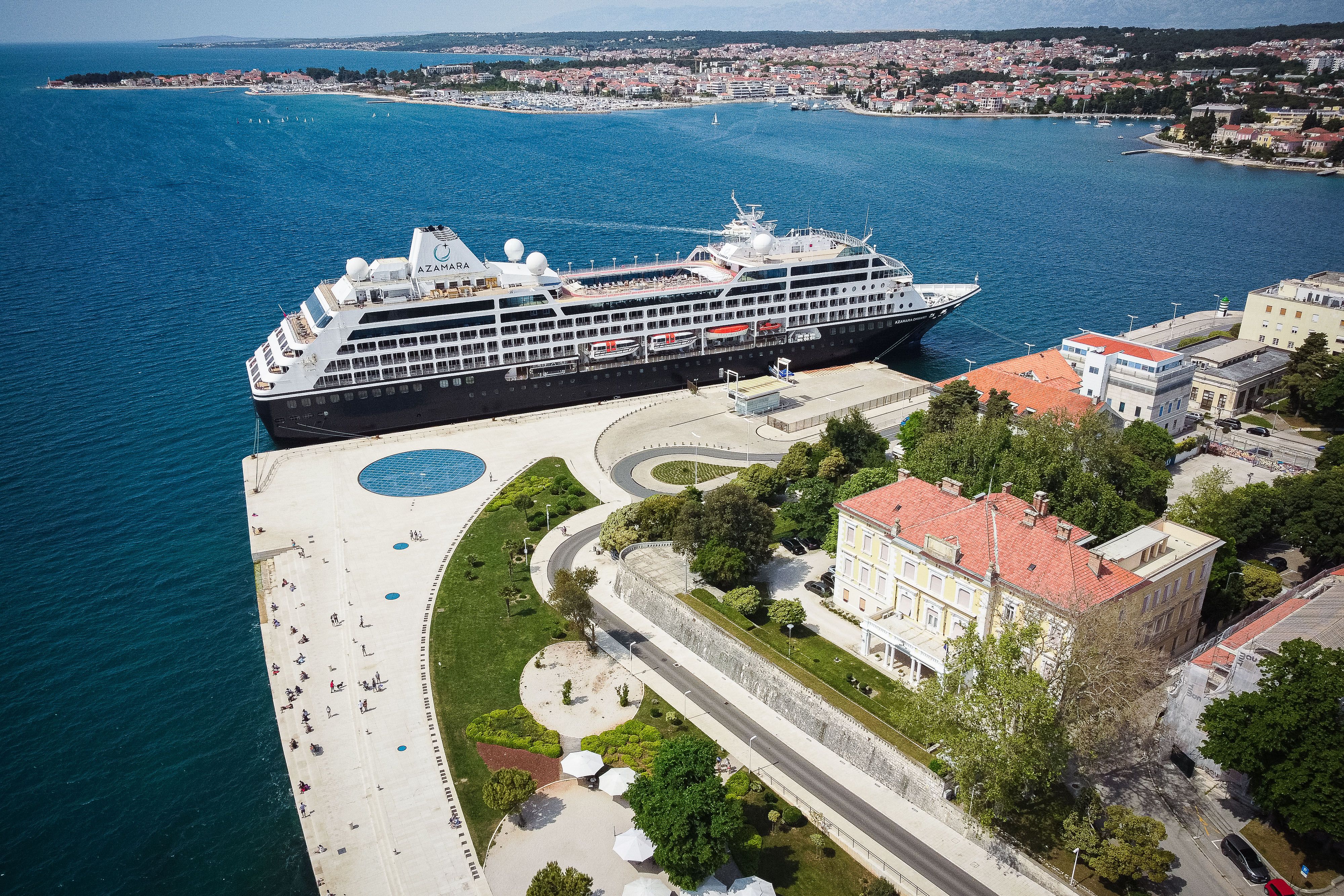
Azamara’s Croatia Intensive Cruise: Dubrovnik, Šibenik and Zadar is a strong example of why small ships and regional focus work so well together. Dubrovnik provides the big-name drama, all walls, marble streets and sea views that appear to have been professionally lit. But the real pleasure comes in the balance with places like Šibenik and Zadar, where the Croatian coast feels lived-in rather than merely displayed.
Šibenik is especially well suited to smaller-ship cruising. It has medieval lanes, a handsome waterfront and easy access to Krka National Park, without quite the same international crush as Dubrovnik. Zadar, meanwhile, is one of the Adriatic’s great sleeper hits, with Roman ruins, Venetian gates, good food and the famous Sea Organ turning the waterfront into an instrument, because apparently a normal promenade wasn’t enough.
This is a classic Azamara pick because the itinerary isn’t trying to dazzle you with distance. It is trying to let one coastline unveil itself to you properly.
Editor’s pick: Spain Intensive Cruise, Valencia, Málaga and Seville
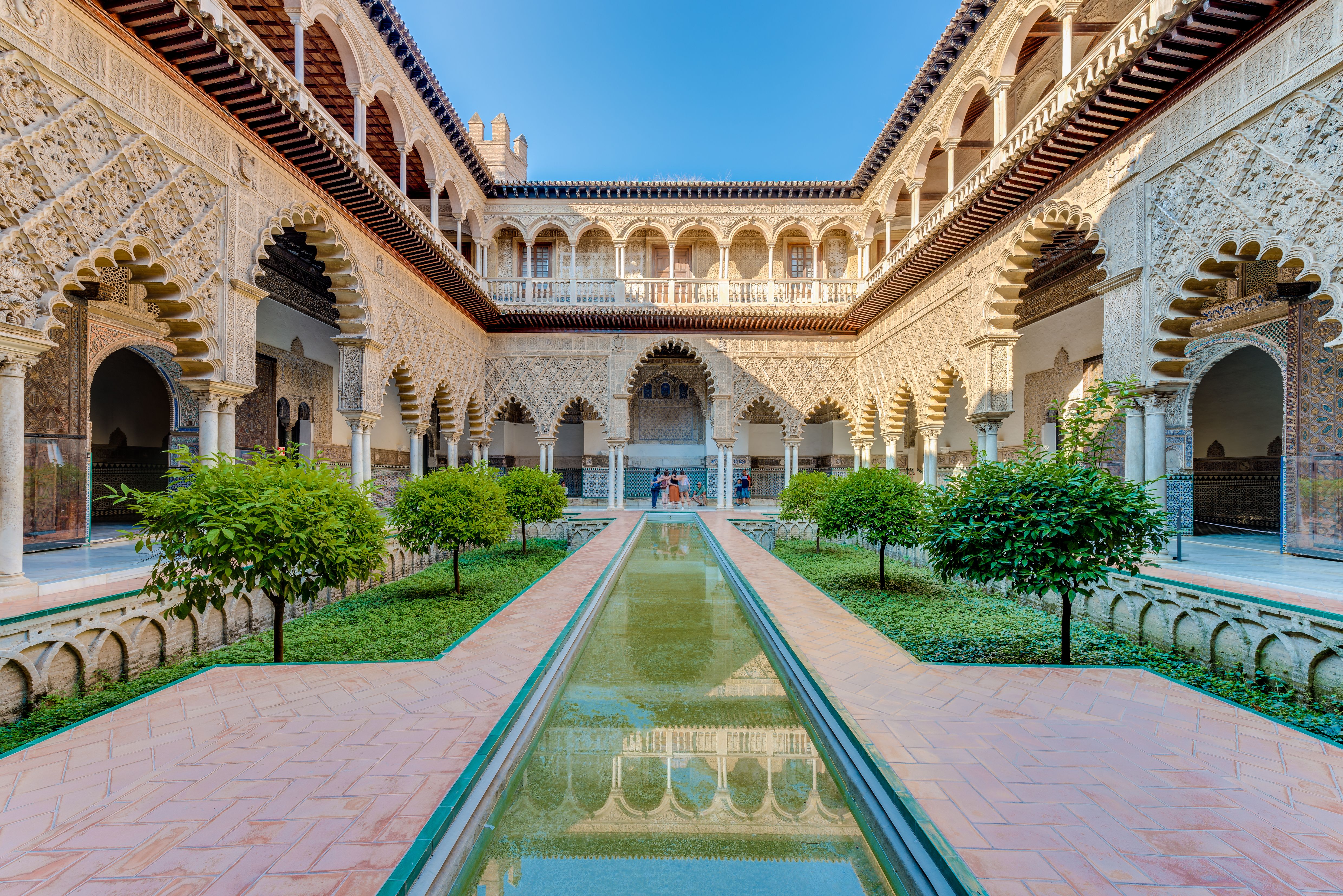
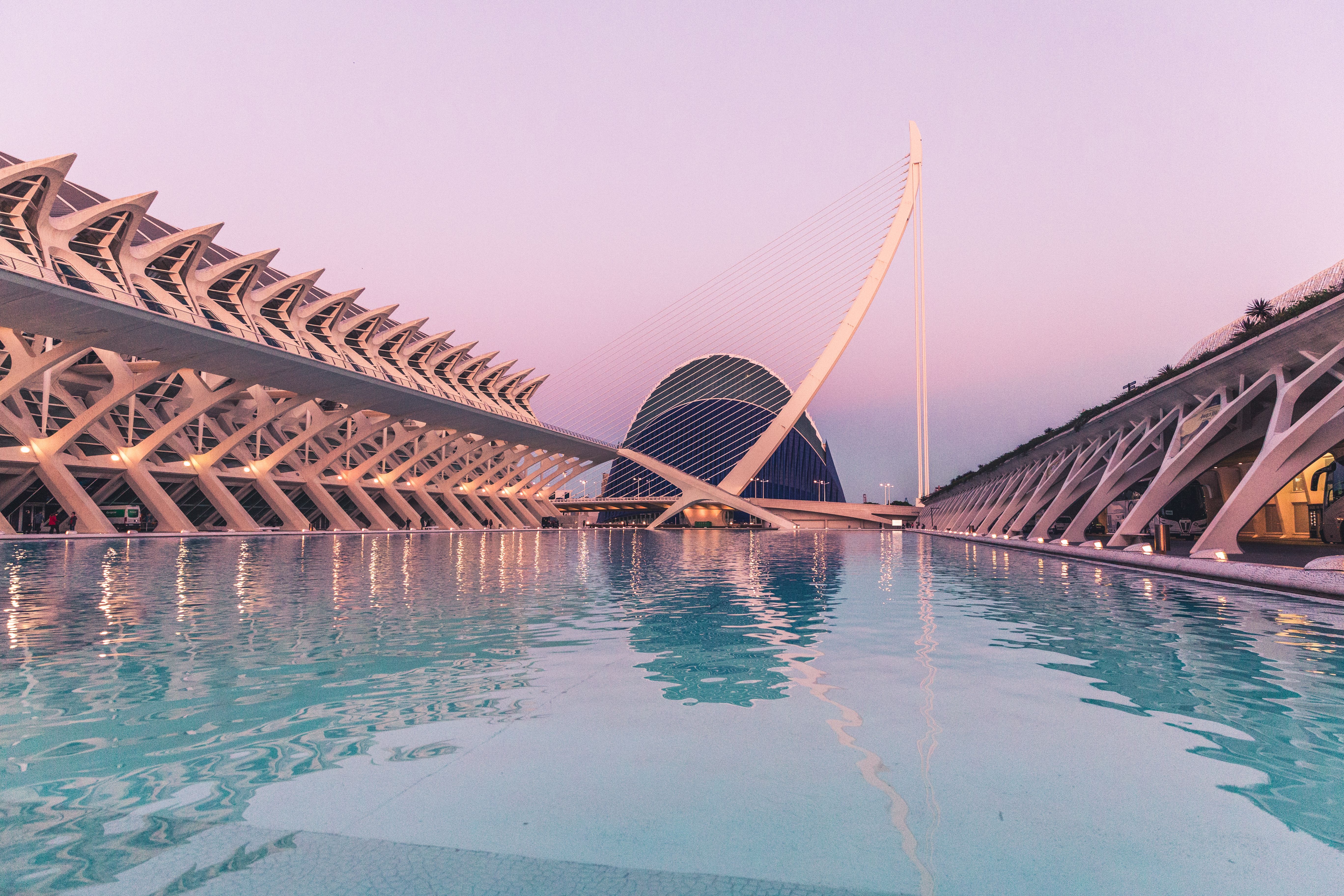
Azamara’s Spain Intensive Cruise: Valencia, Málaga and Seville is a good example of the line’s love of longer port time meeting a country that absolutely rewards it. Valencia offers markets, modern architecture, old streets and paella with a seriousness that should not be tested lightly. Málaga brings galleries, beaches, Moorish history and the increasingly persuasive argument that it is far more than an airport with tapas. Seville, reached from the port of Cádiz on many cruise itineraries or via Guadalquivir-linked routing depending on the sailing, is the kind of city that makes a short call feel almost rude.
Azamara’s style gives Spain a fairer chance. Late stays let you experience cities when they start to loosen their collars. You can see the sights, certainly, but also linger over dinner, catch flamenco or simply walk without the grim efficiency of someone trying to complete a town before a 3.30pm transfer.
It is hard to overstate how much more civilised Spain feels when you’re not being hurried out of it.
Editor’s pick: Eastern and Southern Africa Cruise, Mombasa, Zanzibar and Cape Town
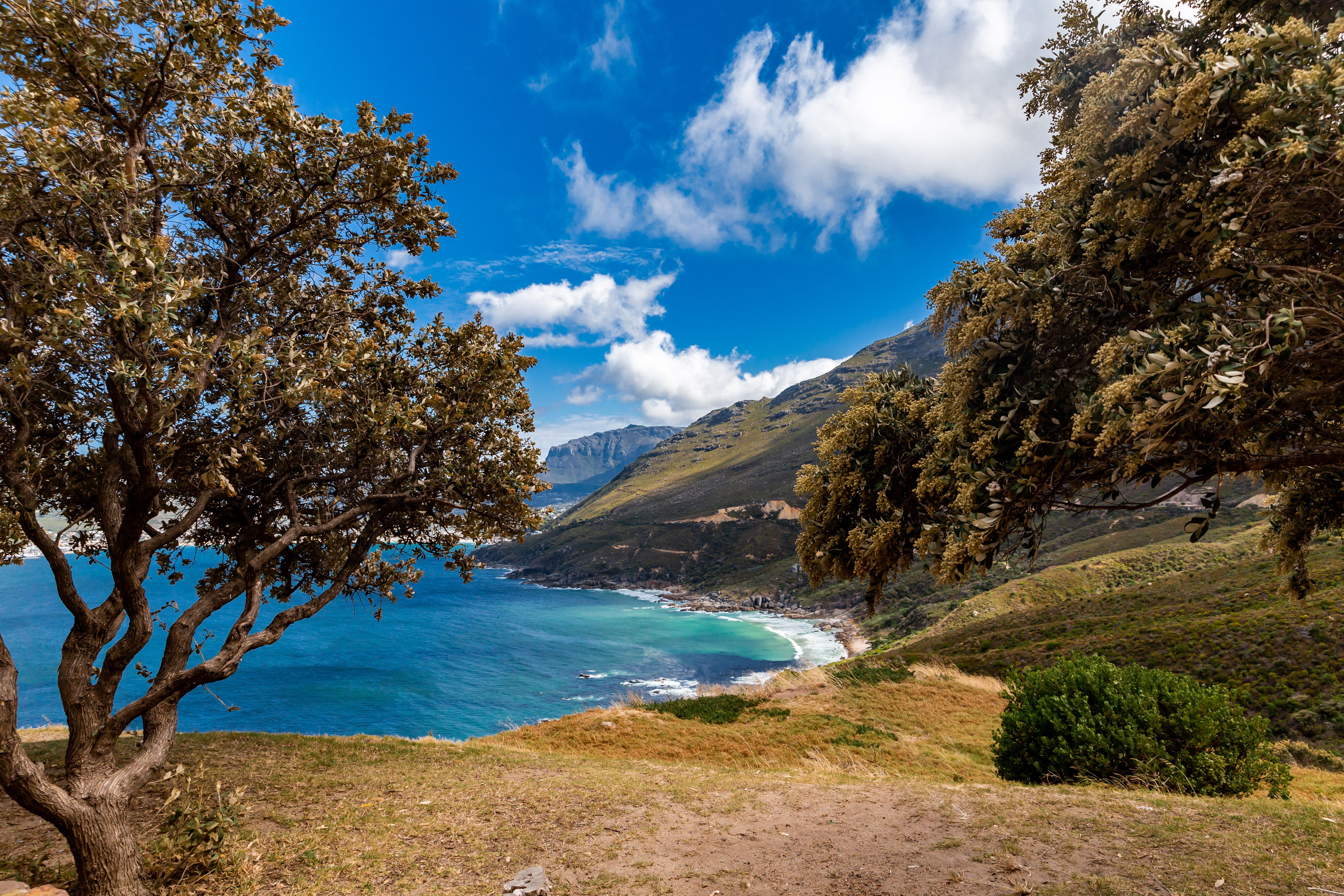

The Eastern and Southern Africa Cruise: Mombasa, Zanzibar and Cape Town shows a more adventurous side of the brand, connecting island, coast and city across a region where the sea has carried trade, migration, food, language and culture for centuries. It is the sort of itinerary that makes the ship feel like a thread running between very different worlds.
Mombasa brings Swahili coast history, markets, fortifications and Indian Ocean atmosphere. Zanzibar adds spice, carved doors, Stone Town, beaches and a layered cultural identity shaped by Africa, Arabia, India and Europe. Cape Town, at the other end of the journey, is one of the world’s great cruise arrivals, with Table Mountain doing the kind of scenic showing off that would be irritating if it weren’t so effective.
It is a sailing for travellers who want Azamara’s deeper destination style somewhere richer, warmer and less expected than the usual European circuit.
Why book Azamara with Cruise Collective
As a new Cruise Collective partner, Azamara is a natural fit for members who want their next cruise to feel more immersive, more flexible and slightly less governed by the tyranny of the 4pm departure.
The line’s small ships, late stays and overnight calls are not gimmicks. They change the way a cruise feels. They turn a port day from a compressed sightseeing exercise into something looser, richer and more memorable. You can eat ashore without checking your watch every seven minutes. You can see a city after dark. You can wake up in the same port and realise the second morning feels completely different from the first.
That is the quiet brilliance of Azamara. It does not ask you to choose between the ease of cruising and the pleasure of spending proper time somewhere. It gives you both.
And frankly, once you’ve had dinner ashore, walked back through a harbour at night and returned to a ship that is still patiently waiting there, it becomes rather difficult to go back to the old hurry-up-and-leave routine.