Some ports announce themselves to your ears before you’ve even found the shuttle bus.
Lisbon has fado in its stair-steep old quarters. Cádiz has flamenco in its bones, especially if you follow the pull inland to Jerez. New Orleans has brass, sweat and history. A song, rhythm, club, pub session or dance hall can take you closer to a city than three hurried monuments and a fridge magnet could ever hope to.
The best musical port days are the ones that give you a living connection to the place: a fado house where everyone goes quiet, a rebetiko bar where the night starts late enough to require an after dinner coffee, a bomba performance where the dancer leads the drum.
Here are some of the best cruise ports for experiencing iconic cultural music from the gangway, with just enough practical realism to keep you from missing the ship...
Fado in Lisbon, Portugal
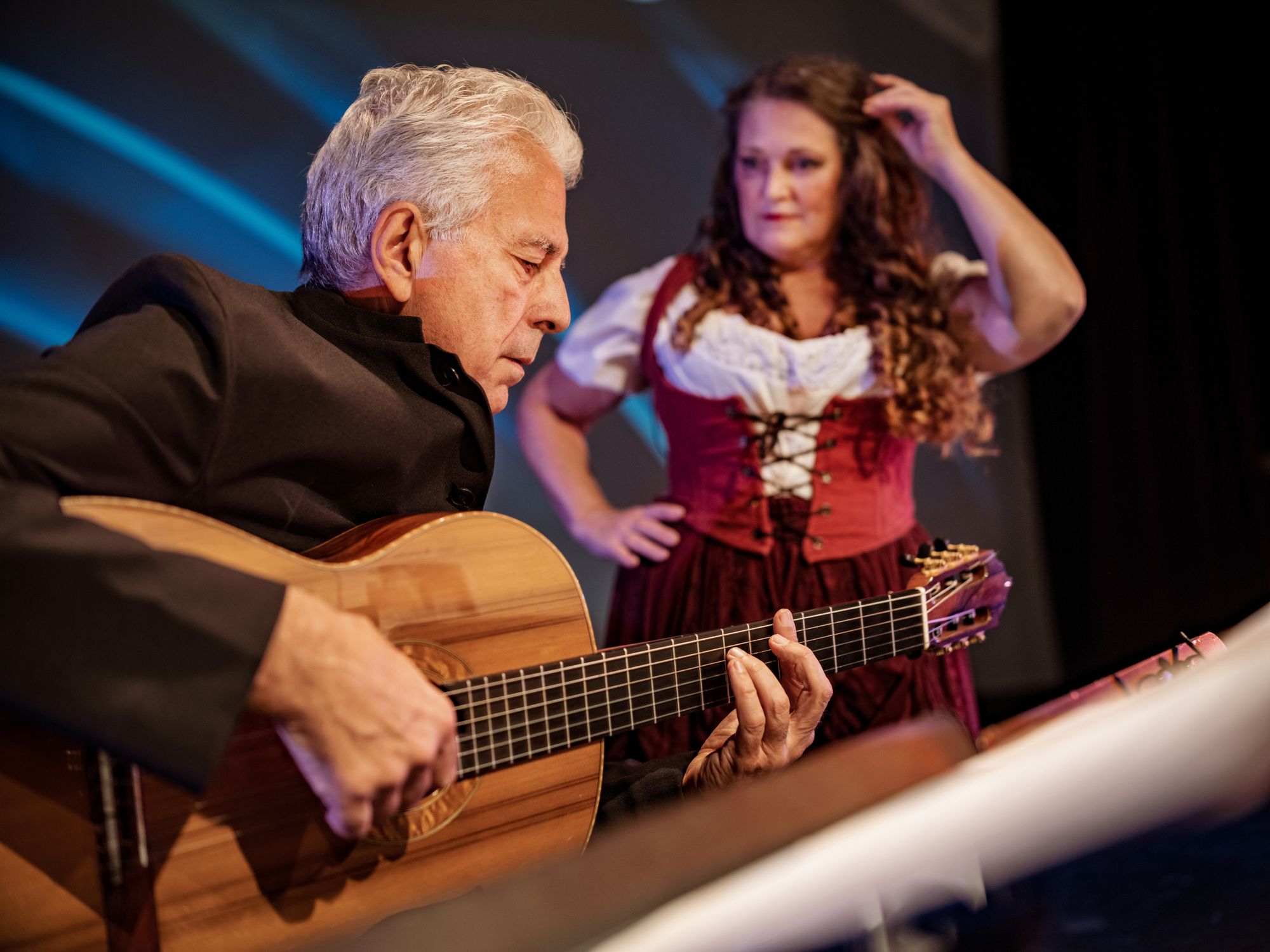
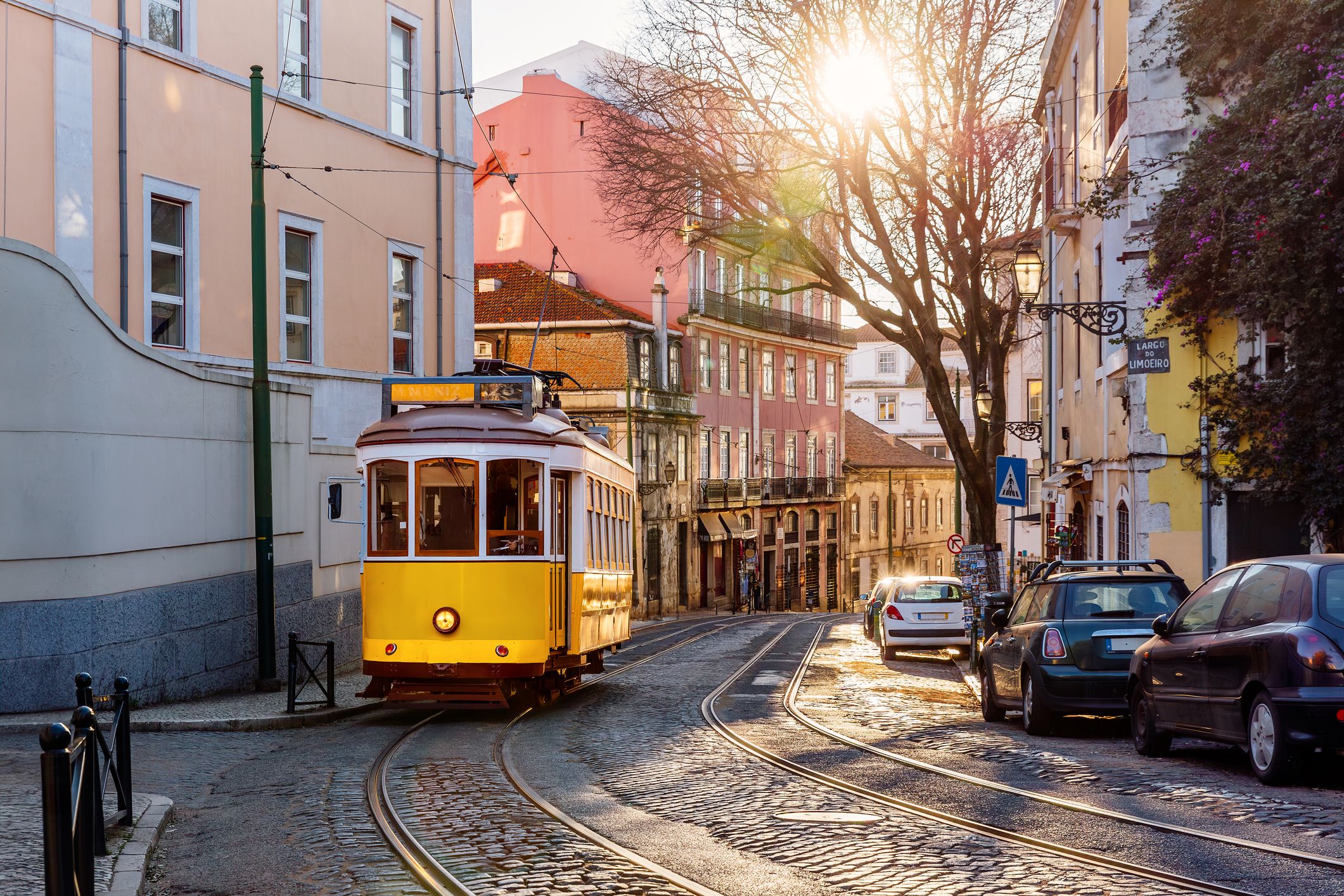
Lisbon is one of the great cruise ports for anyone who likes a city with hills, tiles, and faded grandeur. The cruise terminal places you close to the older districts, which is convenient because fado belongs most naturally to Alfama, Mouraria and Bairro Alto: neighbourhoods of narrow streets, steep staircases and restaurants where the emotional intensity can arrive before the bill.
Fado is Portugal’s great urban song tradition, usually sung with Portuguese guitar and a level of yearning that makes even a short weekend away feel like a tragic separation. It is often linked to saudade, that famously untranslatable Portuguese longing. A good fadista can make a room fall still in seconds.
For cruise visitors, Lisbon makes it unusually easy to experience fado properly. The Museu do Fado in Alfama is a useful daytime stop, especially if your ship leaves before the city’s late-night personality gets going. If you have an evening call or overnight stay, book a reputable fado house rather than wandering into the first place with a laminated menu and a tragic-looking guitar in the window.
Flamenco in Cádiz and Jerez, Spain
Cádiz is a gift of a cruise port. Step off the ship and you’re almost immediately in the old city, with Atlantic light, narrow streets, seafood, sherry, plazas and the faint sense that the whole place has better rhythm than you do. Which, once flamenco enters the conversation, is almost certainly true.
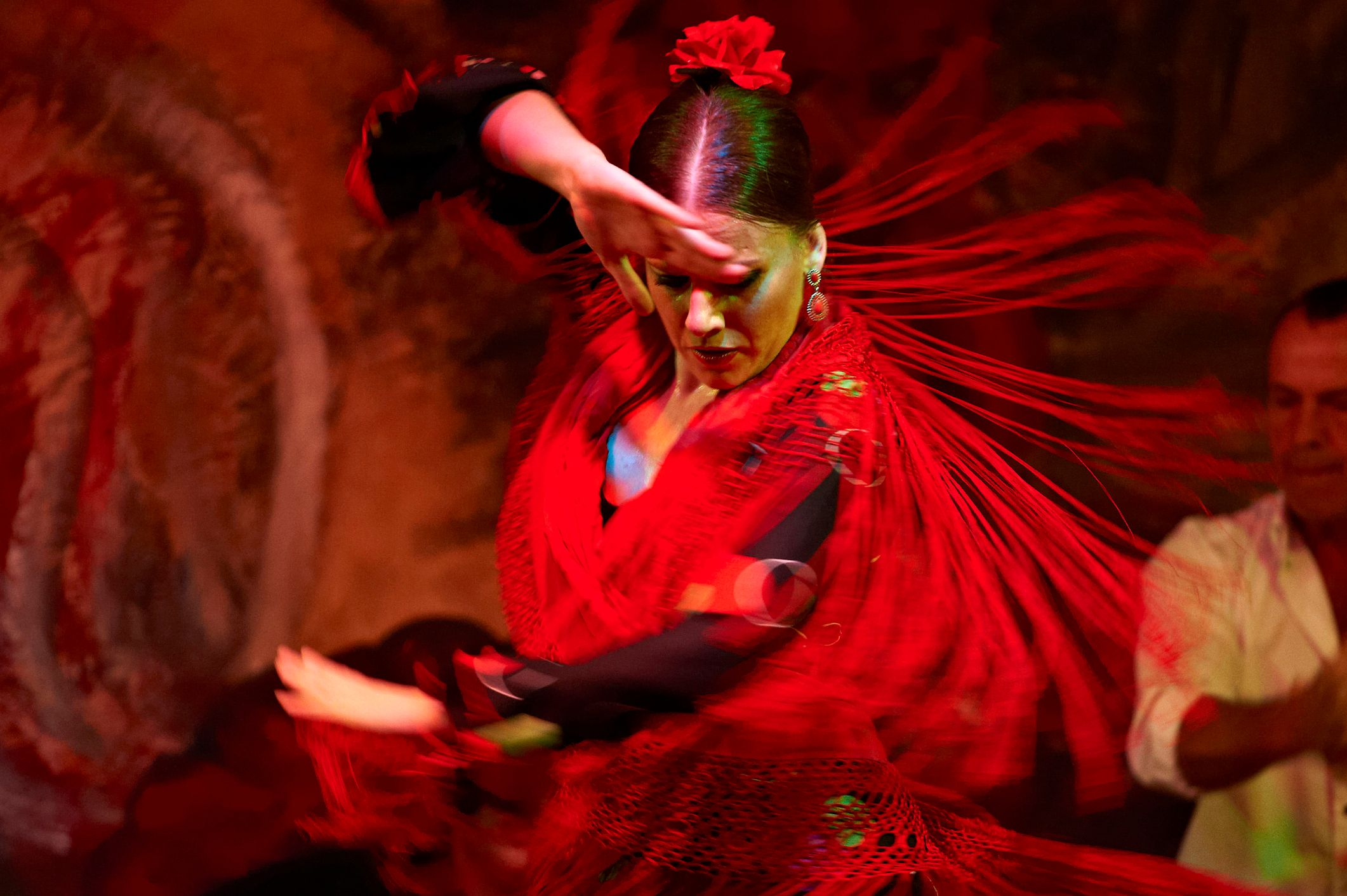
Flamenco is rooted in Andalusia and brings together cante, baile and toque: song, dance and guitar. It can be fierce, playful, mournful, precise, wild and thrillingly serious about handclaps. Tourists sometimes reduce it to dresses and footwork, but the real force often sits in the voice. Proper cante can sound as though someone has opened a very old door inside the room.
Cádiz itself has flamenco heritage, especially around the Santa María neighbourhood, but one of the best cruise-call strategies is to consider Jerez de la Frontera if time allows. It sits inland from Cádiz and is closely associated with flamenco and sherry, a combination that feels both culturally important and personally useful. A guided excursion can make sense here, partly because timing matters and partly because nobody wants to miss the ship after overestimating their ability to navigate Spanish train connections under the influence of palmas.
Rebetiko in Athens, Greece
Most cruise passengers arrive in Athens through Piraeus with a sensible plan involving the Acropolis, a museum and perhaps a lunch that escalates gently into feta, grilled fish and poor time management. That is entirely respectable. But if your ship stays late, Athens also offers one of Europe’s most atmospheric music traditions: rebetiko.
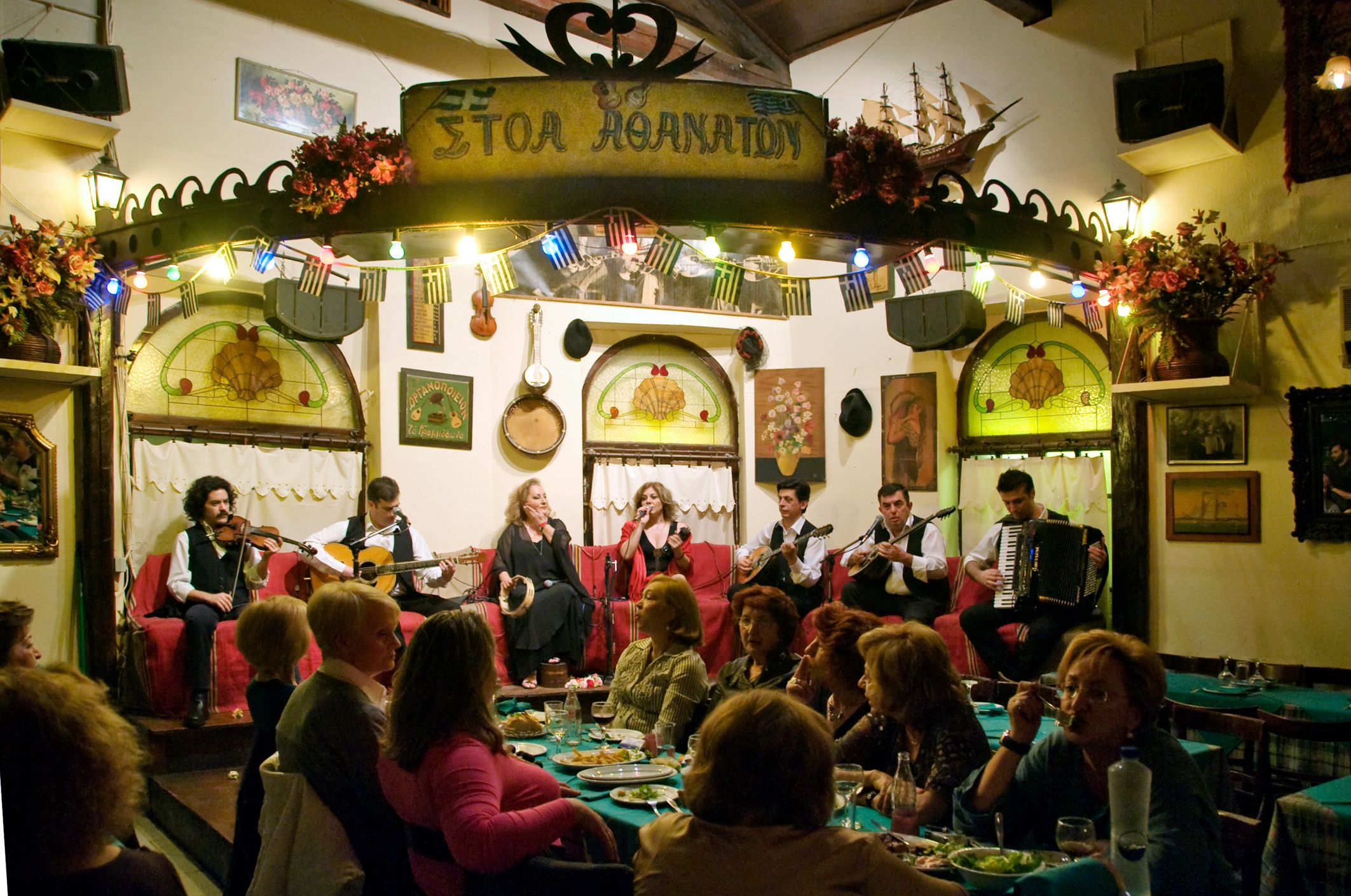
Often described as Greece’s urban blues, rebetiko grew among working-class communities and refugees in the early 20th century, especially in port cities such as Piraeus and urban neighbourhoods around Athens and Thessaloniki. It is music of exile, longing, poverty, tavern life, love, trouble and people who clearly had more dramatic evenings than most of us manage after a shore excursion.
The instruments matter: bouzouki, baglama, guitar, voice. So does the setting. Rebetiko is best heard in a rebetadiko or old-style taverna, usually later in the evening, when the room has relaxed and the music begins to feel less like a performance and more like a shared memory. This is not ideal if your ship sails at 5pm, unless you enjoy cultural frustration. But on a late call or overnight in Athens, it’s one of the richest ways to feel the port city beyond the postcard.
Traditional Irish music in Dublin, Ireland
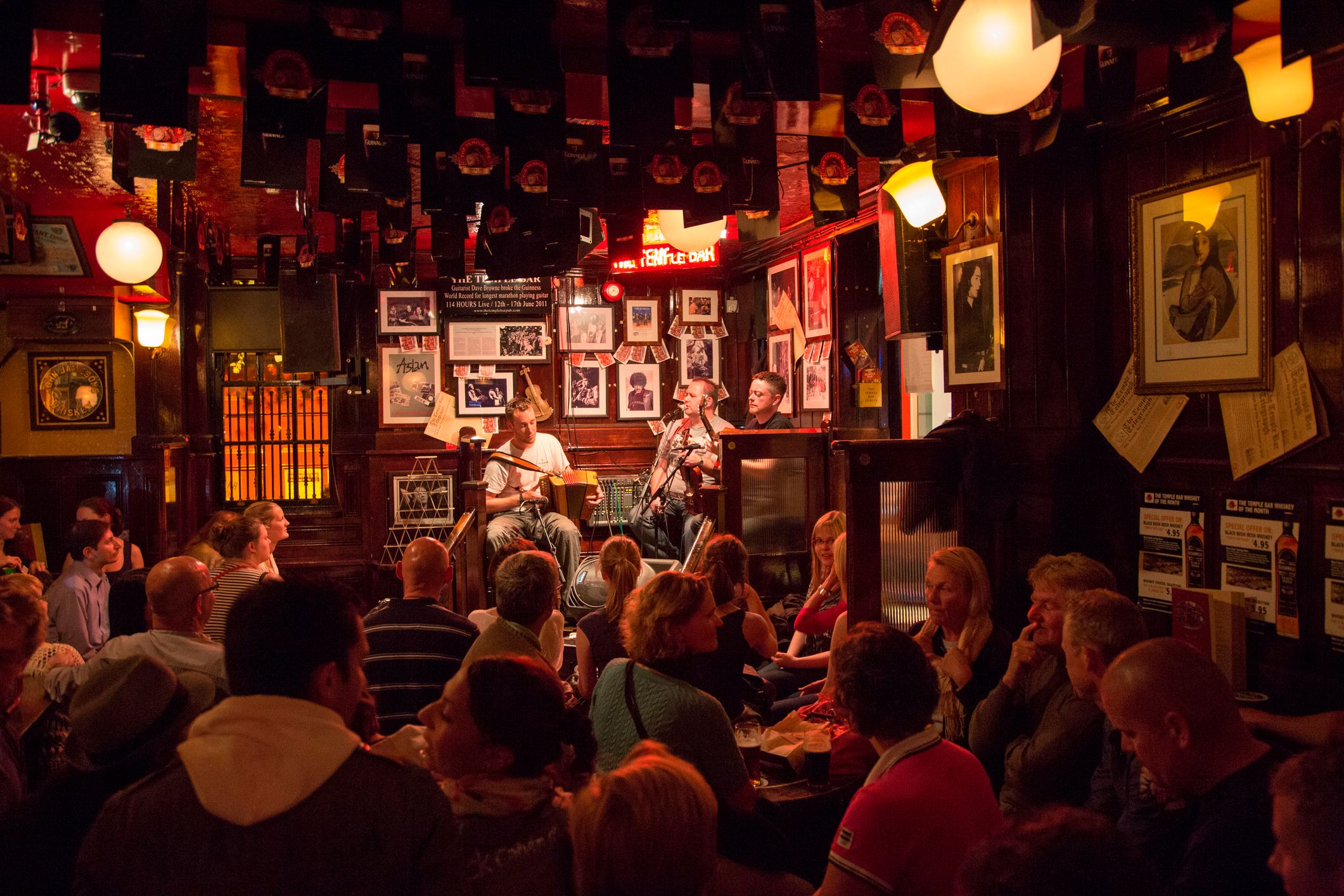
Dublin is a dangerous place for people who think they’ll just “pop in for one”. The city has a rare ability to turn a short cultural visit into a full investigation of pub interiors, human warmth and whether you’re the sort of person who can clap on the beat. Findings may vary.
Traditional Irish music is one of the easiest cultural experiences to encounter during a cruise call, but also one of the easiest to misunderstand. A good session isn’t a stage show in pub wallpaper. It is a living social practice, built around tunes, players, listening, turn-taking and a room that knows when to join in and when to shut up. The fiddle, flute, tin whistle, bodhrán and uilleann pipes all have their place, though the best sessions often feel less like a checklist of instruments and more like a conversation that happens to be extremely well played.
From Dublin Port, the city centre is straightforward enough to reach, and there are well-known trad pubs and music-led walking tours if you want structure. O’Donoghue’s has deep associations with The Dubliners, The Cobblestone is widely loved for serious sessions, and the Irish Traditional Music Archive offers a more scholarly route into the tradition if your idea of a good shore day involves archives. Which, frankly, deserves respect.
Jazz in New Orleans, USA
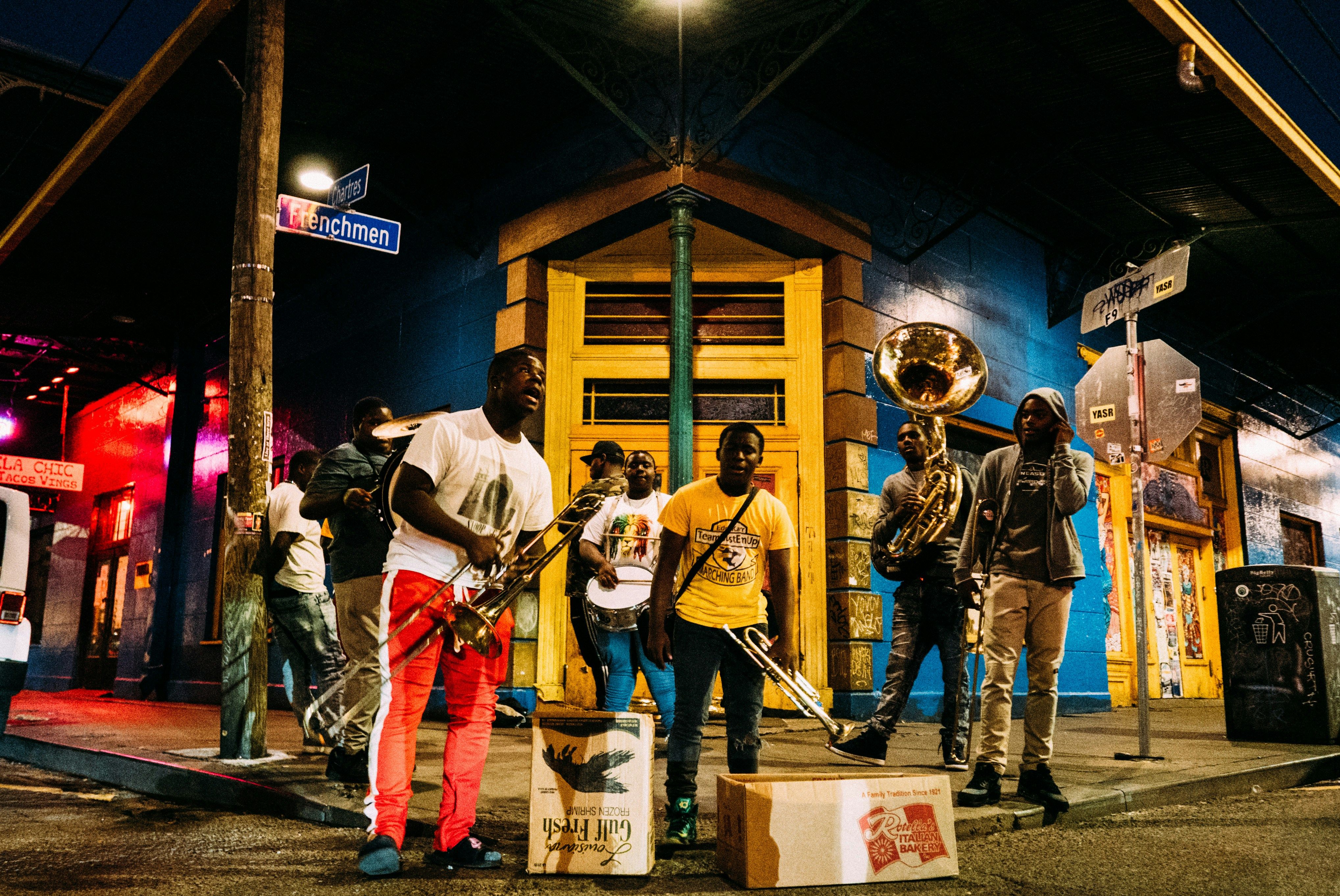
New Orleans is one of those ports where the music seems less like entertainment and more like municipal infrastructure. Other cities have traffic lights. New Orleans has brass bands, second lines, club stages, parades, funerals that refuse to be entirely sad and a rhythm section somewhere just out of sight.
The city is widely recognised as the birthplace of jazz, shaped by African, Caribbean, European and local traditions, and by neighbourhoods where music was tied to dance, ceremony, street life and survival. The result is a city where jazz isn’t sealed behind glass. It’s still happening, mutating and turning corners loudly.
For cruise travellers, New Orleans works particularly well as an embarkation port, disembarkation port or Mississippi river cruise stop, because the music rewards time. If you’re only there for a few hours, start with the New Orleans Jazz Museum or the New Orleans Jazz National Historical Park for context, then make your way towards Frenchmen Street rather than relying entirely on Bourbon Street, which can sometimes feel like culture after it has been fed too much sugar.
The best New Orleans music experiences aren’t always the neatest. A club set, a street performance, a brass band on the move, a pianist in a bar where nobody seems to be in a rush. Go expecting polish and you may miss the point. Go expecting life at full volume and you’ll do better. Also, plan your return to the ship before the second drink. New Orleans has defeated many more confident people than you.
Reggae in Jamaica
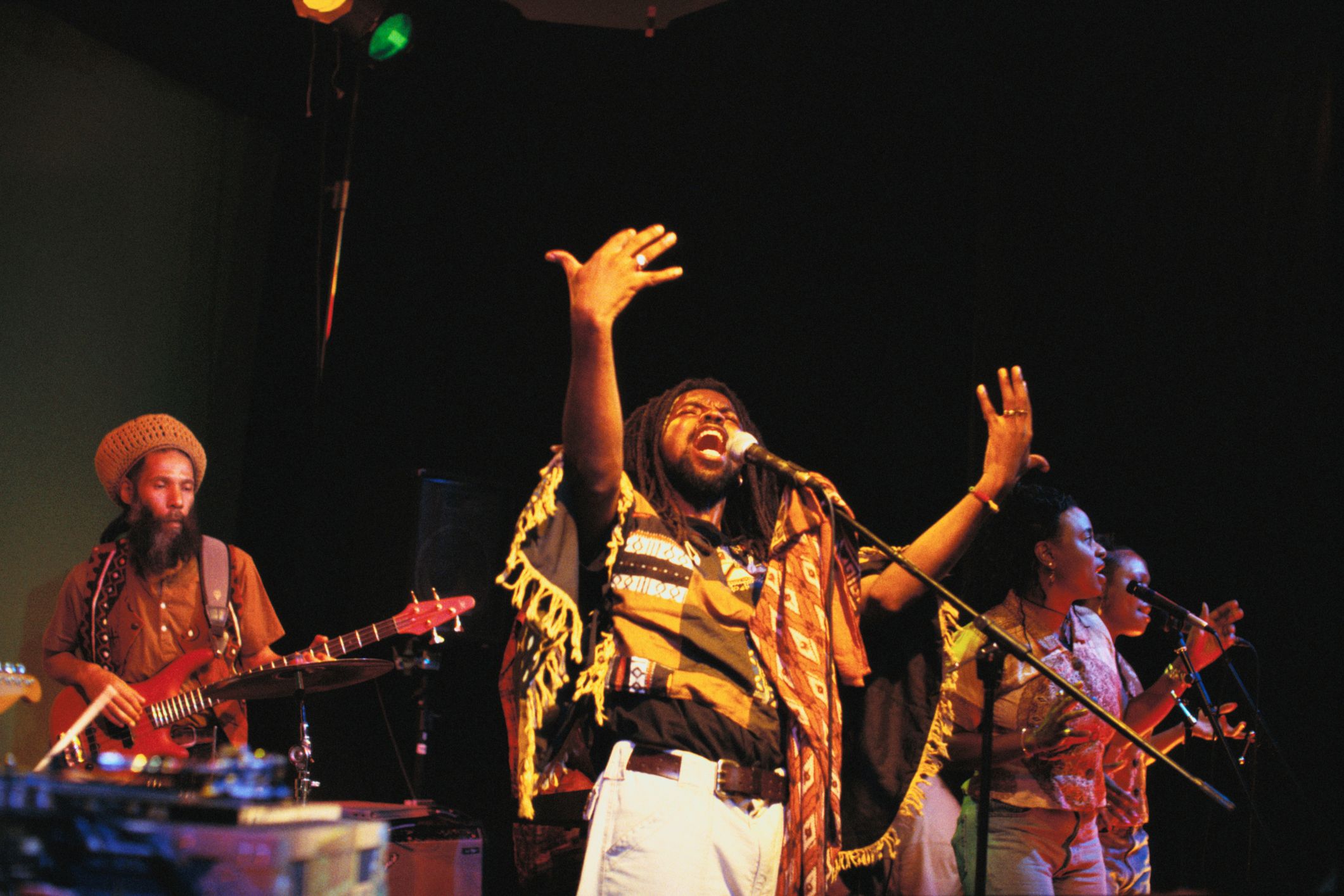
Jamaica is so musically influential that a short cruise call can feel slightly unfair. The island gave the world mento, ska, rocksteady, reggae, dub and dancehall, which is a fairly outrageous contribution for a country one can still mistakenly reduce to beaches and waterfalls if not paying attention.
Reggae is the obvious entry point for most visitors. UNESCO recognises reggae as part of Jamaica’s intangible cultural heritage, and its global reach is enormous: Bob Marley, Peter Tosh, Jimmy Cliff, Toots and the Maytals, and generations of artists who turned rhythm, resistance, spirituality and social commentary into music that travelled everywhere.
The complication for cruise passengers is geography. Kingston is the deep musical centre, home to the Bob Marley Museum and Tuff Gong, but many cruises call at Ocho Rios, Falmouth or Montego Bay instead. That doesn’t mean you can’t have a meaningful music-led day. From Ocho Rios, tours to Nine Mile connect visitors with Marley’s birthplace and resting place, while local venues, beach bars and cultural excursions often bring reggae and dancehall into the day more casually.
The important thing is to avoid treating reggae as a cheerful background loop. It is joyful, yes, but it is also political, spiritual and rooted in hard histories. If your cruise call gives you time, choose something with context, not just a bus where the driver plays “Three Little Birds” until everyone develops a thousand-yard stare.
Jamaica sounds wonderful. It also has a lot to say.
Bomba and plena in San Juan, Puerto Rico
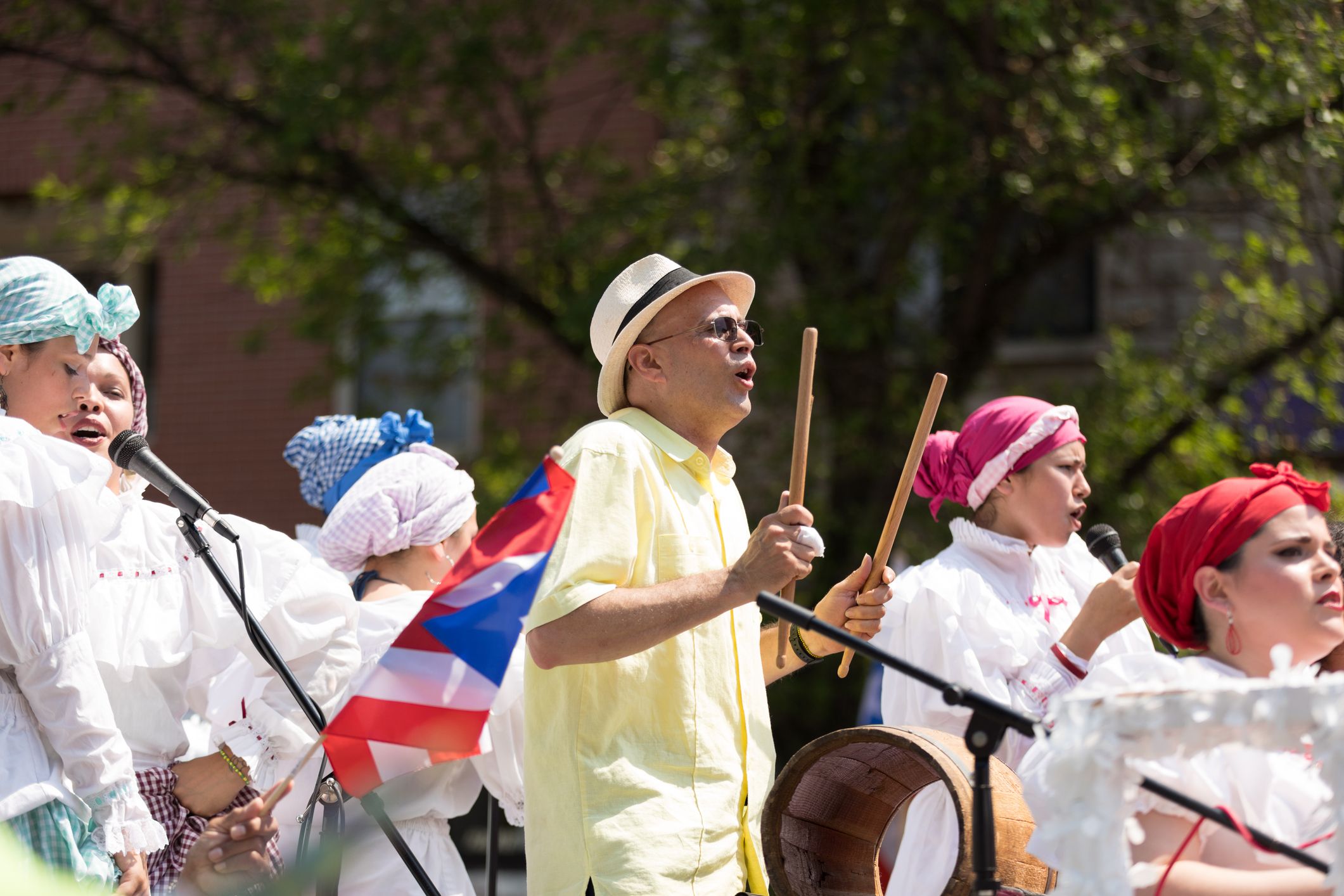
San Juan is a brilliant cruise port because the old city is right there, all blue cobbles, fort walls, balconies and heat rising off stone. It is also one of the best Caribbean calls for anyone who wants to understand local music beyond the usual holiday soundtrack.
Puerto Rico’s bomba and plena traditions are rich, rhythmic and deeply tied to Afro-Puerto Rican identity. Bomba is especially thrilling because the dancer leads the drummer, not the other way around. It is a musical conversation, a challenge, a flirtation, a negotiation and occasionally the reason you realise your own dancing has the emotional range of a folding chair. Plena, meanwhile, is closely associated with storytelling, news, neighbourhood life and chorus-led song.
From the cruise piers in Old San Juan, you can build a music-focused day without trying too hard. Look for cultural centres, guided tours, dance workshops or live performances, especially if your call runs into the evening. Loíza, east of San Juan, is especially important to bomba tradition, though it needs more planning than a casual wander from the pier. In the city itself, music may appear in plazas, restaurants, festivals and programmed cultural events depending on the day.
San Juan is often sold through colour and architecture, and those are lovely. But rhythm may get you closer. Bomba and plena offer a version of Puerto Rico that is communal, playful, defiant and alive in the room. If you can find a good performance, take it. Your hips may not survive with dignity, but dignity is overrated on holiday.
Tango in Buenos Aires, Argentina
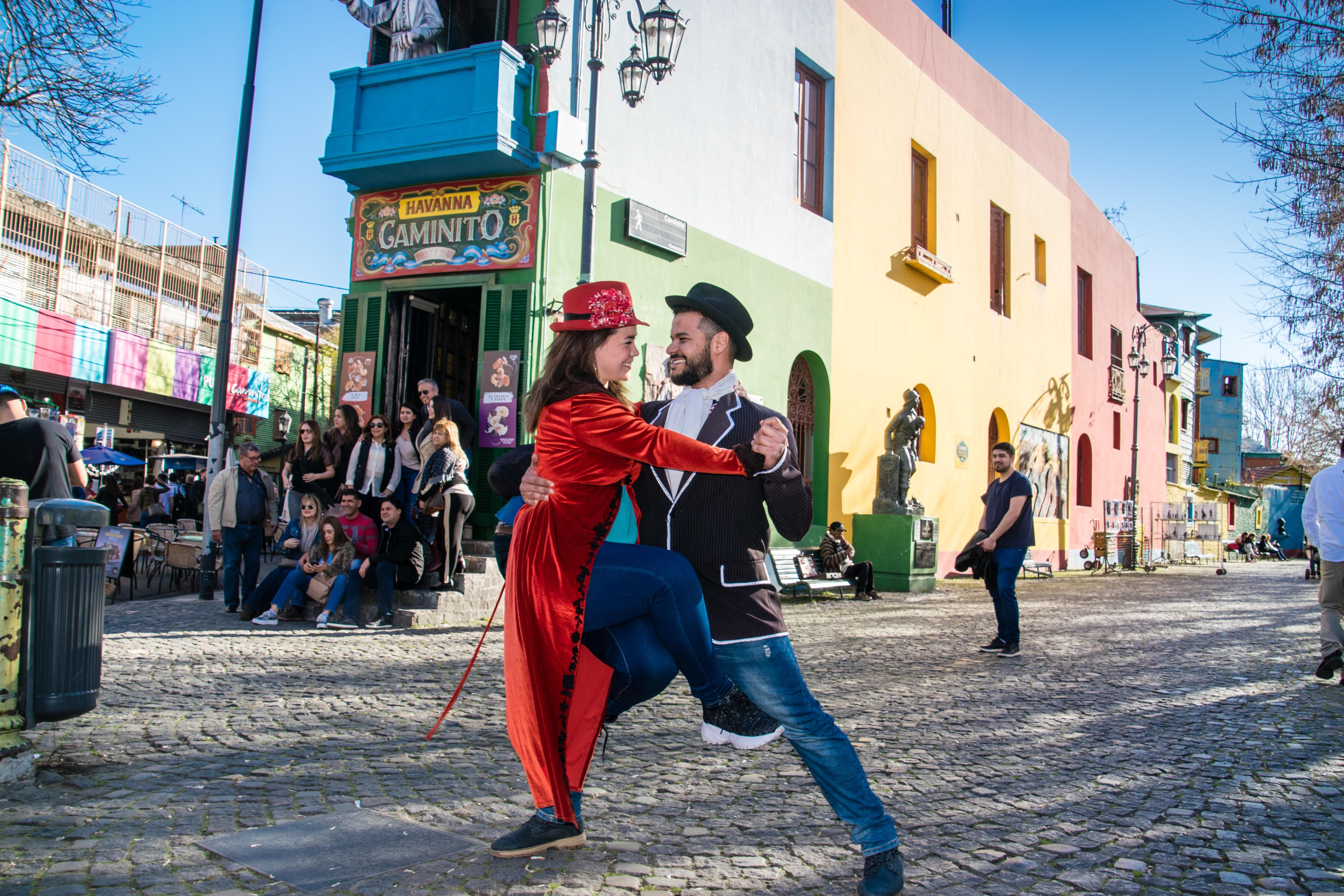
Buenos Aires does not approach tango shyly. The city knows what it has. It has the dance halls, the orchestras, the shoes, the mythology, the posters, the late nights and the sort of embrace that makes most British people look suddenly concerned about where to put their arms.
Tango developed in the working-class immigrant neighbourhoods of Buenos Aires and Montevideo, shaped by European, African and criollo influences around the Rio de la Plata. It became one of the world’s most recognisable music and dance traditions, but in Buenos Aires it still has local life beyond the tourist show. The polished stage performances can be excellent, especially if you’re short on time, but the milongas are where the culture feels most lived-in.
Cruise ships often use Buenos Aires as a start or end point for South America and Antarctica itineraries, so it is well worth adding a night before or after the sailing. If you have only a port day, choose carefully. A daytime tango tour, a visit to San Telmo or La Boca, or an early evening show can give you a taste. If you’re staying overnight, a milonga with a local guide is the better option, partly because tango has codes and etiquette that are not obvious to the uninitiated. Wandering in with cruise-day confidence may result in emotional injury.
The music itself is full of elegance, ache and bite. Done badly, tango becomes a postcard. Done well, it can make a whole room seem to breathe differently. Buenos Aires gives you both options, so choose the room wisely.
How to plan a music-focused cruise day
The best musical port days usually come from doing less, better. That may not sound very cruise-passenger of us, but restraint is occasionally useful, especially in cities where music happens on its own timetable and not necessarily between your included panoramic drive and a 12.40pm comfort break.
Start by checking your ship’s arrival and departure times honestly. Some music traditions are evening creatures. Fado, flamenco, rebetiko, jazz, blues and tango often come into their own after dark, which makes late calls and overnights especially valuable. If your ship sails at 6pm, look for museums, workshops, daytime tours or early performances rather than trying to squeeze a nightlife tradition into mid-afternoon and then wondering why it feels odd.
Book carefully when the music matters. A small, well-chosen venue will usually beat a generic show built for bus groups, unless convenience is the priority, which sometimes it legitimately is. Look for local cultural centres, museums, reputable guides and venues with actual musicians attached to them, not just adjectives.
Most importantly, listen with some humility. Cultural music is not a souvenir that happens to make noise. It belongs to people, histories, neighbourhoods and communities. The privilege of cruising is that you can step into many worlds in a single journey. The responsibility is not to treat them all like background entertainment for lunch.
Do that, and music can transform a port call. It can turn Lisbon into more than viewpoints, Cádiz into more than tapas, San Juan into more than pretty streets, and Memphis into more than neon. It gives a place its pulse.
And if you do find yourself back on board humming something you can’t name, slightly late for dinner and very pleased with your choices, congratulations. That’s the gangway doing its job.