
There is a special kind of smugness that comes from being able to produce the right remedy at just the right moment. A friend turns green on a tender trip, you quietly hand over a tablet. A sandal begins to rub halfway up a volcano, you proffer a blister patch like a wise healer. This is the carry-on pharmacy: small, sensible, and the difference between a great day and a grumpy one.
Below is my compact kit list that earns its space in your hold luggage. I am not your doctor, so use common sense and the ship’s medical team when you need to. But for everyday cruise dramas, this lot should do the heavy lifting.
Motion and the ocean
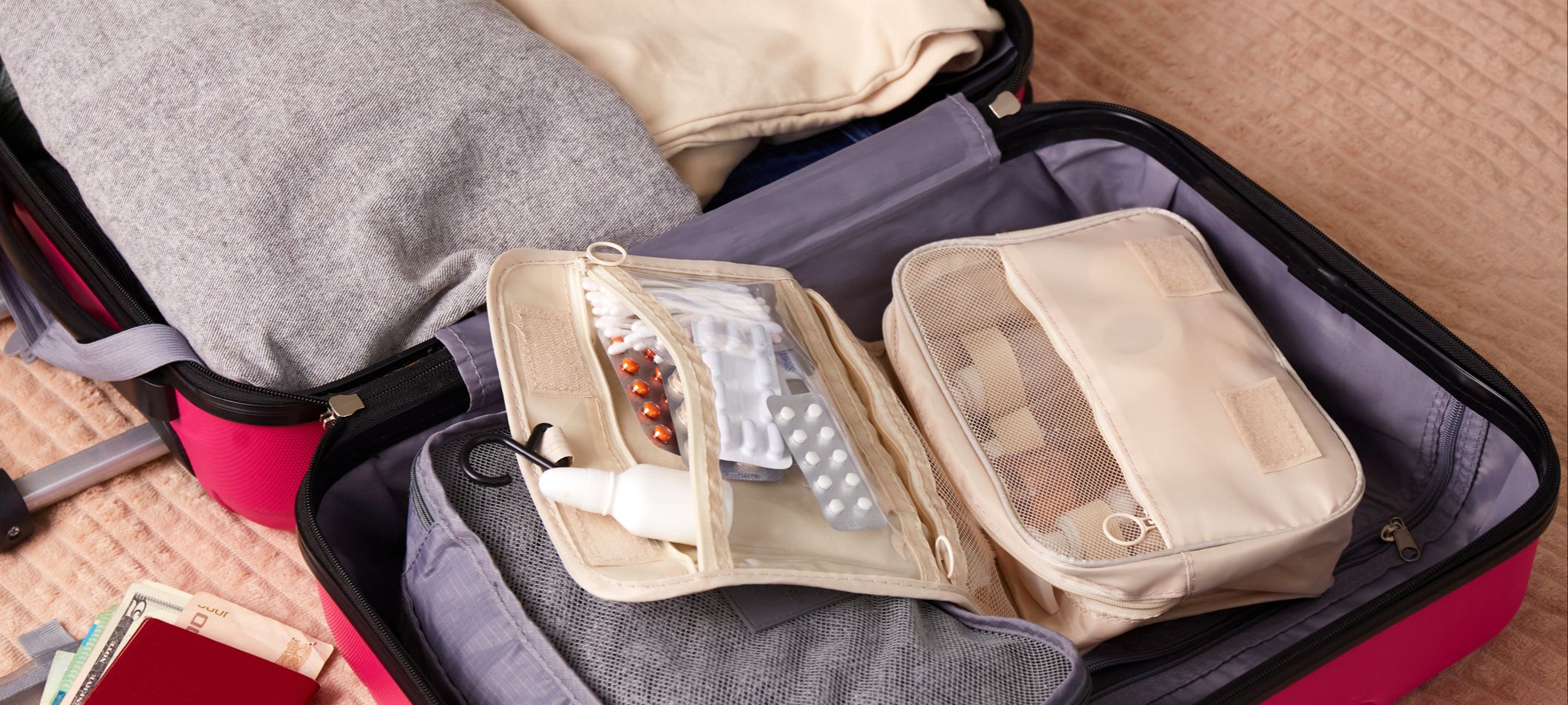
- Stugeron (cinnarizine): recommended to me by a friend who turns green just looking at a cross-harbour ferry, this is a UK over-the-counter antihistamine for travel sickness. Handy when the swell picks up. Check the leaflet and avoid anything that makes you drowsy if you plan to hit the climbing wall.
- Hyoscine (scopolamine) patches: stick one behind your ear 5 to 6 hours before sailing; each patch lasts up to 72 hours. Great for longer stretches at sea. Not for everyone, so read the warnings.
- Acupressure wristbands: drug-free and harmless to try. Some people swear by them, others do not notice a thing. The NHS notes they do not work for everyone.
Feet that last all day ashore
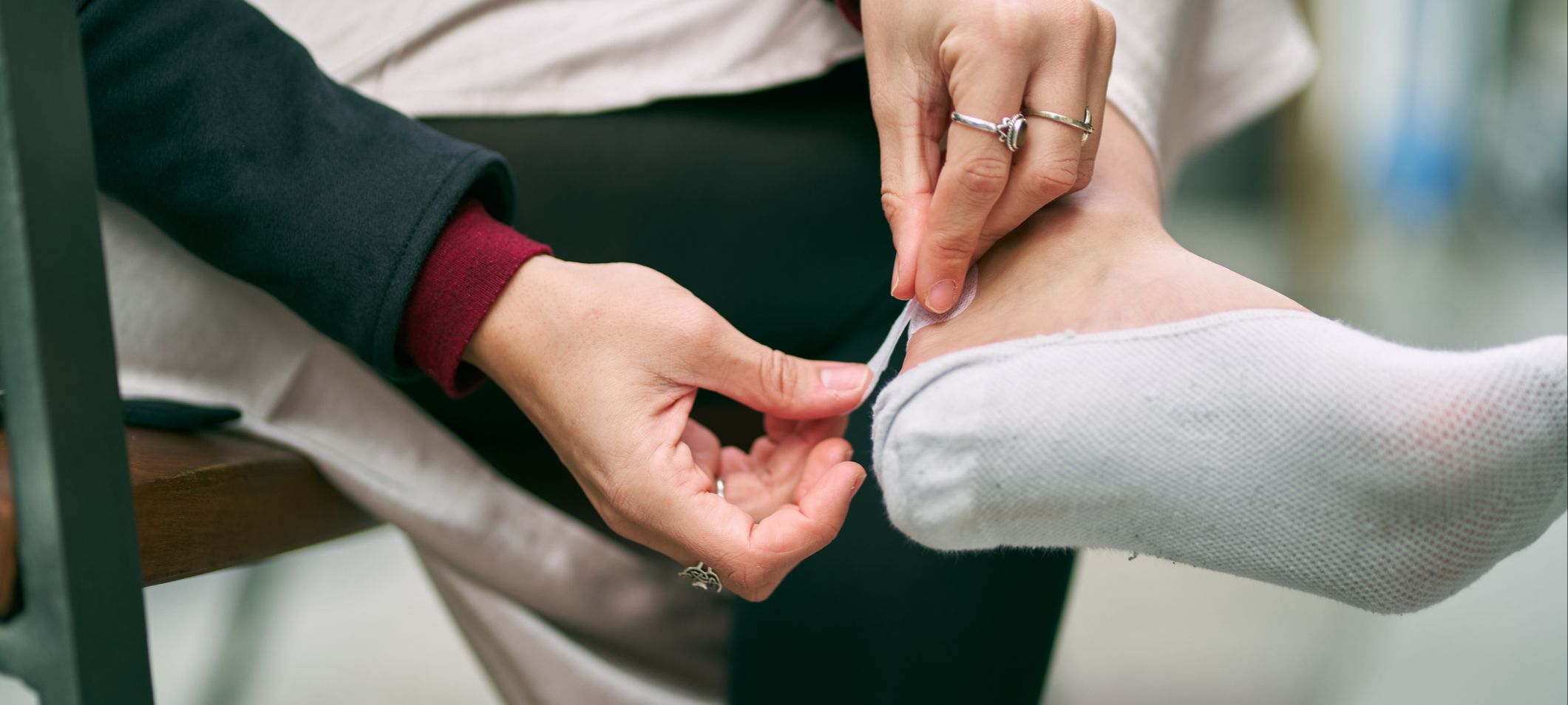
- Hydrocolloid blister plasters (Compeed or similar): put one on at the first hot spot and keep walking. They cushion and protect while the skin settles.
- Sensible socks and broken-in shoes: not a medicine, but your future self will thank you.
Sun, wind, reflection
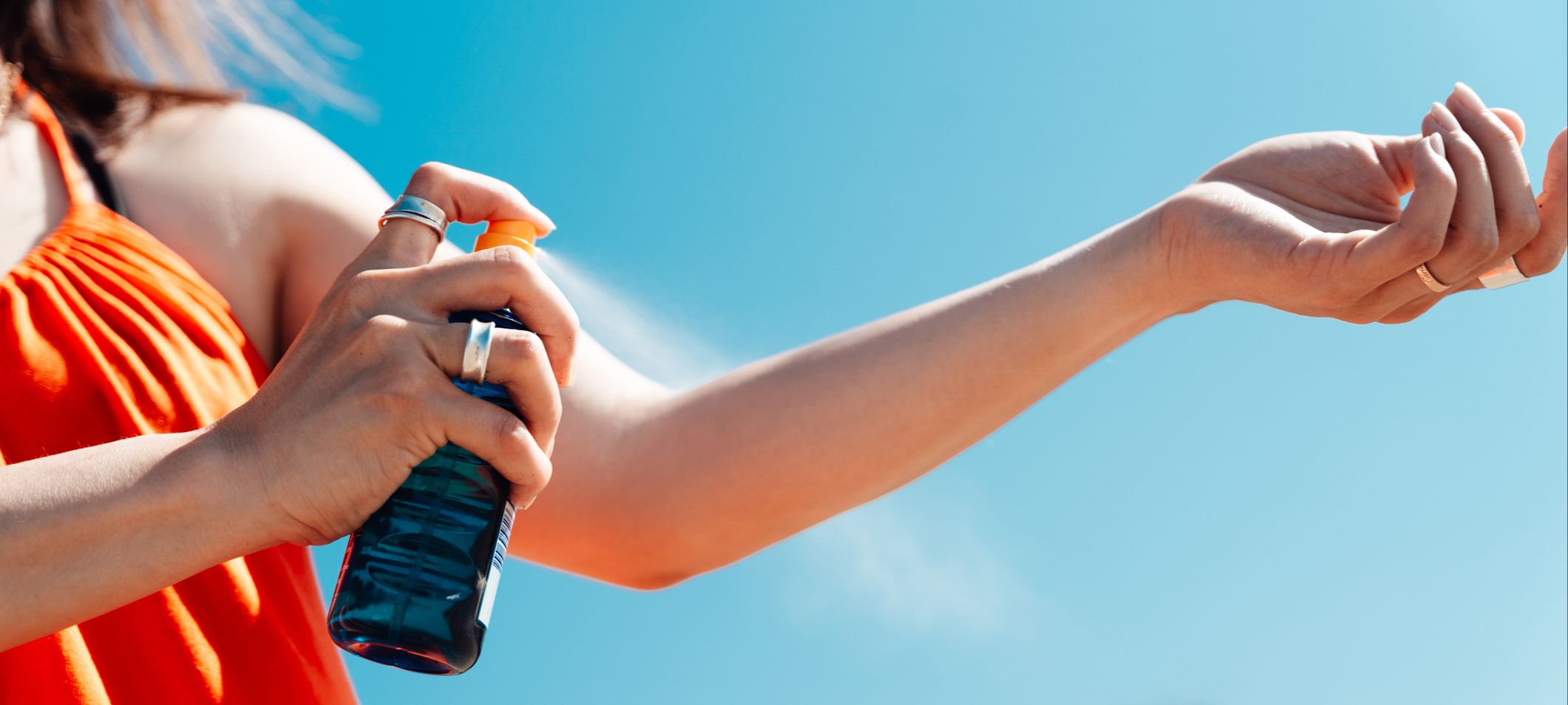
- Broad-spectrum sunscreen: aim for SPF 30 or higher and a UVA rating of at least 4 stars. Reapply more than you think, especially on deck where wind and glare will trick you into thinking its much cooler than it is.
- Lip balm with SPF and a light after-sun or moisturiser: your face will meet a lot of sea breeze (plus you'll look nice and glowy and dinnertime).
- Hat and long sleeves: still the best tech going.
Bites, stings and the mysterious rash from that charming pine forest
- Insect repellent: pick an active that works where you are. DEET and picaridin (also called icaridin) are the standards; IR3535 and oil of lemon eucalyptus or citronella are alternatives. Check local disease risk and use repellent properly.
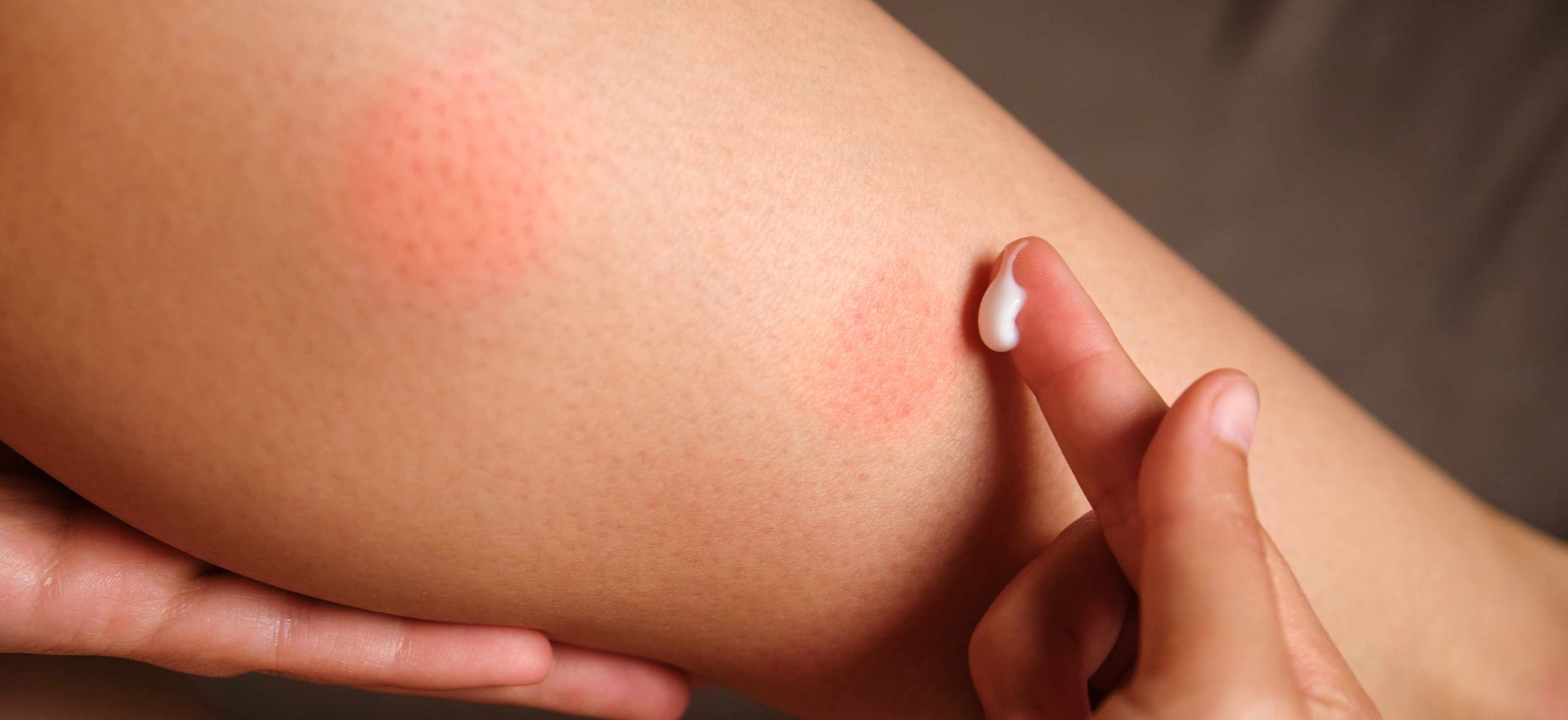
- Hydrocortisone 1% cream: short courses can take down itch from bites and mild skin irritation. If you buy it over the counter, do not use for more than a week without advice.
- Non-drowsy antihistamine: cetirizine or loratadine are useful for bites and pollen days and are less likely to make you sleepy. Always check interactions if you take other medicines.
Tummy, heat and hydration
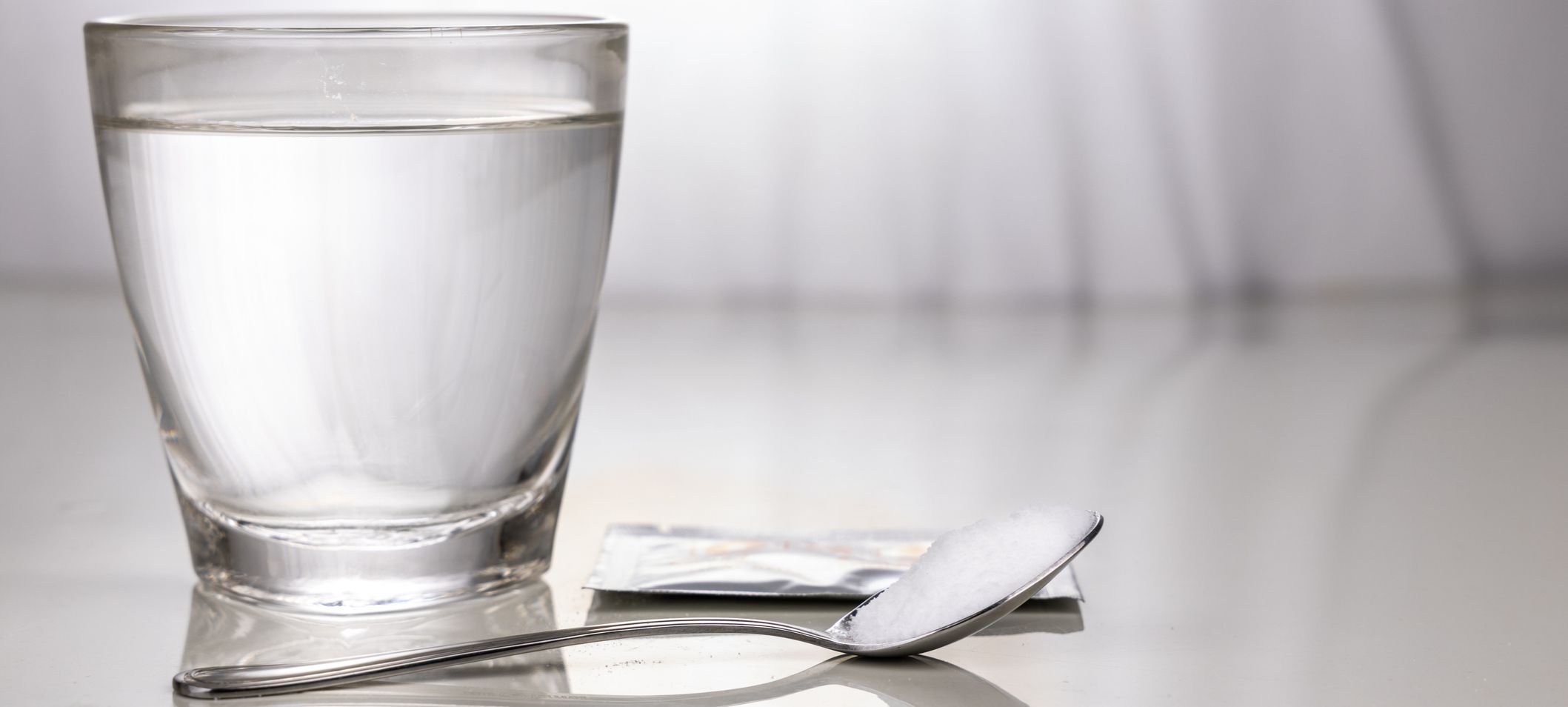
- Oral rehydration salts: little sachets that replace salts and fluids after a day too close to the buffet or too far from the shade. Pharmacists recommend them for dehydration risk.
- Loperamide: good for short-term diarrhoea when you simply need to travel. It is sold over the counter for ages 12 and up in the UK; follow the packet for maximum daily doses and stop as soon as symptoms settle.
- Antacids or alginates (basically Rennie or Gaviscon): for heartburn after an over-enthusiastic second dessert. Both are available without prescription.
Hands, cuts and cabins
- Soap and thorough handwashing: on cruise ships this matters more than gel. For norovirus in particular, sanitizer alone does not work well; soap and water is essential.
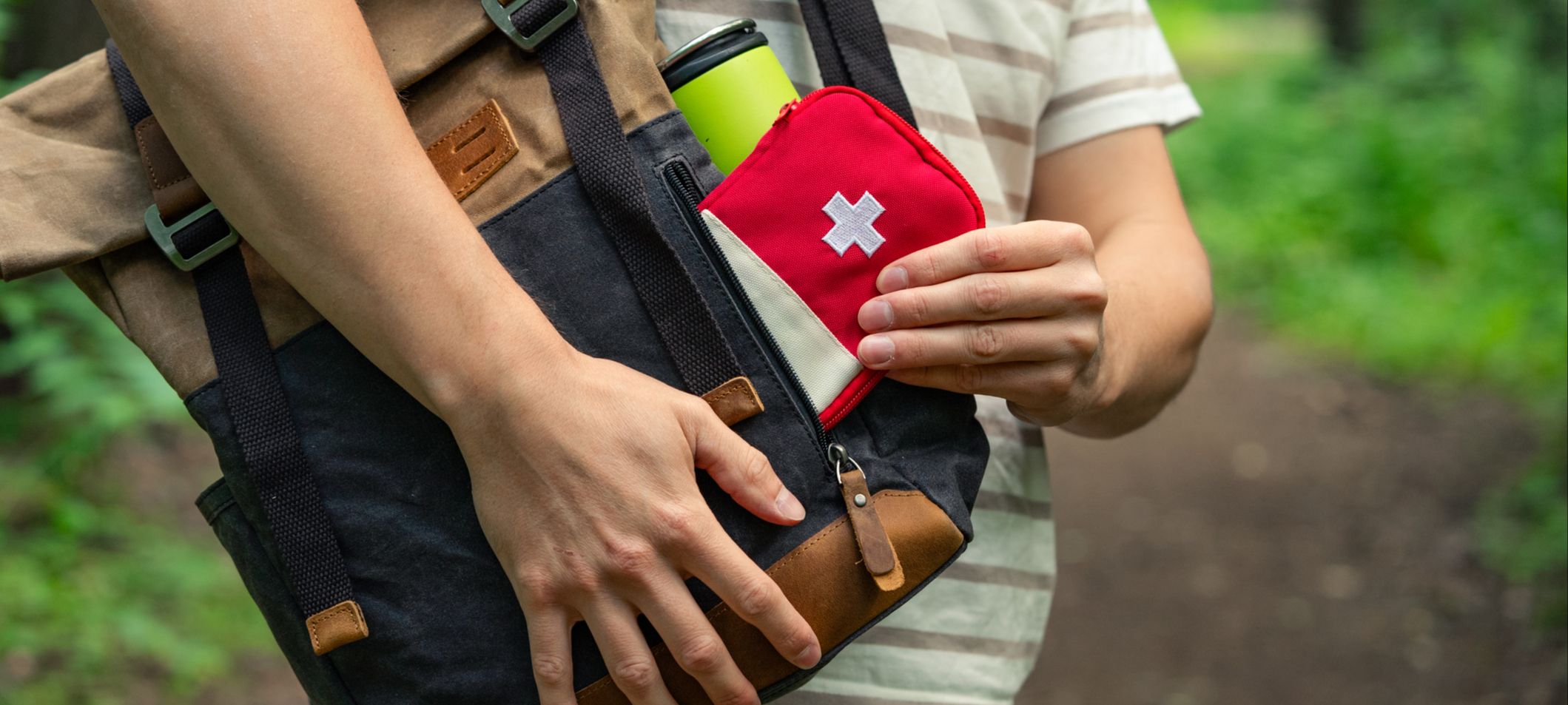
- Small first-aid bits: waterproof plasters, antiseptic wipes, and a few sterile dressings cover most scrapes. Fit-for-Travel’s first-aid advice backs a simple, targeted kit.
Eyes and ears
- Artificial tears: preservative-free drops help when air-con and sea wind dry your eyes out.
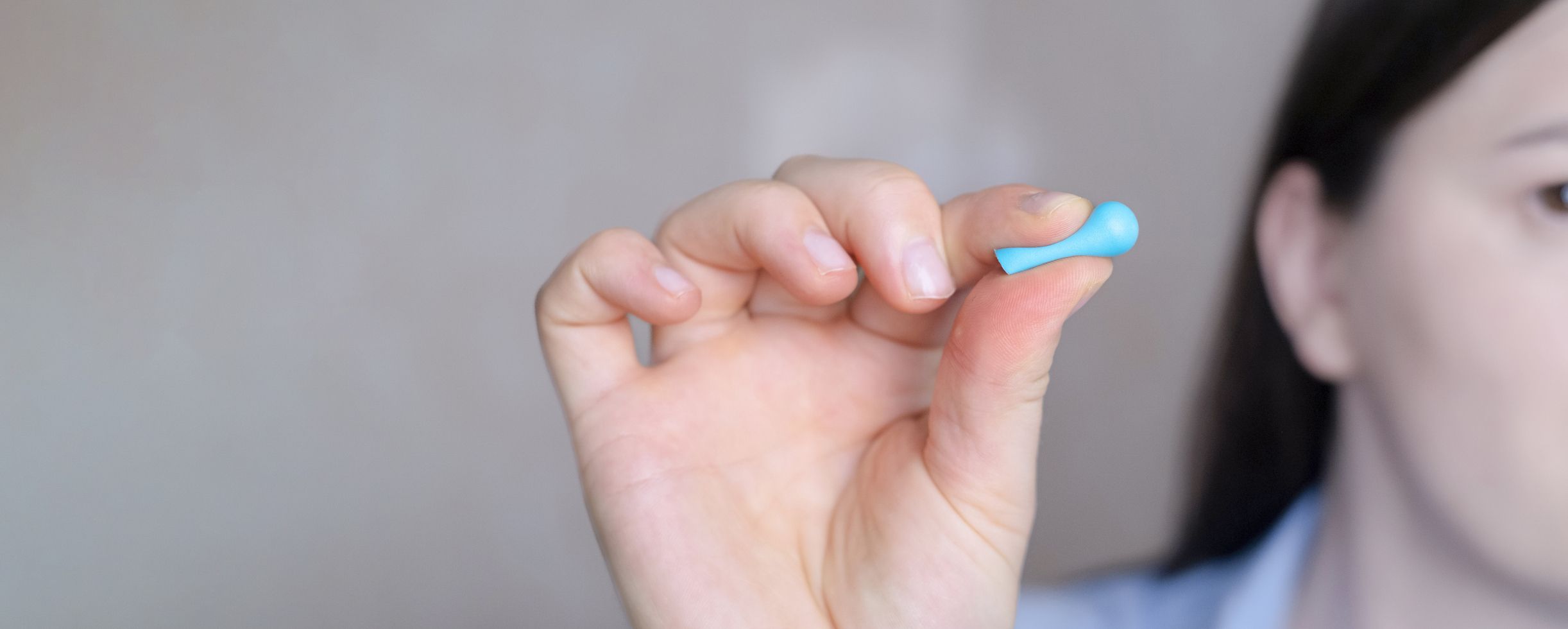
- Earplugs: for cabins near lively venues or for flights to the ship. Pressure-regulating plugs can help some flyers; yawning and swallowing during descent also helps.
Paperwork and packing rules
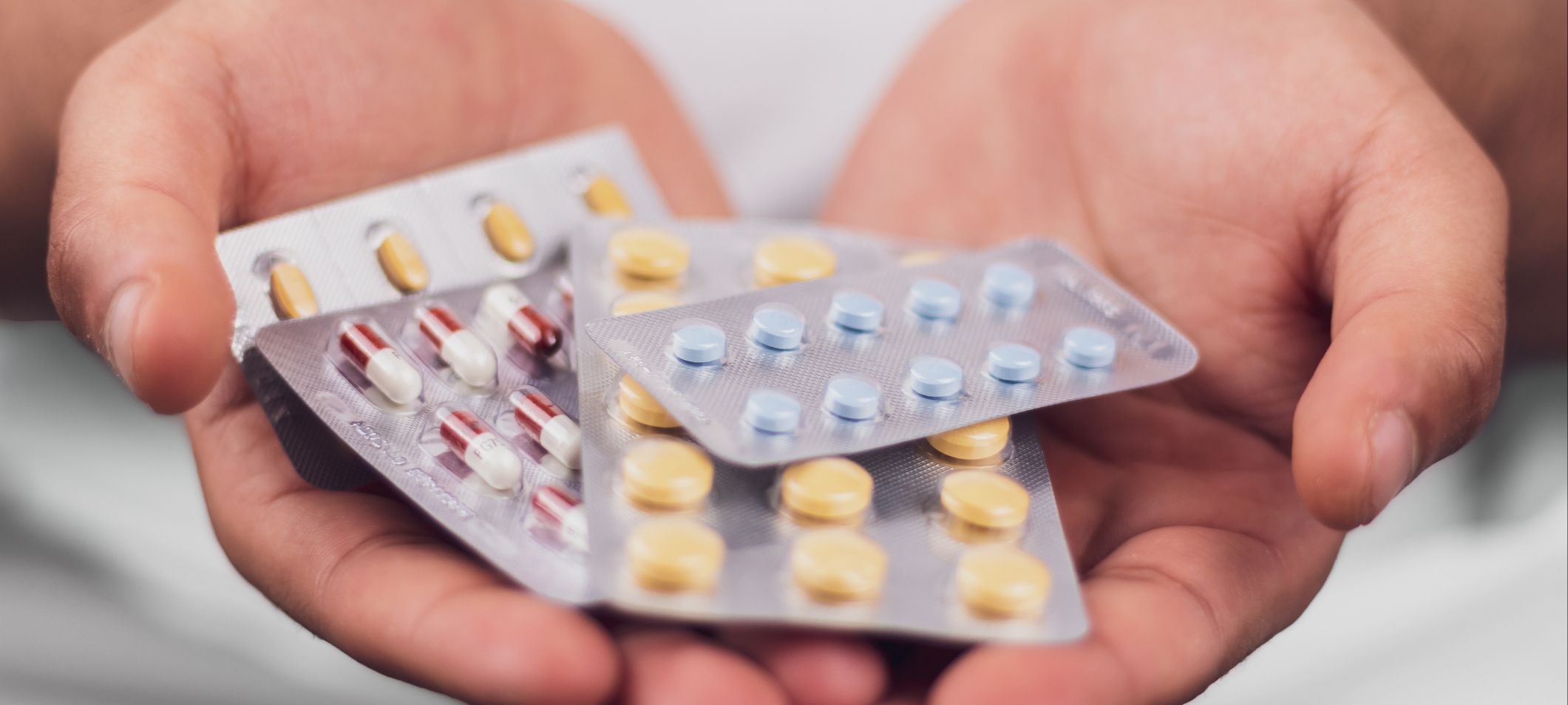
- Keep medicines in original packaging with your name where possible. Carry a copy of your prescription and a short doctor’s letter if you need liquids over 100 ml or any sharp kit. Many airports will allow essential medicines over 100 ml with proof.
- Controlled drugs have extra rules. Check GOV.UK and your destination’s requirements before you travel.
Your pocket list
- Motion sickness: cinnarizine tablets, hyoscine patches, acupressure bands.
- Skin and bites: repellent, hydrocortisone 1%, non-drowsy antihistamine.
- Feet: hydrocolloid blister plasters.
- Sun: SPF 30 plus and 4- or 5-star UVA, lip SPF.
- Tummy: oral rehydration salts, loperamide, an antacid or alginate.
- Hygiene and first aid: soap access, plasters, antiseptic wipes.
- Eyes and ears: artificial tears, earplugs for flights.
- Paperwork: prescriptions, doctor’s note for liquids over 100 ml, any controlled-drug paperwork.
Final thought
You're not trying to open a chemist on Deck 7. You are trying to avoid losing an afternoon to a headache, a blister or a wobbly stomach. Pack small, pack smart, and let the kit earn its keep while you get on with the business of having a very good time. If something feels beyond this list, that is what the ship’s medical team is for.