The Mediterranean sea is one of cruising’s great pleasures: blue water, fortified harbours, Greek ruins, Italian piazzas, Croatian islands, Spanish coves and lunches that'll have you wondering whether returning to normal life is strictly necessary. But in high summer, the most famous places can start to feel less like destinations and more like competitive events.
Venice, Dubrovnik, Santorini, Mallorca, the Amalfi Coast and the big-name Greek islands are famous for good reason. They're beautiful but they're also extremely busy. Some are now actively managing cruise traffic, visitor numbers or tourist pressure, which tells you something about how intense peak-season travel has become.
The answer is not to abandon the Mediterranean all together, and take up damp hiking instead. The answer is to look more carefully at the map. For almost every overworked classic, there is a smarter, calmer alternative: a port with history, food, sea views and atmosphere, but slightly less of the feeling that everyone on earth has arrived at the same time.
This is our anti-crowd Mediterranean cruise guide...
Trieste instead of Venice
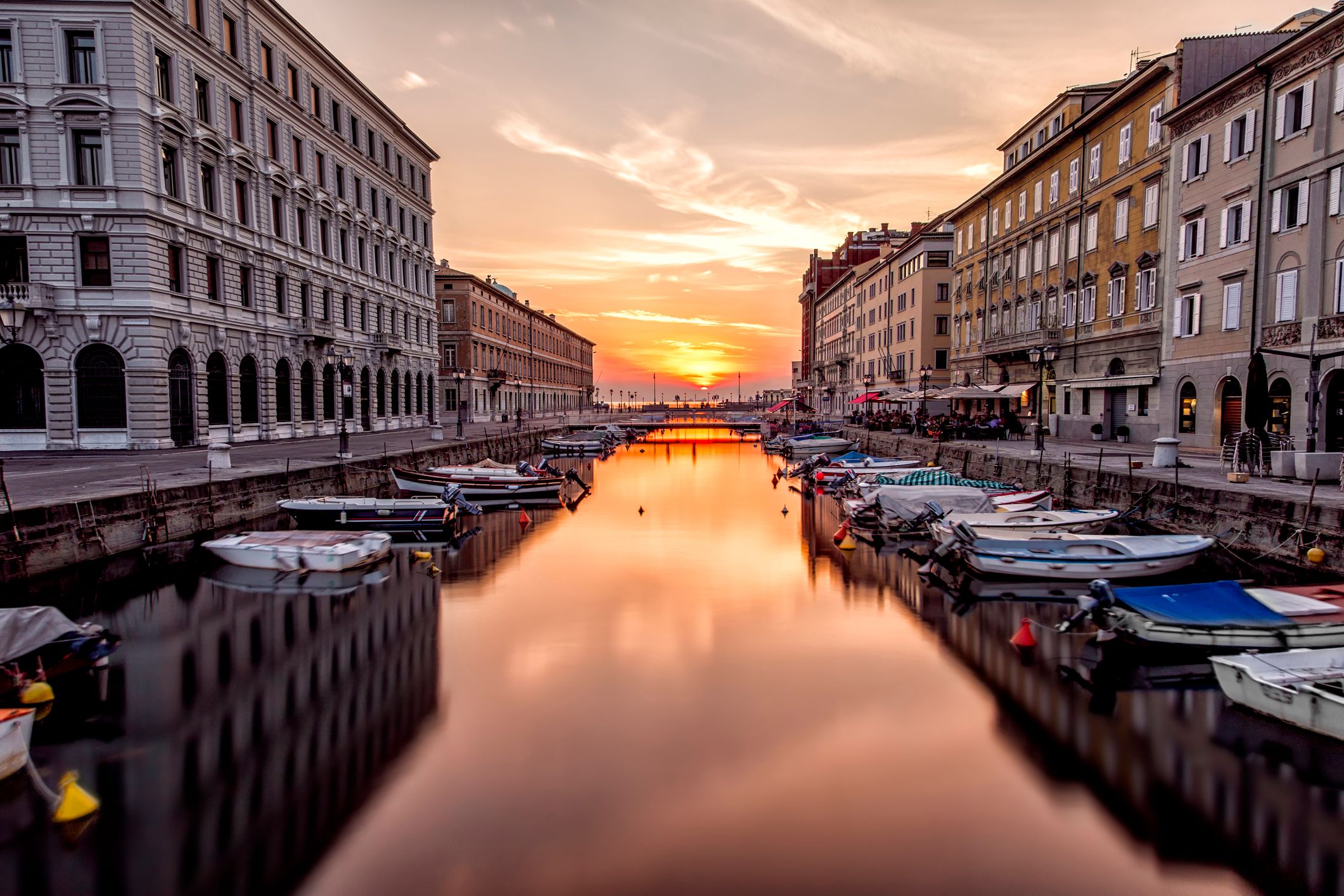
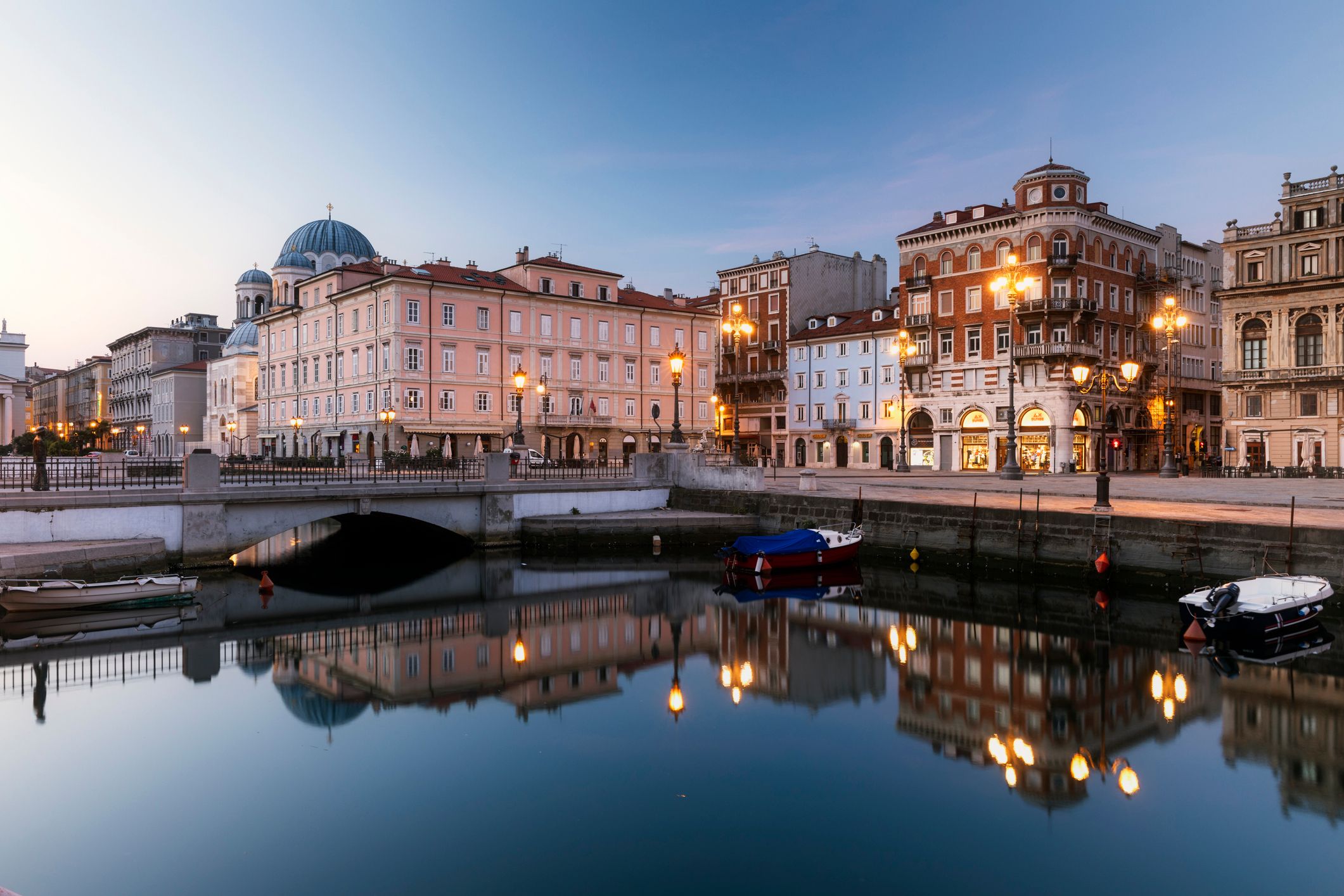
Venice is still Venice, and no sensible person is going to tell you to skip it. But as a cruise experience, it's changed. Large cruise ships no longer sail into the historic lagoon in the way they once did, and many itineraries now use ports such as Trieste or Ravenna as embarkation points for cruises sold with Venice in the orbit.
This can be frustrating if you thought you were stepping straight into a Canaletto painting. It can also be an opportunity, provided you don't treat Trieste as simply a waiting room for Venice proper.
Trieste is one of Italy’s great borderland cities: Italian, Austro-Hungarian, Slovenian-adjacent, literary, maritime and coffee-fuelled. Its cruise port sits close to Piazza Unità d’Italia, which means you can walk from ship to city with unusual ease. No long transfer. No expedition involving shuttle buses and existential doubt. You are simply there.
The city is handsome, with grand cafés, bookshops, Habsburg facades, the Canal Grande, Roman remains, the castle and cathedral of San Giusto, and the long, open waterfront where Trieste seems to lean out towards the Adriatic. Miramare Castle, just outside the city, adds the full romantic clifftop moment.
Choose Trieste if you want Italy with a different accent. It is especially good for readers, coffee drinkers, architecture lovers and anyone who enjoys a port that feels layered rather than stage-managed. If your itinerary gives you the choice between spending the day transferring to Venice or actually seeing Trieste, at least consider staying put. Venice has had plenty of attention. Trieste has better coffee and fewer people asking where the Rialto Bridge is.
Ravenna instead of a rushed Bologna day
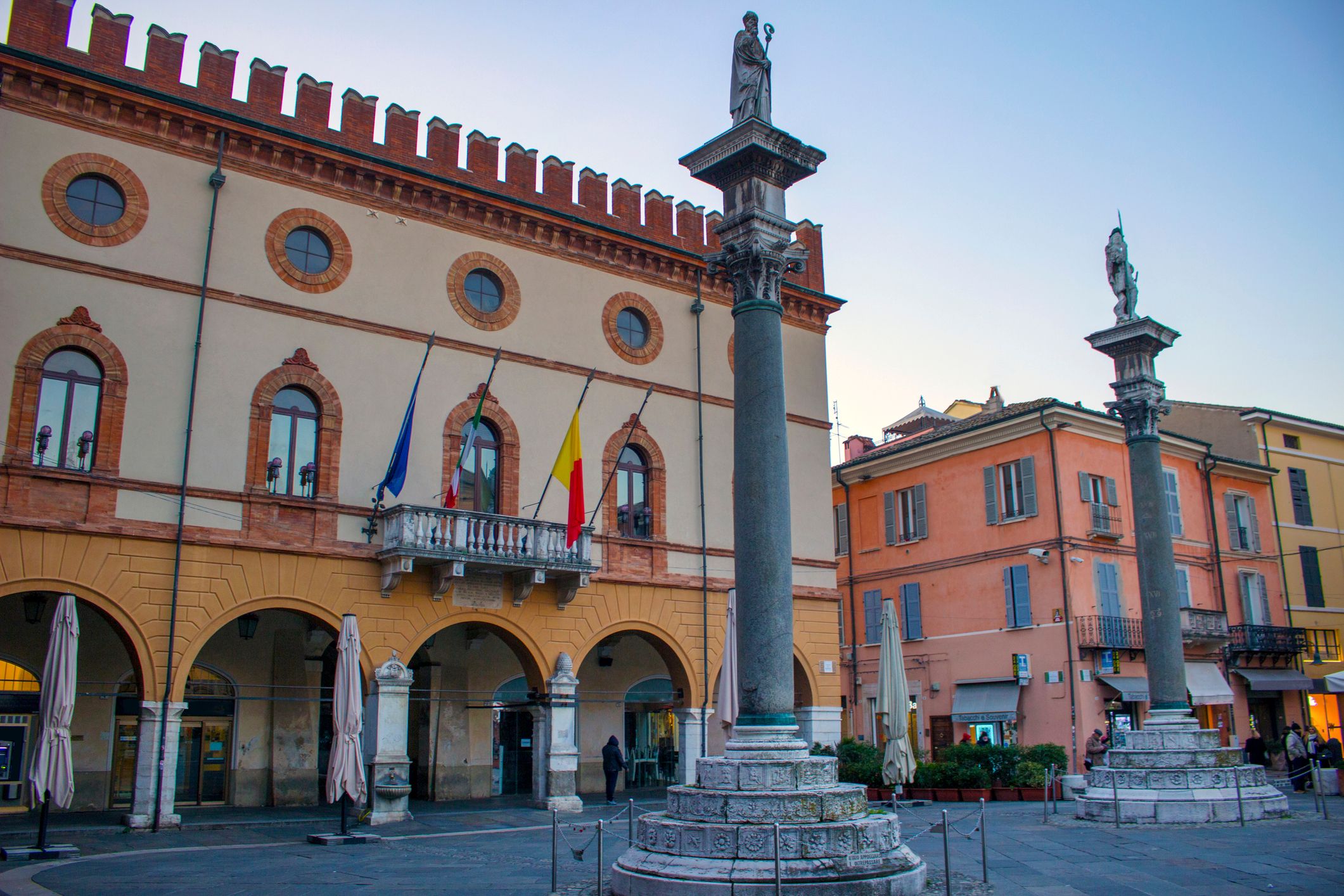
Ravenna, Italy
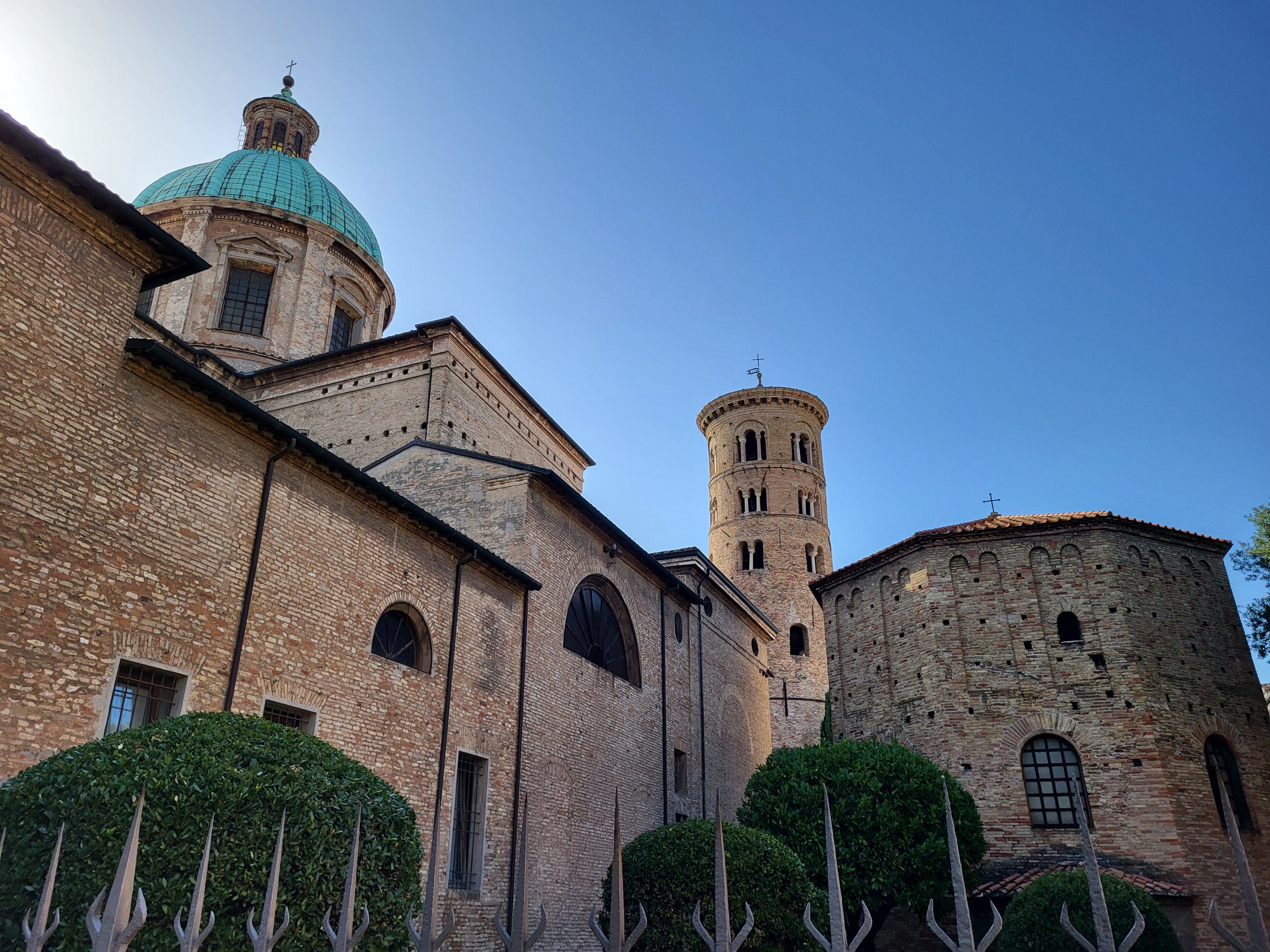
Ravenna is often treated as a logistics problem. Cruise lines use Porto Corsini, around 15km from Ravenna’s city centre, and passengers promptly start looking at excursions to Bologna, Venice or somewhere else they already recognise.
This is a mistake. A beautifully tiled, late-Roman, Byzantine, Dante-adjacent mistake.
Ravenna has eight UNESCO-listed early Christian monuments, famous for mosaics of such colour and detail that they make most modern interiors look like a cry for help. The Basilica of San Vitale, the Mausoleum of Galla Placidia, Sant’Apollinare Nuovo and the other sites are not simply “churches with nice ceilings”. They are some of the most extraordinary survivals of late antique and Byzantine art in Europe.
The city itself is flat, walkable and quieter in tone than the better-known Italian set pieces. There are arcades, piazzas, cafés, pasta, piadina, Dante’s tomb and enough artistic grandeur to make you wonder why anyone would use the day mainly to sit on a coach.
It is the ideal anti-crowd port for travellers who like art, history and the satisfying feeling of having made the clever choice. It also pairs beautifully with a slower day: mosaics in the morning, lunch in the city, perhaps a look at Dante’s tomb, then back to the ship feeling cultured rather than lightly processed.
Nafplio instead of Santorini
Santorini is gorgeous. It is also one of the clearest examples of what happens when a small place becomes a global fantasy. The caldera view, the whitewashed houses, the blue domes, the sunset, the donkeys, the cable car, the queues: by high summer, it can feel less like visiting an island and more like participating in a very beautiful traffic system.
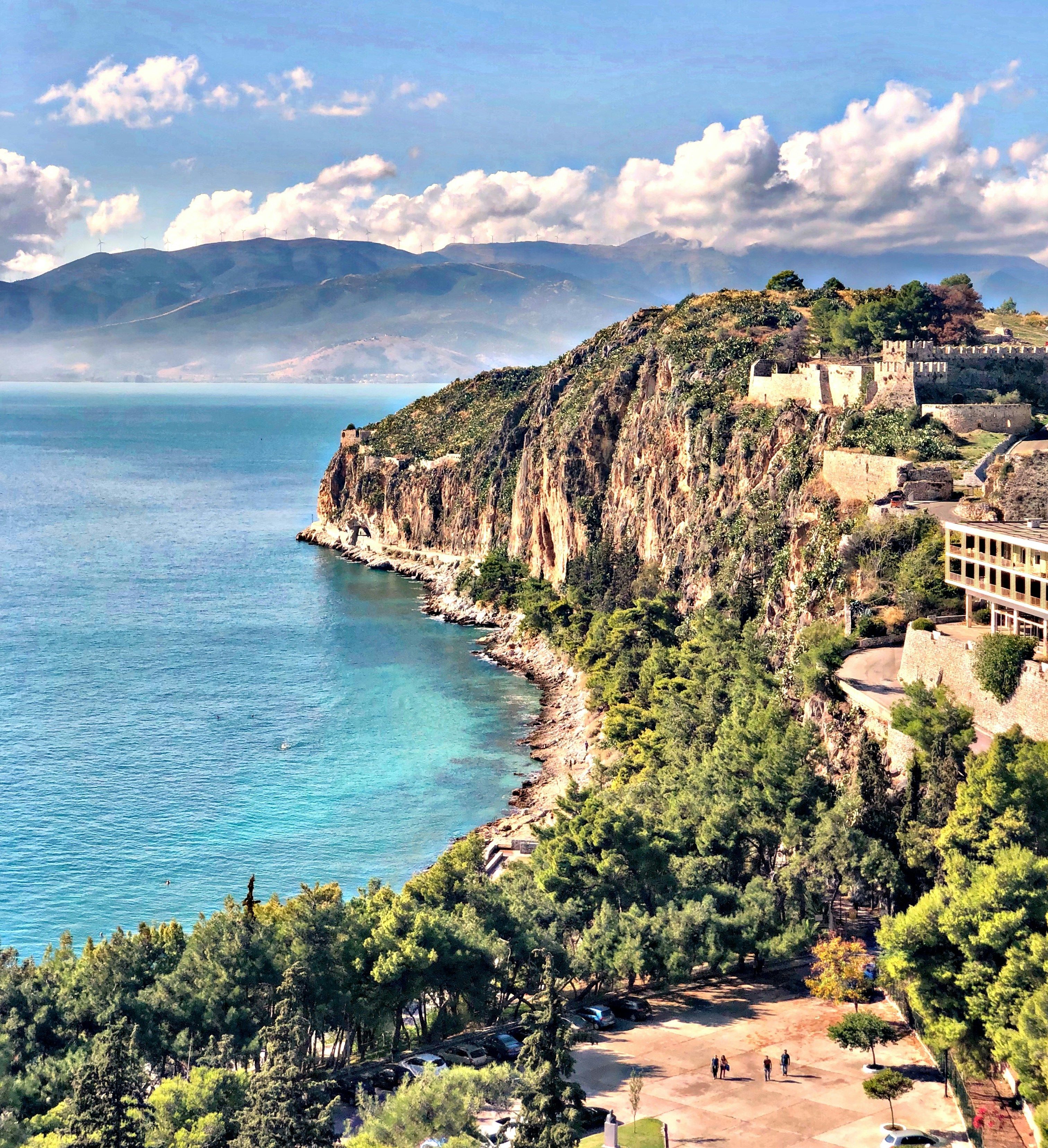
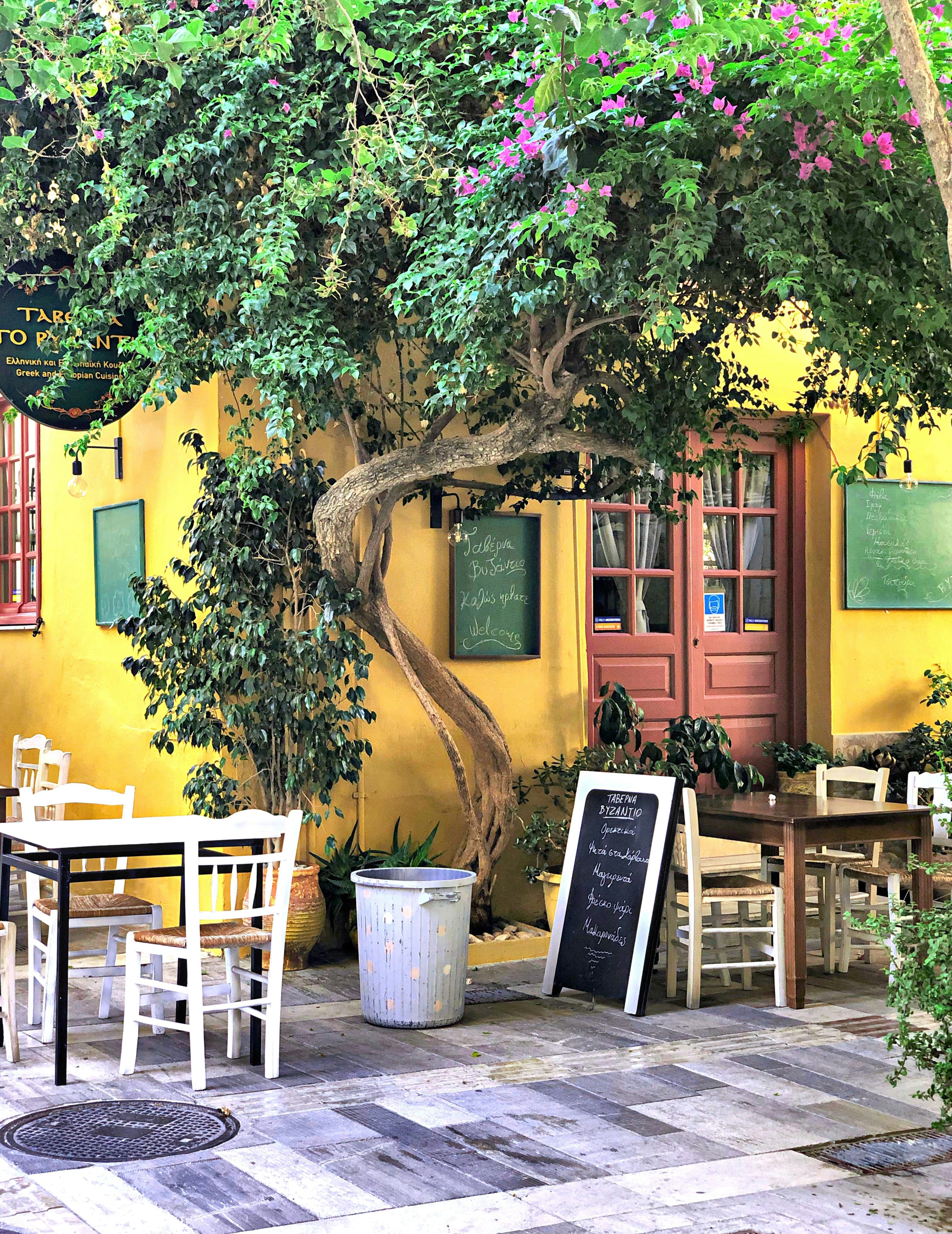
Nafplio offers a different Greek cruise day. It is on the Peloponnese rather than the Cyclades, and it swaps volcanic drama for Venetian fortresses, neoclassical streets, harbour views and a gentler kind of romance. It was the first capital of the modern Greek state between 1823 and 1834, which gives it historical weight as well as charm.
The old town is made for wandering: narrow lanes, balconies, squares, cafés, little shops and the constant presence of the sea. Bourtzi Castle sits on a small island in the harbour, looking as if someone designed it specifically for postcards. Palamidi Fortress rises high above the town, reached either by road or by a staircase that will make you reassess your relationship with breakfast.
Nafplio is also a gateway to some of the great archaeological sites of the Argolis, including Mycenae and Epidaurus, which means the day can be as gentle or as ambitious as you like. You can spend it eating, walking and admiring the harbour, or you can go full ancient-world mode and return with facts about Agamemnon.
Šibenik instead of Dubrovnik
Dubrovnik is magnificent, but it is also a city whose fame has become physically measurable. Cruise visitor caps and crowd-management measures exist for a reason. On a busy summer day, the old town can feel like a place you admire while being gently carried along by other people’s elbows.
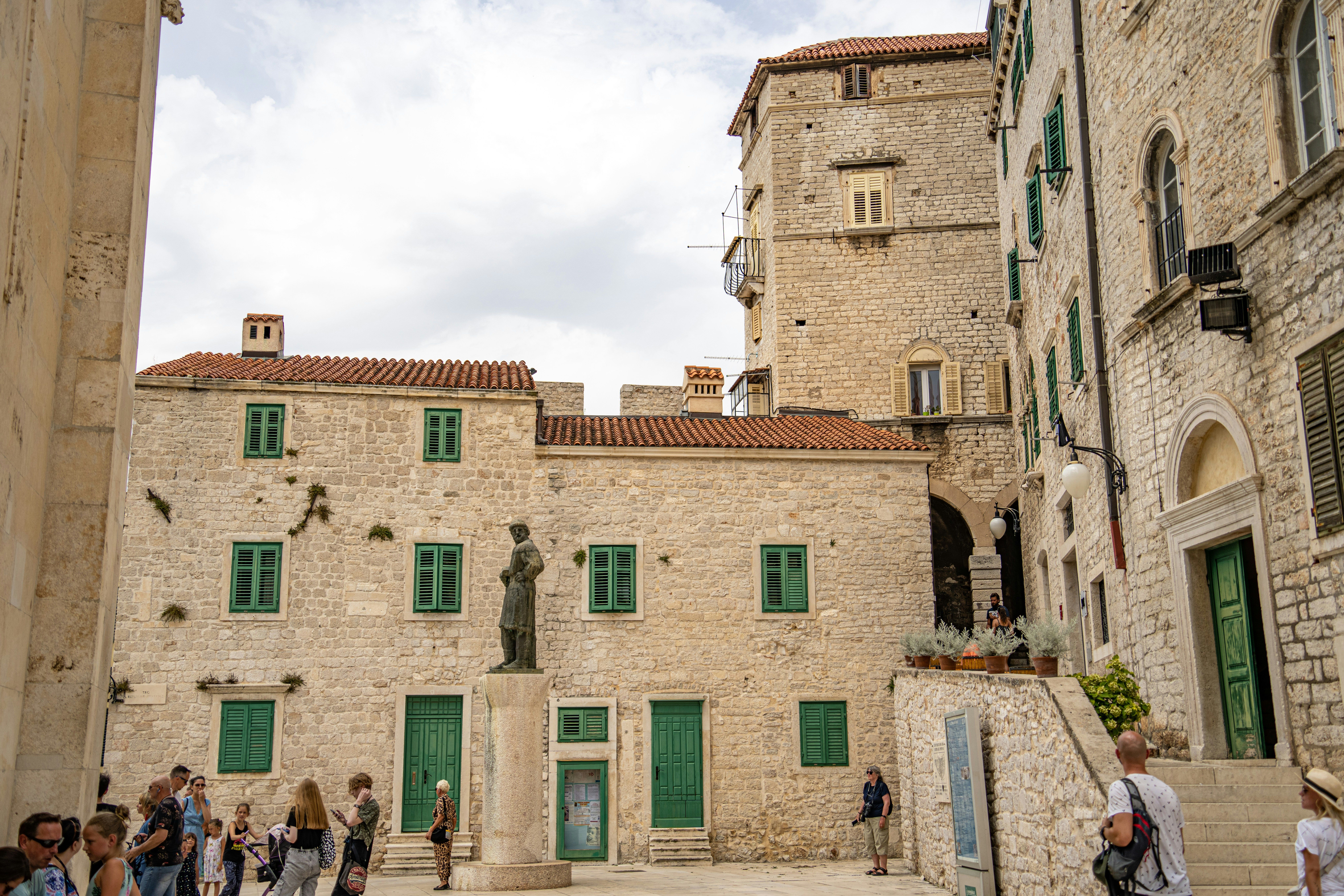
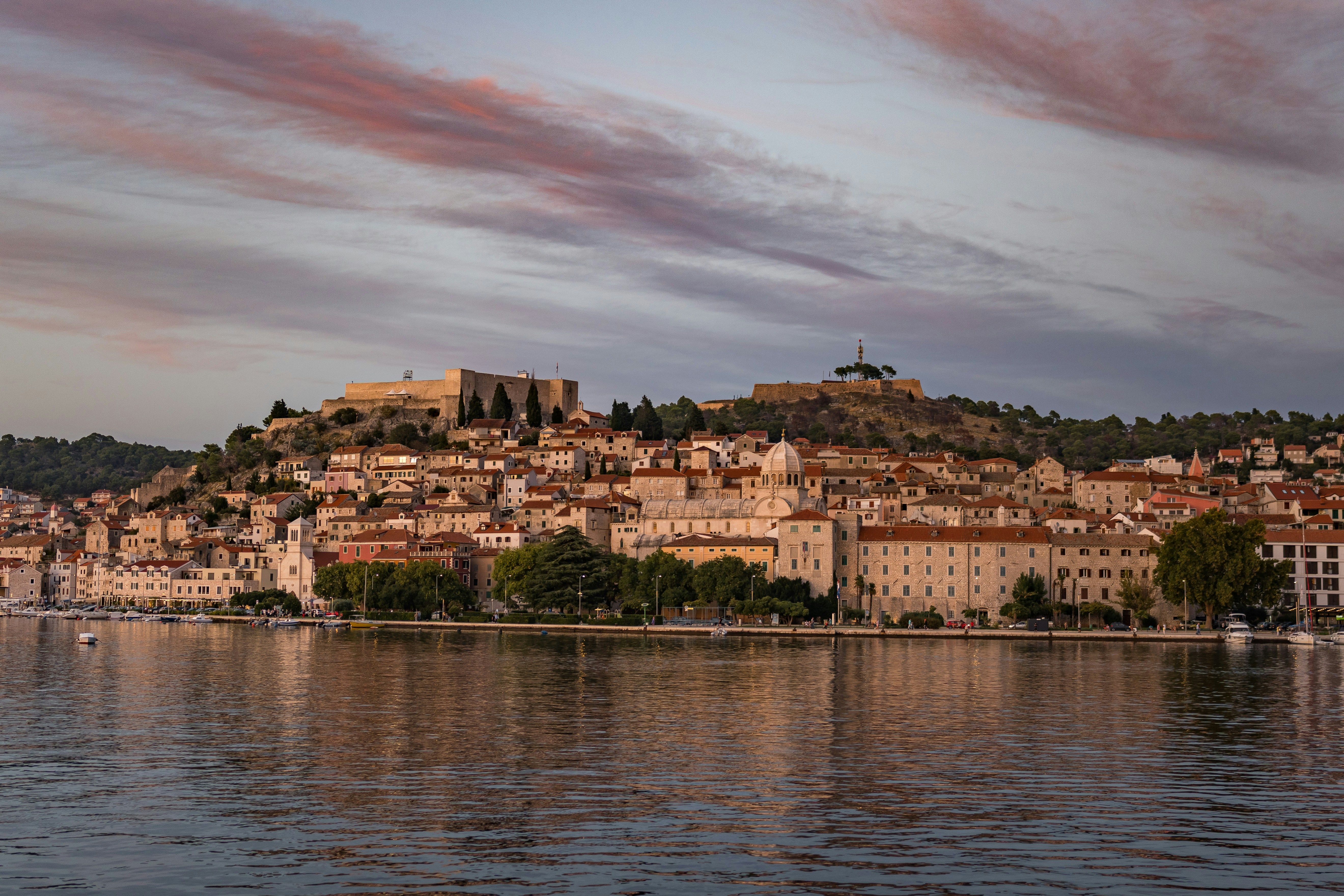
Šibenik, further up the Croatian coast, is smaller, less obvious and extremely rewarding. It has a proper old town, a working waterfront, steep stone lanes, fortresses, views and one of Croatia’s great architectural treasures: the UNESCO-listed Cathedral of St James. Built in the 15th and 16th centuries, it is made entirely of stone and fuses Gothic and Renaissance ideas with the sort of confidence that makes you forgive it for being another church you absolutely do need to go inside.
Šibenik is also unusual in having not one but two UNESCO-listed monuments, with St Nicholas Fortress guarding the entrance to the St Anthony Channel. Add St Michael’s Fortress, Barone Fortress and St John’s Fortress, and the city starts to look suspiciously like it was designed by someone who enjoyed a defensive wall.
For cruise passengers, Šibenik works because the rewards are close together. You can explore the old town, visit the cathedral, climb for views, take a boat trip, or head inland to Krka National Park if your itinerary allows. It has Dalmatian beauty without quite the same theatrical crush as Dubrovnik.
That does not make it undiscovered. It makes it manageable. A rare and lovely thing.
Menorca instead of Mallorca
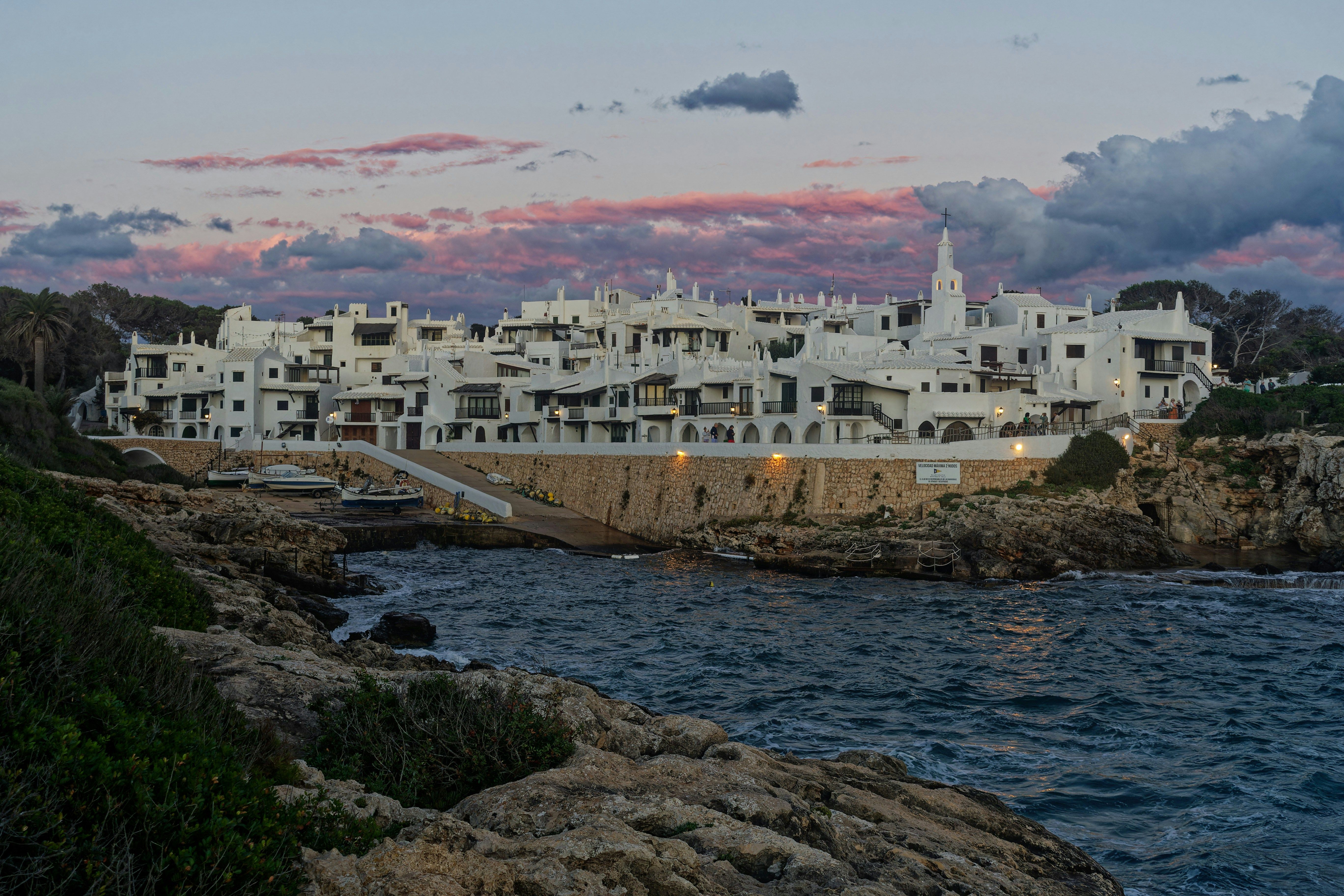
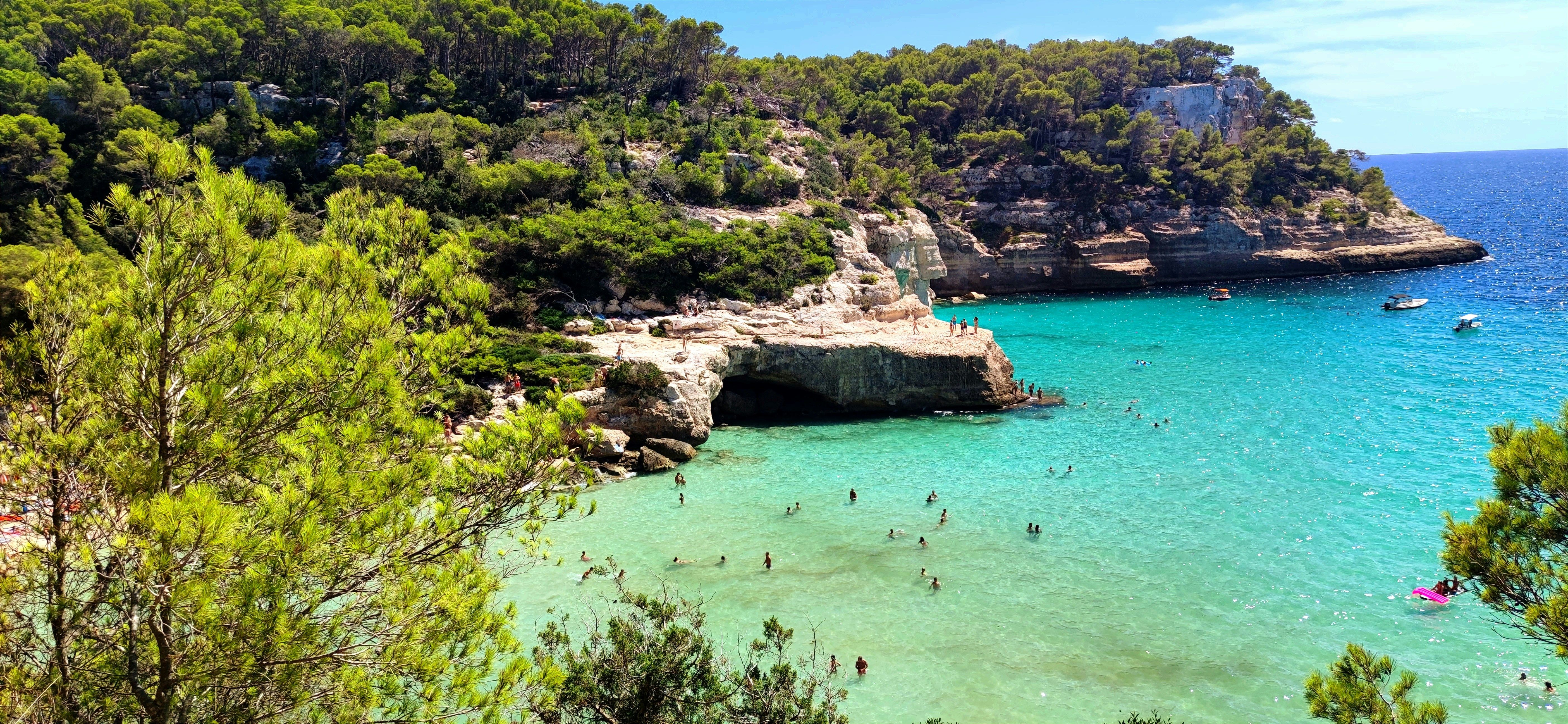
Mallorca has scale, scenery and glamour, but Palma in summer can be a very full experience. Cruise ships, city breakers, beach holidaymakers, cathedral visitors and people who have all independently decided they deserve a long lunch gather in the same lovely spaces.
Menorca offers a quieter Balearic argument. It is smaller, slower and more protected in spirit. The island has been a UNESCO Biosphere Reserve since 1993, recognised for its varied habitats, including ravines, caves, wetlands, islets, dunes and beaches. This matters because Menorca’s appeal is not only coastal prettiness, although it has that in abundance. It is also landscape, scale and restraint.
Cruises typically call at Maó, also known as Mahón, whose long natural harbour gives you one of the more graceful arrivals in the Mediterranean. The town has Georgian traces from British rule, markets, viewpoints, churches, cafés and easy access to beaches, villages and archaeological sites.
Menorca suits travellers who want the Balearics without quite so much volume. You can use the day for a gentle city wander, a beach trip, a coastal walk, a visit to Ciutadella, or a deeper dive into the island’s prehistoric talayotic heritage. There is still summer heat, still popularity, still the need to plan properly. But the overall rhythm is softer.
It is the island equivalent of someone speaking at a normal volume.
Puglia instead of the usual Italian cruise crush
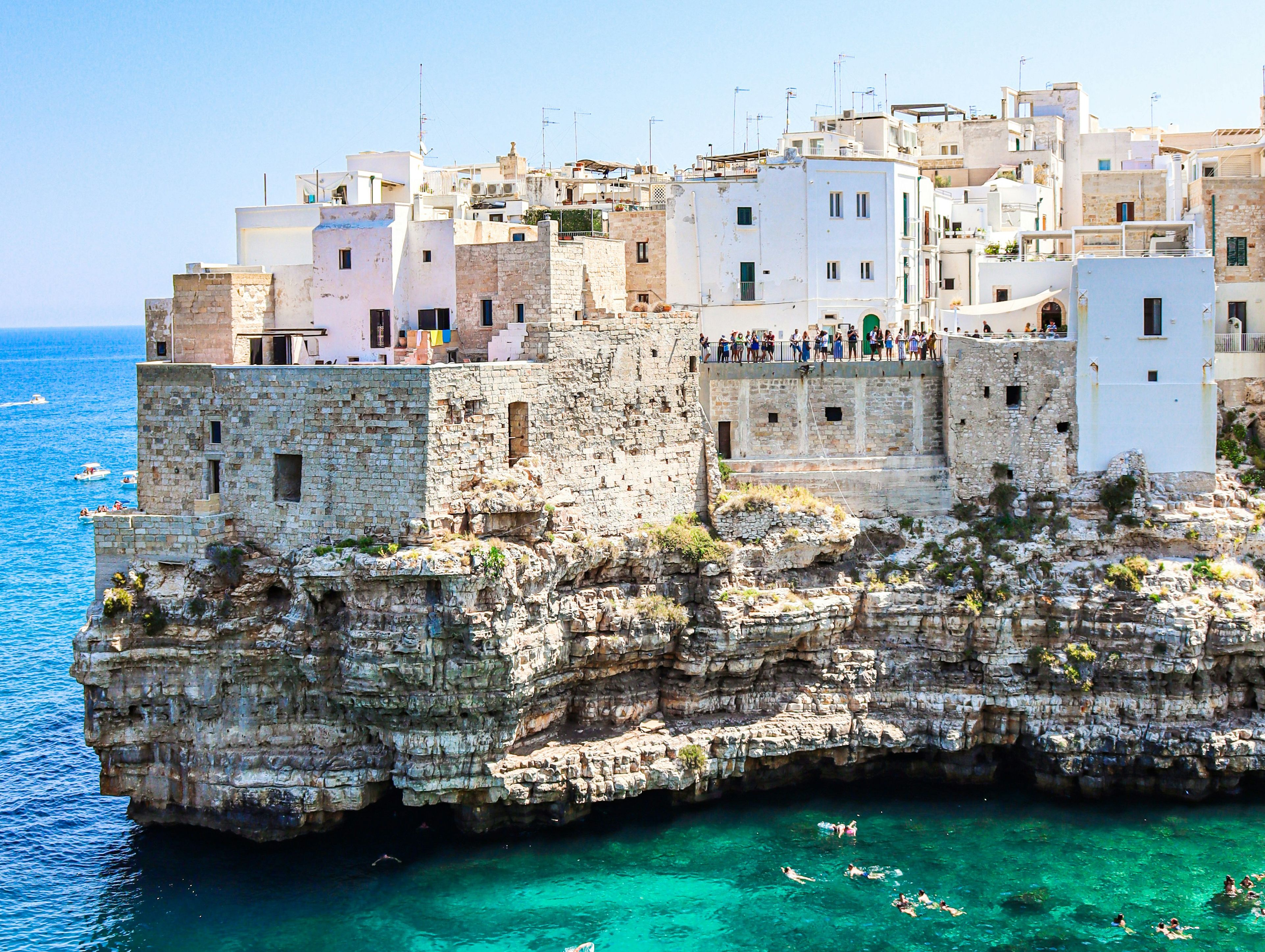
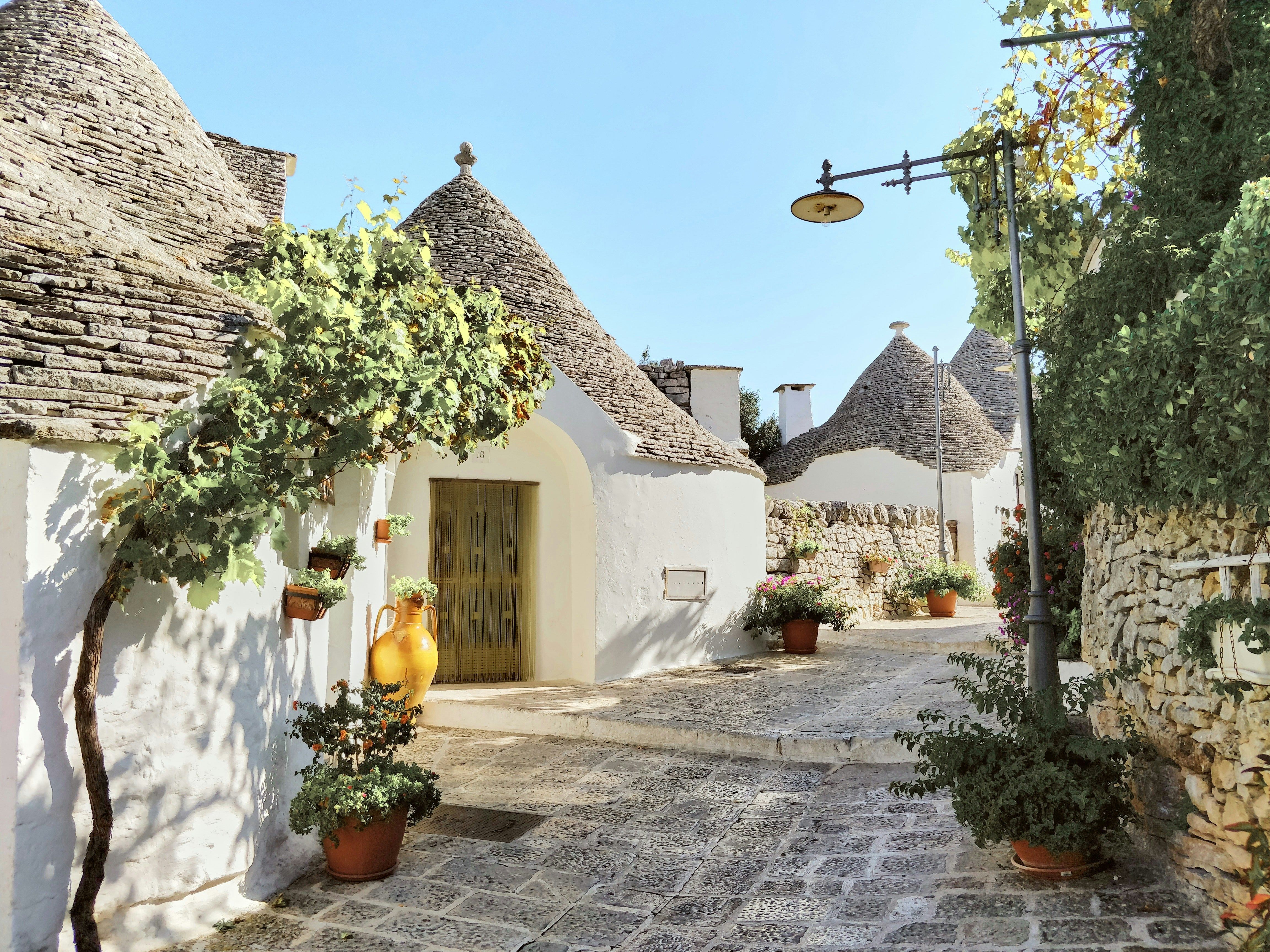
Southern Italy has no shortage of cruise glamour, but too many itineraries concentrate attention on the same famous stretches of coast. Puglia offers another version of Italy: Adriatic and Ionian shores, baroque towns, whitewashed villages, olive groves, seafood, orecchiette and ports that feel more lived-in than polished for international consumption.
Bari is the best-known cruise gateway. The old town is close enough to the port to make independent wandering realistic, with the Basilica di San Nicola, Castello Svevo, narrow lanes, focaccia, street food and the pleasing sight of local women making pasta in doorways, which sounds like a cliché until you see it happening and immediately become emotionally attached.
Taranto is a more unexpected choice. Known as the city of two seas, it has Greek, Roman and naval history, an old town on an island, the Aragonese Castle and the National Archaeological Museum of Taranto, one of southern Italy’s major archaeological collections. It feels less like a standard cruise stop and more like a place with its own complicated, fascinating life, which is precisely the appeal.
Lecce is not a cruise port in the same way, but it is one of the great inland prizes of southern Italy and can be reached from ports such as Brindisi, depending on the itinerary and excursion programme. Its honey-coloured baroque architecture is so ornate it seems to have been piped onto the buildings by a very confident pastry chef. Go for churches, palazzi, Roman remains, long lunches and the sense that southern Italy has been waiting patiently for you to stop obsessing over the north.
Puglia is not crowd-free, particularly in high summer, but it spreads attention differently. It gives cruise passengers a way into Italy that is less about the greatest hits and more about texture: food, heat, stone, sea, history and towns where ordinary life has not been entirely crowded out by day-trippers.
How to book a quieter Mediterranean cruise
A quieter Mediterranean cruise begins before you book. Look closely at the itinerary, not just the headline destination. If a sailing lists Venice, check whether it actually means Trieste, Ravenna or Marghera. If it lists Athens, check whether the ship is calling at the same Greek islands as everyone else or doing something more interesting around the mainland and lesser-used ports. If it lists Croatia, look beyond Dubrovnik and Split to places like Šibenik, Zadar, Korčula or Rijeka.
Ship size matters. Smaller ships can often access ports that larger vessels skip, and they may stay later or overnight in places where a slower evening changes everything. A late departure can turn a port day from a timed evacuation into a proper visit, especially in Mediterranean cities where the best atmosphere often arrives after the hottest part of the day has stopped trying to prove a point.
Season matters too. July and August bring heat, crowds and school-holiday demand. May, early June, September and October can be far kinder, with warm weather, open restaurants and fewer peak-season pressures. There are no guarantees, because travel enjoys making fools of planners, but shoulder season is often the Mediterranean at its best.
It is also worth checking the port schedule where possible. A gorgeous small town with one ship in can feel blissful. The same town with four ships, a heatwave and a coach convoy can feel like a test of character nobody asked to sit.