Broadly speaking, there are two kinds of souvenir shopper.
The first comes home with six magnets, a tea towel they didn't really need and a small ceramic object that will eventually find its way onto a dusty kitchen shelf. The second buys one beautiful thing. A length of lace, a piece of indigo, a linen runner, or a cushion cover that instantly puts you in mind of the place in which you bought it.
This article is for those who fall into the second camp.
Cruising is actually very good for textile people. Ports frequently land you in old mercantile cities, island capitals and places with long, practical traditions of making things people once genuinely needed. Lace for example, was not invented to impress your aunt nor was linen born for the gift shop. These crafts came from trade, domestic life, status, weather, empire, religion and the simple fact that human beings have always wanted their homes to be just a little bit cosier (or more stylish).
So if your idea of a good shore day involves cloth rather than clutter, here are the places worth leaving the ship for, and the one thing in each I’d make room in my suitcase for.
If your route gives you Venice, make for Burano and buy lace
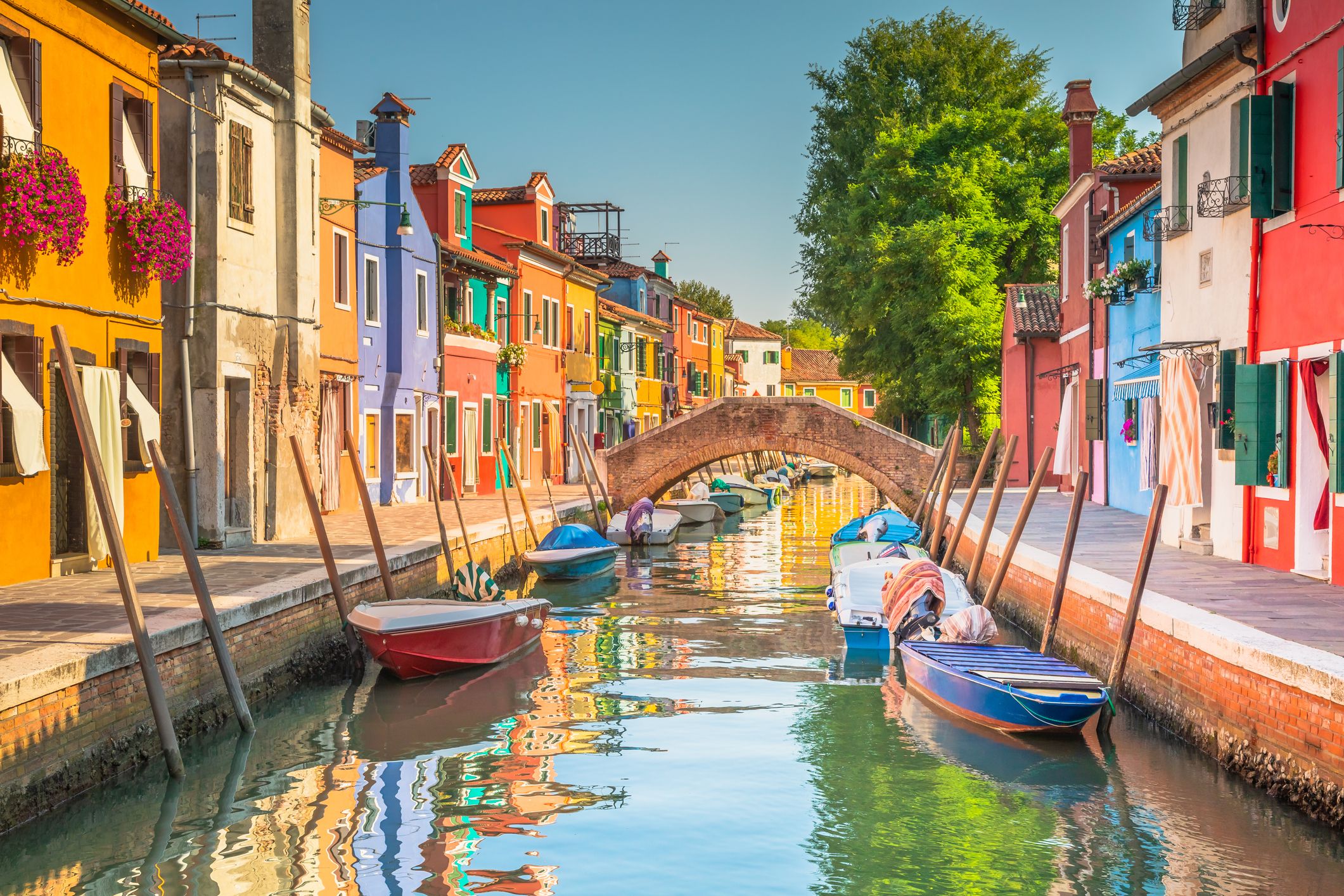
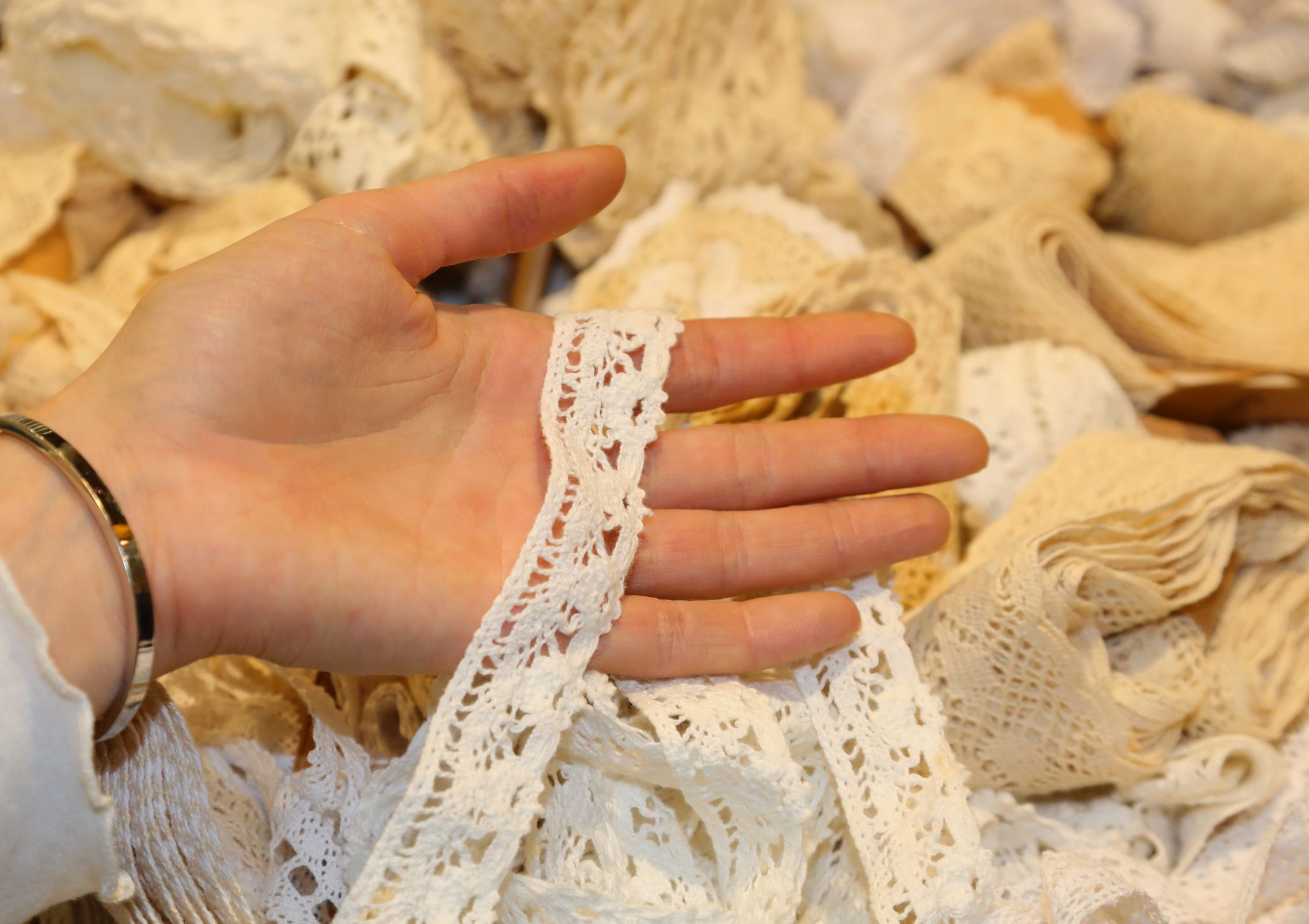
Burano is one of those places you may feel you already know for having seen it in so many photos. The houses are indeed brightly coloured, and you will likely take your own picture because seeing it in the flesh makes it very hard not to. But the real hidden treasure of Burano is not the colour-drenched facade, it's lace.
The island’s Lace Museum sits in the old Burano Lace School, founded in 1872, and documents five centuries of Venetian lace-making through around 200 historic examples. The wider Venice transport network makes Burano an entirely practical day out, with ACTV’s waterbus routes connecting Venice proper to the island.
While it might be tempting, it's probably wise not to buy the enormous tablecloth that will one day become a family burden here. Instead buy something smaller and more likely to survive both your suitcase and your next spring de-clutter. A collar, a set of cocktail napkins, a single exquisite panel that can live on a shelf.
In Funchal, skip the generic stuff and go straight to Madeira embroidery
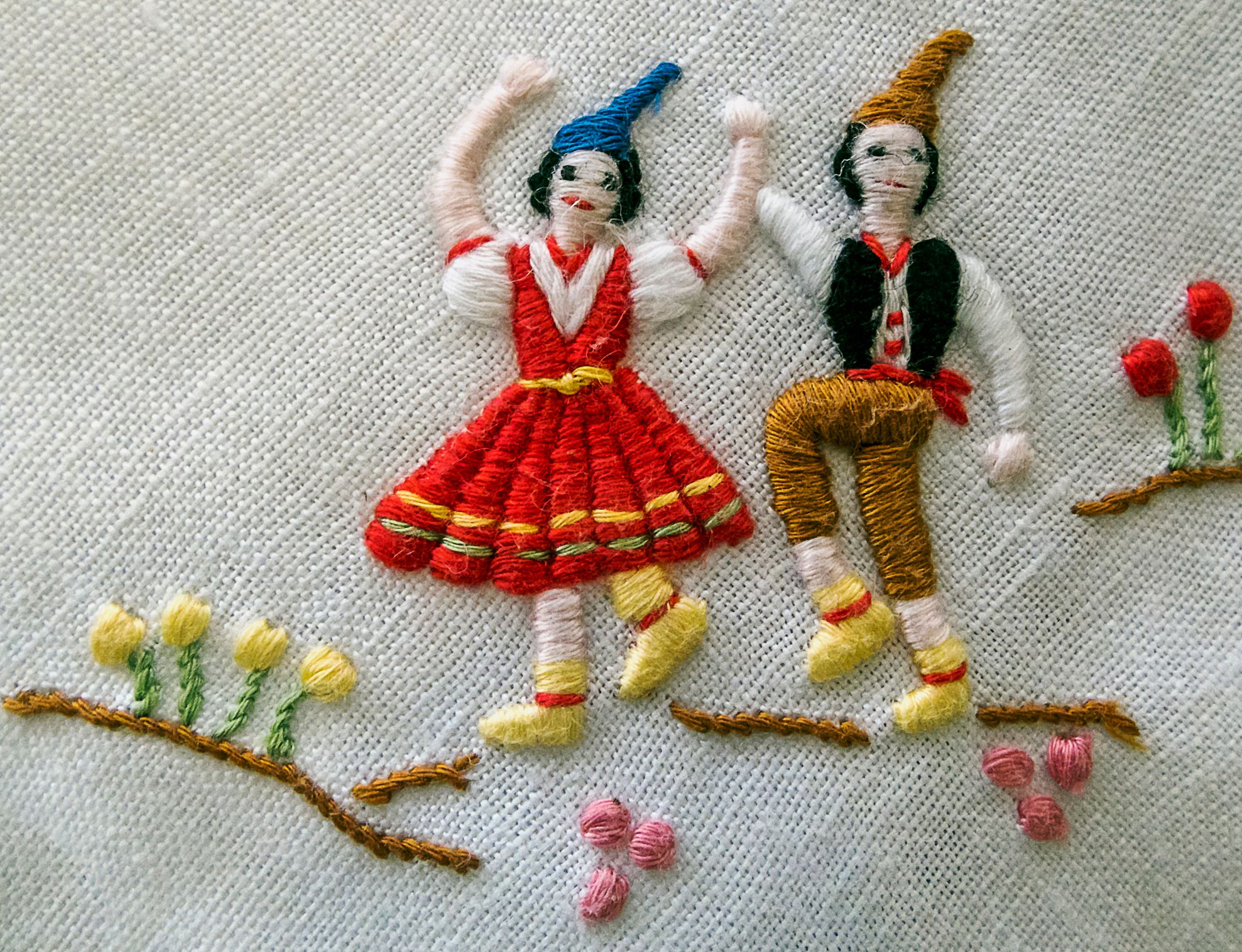
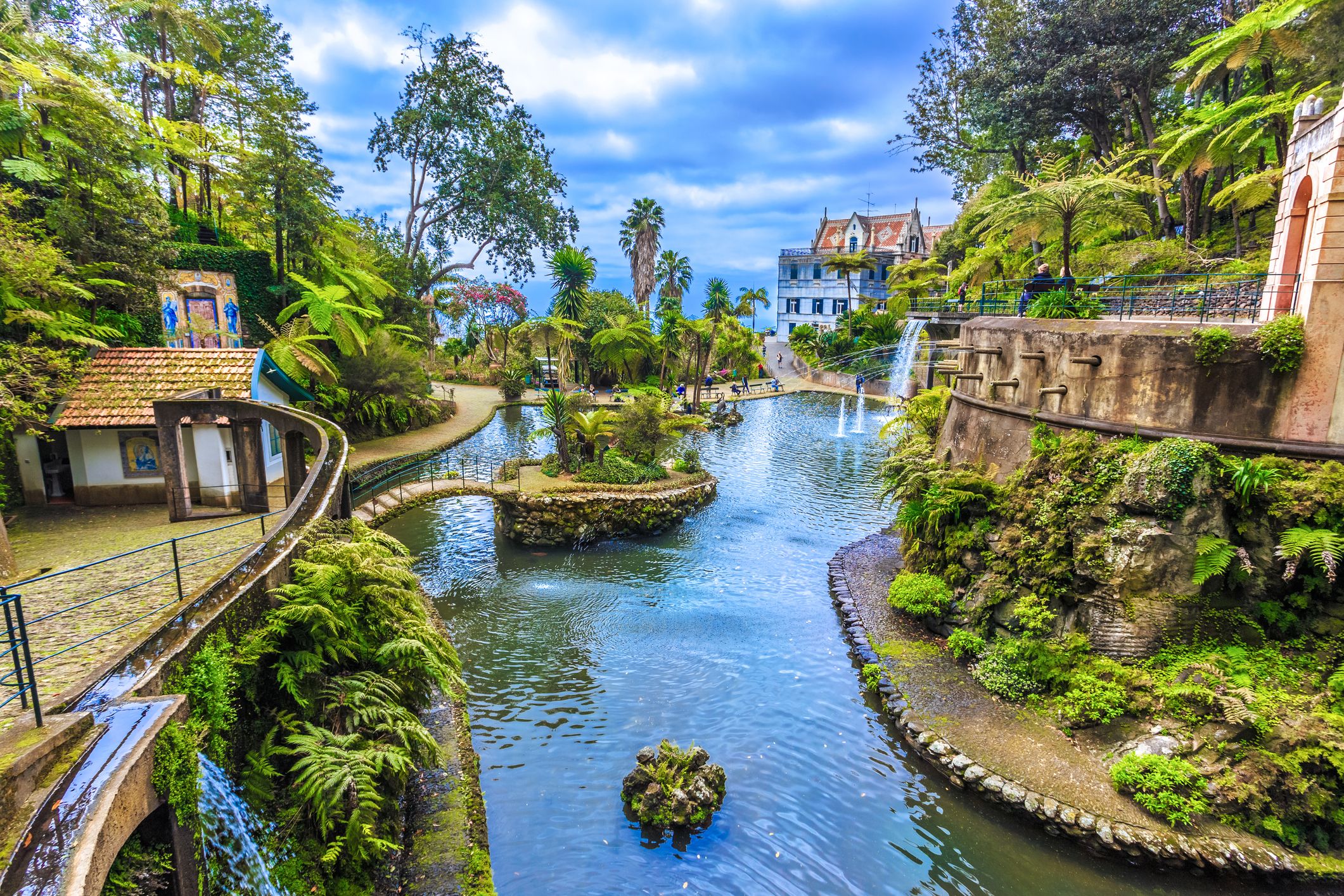
Madeira has had plenty of practice welcoming cruise passengers, and the Port of Funchal remains one of the archipelago’s main gateways for ships. Which is helpful, because Funchal also happens to be one of the easiest places on this list to buy something genuinely good, too.
Madeira embroidery is one of the island’s prettiest calling cards: it's still made by hand, traditionally using linen, silk, organdie and cotton, and authenticated pieces carry the guarantee seal of the Madeira Wine, Embroidery and Handicrafts Institute. The city also has a Museum of Embroidery and Handicraft with pieces dating back more than 150 years, and official craft listings point visitors to Bordal, whose factory tours show the production process live.
This is the stop for people who want one excellent piece of linen; a small hand-embroidered table runner is ideal. It is practical, portable, and just grand enough to make eggs on toast feel slightly more special.
From Limassol, do the inland detour and buy Lefkara lace properly
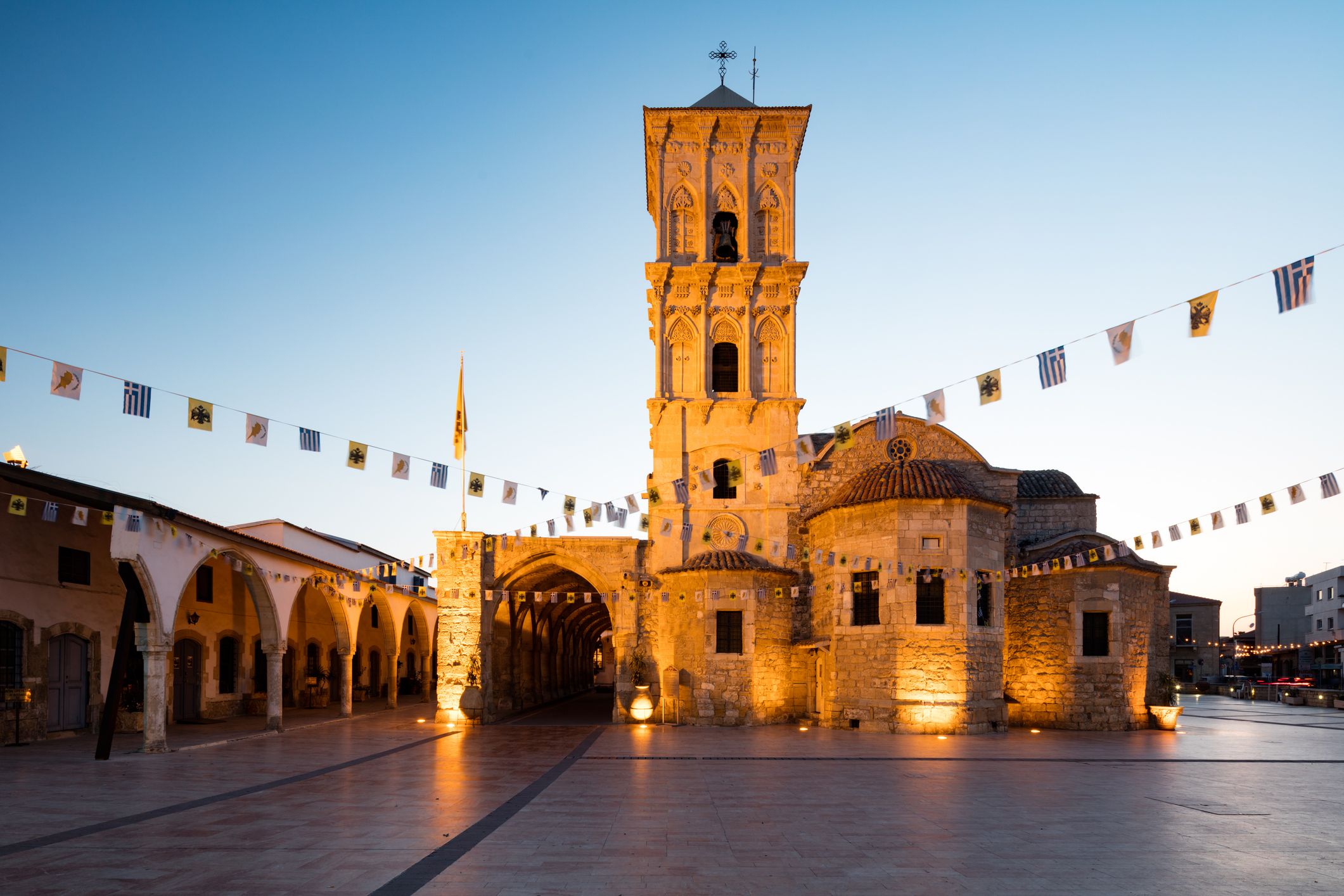
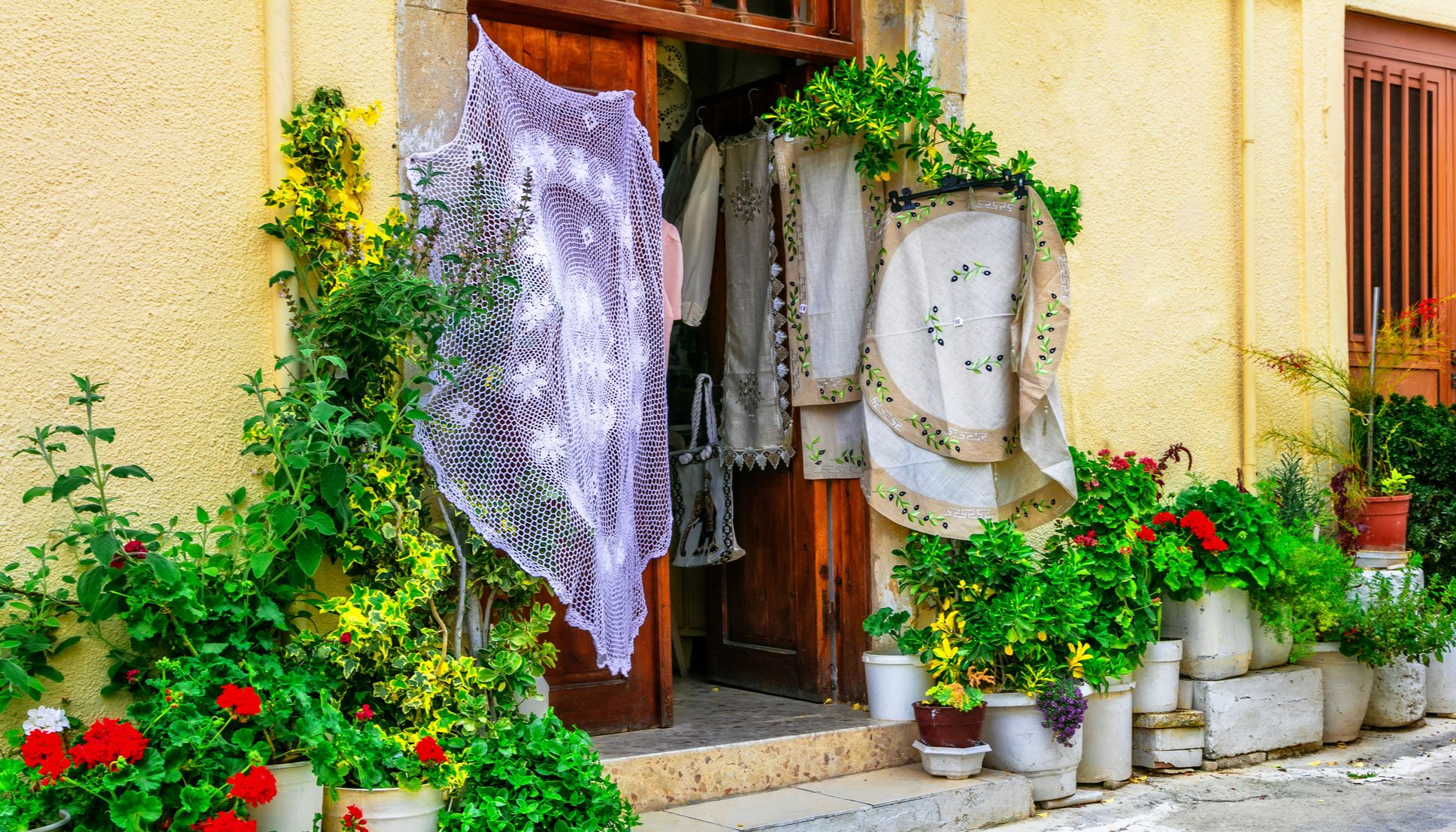
If your ship is in Limassol, Cyprus, Lemesos Port is well placed for short visits to major attractions. One of the smartest uses of that access is to leave the coast and head for Lefkara, the mountain village associated with Lefkaritika, the lace tradition inscribed by UNESCO in 2009. UNESCO traces the craft back at least to the 14th century and notes its distinctive blend of local craft, Venetian influence and older geometric traditions. These hand-embroidered linens are sold in local shops and can also be made to order.
This is the place to buy a placemat, tray cloth or small table centre. Lefkara lace is highly prized because it is intricate and time-consuming to produce. And buying a good piece in the village where the tradition is still alive feels infinitely better than buying something “inspired by” it under fluorescent lighting two ports later.
Belfast is an underrated linen stop
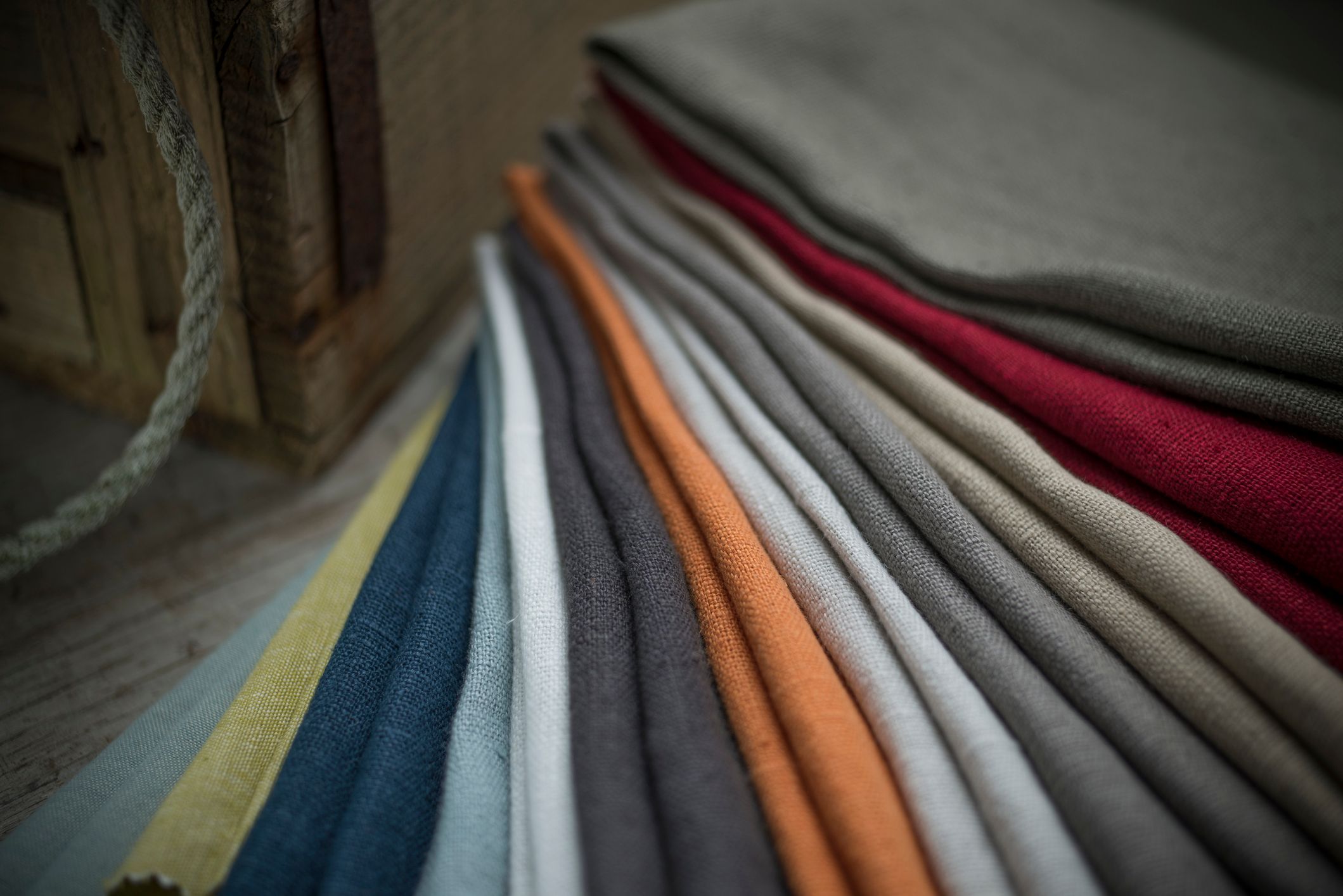

Belfast is not always sold as a textile destination, which is part of the appeal. It has ships, pubs, a very strong urban energy and enough history to keep most shore-day itineraries busy before anyone gets as far as fabric.
But Northern Ireland’s linen story is genuine, and if your ship is in Belfast, you can get into the city cheaply and easily. A taxi from the cruise terminal to the city centre is usually around £10 to £13, depending on the dock. From there, if you have the time and inclination, the Irish Linen Centre & Lisburn Museum gives you the proper grounding, with its permanent Flax to Fabric exhibition tracing the story of Irish linen.
This is the stop for a superbly unshowy purchase: a proper Irish linen tea towel, napkin set or handkerchief. Something crisp, useful and Protestant in its refusal to be explicitly decorative.
If your ship calls at Palma, the textile nerd should find Majorcan ikat
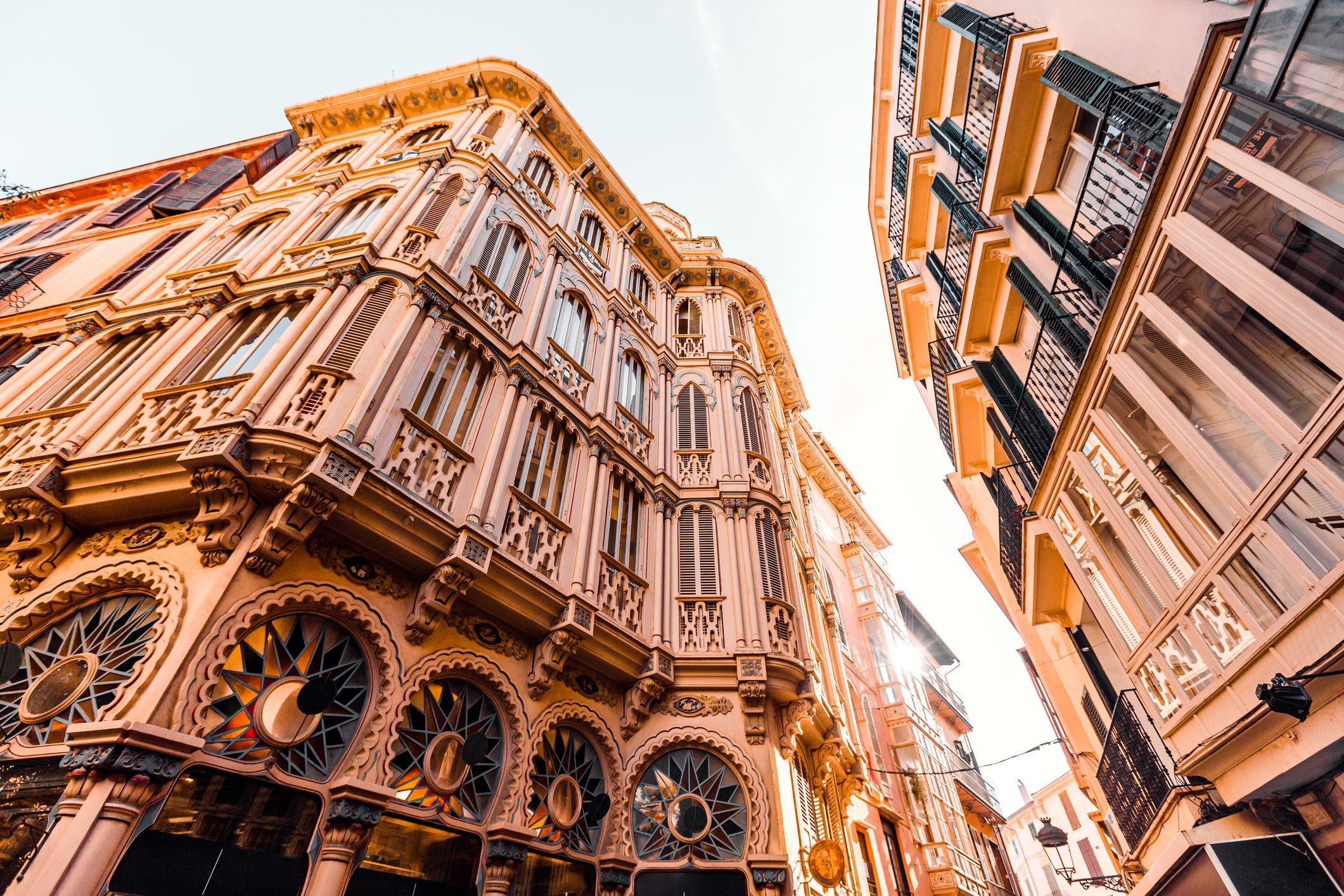
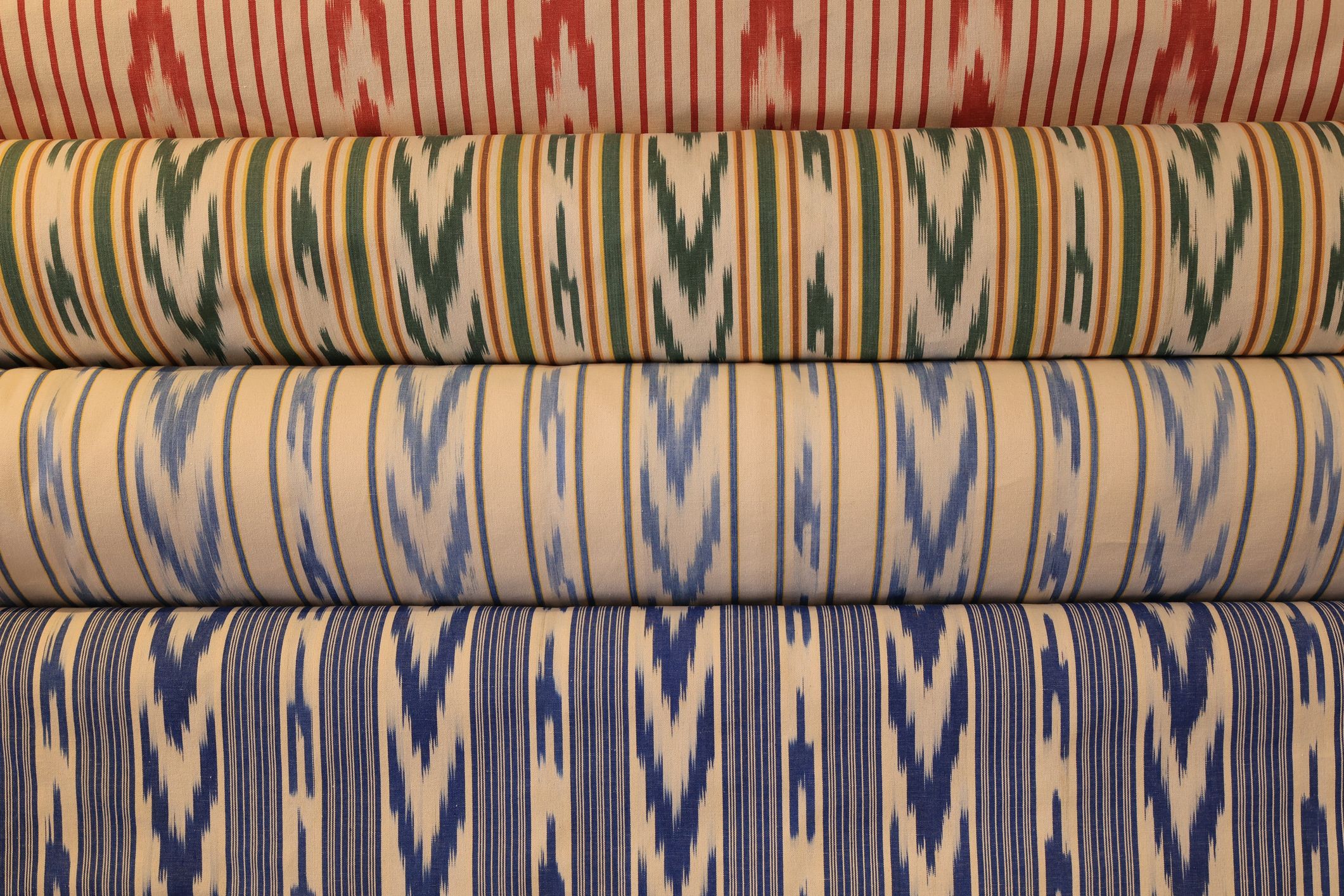
Mallorca’s roba de llengües is one of those craft traditions that makes you want to redecorate your entire living room.
It's a traditional handmade fabric produced with ikat technique with a fiery tongue-like pattern that's woven into curtains, cushions and furniture coverings. The craft has enjoyed a recent revival at studios such as Teixits Vicens in Pollença, one of Europe’s last family-owned workshops still using the technique. Palma itself is a major cruise city and has strong public transport links across the island, which makes this a realistic longer-call detour if you care more about cloth than cathedral counts.
This is the place for a cushion cover or a bold table runner in a colour that looks as though it should sit next to terracotta and a glass of something cold.
In Naha, go looking for bingata, not another slogan T-shirt
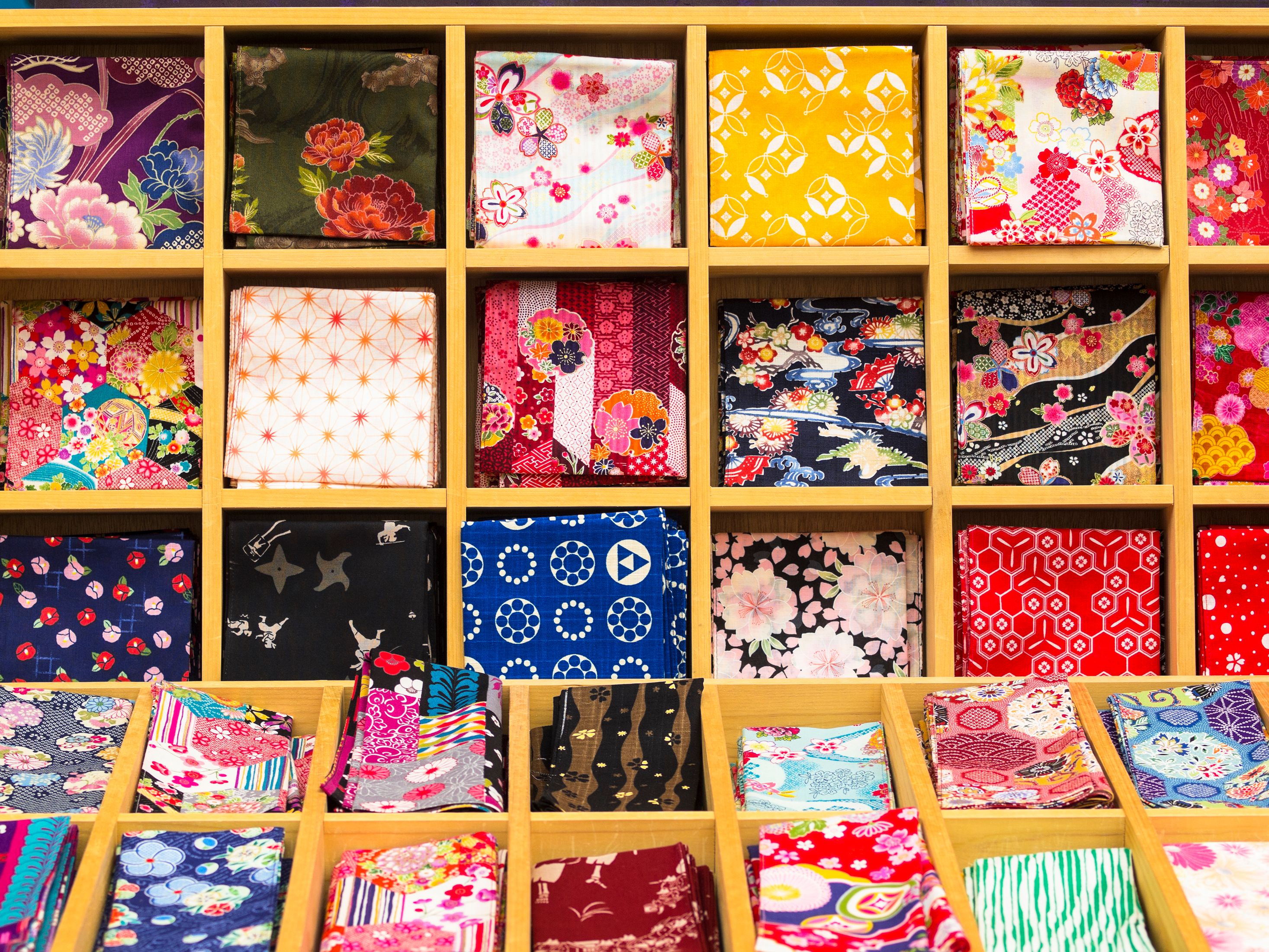
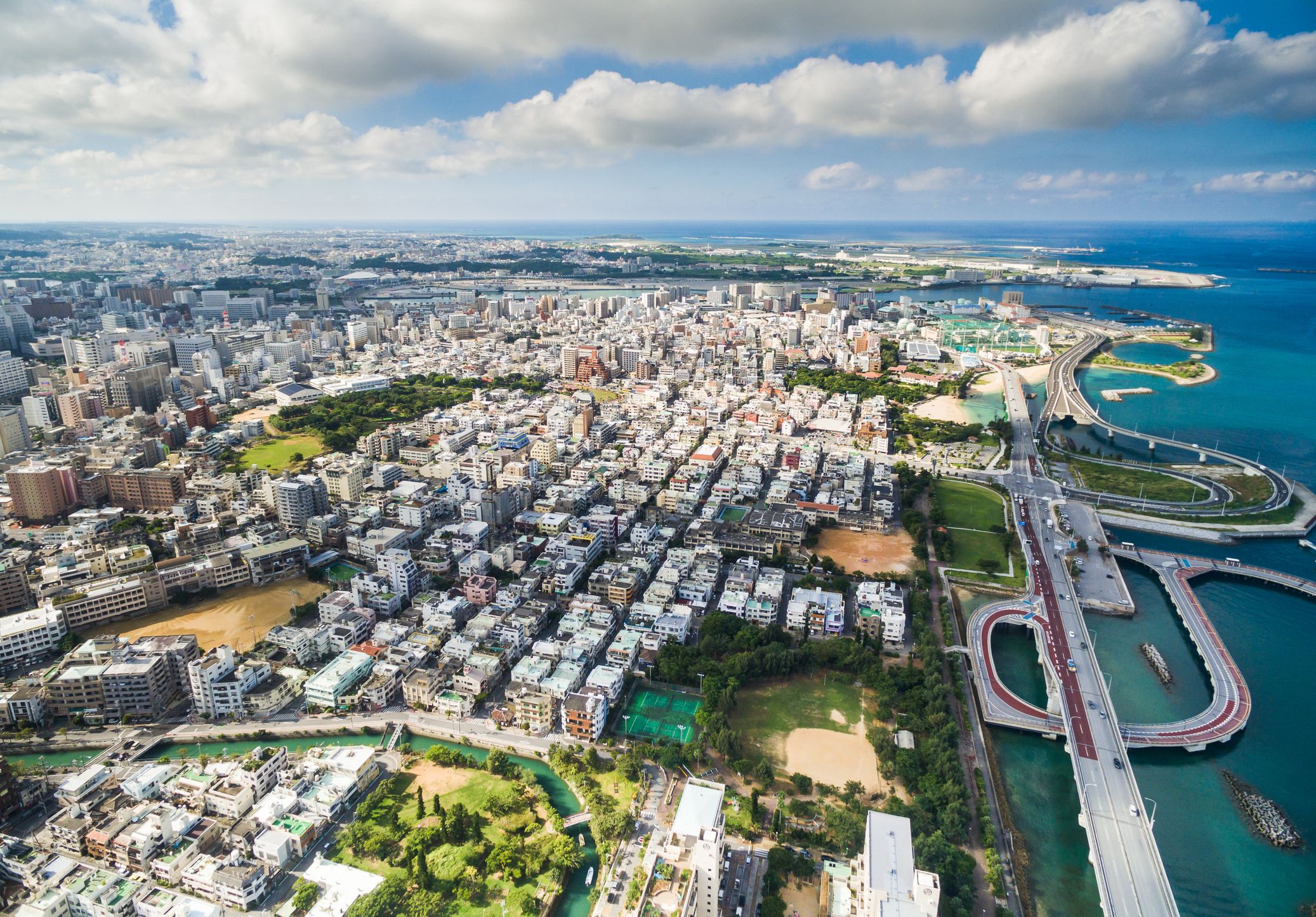
Naha Port in Okinawa is a significant cruise gateway, and the cruise terminal area is around a 20-minute walk from Kokusai Street, with traditional Okinawan crafts displayed in the terminal itself. Okinawa’s textiles are known for more than ten traditional dyeing and weaving techniques, and bingata, produced in the south of Okinawa’s main island, is especially noted for its bright colours. Visitors should make for Shuri Ryusen in Naha, near Shuri Castle, where you can try traditional fabric dyeing and learn the bingata method from local craftspeople.
This is where you buy a scarf, a wrapping cloth or a lightweight panel of dyed fabric. Something colour-saturated, portable and unmistakably local.
A cloth not clutter philosophy
The best textile souvenirs are useful, specific and memorable. A linen runner from Madeira. A piece of Lefkara lace. A Burano collar. Irish linen that makes drying dishes feel grander than it is. Majorcan ikat that looks great beside a glass of sangria. A bingata scarf that brightens a grey day at home.