Cruising turns even the most sensible of adults into collectors. Seashells, tote bags, tiny jams from breakfast buffets, all gathered with the greed of a magpie dressed in resort casual. A sketchbook is a better souvenir than most of them.
Cruising happens to be one of the easiest, kindest, least intimidating ways to start drawing, painting, or visual journalling properly. You unpack once. You sit still more often than you do on most holidays. The scenery arrives for you like an unusually considerate stage set. And nobody expects you to be productive, which is of course the exact condition under which people tend to become creative.
There is already a whole movement built around drawing on location. Urban Sketchers describes its practice as drawing from direct observation, on site, and treating those drawings as a record of time and place. That is essentially cruising in miniature: a floating sequence of temporary viewpoints, each one gone by dinner.
The ship gives you something most holidays don’t
On a city break, your day typically arrives with demands. Museum slots. Restaurant bookings. Public transport decisions made under mild pressure and with low blood sugar. You look up, think “I should sketch that,” and then keep walking because your group is already drifting off towards lunch.
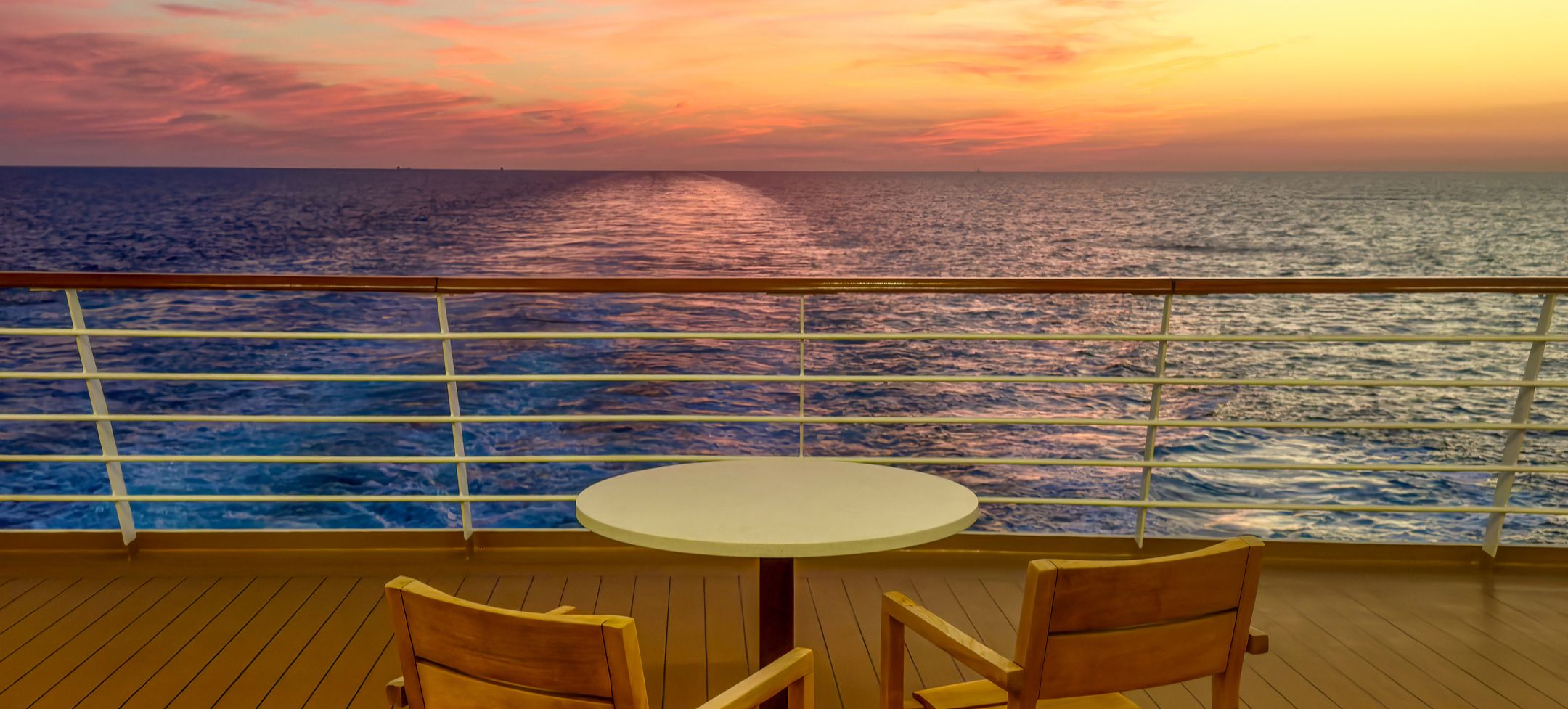
On a cruise, time develops edges. A sea day has shape, but not much tyranny. An hour in the morning can be nothing more dramatic than coffee, a deck chair, and the ship’s wake unspooling behind you like a great white line of thought. This is exactly the sort of interval a sketchbook likes.
It also helps that cruising makes repetition feel luxurious. The same funnel, the same railing, the same horizon, and yet the light keeps changing. Clouds pile up. The sea changes from pewter to blue to something faintly ridiculous at sunset. If you draw the same view more than once, which you should, it stops being “practice” and starts becoming observation. You notice what shifted. You notice what you missed. You notice that your hand is finally catching up with your eye.
Drawing is very good at making you actually notice where you are
There is a persistent myth that sketching is only for people who are already “good at art,” which is a bit like saying walking is only for people who are already very advanced at legs.
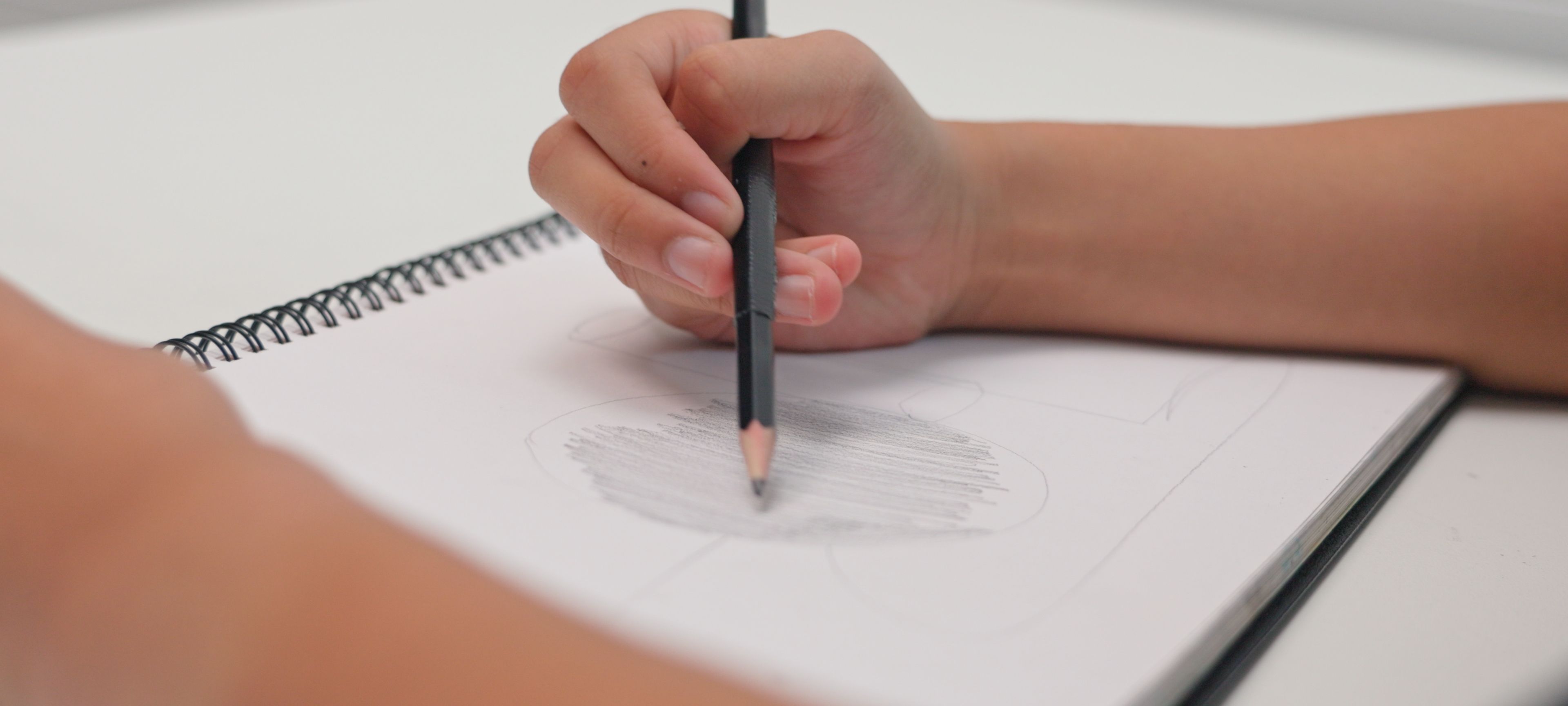
The useful thing about drawing is not that it produces masterpieces. It makes you pay attention. A recent feasibility study on observational drawing in older adults described the practice as one that deliberately engages spatial reasoning, hand-eye coordination and awareness of the present moment, and the researchers found improvements in mindfulness among participants. The authors also note that drawing from observation leads to what they describe as “a new way of seeing.”
Which is exactly what travel is meant to do, before we started outsourcing most of the seeing to our phones.
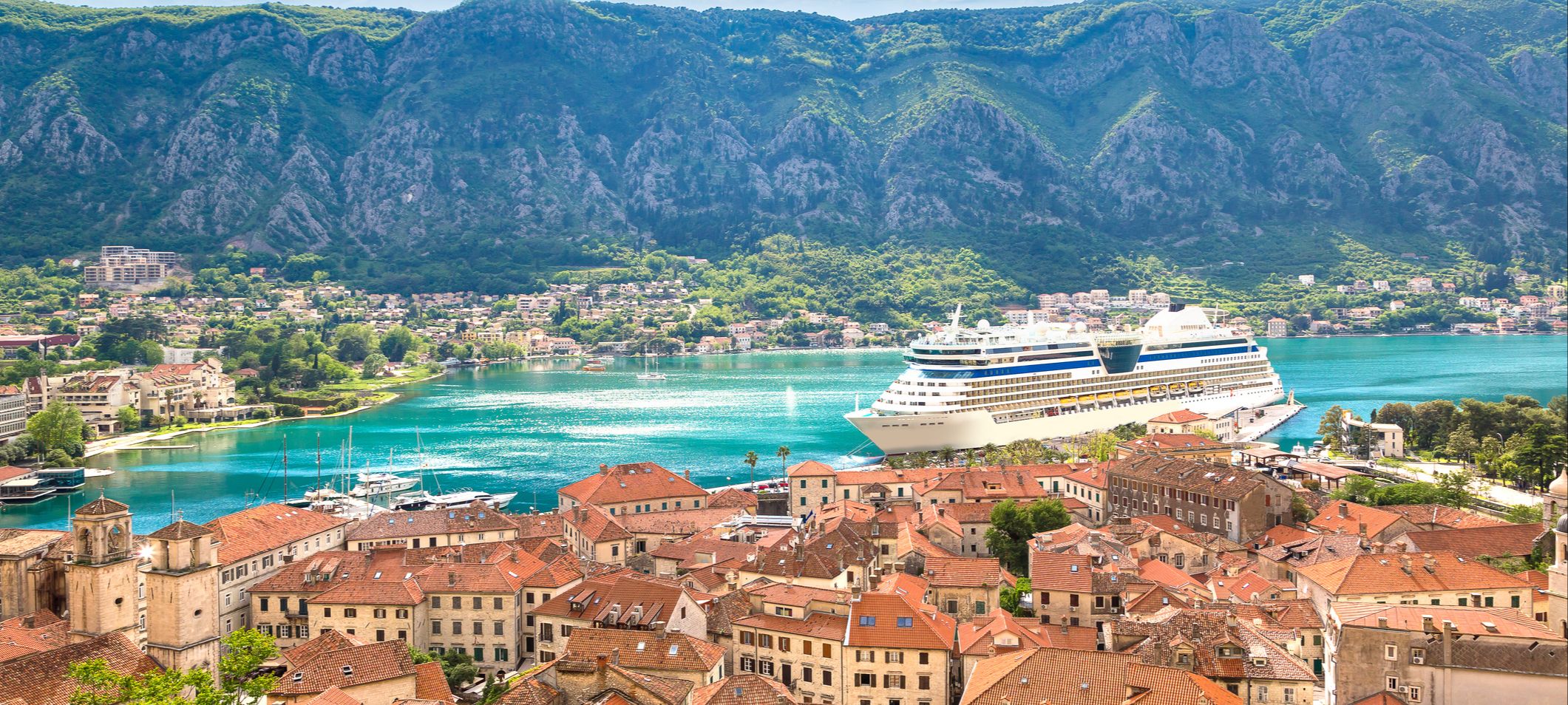
The sketchbook is a marvellous antidote to cruise-passenger behaviour of the more frantic kind. It is very hard to both sketch a harbour and behave like you are storming it. Sit on deck with a pen while the ship eases into Kotor, or Stockholm, or Juneau, and you suddenly stop “arriving” and start watching arrival happen. That is a much richer thing.
It is a better memory tool than your camera roll, and vastly less annoying
Most trips now produce hundreds of photographs and about six that anyone ever looks at again. The rest sit in the phone like a digital compost heap of sea views, breakfasts, and one very poor dolphin.
Drawing makes a more persuasive case. University of Waterloo researchers found that drawing information to be remembered is a strong and reliable strategy for enhancing memory, with the so-called “drawing effect” outperforming writing in free recall experiments. Their explanation is that drawing integrates visual, motor and semantic information into a more cohesive memory trace. In other words, it sticks better because you had to do more than point a rectangle at it.
This does not mean your sketches need to be beautiful. In fact, one of the charming parts of the Waterloo work is that the quality of the drawing did not seem to matter much. A scruffy sketch of a lighthouse, done badly while slightly windblown, may actually preserve the day in your mind more vividly than 43 photos of the same lighthouse taken while you were also checking messages.
And a sketchbook has another advantage over photography. It edits by default. The eye chooses, the hand simplifies, and the page ends up recording what felt important rather than everything that happened to be in frame, including the man in a fluorescent polo standing directly where your romance was meant to be.
Ports are easier to draw than cities, mostly because ships teach you restraint

Cruise ports are, in their own way, excellent drawing tutors. They force small decisions.
You cannot do all of Palermo in an hour, so you draw the market awning and the lemons. You cannot meaningfully “capture” Santorini, so you sketch one roofline, one cable, one impossible bit of light on whitewash and call it enough. This is useful. A sketchbook teaches you to stop trying to own a place whole.
It also softens the pressure to “make the most” of a port day. A visual journal turns wandering into a legitimate activity. Sit down in a square, make a few notes, draw the edge of a church, write down what the waiter said, tape in a ferry ticket later, and suddenly the day has shape. Not itinerary shape. Memory shape.
Cruising is particularly good for this because it keeps returning you to the same base. You can go ashore, fill a few pages, then come back to the ship and finish them with clean water, a calmer line, and a biscuit you did not have to purchase individually.
Sea days are where the whole thing becomes addictive
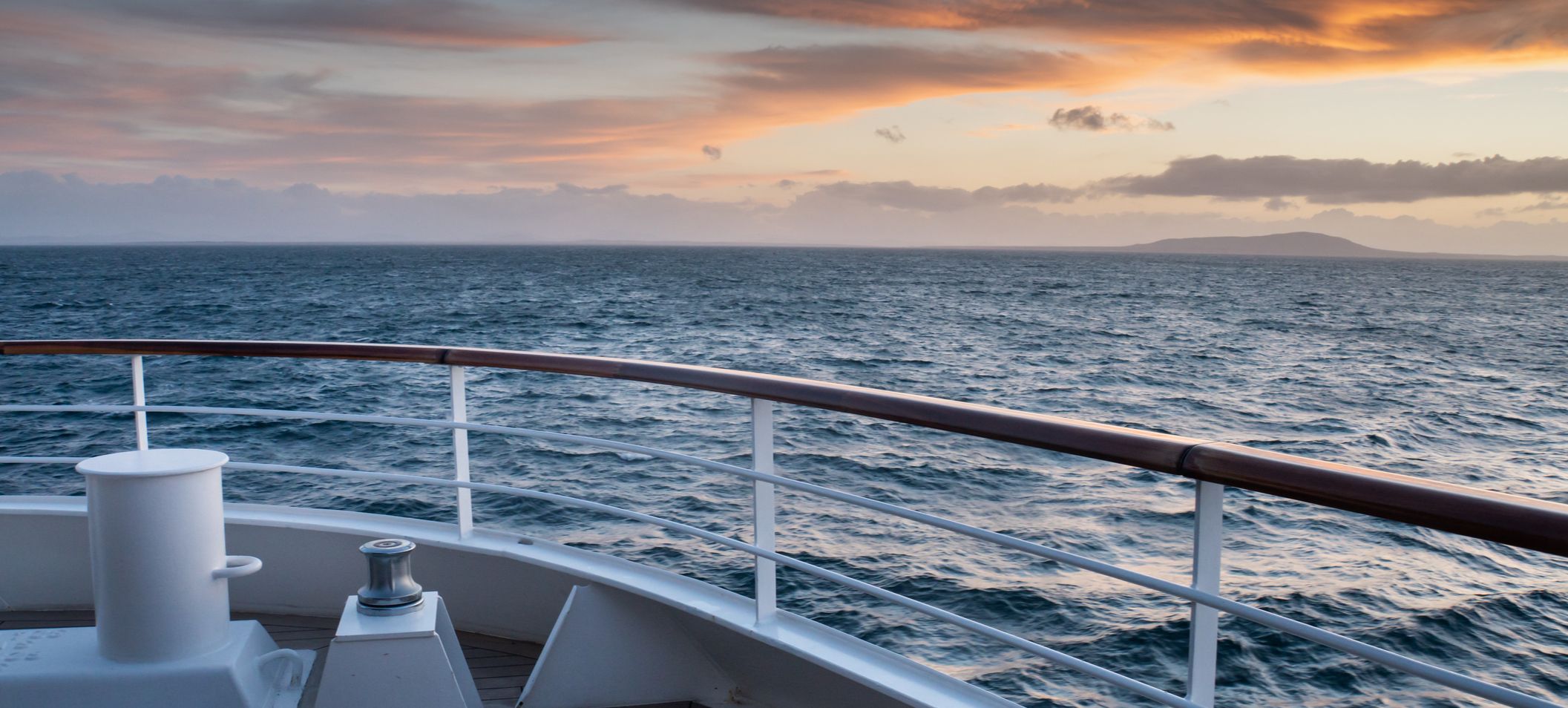
At some point, if you keep a sketchbook on a cruise, you will discover the sea day page. This is a distinct category of page. Less travel record, more personal weather system.
Sea days are where people usually read, nap, overeat slightly, or become very invested in shuffleboard for reasons that do not hold up on land. A sketchbook slots beautifully into that ecosystem. It gives just enough focus to stop the day dissolving into beige relaxation, but not enough structure to make it feel like homework.
And because a ship is full of repeating forms, it is surprisingly easy to start. A deck chair. A coffee cup. Lifeboats. The peculiar geometry of a stairwell. The horizon line, which is both the easiest and the hardest thing in the world. You do not need to sit on the upper deck painting fjords in gouache like a retired naval officer. You can sketch the corner of your lounger and the shadow it casts and still end up with a record of where you were.
There is also something quietly pleasing about making art in a place built to encourage passivity. It feels faintly rebellious, though in a very comfortable way.
Why it works better than most holidays
Most holidays ask you to choose between experience and record. Do the thing, or stop and note the thing. Cruising, unusually, gives you room for both.
You have the moving view. You have the repeated deck. You have those long, low-pressure hours between places. You have ports that reward selective attention rather than conquest. And you have, if you are lucky, the beginning of a habit that might outlast the voyage.
A sketchbook at sea is not about becoming an artist in seven nights. It is about returning with something better than proof. Not a stack of images you barely remember taking, but a slow, handwritten, slightly smudged account of where your eye landed and why.
Which, when you think about it, is a rather good definition of travel.