
Cruise excursions have the uncanny ability to turn a short walk, a viewpoint and a sandwich into a three-figure transaction.
There are ports, however, where the city has done most of the expensive work already. The ship docks beside the old town, the best view belongs to a public garden, and the beach has neglected to install a ticket barrier.
At the European Central Bank’s reference rate on 22 July 2026, £20 was worth roughly €23.44. The six port days below can all fit within that budget per adult, including local transport where it’s useful and enough money for something modest to eat. Prices were checked in July 2026, but fares and opening arrangements can change, so confirm them before sailing.
Cádiz on a budget: market food, Atlantic beaches and free castles
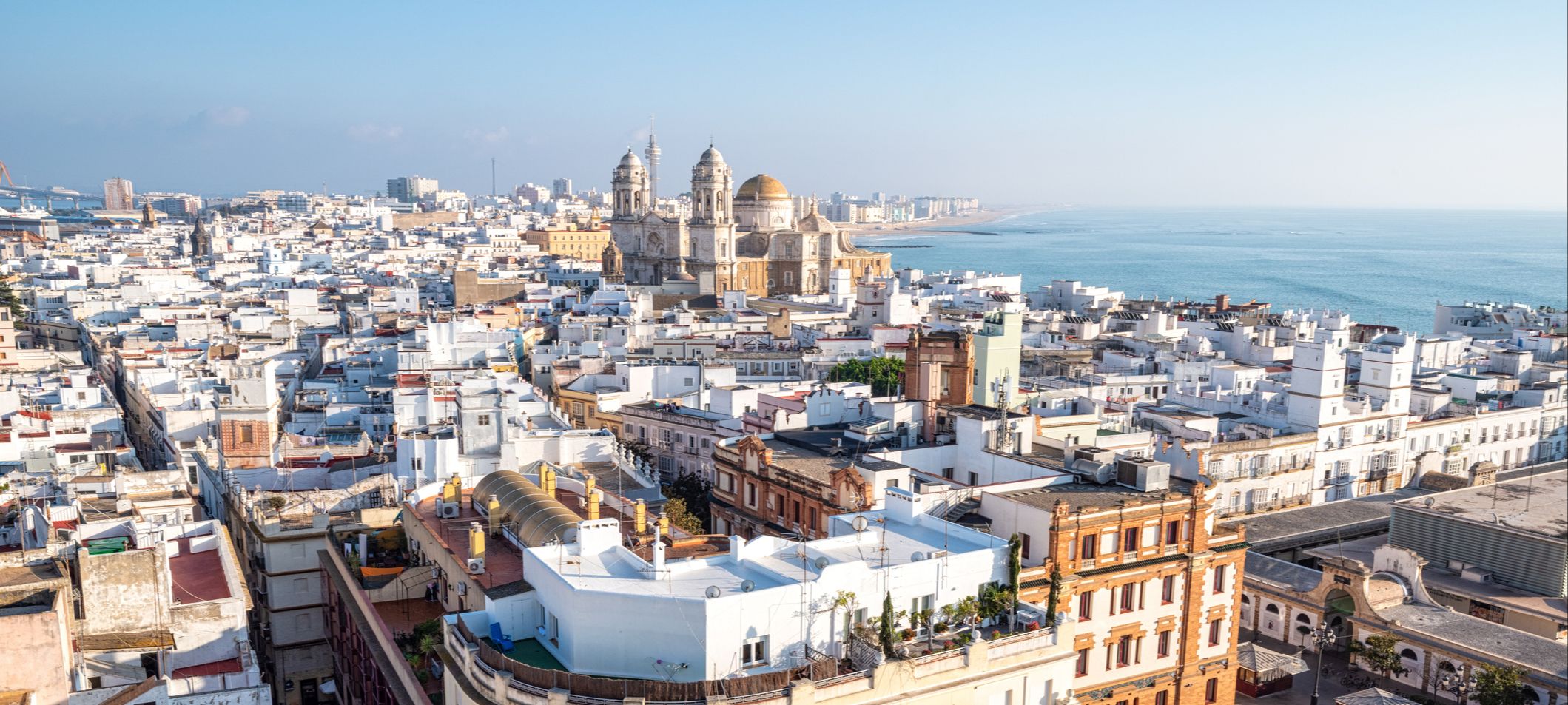
Cádiz is shaped a bit like somebody began drawing an island, changed their mind at the final moment and attached it to Andalusia with a narrow strip of land. Almost everything worth seeing in the old city can be reached on foot from the cruise port.
Begin at Plaza de San Juan de Dios and walk into El Pópulo, where narrow lanes gather around the cathedral. You can admire the golden dome and surrounding square without buying an admission ticket, then continue to Mercado Central. Entry is free, and the market opens during the day from Monday to Saturday, with fish, produce and food counters arranged beneath its colonnades. Set aside around €10 to €12 for lunch from the stalls rather than merely inspecting them.
From the market, cross the La Viña neighbourhood to La Caleta, a compact Atlantic beach tucked between two castles in the old quarter. The official Cádiz tourism route links the cathedral, market, La Caleta and Parque Genovés in a four-kilometre pedestrian circuit, so there’s little danger of accidentally beginning a major expedition.
Walk the causeway towards Castillo de San Sebastián if conditions allow, then visit Castillo de Santa Catalina on the opposite side of the bay. Both are normally free to enter. Santa Catalina’s bastions and courtyards make a better cultural attraction than many things involving an audio guide and a gift shop shaped like a galleon.
Finish through Parque Genovés and return to the port along the seafront. You’ll have seen a market, beach, fortress, cathedral square and most of the historic peninsula without needing a bus.
What you’ll spend: approximately €10 to €15, almost entirely on food.
Valletta on a budget: harbour views and the Three Cities by ferry
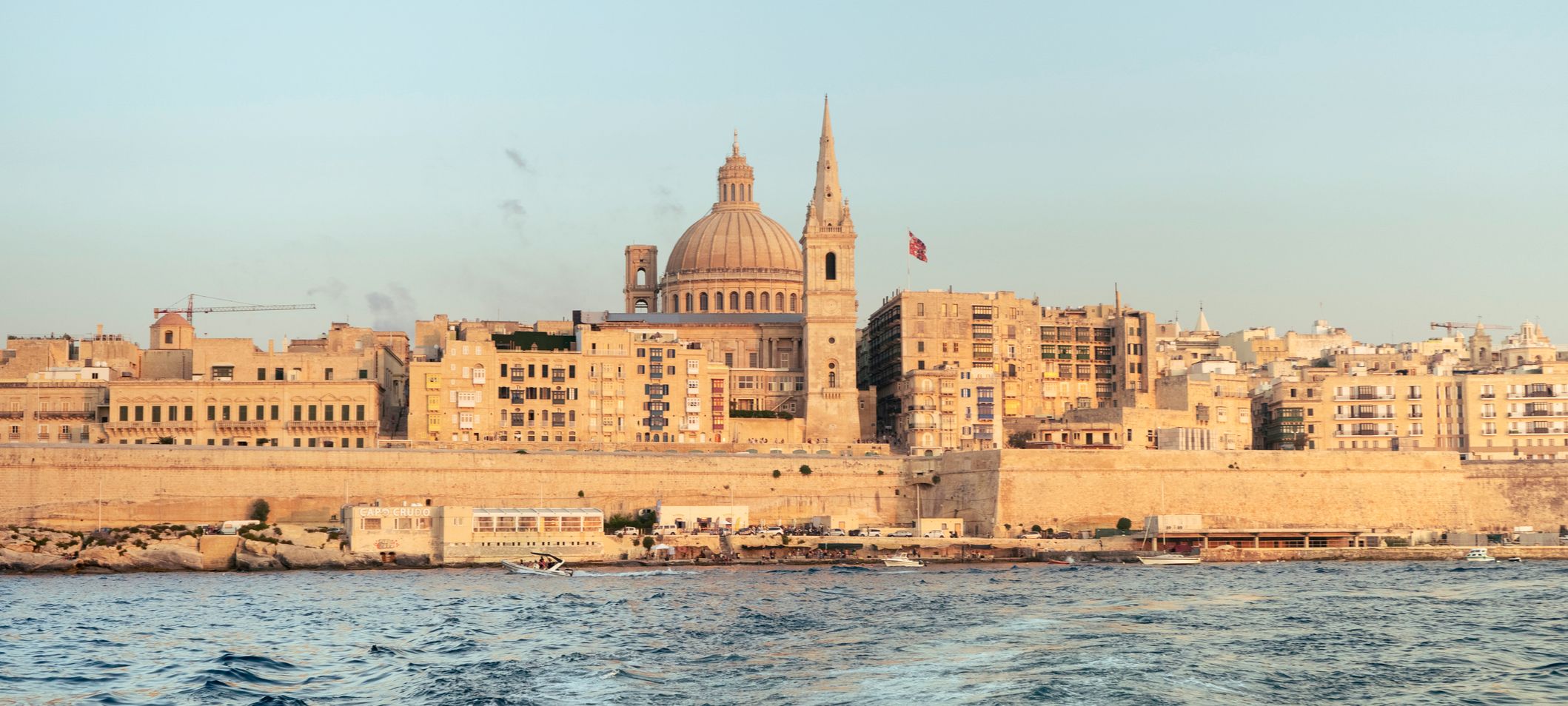
Valletta looks expensive because it has palaces, limestone bastions and a harbour entrance arranged with the confidence of a country expecting to appear on commemorative crockery. Fortunately, many of its best experiences are public spaces.
From Valletta Waterfront, walk to the Barrakka Lift. It rises 58 metres from the harbour to the Upper Barrakka Gardens in around 23 seconds, removing the least enjoyable part of sightseeing in a fortified city. A same-day return currently costs €1.
The gardens overlook the Grand Harbour and the Three Cities, with Senglea, Cospicua and Birgu spread across the creeks below. From there, walk through Valletta’s grid of steep streets, passing the Auberge de Castille, St John’s Co-Cathedral and the Grandmaster’s Palace before continuing towards the Lower Barrakka Gardens. The cruise port’s own walking routes allow around two to three hours for the central sights.
For the best-value addition, return towards the harbour and take the public ferry across to Cospicua. An adult return fare is currently €2.80, and a valid ferry ticket includes use of the Barrakka Lift on the same day, so don’t pay twice unless you’ve developed an unexpected interest in supporting vertical transport.
Across the water, follow the marina into Birgu, wandering its stone lanes and waterfront before returning by ferry. Allow around €10 to €12 for a pastizz, sandwich, coffee or light lunch.
What you’ll spend: around €13 to €16, including the return ferry and food.
Tallinn on a budget: medieval streets, free viewpoints and market lunch
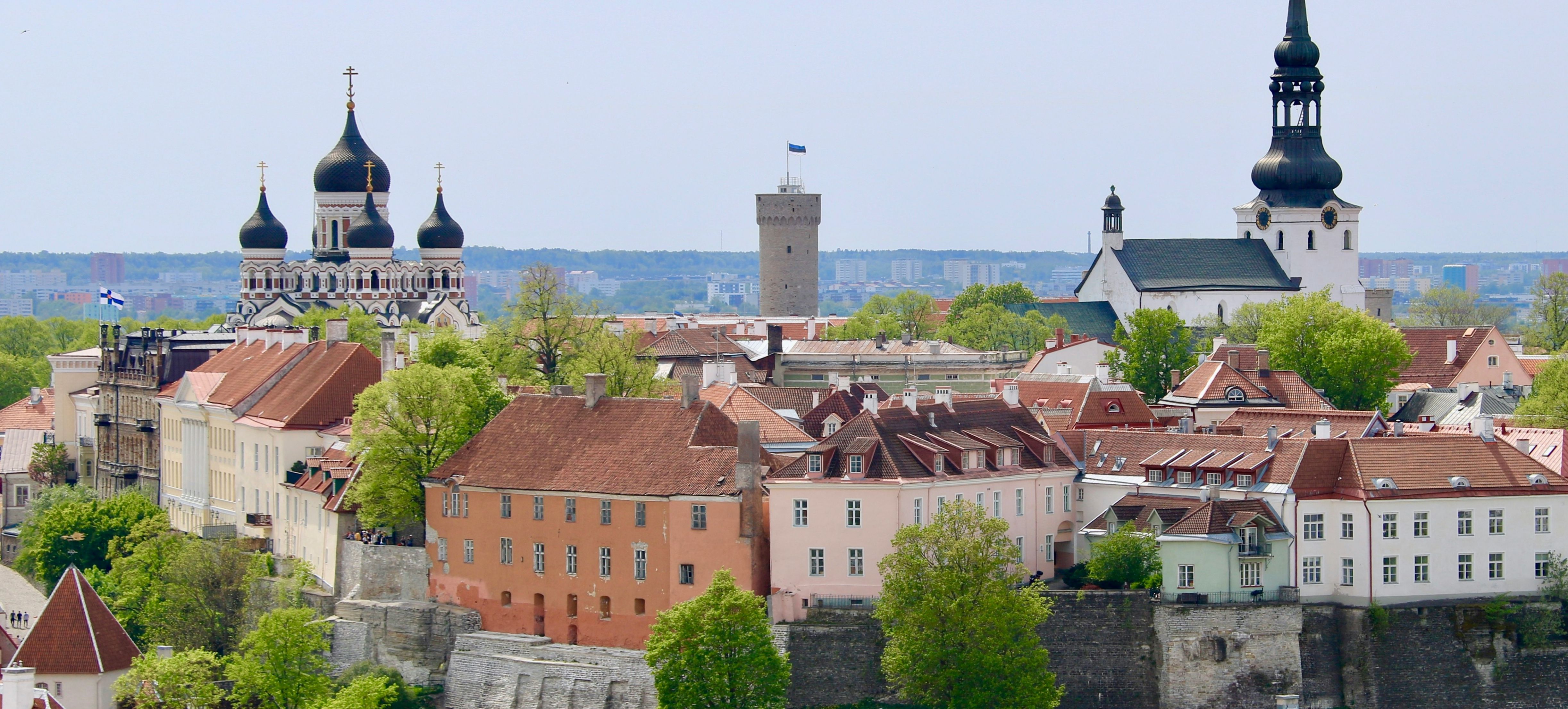
Tallinn’s cruise terminal has committed the unusual act of becoming an attraction itself. Its 850-metre rooftop promenade is free, open around the clock and links the port with the waterfront path towards Kalamaja. It’s a pleasant start to the day, although walking across the roof of the building you’ve just walked through may cause a brief crisis of direction.
Tallinn’s Old Town is around 15 to 20 minutes on foot from the main port terminals. Enter near the Fat Margaret tower (excellent name) and follow Pikk Street towards Town Hall Square, passing medieval guild houses, courtyards and churches along the way.
The best views require effort but no money. Climb Toompea Hill to the Kohtuotsa and Patkuli platforms, both open free of charge. From Kohtuotsa, the red roofs and church spires lead towards the harbour; Patkuli overlooks the city wall, defensive towers and Kalamaja. Tallinn has wisely decided not to monetise every elevated surface.
Descend towards Balti Jaam Market, which contains almost 300 traders across three floors. The ground level combines produce, fish, meat and a street-food area, making it a practical lunch stop rather than the sort of market where the only affordable object is a photograph of the market.
Allow €10 to €15 for lunch, then return through Kalamaja and the cruise-terminal promenade.
What you’ll spend: roughly €10 to €15, with no transport or attraction costs.
Helsinki on a budget: Suomenlinna fortress for the price of a ferry
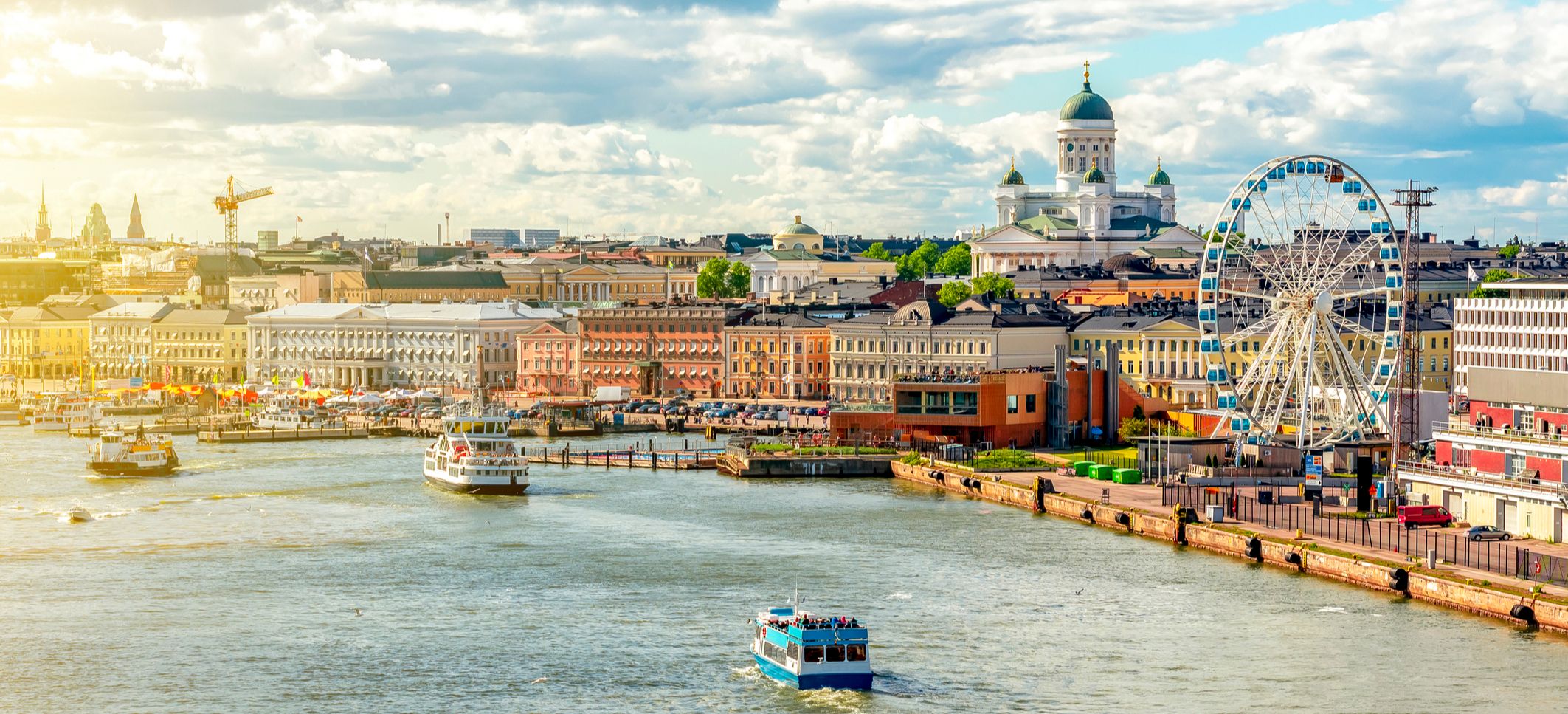
Helsinki’s reputation for Nordic pricing may suggest that £20 will purchase half a cinnamon bun and the right to look briefly at a coffee. Public transport and free civic spaces make it far more manageable.
Start at Market Square beside the South Harbour. The stalls sell Finnish food, coffee, produce and handicrafts, while the adjacent Old Market Hall has traded since 1889. Browse first and eat later, unless you have the financial discipline to encounter smoked fish at breakfast without immediately buying it.
From the square, take the municipal ferry to Suomenlinna. The journey takes around 15 minutes and uses a standard HSL zone AB ticket. An adult single currently costs €3.30, so the return journey costs €6.60 if each ticket is bought separately. An AB day ticket costs €10.60 and may be better value if you also need public transport between your cruise berth and the centre.
There’s no admission fee for Suomenlinna itself. The fortress spreads across several islands, with roughly six kilometres of walls, more than 100 surviving cannons, tunnels, dry docks and sea views included in the cost of getting there. Museums charge separately, but the principal outdoor sights are free.
Back in the centre, walk through Senate Square and visit the free Helsinki City Museum, then continue to Oodi. The central library is open to everyone and has a top floor with city views, reading areas and enough immaculate Scandinavian furniture to make your own living room feel personally criticised.
Set aside €10 to €12 for coffee, a pastry or a market lunch. Using two ferry tickets rather than a day pass leaves the most room in the budget.
What you’ll spend: about €17 to €19 with return ferry travel and food, or around €21 with an AB day ticket and a smaller snack budget.
Split on a budget: Diocletian’s Palace, Marjan Hill and Bačvice Beach
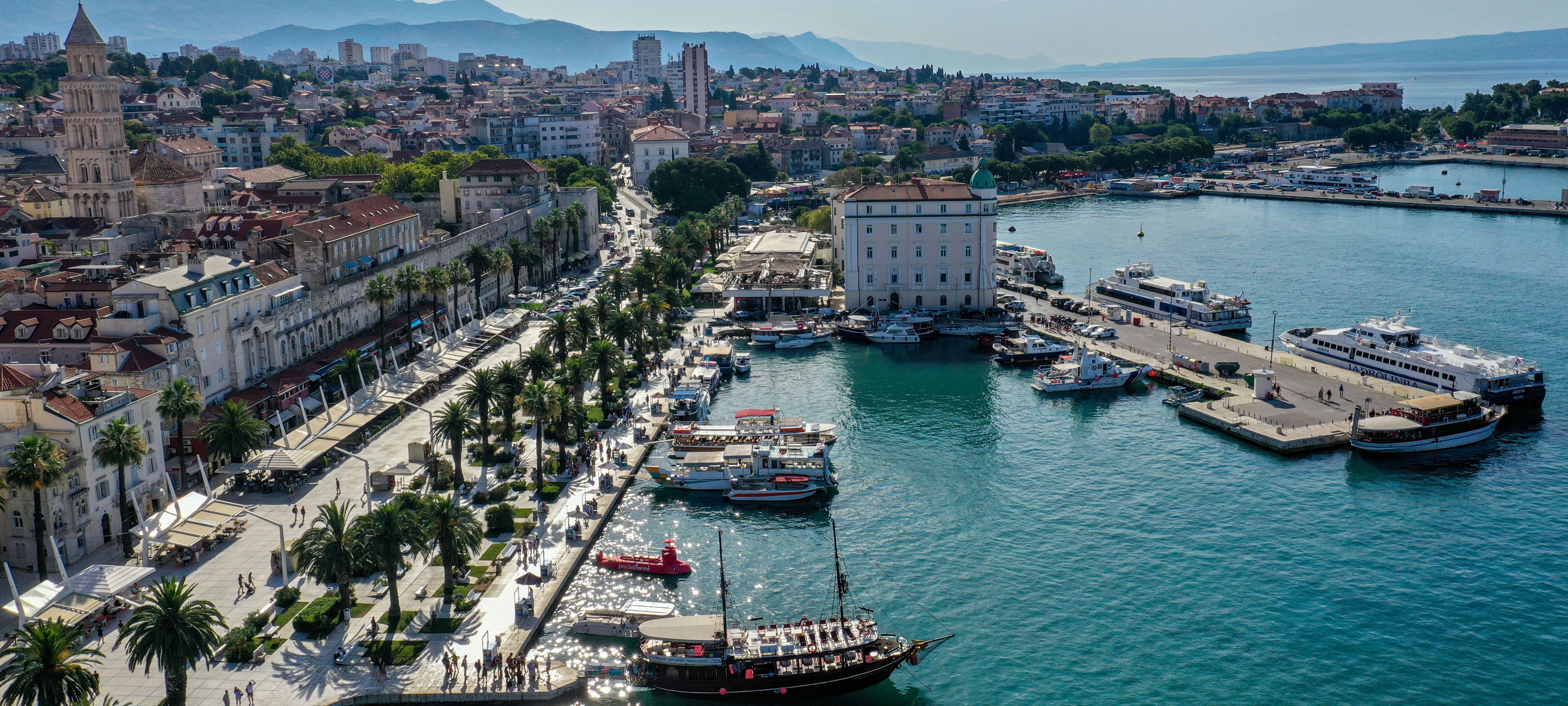
Split has the useful quality of placing a Roman imperial palace, a waterfront promenade, a market, a forested hill and a public beach within walking distance of the harbour.
Begin at Pazar, the outdoor market immediately beside the eastern wall of Diocletian’s Palace. It’s one of the centres of daily life in Split, with produce, flowers, cheese and other Dalmatian ingredients displayed beside the ancient Silver Gate. Browsing costs nothing, although the appearance of ripe figs may interfere with this arrangement.
Enter the palace through the gate and explore its streets, courtyards and squares. Diocletian’s Palace isn’t a sealed monument but part of the living city, with cafés, homes and shops occupying a Roman complex built as both an imperial residence and military camp. The cathedral, cellars and individual museums charge admission, but wandering through the Peristyle, Vestibule and old streets is free.
Continue along the Riva, then climb through Veli Varoš towards Marjan. The hill’s paths lead to viewpoints, small medieval churches and pine forest overlooking the city and islands. You don’t need to reach the summit for a satisfying view, particularly if the temperature has begun making increasingly personal remarks.
There are two good ways to finish. Continue around the coast to Sustipan, a public park overlooking the marina and islands, or return past the harbour and walk to Bačvice. The sandy city beach lies close to the port and is famous for picigin, a local game played in the shallows with a small ball and an heroic refusal to let it touch the water.
Allow €10 to €15 for something from the market or a bakery, and bring swimming things if the weather suits.
What you’ll spend: approximately €10 to €15.
Lisbon on a budget: Alfama viewpoints and a day of very affordable climbing
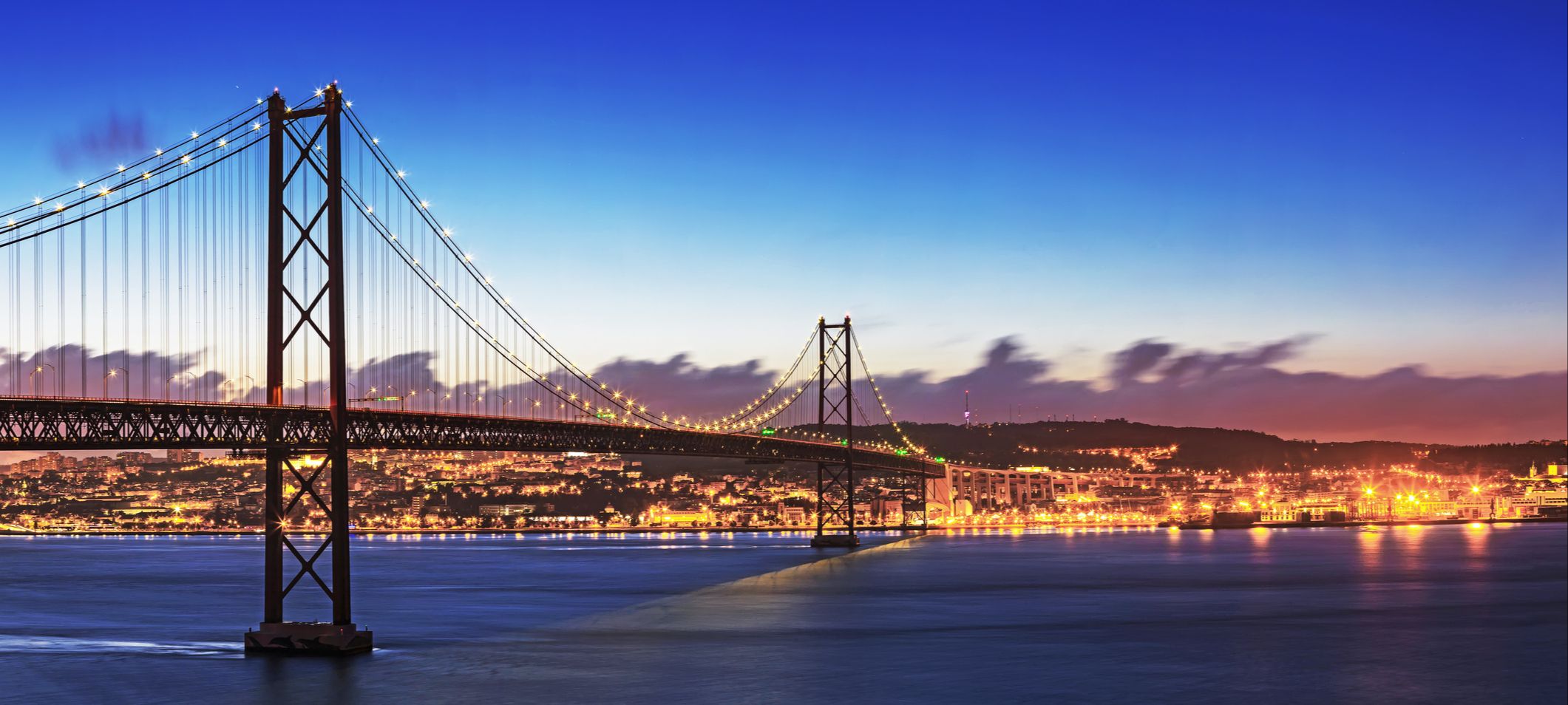
Lisbon Cruise Port places passengers close to the oldest part of the city. Alfama is around ten minutes on foot from the terminal, which sounds almost suspiciously convenient until you remember that much of the journey continues upwards.
Walk into Alfama through the lanes near the Fado Museum, then climb towards Lisbon Cathedral and Miradouro de Santa Luzia. The viewpoint overlooks tiled roofs, church towers and the Tagus, while its shaded terrace and decorative azulejos make it more than somewhere to take a photograph and immediately leave. Continue to Portas do Sol, then wander uphill through Graça if your knees remain supportive of the project.
From Graça, descend through Mouraria towards Rossio and Praça do Comércio, then follow the river back to the ship. This costs nothing beyond whatever emotional price you attach to cobbled hills.
For a less athletic version, buy a 24-hour Carris and Metro ticket for €7.25. It covers buses, trams, the metro and Lisbon’s public funiculars, letting you use transport strategically rather than queuing exclusively for Tram 28. A single onboard tram fare is €3.30, while the new Graça funicular costs €4.30 for up to two journeys if bought onboard, so the day ticket becomes sensible fairly quickly.
Allow €10 to €12 for coffee, pastries and a simple lunch. Lisbon makes remaining below budget quite achievable, provided the phrase “simple lunch” doesn’t gradually become wine, petiscos and a second custard tart for research purposes.
What you’ll spend: around €10 to €15 on foot, or €17 to €20 with a public-transport day ticket.
How to keep a cruise port day under £20
The cheapest independent port days have three things in common: the ship docks close to the centre, the city offers worthwhile public spaces, and you resist paying somebody to transport you past places you could have walked through.
Download an offline map before leaving the ship, carry a reusable bottle and check the final boarding time before setting off. Markets are useful for inexpensive lunches, but prices vary, and “I’ll just browse” remains one of the less credible statements in travel.
A free port day doesn’t have to mean spending six hours sitting on a bench with a banana brought from breakfast. In the right city, £20 can buy a ferry across an island-filled harbour, lunch in a local market and a full day of beaches, fortresses, parks and viewpoints.
The expensive part has already brought you there.