
Hurricane season and the Caribbean: two phrases that don’t exactly sound like a holiday match made in heaven. The truth, though, is far more nuanced. While the Atlantic season officially stretches from June through November, the majority of sailings go ahead without a hitch. Ships are mobile, captains watch the weather like hawks, and there are whole swathes of the Caribbean that sit outside the main hurricane belt altogether.
The pay-off for travellers? Lower fares, warmer seas, and far fewer school-holiday crowds. The trade-off? A little flexibility, a sensible approach to booking, and the willingness to treat an altered itinerary as part of the adventure rather than a deal-breaker.
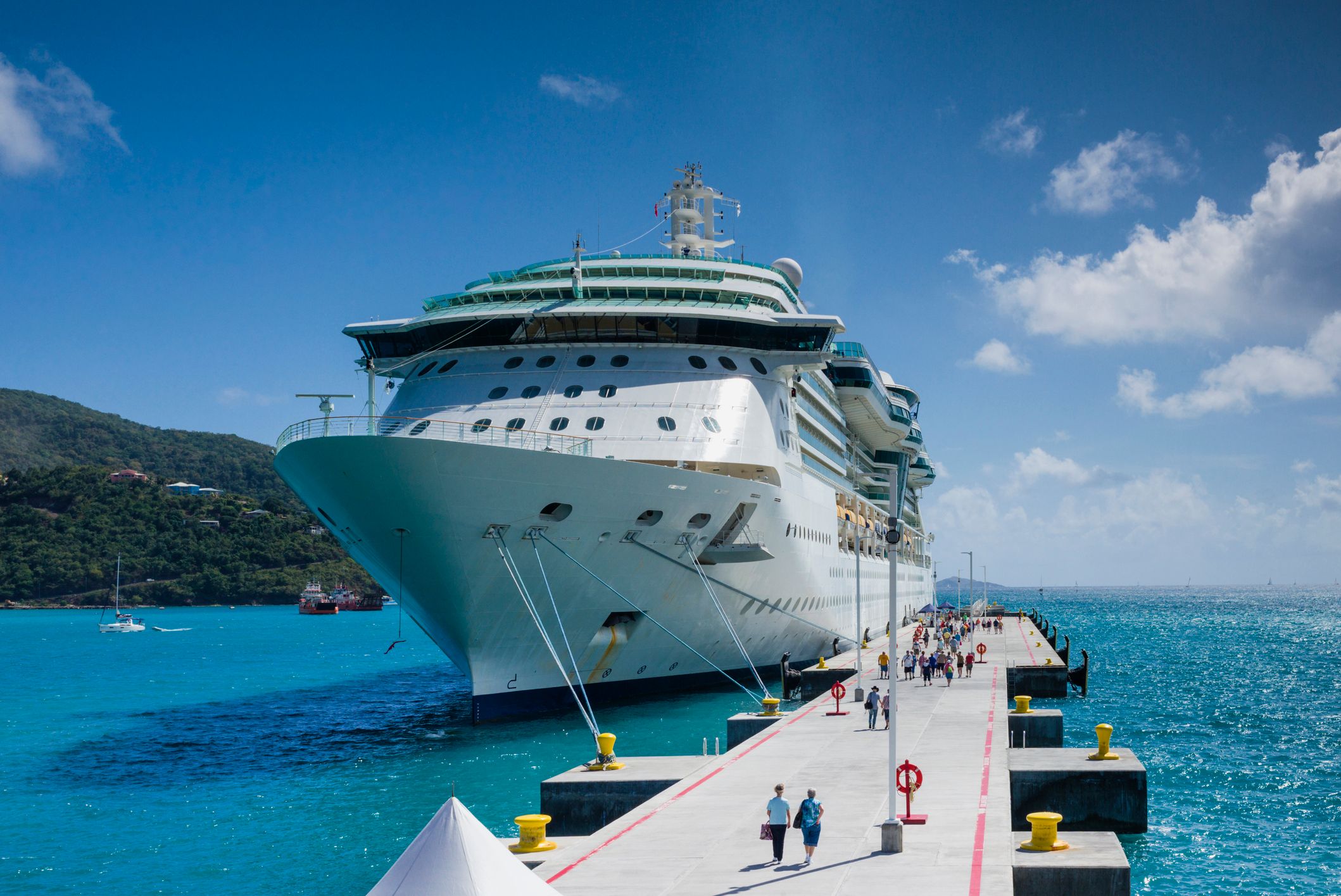
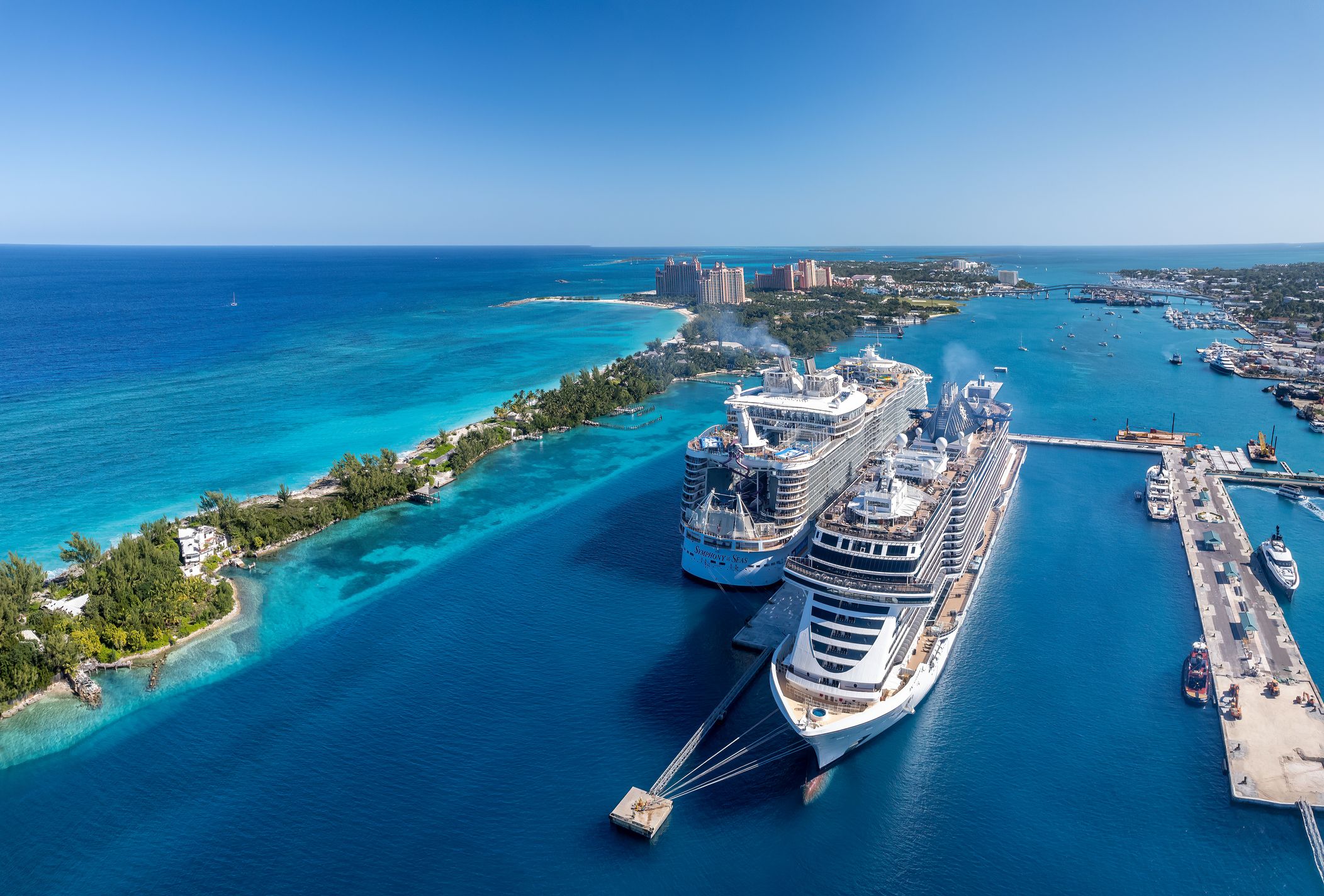
In this guide we’ll take a clear, jargon-free look at the pros and cons of cruising the Caribbean in late summer. From where to sail for the lowest storm risk, to how cruise lines actually handle tropical weather, to the kind of travel insurance that'll cover every eventuality. We’ll cut through the noise and show you how to cruise with confidence, even in peak season.
What “hurricane season” actually means
In the Atlantic (which includes the Caribbean and Gulf of Mexico) hurricane season runs June 1 to November 30, with activity ramping up from mid‑August to mid‑October and peaking around 10 September. That doesn’t mean constant chaos; it means a higher chance of tropical systems, and occasional itinerary shuffles when prudent.
Where to sail for the least weather angst

Not all Caribbean routes carry the same risk profile in late summer:
- Southern Caribbean “ABC” loop (Aruba, Bonaire, Curaçao): these islands sit outside the main hurricane belt, so direct hits are rare. If you want warm seas with the lowest odds of storm disruption, this is the canny choice. (Storm swell and showers can still happen.)
- Barbados, Trinidad & Tobago, Grenada: also on many “southern” itineraries with historically fewer impacts than the northern/eastern islands. You still watch forecasts, but statistically they’re a steadier bet in peak months.
Prefer a classic Eastern or Western Caribbean circuit in August–September? It’s doable; just embrace that the captain may reroute to sunnier, safer ports if weather stirs. That flexibility is the point.
What cruise lines actually do when a storm pops up
Cruise ships don’t “sail into” hurricanes; they avoid them. Lines actively track NOAA/NHC guidance and will change ports, reverse orders, or switch to another region to keep you safe and your holiday running. The ticket contracts explicitly allow these changes for weather and other safety reasons, standard across the industry. Put differently: you’ll almost always still cruise, just perhaps to a different mix of ports.
Insurance that lowers your blood pressure


Two simple truths unlock most of the peace of mind:
- Buy before a storm is named. Insurance treats a named hurricane as a “known event.” Coverage for that particular storm won’t apply if you purchase after it’s named (you can still be covered for future storms). Timing matters.
- Know what’s covered. Standard Trip Cancellation/Interruption typically kicks in if severe weather makes your accommodation uninhabitable or causes a common carrier (airline or cruise) to shut down services for a set time (often 24–48 hours). Read the trigger wording.
- Consider CFAR (Cancel For Any Reason) if you’re highly risk‑averse. It’s an optional upgrade that reimburses about 50–75% of prepaid, non‑refundable costs when you cancel for reasons not listed on a standard policy—so long as you buy it shortly after your first trip payment (commonly within 7–21 days) and cancel at least ~48 hours before departure.
Ships, routes and booking choices that help
- Favour southern routes (Barbados, Grenada, Trinidad & Tobago) if you want the lowest‑stress late‑summer option.
- Build in buffers. Fly in a day early so flight wobbles don’t threaten embarkation.
- Book flexible, and pack flexible. Choose refundable or changeable airfares; treat ports as a wish‑list, not a promise. Cruise contracts say itineraries can change for weather—better a different beach than no beach.
- Follow official forecasts. The U.S. National Hurricane Center provides clear, frequent updates; it’s what lines use too.
Smart Q&A

Is August–September a terrible idea?
Not if you go in with eyes open. It’s the climatological peak, so flexibility matters, but ships are mobile and reroute around trouble. You’ll often pay less than winter, with warmer water and fewer families once school’s back.
Which islands feel the steadiest then?
The ABC islands are the poster children for “low hurricane risk,” thanks to geography. Southern one‑way or deep‑south loops that include Aruba/Bonaire/Curaçao are your serene lane.
If my ports change, do I get a refund?
Usually no, a port swap is within the contract. Lines may offer onboard credit or auto‑refund cancelled excursions, but the holiday typically goes ahead, just with different stops.
What insurance should I actually buy?
At minimum, a comprehensive policy with hurricane/severe weather coverage—purchased before any storm is named. If you want maximum wiggle room, add CFAR within its purchase window (often 7–21 days after your first payment).
The verdict
If you crave the best prices and warm seas, late‑summer Caribbean cruising can be an excellent trade—provided you: pick southern routes, accept itinerary flexibility, and sort your insurance early. Do that, and hurricane season becomes less drama, more bargain…with a side of steel drum and sunset.