Cruise itineraries are generally straightforward. Barcelona means Barcelona. A sea day means sea. Then, somewhere between the two, you might find “scenic cruising Glacier Bay”, “Stockholm Archipelago” or “Fiordland National Park”, with no berth, excursion list or obvious indication of what you're supposed to do. The answer is: stay on the ship and look outside.
Scenic cruising is used for stretches of a voyage where the route itself is considered an attraction. That can mean glaciers, fjords, archipelagos, canals or particularly dramatic coastlines. You don't disembark, but the ship may slow down, change course or linger at the main viewpoint. And occasionally those inconspicuous words on the itinerary turn out to describe the very best day of the cruise...
What happens on a scenic cruising day?
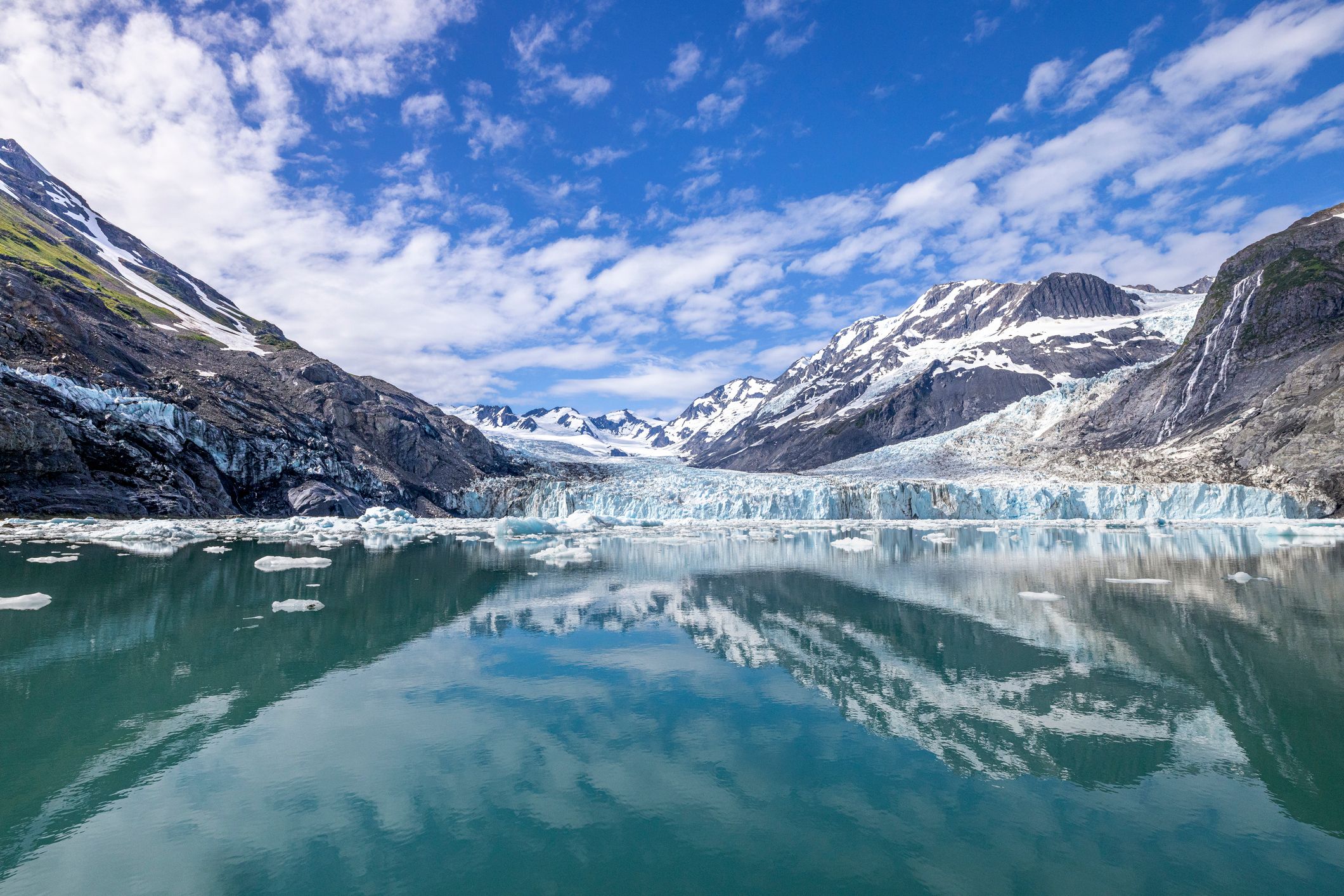
Reflections of a Tidewater Glacier
There isn't one standard format. At the substantial end of the scale is Glacier Bay in Alaska. Cruise ships typically spend nine to ten hours inside the national park, travelling more than 120 miles and stopping for around an hour at a major tidewater glacier. National Park Service rangers board for the day to provide commentary and help passengers understand what they're looking at.
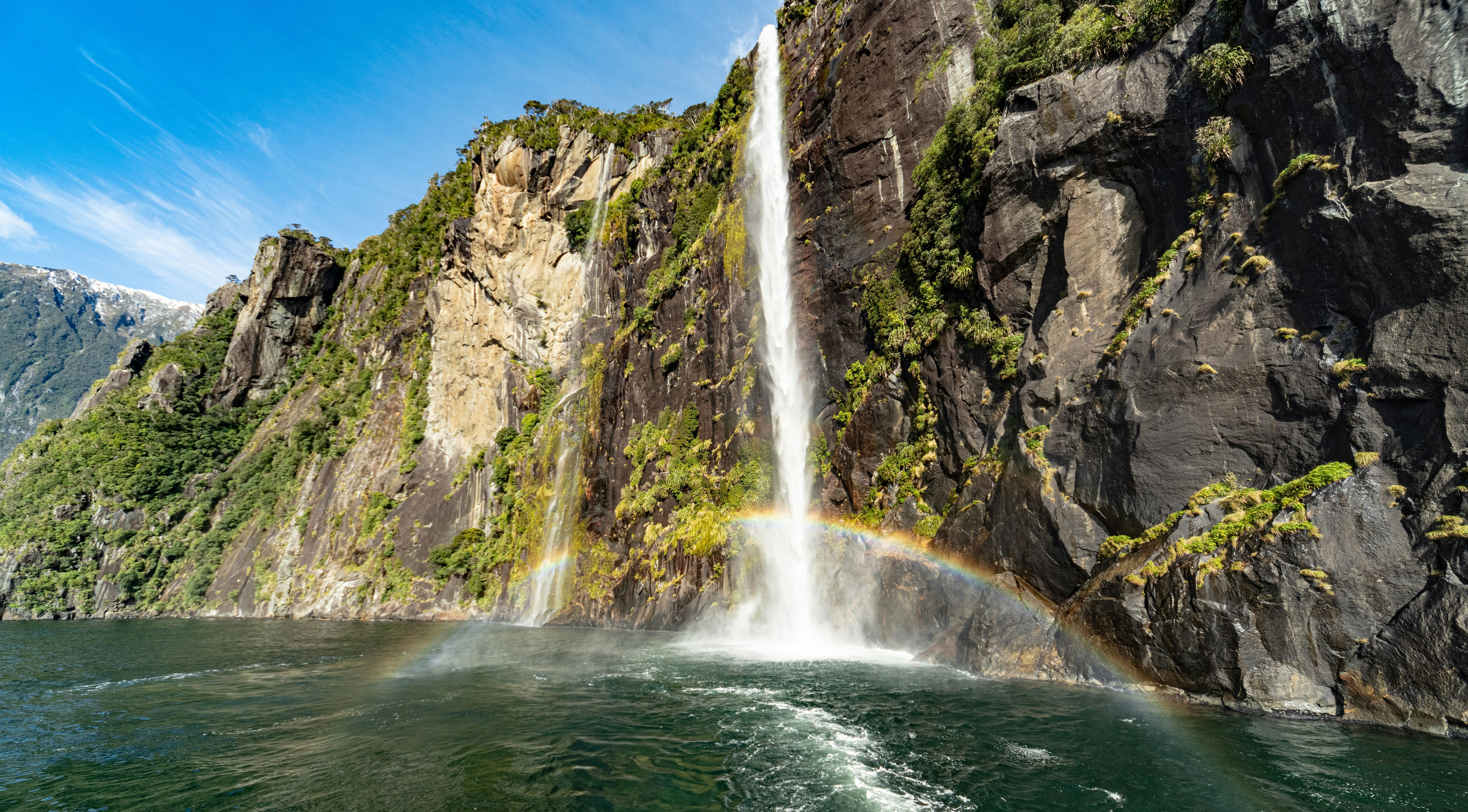
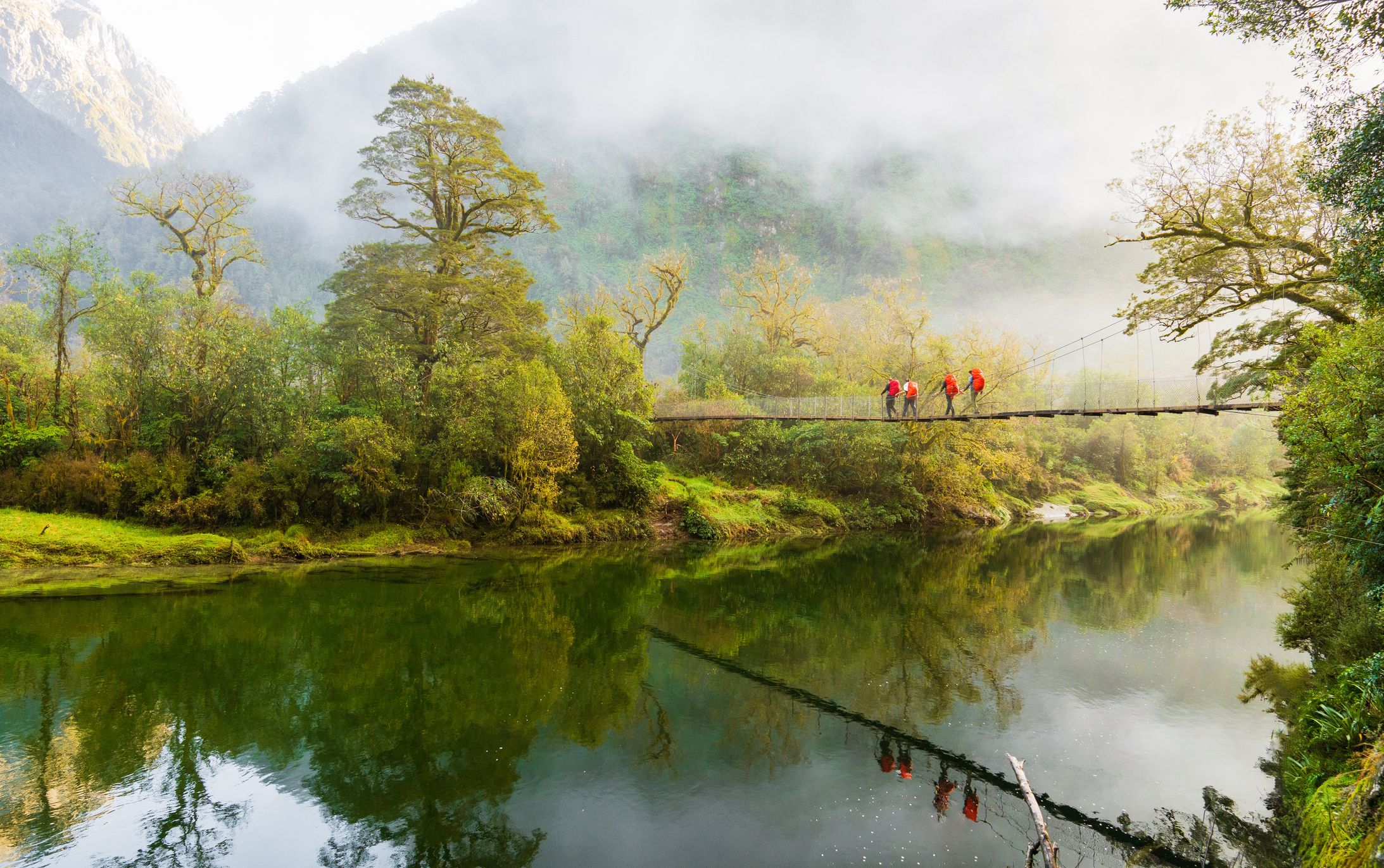
Fiordland in New Zealand works differently. Ships can sail through Milford, Doubtful and Dusky sounds without docking, bringing waterfalls, rainforest and mountains directly alongside the vessel.
Elsewhere, scenic cruising can simply be part of arriving somewhere. Stockholm's cruise ships approach through an archipelago of around 30,000 islands, an arrival the city's tourism authority describes as an experience in itself.
So “scenic cruising” might mean an hour in front of a glacier, several hours through a fjord or scenery appearing throughout most of the day. Check the daily programme once onboard. It's usually much more useful than the two words you were given when booking.
Is a balcony worth paying for?
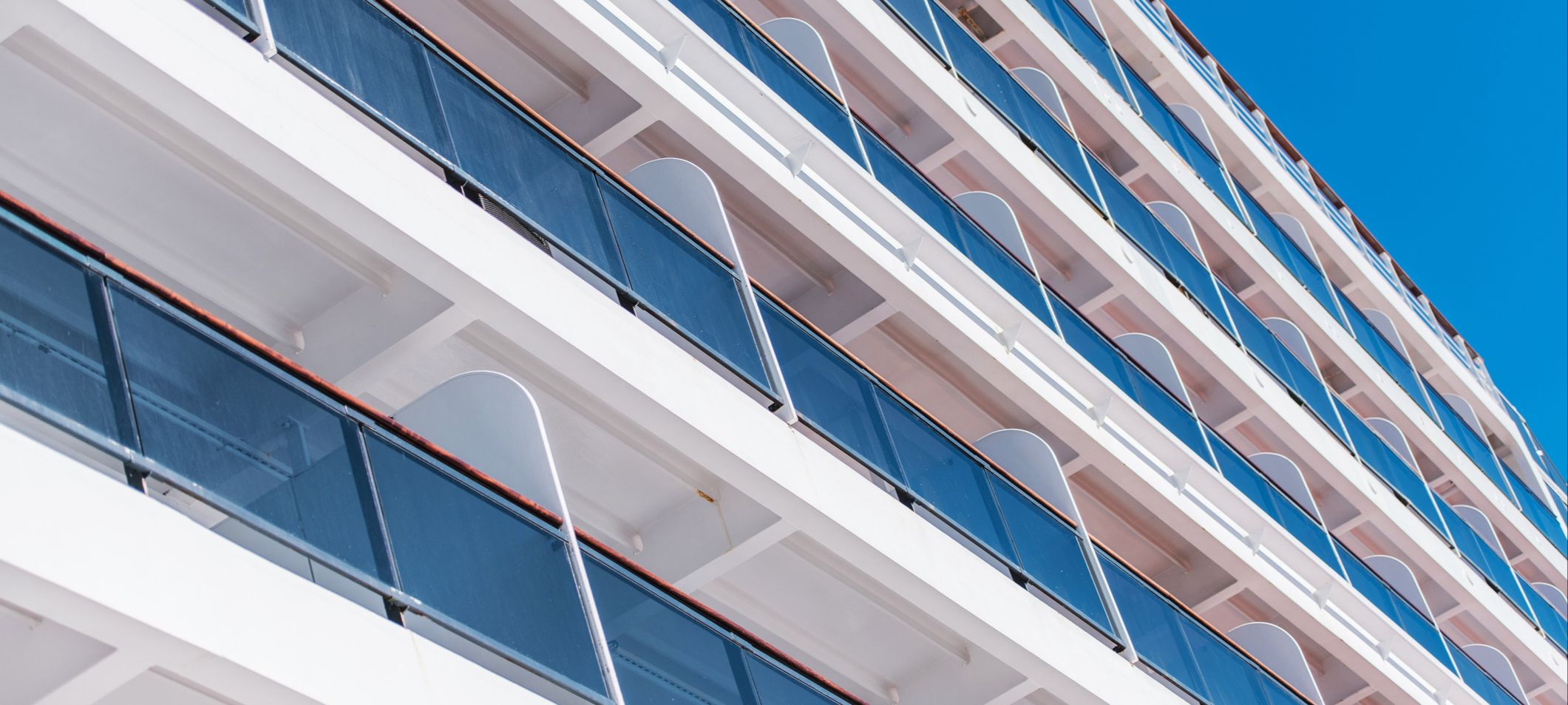
A balcony is lovely for scenic cruising, but it isn't necessary. Its main advantage is convenience. If you're crossing Glacier Bay for nine hours, you can step outside whenever something interesting appears without spending the entire day protecting six inches of railing from other passengers.
It's particularly useful in cold or wet destinations because your cabin is approximately one step away. But balconies also show you only one side. Open decks give you a wider view, let you move when something appears elsewhere and are often better for understanding the sheer scale of a glacier or fjord. Even Princess, while recommending balconies for watching a Panama Canal transit, also points passengers towards the top deck.
So I'd regard a balcony as an excellent luxury rather than a prerequisite. If you've booked an inside cabin, you haven't ruined Glacier Bay. You've merely lost the ability to watch it while wearing hotel slippers.
When ‘at sea’ doesn't really mean at sea
This is the bit worth paying attention to when comparing itineraries. A brochure can make the days between ports look like empty space. Geographically, they may be anything but.
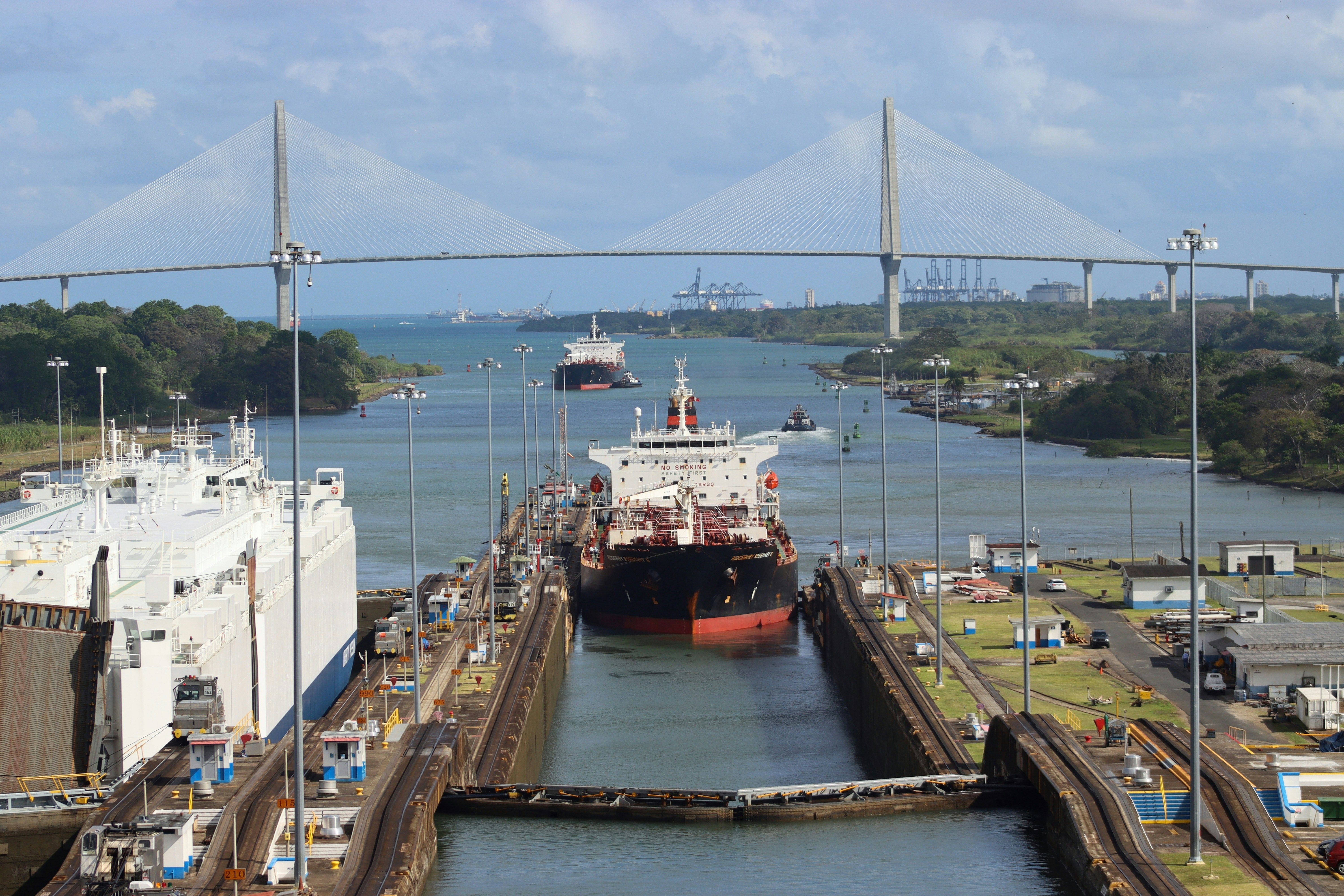
The Panama Canal is perhaps the most obvious example. Princess lists Gatún Lake as scenic cruising, with passengers watching the canal's locks and tropical landscape from the ship.
A New Zealand itinerary might pass through three Fiordland sounds without making a port call. An Alaska cruise can devote an entire day to Glacier Bay. And Stockholm begins announcing itself through thousands of islands long before the ship reaches its berth.
The route between the dots can therefore matter almost as much as the dots themselves. When comparing cruises in Alaska, Norway, Patagonia, New Zealand or other heavily indented bits of the planet, look beyond the port list and check exactly where the ship sails.v An “at sea” day crossing open ocean and one threading through an archipelago may have been allocated identical space in the itinerary.
How to get the most from scenic cruising
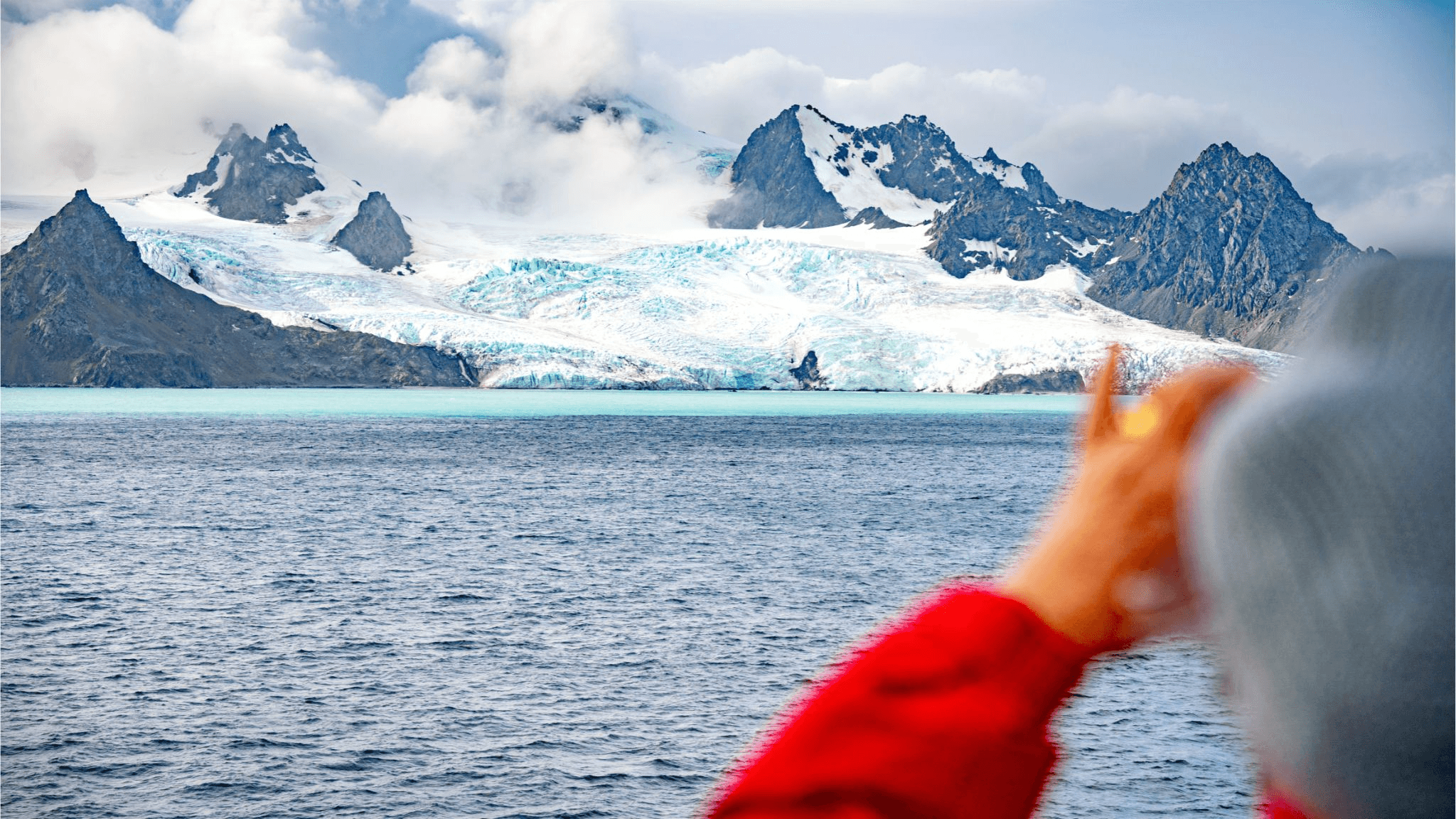
The one genuinely important piece of preparation happens the night before. Check the timings. Scenic cruising often begins early, particularly in places such as Glacier Bay, where ranger boarding and the first major views can happen in the morning. The National Park Service specifically recommends checking the onboard schedule to find out when the ship will reach the major glacier.
If wildlife is possible, bring binoculars. If the ship provides commentary, listen when something significant is approaching. And don't assume the most interesting part of the day will coincide neatly with lunch. Most importantly, don't remain attached to one viewing spot simply because you arrived there first. A scenic cruising day is one of the few occasions onboard when wandering around with no particular plan is fairly close to optimal behaviour.
Which scenic cruising itineraries are worth looking for?
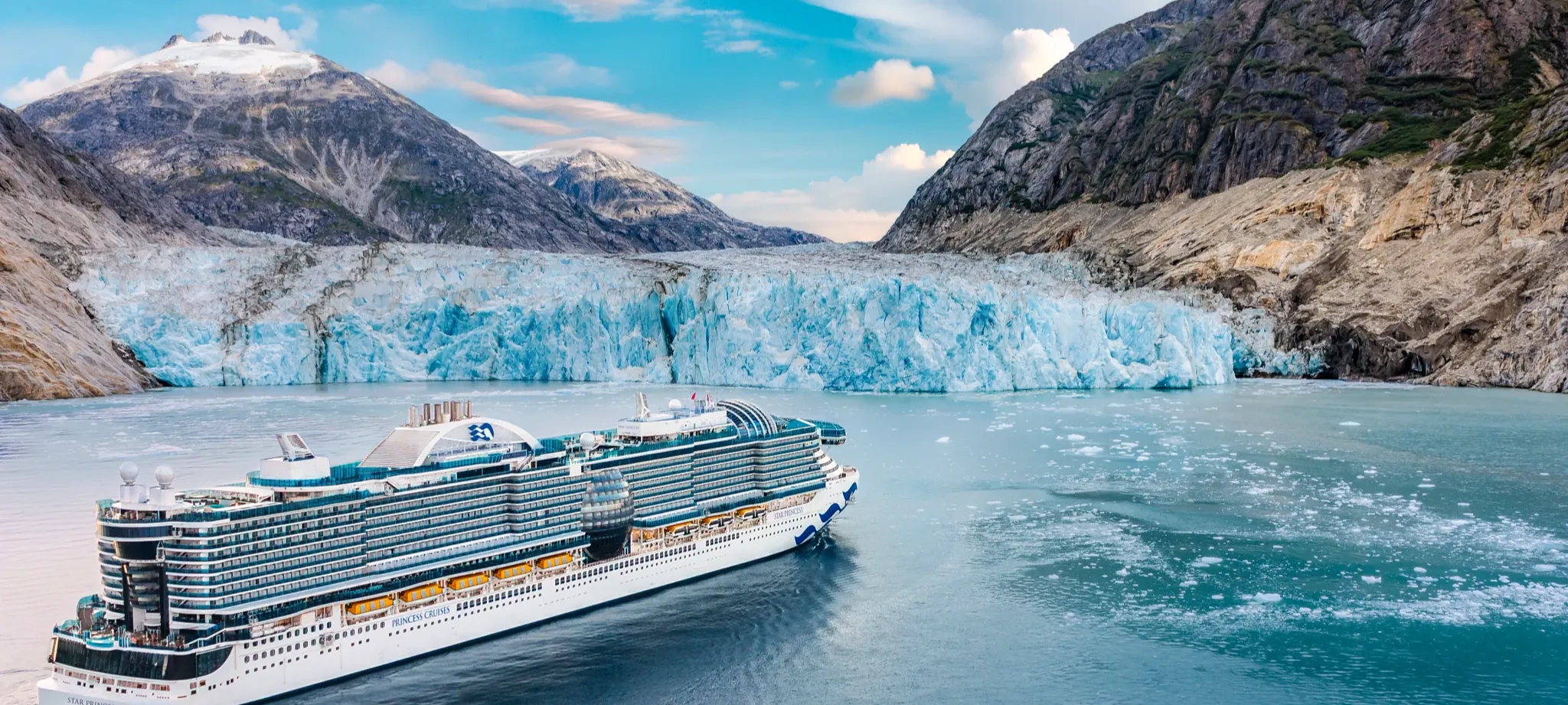
Glacier Bay is probably the clearest example to seek out deliberately. A full day inside a national park, viewed from the water with rangers onboard, adds something genuinely substantial to an Alaska itinerary.
Fiordland is another. Milford, Doubtful and Dusky sounds can all feature as scenic passages on New Zealand cruises, and there is no need for the ship to dock for the landscape to become the day's main attraction.
The Panama Canal offers engineering rather than glaciers, while Stockholm proves scenic cruising doesn't require mountains of geological menace. Sometimes thousands of little islands and red wooden houses will do perfectly well. The common factor is that you're seeing somewhere in a way that would be difficult, or impossible, from land.
Which is perhaps the useful way to think about scenic cruising when choosing an itinerary. Ports tell you where the ship stops. Pay attention to where it goes as well.