Cruise maps used to feel solid. You booked a voyage, drew a hopeful line across the atlas, and assumed both would match. In 2026, that line has become more of a pencil sketch. Politics, security and new environmental rules are frequently tugging at ship routes in new directions, and the brochures are playing catch up.
Here is what is moving, what it means from a UK point of view, and how not to lose your sense of humour when “Day 4: Red Sea transit” suddenly becomes “Day 4: sea day, somewhere off the coast of Namibia”.
The Red Sea detour
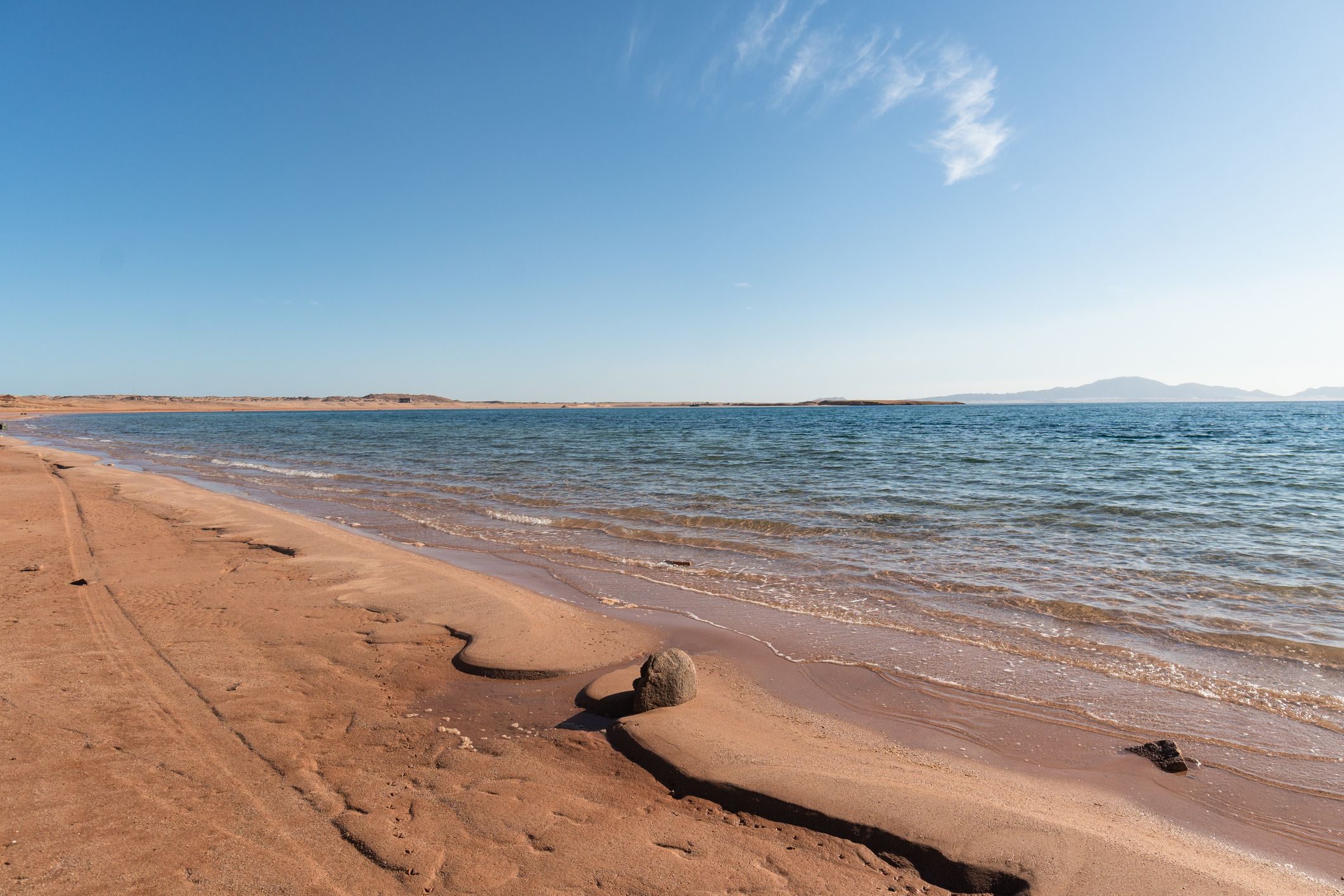
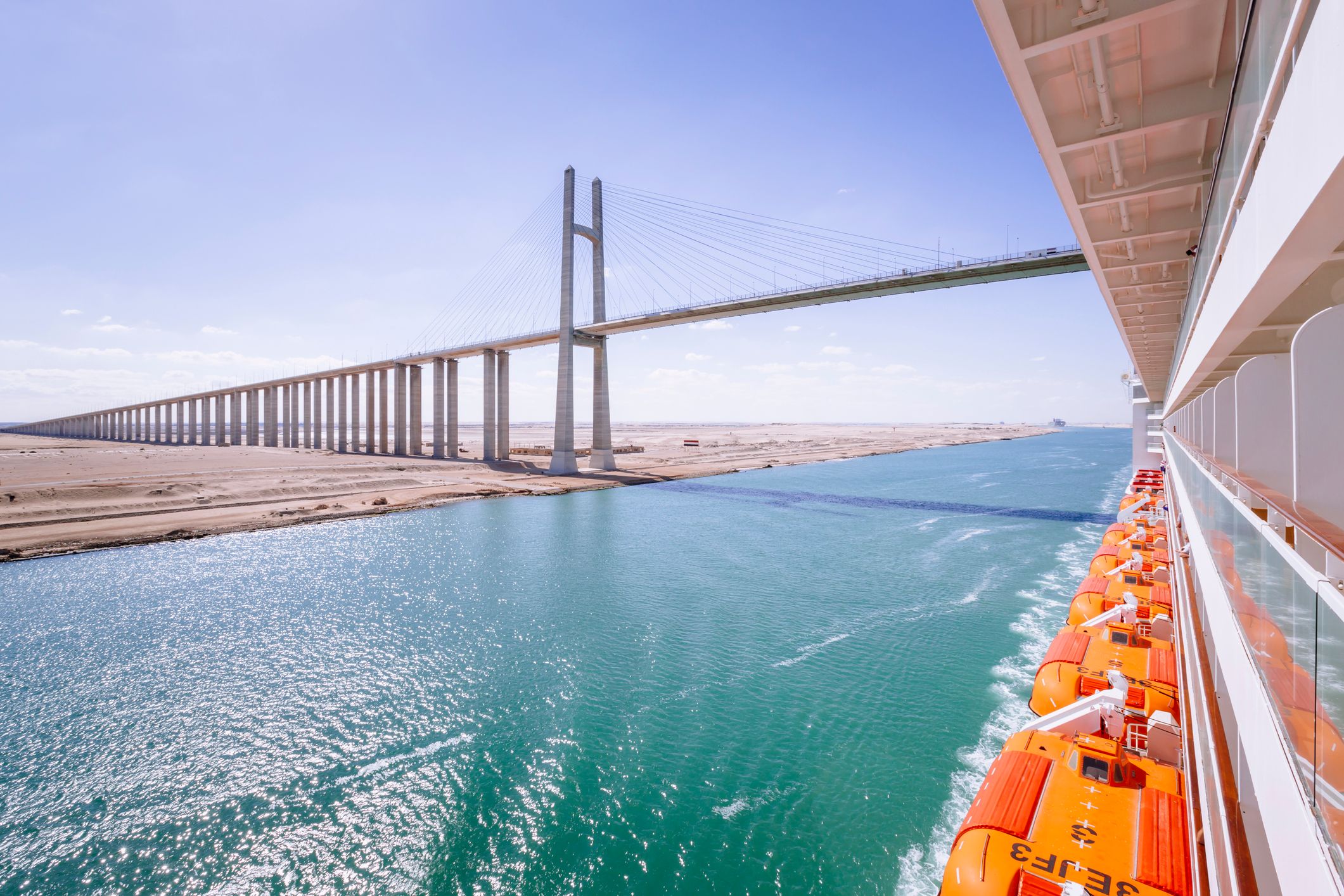
The biggest redraw on the global map is the obvious one. Attacks on commercial shipping in the Red Sea have pushed many vessels away from the Suez Canal route, adding detours around the Cape of Good Hope and spooking insurance companies in the process.
Cruise lines have followed suit. World cruises that once snaked neatly from the Mediterranean through Suez to Asia have been rerouted or reworked, with some lines swapping Red Sea transits for longer loops around Africa. One example: MSC Cruises was forced to alter part of its 2025 world cruise because of Middle East security concerns, which in turn meant cancelling a planned Baltic season for MSC Magnifica in 2026.
For UK travellers, that has two effects. First, anything that relied on Suez as a shortcut is more fragile than it looks. Repositioning voyages and very long itineraries are still happening, but with far more scope for last minute re-routing. Second, the knock-on redeployments mean extra capacity in safer waters. If you think you are seeing more ships doing Canary Islands loops or longer Western Mediterranean seasons, you are not imagining it.
Caribbean curveballs and Haiti
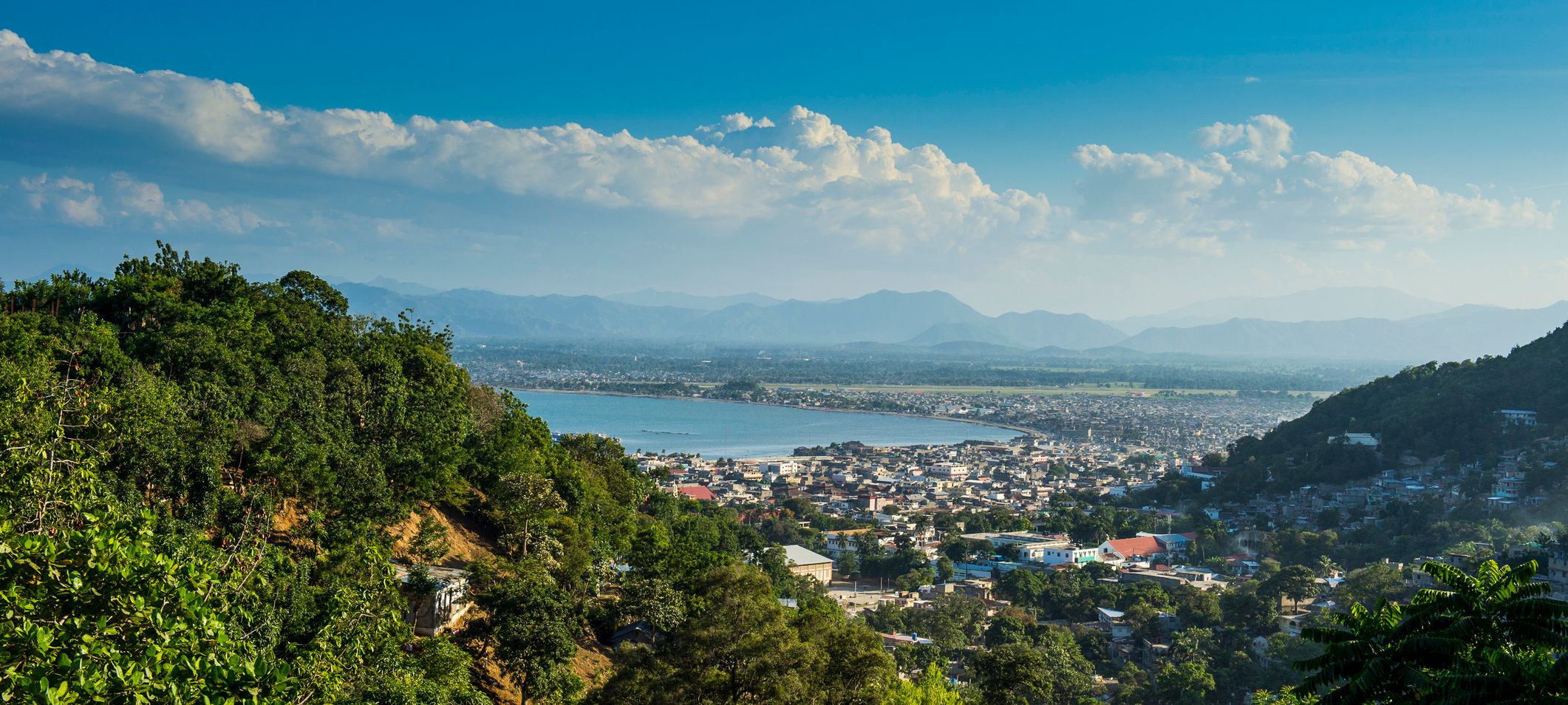
The Caribbean has its own quiet red lines. Haiti’s deepening security problems have prompted Royal Caribbean to suspend calls to its private destination Labadee, after initially pausing visits in 2024 and then extending the suspension into 2025 while it reviews the situation.
On paper, that might look like a small tweak. Labadee is a fenced off beach day rather than a downtown call. In practice, it has nudged some Eastern Caribbean itineraries into new shapes. A sailing that once read “Labadee” might now pick a different private island in the Bahamas, or an extra stop in the Dominican Republic.
The lesson is that even “private resort” calls depend on the state of the wider country. It is also a reminder that the line in your confirmation email that reads “or similar port” is not corporate poetry. It is there because things change.
Can you still cruise to Greenland?
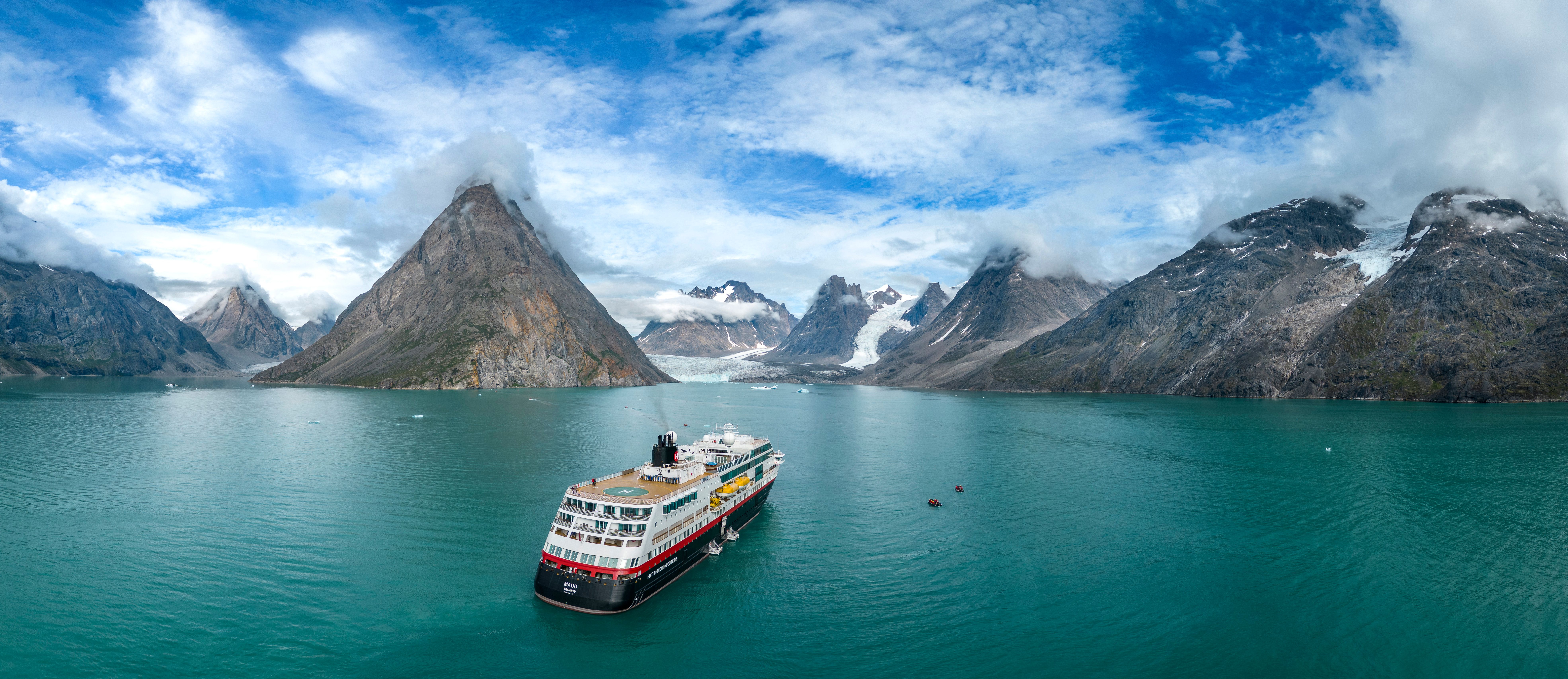
Short answer: yes. Longer answer: yes, but with some additional context.
On the policy side, Greenland’s own government has been clear that the future of tourism should be smaller scale and tightly managed, with more money staying in local communities. Recent strategy work talks about capping capacity, introducing higher-yield, lower-impact cruise calls and encouraging longer, more in-depth visits rather than quick hits from very large ships.
Layered on top of that is the recent noise from Washington. The current Trump administration has revived the idea of the United States owning Greenland, prompting a flurry of headlines and a fair amount of diplomatic eye-rolling. That has made some American travellers wonder if they are still welcome. Denmark’s tourism board has already responded to say that visitors remain very much invited, stressing there has been no impact on travel safety, visitor experience or tourism operations, and that locals are quite capable of distinguishing individual travellers from their government’s foreign policy.
From the passenger side of the rail, itineraries that include Greenland are still very much running, often paired with Iceland and the Faroes. Ports such as Ilulissat and Qaqortoq do have finite daily capacity and limited infrastructure, so the number and size of visiting ships is being watched more closely than it was a decade ago, and extra environmental or port fees may appear on certain voyages.
If Greenland is on your list, it is still realistic. You may simply find that smaller expedition-style ships, operators with a clear sustainability story and booking well ahead give you a better chance of securing a spot than waiting for a last-minute deal on a floating city.
Europe quietly edits its own coastline
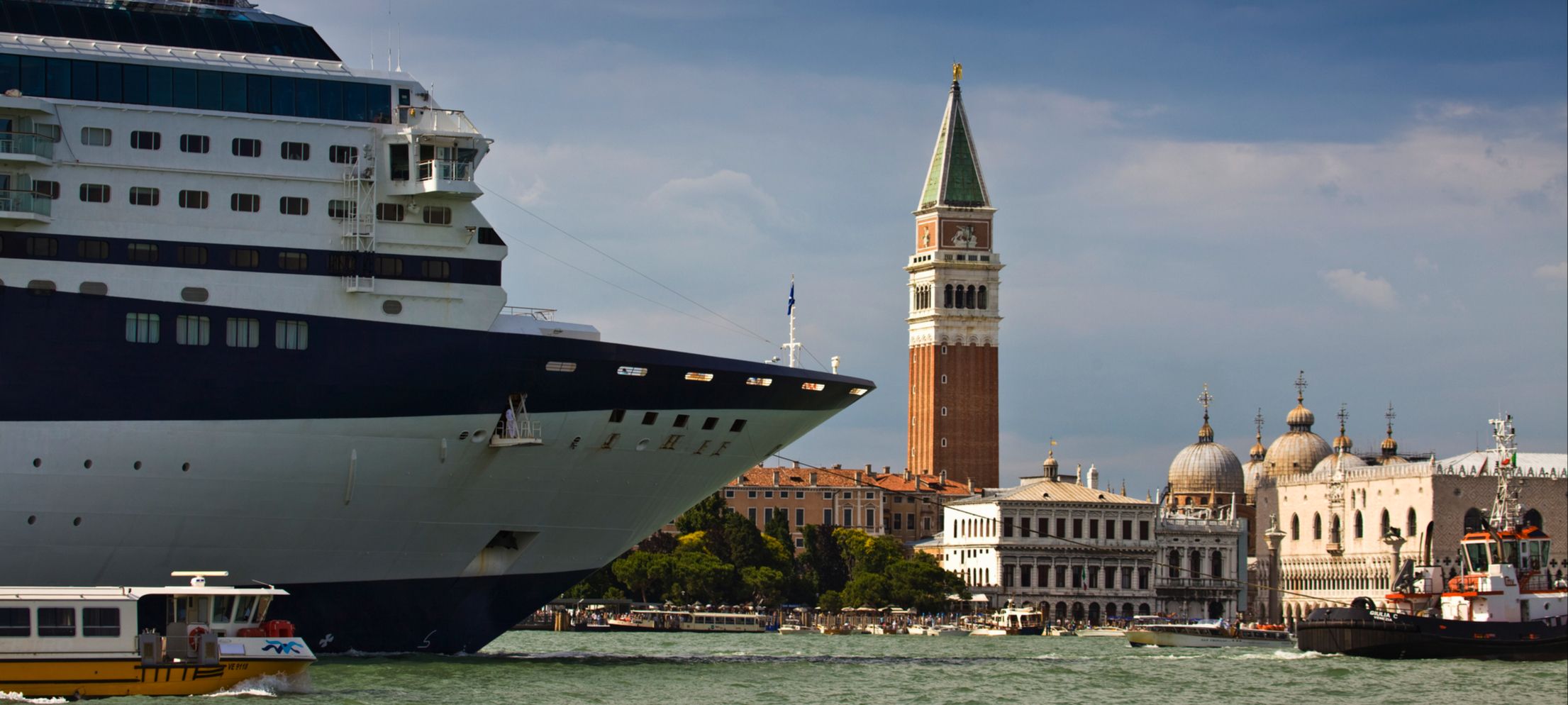
You do not have to look far from home to see the map shifting.
Amsterdam’s city council has voted to move large cruise ships away from the central terminal as part of wider efforts to reduce traffic and emissions in the historic core. Venice has already banned big ships from the Giudecca Canal, pushing many calls to the industrial port of Marghera instead. Norway, meanwhile, is working towards zero emissions rules in its UNESCO listed fjords from 2026, which will tighten the kind of ships allowed into places such as Geiranger and Nærøyfjord.
Viewed from the UK, that translates into more calls labelled “for Amsterdam” that actually dock in Rotterdam or IJmuiden, more itineraries using Trieste or Ravenna as the gateway to Venice, and a slow tilt in the fjords towards cleaner, often smaller, vessels.
None of this ruins a holiday. Rotterdam has its own charms, and Trieste is a superb city in its own right. It does, however, mean that the port list in a brochure is a starting point, not a sworn oath.
What this means for planning from the UK
So what do you do with all this when you are just trying to book a week at sea that does not move around like a cat on a hot tin roof.
First, think about the “centre of gravity” of your route. Itineraries that stay within one stable region, such as the Norwegian coast, the Canaries, the Western Med or British Isles, are less likely to be torn up than routes that cross multiple political fault lines.
Second, pay attention to embarkation and disembarkation ports. Big air hubs such as Barcelona, Rome, Athens and Miami have more back up options if something shifts than niche turnaround ports that rely on one or two flights a week.
Third, accept that certain regions are in a holding pattern. Black Sea calls have largely vanished from mainstream brochures following the war in Ukraine, and calls to Israeli ports such as Haifa and Ashdod have been repeatedly pulled while the conflict in Gaza continues. If a route leans on any of those areas, build in some emotional flexibility.
How to hedge against late changes
You cannot control the world. You can, however, give yourself a fighting chance of enjoying whatever version of your itinerary you end up with.
It helps to know the small print. If a line is very clear that ports may change for safety reasons, take them at their word and treat each call as a pleasant surprise rather than a sacred promise. Booking with a specialist cruise agent or a trusted membership platform gives you someone to fight your corner if a major change does happen, and can be invaluable when flights and hotels need adjusting.
Look for trips where every port is somewhere you would be happy to spend a day, not just one “hero” stop surrounded by filler. If your heart is set on a single specific experience, such as walking on the Great Wall or sailing into a particular fjord, you may be better off with a more focused itinerary than a complex multi region cruise that runs closer to the geopolitical fault lines.
Mostly, though, it is about mindset. In 2026 the sea is still there, the ships are still sailing and the horizon remains stubbornly beautiful. The map has smudged around the edges, but for a curious traveller that can be part of the interest. If nothing else, you will have a better story to tell than “we went exactly where the brochure said”.