Lisbon, Portugal
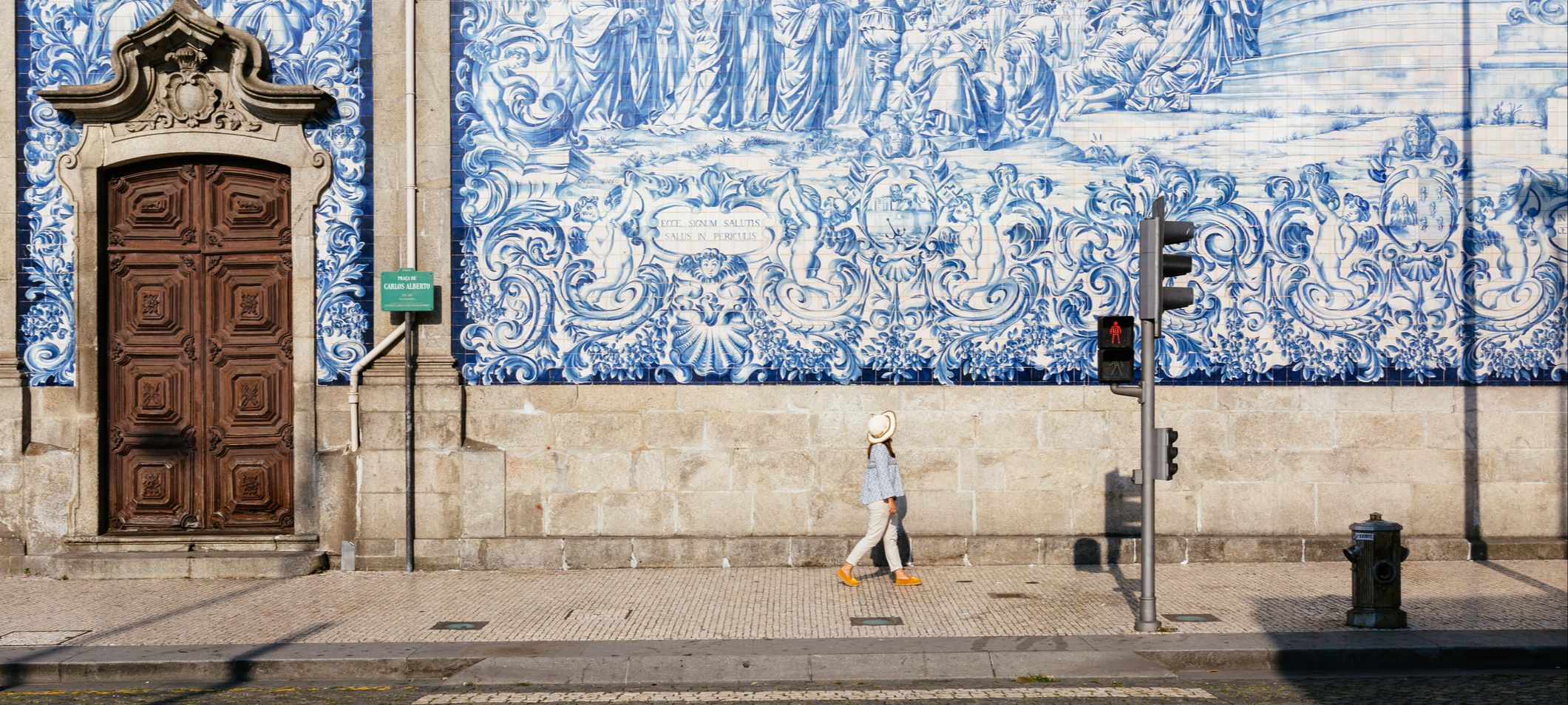
Tiles here are not décor. They are biography. Lisbon’s azulejos climb church façades, map out epics in train stations and cool entire courtyards in a palette of blue and lemon. For the best crash course, head to the National Tile Museum, housed in the 16th-century Madre de Deus convent, where the entire story of Portuguese tilework unfolds from Moorish patterns to vast Baroque panels. It is a short taxi from the cruise piers and a rare museum that is both scholarly and plain gorgeous.
Porto, Portugal
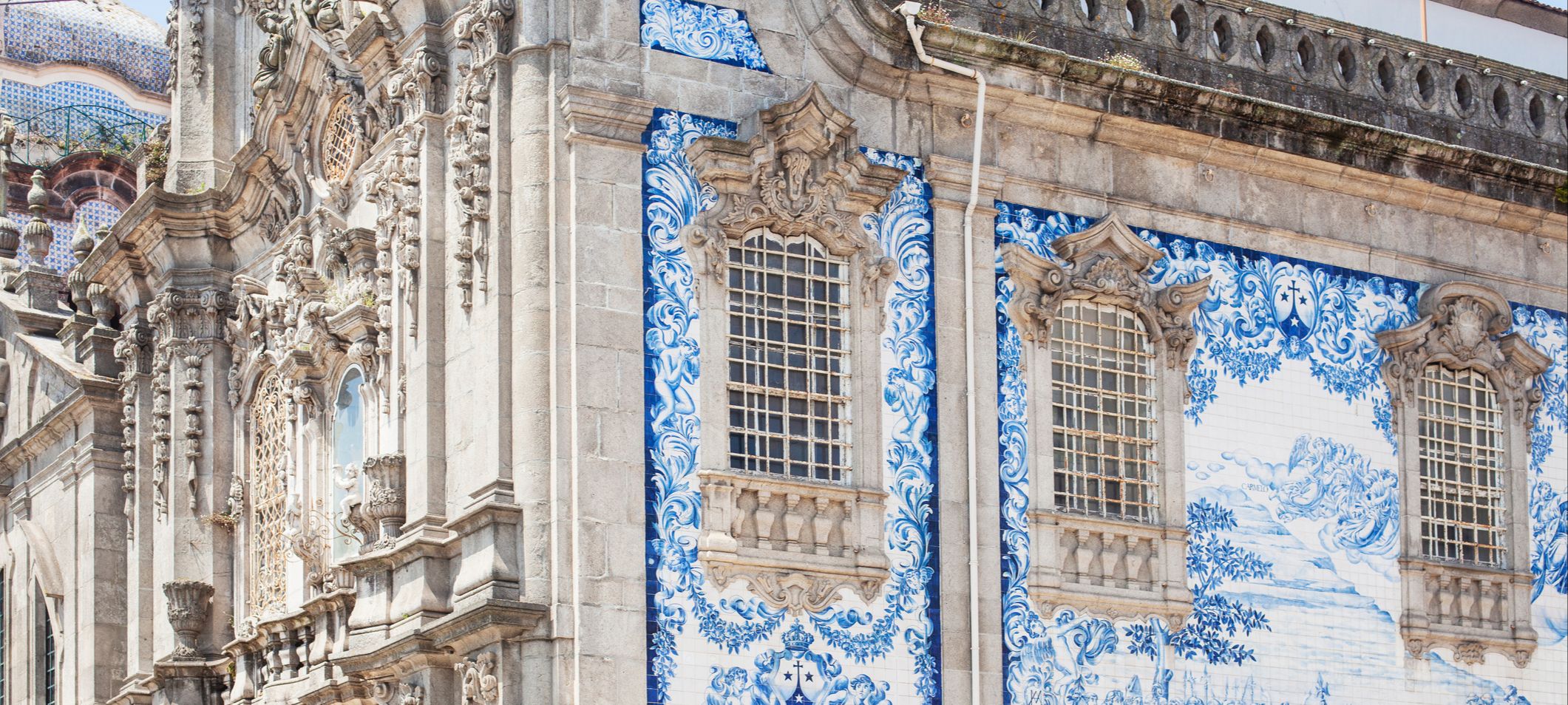
Porto’s São Bento station is the greatest free gallery in town. More than 20,000 tiles by Jorge Colaço line the concourse with cavalry charges, coronations and country scenes, so even if you are only here for a day, you can see centuries at a glance before hunting down smaller masterpieces on nearby church walls. If you leave without one of those little hand-painted swallows from a local workshop, you are stronger than most.
Delft via Rotterdam or Amsterdam, Netherlands

Every souvenir shop claims “Delft Blue.” In Delft you get the real thing. Royal Delft is the surviving 17th-century factory, part museum, part working atelier, where you can watch painters at their tiny, ruthless best before wandering canal-side shops for something less likely to bankrupt you. From Rotterdam’s cruise terminal it is about half an hour by metro and train, and roughly the same from Amsterdam by rail.
Vietri sul Mare via Salerno or Naples, Italy
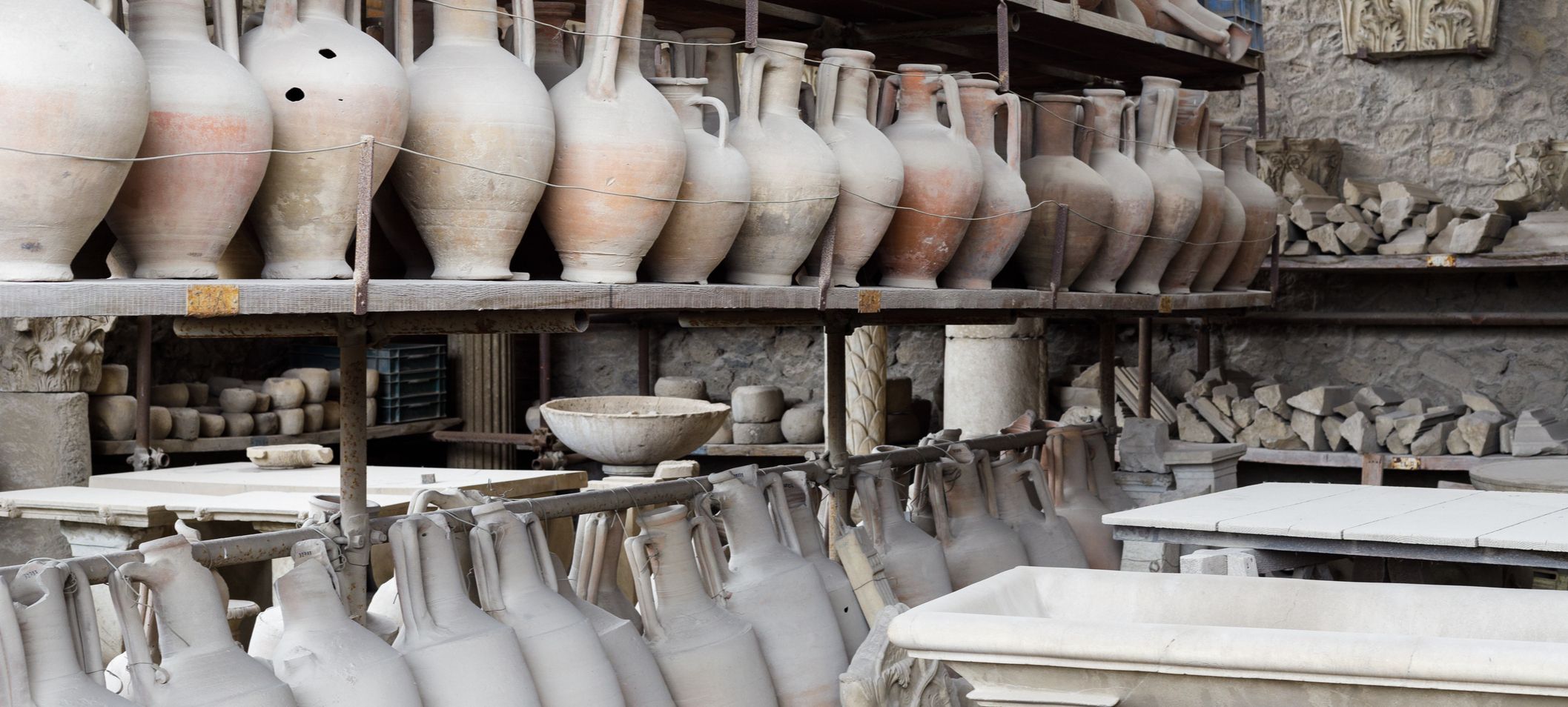
On the Amalfi Coast, Vietri sul Mare is the town that put colour on the map. Domes shimmer with majolica, shopfronts bloom with lemons and fish, and the ceramics tradition is very much alive. If your itinerary uses Salerno, it is a breezy eight-minute regional train to Vietri; from Naples, allow longer and keep one eye on sail-away. Either way, go for bowls that actually want to be used, not just admired.
Istanbul, Türkiye
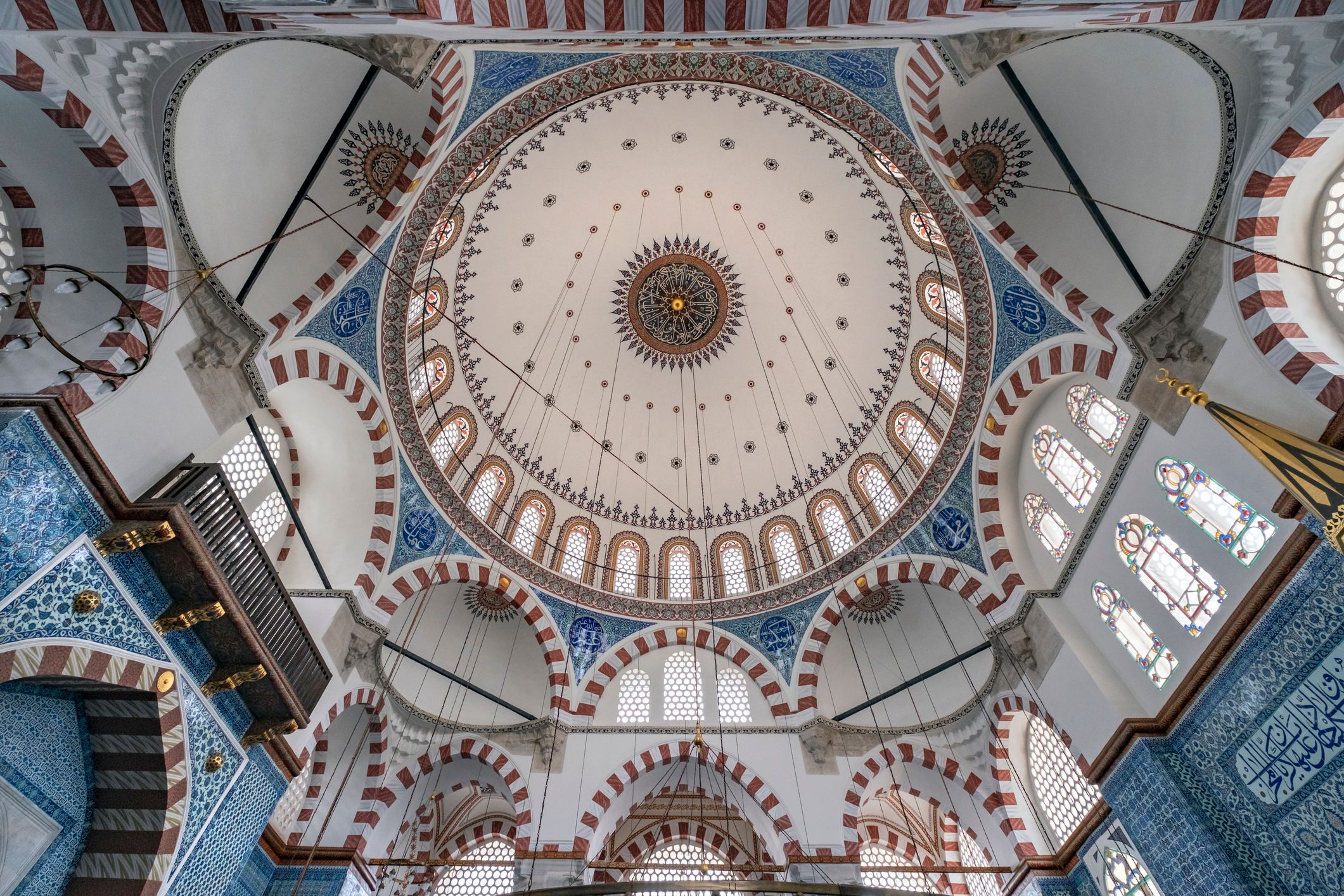
You have seen the photos; the Blue Mosque’s interior still steals the breath. Some 20,000 Iznik tiles turn walls into gardens of cobalt and sage, a masterclass in Ottoman style you can then trace around the neighbourhood. Step out to the relaxed Arasta Bazaar behind the mosque for workshops and stalls where contemporary ceramics carry the same confident hand as their imperial ancestors.
Valencia and Manises, Spain
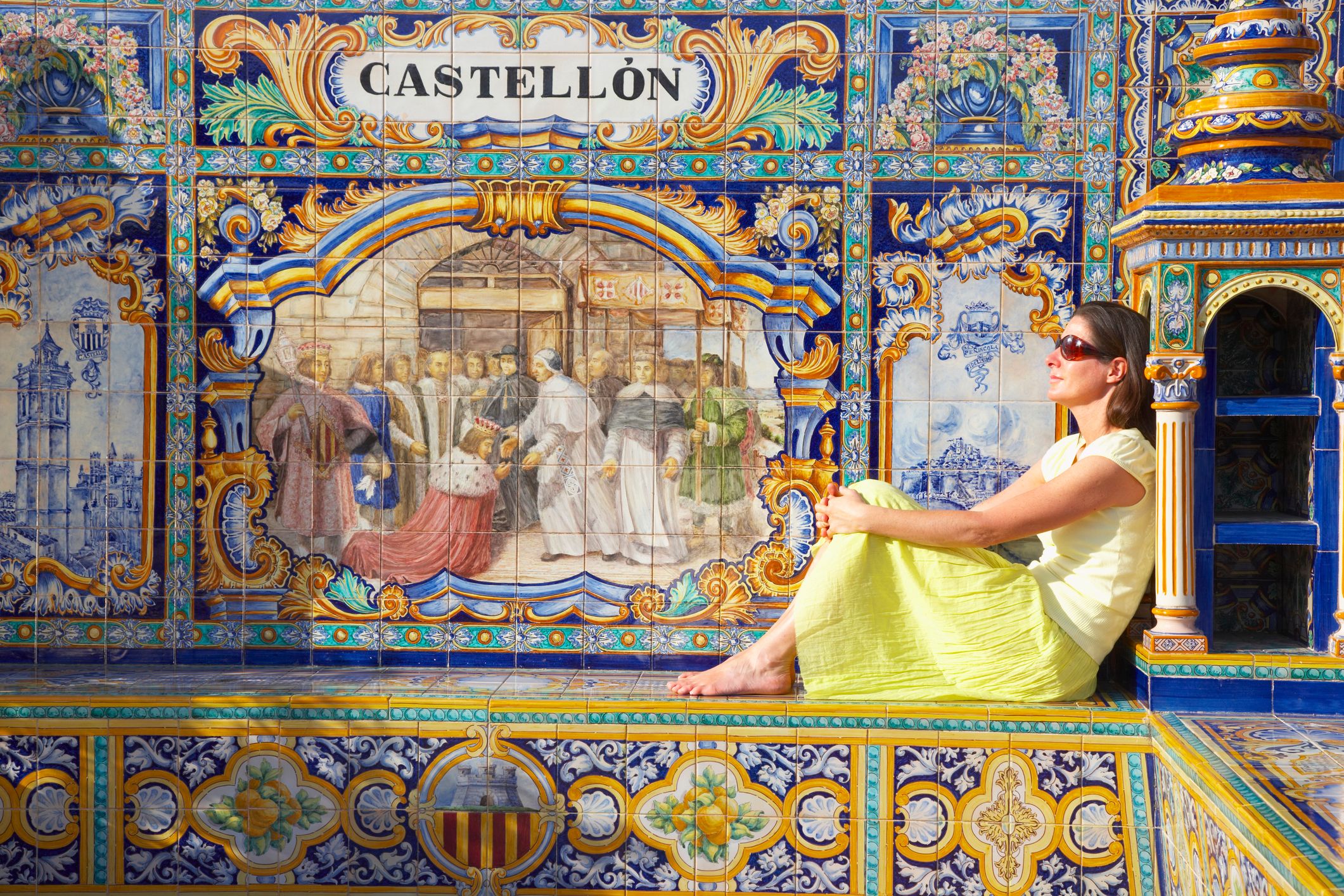
Valencia holds Spain’s national ceramics collection inside the outrageously ornate Marqués de Dos Aguas palace, where you can lose an hour to lusterware and stately rooms before a very modern coffee. Ten kilometres inland, Manises has been firing clay since medieval times; its museum ranges from 14th-century gold-lustre plates to Art Nouveau tiles, and the town still runs on kilns and craft. If you only have a short call, pick the palace; with a longer day, add Manises by taxi or metro.
Seville via Cádiz, Spain
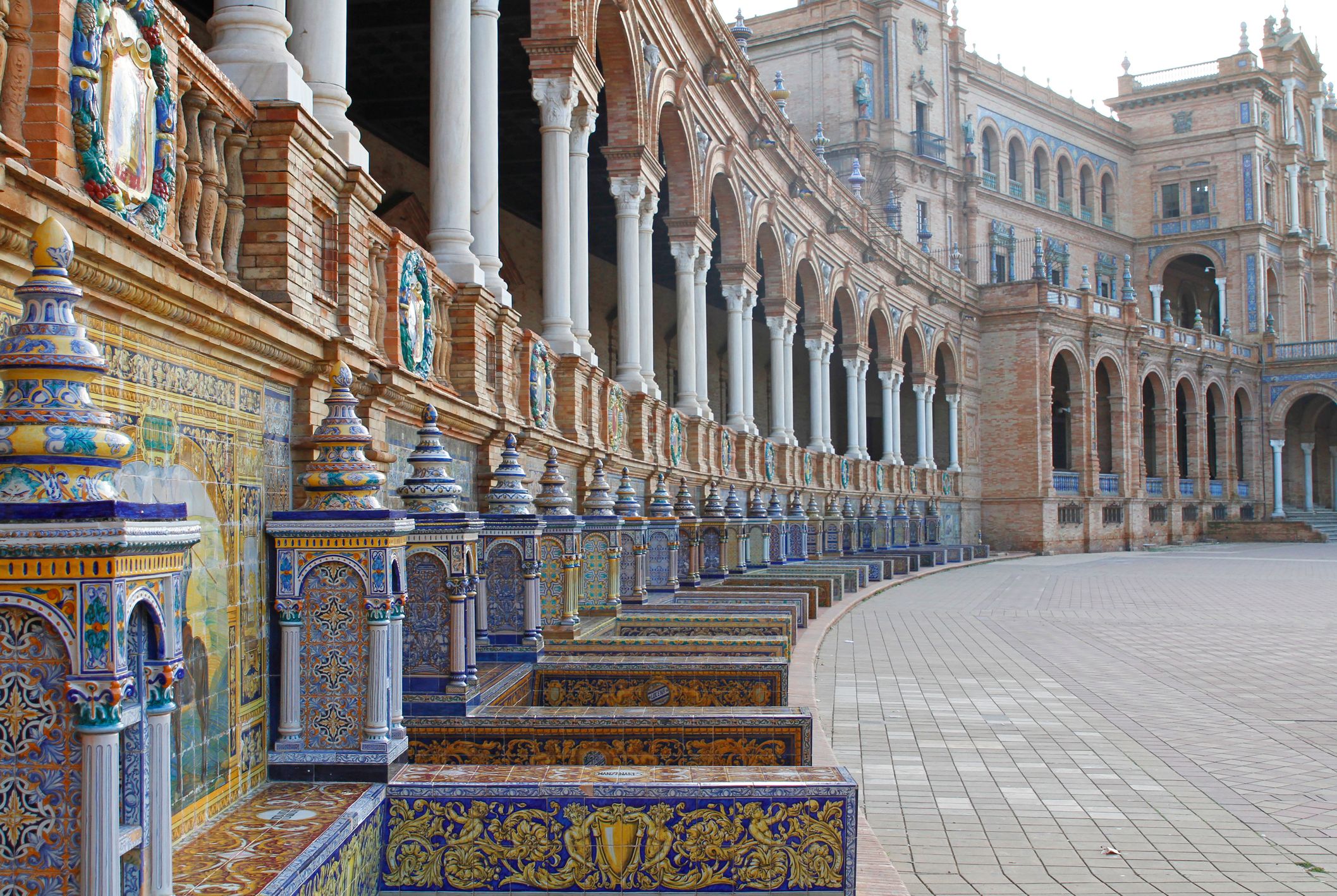
Plenty of cruises offer a day trip up to Seville. If yours does, make time for Triana on the west bank, where factories once belched, kilns glowed and Spain’s most famous tiles were born. The Centro Cerámica Triana preserves original ovens, wells and moulds in a compact museum, and the surrounding streets still brim with showrooms for the good stuff. It is the opposite of a tourist trap: useful shops first, selfies second.
Cannes to Vallauris, France
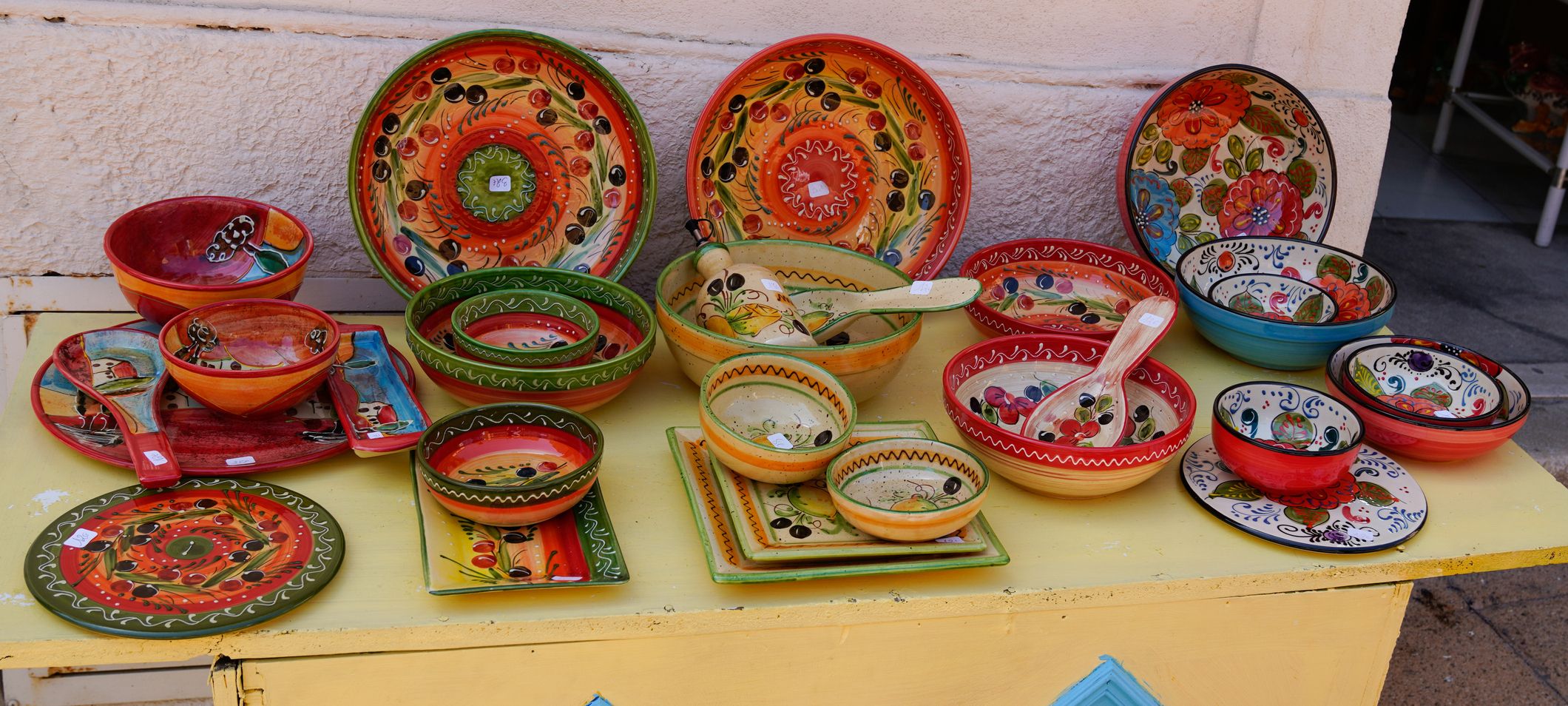
Picasso did not just paint on the Côte d’Azur; in Vallauris he went elbow-deep in clay, leaving a legacy that still anchors the town’s ceramic identity. The historic Madoura workshop is undergoing a major restoration ahead of a planned reopening as a museum, and the village remains dense with studios that riff on that modernist spark. From the Cannes tender dock it is a straightforward local bus or taxi inland.
Valletta to Ta’ Qali, Malta
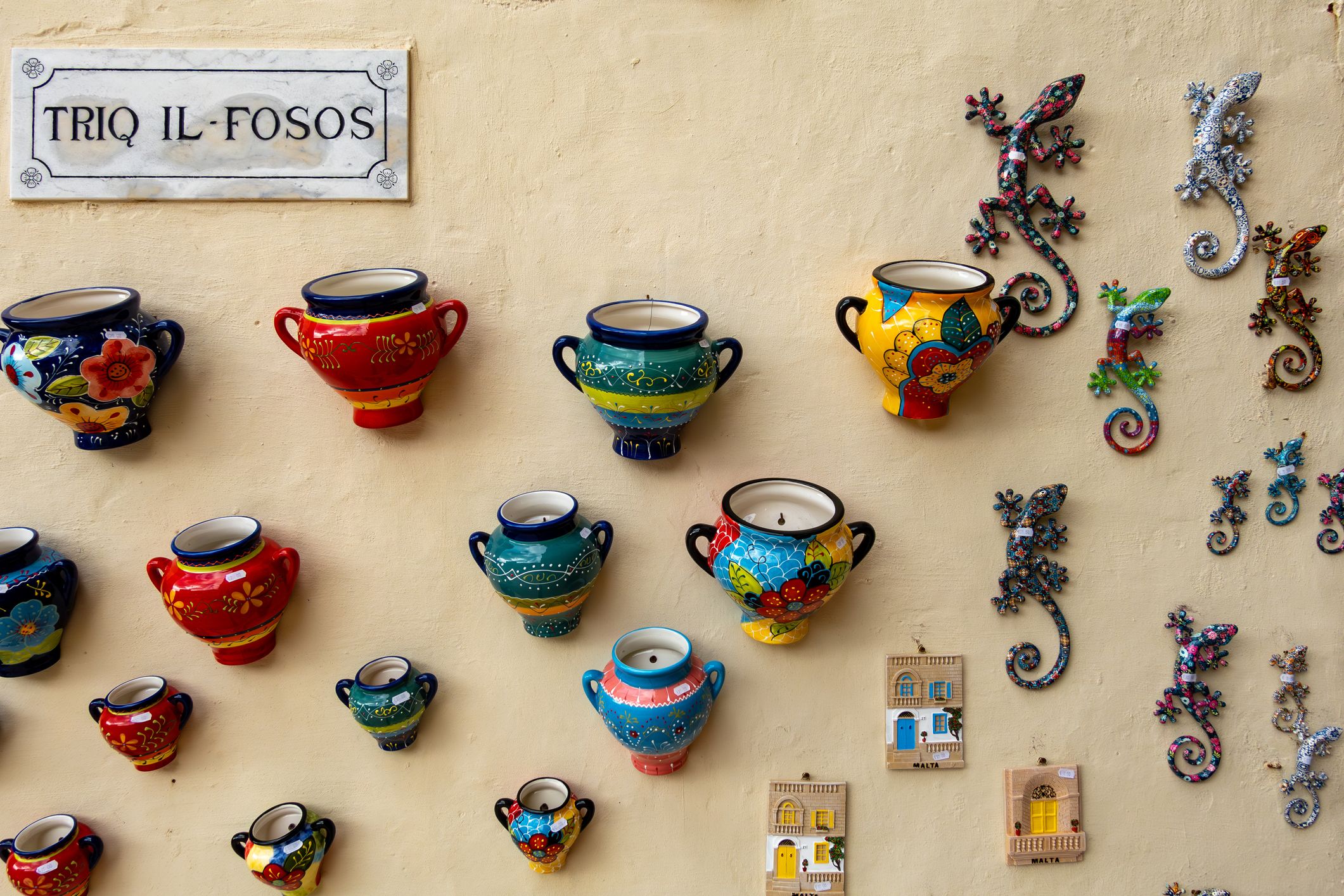
Malta’s craft heartbeat is inland at Ta’ Qali, a village of working studios where you can watch glazes go from puddle to shine, then choose a piece that will outlive your holiday tan. It is an easy twenty-minute taxi from Valletta’s waterfront and pairs neatly with Mdina if your call is long enough to do both.
Practical notes
Museum hours and workshop opening days can be as temperamental as kilns, so check before you stride off the gangway. If time is tight, aim for one anchor experience in each city: Lisbon’s National Tile Museum, Porto’s São Bento, Royal Delft, Vietri’s old town, the Blue Mosque, Valencia’s palace museum, Triana’s factory, a Vallauris studio circuit or Ta’ Qali’s artisans. Your suitcase may sulk, but your kitchen shelves will thank you.