Most sea days begin with the question of whether 10.30am is too early for lunch. Panama Canal day begins with an alarm.
A full transit takes roughly eight to ten hours to cover the 80 kilometres between the Atlantic and Pacific. During that time, your cruise ship is lifted around 26 metres above sea level, carried across an artificial lake, steered through a channel cut into the Continental Divide and lowered into another ocean. There’s no port to explore and nowhere to rush ashore. The infrastructure is the excursion. And (for the nerdy among you) it's extremely good infrastructure.
What happens during a Panama Canal cruise transit?
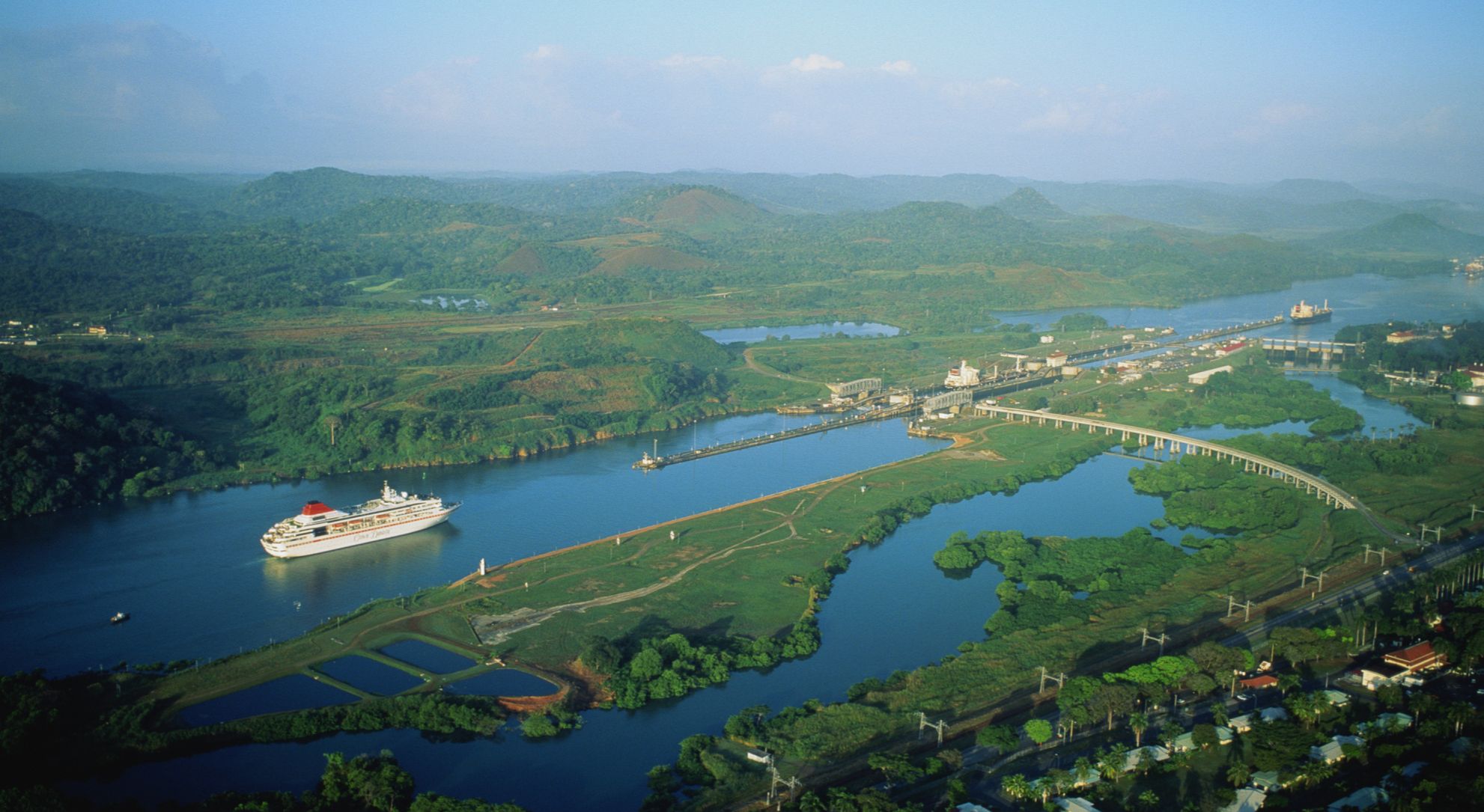
Travelling from the Caribbean towards the Pacific, ships first enter either the historic Gatún Locks or the newer Agua Clara Locks. The gates close behind you and freshwater begins filling the chamber. Slowly, almost imperceptibly at first, the entire ship rises.
The original Gatún Locks do this in three stages, eventually bringing vessels up to Gatún Lake, around 26 metres above sea level. Ships using the expanded canal go through the three chambers at Agua Clara instead.
It’s one of those processes that sounds fairly dry when explained on paper and becomes completely absorbing when you're standing on deck watching a cruise ship weighing tens of thousands of tonnes move vertically.
How do the Panama Canal locks work?
The original locks rely largely on gravity rather than pumps. Freshwater flows down from Gatún Lake into the lock chambers. As each chamber fills, the ship rises with the water until it reaches the level of the next one. The gates open, the vessel moves forwards and the process repeats.
The historic chambers are only 33.5 metres wide, which explains why older “Panamax” ships have such distinctive dimensions. Electric locomotives known as mules run alongside vessels to help keep them precisely positioned. From a lower deck, “precisely” can look worryingly similar to “millimetres away from the wall”.
The expanded canal, opened in 2016, accommodates much larger Neopanamax ships. Agua Clara on the Atlantic side and Cocolí on the Pacific use wider, longer chambers, tugboats instead of mules and water-saving basins that reuse much of the freshwater required for each lockage.
Which system you experience therefore depends on your ship. Smaller vessels can use the century-old locks, where everything feels particularly close and mechanical. Larger cruise ships pass through the vast newer complexes instead. Both are impressive. One simply gives you rather more opportunity to inspect concrete at intimate range.
Crossing Gatún Lake
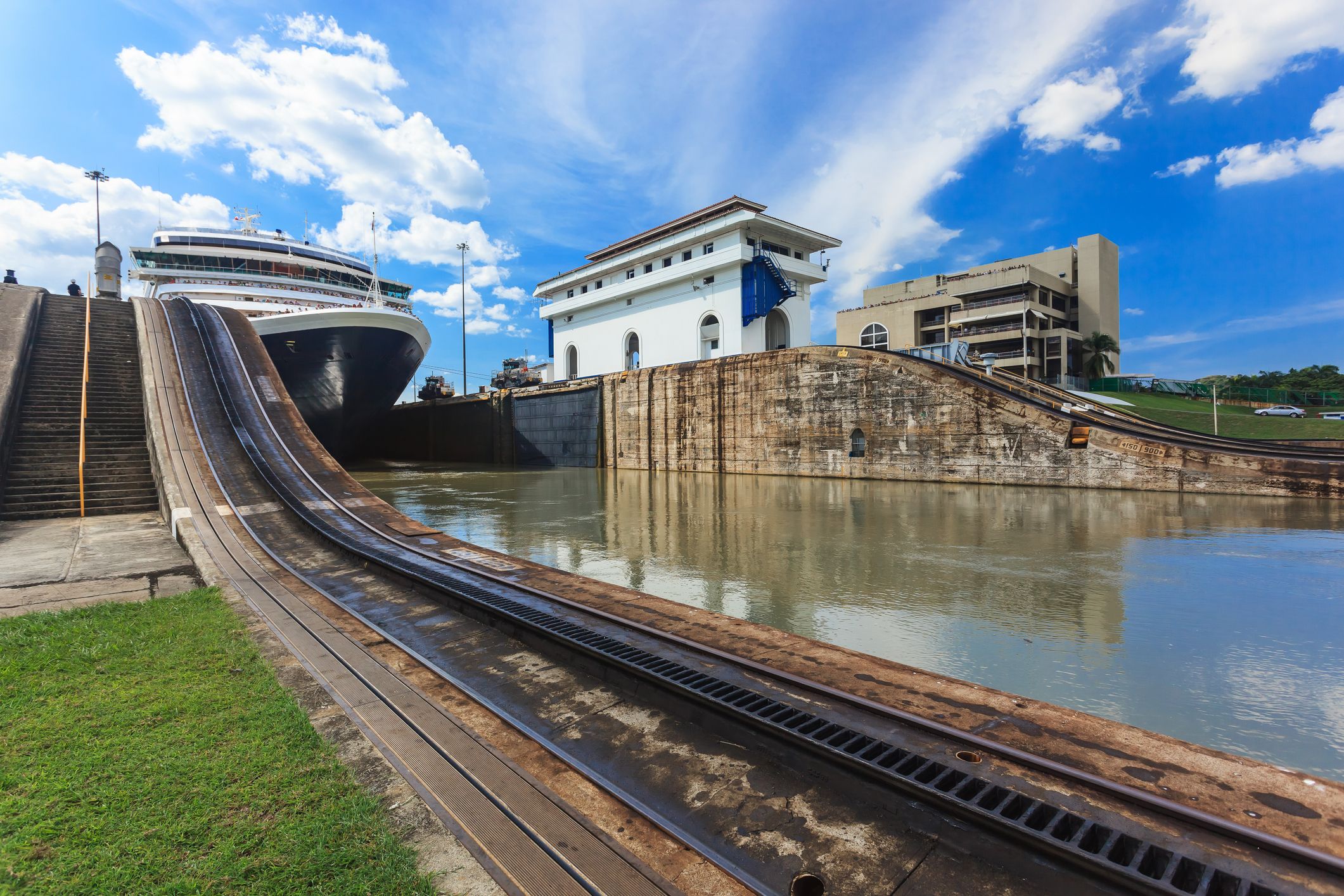
After the first locks, the canal suddenly stops looking much like a canal. Gatún Lake stretches through dense tropical forest and carries ships across more than half of the isthmus. It was created by damming the Chagres River during construction of the canal, flooding valleys and turning former hilltops into islands.
One of them is Barro Colorado, now a major Smithsonian tropical research site. This is where Panama Canal day shifts from giant engineering project to something much greener. The shoreline is thick with rainforest and the canal ecosystem supports monkeys, manatees, birds and American crocodiles. You may see some of them from the ship. You may also stare hopefully into the jungle for 45 minutes and see a log. Wildlife remains regrettably independent of cruise programming.
Through the Culebra Cut
Gatún Lake eventually narrows into the Culebra Cut, the section carved through the Continental Divide. It runs for roughly 14 kilometres and was one of the most difficult parts of the canal to build, requiring enormous quantities of rock and earth to be excavated while landslides repeatedly attempted to put everything back. From a cruise ship, the achievement is easier to appreciate than the name suggests.
The jungle closes in, steep cuttings rise beside the water and huge commercial ships pass in the opposite direction through a corridor that occasionally looks as though someone has misread their measurements. This is also one of the pleasures of cruising the canal rather than simply visiting its locks from land. You experience it as a route rather than an engineering exhibit.
How much does a cruise ship pay to use the Panama Canal?
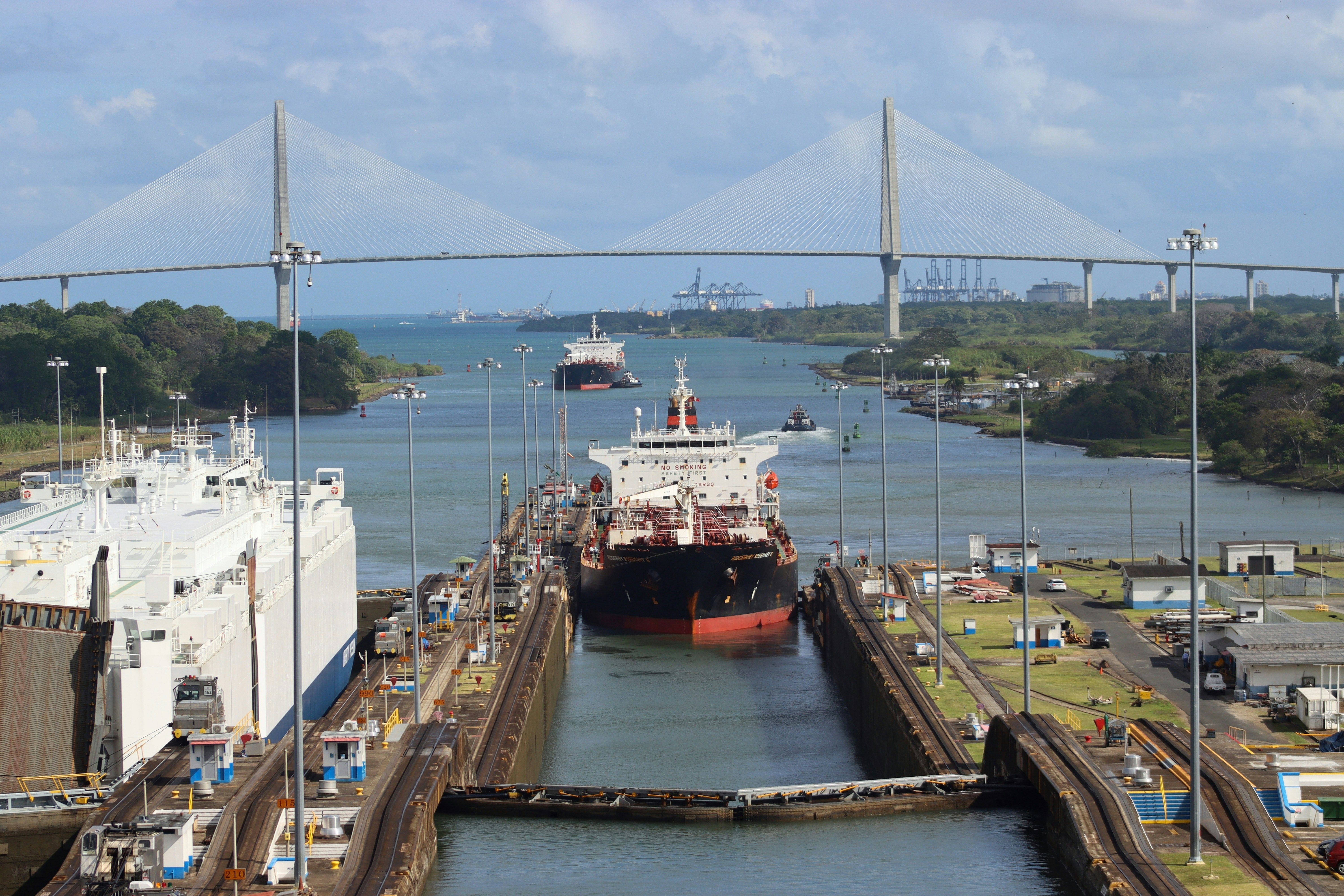
A lot. Canal tolls are calculated using the vessel's size, capacity and the lock system it uses, with additional charges for services such as reservations, tugboats, pilotage and line handling. Under current Panama Canal Authority tariffs, large Neopanamax passenger vessels face a fixed transit charge of hundreds of thousands of dollars before various capacity-based and service fees are added.
There can also be charges related to freshwater use. So when somebody on deck inevitably asks, “How much do you think this costs?”, the technically correct answer is complicated. The emotionally correct answer is: enough.
Where should you stand during a Panama Canal cruise?
The best answer is: somewhere different every hour. Get outside early for the approach to the first locks. A forward-facing deck gives you the clearest sense of what the ship is about to enter, and on some vessels normally restricted viewing areas are opened for the transit.
Once inside the locks, head to the side of the ship. Lower decks put you close to the chamber walls, machinery and changing waterline, while higher decks make the whole lock system easier to understand.
Later, try the stern. The view backwards as the gates close is excellent and usually involves fewer passengers guarding sections of railing as though maritime law has granted them hereditary title. There's no universally “best” side of the ship. Lock lanes, direction of travel and passing traffic all vary. Move around. Your balcony will still be there when your knees give up.
How long does a Panama Canal transit take?
A full crossing generally takes around eight to ten hours, although ships are moving through a working international waterway rather than a theme-park ride operating to a printed timetable. Commercial traffic, lock scheduling and waiting times can all affect the day.
The first locks may also arrive extremely early. If your itinerary lists the Panama Canal for that morning, it's worth checking the onboard programme the night before and setting an alarm accordingly. Missing the first lock because you fancied another 40 minutes in bed would be an impressively avoidable way to begin one of cruising's best days.
Full transit or partial Panama Canal cruise?
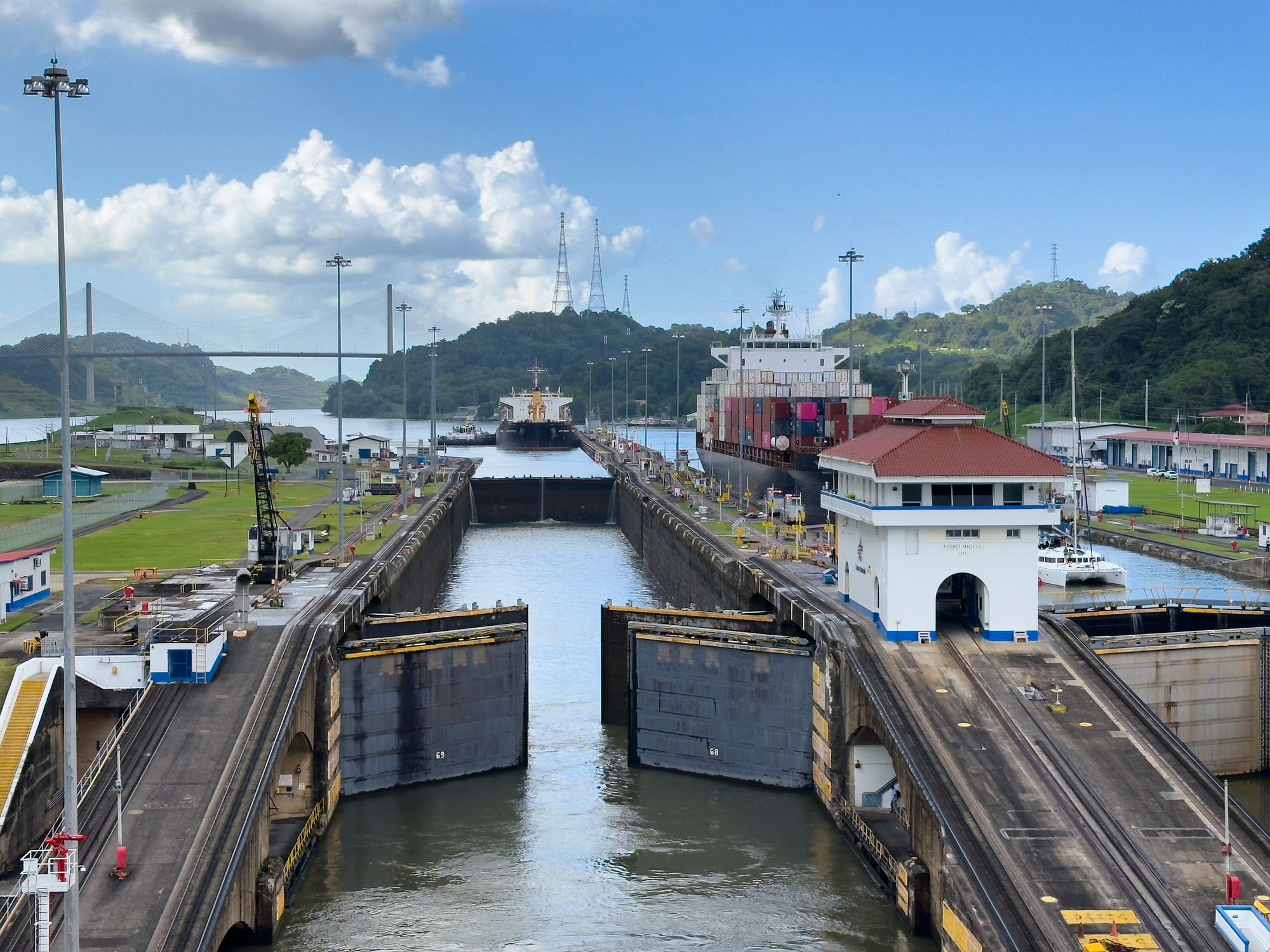
Check this carefully before booking. A full Panama Canal transit crosses from one ocean to the other, passing through the locks, Gatún Lake and the central canal before emerging on the opposite coast.
A partial transit normally enters from the Caribbean, passes through the Atlantic locks into Gatún Lake and later returns the same way. Some itineraries also call at Colón without taking the cruise ship through the locks at all. Partial transits can still be excellent, particularly if the locks are what interest you most.
But if your imagined holiday involves entering one ocean at breakfast and leaving through another before dinner, make sure the itinerary genuinely says full transit. “Panama Canal cruise” can cover quite a lot of geographical enthusiasm.
Is cruising through the Panama Canal worth it?
Canal day works because very little about it resembles a conventional cruise day. There’s no excursion coach. Nobody needs to find the cathedral. You won't spend lunchtime calculating whether the taxi driver understood what you meant by “ship”. You simply watch. The gates close. Water rises. A cruise ship lifts with it. Jungle replaces concrete. Cargo vessels slide past. Panama narrows around you and, eventually, the whole process begins again in reverse. Then, eight or ten hours after entering the canal, you're floating in another ocean.
For once, staying on the ship is very much the point.