
Olly Smith has spent much of his career trying to persuade people that wine needn't be intimidating.
It's a useful philosophy at sea, where a cruise can take you from Greek vineyards to Spanish sherry country within a few days, before presenting you with a wine list substantial enough to require its own risk assessment form.
Smith knows that world particularly well. He heads up The Glass House for P&O Cruises, curating wines and hosting tastings and dinners onboard, while his latest project has taken wine somewhere slightly less expected: murder. His debut novel, Death by Noir, the first of his Bottle Bank Mysteries, was published this summer and follows wine-shop owner Barclay Flint through a distinctly vinous Sussex crime.
We spoke to him about drinking like a local, the wine regions particularly worth seeking out on a cruise and the correct response when a sommelier hands you a bottle costing roughly the same as your cabin.
When travelling, ask what the locals are drinking
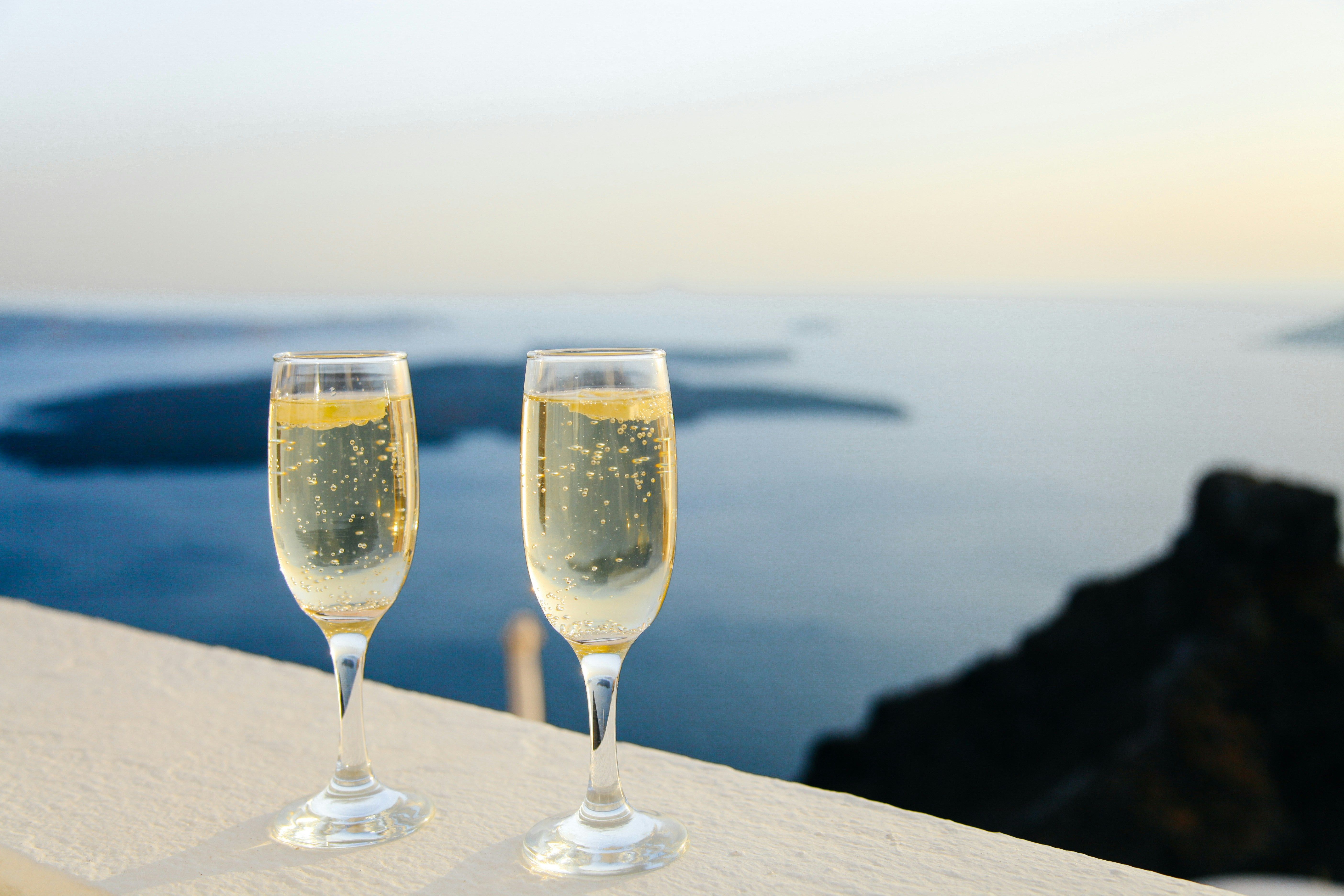

Photo credit: Alun Callender
Smith's first rule abroad is pleasingly uncomplicated: don't start with what you already know.
“The less familiar, the more interesting to me,” he says. Rather than disappearing immediately into a wine list, he'll ask whoever is serving him what people locally are drinking. It may be an unfamiliar grape, an unusual blend or something that isn't wine at all.
It's particularly good advice on a cruise, where several very different wine cultures can appear during the same itinerary.
Greece is high on his list. Smith singles out Santorini and its Assyrtiko wines, describing them as intensely crisp and vibrant, but the larger appeal is the extraordinary number of indigenous grapes found across the country. “Wherever you land in Greece, there's always going to be something unique.”
Then there's southern Spain. A call at Cádiz puts you within reach of sherry country, where dry Fino and Manzanilla offer something far more interesting than the dusty bottle of cream sherry still haunting a British drinks cabinet.
But the country Smith thinks cruise travellers should pay considerably more attention to is Portugal.
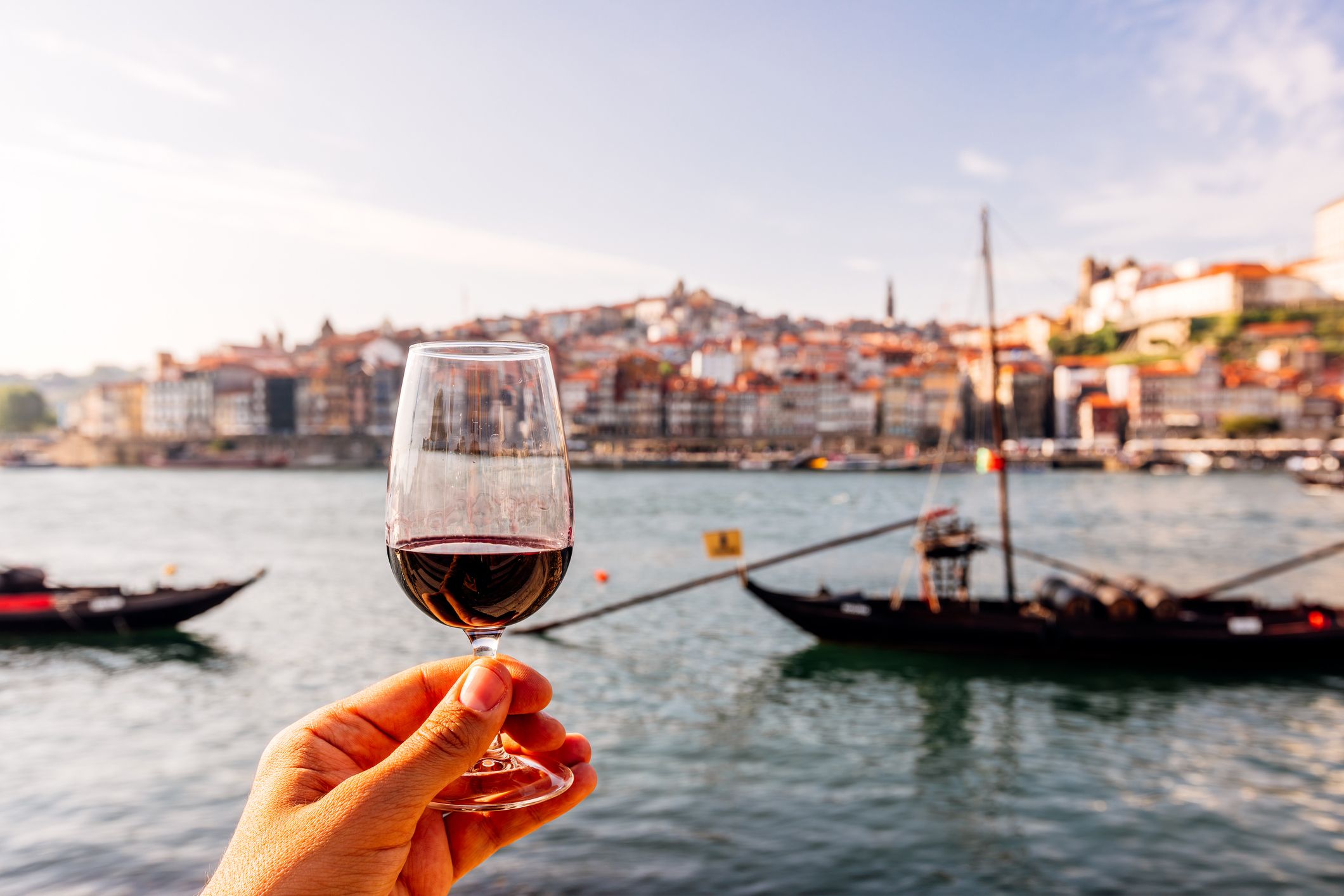
“Portugal, 100%,” he says. His reasoning is the sheer range. Fortified, sparkling, sweet, rosé, white and red wines sit alongside a strong regional food culture, with everything from fresh Vinho Verde in the north to wines from hotter southern regions and higher-altitude vineyards inland.
“We think of it as a great place for a holiday, but the wines are still perhaps a little unfamiliar to us and deserve massive amounts of praise.” His instruction is concise: “Go wading in Portuguese wine.” Consider us briefed.
The best wine excursion might simply be a long lunch
There is a temptation in serious wine country to begin behaving as though you've enrolled on a short residential course. Smith proposes something considerably better. “Book a long lunch.”
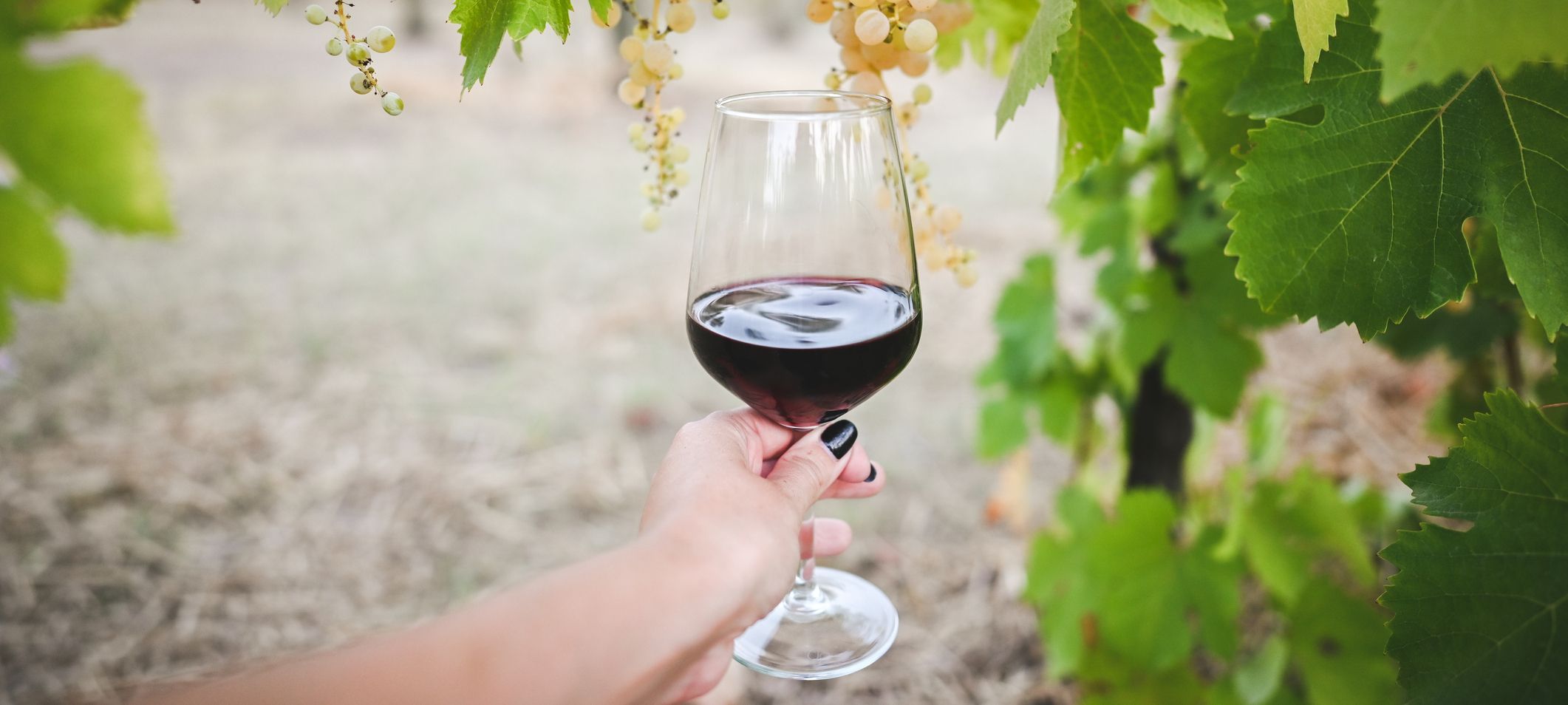
Find a restaurant serving wines by the glass, talk to the people working there and order a few different local wines alongside different dishes. If you want to visit a vineyard, arrange it in advance and see whether the producer offers something more personal, perhaps lunch or a picnic among the vines.
But his first choice remains the restaurant. “Book that long lunch and switch off your phone.” This also solves one of the central problems of visiting a wine region from a cruise ship. You don't have three days to understand somewhere.
A good lunch lets several local producers, grapes and dishes come to you while requiring remarkably little transportation.
Seeing the landscape makes the wine make more sense
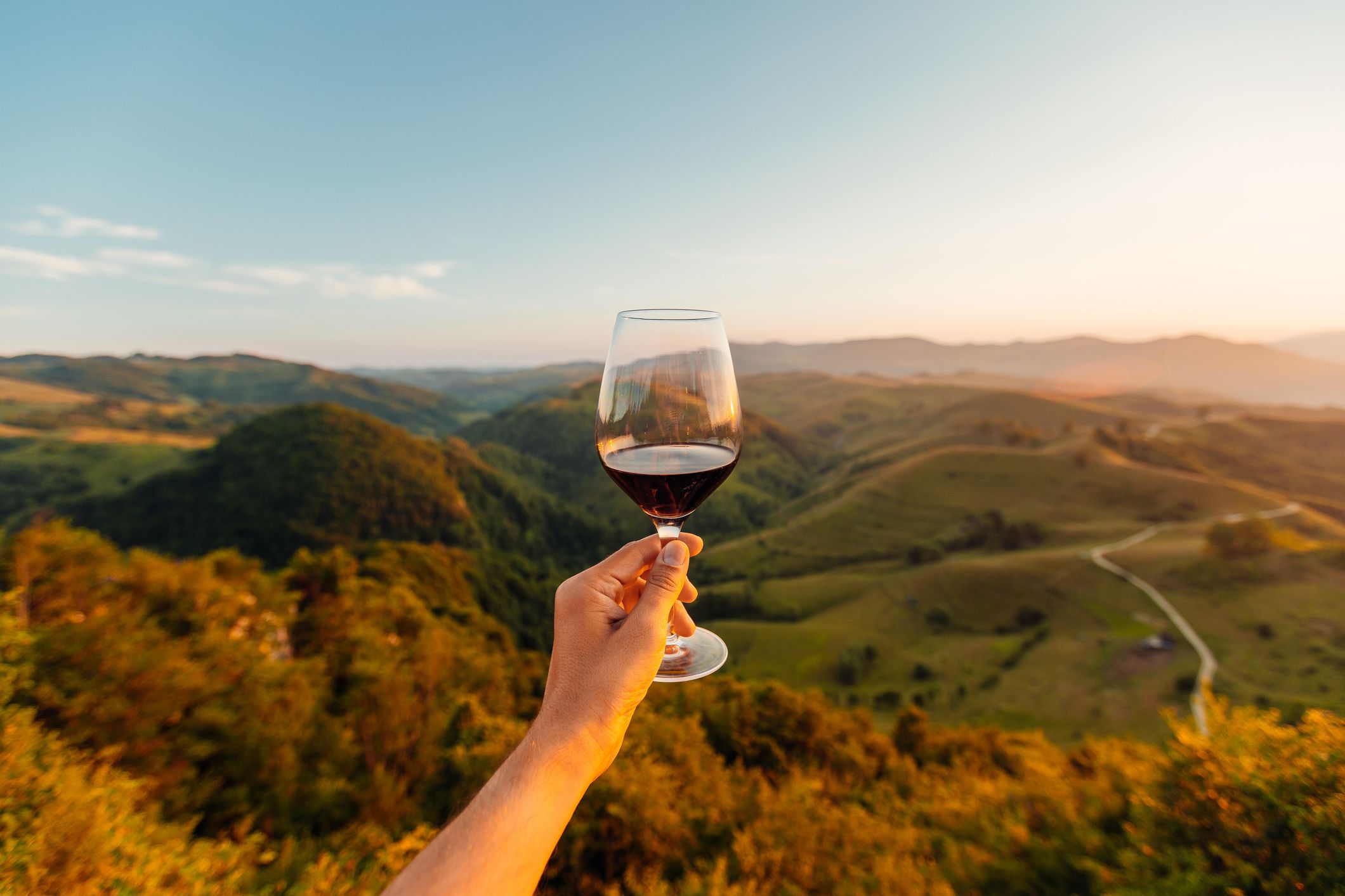
There is still a very good argument for getting into the vineyards when time allows. Smith describes landscape as “a thumbprint on the wine”.
On Germany's Mosel, for example, steep south-facing vineyards can receive both direct sunlight and reflected light from the river, helping grapes ripen differently from those on cooler, shadier slopes. Rioja has its own variations, shaped by the Ebro, different soils, mountain ranges and competing Atlantic and Mediterranean influences.
Seeing those landscapes turns terroir from something printed earnestly on the back of a bottle into something fairly obvious. Smith recommends taking a short vineyard excursion from the ship wherever practical.
You don't need to emerge capable of conducting a geological survey. Understanding why those grapes grow there is enough to make the next glass more interesting.
There is no correct thing to say at a wine tasting
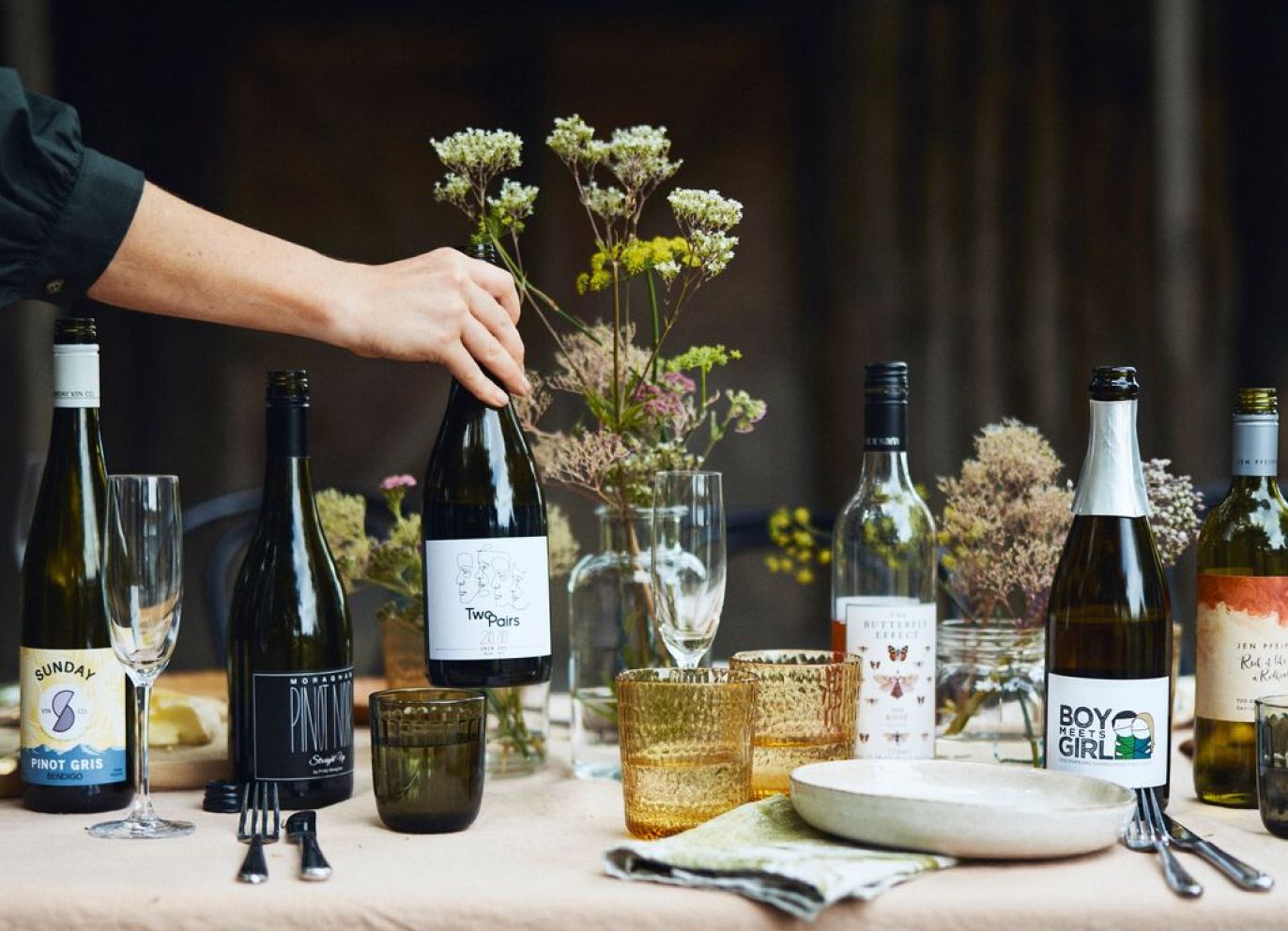
Wine tasting continues to make otherwise confident adults worry that they're about to identify “hints of blackberry” only to be informed the correct answer was pencil shavings and a wet Tuesday in Burgundy.
Smith would like everyone to calm down. “There is no wrong thing to say,” he says.
If you want to assess quality, there are two useful things to notice. First, how long do the flavours remain after you've swallowed? Second, how complex is it? How many different flavours and aromas can you find? Crucially, quality and enjoyment aren't the same thing.
You can recognise that a wine is complex and beautifully made while also deciding you don't particularly want another glass of it. And enjoyment still wins. “If something's not to your liking, switch it out and crack on.”
If you don't know grape varieties, tell whoever is serving you what you normally drink or simply which flavours you enjoy. A Sauvignon Blanc drinker might be pointed towards Albariño; somebody who likes fuller reds can be steered towards a local equivalent. You don't need the vocabulary. “I would say primary is to enjoy it.”
What should you drink on a cruise?
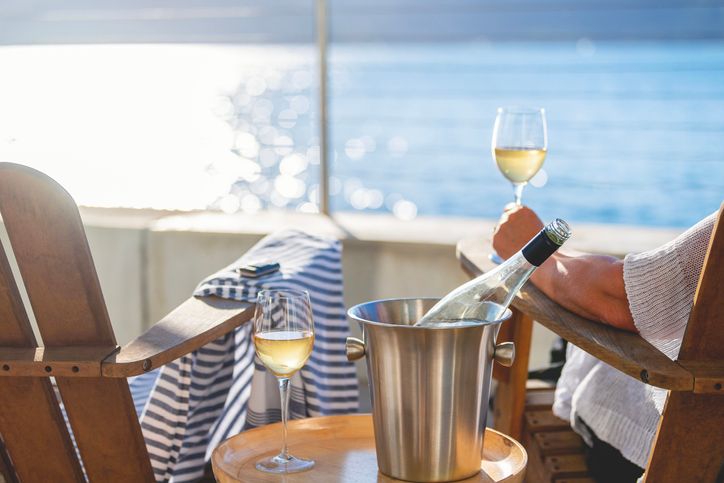
We also gave Smith four extremely important maritime scenarios and asked him to supply the wine.
Sailing out of port gets bubbles. His choice would be Spanish Cava, which he thinks remains bafflingly underappreciated. A rosé Cava, in particular, gets possibly the most Olly Smith description of the conversation: “like a strawberry on a trampoline”, full of energy for whatever is coming next.
A sunny long lunch ashore requires a magnum of local rosé in an ice bucket, preferably accompanied by seafood and enough people to justify having ordered a bottle that could double as a table ornament.
For sunset on deck, he'd switch to a light red such as Pinot Noir or Gamay, potentially slightly chilled on a hot day.
A formal dinner calls for something more mature and substantial. Rioja is his dependable choice, although he also recommends looking beyond Argentina's famous Malbec towards Cabernet Franc for something rich but a little more lithe.
How to order from a huge cruise ship wine list without taking out finance

Cruise ships can now carry genuinely ambitious wine lists. They can also carry genuinely ambitious prices. Smith has a very practical method for getting the sommelier involved without accidentally beginning negotiations over a bottle requiring a deposit. Tell them your budget.
He's perfectly happy saying, for example, that he wants to spend £30 to £40 and would like something unusual. If you'd rather be more discreet, point to a price on the list and ask the sommelier to recommend something around it that they personally love.
His favourite question is even better: What's the wine on this list that you wish people ordered more often? It gives the sommelier permission to steer you towards something overlooked rather than simply something recognisable.
The same principle runs through nearly all Smith's advice. Ask. People who work around wine generally rather enjoy talking about it. This has been known to become apparent quite quickly.
English wine is now worth making a trip for
Smith's enthusiasm isn't reserved for places requiring a passport. He thinks English wine has changed “beyond all recognition” over the past decade or two, with Sussex particularly interesting because of its chalk, greensand, south-facing sites and relatively cool growing conditions.
That marginal climate can produce wines with what Smith calls a “tingling zing”. He also points to Plumpton College's role in attracting viticultural and winemaking expertise to Sussex, creating a community in which producers exchange ideas and push the industry forward.
Lewes makes a good base. Smith recommends Artelium and the nearby wine shop Symposium, while Breaky Bottom remains one of his favourite vineyards. The latter was planted in 1974 by the late Peter Hall, one of the pioneers of modern English wine.
Smith had been back at Breaky Bottom only a week before answering our questions, drinking one of Hall's wines in the vineyard. The landscape itself brought back memories of his friend, including the trees Hall had planted across the valley.
“His life's work is the landscape,” Smith says. Being there made the wine “all the more intriguing and wonderful”. There is one essential non-wine recommendation for anybody staying in Lewes, however. A pint of Harvey's Best.
One can't be doctrinaire about these things.
From wine expert to crime writer
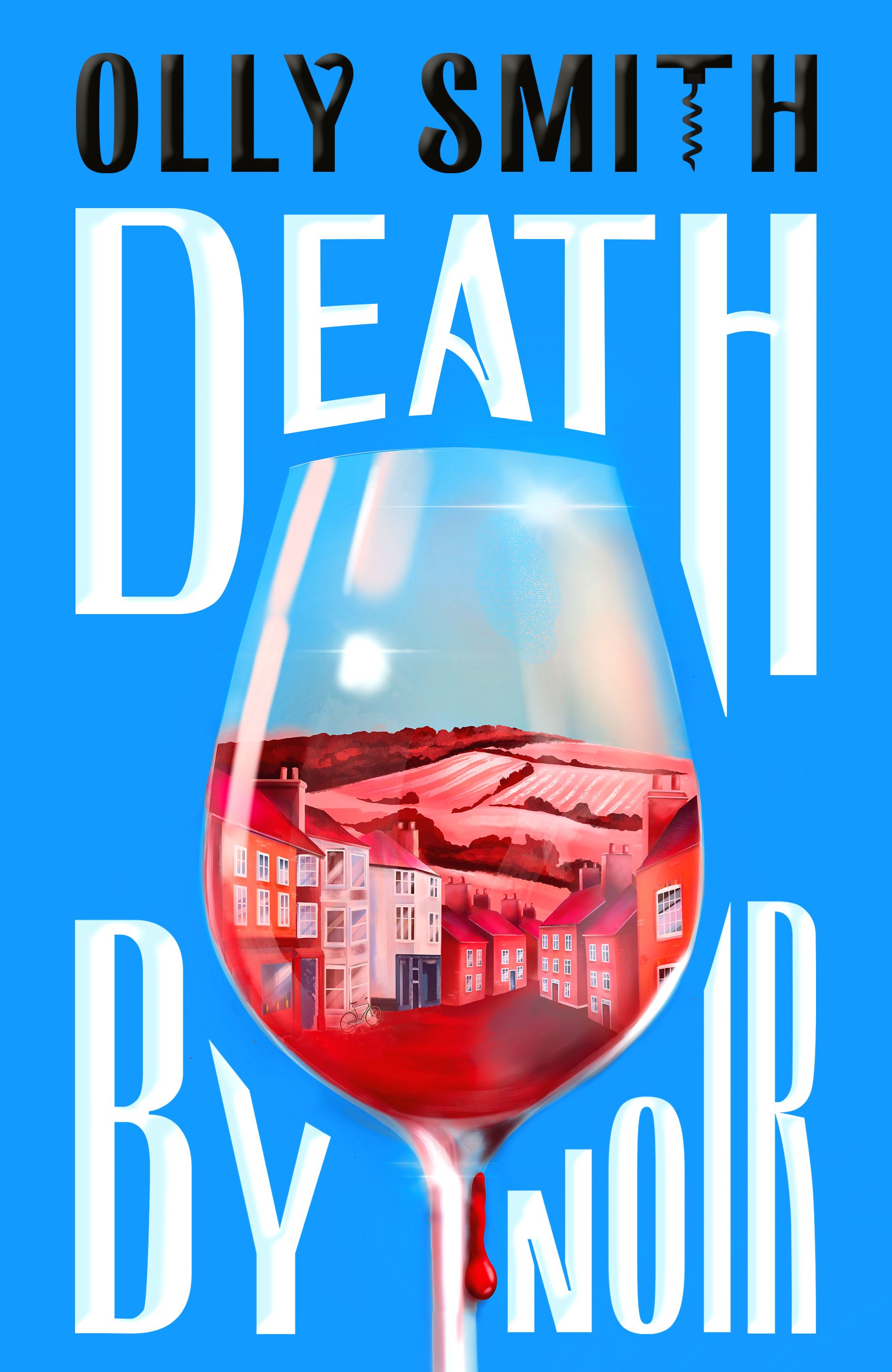
Sussex also provides the setting for Death by Noir.
Smith describes his debut novel as “entirely a love letter to Sussex and the wine that's grown there”. It follows Barclay Flint, eccentric proprietor of The Bottle Bank wine shop, who has to use his considerable wine knowledge when his friend, vineyard owner Victor Crawshaw, disappears and Barclay finds himself caught up in the case.
The idea arrived, slightly inconveniently, while Smith was on a plane to Bhutan. Wine runs through the novel, but Smith was determined that readers shouldn't need to know anything about it. One of his favourite responses came from crime writer Janice Hallett, who enjoyed the book despite being teetotal.
“For me, it's got to be about the characters and the story,” he says. “You have to want to finish a chapter and jump straight into the next one.” The series will continue with a new Bottle Bank Mystery each year. Book two, The Blood Vine, is already on the way.
And Olly Smith's perfect wine cruise?
After all that expertise, we asked Smith to design his ideal wine-focused cruise. The answer rapidly abandoned any pretence of meticulous itinerary planning.
First, he invited everybody reading this to dinner. Then actress Celia Imrie was added to the guest list. Then Malta was selected, largely on the basis that it sounded sunny. And finally Smith supplied the wine: an English Pinot Noir rosé from Norfolk producer Cobble Hill that he'd tasted the previous evening and considered one of the best rosés he'd had in recent years.
It's perhaps a fitting conclusion from somebody who has spent a career making wine feel less like an examination. Go somewhere interesting. Ask people what they're drinking. Eat properly. State your budget.
And if all else fails, apparently invite Celia Imrie and sail for Malta.