There is a particular kind of cruise itinerary that does not do “easygoing coastal charm”. It does weather, headlands, and ports that feel like they've been built to withstand the worst the Atlantic can throw at them. The Halifax–Sydney–St. John’s–Corner Brook run is one of them, a spring and summer ribbon along Atlantic Canada where lighthouses remain working infrastructure, the sea is busy with migrating wildlife, and the scenery has the bracing, sea-battered clarity of Scotland (but with a slightly friendlier attitude to strangers).
Cruise lines rotate this cluster of ports through their Canada and New England seasons, often pairing Nova Scotia and Newfoundland and Labrador on longer sailings. Holland America, for example, has noted that its 10- and 11-day itineraries can include Halifax and Sydney in Nova Scotia alongside Corner Brook and St. John’s in Newfoundland.
Why spring and summer are when this coast shows off
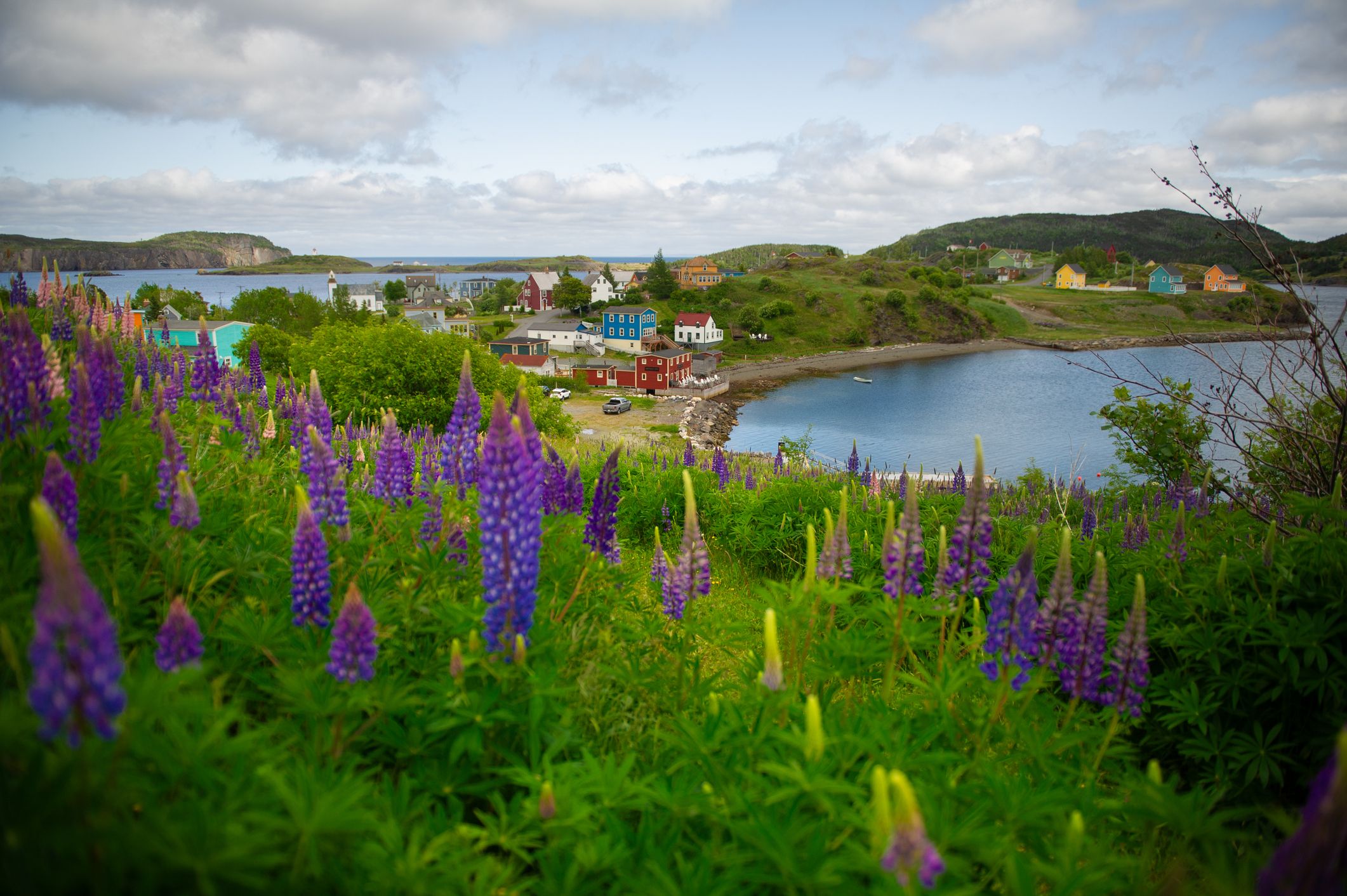
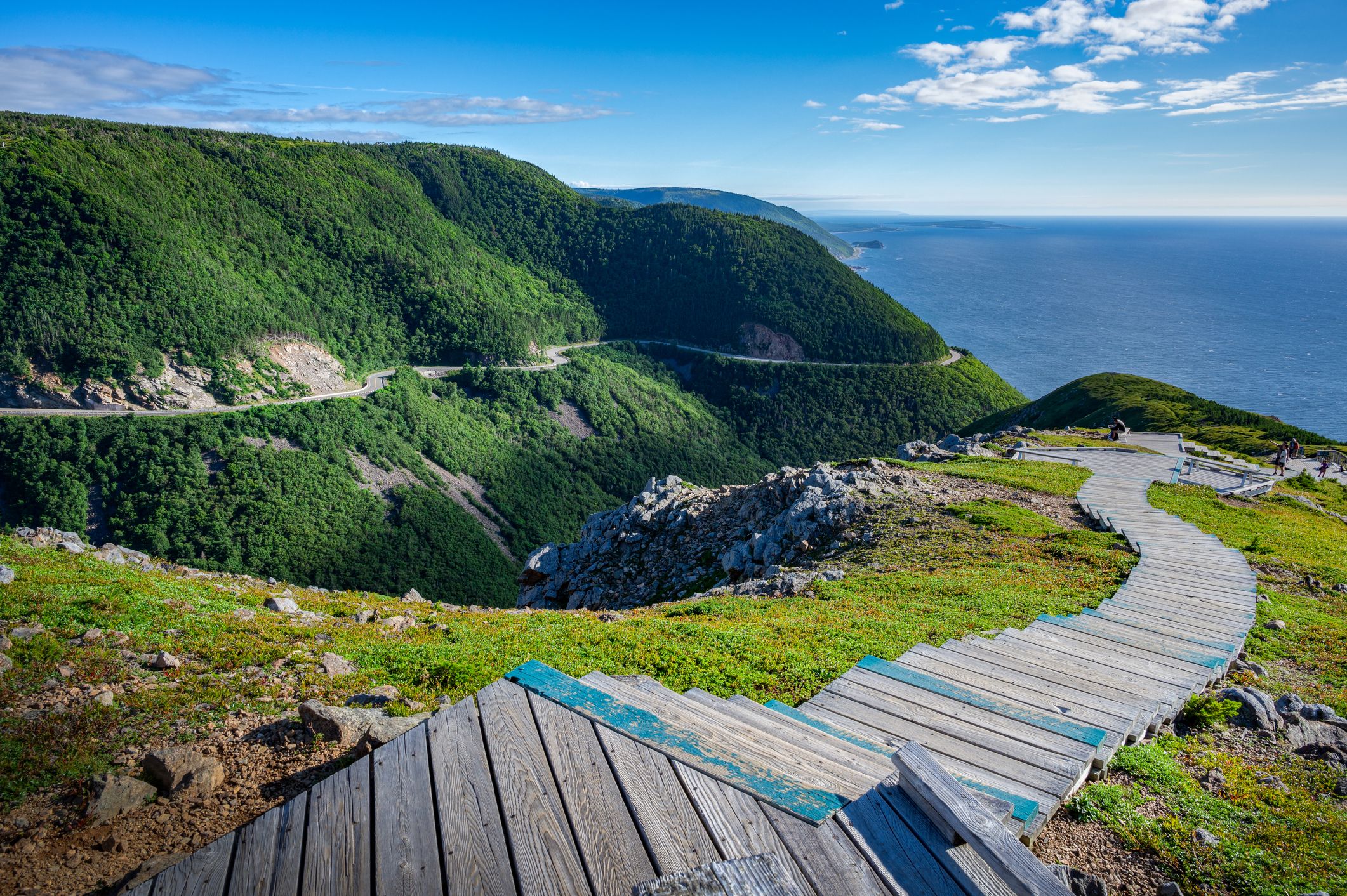
This is not a “chase the heat” itinerary. It's a “bring a layer and earn your views” itinerary, best when days are long and the North Atlantic is at its most theatrically alive.
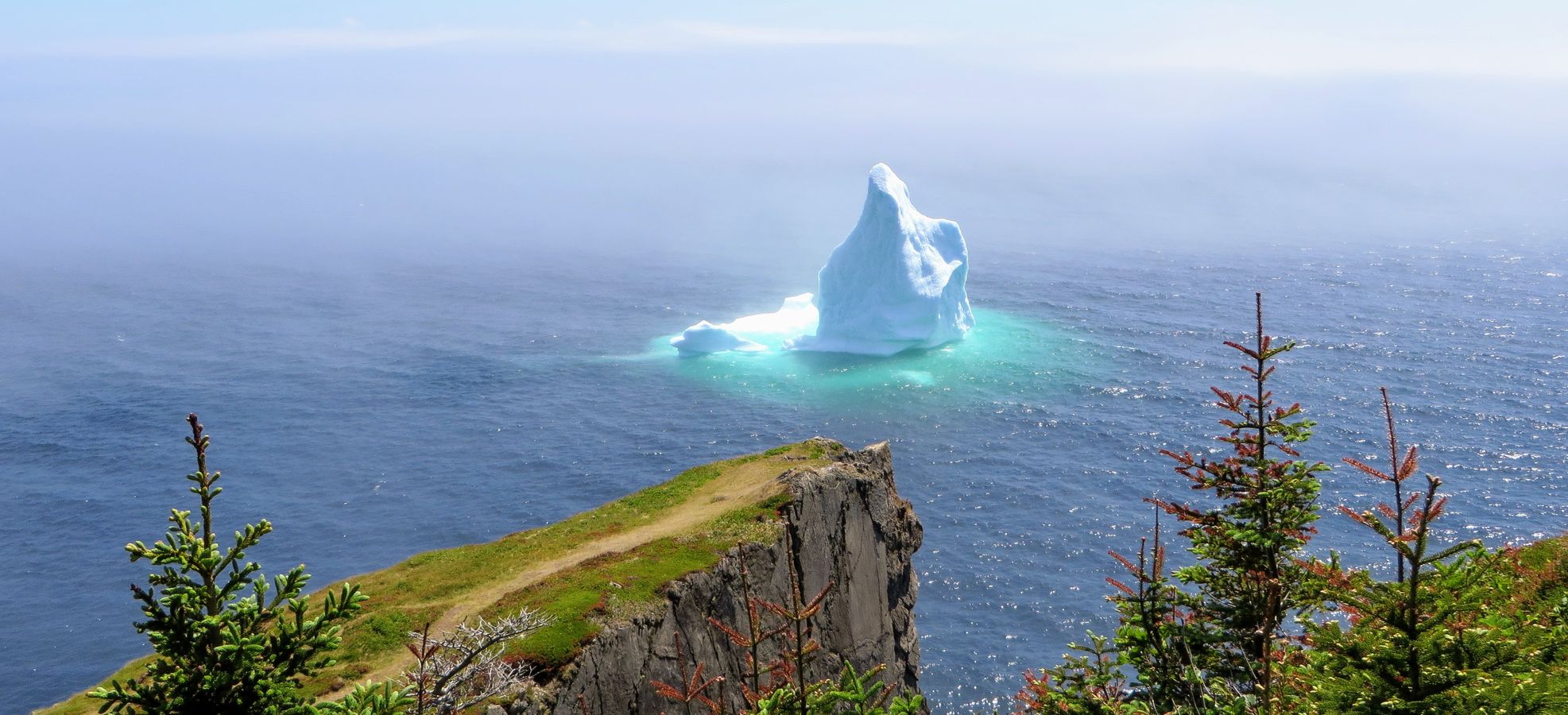
In Newfoundland and Labrador, iceberg season tends to peak around late May and early June along the coast of Newfoundland, with the broader Iceberg Alley window stretching on into summer depending on where you are. That same shoulder into summer is also when wildlife is in full swing: Newfoundland and Labrador’s tourism site notes humpback whales return each year between May and September. Puffins, those small, self-serious birds dressed for a formal dinner, breed in colonies from early May to mid-September.
Nova Scotia plays a different tune. It is less about ice and more about coastline, music, and that maritime habit of acting as though brisk wind is a personality trait. If you have ever loved a Scottish harbour town, you will feel at home.
Halifax: lighthouses, harbour views, and a very civilised start
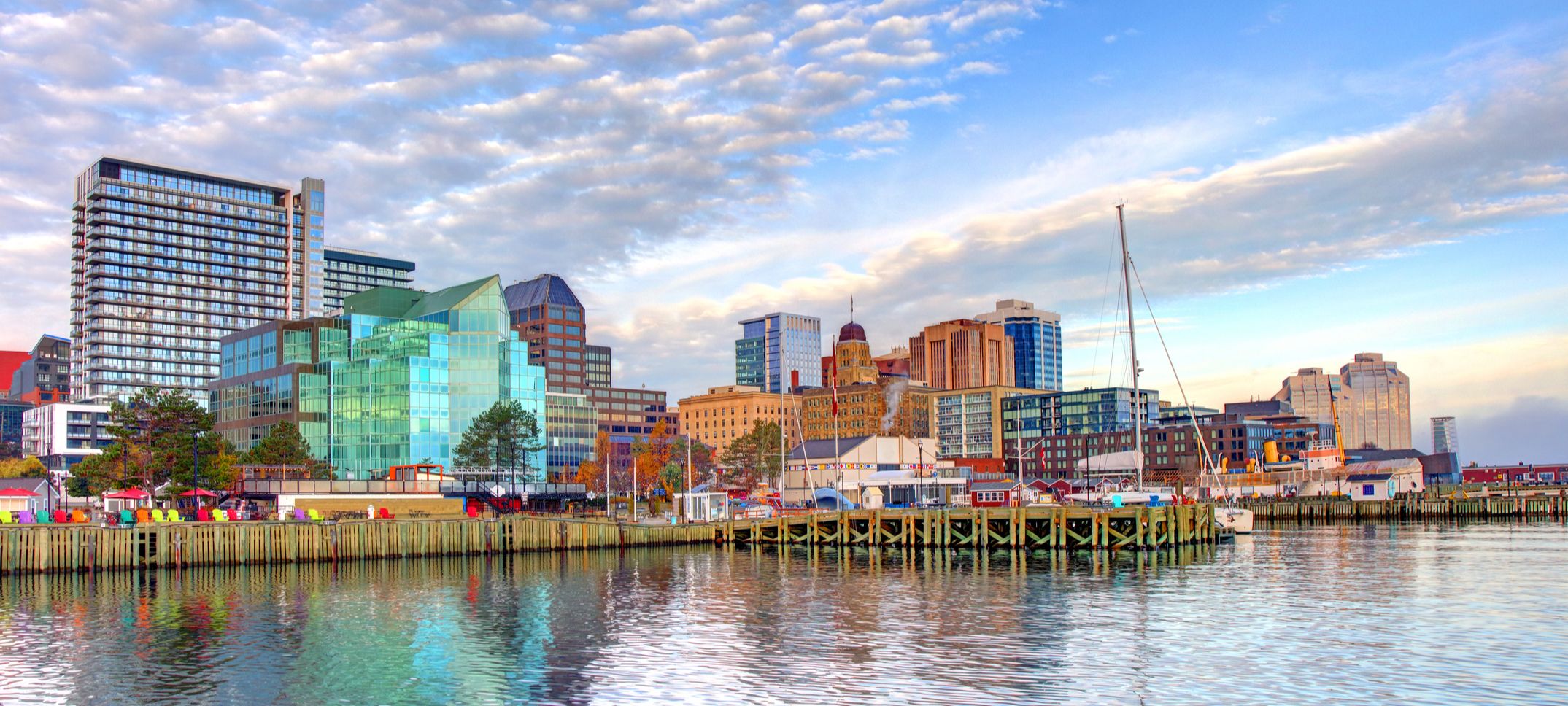
Halifax is one of the easiest cruise days you will ever have, mostly because it was designed by sensible people who put a city next to its harbour instead of several miles away behind a roundabout and a retail park.
Start on the waterfront. Discover Halifax calls the Halifax Waterfront a place to stroll, ferry-hop, and generally loiter with purpose, and in warm months it is exactly that. Then go up for a proper overview: the Halifax Citadel National Historic Site sits on Citadel Hill and Parks Canada makes the point plainly, it offers commanding views over Halifax Harbour.
Now, the lighthouse question. If you want the classic, accept no substitutes. Peggy’s Cove Lighthouse and Village is open year-round, and Nova Scotia’s tourism site offers the practical note that peak visitor hours tend to be 11am to 3pm. It is photogenic in the way only a working lighthouse on bare rock can be, all angles and Atlantic attitude.

If you are the kind of person who enjoys lighthouse trivia, Halifax also has serious bragging rights at the mouth of its harbour. The Nova Scotia Lighthouse Preservation Society describes Sambro Lighthouse as the oldest standing and operating lighthouse in the Americas, with legislation passed in 1758. It is not a quick hop from your ship, but it is satisfying to know the harbour has been lit for centuries, long before anyone thought “cruise formal night” was a concept worth inventing.
Finish Halifax the way the place prefers: with live music and something warm. Destination Canada suggests Celtic nights and ceilidhs at Halifax pubs including Durty Nelly’s, with traditional music, storytelling and dancing. If you time it right, you will walk back to the ship slightly windswept and convinced you have Scottish roots, even if your family tree is mostly spreadsheet.
Sydney, Cape Breton: where the fiddles are not a metaphor
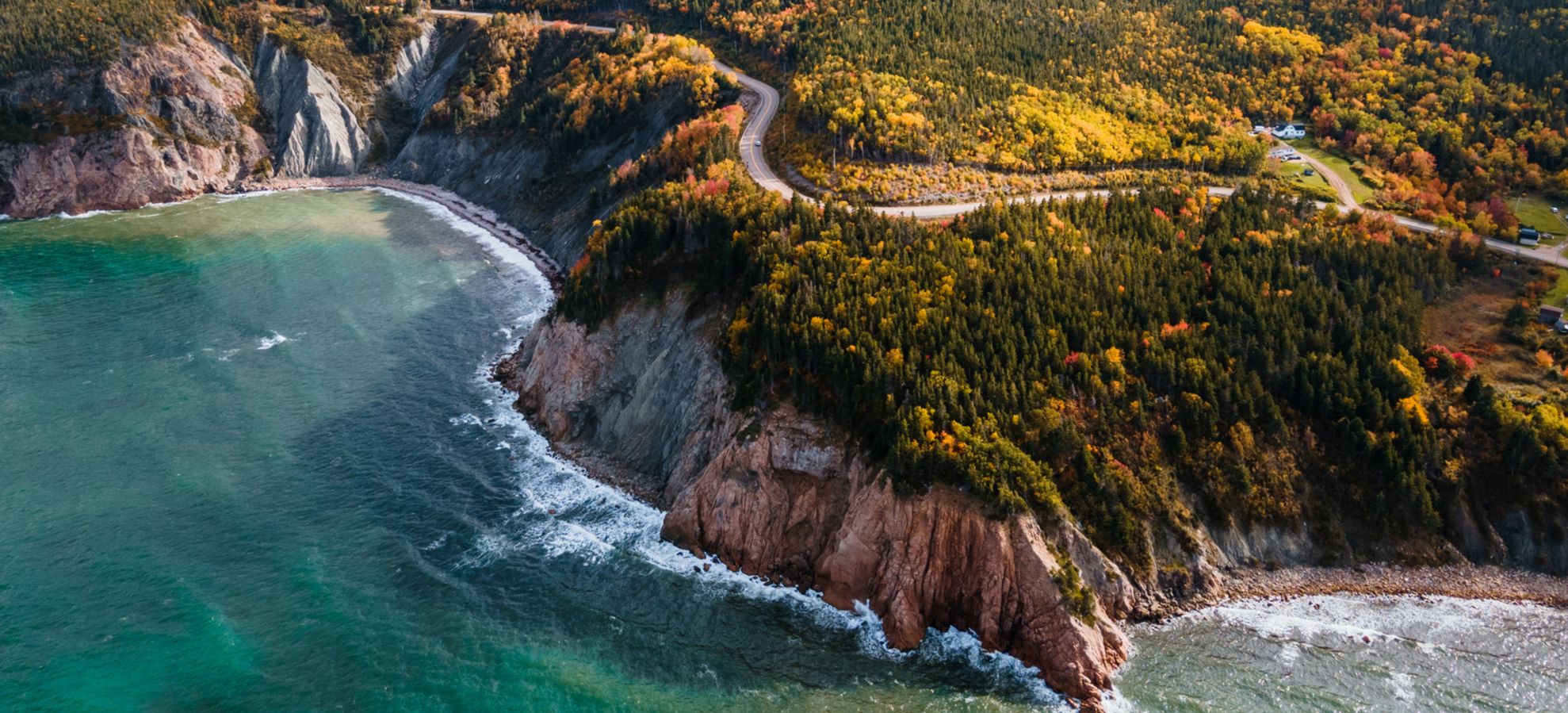
Sydney is not a city that pretends. It is a working place on a dramatic island, and it makes no effort to smooth its edges for you. The Port of Sydney itself leans into the point, calling Cape Breton a gateway with rich Gaelic heritage and sweeping landscapes.
If you want that “closer to Scotland than the US” feeling, Cape Breton is where it turns from an idea into a soundtrack. Nova Scotia’s tourism site is explicit about Gaelic culture shaping the province’s identity, with fiddles, pipes, song, dance, storytelling, and the kitchen party tradition rooted in the céilidh. Destination Cape Breton doubles down, describing live music and céilidhs as the heart of island life, from cosy pubs to community halls.
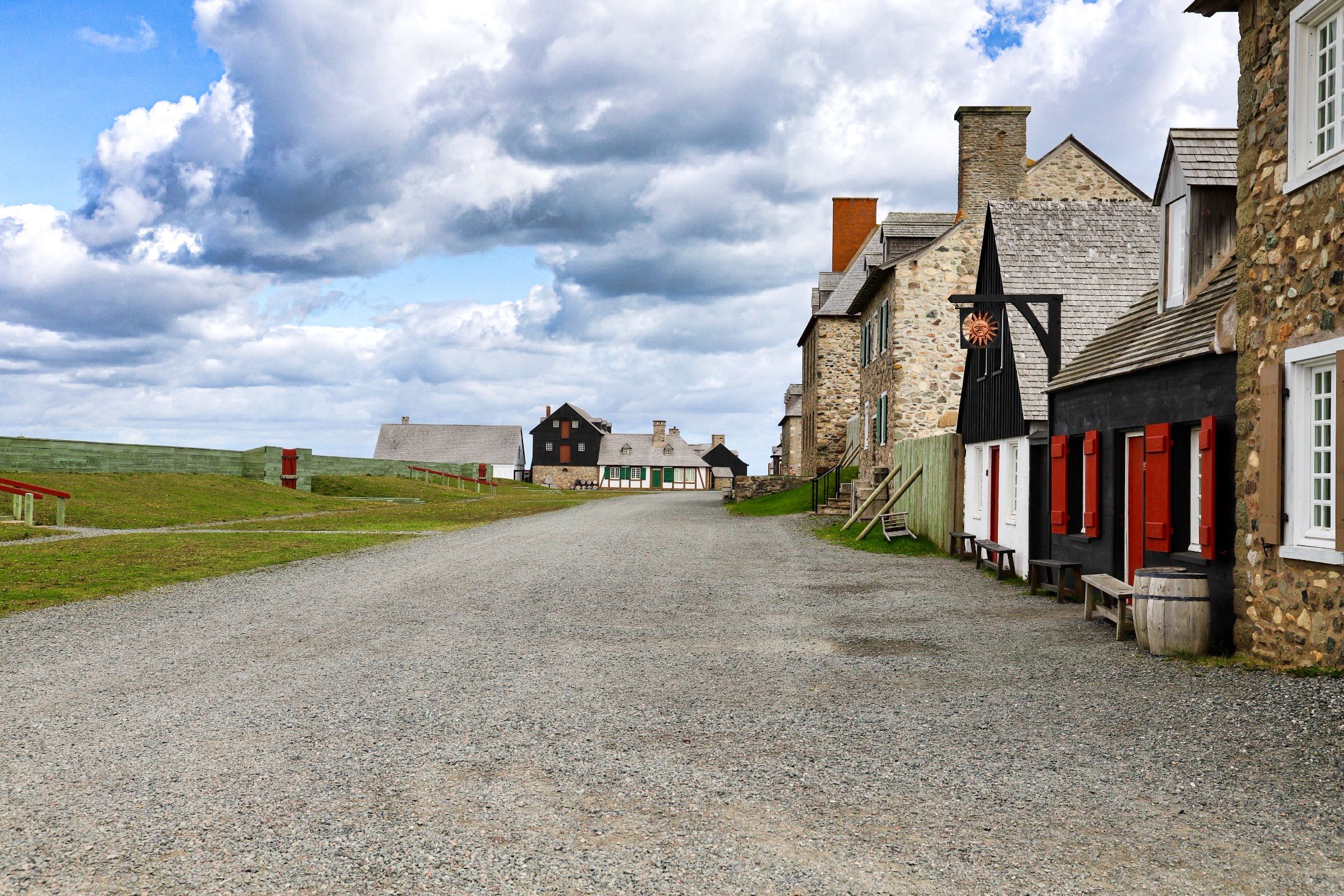
You can spend your day chasing viewpoints, but Sydney’s best move is to pick one big “Cape Breton thing” and do it properly. If history appeals, the Fortress of Louisbourg is a heavy hitter. Parks Canada describes it as the largest reconstructed 18th-century French fortified town in North America, sitting on the southeast edge of Louisbourg Harbour. It is immersive, windswept, and full of the kind of detail that makes you appreciate modern waterproof footwear.

If wildlife is your priority, summer is your friend. Cape Breton whale watching season is commonly described as running June to September, with August often strongest, according to Cape Smokey’s local guide. The sea around this island is not decorative. It is busy.
Somewhere between your historical fort and your possible whale, leave room for a pub with music. In Cape Breton, a fiddle session is not entertainment. It is weatherproofing.
St. John’s: cliff-edge drama, Cabot Tower, and the wind that keeps you honest
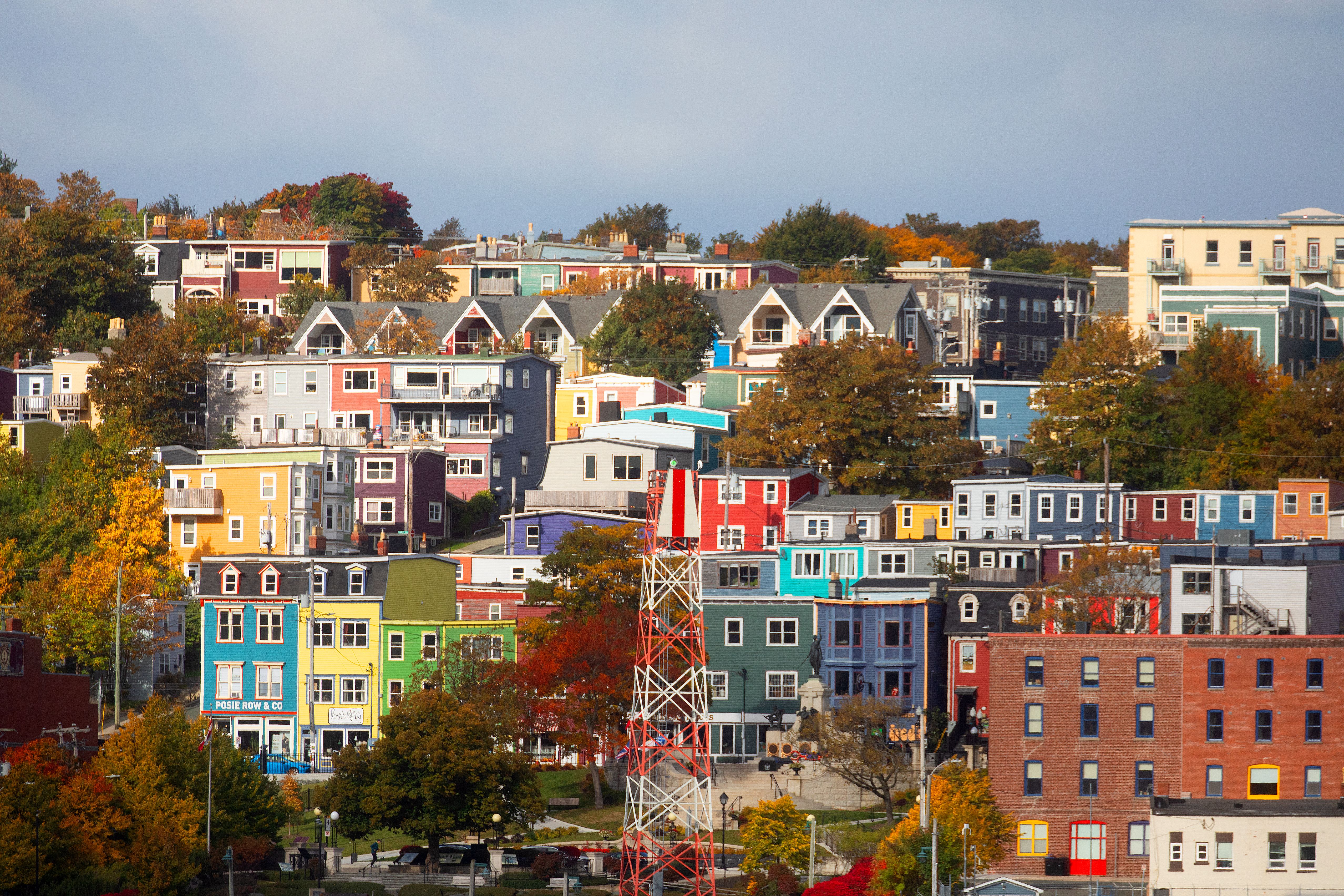
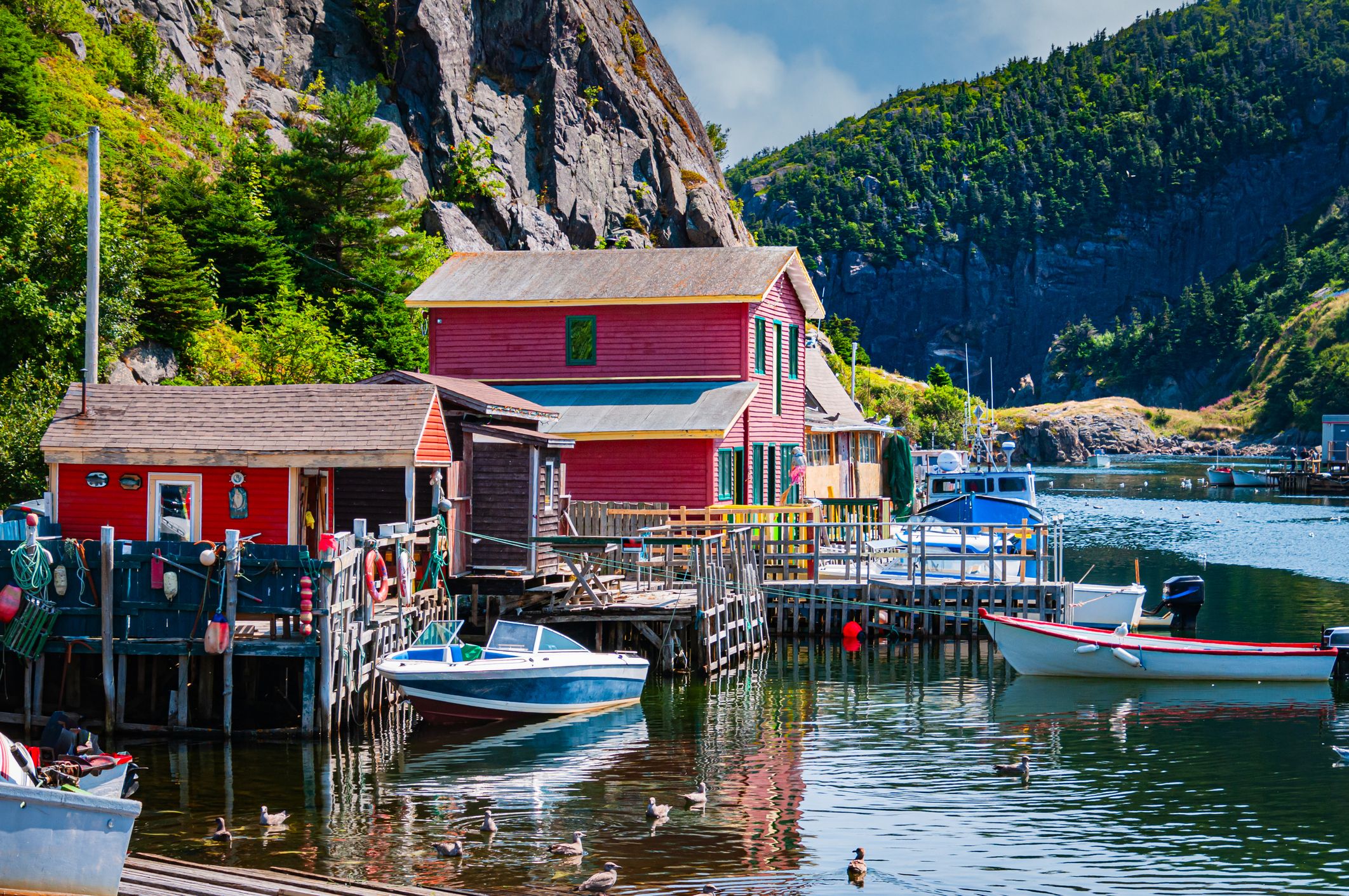
St. John’s arrives like a proper Atlantic port should: colourful houses, steep streets, and a harbour entrance that looks engineered for naval history.
Your first stop is the obvious one, because it is obvious for a reason. Signal Hill National Historic Site is St. John’s landmark, with hiking trails, big views, and the iconic Cabot Tower. Parks Canada’s designation notes Signal Hill’s commanding views of the Narrows, the channel every ship must pass to enter St. John’s Harbour. Stand there for five minutes and you will understand why every empire on earth once wanted a piece of this coastline.
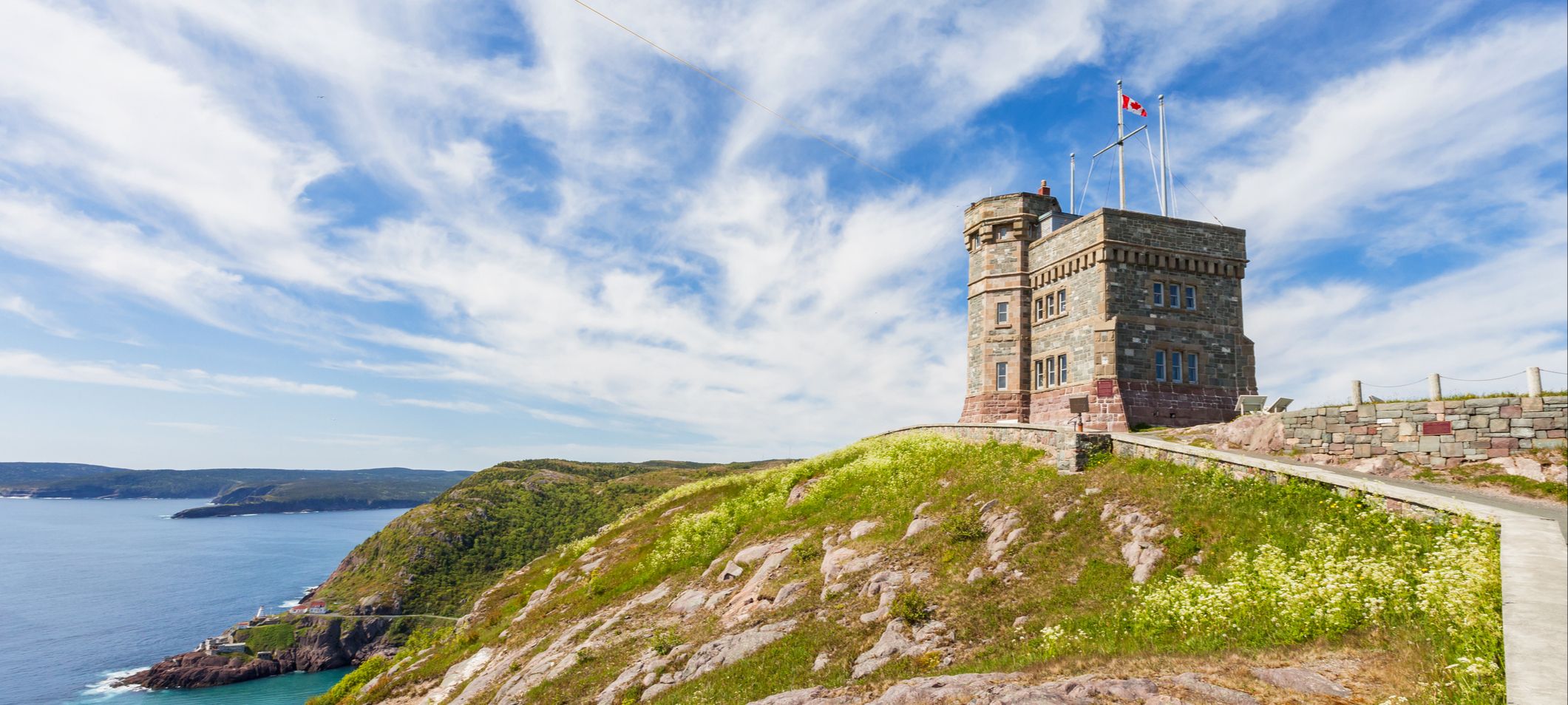
Then go further out, to the place where the continent simply runs out of land and shrugs. Cape Spear Lighthouse National Historic Site sits at Canada’s most easterly point of land, and Parks Canada calls it the oldest surviving lighthouse in Newfoundland and Labrador, with views for spotting migrating whales and icebergs. Newfoundland and Labrador’s tourism site sells it with the kind of line you cannot improve: put your back to the sea and there is nothing behind you until Ireland.
If your cruise falls in late spring or early summer, St. John’s is also one of the places where you might catch the overlap that makes Atlantic Canada feel slightly unreal: whales and icebergs in the same week. Icebergs are best viewed in late May and early June along Newfoundland’s coast.
For wildlife without committing to a full expedition mood, aim for the Witless Bay Ecological Reserve area, famous for seabird colonies. The Government of Newfoundland and Labrador notes boat tour operations are regulated during nesting season from April 1 to September 1, and tours can offer opportunities to spot whales and other wildlife. Pair that with the province’s puffin breeding season, early May to mid-September, and you have a very strong case for getting out on the water.
St. John’s also has a talent for turning an ordinary walk into a small epic. You will feel windswept. You will take a photo that makes you look philosophical. You will consider buying a new hat. This is the correct experience.
Corner Brook: fjords, geology, and a kind of wilderness that ignores you politely

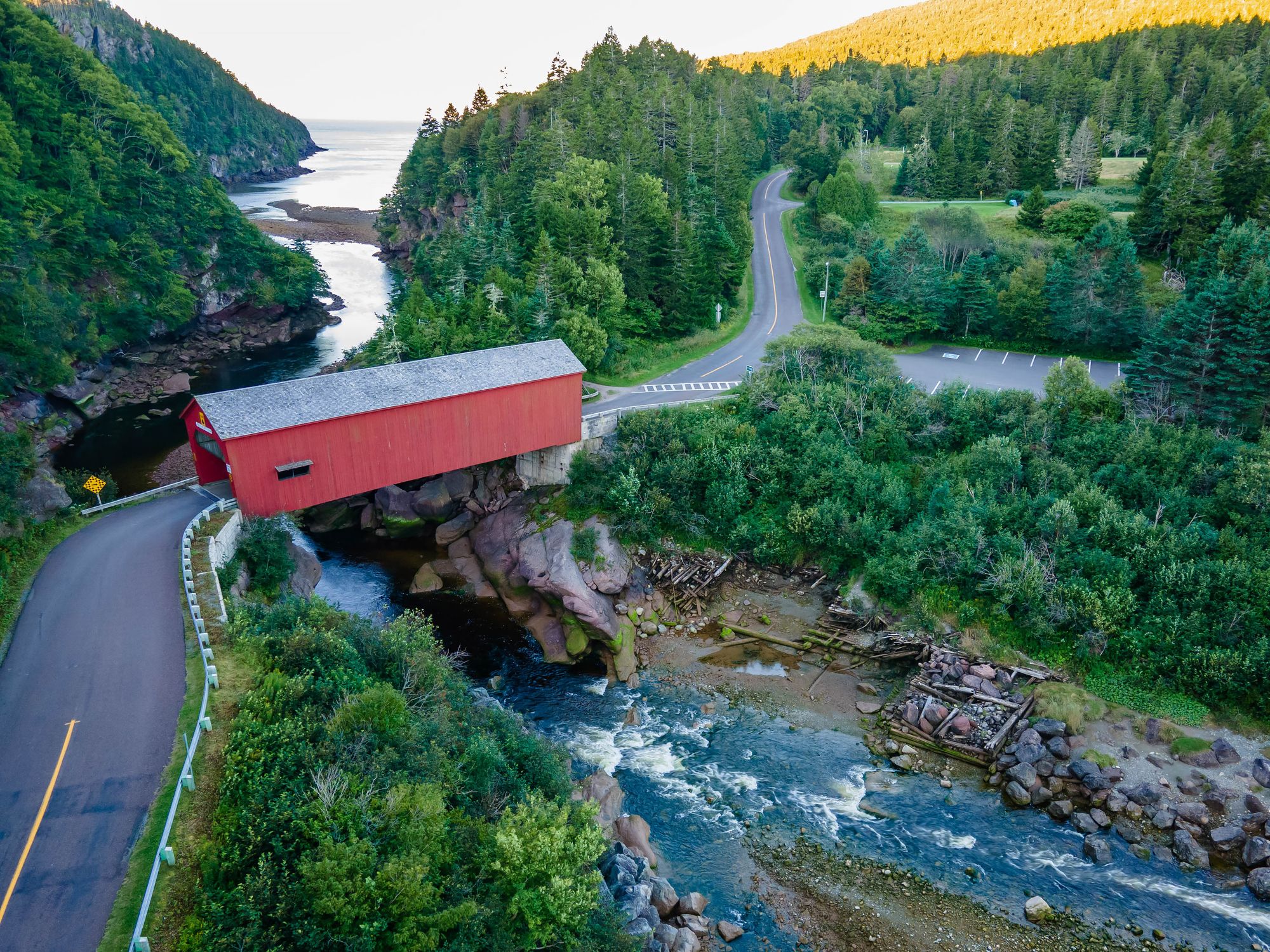
Corner Brook often surprises first-timers, partly because “Newfoundland cruise port” tends to conjure images of a small town and a gift shop with magnets. Corner Brook is that, yes, but it is also the front door to landscapes that feel properly ancient.
The headline day trip is Gros Morne National Park, a UNESCO World Heritage Site. UNESCO describes it as an outstanding wilderness of landlocked freshwater fjords and glacier-scoured headlands in an ocean setting. Parks Canada echoes the point, describing Gros Morne’s landscape as shaped by colliding continents and grinding glaciers, and explicitly noting its UNESCO status.
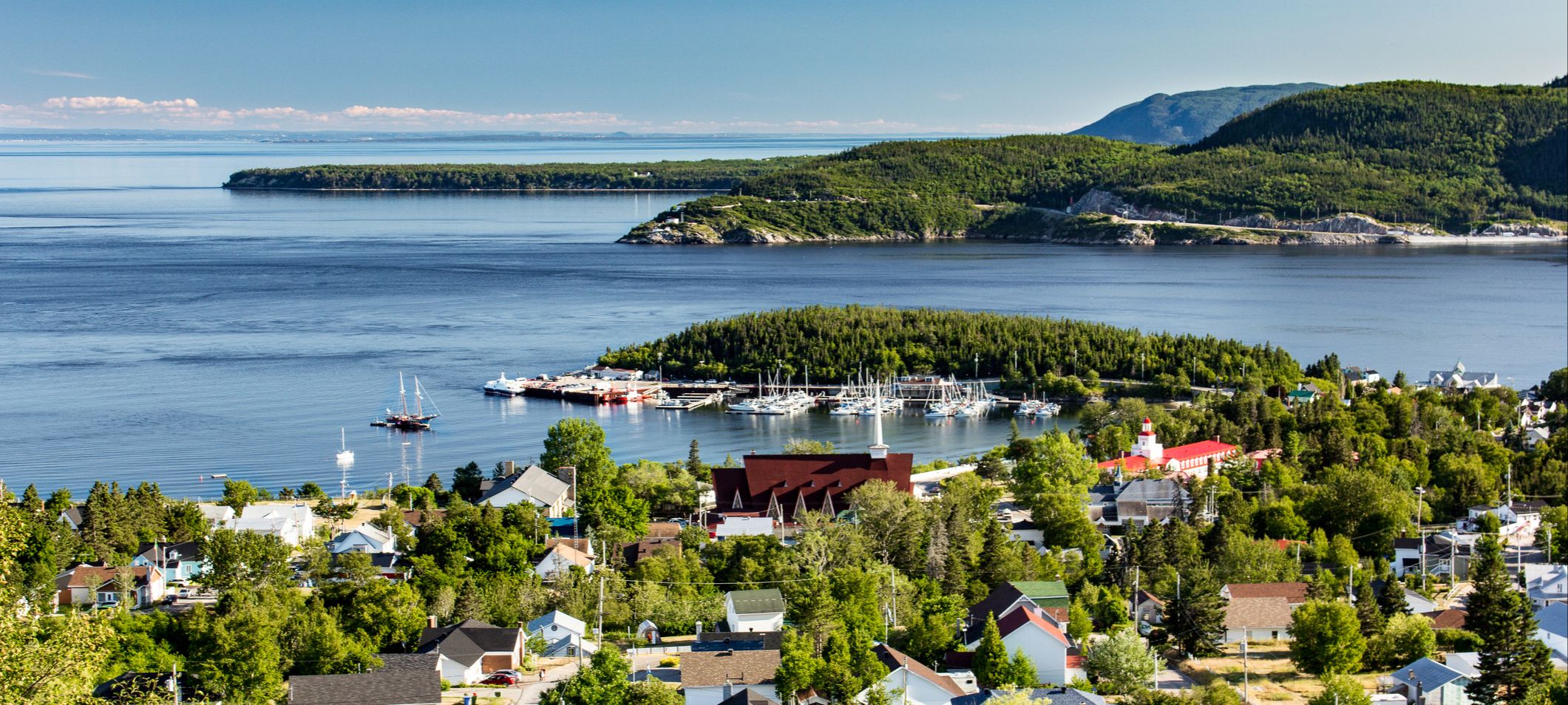
Cruise logistics matter here. A Holland America shore excursion page notes the travel time from Corner Brook to Gros Morne is approximately two hours each way. This is not a pop-out-for-a-coffee destination. It is a commit-and-be-rewarded destination.
If you are visiting early in the season, a small detail can save disappointment: Parks Canada notes the Gros Morne Mountain trail closes May 1 and reopens June 28 to protect wildlife. The park has plenty to do regardless, but it is worth knowing before you emotionally attach yourself to a summit selfie.
Corner Brook also gives you a more local kind of boat day. The Corner Brook Port Corporation highlights cruises into a remote wilderness fjord in the Bay of Islands, with chances to spot minke and humpback whales, bald eagles and osprey, plus live music and storytelling about the coast. This is Newfoundland in miniature: vast scenery, wildlife that behaves like it owns the place, and a song or two to make sure you remember it.
What to pack

Dress for change. Halifax can be crisp in the morning and soft by lunchtime. St. John’s can give you four seasons in one walk to Signal Hill, mostly because it can. Bring something windproof and something that forgives a bit of mist. Also bring patience for the fact that whale watching is called whale watching, not whale ordering. Newfoundland and Labrador’s tourism site is enthusiastic about May to September sightings, but whales remain whales.
Most importantly, do not try to do everything. These ports reward focus. Pick a lighthouse and make it your lighthouse. Pick a boat trip and commit. Pick one pub with music and stay for the second tune, the one where everyone starts smiling at strangers like they have decided you are probably harmless.
That is the ragged edge’s best trick. It makes you feel a long way from home, in the most refreshing way possible, then sends you back to the ship with salt in your hair and a suspicion you could live quite happily somewhere that requires a proper coat.