Teenagers and cruises: two words that can strike fear into even the most optimistic parent. The good news is that it can work. The less-good news is that it only works if you plan it like you are travelling with three different age groups, because you are.
Here is how to cruise with teenagers without spending the whole week arguing over Wi-Fi passwords and curfews.
Start with the right kind of ship
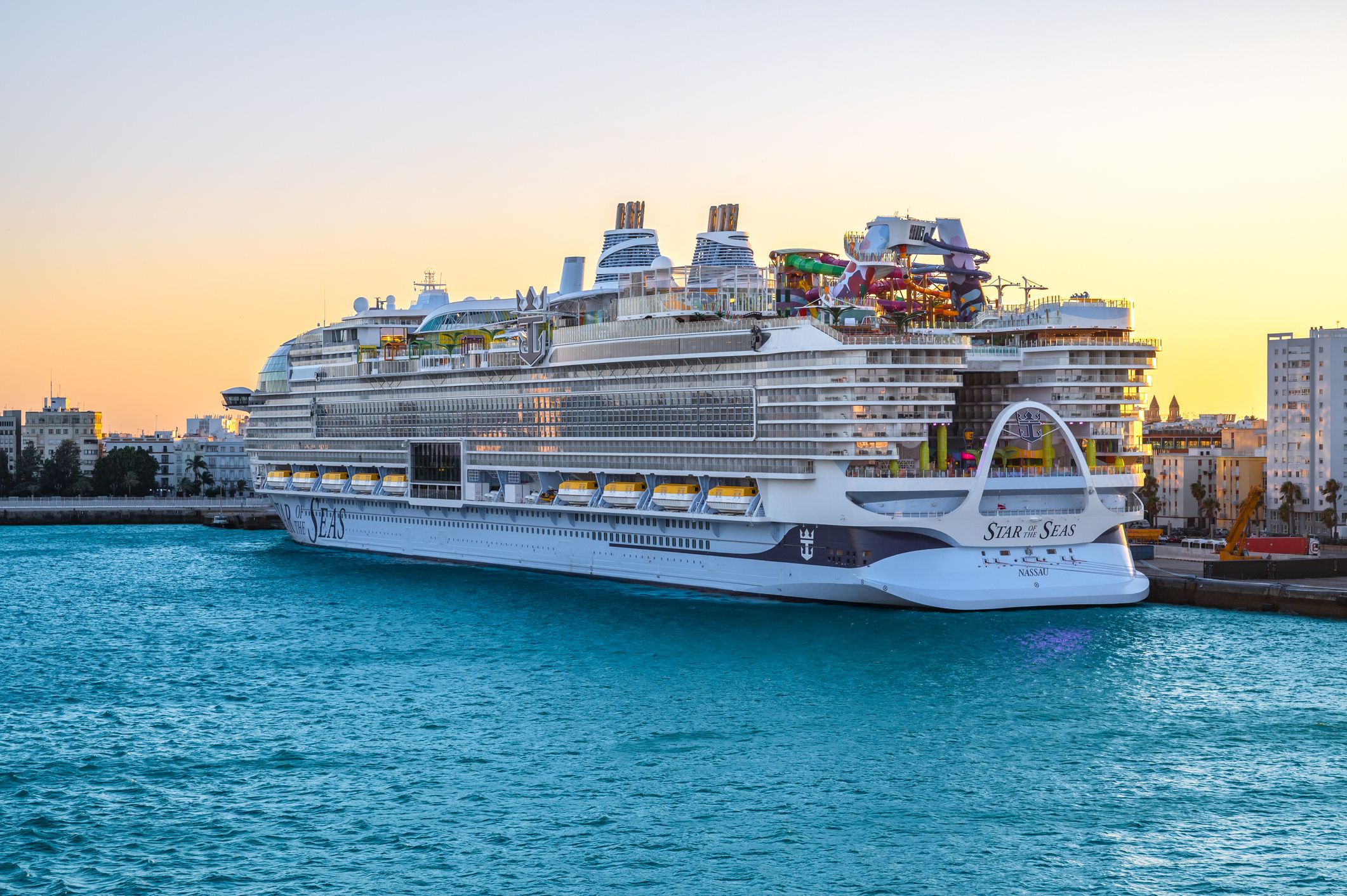

The single biggest decision is not the itinerary, it is the hardware. Some ships are built with teens in mind, others are essentially floating country clubs.
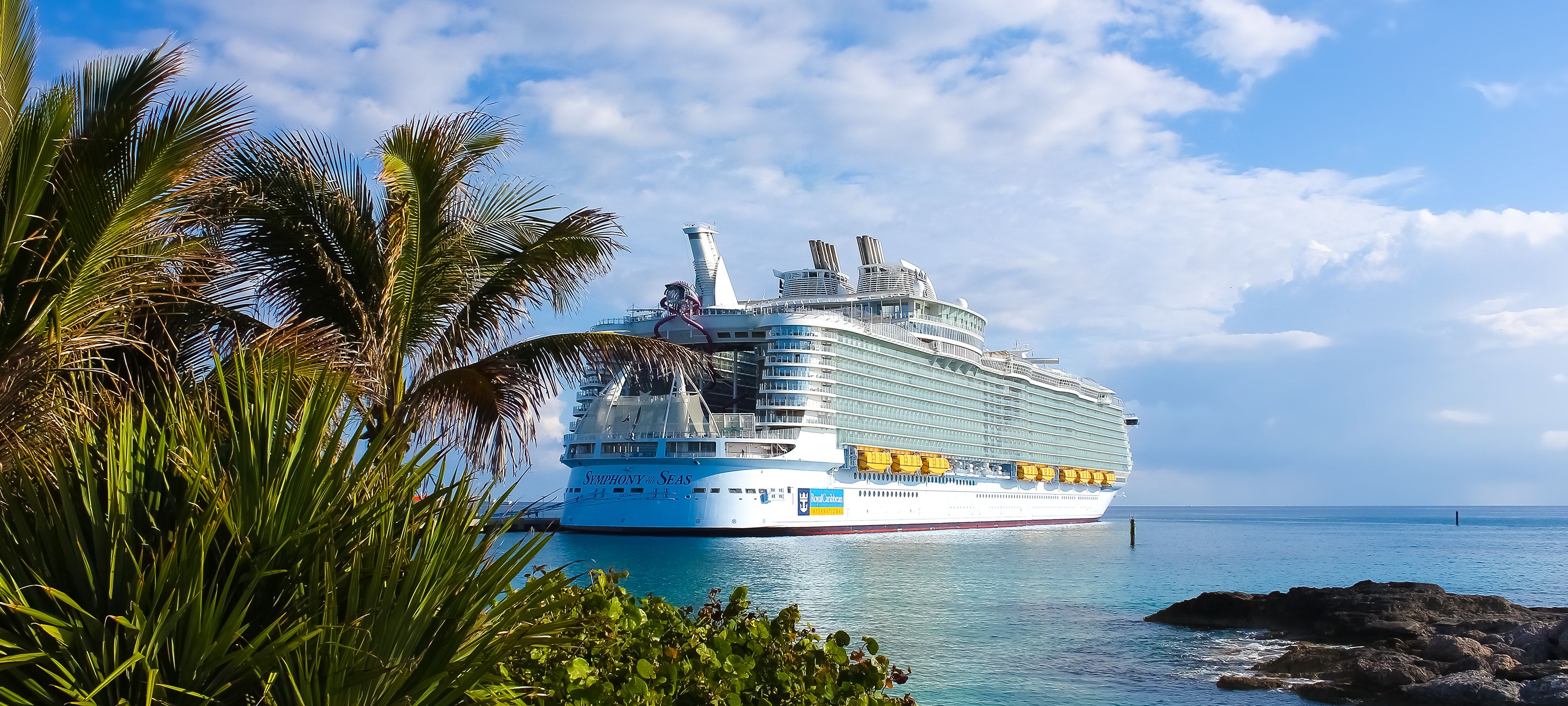
Lines such as Royal Caribbean, MSC Cruises, Norwegian Cruise Line and Carnival have leaned heavily into teen spaces and high-energy toys. Royal Caribbean’s newer ships, for example, have dedicated teen lounges, sports courts, surf simulators and late-night hangout zones that are specifically for the 13 to 17 crowd. MSC has separate clubs for tweens and teens, plus things like F1 simulators, sports arenas and late-night parties that are deliberately pitched to older kids rather than small children. Norwegian’s Entourage teen programme is built around a teen-only space that doubles as a nightclub later, with activities that sound like youth club rather than nursery. Carnival’s Club O2 works on similar lines for 15 to 17 year olds.
If you want something more British in feel, P&O Cruises offers H2O on some ships, a teen hangout by day that flips into an adults-only space in the evening. Marella also tends to attract a lot of families with older kids on Mediterranean and Caribbean routes.
If your teenager looks at water slides and climbing walls and says “absolutely not”, there is a different set of ships to consider. Some premium lines have smaller, more relaxed teen lounges and a stronger focus on port days, which can suit bookish or introverted teens who would rather have a quiet corner and a good library than a DJ and laser tag.
The key question is simple: is this a ship where teens will naturally find other people their age, or will they end up trapped between the kids’ club and the cocktail lounge?
Cabins, curfews and the delicate art of personal space

Teens are allergic to sharing a tiny cabin with their parents. You are allergic to paying for three suites. Somewhere in the middle is the sweet spot.
If budget allows, two smaller cabins side by side is ideal. Everyone gets a door they can close, you get a bathroom that is not full of mysterious hair products, and they get a sense of independence without actually being far away. If connecting cabins are available, grab them early.
If that is not realistic, work out some ground rules before you sail. Who gets the bathroom first in the morning. Where wet swimsuits go. What happens if someone wants lights out and someone else wants to scroll. It sounds fussy, but a bit of planning is much easier than refereeing a towel-related stand-off on day three.
Curfews are worth agreeing in advance too. Many teen clubs run organised activities up to around midnight; after that, things tend to blur into “hanging around the pizza counter with new friends”. A simple rule like “be back in the cabin by half past midnight, phone on loud, answer if we call” is usually enough. It gives them freedom and you sleep slightly better.
Sea days that are structured but not scheduled to death
Teens do not want a laminated timetable from their parents. They also get bored quickly if left to their own devices in the middle of the ocean. The trick is gentle scaffolding.
On day one, wander the ship together and find out what is actually on offer for their age group. Visit the teen club during open house, locate the sports court, work out where the decent coffee lives and when trivia or game shows might appeal to the whole family.
Then step back. Let them choose two or three things they would like to do on each sea day. It might be a morning in the pool and an afternoon gaming tournament. It might be live music at sunset and nothing else. As long as everyone has one or two anchor points in the day where you regroup, the rest can be loose.
A late breakfast together, a pre-dinner drink, and perhaps a “one show or event we do as a family each day” is usually enough to stop you becoming separate holiday parties who only meet by accident at the dessert station.
Wi-Fi, roaming and the cost of constant connection

Teenagers regard ship Wi-Fi as oxygen that comes in password form. Parents regard it as a line item that can rival the drinks bill.
Most cruise lines now offer tiered internet packages. Royal Caribbean, Norwegian, MSC and others sell basic “social” plans for messaging and light browsing, and more expensive packages for video streaming. Buying one family package and agreeing some shared rules can work out much cheaper than letting everyone quietly sign up on their own device.
Being honest about the limits helps. If you tell a teenager they can stream games and TikTok all day, you will either pay through the nose or spend the week apologising. It is better to say “you will be able to message friends and scroll, but downloads and streaming need to wait until port”.
On port days, local data often works out far cheaper. Many European and some Asian ports are covered by inclusive roaming on UK phone plans. A quick check with your provider before you travel can save a lot of grief later. Just remember to switch data off again as you walk up the gangway or your phone will cling to a distant land mast for the entire afternoon.
A few parents like to have a “tech detox afternoon” on a scenic sailing day: phones away, everyone out on deck for glaciers, fjords or sunset. It sounds twee, but on routes like Norway or Alaska it often becomes the part of the trip they actually remember.
Port days that feel less like school trips
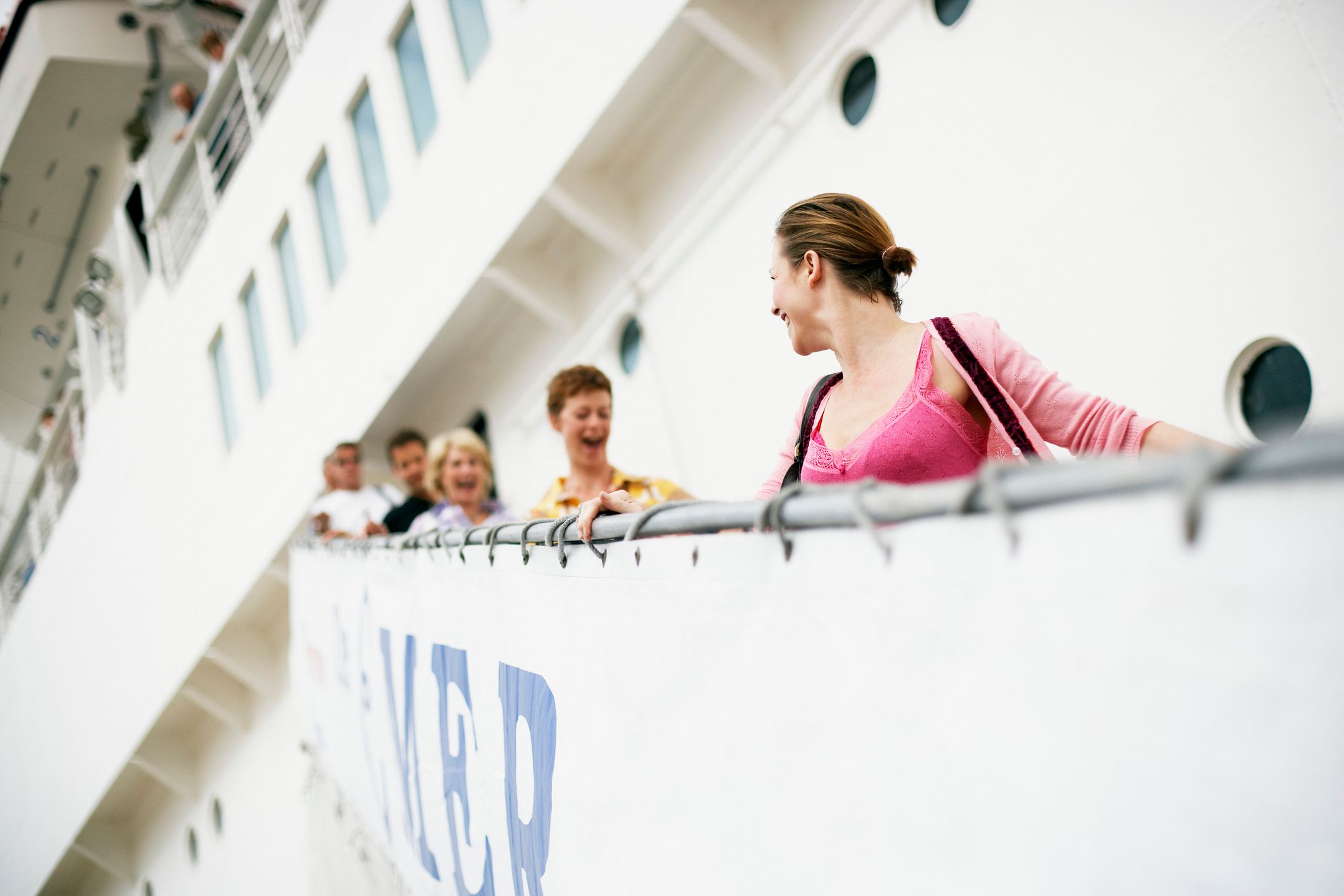
Nothing drains the joy out of a port faster than dragging a sleepy teenager on an 8am coach tour they never wanted.
When you are choosing excursions, look at the descriptions through teen eyes. Kayaking, snorkelling, zip lines, bike tours and food walks are usually an easier sell than three hours of “panoramic highlights” from a bus window.
In cities such as Palma, Marseille or Corfu there is a lot you can do independently. A late start, a decent lunch and a short, punchy activity can be far more successful than trying to tick off everything in the guidebook. That might mean an 11am wander through Marseille’s Vieux Port and Le Panier with an ice cream stop rather than a full-day coach loop, or a lazy afternoon at a beach near Palma instead of a strict cathedral-and-museum circuit.
If you have more than one teen and they have different interests, consider splitting for a few hours. One parent takes the museum enthusiast, the other takes the sea-kayaker. Everyone meets back at the ship with something to talk about.
Money, extras and managing expectations
This is where the arcade machines, mocktails and branded hoodies lurk.
Most ships now allow you to set spending limits on room keys or pre-paid cards. Use them. A fixed daily or trip-long allowance avoids the horror of discovering that someone has accidentally spent three figures on claw machines and smoothies.
Again, clarity up front helps. Explain which things are included and which are not. Teen snacks at the buffet? Included. Specialty coffee, extra-charge ice cream, escape rooms or VR experiences? Not included. If they know they have, say, ten pounds a day to play with, they quickly learn to prioritise.
One clever trick is to tie spending money to something positive, not punishment. For example, agree that anyone who comes to at least one dinner and one daytime activity with the family each day gets their allowance with no debates. It shifts the tone from “you are costing us money” to “this is part of the holiday deal”.
How to keep everyone roughly on speaking terms

A few small things go a long way with teens.
Let them bring a friend or cousin if you can manage it. A second teenager can take some of the pressure off you as the entertainment committee.
Involve them in planning from the start. Show them the ship, the ports and the activities rather than springing it all as a surprise. If they have chosen the water park in one port or the sushi place on board, they are far more likely to engage.
Listen when they say they are tired. Cruise days can be strangely intense: loud, busy and full of people. If a normally cheerful teen is suddenly monosyllabic, it might be sensory overload rather than attitude. A quiet hour with headphones and a book can reset the day.
Finally, remember that this is their holiday too. If your idea of bliss is a classical trio in the atrium and theirs is a silent disco at midnight, that does not mean anyone is doing it wrong. The joy of a ship is that both can happen at the same time, and you still meet at breakfast.
Cruising with teenagers will never be entirely argument-free. But pick the right ship, set a few rules, and give them enough freedom to feel like this is their adventure as much as yours, and you might just discover that a week at sea together is less battle and more truce. With occasional pizza.