Some cruise lines have a slightly frustrating habit of describing rooms as though they're either luxury penthouses in Miami or coded messages intended for submariners. You don't even necessarily book a room any more either; you book a “guarantee”, an “infinite veranda”, a “family infinite ocean balcony”, a “spa mini-suite”, a “part-obstructed deluxe sea view” or some other phrase that sounds as though it should come with it's own glossary. The good news is that most cabin categories are much simpler than they sound. The less good news is that some of the jargon is designed to distract you from something mildly annoying.
The easiest way to approach cruise cabins is to ignore the poetry and ask three basic questions. Do I get daylight? Do I get outside space? Do I get to choose the exact room? Once you do that, most of it begins to make a little bit more sense.
Inside cabins explained
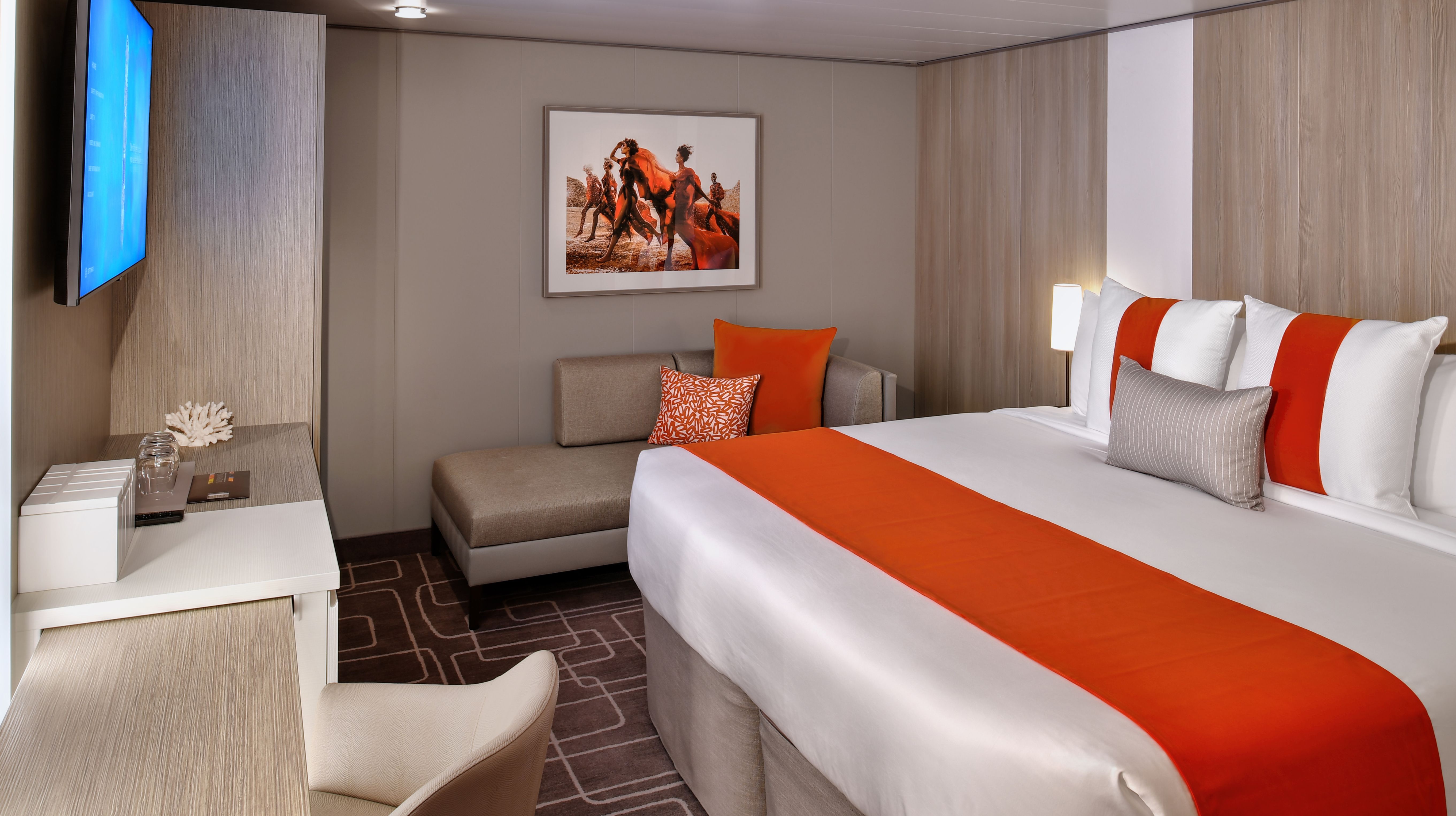
An inside cabin is the straightforward budget option. No window, no balcony, usually slightly less space, typically a lower price. Royal Caribbean groups these simply as “Interior” staterooms, and P&O describes an inside cabin as accommodation without a sea view. If your priority is price, you sleep well in darkness, and you don't plan to spend much time in the room, an inside is a perfectly sensible option.
The catch is psychological as much as practical. Some people are absolutely fine in an inside and even prefer the cave-like sleep. Others discover on day two that they would, in fact, quite like to know whether it's morning without checking their phone like a confused mole. This is also where cruise lines sometimes start getting cute. On Royal Caribbean, for example, some interior cabins have a “Virtual Balcony”, which is an 80-inch floor-to-ceiling screen showing real-time ocean and destination views. Useful? A bit. A balcony? Obviously not. Dystopian? Ever so slightly...
Ocean view cabins explained
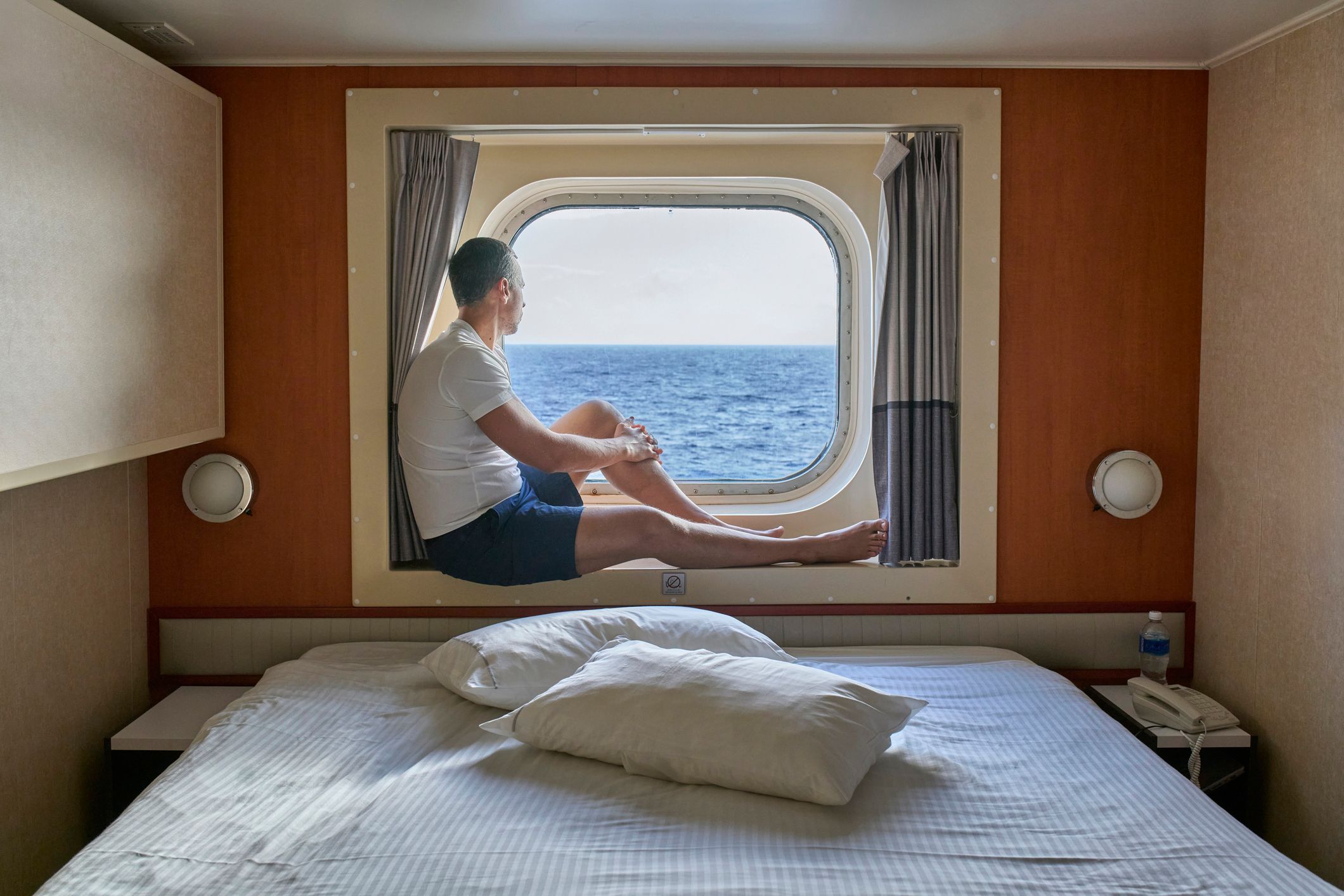
An ocean view cabin is the same basic idea as an inside, but with a (real) window or porthole. In plain English, these rooms are for people who want daylight and some visual contact with the sea, but aren't fussed about stepping outside.
Ocean view cabins can be a very good middle ground. They are often still cheaper than balconies but feel much less bunker-like than insides. The trap here is assuming all windows are equal. Some are big and satisfying. Some are portholes that make you feel as though you are travelling in a decorative washing machine. Always look at the actual cabin type and, if possible, the deck plan or photos.
Balcony cabins explained

A balcony cabin is exactly what it sounds like. You get your room plus private outdoor space. If you like reading outside, having a coffee in peace, or checking the weather without getting dressed like a normal person, this is the category most people feel good about booking.
The catch is that “balcony” does not automatically mean “great balcony”. Some are deep and private. Some are narrow and functional. Some are visible from above. Some barely get sun. And some are technically balconies while the view is obstructed by lifeboats or ship structure, which brings us neatly to one of cruising’s great little euphemisms...
Obstructed view cabins explained
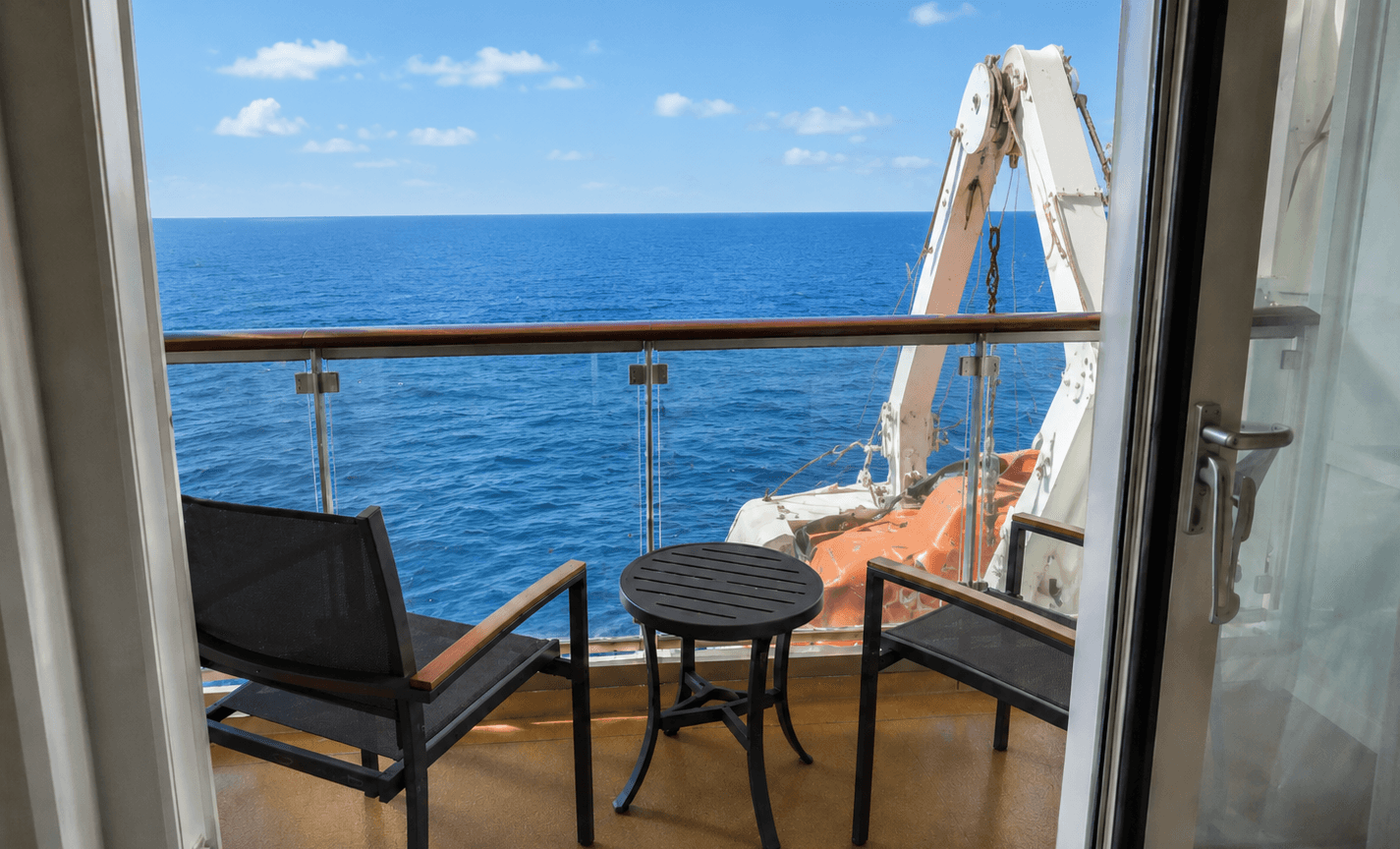
An obstructed view cabin means the view is blocked, partly or fully, by something attached to the ship. Usually this means lifeboats, ship structure or equipment. There is no mystery here. The view is compromised, therefore the cabin is cheaper.
This isn't always bad, if the price difference is good and you mostly care about daylight and fresh air, an obstructed balcony can still be a smart buy. What probably you shouldn't do is book one while privately hoping the obstruction will turn out to be more philosophical than physical. Sometimes it really is a lifeboat parked where your horizon ought to be.
Guarantee cabins explained
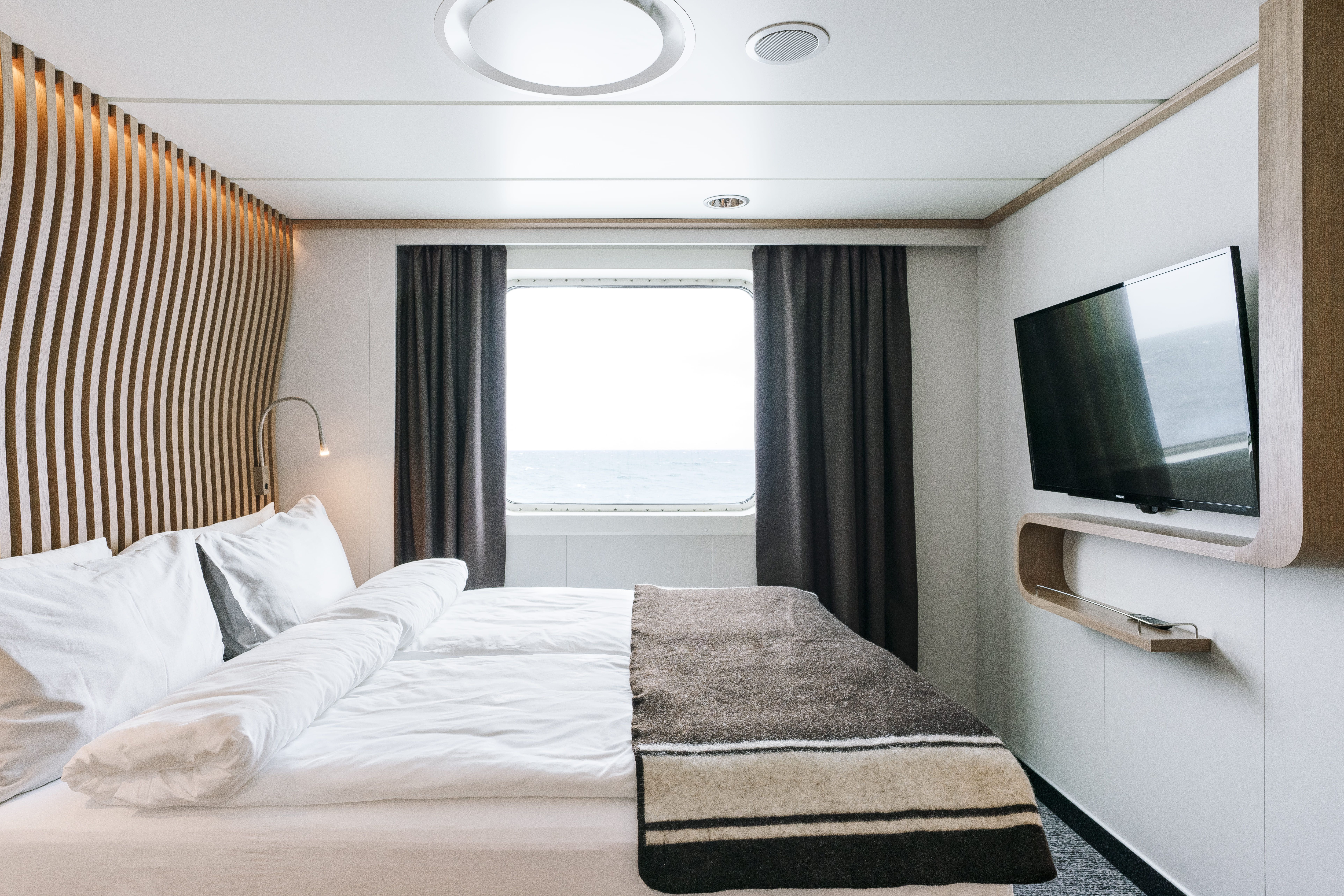
A guarantee cabin usually means you choose the category, but not the exact room number. The cruise line assigns the cabin later, based on availability. Royal Caribbean’s guarantee stateroom FAQ says guests in GTY cabins may be assigned obstructed-view rooms and may not be berthed with other travelling parties due to availability. MSC’s Bella Experience similarly says it is available with guaranteed cabins, while higher experiences let you choose your own ideal cabin and location.
Translated into normal English, a guarantee cabin is cruise roulette with a small discount attached. Sometimes you do well, sometimes you get a perfectly ordinary room in an odd corner of the ship. It can be worth it if price matters more than location and you are not picky. It is however, a poor idea if you care deeply about deck, noise, connecting rooms, midship position, or not ending up directly under a nightclub called something like Pulse.
Infinite veranda cabins explained

An infinite veranda is not the same thing as a traditional balcony, however much the marketing may wave its arms about. Celebrity says its Infinite Veranda takes the whole room to the water’s edge, with the living space effectively becoming the veranda at the touch of a button. In practice, this means the balcony area is folded into the room behind a large window system, rather than being a clearly separate outdoor platform in the classic sense.
Some people love these because they make the room feel bigger and more modern. Some people dislike them because they wanted an actual balcony, not a room that can impersonate one after pressing a button. Neither camp is wrong. You just need to know what you are buying. If your dream is sitting fully outside in your own little outdoor box, an infinite veranda may feel faintly contractual. If you care more about extra living space and a lot of light, it may suit you very well (and having cruised in one myself, I fall into the latter camp).
Studio and solo cabins explained
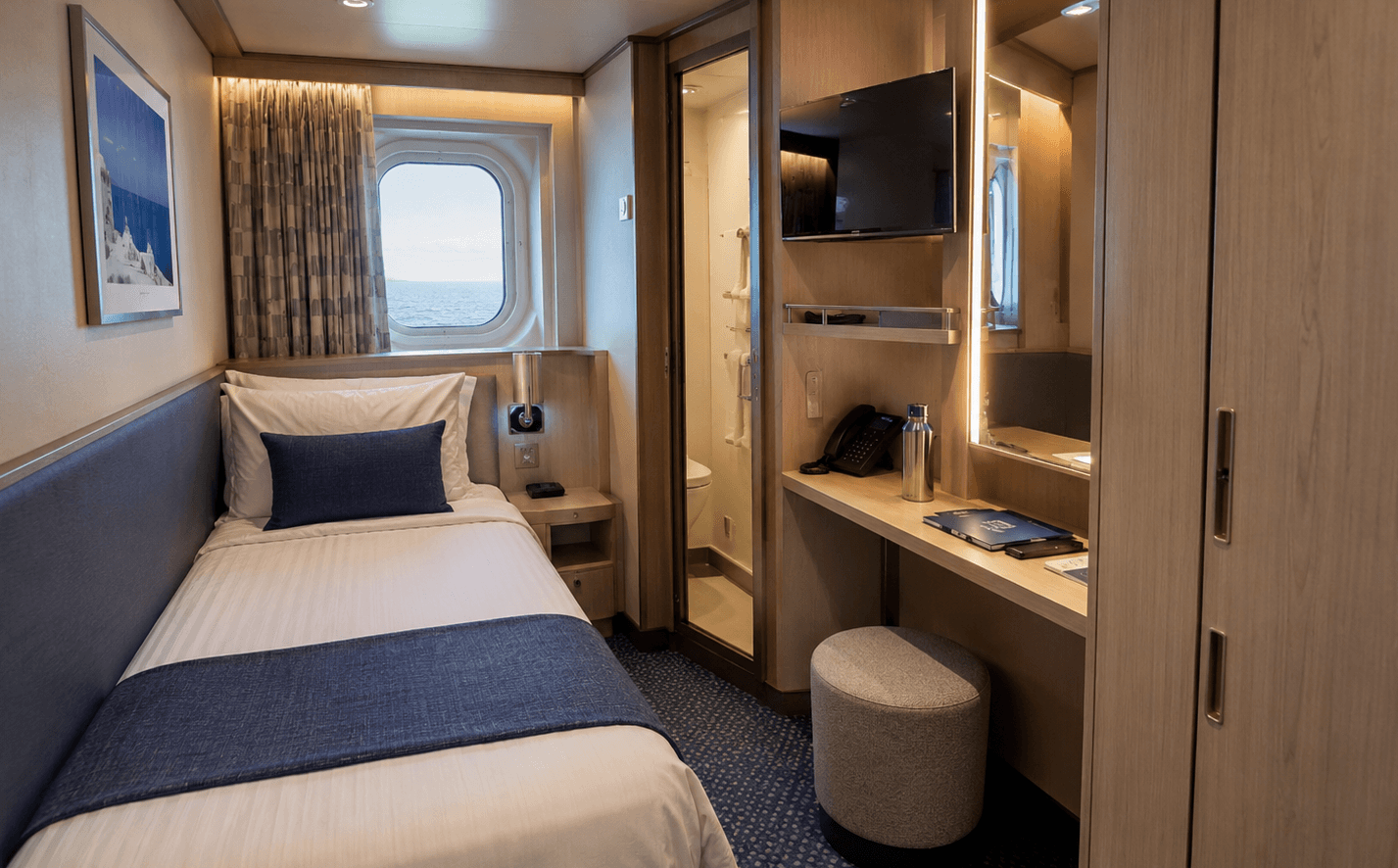
Studio or solo cabins are rooms specifically designed and priced for one person. Norwegian says its Studio and Solo staterooms are designed and priced for solo travellers, with some categories including access to the private Studio Lounge. Royal Caribbean likewise says it offers studio staterooms on select ships that can be reserved by someone travelling alone without the usual single supplement fee.
This is good news because the usual cruise pricing model still assumes two people in one room, and solo travellers often end up paying a painful supplement for the privilege of not sharing a bathroom with a stranger or a relative. The trap here is availability. Solo cabins are a great category when you can get them, but there are far fewer of them than standard rooms, so they can sell out quickly. And sometimes a solo cabin is genuinely compact, which is fine if you travel light and not so fine if you pack like a touring theatre company.
Family cabins explained
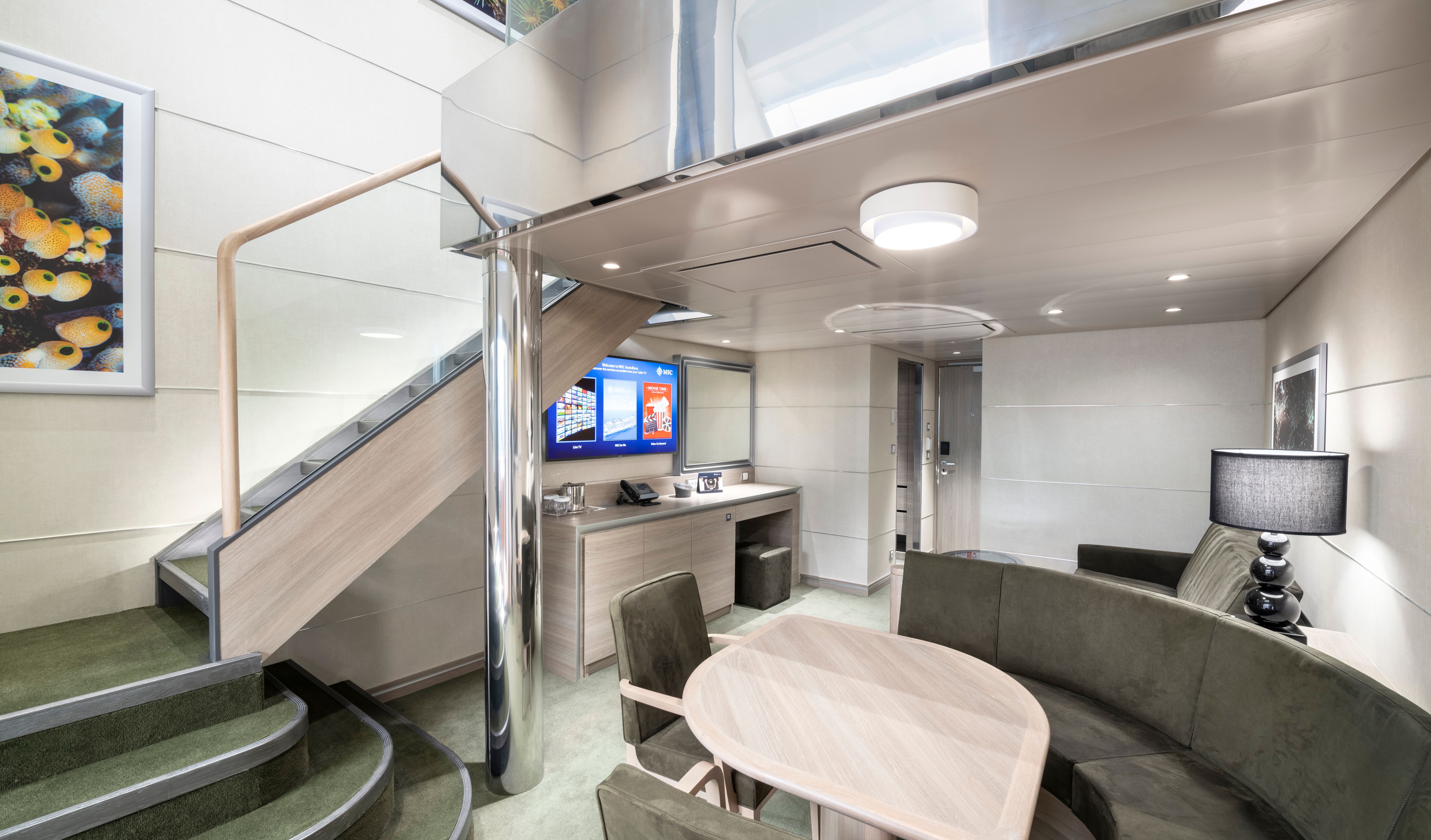
Family cabins are the cruise industry’s attempt to avoid making parents book two tiny rooms. What counts as a family cabin varies a lot by line. MSC says family cabins can be two or more connecting cabins, each with its own bathroom, accommodating up to 10 people. Royal Caribbean’s newer family categories on Icon class include things like Family Infinite Ocean Balcony rooms with separate bunk areas, split bathrooms and space for up to six guests.
In other words, “family cabin” can mean anything from “larger room with sofa bed” to “mini domestic compound with strategic child containment built in.” The trick is to ignore the word family and look at the floor plan. Does it actually sleep the number of humans you have? Is there one bathroom or two? Are the children in bunks, on a sofa bed, or in a nook optimistically described as their own space? These details matter more than the category name.
Spa cabins explained
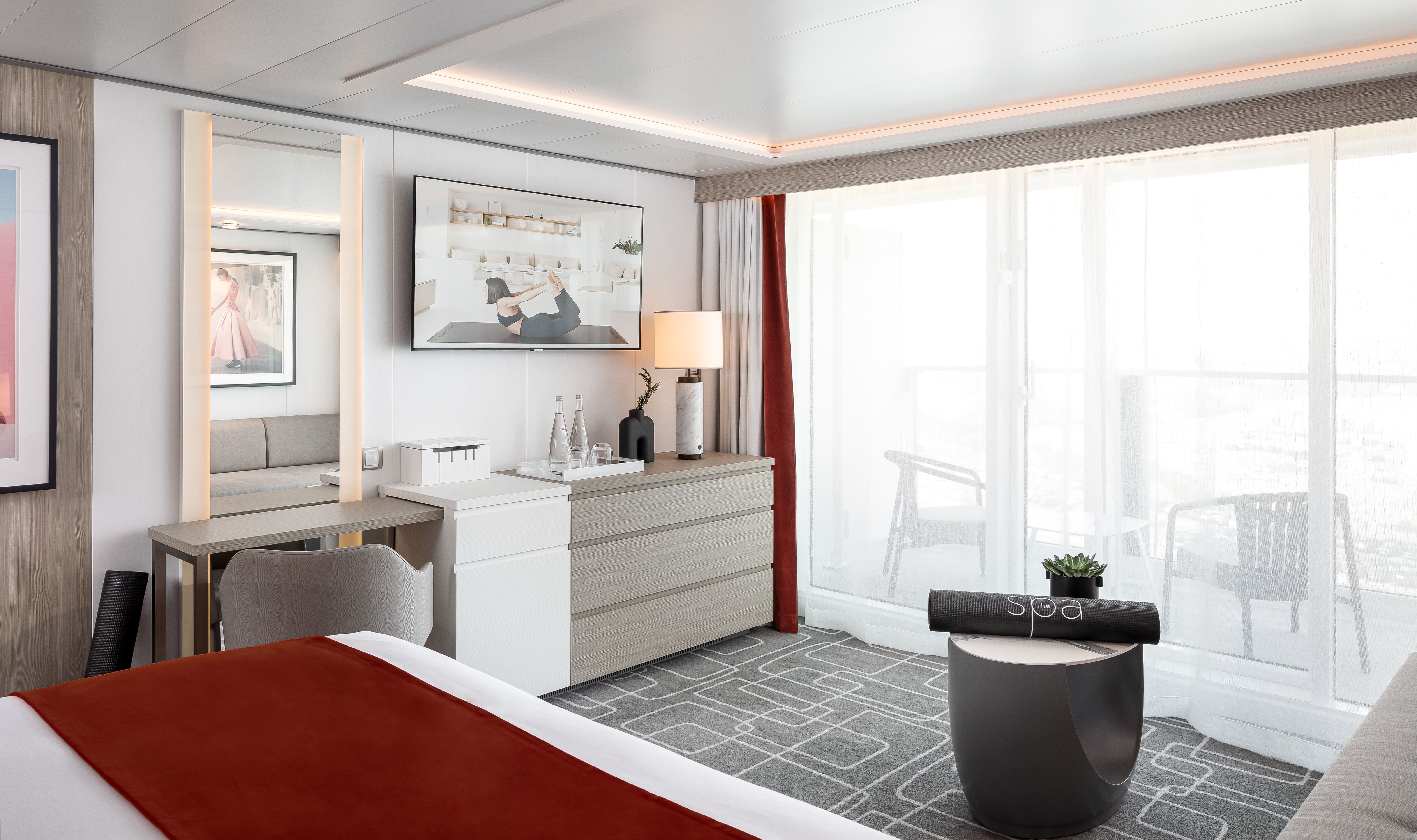
Spa cabins are normal rooms with wellness extras attached. Norwegian says its Spa Balcony Staterooms, Mini-Suites and Haven Spa Suites include the usual benefits of those room types, plus easy access to the fitness room and Mandara Spa, along with complimentary access to the Thermal Spa Suite. In simple terms, you are paying for location, spa association and, often, included thermal-suite access.
This can be worth it if you are genuinely going to use the spa facilities a lot. It's less clever if you are the sort of person who imagines a deeply restorative thermal ritual while booking and then spends the week eating chips in a dressing gown.
Suites and mini-suites explained
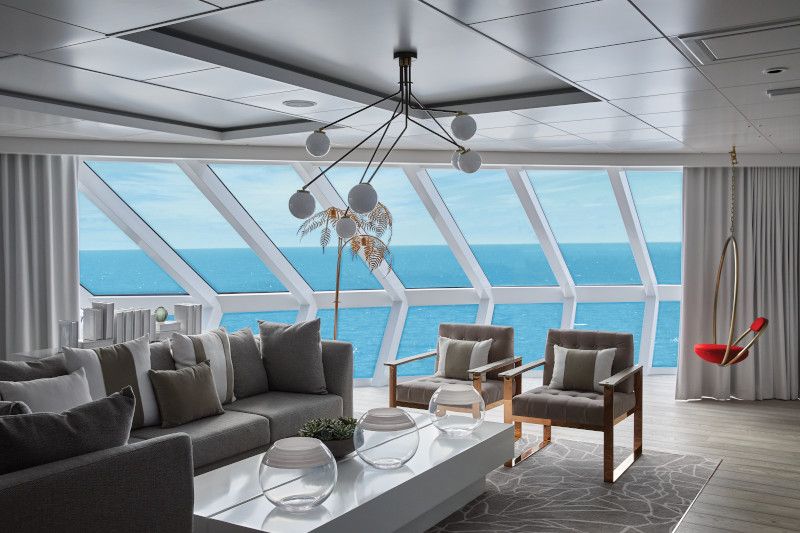
A suite is the top end of the room hierarchy, with more space and more perks. Royal Caribbean puts suites in their own category above interior, ocean view and balcony rooms, while Princess adds extra benefits for Reserve Collection mini-suites and suites such as priority specialty dining reservations, upgraded bathrobes, a bottle of wine on arrival and evening canapés.
The confusing part is the phrase mini-suite, because on many lines a mini-suite is not really a full suite in the “private butler and sweeping social prestige” sense. It is usually a larger room with better bathroom and seating space, plus a few extra perks. Useful, yes. Life-changing, not always. If you want the full luxury programme, check whether your so-called suite is in the line’s actual suite class or just a larger room with a more flattering title.
So which cruise cabin should normal people book?
If you want the cheapest decent option, book an inside and spend your money elsewhere. If you want daylight without splashing out, go ocean view. If you love private outdoor space, book a standard balcony and check the deck plan carefully. If you are tempted by a guarantee fare, make sure you really are relaxed about where the line might put you. If you are travelling solo, look for true solo cabins before paying a supplement on a regular room. If you are travelling as a family, study the floor plan like it is exam revision. And if a cabin category sounds too innovative to describe plainly, assume it requires a little extra reading before you hand over your card.