Choosing a cruise cabin is sometimes sold as a bit of a personality test. Balcony people like to sip coffee with the sunrise. Inside people are thrifty and mysterious. Oceanview passengers are privately very pleased with the view but don't like to announce it.
In reality, it's a three-way trade between money, comfort and how much of your holiday you plan to spend in your room. The itinerary matters too. A balcony on a port-heavy Mediterranean sprint can be a very expensive place to dry swimwear. The same balcony on a day of slow sailing past glaciers is practically a private cinema.
That's why we've weighed up all the pros and cons so next time you pick your room, you can do so with full knowledge your decision is the right one.
First, what you are actually booking

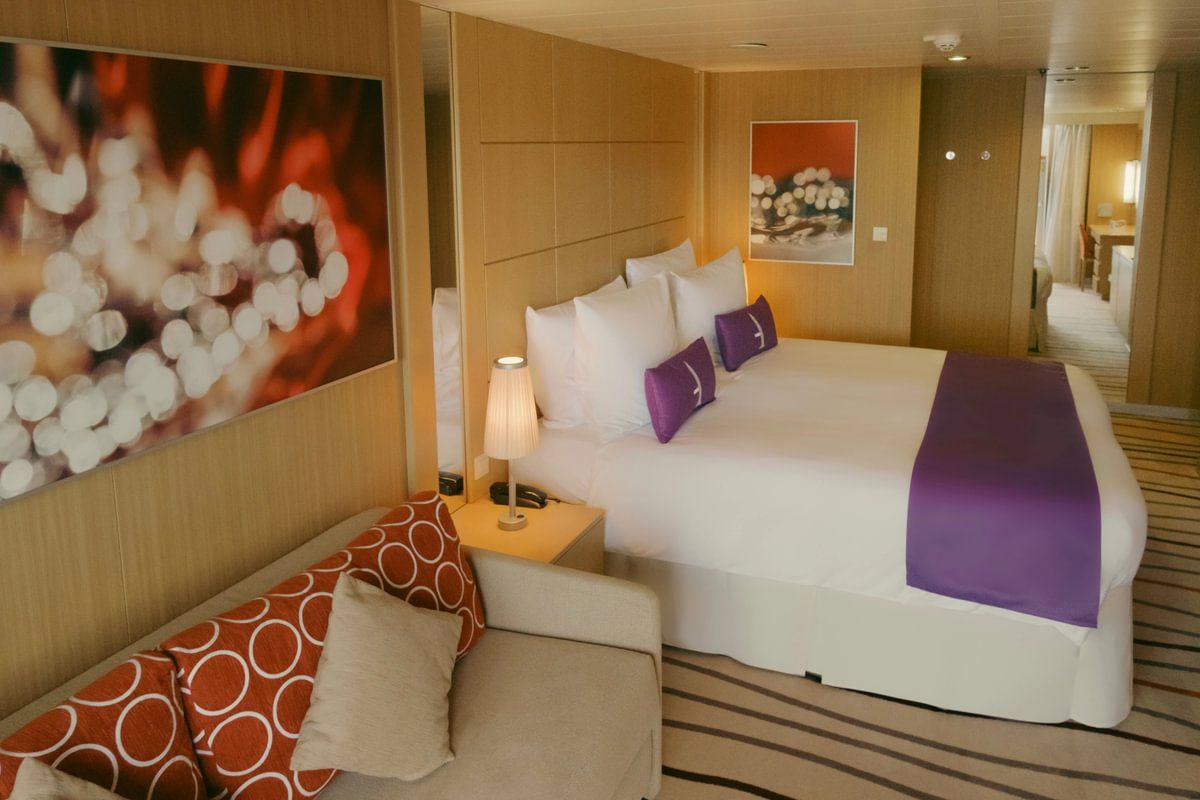
An inside cabin has no window, which is why it's usually the cheapest category.
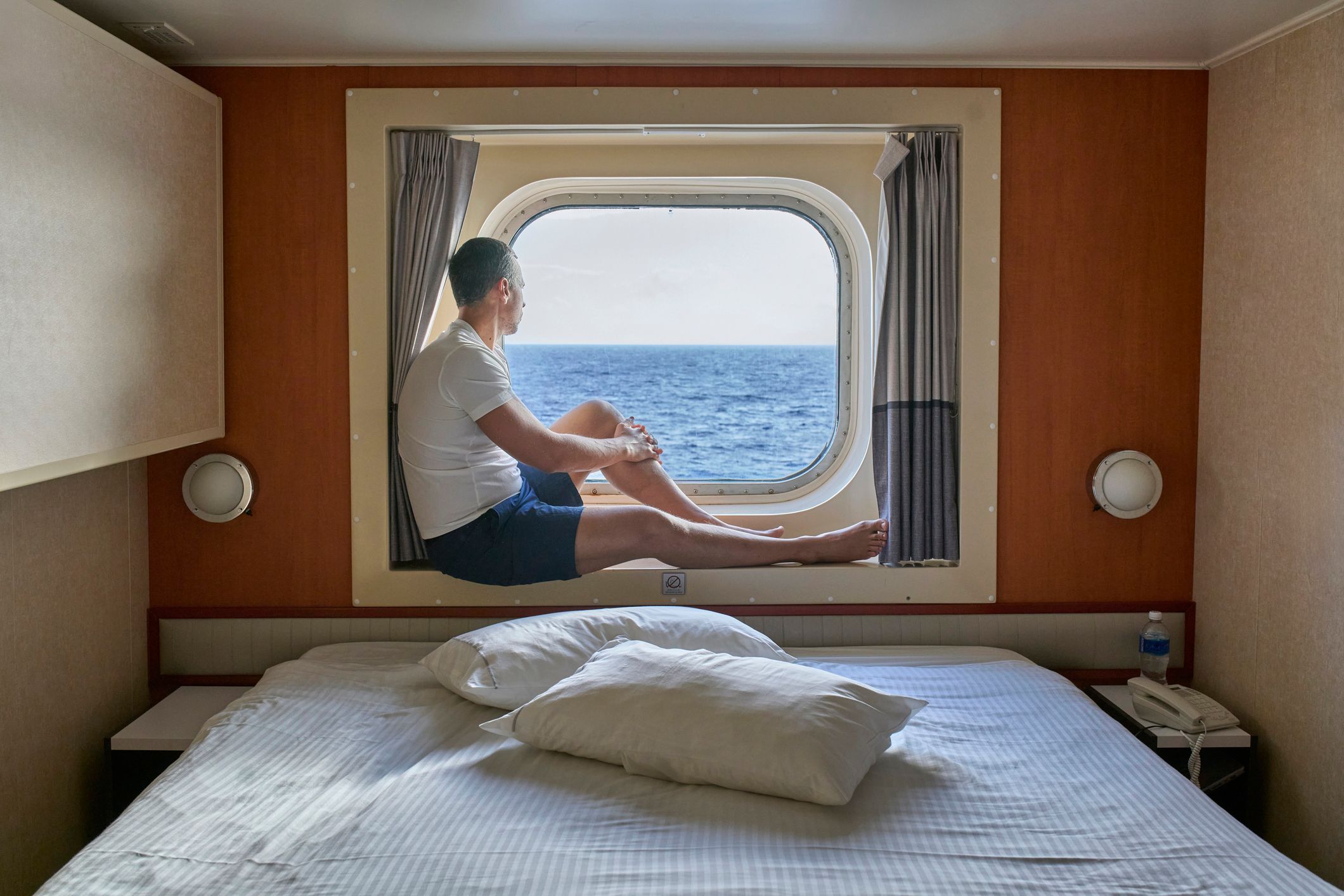
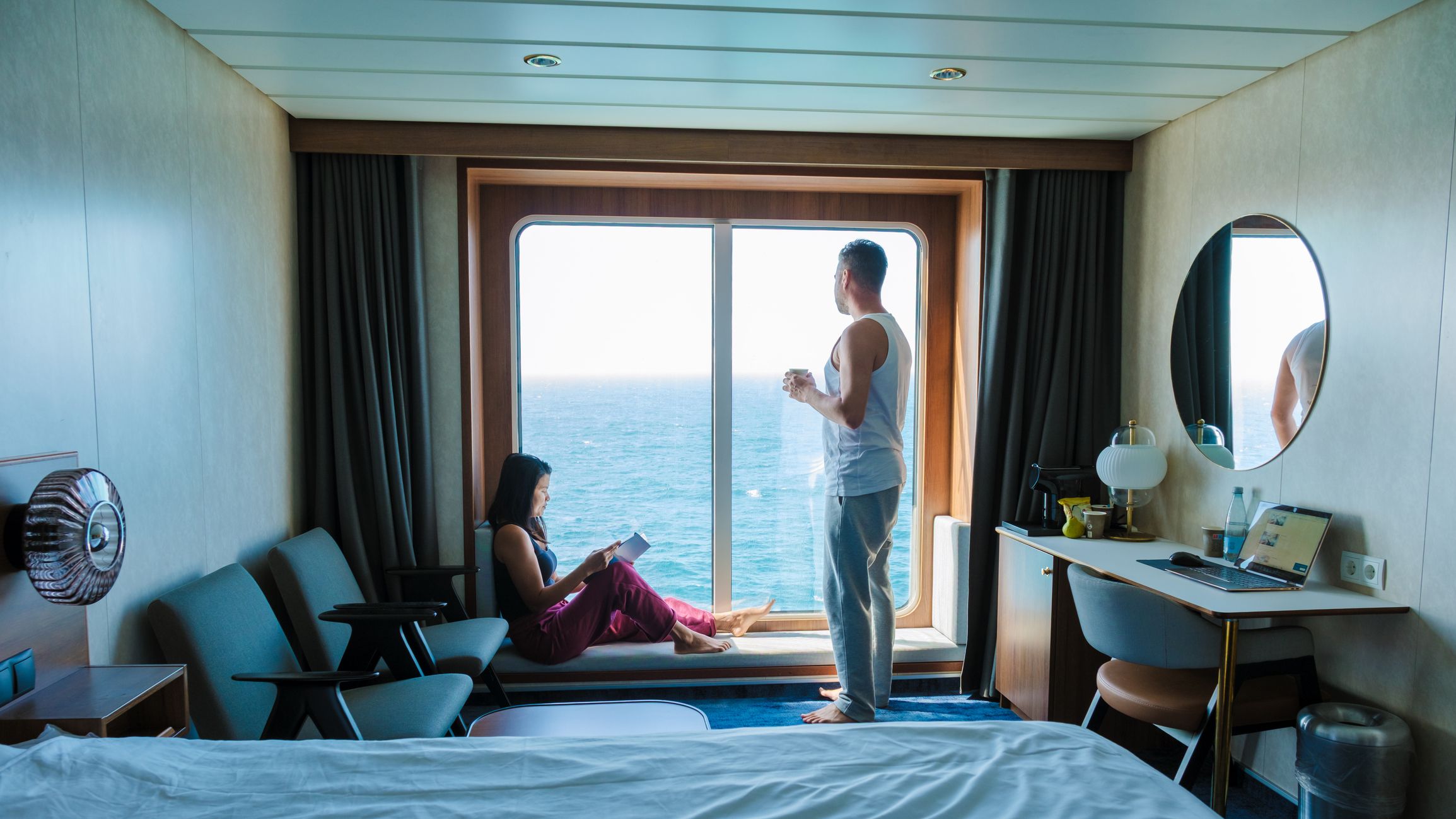
An oceanview or outside cabin has a window or porthole that typically does not open. It gives you daylight and a view, without the outdoor space or the price jump of a balcony.
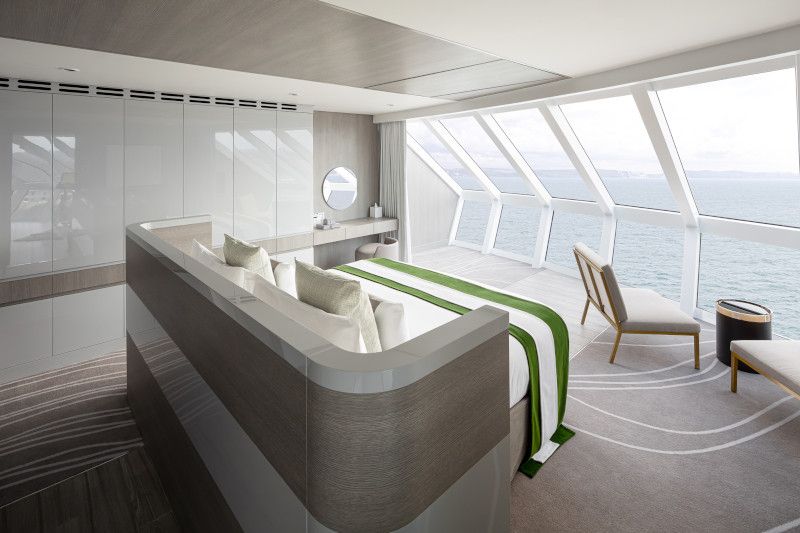
A balcony cabin adds a private veranda, usually with chairs and a small table, plus a floor-to-ceiling glass door so you can still see outside even when the weather is less than ideal. It costs more because you are paying for additional square footage that is technically outdoors.
Now the small-print reality: in many cases, the indoor footprint is not wildly different between categories. Cruise Critic notes that the square footage between inside and oceanview is often similar, though oceanviews can sometimes be slightly larger on some ships.
The money question you should ask before anything else

“Will I spend this difference on the room, or on the trip?”
Balcony upgrades can be worth it. They might also be the reason you skip the best excursion, or end up ordering the second-cheapest wine while insisting you are “not really drinking tonight”. A better way to think about it is value per hour.
If you are the sort of cruiser who treats the cabin primarily as storage space, go cheaper and spend elsewhere. If you genuinely like quiet time in your own space, or you are cruising somewhere scenic, the cabin becomes part of the holiday rather than a place you briefly visit while searching for a charging wire.
Also, watch for “obstructed view” oceanviews. They are often discounted because lifeboats or ship structure block some or all of the view, and deck plans usually mark them.
Light and sleep

Inside cabins have one unfair advantage: darkness on demand. If you nap, if you are jet-lagged, if you wake at first light, or if you simply enjoy the comforting illusion that time has stopped, inside cabins are excellent.
Too much light is known to disrupt sleep and cause awakenings. (And yes, you can close curtains in other cabins, but sea light has a way of finding the one gap you missed, like a cat.)
Balconies and oceanviews bring daylight, which feels wonderful when you want it and less wonderful when the sun's decided you're now an early riser. If you book outside, pack an eye mask.
Noise, vibration, and why location can matter more than cabin type
People love arguing inside versus balcony. The cleverest travellers however, are asking what exactly is above you, below you, and next to you.
Cabins under pool decks can suffer from early-morning chair scraping and general overhead stompiness. Cabins near late-night venues can inherit other people’s enthusiasm well past your bedtime. Cruise Critic’s “cabins to avoid” advice is also blunt about service zones, machinery hum and the importance of reading deck plans carefully.
Then there is the ship itself. Forward cabins can pick up more wave impact noise and, during manoeuvring, bow thruster vibration. Aft cabins can be more prone to engine vibration. None of this is guaranteed misery, but if you are a light sleeper, it is worth being picky.
If you are prone to seasickness, multiple cruise guides converge on the same boring truth: lower deck and midship is usually steadier.
The balcony fantasy, and the parts brochures leave out
A balcony is brilliant for private decompression. It is also brilliant for avoiding the crowd when something interesting is happening outside. Morning coffee, sail-ins, sailaways, spotting dolphins, watching the wake at night. It can make the ship feel less like a hotel and more like a moving front-row seat.
But it comes with quirks.
Wind can make balconies noisy at pace. Smoke or exhaust can occasionally drift onto aft balconies depending on wind direction, according to Cruise Critic. Some balconies are more exposed and breezy. Some are sheltered and hotter.
Also, many ships disable or reduce the cabin air conditioning when the balcony door is open, which is great for energy saving and less great if you were hoping to create a cross-breeze masterpiece. One travel site, citing Carnival’s brand ambassador, notes the air conditioning in your cabin can turn off if you leave the balcony door open. The practical move is simple: go out, close the door behind you, enjoy the air outside, then come back in to a room that's still cool.
Finally, if you are cruising with kids, a balcony adds an extra safety variable. Royal Caribbean’s cruise contract language prohibits sitting, standing or climbing on railings. MSC also has policies for minors in cabins on some ship classes, including balcony locking requirements for minors’ cabins when parents are in connecting cabins. In other words, balconies are not inherently unsafe, but they require grown-up supervision and behaviour, which is not always the vibe on day three.
Oceanview cabins: the underrated middle child
Oceanview cabins are often the sweet spot on itineraries where you want daylight and a view but do not expect to sit outside much. The window does not usually open, but you also do not have wind noise, door sensors, or the occasional whiff of someone else’s cigar drifting by.
They can be particularly satisfying on colder routes, or in shoulder seasons when you suspect your balcony will be used mainly to confirm that yes, it is still chilly. Cruise Critic’s comparison also notes that oceanviews can sometimes be slightly larger than their inside equivalents on some ships.
The caveat is view quality. If the oceanview is obstructed, you are essentially paying for daylight and a lifeboat. Sometimes that is still worth it. Sometimes it is not.
How the itinerary should change your decision
This is where most cabin advice falls down, because it pretends a Caribbean week and an Alaska week are basically the same holiday with different cocktails. They are not.
When a balcony is genuinely worth the extra money
If your itinerary includes scenic cruising days, a balcony can transform the trip. Glacier Bay is the classic example: the National Park Service notes that park rangers board cruise ships to provide narration and presentations during the visit. Holland America even suggests using the ranger narration as your cue to move decks when wildlife is called out. A balcony means you can step out instantly, in your own time, without hunting for space on a crowded rail.
The same logic applies to fjords. Geirangerfjord, for instance, is a UNESCO-listed landscape of steep mountains and waterfalls that is built for slow, staring sail-throughs. When the scenery is the main event, your cabin becomes part of the viewing platform.
Balconies also pay off on sea-day-heavy itineraries. If you have multiple full days at sea, your cabin is not just for sleeping. It is your quiet zone, your reset button, your private place to read without someone narrating their entire life into a speakerphone.
When inside cabins are the smartest choice
Port-intensive itineraries change everything. If you are doing a run where you are off the ship early most days, back late, showering, changing and leaving again, you may barely use the cabin beyond sleeping. In that scenario, paying for a balcony can be like buying a conservatory when you live above a very exciting pub. Lovely in theory. Rarely used.
Inside cabins are also ideal for anyone who prioritises sleep, naps, or total darkness. They are particularly good on summer routes where daylight starts early and refuses to leave.
When oceanview cabins make the most sense
Oceanview works beautifully on mixed itineraries where you want a sense of day and weather, but you suspect outdoor time will be limited by temperature, wind, or a schedule packed with ports. It is also a strong compromise for first-time cruisers who worry about feeling boxed in but cannot justify the balcony price jump.
The definitive way to decide, without regret
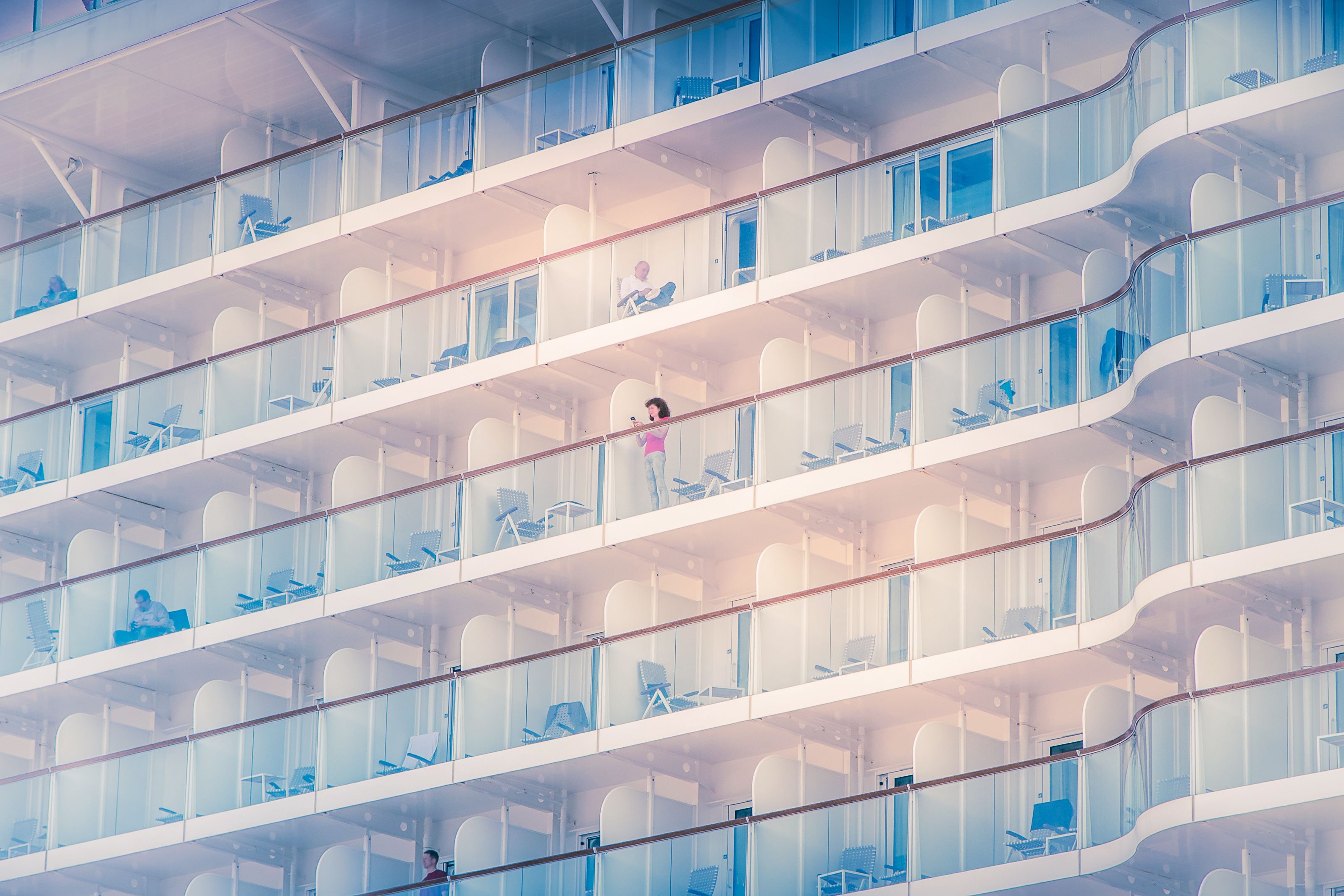
Picture your cruise days. If the itinerary is scenery-forward or sea-day-heavy, balcony value rises fast. If it is port-forward and busy, spend the money elsewhere and buy the darkness of an inside cabin with pride. If you want daylight but not the balcony price or hassle, oceanview is your pragmatic win.
Then, regardless of cabin type, read the deck plan like it is trying to warn you about something. Check what is directly above and below. Avoid being under pools, clubs and other places where “fun” happens with furniture that scrapes. If motion is a concern, aim midship and lower.
The best cabin is not the one that sounds most glamorous. It is the one that fits how you will actually cruise, on the itinerary you have actually booked, with the sleeping habits you already have. The ocean does not care about your brochure dreams. It will still be there in the morning.