
I am what you might call a 'not-very-strict vegetarian', which is a phrase that seems to irritate purists and comfort mostly everyone else. I don’t eat meat, I do eat cheese, I’m capable of accidentally slipping up when there's some particularly good chicken on offer, and I have absolutely no interest in spending a precious port day pretending a bowl of limp leaves is a meaningful lunch.
This is the central problem for vegetarians on a cruise. On board, you’re fine. Cruise ships are now very good at feeding people with preferences, intolerances (and wildly inconsistent holiday morals). In fact, we've put together a guide to the very best of them here. Ashore, however, it's a different story. You have only a few hours, and may well be wrestling with a local cuisine that's heavily invested in anchovies, pork or more generally things that arrive at the table with a face.
The trick, I’ve found, is not to look for “vegetarian food” in the abstract. That usually leads you to some particularly boring side salads. Look instead for the fantastic local dish that was accidentally vegetarian all along.
Start with the obvious carb and work your way outwards
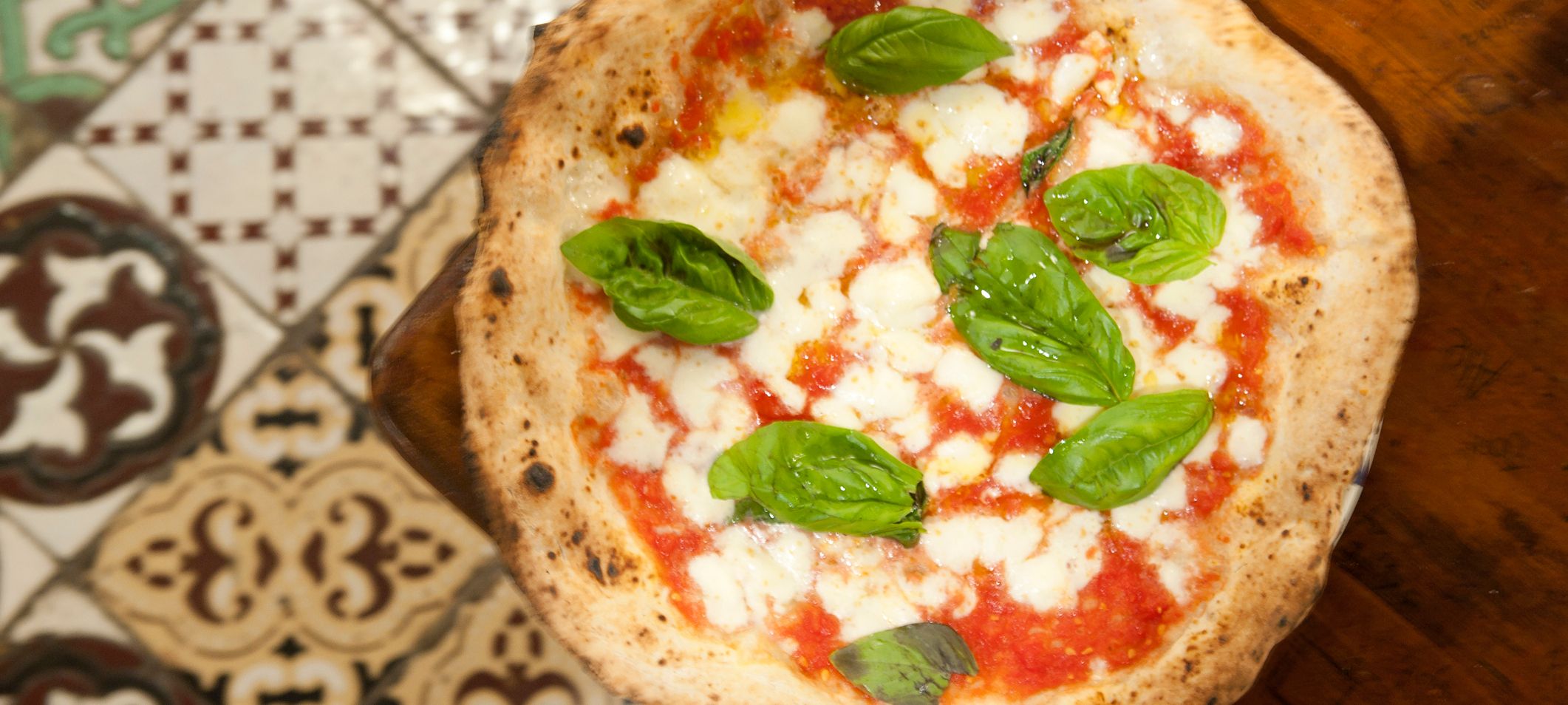
Italy, unsurprisingly, is a good place to begin for veggies. Naples has made an international career out of the margherita, that classic combination is of course tomato, mozzarella and basil. And while the romantic tale of its invention in 1889 is at least a little embroidered. On a shore day, what matters is that a proper Neapolitan pizza is quick, local and almost impossible to mess up. In Sicily, meanwhile, pasta alla Norma is for the vegetarian who wants to feel not merely catered for, but understood. A Catania dish of tomato sauce, fried aubergines, salted ricotta and basil, this is exactly the sort of lunch that makes you briefly consider why anyone ever bothered with bacon.
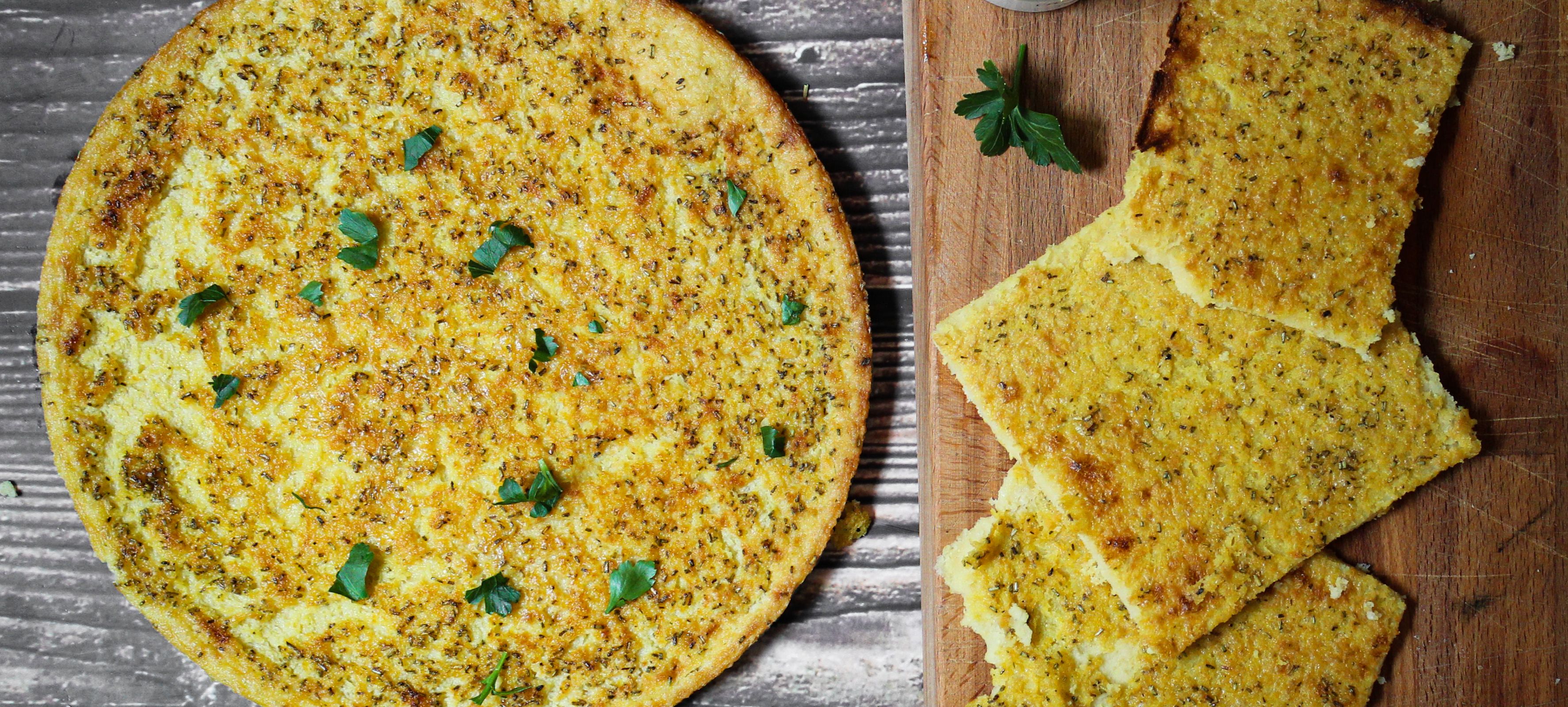
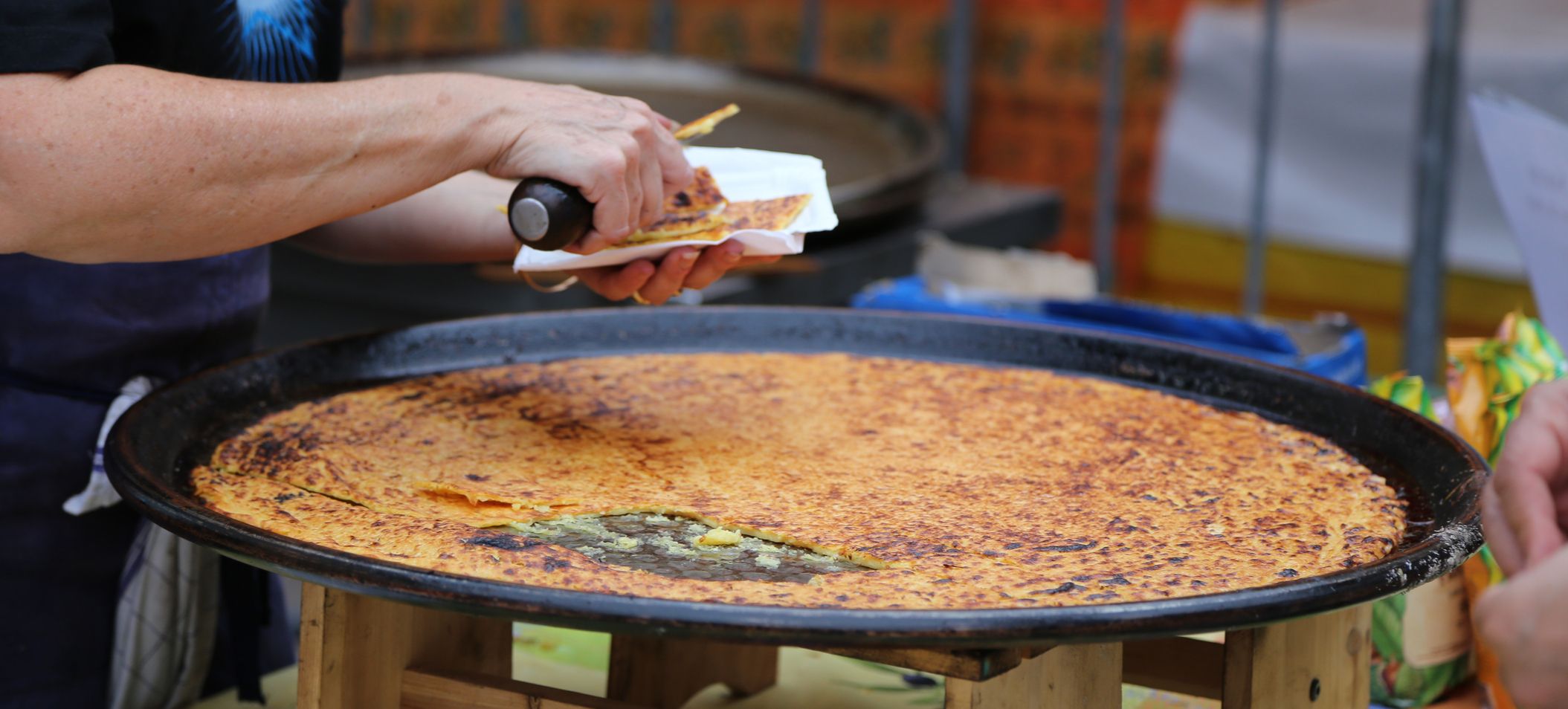
Liguria is another gift. Genoa’s farinata is a chickpea-flour flatbread baked until golden and eaten hot, the city’s official tourism site all but orders you to try it. And moving round the Med coast to France; In Nice, socca gives you a French Riviera version of the same basic joy: chickpea flour, water, olive oil, high heat and crisp edges. These are the kinds of dishes I now actively hope for on a port day. They are fast, local, and require no special pleading, just pure enjoyment.
Know the traps, southern Europe loves an ambush
The problem with being a vegetarian in Europe isn't that there's nothing to eat. It's that many dishes are 90 per cent your friend and 10 per cent a nasty surprise. Nice is a perfect example. Socca is excellent. Pissaladière is not, unless you're okay with anchovies. Spain, too, rewards a little vigilance. Pan con tomate is one of the great low-effort foods of civilisation, the core formula is bread, tomato, olive oil, garlic if you want it, and salt, but it's important to note that ham, tortilla or cheese may be added depending on taste. Likewise, the Gilda, that famous Basque pintxo, contains anchovy. This is why I have become a mildly tiresome person who asks one extra question before ordering. It's not the most glamorous way to travel, but neither is accidentally eating fish for the first time in 8 years at 11.30 in the morning in a Spanish square full of Germans.
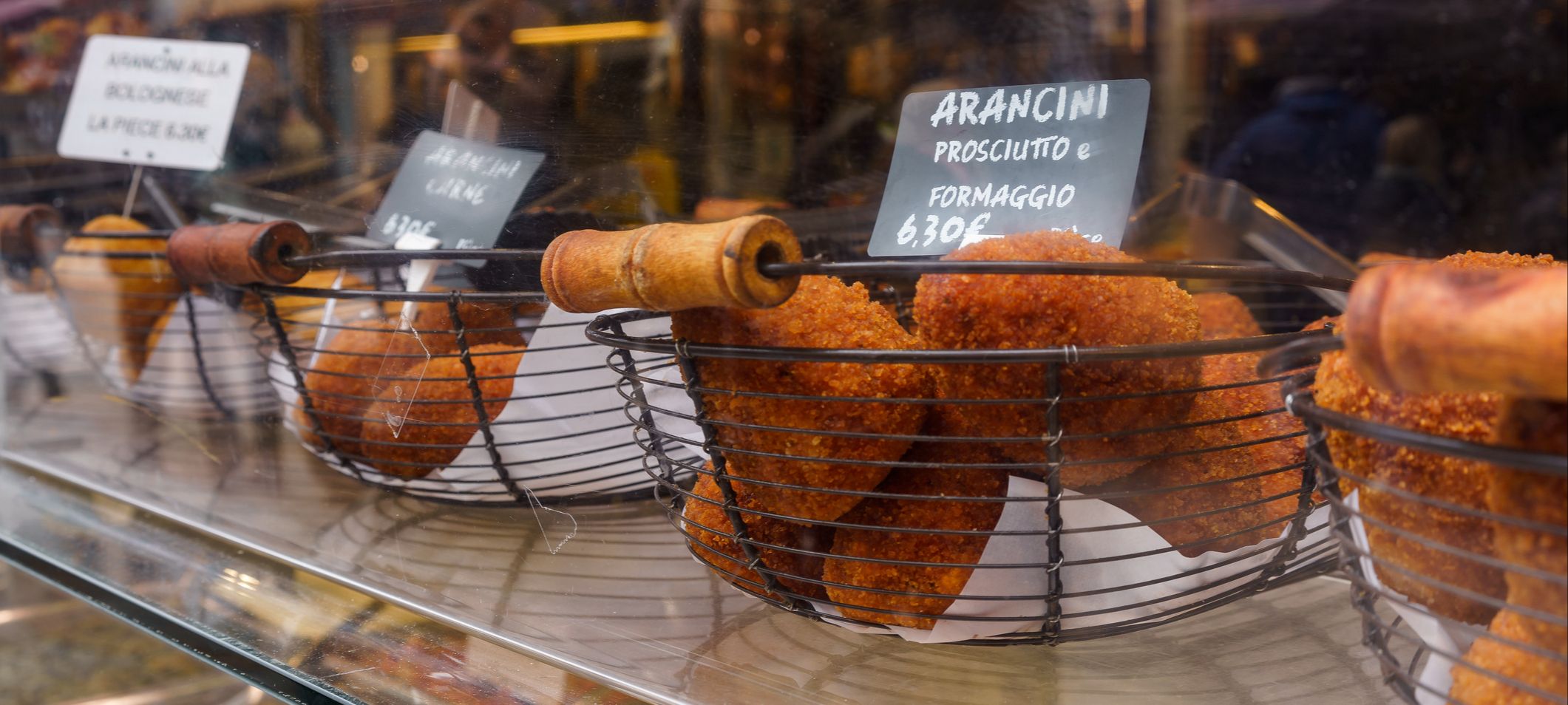
Sicily can also be mischievous. Arancini, (or arancine if you're in Palermo and enjoy linguistic pedantry), are one of the island’s great street-food pleasures, but the category is far too broad to trust blindly. The dish’s older roots include rice enriched with vegetables and small pieces of meat. The good news is that Sicily also has a wonderfully deep bench of vegetarian standards including caponata, orange salad, maccu ri favi, pasta with tenerumi and a vegetarian Norma-style arancino, along with scacce in the Ragusa area filled with ricotta and onion or tomato and aubergine. In other words, this is not a place where you will starve. Just don't assume every golden fried sphere is necessarily aligned with your dietary choices.
Spain is easier than people think
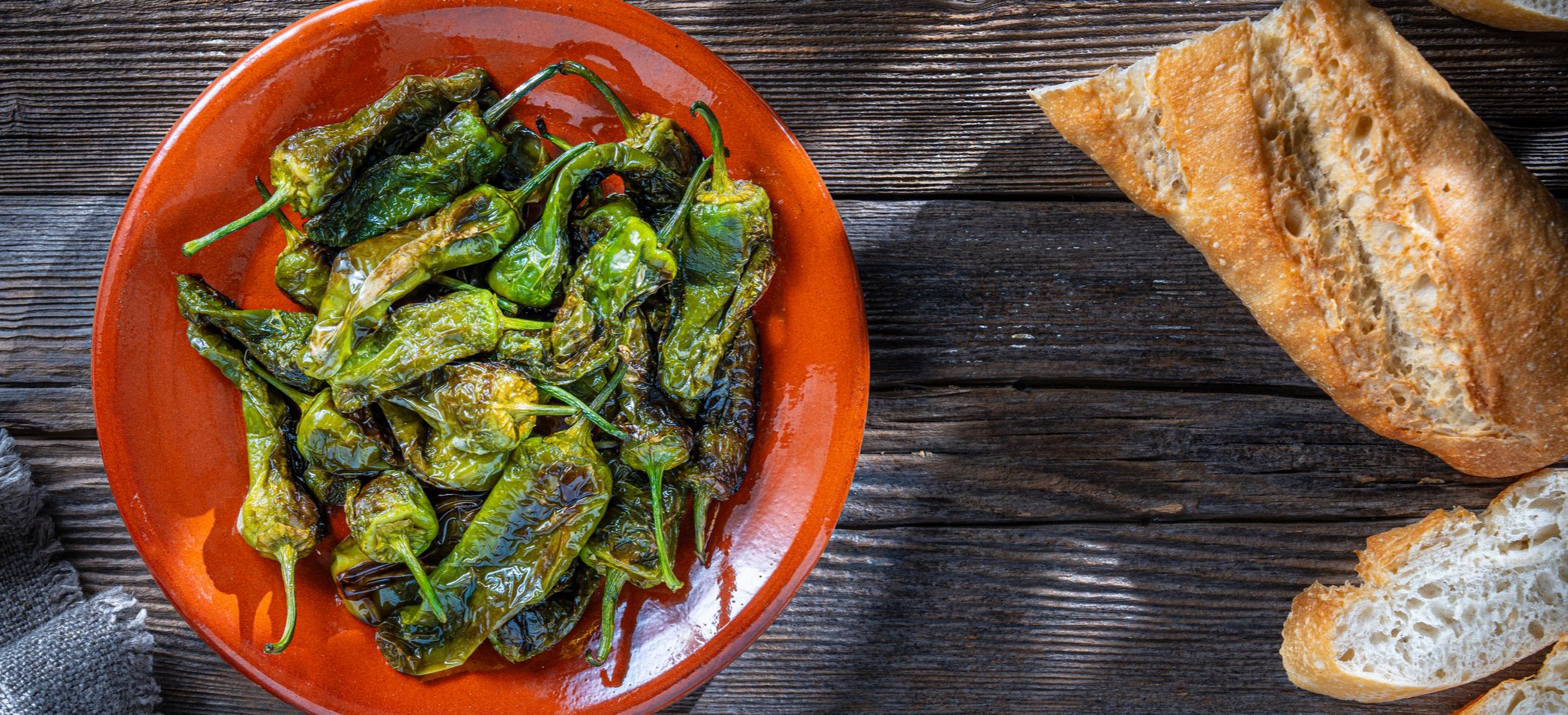
Spain has become one of my favourite shore-day countries to eat in because it is full of things that are both distinctly local and uncomplicated. My best shore day here will cheerfully roll through tortilla de patatas, gazpacho, salmorejo, Padrón peppers, papas arrugadas, escalivada and tumbet mallorquín as standard, which is a pretty decent batting order before you've even reached the bread basket. On a practical level, this means I can get off in a Spanish port with very little fear. If lunch is looking uncertain, there is almost always tortilla. If the weather is hot, gazpacho and salmorejo are not merely edible but actively wise. If I am near Barcelona or another Catalan stop, pan con tomate is a favourite. There are, of course, plenty of ham-based distractions lurking nearby (this is Spain, after all) but it is a surprisingly kind country to the cruise vegetarian who wants something recognisably local and not too solemn.
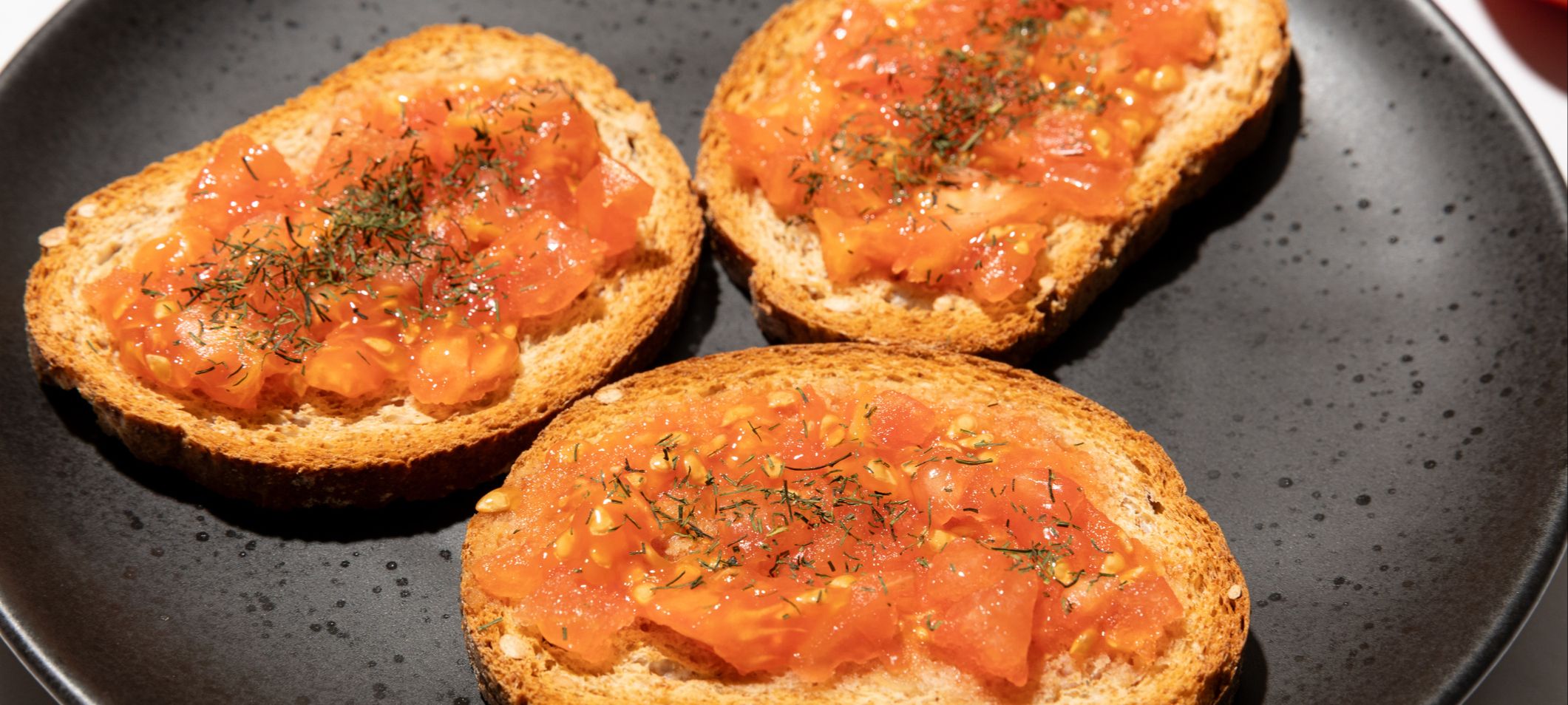
Spain also teaches an excellent port-day lesson, which is that lunch doesn't necessarily need to be a single Great Meal. A tortilla and coffee at 11, something cold later, perhaps a plate of potatoes or peppers with a drink, and then a proper dinner back on board is, in my view, the best way of doing things.
Portugal requires a touch more planning, but don't panic
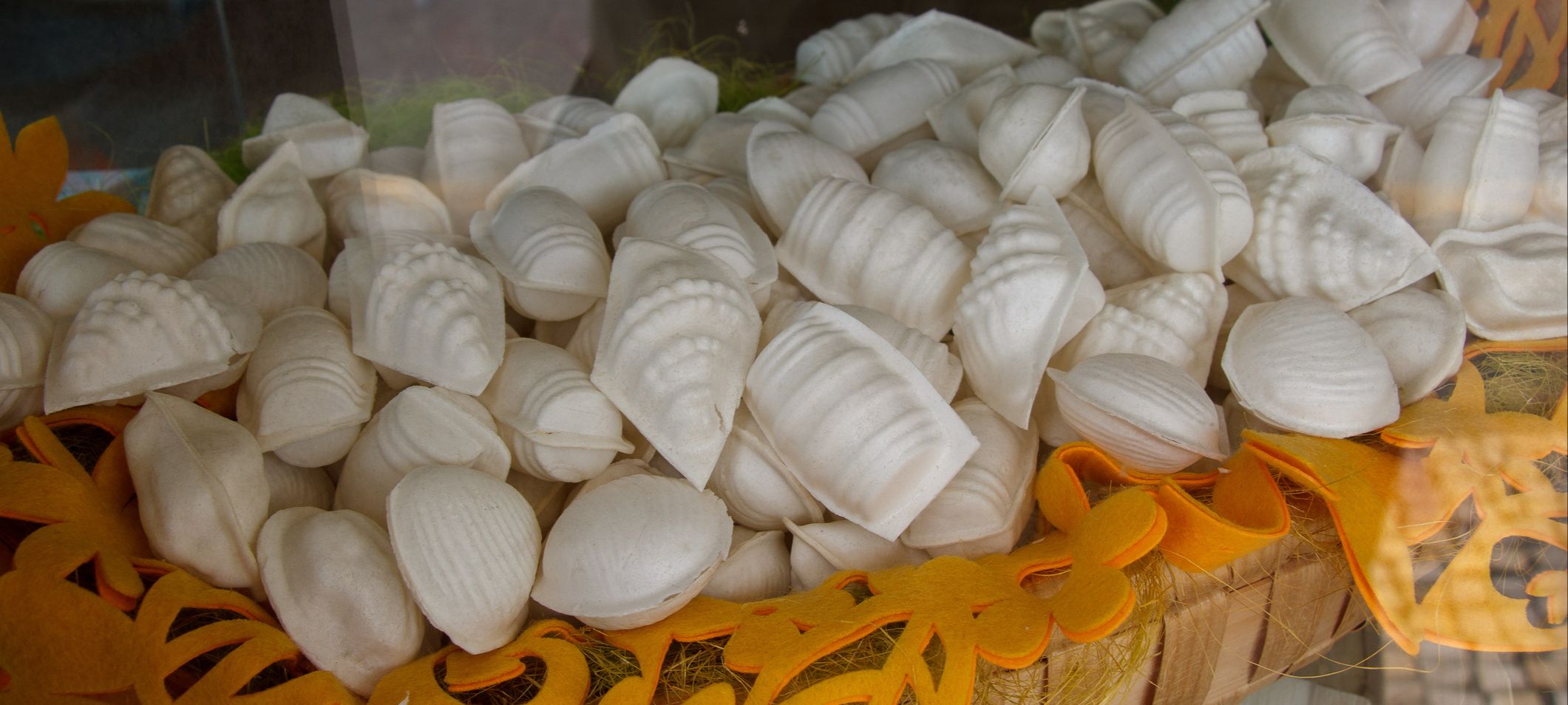
Portugal, meanwhile tends to worry people, and I understand why. The national menu can sometimes feel like it's been devised by a cod and pork industry association. Even the country’s own tourism material gives a fairly robust account of fish’s place in Portuguese life. But look a little closer and there are good vegetarian anchors. Vegetable soups, especially in the north, and the bread-and-herb traditions of Alentejo are great options. And more usefully still, açorda à Alentejana is built from bread, garlic, coriander, olive oil, water and poached egg; exactly the sort of excellent local dish I like finding in a place that initially appears determined to feed me only things caught from the Atlantic. Equally if lunch goes completely sideways, Portugal is also very good at sweet consolation. Aveiro’s ovos moles, (those little egg-and-sugar sweets sold in wafer casings), are not lunch in any nutritional sense, but I’m not above an afternoon recovery strategy.
My actual method, (tried and tested)
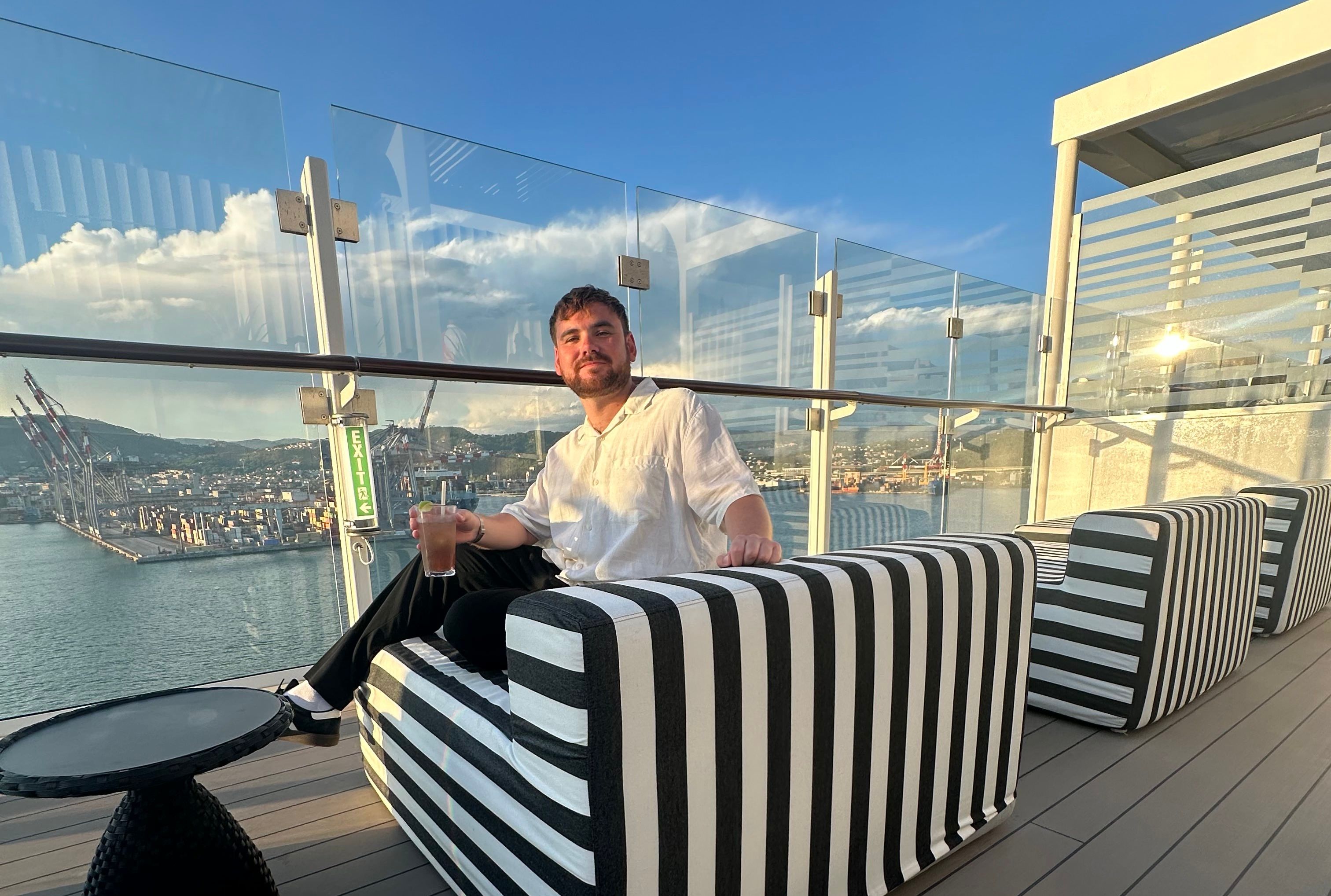
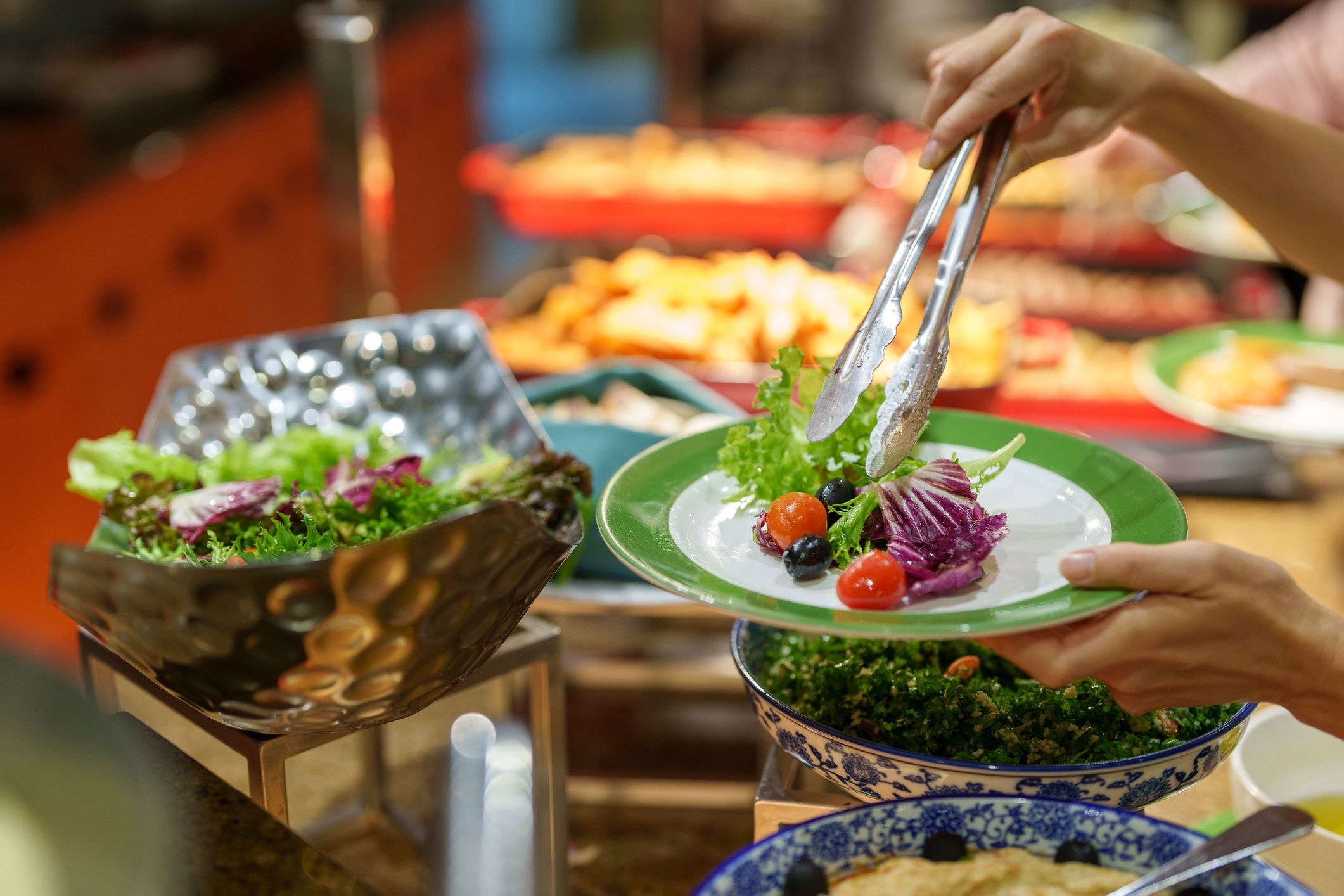
Before I get off the ship, I look up two or three local dishes I know I can eat. Not restaurants, just dishes. That way I am not dependent on one address, one queue, one opening hour etc. If I know that a city can offer me socca, farinata, tortilla, pasta alla Norma or açorda, then I can relax. At that point, I'm no longer “trying to find somewhere vegetarian”. I am simply trying to find lunch.
In Italy, I lean heavily on pizza, pasta and chickpea things. In Spain, I graze brilliantly. In Portugal, I do five minutes more homework and feel pleased with myself when it pays off. In France, I watch for anchovies. In Sicily, I trust aubergine but not every rice ball.
And if all else fails, I remember the great gift of cruising: I can always eat back on the ship. It means I can have a coffee, a pastry, a market wander and a look around somewhere beautiful without forcing a mediocre meal just to prove a point. The best vegetarian shore days, in my experience, come from a combination of light planning, a willingness to accept that one local snack may be all you really needed, and luck.
That, and a healthy distrust of anything described as “traditional” until someone has confirmed exactly what's in it.