Cruising has changed considerably. Its reputation, less so.
Mention a cruise to somebody who’s never taken one and a surprisingly complete holiday may appear in their mind: ballroom dancing, fixed dinner tables, compulsory bow ties and several thousand retirees watching a vegetable-carving demonstration somewhere off the coast of Gibraltar.
Some of those ideas once contained a grain of truth. Others seem to have been assembled from sitcoms, unfortunate documentaries and the distant memory of a ferry crossing in 1997.
Today, “cruise” covers everything from 150-passenger expedition ships to floating resorts, riverboats, sailing vessels, adults-only weekends and month-long voyages with more lectures than a moderately ambitious university course. The experience depends on the ship, route and cruise line, which is admittedlyless convenient than having one dependable stereotype.
These are the cruise myths that deserve to be quietly lowered into the sea...
1. Cruises are only for retirees

Older travellers remain an important part of the cruise market, as they are of the wider travel market. This has somehow hardened into the belief that everybody on board is collecting a pension and has brought special binoculars for identifying upholstery.
The numbers say otherwise. The average European ocean cruise passenger was 48.5 years old in 2025, while 28% of cruise travellers surveyed by Cruise Lines International Association sailed with three to five generations of their family. Expedition cruising is attracting particularly strong interest from younger travellers, and passenger numbers in that sector rose by 22% between 2023 and 2024.
The age profile still varies enormously. A world cruise in term time will feel different from a four-night summer sailing with waterslides. An Antarctic expedition won’t attract the same crowd as a music-themed weekend from Miami. This is less evidence of confusion than of an industry containing more than one product.
There may be retirees on your cruise. There may also be toddlers, honeymooners, solo travellers, exhausted parents and somebody conducting a lengthy argument with an app beside the lifts.
2. You have to dress formally every evening
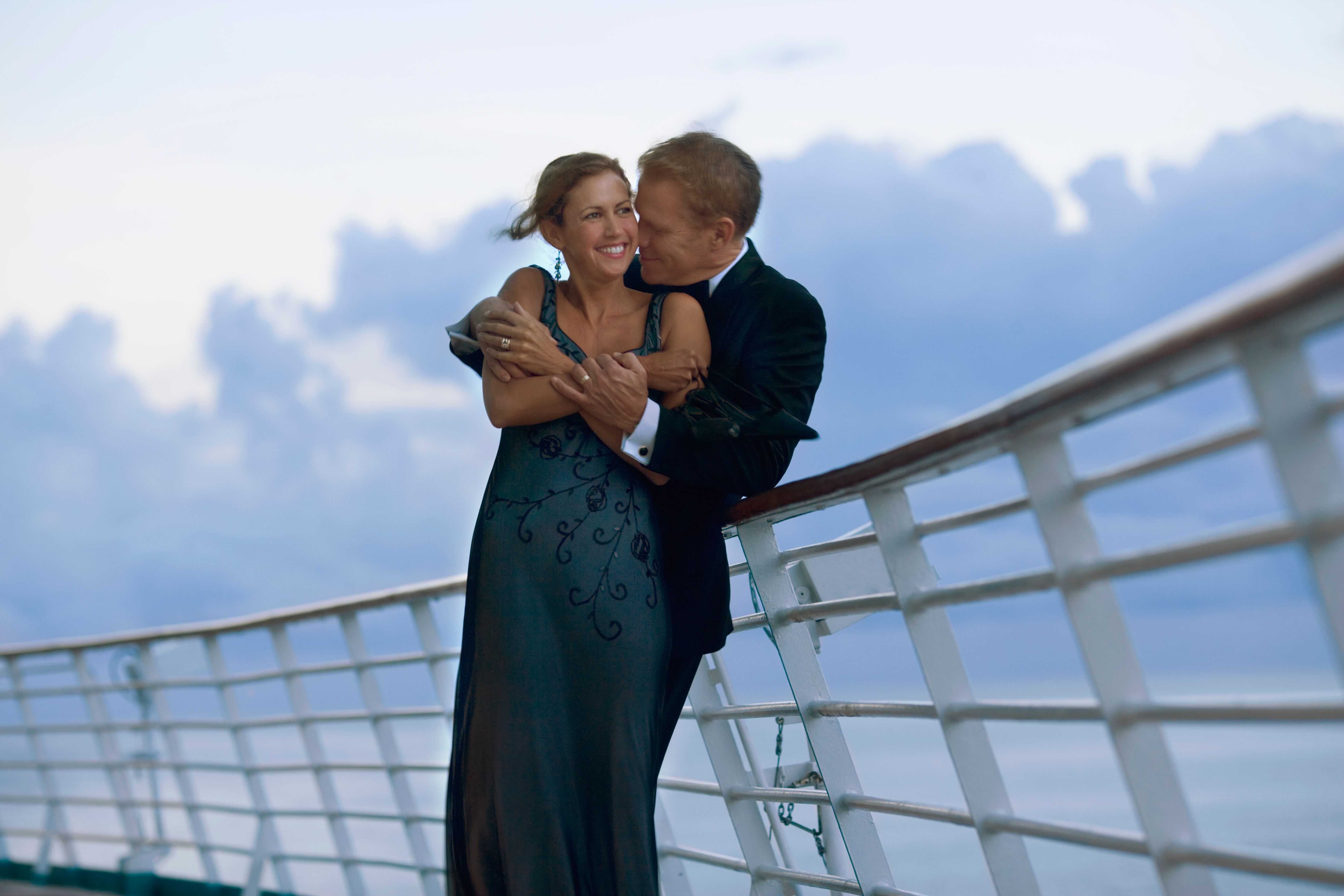
Formal nights haven’t disappeared, and plenty of passengers enjoy them. There’s something pleasing about dressing properly for dinner when the alternative at home was eating pasta in front of the television while wearing one good sock.
What has disappeared from much of the industry is the idea that black tie is a universal condition of carriage.
Royal Caribbean may schedule between one and three “Dress Your Best” evenings, depending on the sailing, but jackets and cocktail dresses are suggestions for the occasion rather than the only clothes legally recognised at sea. Norwegian’s current restaurant policy is considerably simpler: wear a shirt and shoes, keep swimwear by the pool and arrive looking broadly prepared to eat indoors.
Other lines range from country-club casual to deliberately glamorous. Certain restaurants may apply smarter rules even when the rest of the ship doesn’t. Checking the individual cruise line remains wise, but a tuxedo is no longer emergency maritime equipment.
Pack one because you’d enjoy wearing it, not because you fear being sent back to your cabin and fed through the door.
3. You’ll get bored on sea days
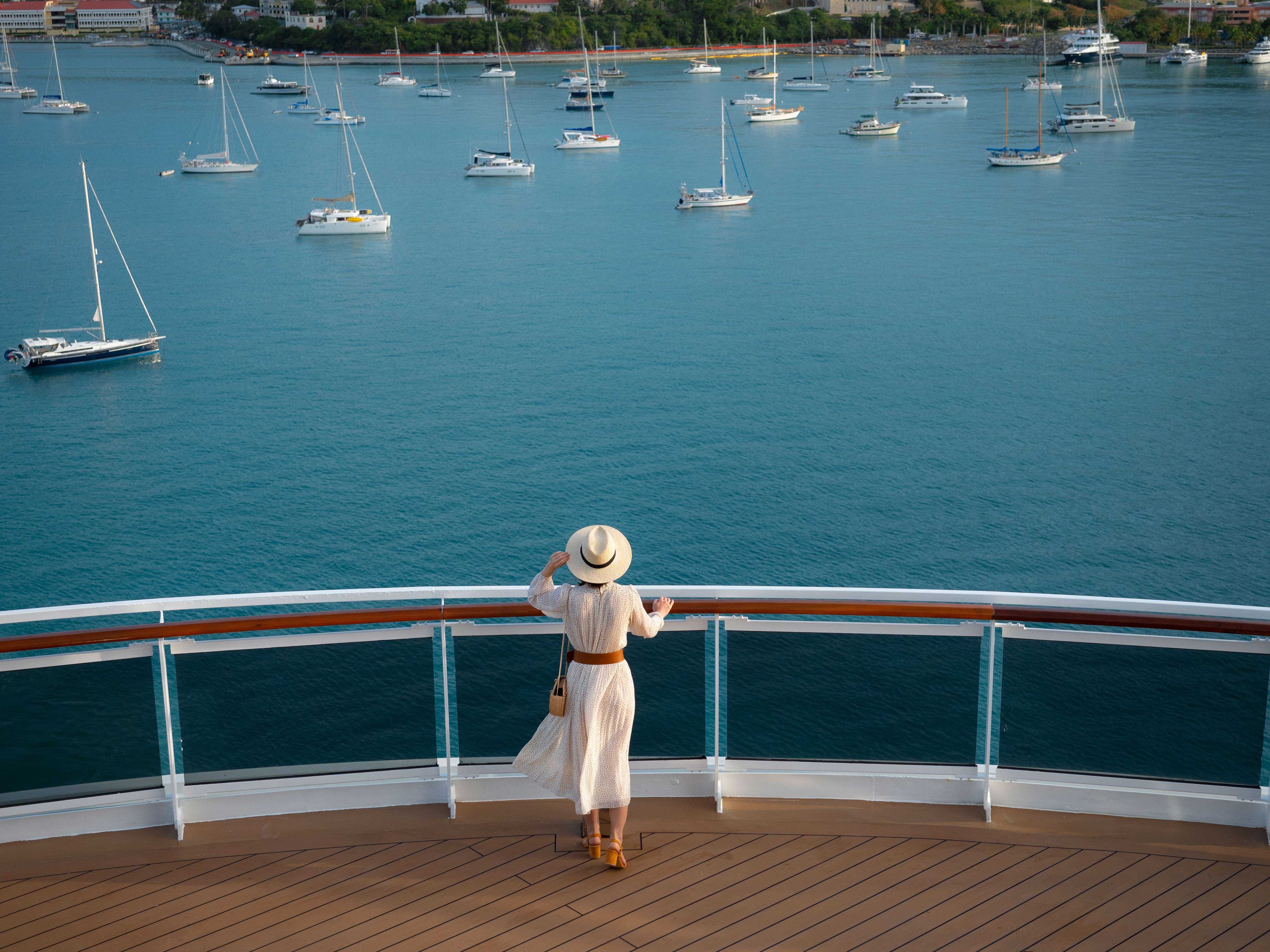
It’s certainly possible to become bored on a cruise ship. It’s also possible to become bored in Paris, at a wedding or while owning every streaming service. Human beings have shown considerable determination in this field.
Whether a sea day feels restful or empty depends largely on choosing the right ship. Large resort vessels may have theatres, waterparks, climbing walls, spas, cookery classes, live music and activities whose designers appear to have asked whether a racetrack could reasonably be placed on an upper deck. Norwegian currently operates ships with multi-level tracks, thermal suites, live music venues and large entertainment programmes.
Smaller ships provide a different kind of day. An expedition sailing might offer lectures, wildlife watching and time on deck. A traditional coastal ship may spend the day passing islands, villages and fjords rather than an uninterrupted blue horizon. Some passengers read, swim, eat lunch slowly and discover that doing very little is more pleasant when nobody can ask whether the dishwasher has been emptied.
Sea days are only a problem when you book a ship whose version of enjoyment bears no relation to your own. If you dislike organised entertainment, a quiet ship may be ideal. If silence makes you anxious, book the one with a theatre, ten decks of activity and a waterslide resembling municipal infrastructure.
4. Every cruise ship is enormous and crowded
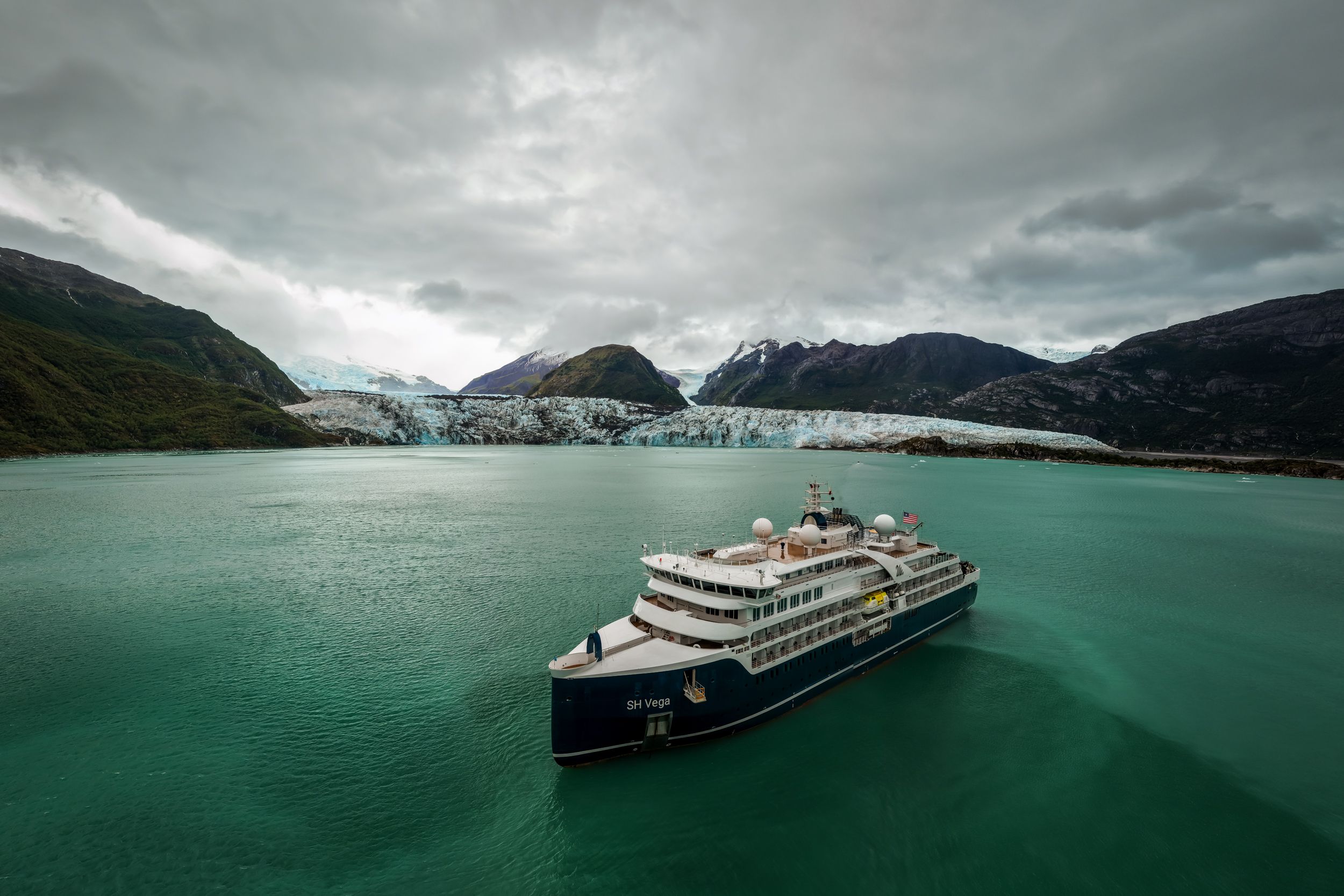
The ships that receive the most attention tend to be the largest, because a vessel carrying several thousand people and supporting its own roller coaster is difficult to describe discreetly.
They aren’t representative of the entire industry.
Swan Hellenic’s SH Vega carries 152 guests, while SH Diana carries 192. Hurtigruten’s MS Vesterålen accommodates 274 and operates along the Norwegian coast. These aren’t floating towns. On smaller vessels, you may recognise most of the passengers after a few days, including the person who has unknowingly worn your preferred breakfast expression.
Small ships can enter harbours and waterways inaccessible to larger vessels, but generally offer fewer restaurants, less elaborate entertainment and a more intimate atmosphere. Large ships provide greater choice, often at the expense of tranquillity and the ability to remember where your cabin is without consulting architectural drawings.
Neither format is inherently better. They’re different holidays that happen to involve sleeping above water.
5. River cruises are all the same
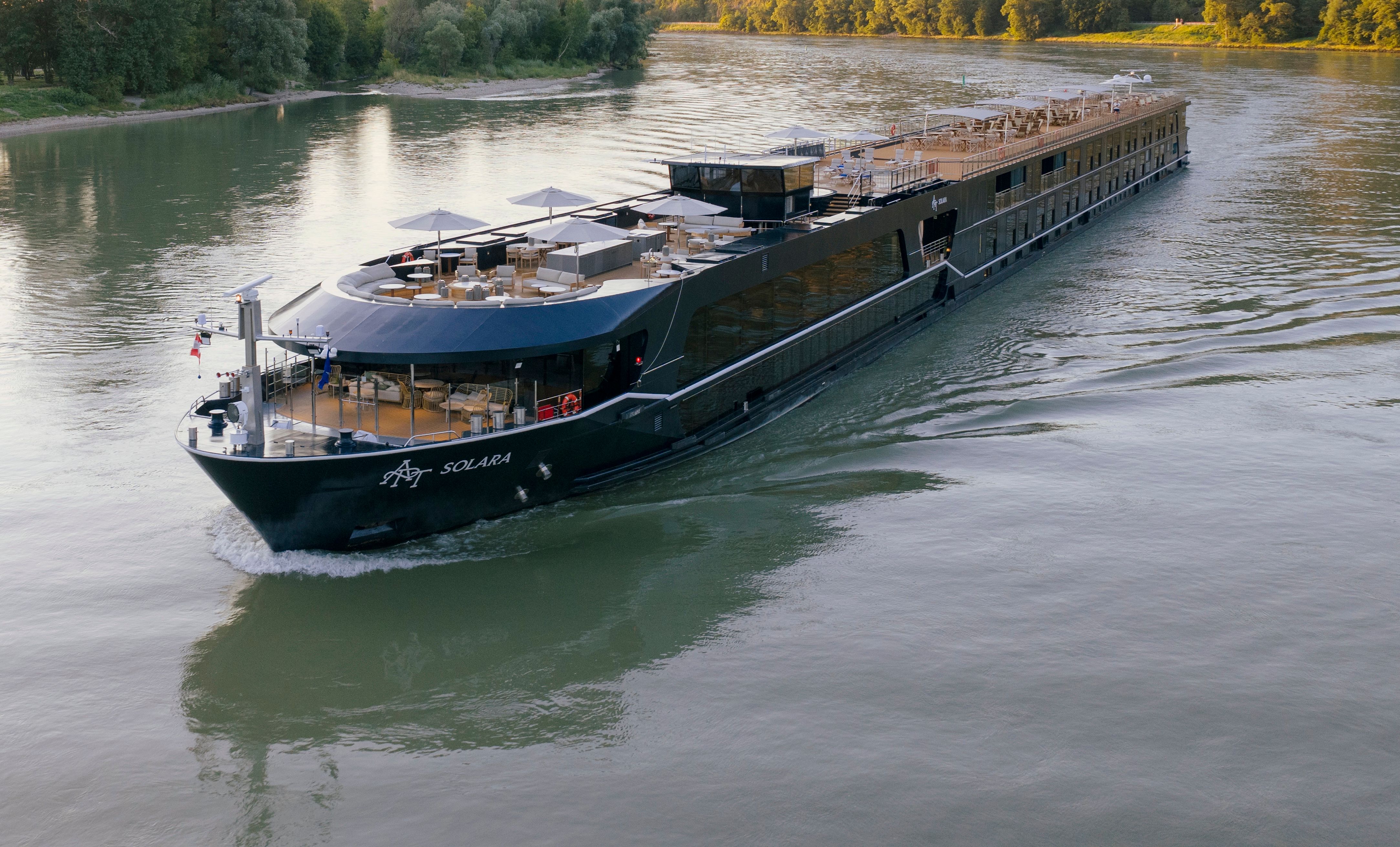
The enduring river-cruise stereotype involves an orderly journey past several churches while everybody remarks that the scenery is pleasant.
There are certainly sedate European sailings, and there’s nothing wrong with them. A calm week involving wine, medieval towns and somebody else transporting your luggage represents an entirely respectable use of annual leave.
River cruising now extends far beyond the classic Rhine and Danube circuit. Current itineraries operate on the Nile, Mekong, Ganges, Douro, Seine and Peruvian Amazon, as well as Colombia’s Magdalena River. Uniworld alone offers routes across Europe, Egypt, India, Southeast Asia and Peru.
The style of the day varies too. Avalon’s Active & Discovery programme allows passengers to choose between conventional sightseeing and more energetic or hands-on activities. AmaWaterways offers bike rides, hikes, food experiences and wine tastings alongside guided walks.
A Nile cruise examining ancient temples, a cycle-led journey through Austria and a wildlife voyage in the Amazon share a basic relationship with fresh water. Beyond that, grouping them together is about as useful as claiming every road trip is identical because all cars contain seats.
6. Solo cruising always costs a fortune
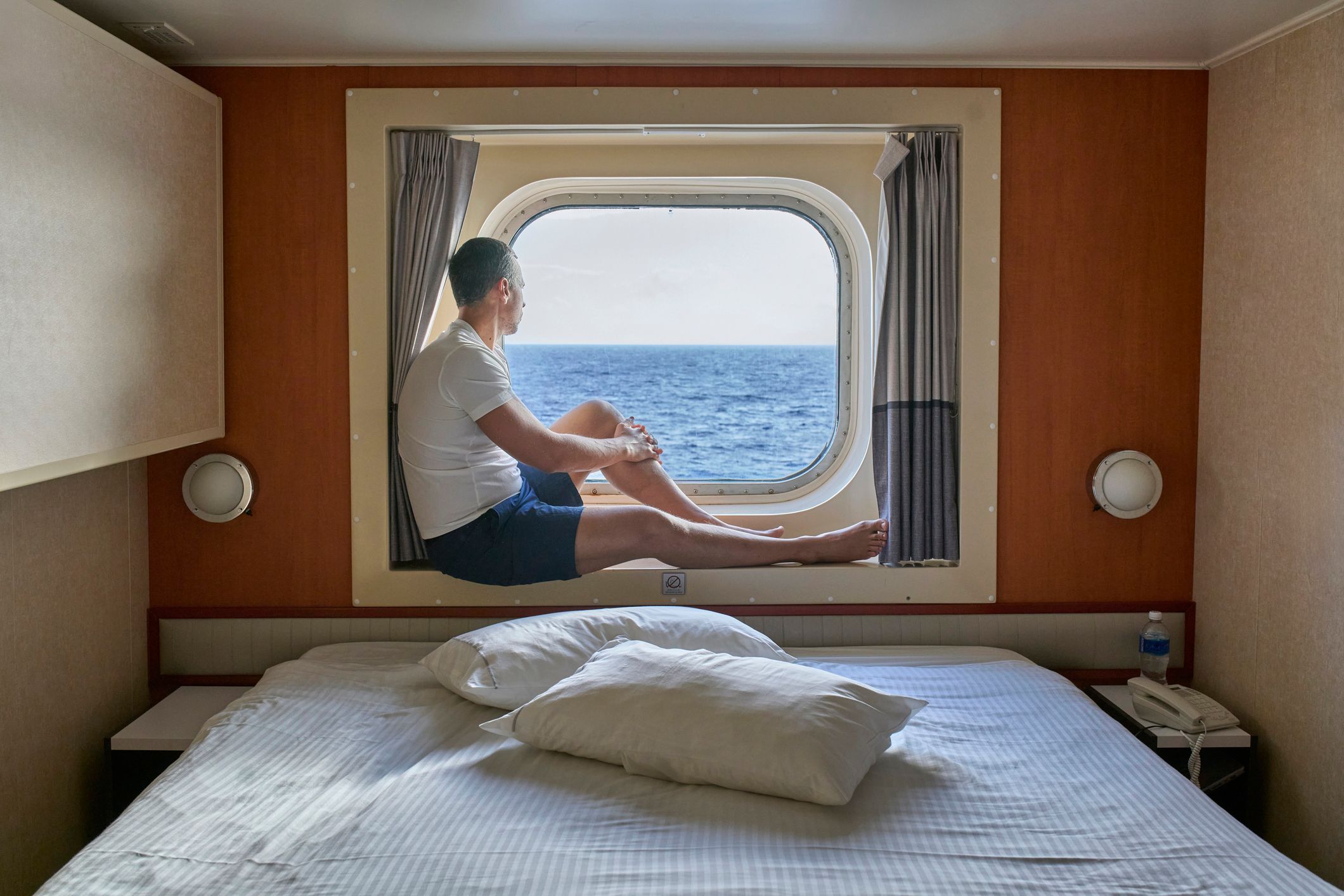
The single supplement remains one of travel’s more irritating inventions. A cabin designed and priced for two people may still cost almost as much when occupied by one, presumably because the absent passenger was expected to consume a formidable quantity of towels.
That problem hasn’t vanished, but solo travellers now have far more alternatives.
In 2024, 12% of cruise passengers sailed alone, double the proportion recorded in 2023. Cruise lines have responded with more single cabins, dedicated lounges, hosted gatherings and selected sailings with reduced or waived supplements.
Norwegian now sells Solo Inside, Oceanview and Balcony cabins across its fleet, with no double-occupancy rate applied to its dedicated Solo accommodation. Some ships also have Studios and lounges reserved for solo guests. Celebrity offers purpose-built single cabins on several ships, including veranda accommodation on its Edge-class vessels.
Availability is the difficulty. Single cabins are limited and often sell early, while a promotional double cabin may occasionally cost less than the dedicated solo option. Comparison remains essential, but travelling alone no longer automatically means paying for an imaginary companion called Andrew.
7. Cruise food is all buffets and beige carbohydrates
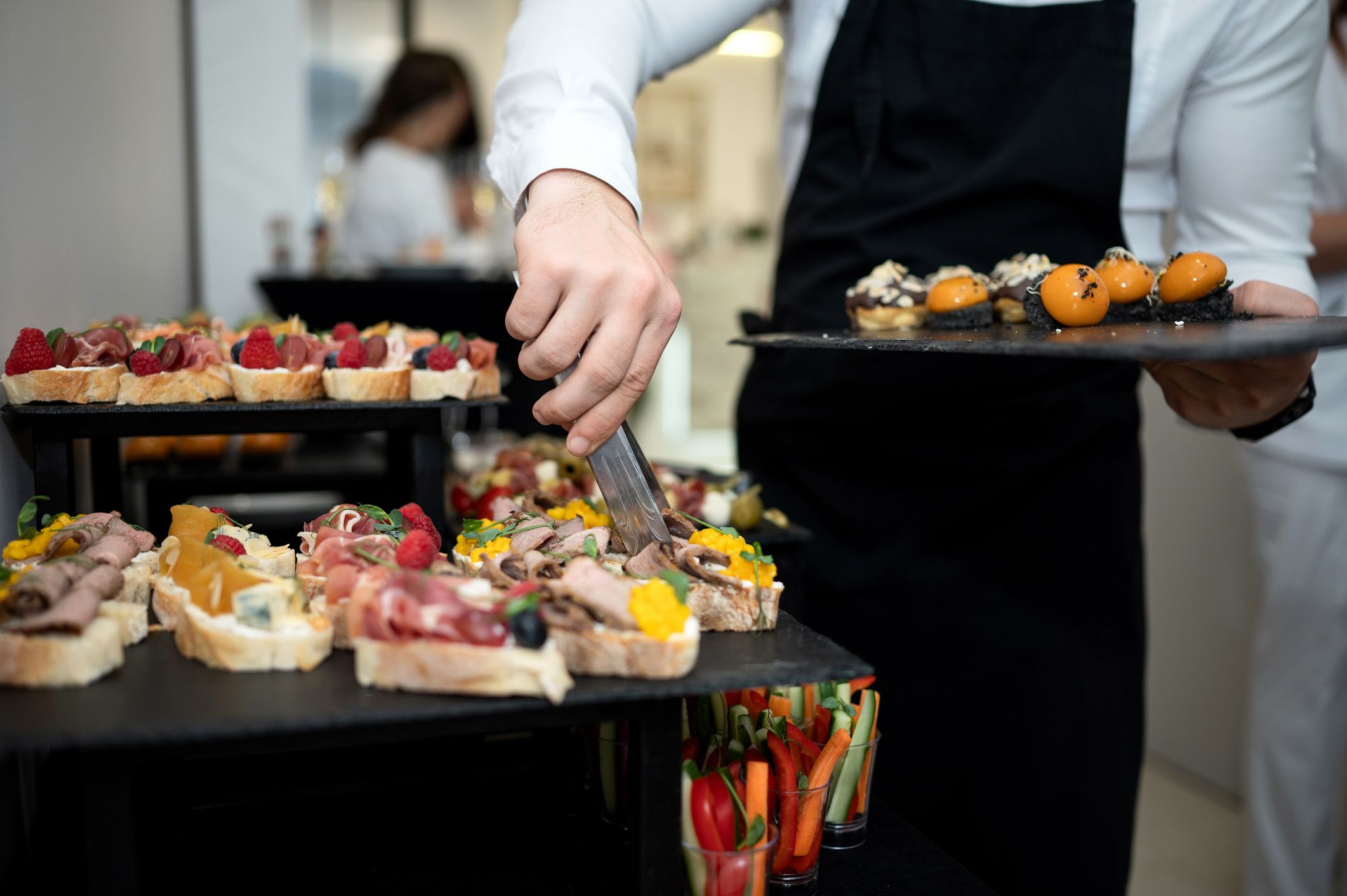
Cruise ships still have buffets, and buffets still contain the occasional item whose original purpose has become unclear beneath a warming lamp.
They are no longer the entire culinary proposition.
Most contemporary ships offer several types of dining, from included main restaurants and informal counters to speciality venues, tasting menus and regionally focused food. Oceania’s current restaurant collection includes French, Italian, pan-Asian and steakhouse dining, with open seating and its principal restaurants included in the fare. Its culinary programme has long been associated with chef Jacques Pépin.
At the higher end, Explora Journeys has hosted chefs including Thierry Marx and Emma Bengtsson, both associated with Michelin-starred restaurants, while its ships operate multiple dining concepts rather than one grand dining room and an apologetic tray of sandwiches.
This doesn’t mean every meal on every ship is excellent. Land-based restaurants have also been known to serve disappointing risotto without invalidating the concept of eating ashore.
The sensible approach is to research the individual ship. Look at what’s included, what carries a surcharge and whether bookings open before departure. The modern cruise dining problem is often deciding where to eat, followed by the realisation that you’ve made three dinner reservations and have only one evening.
8. You have to eat at the same time with the same strangers

Traditional cruise dining involved an assigned table, a fixed sitting and the same companions every night. This could produce lifelong friendships or six increasingly detailed conversations about a stranger’s conservatory.
Fixed dining still exists for passengers who value familiarity. It simply isn’t compulsory across much of the industry.
Norwegian operates without fixed dining times or pre-assigned seating. Princess offers traditional early and late sittings, reservable dining and walk-in restaurants with open seating. Celebrity similarly allows passengers to choose between assigned sittings and Anytime Dining.
Couples can usually request a table for two, although they may need to wait at busy times. Friends can dine together one evening and separately the next. Passengers who enjoy the traditional arrangement can keep it, complete with a waiter who knows their drink order before they sit down.
The nightly table for eight hasn’t been abolished. It has merely stopped holding the rest of the ship hostage.
9. You have to book an organised shore excursion

Ship excursions solve several genuine problems. They arrange transport, simplify complicated destinations and provide some reassurance that the vessel knows where you are. In remote ports or when travelling a long distance from the harbour, that can be extremely valuable.
They aren’t the only permitted means of leaving the ship.
Many cruise terminals sit within walking distance of the destination. Lisbon’s terminal is around 15 minutes from the city centre, while Tallinn’s main passenger terminals are roughly 15 to 20 minutes on foot from the medieval Old Town. In ports such as these, paying to be driven around somewhere you could comfortably explore on foot may simply introduce a coach between you and the place you came to see.
Independent passengers can walk, use public transport, join a local tour or book directly with an attraction. The essential work happens before arrival: check the berth, travel times, tender arrangements, local transport and the ship’s final boarding time. “All aboard” is not a conversational opening position.
An organised excursion makes sense when logistics are awkward, the attraction is distant or the port call is short. Elsewhere, the ship’s excursion desk is an option, not a parole officer.
10. A cruise only gives you a few rushed hours in each port
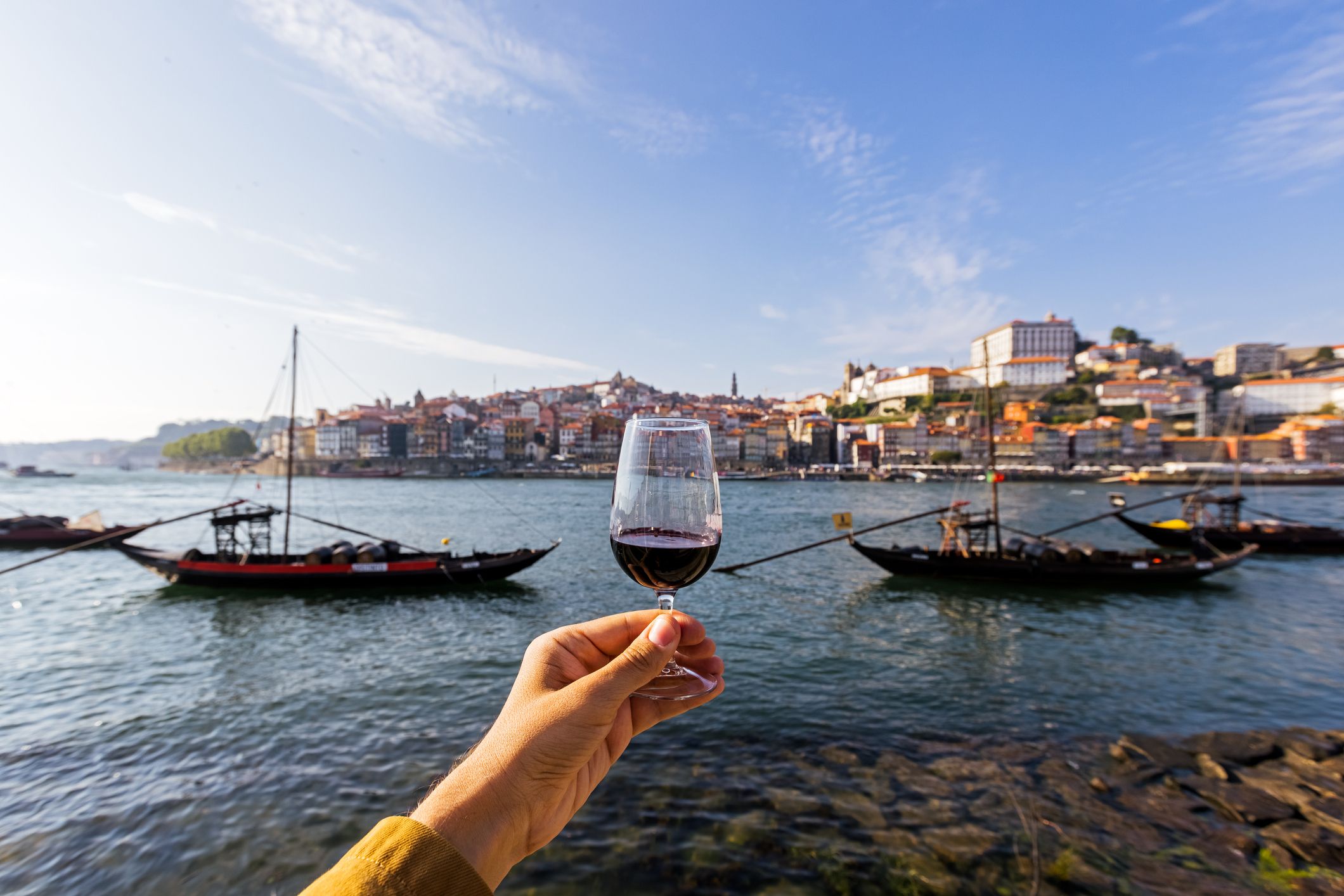
Some itineraries do provide short calls, and their timings deserve careful attention before booking. A destination advertised prominently on the route may turn out to mean arriving at 7am, leaving at 2pm and spending much of the intervening period discussing traffic.
Port-intensive cruise lines increasingly build itineraries around late departures and overnight stays. Azamara’s Extended Destination Days provide at least ten hours in port, and the line schedules frequent overnight visits. Its summer 2027 programme alone included 89 overnight stays and 381 late nights.
Other cruises remain in cities for two consecutive nights, begin or end with hotel stays, or use smaller ships to reach ports close to the centre. River vessels may dock overnight within walking distance of town, allowing passengers to go ashore after dinner rather than looking at the illuminated waterfront through glass while being moved elsewhere.
The itinerary matters more than the picture on the brochure. Check arrival and departure times, the location of the berth and whether the ship stays overnight. A cruise can offer a hurried introduction to a city, but it can also give you dinner ashore, an evening performance and the rare pleasure of seeing a popular place after its day visitors have left.
The truth about modern cruising
The largest cruise myth may be that cruising is one recognisable type of holiday.
A week aboard a 6,000-passenger Caribbean ship has little in common with sailing the Norwegian coast on a working route, exploring Antarctica with 150 other guests or travelling along the Mekong on a river vessel. Treating them as interchangeable because they involve ships is rather like reviewing every hotel on the basis that each contains beds.
Cruises can still be formal, crowded, expensive or buffet-heavy. They can also be casual, intimate, active, food-led, solo-friendly and centred almost entirely on time ashore. The trick isn’t deciding whether you’re “a cruise person”.
It’s finding out which cruise, if any, resembles the holiday you’d willingly take.