
Planning for a cruise has a way of causing me to inhabit strange personas which don't really exist on dry land. Suddenly I'm packing as though I might need to attend a black-tie dinner, scramble up a volcano, repel mosquitoes, survive a power cut, undertake lifeguard training, take up Pilates and develop a new afternoon identity called “linen Henry”.
I don't think it's just me either, regular cruisers definitely aren't immune to this. In fact, they’re often worse, because experience breeds confidence and confidence is how you end up at the terminal with 4 chargers, no plug adapter and a hat that's better suited to the depths of the amazon than a terrace in Palermo.
That's why I've rounded up some of the packing mistakes even the most seasoned cruisers still make, or, in other words, created a simple guide on how to avoid turning your cabin into a floating branch of lost property.
1. Overpacking for cruise sea days

The classic cruise packing error is imagining that your sea days might require a costume change roughly every 90 minutes. Breakfast clothes. Deck clothes. Reading clothes. Gym clothes, (for the version of you that exists only your imagination). Pool clothes. Post-pool clothes. Dinner clothes. Clothes for “just having a wander”, which are suspiciously similar to breakfast clothes but somehow make it into your suitcase anyway.
The reality is less dramatic. Most people settle into a few comfortable pieces they wear again and again, usually something that can take you from coffee to deck chair to lunch without making it look like you’ve given up entirely.
The trick is to pack by actual behaviour, not fantasy behaviour. If you don’t wear a crisp white shirt at home because it attracts food and sun cream, it won’t suddenly become your signature look off the coast of Madeira. If you never go to the gym before breakfast on land, the presence of a treadmill at sea probably won’t transform you into a sunrise athlete with a hydrated glow.
Pack for the person you are, only slightly better rested.
2. Forgetting a cruise carry-on bag
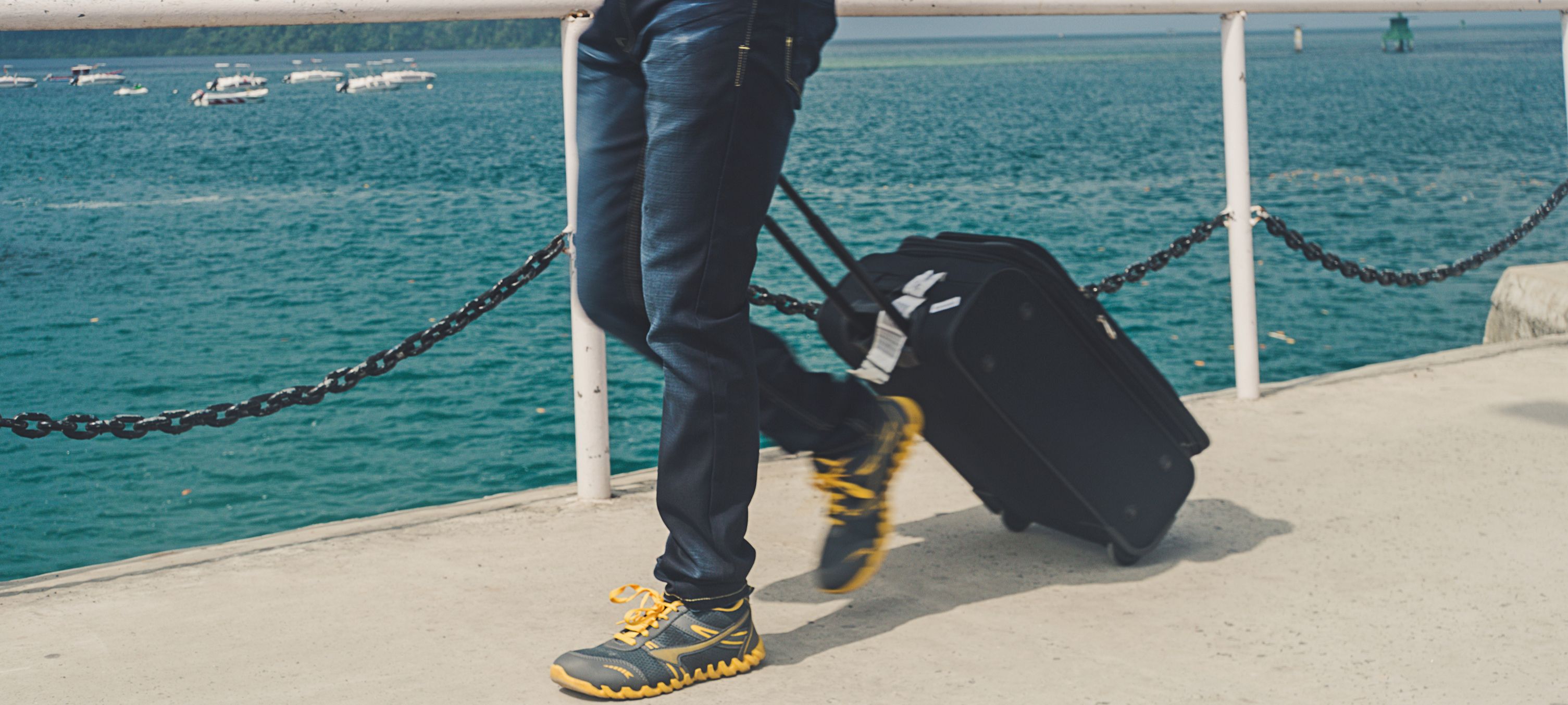
This is the mistake that can genuinely make or break embarkation day (and I learned this the hard way). You hand over your main suitcase at the terminal, stroll on board feeling light and carefree, then realise your medication, swimwear, chargers, sunglasses and lip balm are all currently somewhere in the bowels of the luggage system.
I would always advise keeping boarding-day essentials in your carry-on, including travel documents, medication, toiletries, a swimsuit and a change of clothes, as checked bags may take a few hours to arrive at your stateroom if tagged properly. That’s the polite cruise-line way of saying: don’t pack your entire first afternoon into the case you’ve just waved goodbye to.
A good embarkation bag should be small enough that you don’t spend lunch looking like you’re moving house, but useful enough that you can enjoy the first few hours without stalking the corridors for your suitcase. Documents, medicines, valuables, phone charger, sunglasses, swimwear if you’re likely to use the pool, and one layer in case the ship’s air conditioning has been set to “Norwegian fjord”.
It’s not glamorous, but neither is trying to explain at guest services that your blood pressure tablets are having a lovely time somewhere near deck three.
3. Not checking cruise plug sockets and adapters
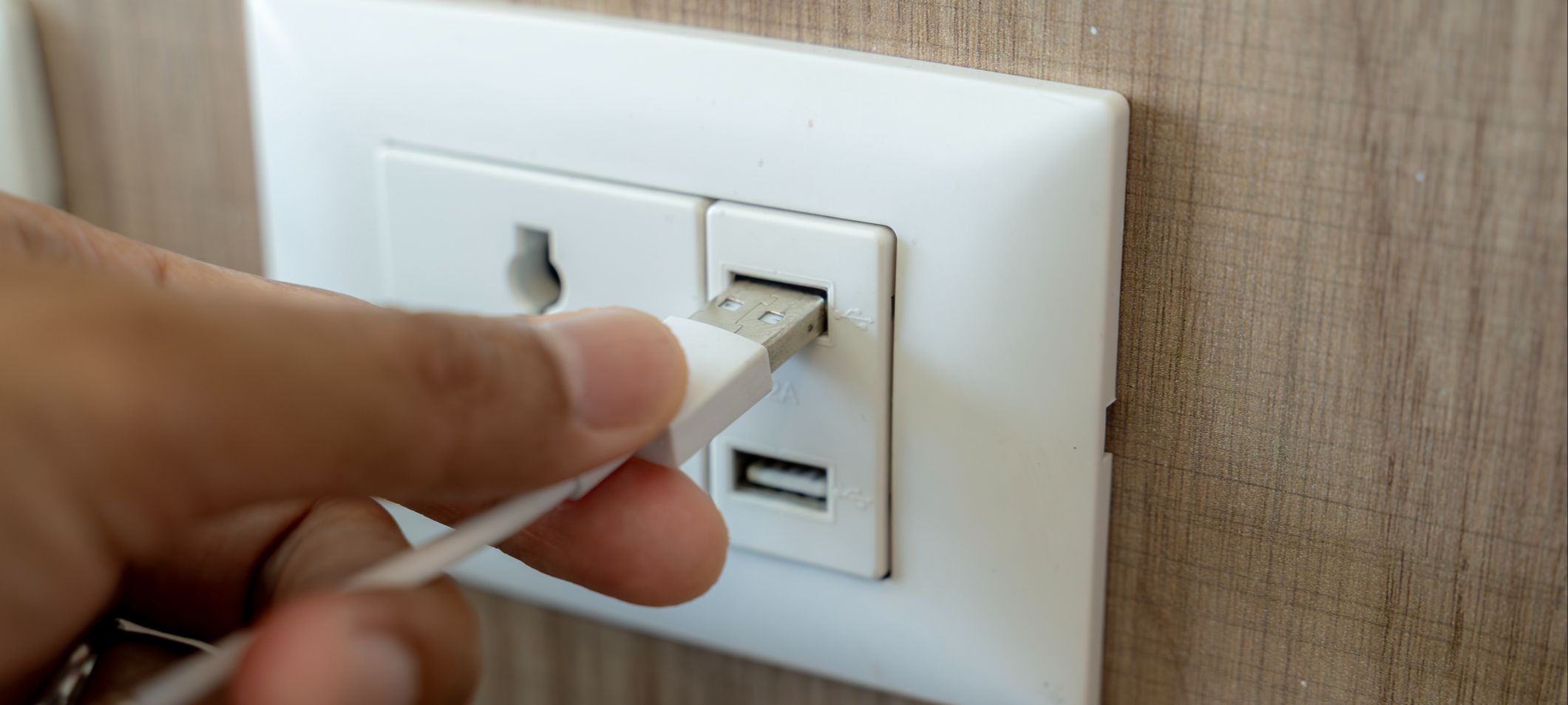
Cruise cabins are much better equipped than they used to be, but they can still provoke a small domestic over who gets to charge their phone first. Add a watch, tablet, camera, e-reader and hair tool and suddenly the bedside socket becomes the most contested bit of real estate on board.
The first mistake is not checking what sockets your ship uses. Many cabins have a mix of US, European or UK-style outlets, but it varies by ship, age and cruise line. A simple universal travel adapter can save a lot of faff, especially if you’re flying to meet the ship or sailing with a line that doesn’t use your usual plug type.
The second mistake is assuming you can solve everything with a power strip. You often can’t. Royal Caribbean’s prohibited-items list bans extension cords, power strips and multi-plug outlets, along with other electrical equipment not designed for personal grooming. Carnival’s guidance is different, allowing some non-surge-protected power strips, multi-plug adaptors and extension cords when used with caution, though items can still be removed if they’re considered hazardous. In other words, policies vary, and “but it was fine last time” is not a legal defence.
The safer packing choice is to check your cruise line’s current rules before you go, then bring a simple adapter and enough standard charging cables. If you use medical equipment such as a CPAP machine, speak to the cruise line before departure rather than improvising with something that might be confiscated. Nobody needs their holiday electrics to become a problem before you've even set sail.
4. Packing banned cruise items

There is a particular kind of optimism involved in packing a travel steamer for a cruise. It says: yes, I am going on holiday, but I will also remain crisp. Sadly, the cruise line might have other ideas.
Cruise lines are extremely twitchy about any heat-producing appliances, for the very reasonable reason that fire at sea is not something anyone wants to mess around with. Royal Caribbean says irons and steamers are not allowed, and bans appliances that produce steam. Disney Cruise Line also lists electric irons and steamers among prohibited items, along with extension cords, power strips, multi-plugs and surge protectors.
The answer is not to pack as if creases are a moral failing. Choose fabrics that travel well, hang things in the bathroom while you shower, use the ship’s laundry or pressing service where available. The truth is, if someone's judging you because your shirt has one crease in it, they’re probably not enjoying their own holiday enough.
5. Assuming cruise formal night requires a small dowry

Evening dress codes are one of those subjects that make cruising sound more complicated than it usually is. Some ships still enjoy a proper dress-up night. Most have softened the whole thing into something closer to “please look like you meant to come out”.
Royal Caribbean describes its formal dress code as a night out in your best black-tie look, while Celebrity requires smart casual attire for main dining, specialty dining and the theatre, and says shorts and flip-flops don’t count. P&O Cruises has its own evening casual and Black Tie or Celebration Night guidance, including venue-specific rules, so the sensible move is to check your line rather than packing for a generic idea of “cruise glamour” last seen in an advert involving champagne and a suspicious amount of white clothing.
The mistake regular cruisers still make is overcorrecting. You don’t need five formal options for a seven-night sailing unless dressing up is genuinely part of the fun for you. One smart outfit that can be worn more than once, or reworked with different accessories or shoes, will do far more for your suitcase than a full eveningwear rota.
Pack enough to feel comfortable, not enough to open a boutique.
6. Forgetting a cruise lanyard or card holder

There are two types of cruiser: people who bring a lanyard, and people who spend the first day patting every pocket they own like they’re performing a one-person percussion piece.
On many ships, your cruise card is your room key, onboard payment method and general proof that you belong there. Carnival’s Sail & Sign card, for example, works as the onboard expense account used for purchases around the ship. Princess has gone further with its Medallion, a wearable device used for things like unlocking your stateroom and making touch-free purchases, so the exact system depends on the line.
A lanyard is not chic in the traditional sense, unless your style icon is “conference delegate with exclusive buffet access”, but it is useful. If you hate the look of one, pack a small card holder, phone pouch or zipped pocket strategy. The main thing is not having to return to your cabin three times before lunch because your key card is in a different pair of shorts.
This is especially important on the first day, when you’re still learning the ship and pretending you know which way is forward. You don’t. Nobody does. You are being tested.
7. Packing the wrong shoes for port days
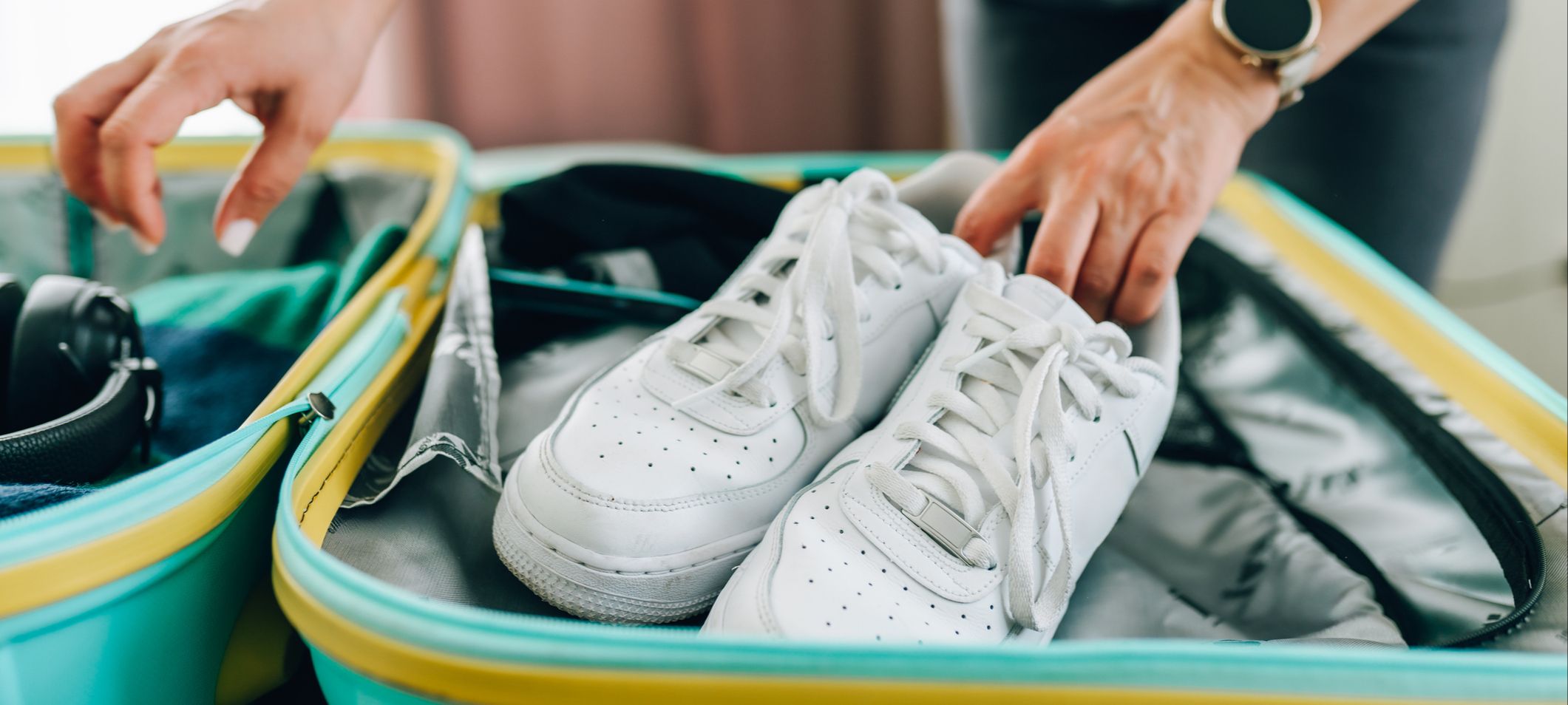
Shoes are where packing optimism goes to die. People bring elegant sandals for cobbled streets, pristine trainers for muddy excursions, or “nice” shoes that can technically be walked in, provided the distance is shorter than the walk from the dining room to the lift.
Cruise ports are not always gentle. One day might be a flat wander along a harbour. The next might involve steps, shuttle buses, old town paving, cathedral floors, gravel paths and a guide who keeps saying “just five more minutes” with the confidence of a person wearing professional footwear.
The common mistake is packing too many shoes, but still not the right ones. You don’t need a different pair for every mood. You need comfortable walking shoes that have already been broken in, something easy for the pool or spa, and one smarter pair if your evenings require it. Anything beyond that should be treated with suspicion, particularly if it has a heel thin enough to disappear between deck boards.
Try shoes on before the cruise, not during the first shore excursion. A blister acquired on day two can develop the narrative power of a minor Greek tragedy.
8. Forgetting layers for the ship itself

People often pack for the destination and forget the ship. This is how you end up beautifully prepared for Santorini but unprepared for the Arctic breeze of the theatre's air con.
Ships are full of microclimates. The pool deck may be blazing. The dining room may feel like a wine fridge. The promenade deck can be breezy even in warm destinations, especially in the evening. Tender boats, observation lounges and early-morning arrivals all have their own little weather systems, most of them designed to punish overconfidence.
A light jumper, cardigan, overshirt or wrap is one of the least exciting things you’ll pack and one of the most useful. It’s not the item that makes the holiday photos sing, but it is the item that stops you spending a show with your arms folded inside your sleeves like a chilly Victorian ghost.
9. Leaving destination-specific packing too late
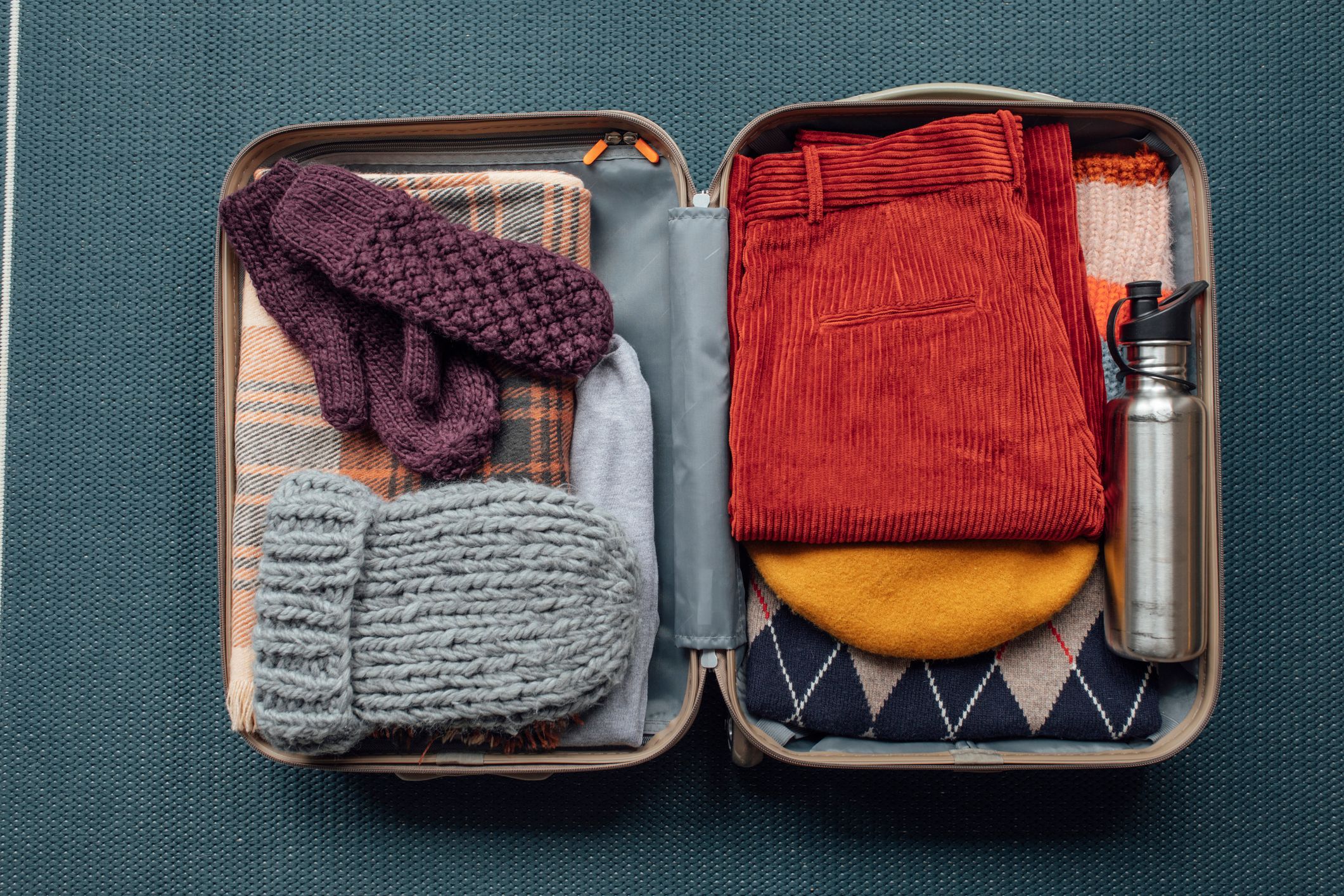
The cruise part is only half the story. The other half is where you’re going. Alaska wants layers, waterproofs and binoculars if you’re wildlife-minded. The Mediterranean wants sun protection, comfortable shoes and something that covers shoulders or knees if you’re visiting certain religious sites. The Caribbean wants swimwear, reef-safe sensibilities where required, and the humility to realise that one bottle of sun cream between two adults is a fantasy.
The mistake is packing for “a cruise” as though all cruises happen in the same climate and involve the same activities. A Norwegian fjords sailing and a Greek islands cruise may both have breakfast buffets and theatre shows, but their packing lists should barely be on speaking terms.
Start with the itinerary. Look at the ports, the likely weather, the excursions and the number of sea days. Then pack. Otherwise you’re just throwing clothes into a case and hoping the geography cooperates.
10. Packing full-size everything

Cruise cabins are clever, but they’re still cabins. Storage is finite. Bathroom shelves are not built for a complete re-enactment of your home skincare routine. Bring every full-size bottle you own and the sink area will quickly start to resemble a small branch of Boots that’s been hit by a swell.
Most people need fewer toiletries than they think, and many ships provide basic shampoo, conditioner, shower gel or soap, though quality and availability vary by line and cabin grade. Bring the things you genuinely care about, decant what you can, and leave behind anything you only use when life is going suspiciously well.
The same applies to “just in case” extras. One small medical kit is wise. A pharmacy with zip ties is a cry for help. Pack plasters, painkillers, any prescriptions, seasickness remedies if you use them, and the basics you’d hate to have to buy at sea. Then stop before your washbag becomes heavier than your hand luggage.
The cruise packing rules that work
Pack for the itinerary, the ship and your real habits.
That means checking dress codes, plug policies and laundry options before you go. It means keeping essentials in your carry-on. It means bringing an adapter, a lanyard, walking shoes and a light layer. It also means leaving behind the clothes for the imaginary version of yourself who attends dawn yoga, wears linen without incident and never spills coffee on white.
Cruise packing doesn’t have to be minimalist, joyless or smug. You’re allowed options. You’re allowed a slightly unnecessary dinner outfit. You’re allowed to bring the book you won’t read. The aim is simply to arrive with what you’ll actually use, without having to sit on your suitcase like you’re wrestling a hippo.
Pack well and you won’t think about packing again until the final night, when the suitcase comes back out, the laundry bag looks accusingly at you, and you discover that somehow, despite all your careful planning, you’ve bought three fridge magnets and no longer have space for your flip flops.